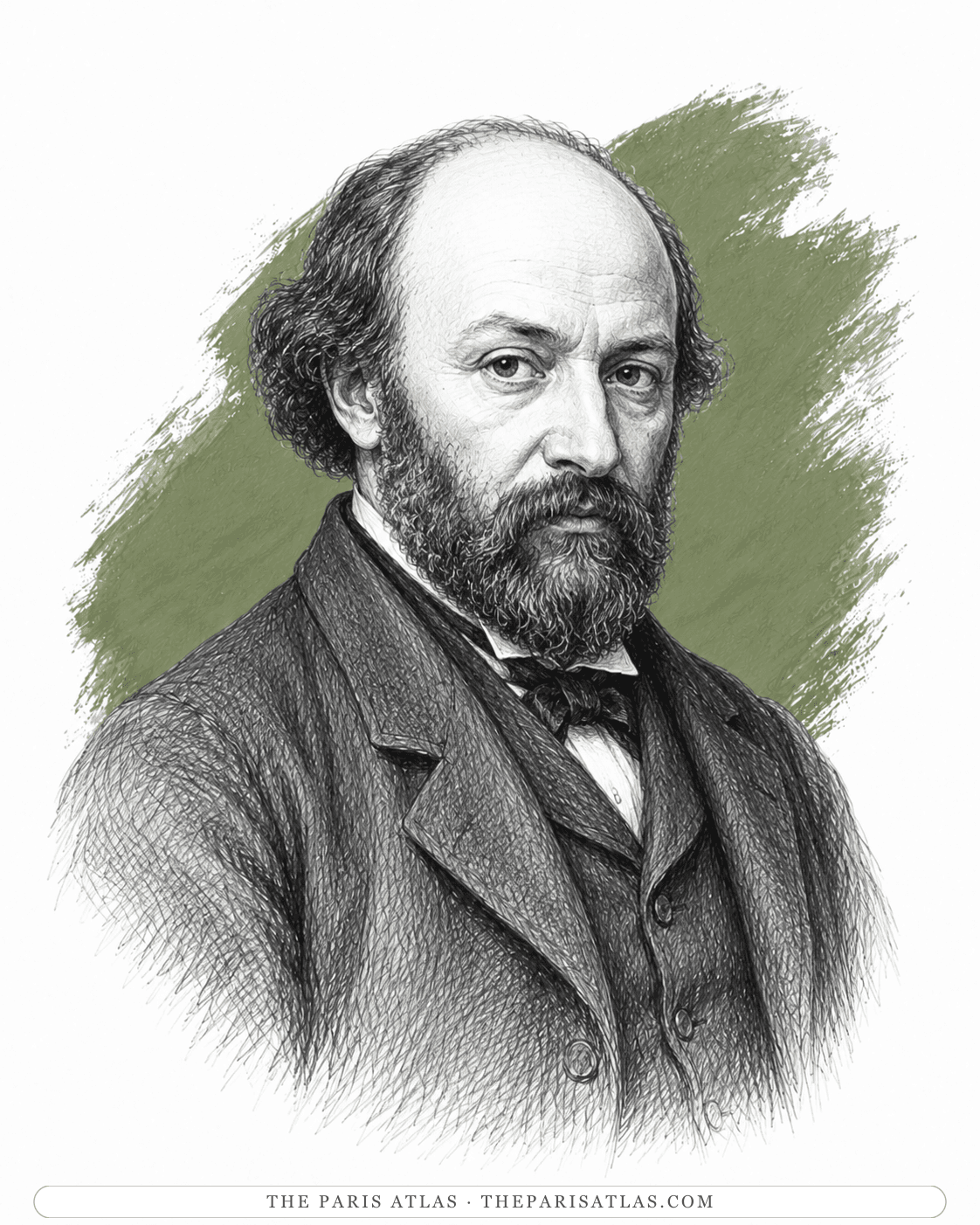
Paul Cézanne
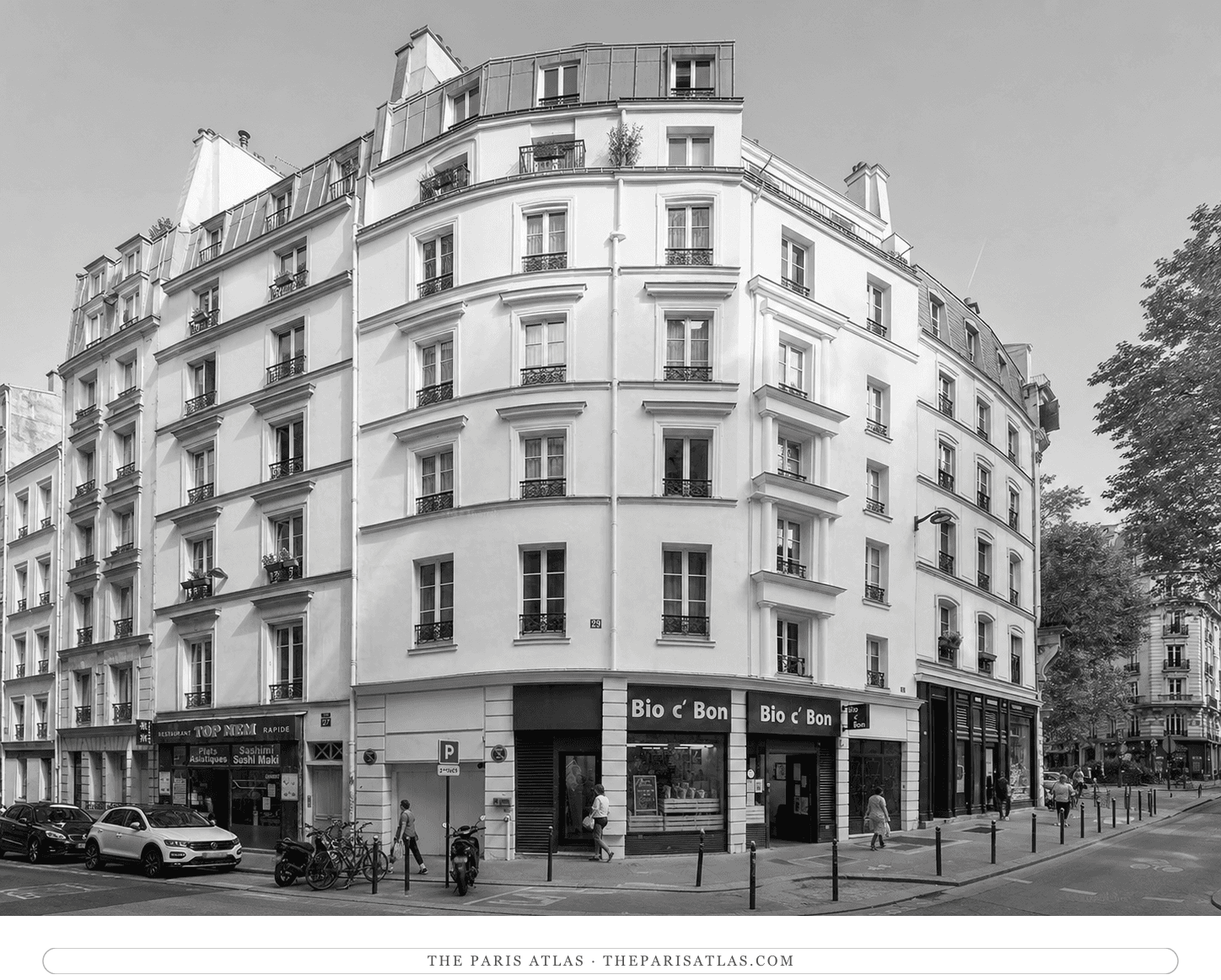
Cezanne was living here in 1870 with Hortense Fiquet, a relationship he concealed from his father for years because his allowance depended on it.
Where Paul Cézanne was living in 1870 with Hortense Fiquet — a relationship he concealed from his father for years, because the allowance he lived on depended on him being single.

Paul Cézanne met Hortense Fiquet, a bookbinder and artist's model eleven years younger than him, around 1869. By 1870 they were living together at this address on the rue Notre-Dame-des-Champs.[1]
The secrecy is the point. Cézanne lived on an allowance from his father, and he judged — probably correctly — that admitting to a mistress would end it. He concealed the relationship for years, including the birth of their son Paul in 1872. His father found out eventually, in the mid-1870s, through gossip.[2]
Hortense sat for him more than any other model: something close to thirty portraits over decades, unsmiling, patient, and painted with the same detached structural attention he gave to apples. Whether that reads as coldness or as a particular kind of regard is one of the standing arguments about him.[3]
They married in 1886, shortly before his father died. The building is private.[1]
The rue Notre-Dame-des-Champs area already held studios, academies and artists' lodgings, making it a practical place for a model and painter to live near the work of the Left Bank. The address did not announce Cézanne's domestic situation to the official record, but it placed the couple within an urban network where temporary rooms and professional posing were ordinary.[1]
Hortense's work as a bookbinder and model matters because the familiar phrase 'artist's model' can erase employment. Sitting demanded time, stillness and negotiation, while paid modelling exposed women to social judgement that male artists largely escaped. In Cézanne's portraits, her repeated presence made sustained formal experiment possible across years of changing addresses.
The portraits resist easy biography. Hortense rarely performs affection for the viewer, and Cézanne's method slows facial expression into relations of colour, volume and pose. That restraint has encouraged claims about marital coldness, but a painted surface cannot by itself settle private feeling. What it can show is extraordinary duration: the same person observed repeatedly while the painter's construction of form changed.[4]
Secrecy affected the whole family structure. Cézanne travelled between Paris and Provence, sometimes leaving Hortense and Paul in separate accommodation while maintaining the allowance and avoiding disclosure. His father's eventual discovery did not immediately end support, but the years of concealment reveal how artistic independence rested on continued economic dependence.
The marriage in 1886 regularised the relationship legally after their son was already fourteen. It occurred during a year of other major changes: Cézanne's break with Zola and the death of his father, which finally brought financial independence. Domestic, literary and economic histories converged, making the earlier hidden household at this address essential context for the apparently solitary late artist.[1]
Rue Notre-Dame-des-Champs connects this page to Montparnasse rather than to one preserved room. The street remains public and the building at number 53 remains a private structure. No portrait setting or family apartment is open, and present occupants should not be approached. The address establishes documented residence; the works supply the visual evidence of Hortense's long role.
A fuller account also avoids treating Hortense only as someone Cézanne hid. She was a partner, parent and the most persistent sitter in his art, whose life was repeatedly reorganised around decisions made by the painter and his father. Adding that agency strengthens the page without replacing the concise facts already present.
The repetition of her image can be studied as a chronology of Cézanne's method. Early portraits retain darker weight; later versions distribute colour across face, dress, chair and wall so that the sitter is built from the same pictorial relationships as the room. Differences in clothing and pose matter, but so does the refusal of easy narrative. Hortense became a constant through which change in the painting itself could be measured.[3]
That formal use has ethical complexity. A model's patience is labour even inside a marriage, and a series of portraits is never evidence that the sitter had equal control over representation. At the same time, describing Hortense only as exploited removes the endurance and practical role visible across decades. Sources allow the relationship's structure to be stated; they do not authorise invented thoughts or a verdict on every sitting.
The address also anchors the pre-Pontoise period. From this household, Cézanne moved toward work with Pissarro that lightened his palette and reorganised his touch. Hortense and the later-born Paul accompanied parts of that movement while remaining concealed from Louis-Auguste. Paris lodging, rural work and Provence allowance were not separate stories but one unstable system.[2]
Nothing in the present building provides access to those rooms or portraits. It remains a building used by current occupants on a public street. The page's added length comes from documented context, not a claim that more physical fabric can be visited than actually survives.
That separation between strong history and limited access is deliberate: a private building can support a substantial page without becoming a tourist interior.
Cézanne meets Hortense Fiquet.
They are living together at 53 rue Notre-Dame-des-Champs.
Their son Paul is born; the family is still concealed from Cézanne's father.
They marry, months before his father's death.
He depended on an allowance from his father and believed a mistress and child would end it. He concealed both for years, and his father learned of them through gossip.
Around thirty portraits across several decades — more than any other model he used.
Cezanne was living here in 1870 with Hortense Fiquet, a relationship he concealed from his father for years because his allowance depended on it.

The address of Chez les Vikings, a Scandinavian tavern in Montparnasse where Henry Miller and Anaïs Nin met regularly in the early 1930s. Miller headed a letter of 4 March 1932 from its tables. The café is gone; the buildings remain.
Visit the place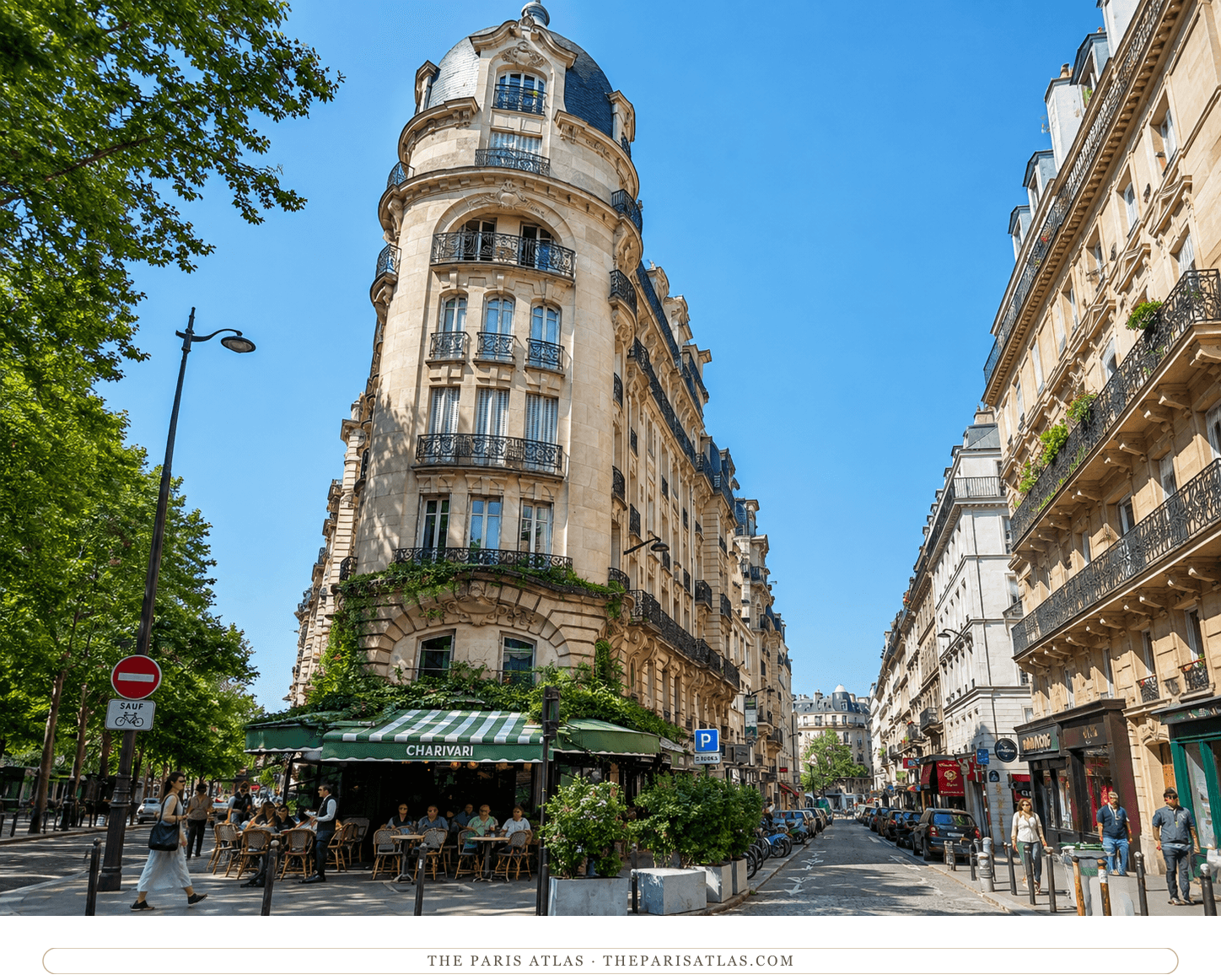
The quarter that took the painters from Montmartre around 1910 and the American writers a decade later, built around four cafés on one crossroads.
Visit the place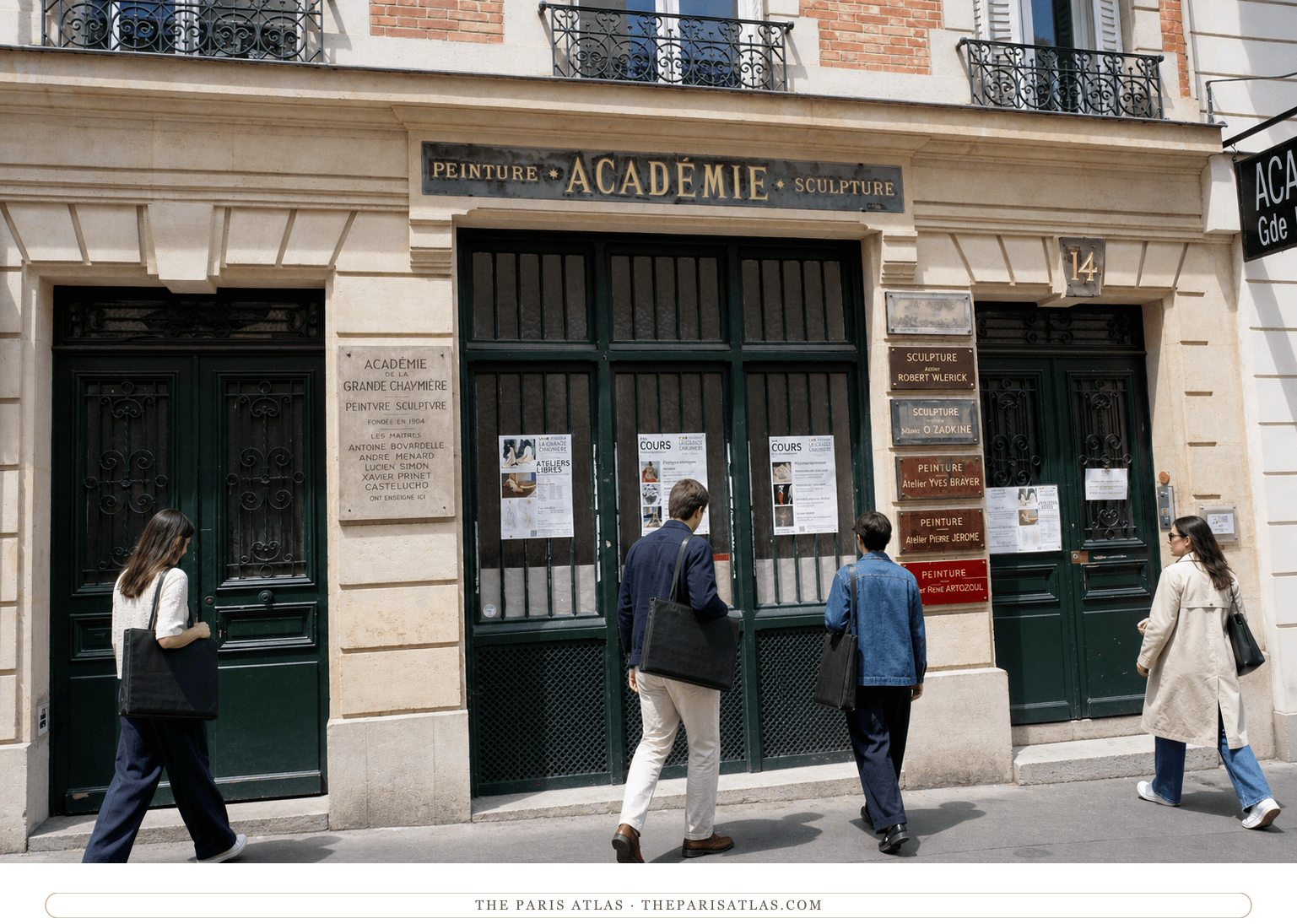
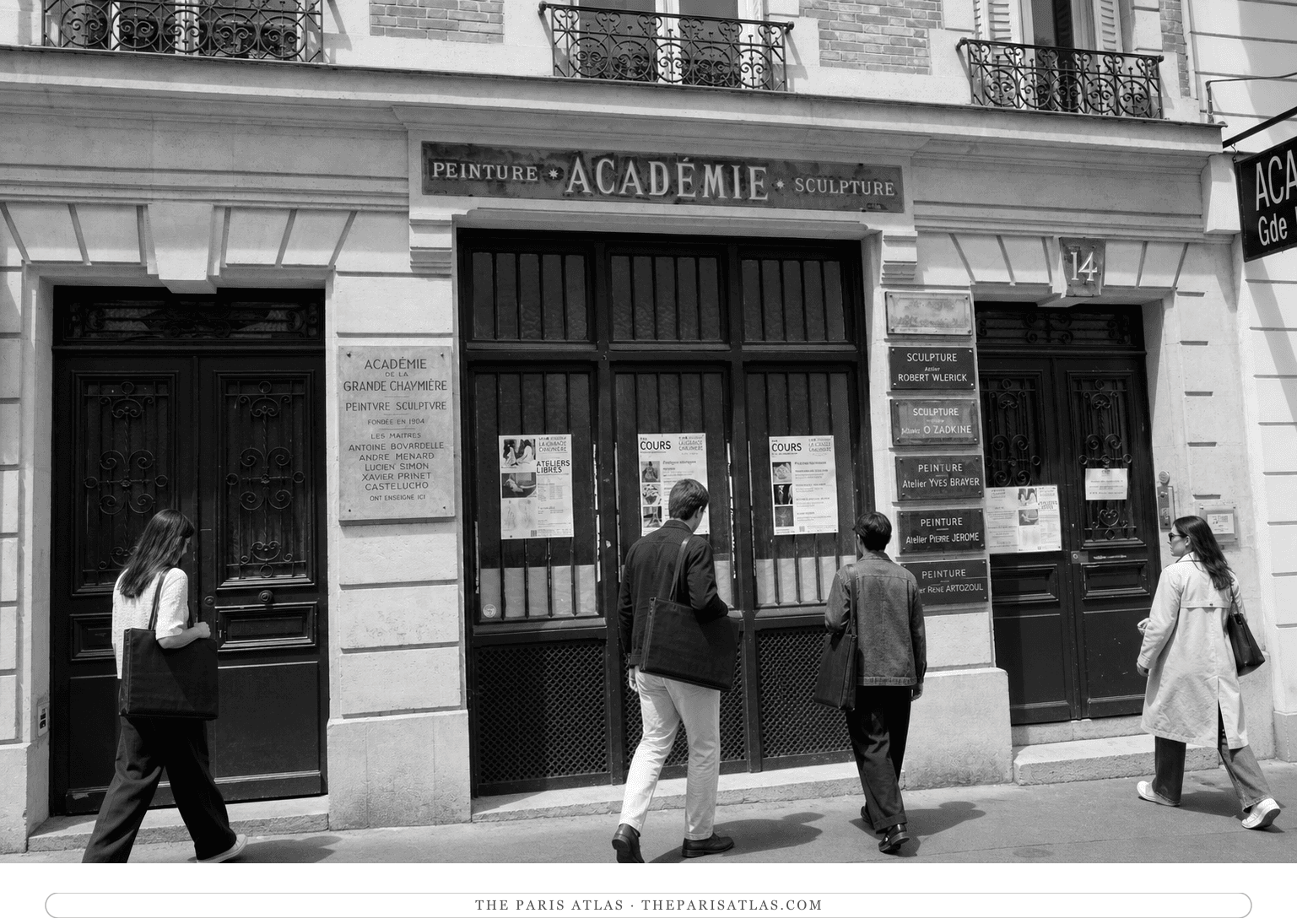
The Montparnasse drawing academy founded in 1904, where anyone could pay for a session with a model and no one asked for qualifications — the school that trained a substantial share of the École de Paris.
Visit the place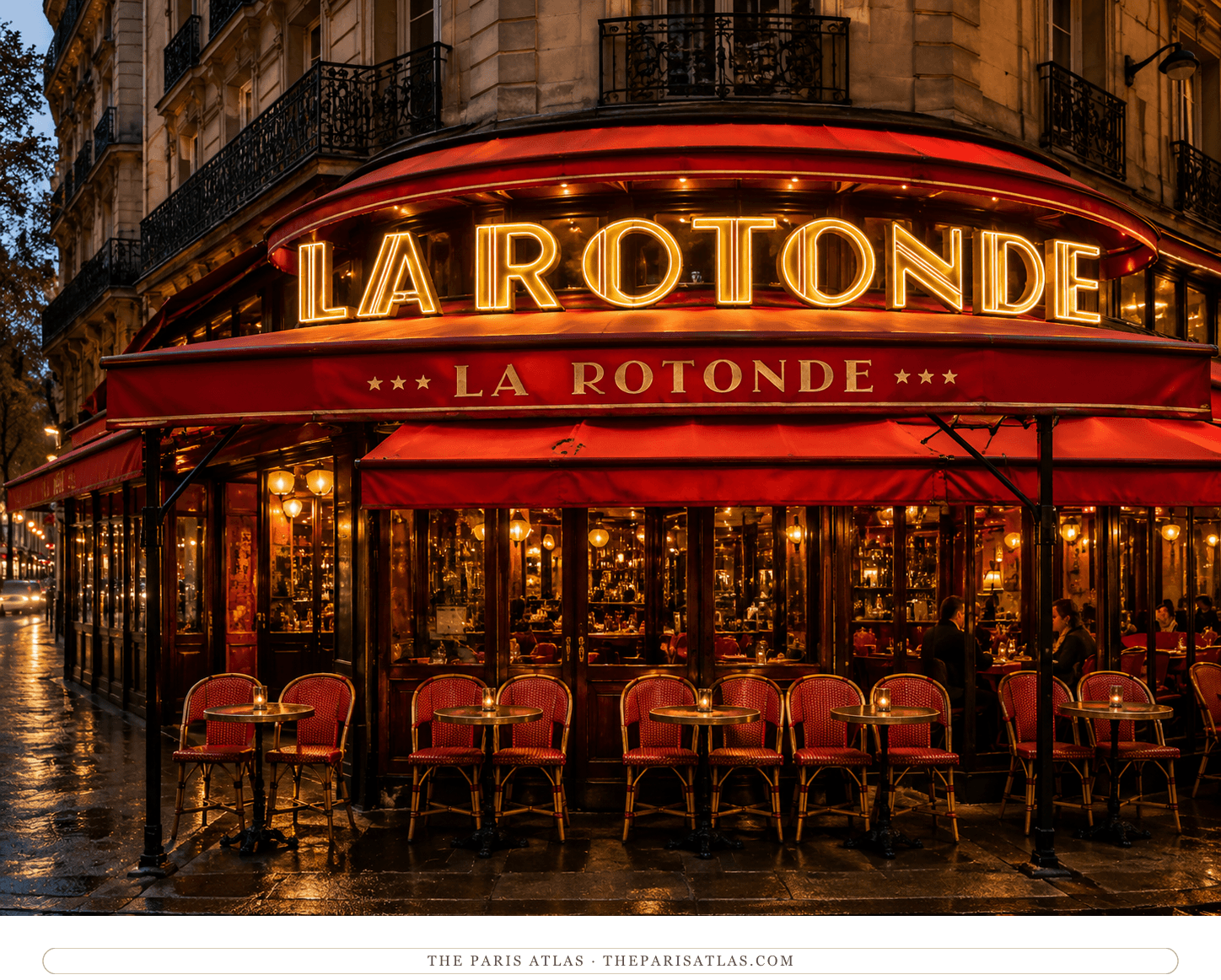
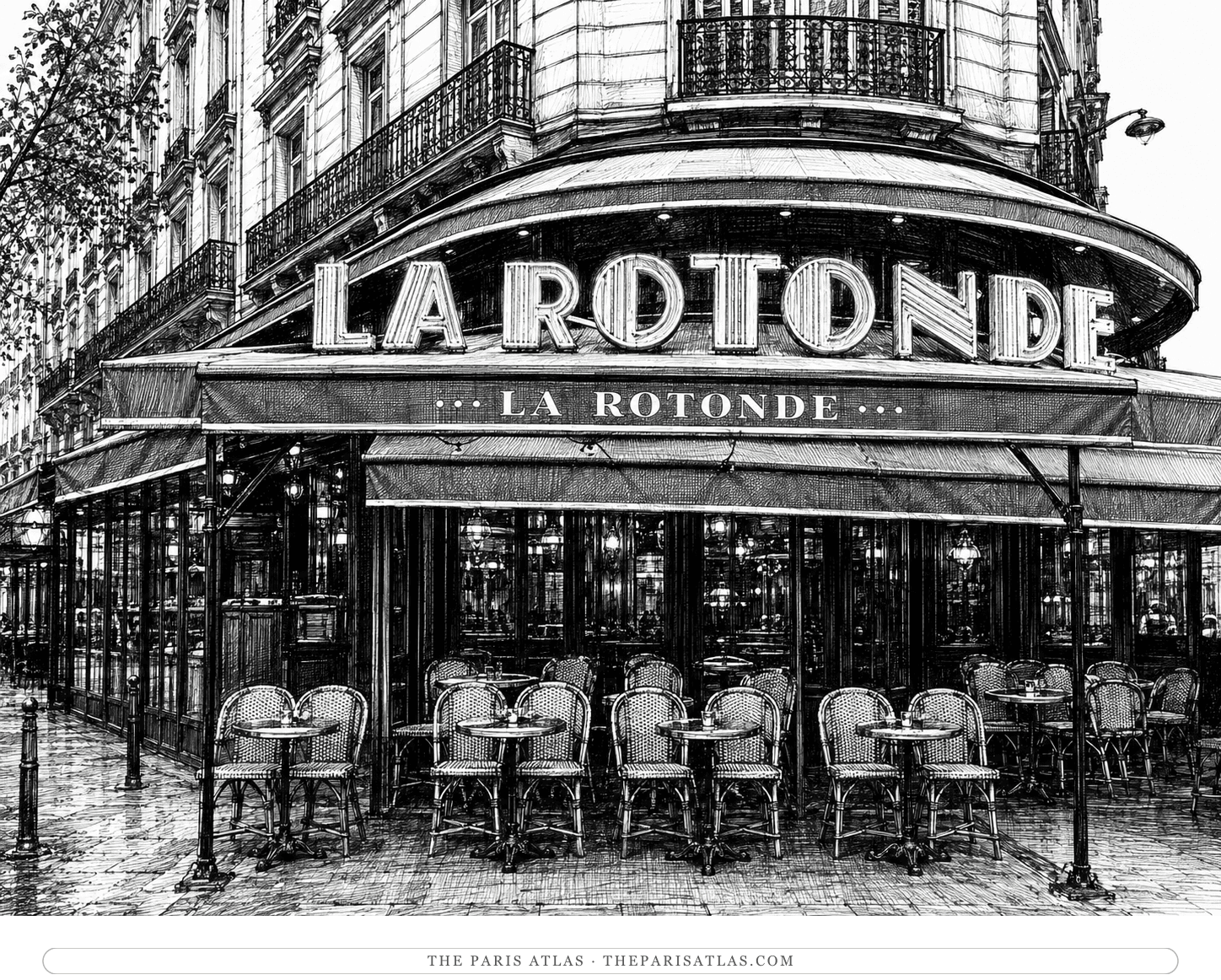
The café every taxi driver delivered Americans to — the novel's driest Montparnasse joke, and before that the painters' living room, where the patron took drawings for drinks.
Visit the placeThe sources below include histories, archival materials, scholarly research, and official records that informed this page. They document 53 rue Notre-Dame-des-Champs, the people connected to it, and its place in Paris.


Web source consulted for documented facts and historical context presented on the 53 rue Notre-Dame-des-Champs page.
These references provide the documented foundation for this page's history and context. Claim-level citations remain attached to the specific claims they support.
 Explore more resources
Newsletter
The cafés, studios, and walk-up flats where the work was made — one story from the map in every letter.