The Paris AtlasCharting the artists, works, and places worth returning to.

Art movement · Paris · c. 1918–1930

Return to Order

After the war, the avant-garde stood down — and the same hands that had taken the world apart began putting it back together.

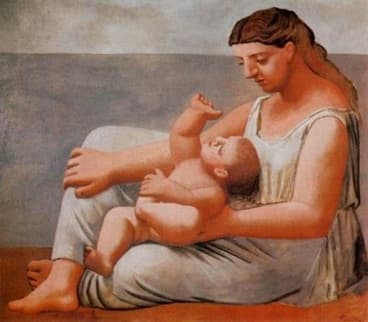
Picasso's Mother and Child: a monumental woman in a white tunic seated by a gray sea, holding an infant who reaches up toward her face
Artwork reproductionPicasso, Mother and Child (1921) — the movement on one canvas. Art Institute of Chicago; image public domain (US).

The pendulum swings back

The Return to Order was not a club with a manifesto but a change of weather. After the First World War, artists across Europe stepped back from the fractured forms and provocations of the prewar avant-garde and reached instead for the classical virtues — clarity, solidity, the drawn line, the monumental figure. A continent that had watched its inherited order administrate a catastrophe wanted, in its pictures at least, the world put back together.

The swing was continental — Italy had its own version, Germany its cooler variant — but Paris gave the tendency its most famous converts and its name. Painters who had spent a decade dismantling appearances began producing bathers, mothers, harlequins, and draped figures that Ingres might have recognized. To the avant-garde's partisans it looked like retreat; to its participants it felt like consolidation — proof that the modern hand could hold the whole figure as well as its fragments.

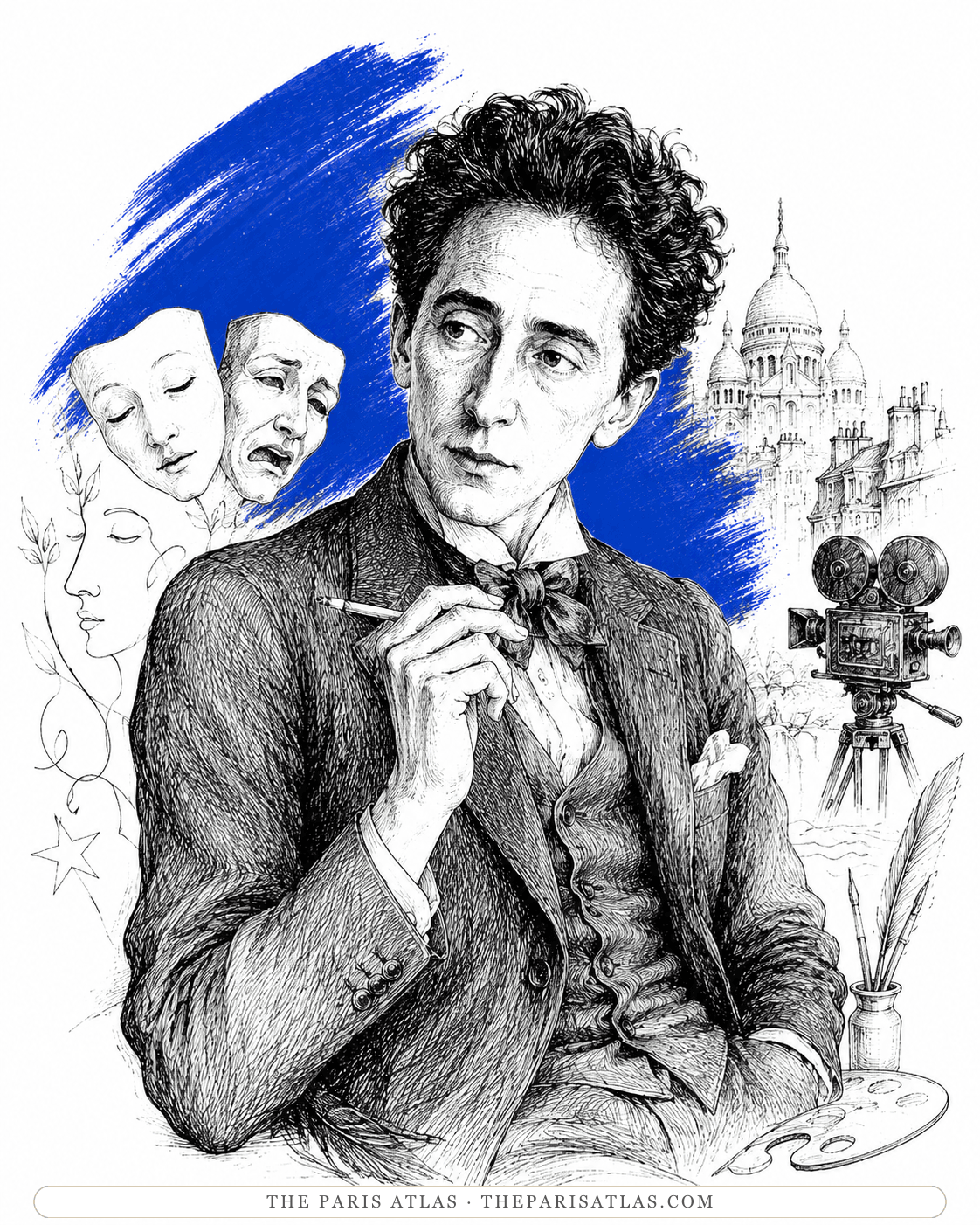
The tendency's enduring name arrived only in 1926, when Jean Cocteau — poet, impresario, and later a filmmaker — collected his postwar essays under the title Le rappel à l'ordre: the call to order. Cocteau did not found the movement, and no one did; his phrase simply fit what half of Europe's studios were already doing, and it stuck.

1917–1925

Picasso's second revolution

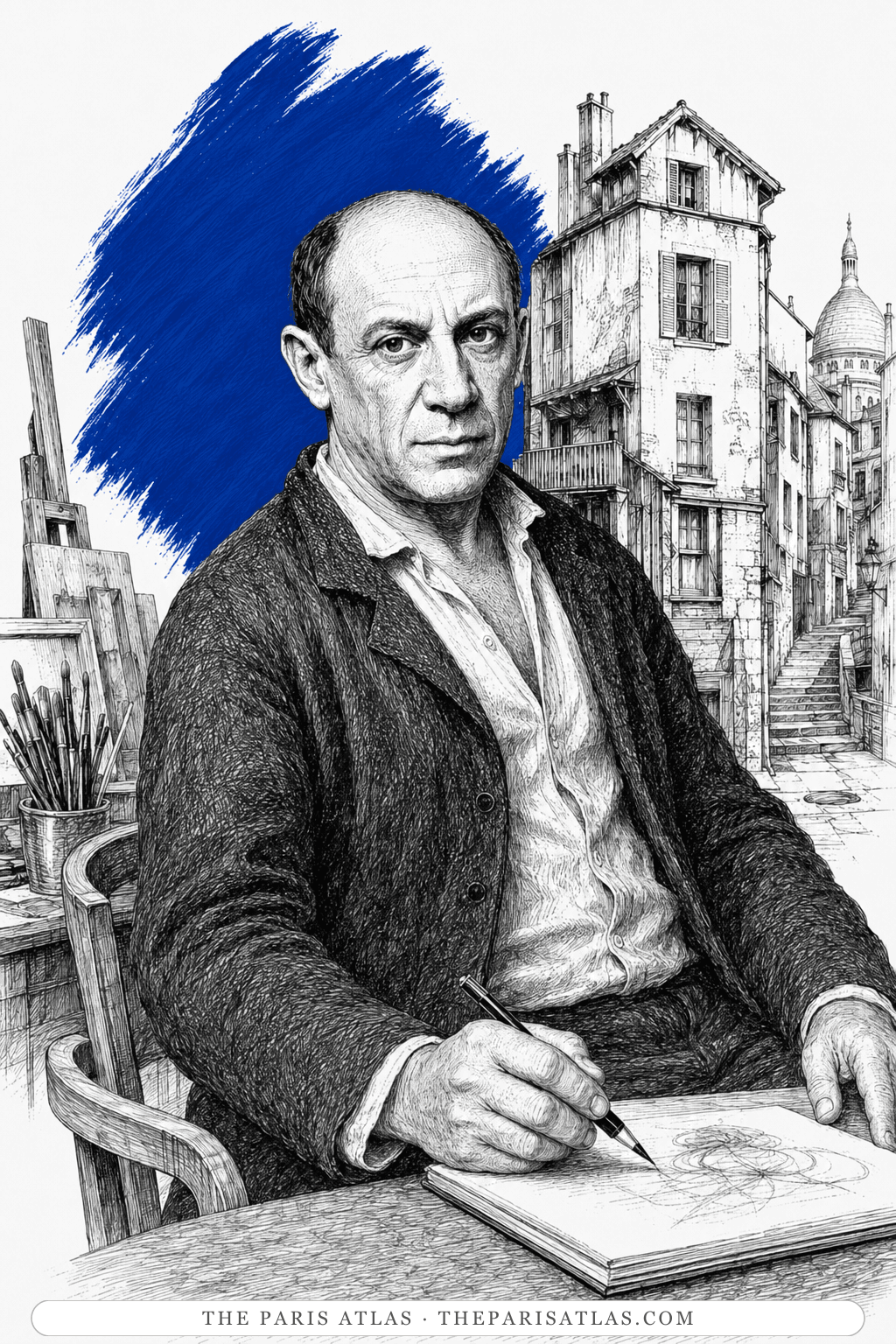
No conversion startled Paris more than Picasso's. In 1917 the inventor of Cubism traveled to Rome with Cocteau to design Parade for the Ballets Russes — his first collaboration with the theater, and his first long look at the antique. What followed was the so-called neoclassical period: massive, calm, sculptural figures, drawn with a line that critics compared to Ingres and scaled like statuary.

Mother and Child (1921), in our catalog, is the period's essence — a monumental woman in a white tunic beside a gray sea, holding an infant with the gravity of carved stone. Picasso painted it the year his own first son was born, and it carries the movement's whole argument: tenderness delivered with classical weight, by the same hand that had dissolved the figure into planes a decade earlier.

The point was never renunciation. Through the same summers Picasso was also completing major Synthetic Cubist works — the two styles ran in parallel from the same studio, sometimes in the same week. The Return to Order did not cancel Cubism; it demonstrated that after Cubism, every style, including the classical past, had become a choice.

A roll call without a membership list

Who answered the call

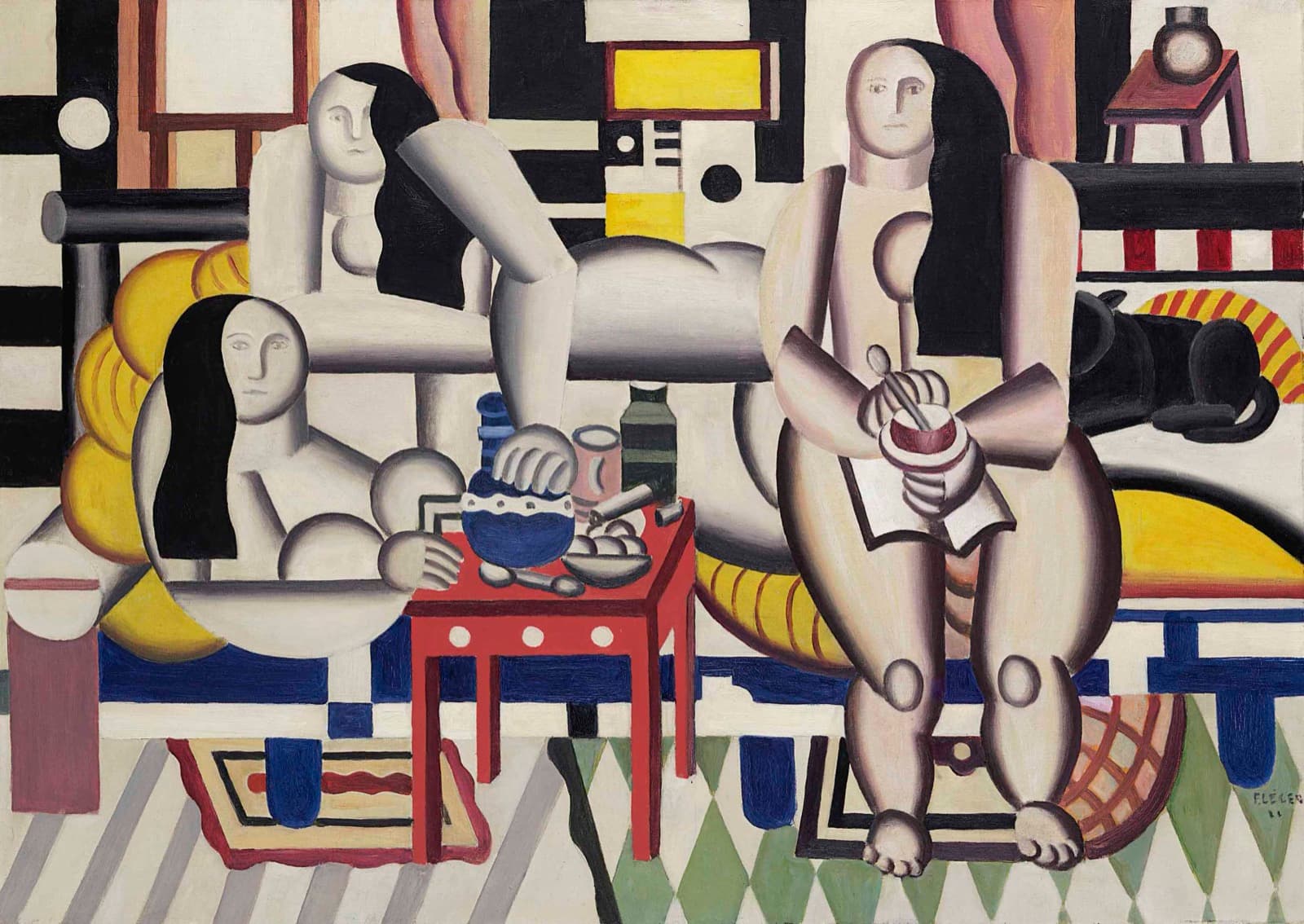
Because the Return to Order had no founding meeting, its artists have to be counted by what they painted, not what they joined. In Paris the roll call starts with André Derain, whose sober, museum-schooled figures had anticipated the turn even before the Armistice; Georges Braque, Cubism's co-founder, whose stately basket-bearers of the early twenties startled the same public Picasso had; Gino Severini, the Futurist who reasoned his way back in a 1921 treatise titled, with disarming candor, From Cubism to Classicism; and Fernand Léger, whose Three Women (1921) posed monumental nudes with the polish of machined steel — classicism rebuilt for an industrial century.

Italy ran its own chapter. The Roman journal Valori Plastici (1918–22) published Giorgio de Chirico's declaration The Return to the Craft in 1919 and gathered Carlo Carrà and Giorgio Morandi around the same appeal to the old masters; in Milan, the Novecento group formed in the early twenties around Margherita Sarfatti with an explicitly classical program. Massimo Campigli, an Italian working in Paris, painted the tendency's calm across both worlds. Germany's cooler variant acquired its name in 1925, when the Mannheim exhibition Neue Sachlichkeit — the New Objectivity — gave sober description its banner.

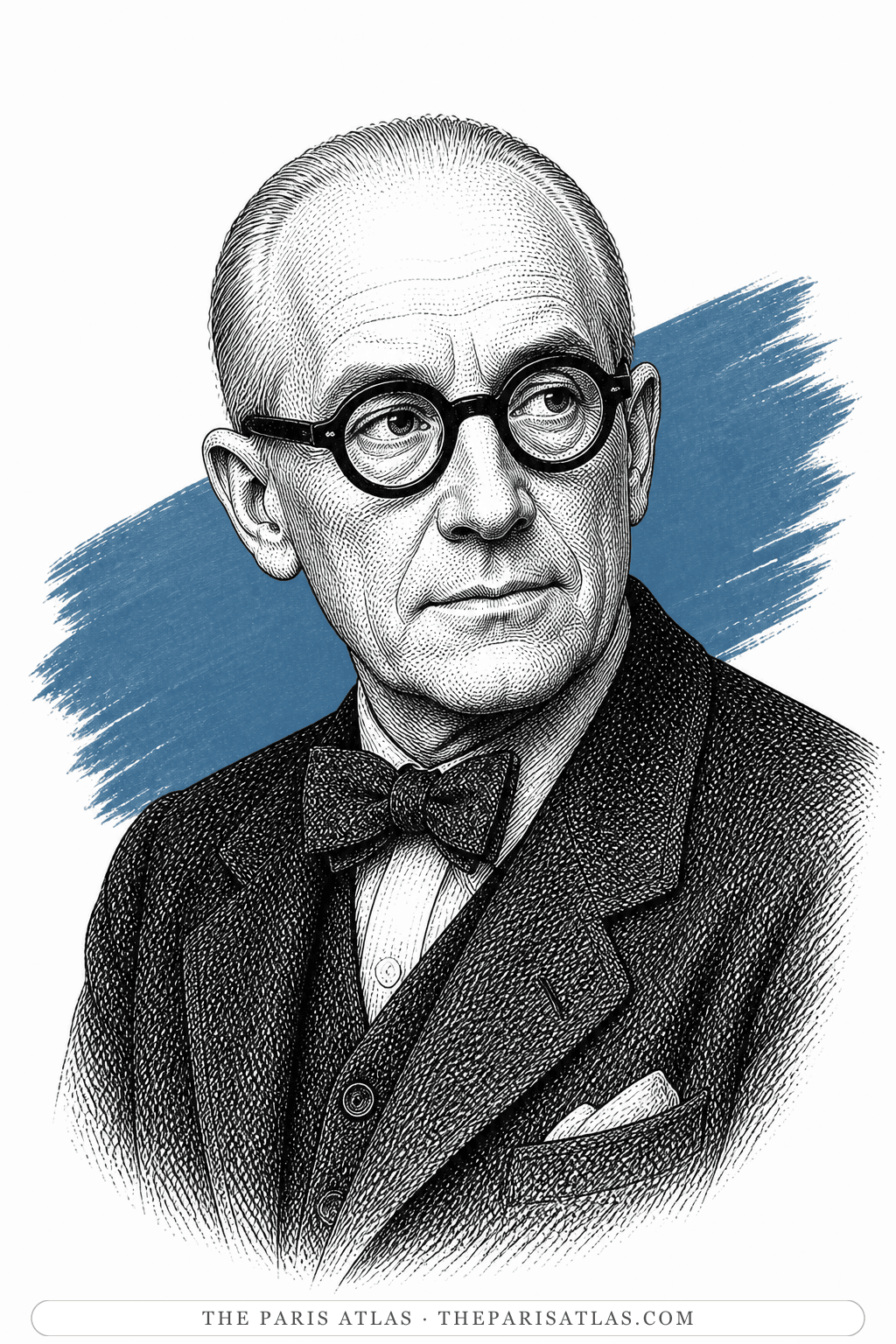
Purism was the tendency's most doctrinaire wing: in 1918 Amédée Ozenfant and Charles-Édouard Jeanneret — the painter about to become Le Corbusier — published Après le cubisme, arguing that Cubism had decayed into decoration and that painting should recover the impersonal clarity of the machine; their journal L'Esprit Nouveau carried the argument through the twenties.

None of them painted from nothing. The classical permission came with ancestors attached: Ingres's line, which the era's critics reached for whenever Picasso drew; the late Renoir, whose monumental bathers made the old master a touchstone for painters half his age; and Cézanne, claimed as ancestor by the Cubists and the classicists alike — the rare father both sides of the pendulum could cite. And the countercurrent was already in the room: Surrealism's 1924 manifesto arrived mid-decade, and by 1930 the pendulum had swung again.

Cocteau, 1923–1926

The book that named it

Cocteau's part in the story runs deeper than the title. His 1923 monograph on Picasso — one of the first books on the painter — championed the classical turn as it was happening, and we owe it a practical debt: the early publication of Mother and Child in its pages is the reason the painting's reproduction is public domain in the United States and can hang on these pages at all.

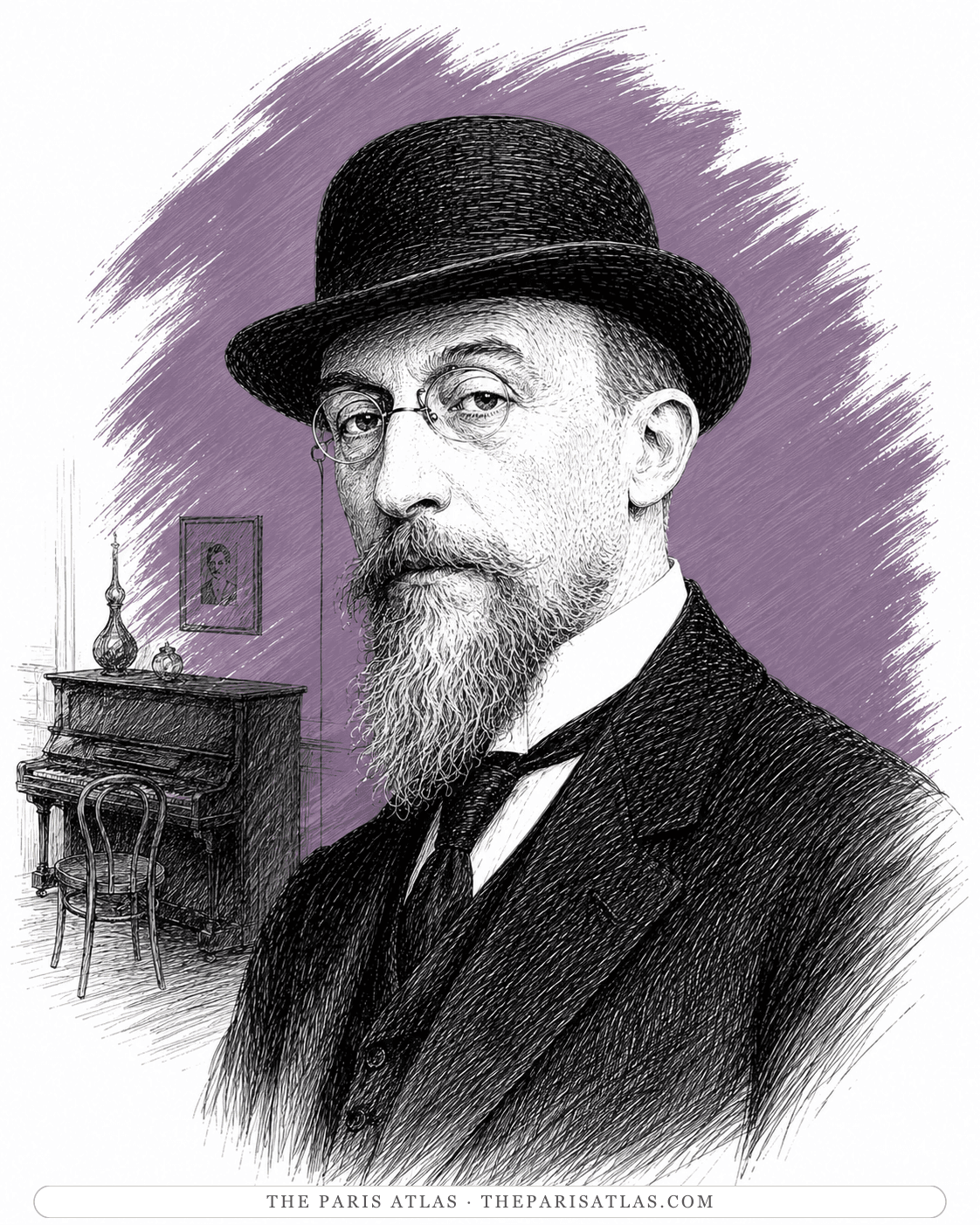
The call to order had a soundtrack, and Cocteau wrote its program notes too. His 1918 pamphlet Le Coq et l'Arlequin — later collected in Le rappel à l'ordre — held up Erik Satie, the composer of Parade, as the model for postwar music: plain, French, and cleansed of prewar orchestral fog. When Stravinsky's Pulcinella opened in Paris in 1920, reworking eighteenth-century music behind designs by Picasso, the movement had its sound as surely as its line.

Three years later Le rappel à l'ordre gathered Cocteau's essays on music, painting, and the postwar mood into the phrase the era kept. The book marks our first step on a longer road: from the salon's paintings to the movement Cocteau named, from Cocteau's essays to his films, and from his films to the cinema that Paris taught itself to take seriously — a story that runs, eventually, all the way to the New Wave.

Same rubble, opposite prescriptions

Order and the Lost Generation

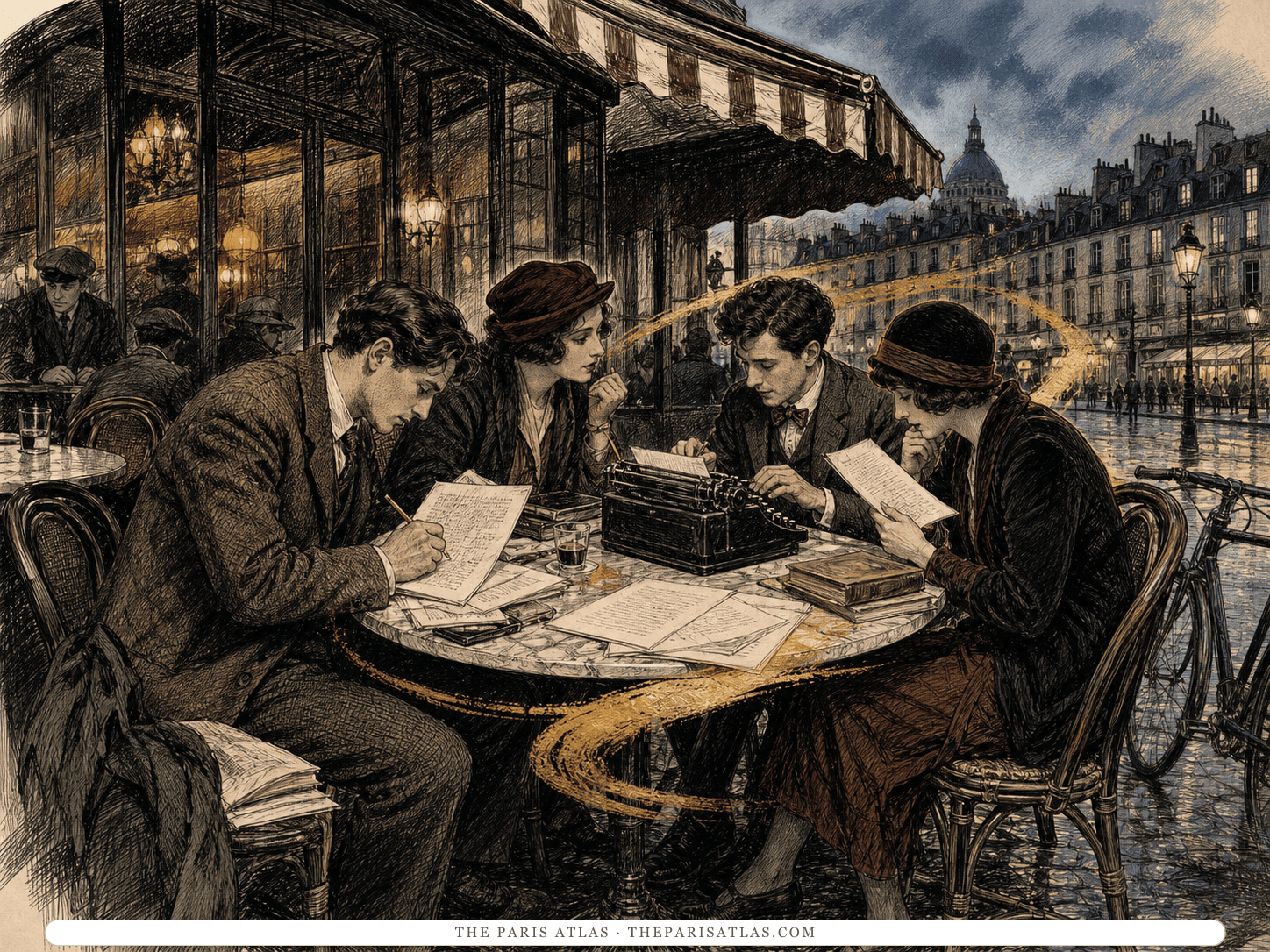
The writers on our shelves lived through the same swing without joining it. The war had bankrupted the big abstractions for them too — but where the painters answered with classical calm, the writers answered with subtraction: Hemingway's stripped sentences, the concrete noun, the refusal of ornament. The Return to Order rebuilt the figure; the Lost Generation rebuilt the sentence. Both were repairs, performed on different materials.

The two revolutions shared rooms all the same. Stein's atelier hung Picasso's every period without apology, and the era's readers met the classical Picassos and the modernist novels as parts of one postwar settlement: the avant-garde had survived the war, and was deciding — canvas by canvas, sentence by sentence — how much of the old world was worth carrying forward.

In the atlas's catalog

The movement's works cataloged so far, from the holding institutions' records. Reproductions appear only where the rights are verified.

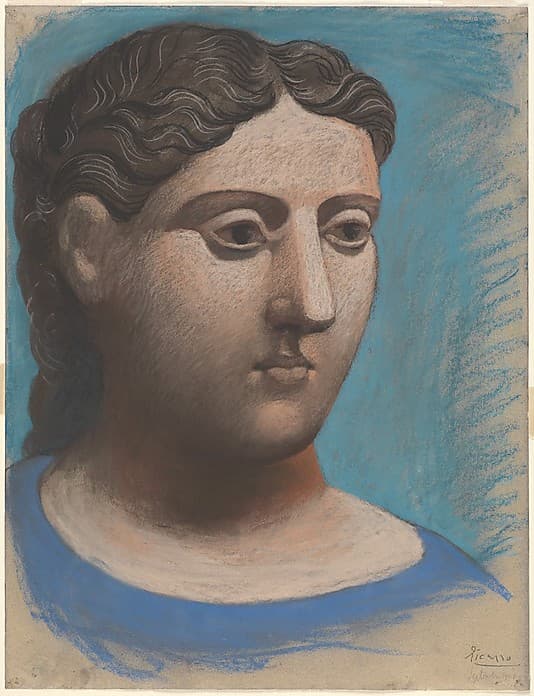
Picasso's Head of a Woman: a monumental classical female head, heavy-lidded and still, drawn in warm pastel

Artwork reproduction

Painting · Return to Order

Head of a Woman

Pablo Picasso · 1921 · Pastel on paper

A monumental pastel study for Picasso's Three Women at the Spring, shaped by the features of Olga Khokhlova and by ancient Roman wall painting he studied in Italy. Its fragile medium is worked to suggest the mass and stillness of sculpture.
Pablo Picasso, Head of a Woman, 1921. The Metropolitan Museum of Art. Image: public domain (US).

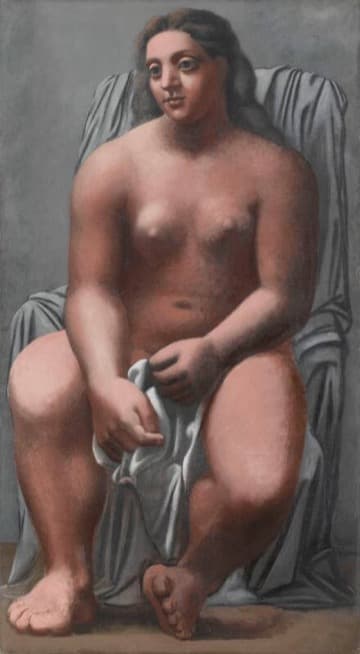
A massive seated nude woman with heavy sculptural limbs, drapery across her lap, against a plain grey ground

Artwork reproduction

Painting · Return to order

Grande baigneuse

Pablo Picasso · 1921 · Oil on canvas

Picasso's monumental 1921 seated nude — Antiquity exaggerated rather than copied — the Walter-Guillaume collection's clearest statement of the postwar return to order.

Pablo Picasso, Grande baigneuse, 1921. Musée de l'Orangerie, Paris. Image © the rights holder, shown under fair use.

Picasso's Mother and Child: a monumental woman in a white tunic seated by a gray sea, holding an infant who reaches up toward her face

Artwork reproduction

Painting · Return to Order

Mother and Child

Pablo Picasso · 1921 · Oil on canvas

The postwar neoclassical turn — monumental calm from the same hand that had taken the figure apart a decade earlier.

Pablo Picasso, Mother and Child, 1921. Art Institute of Chicago. Image: public domain (US).

Three Women at the Spring: three massive women in gray chitons with sculptural limbs gathered around a stone spring, one holding a water jar

Artwork reproduction

Painting · Return to Order

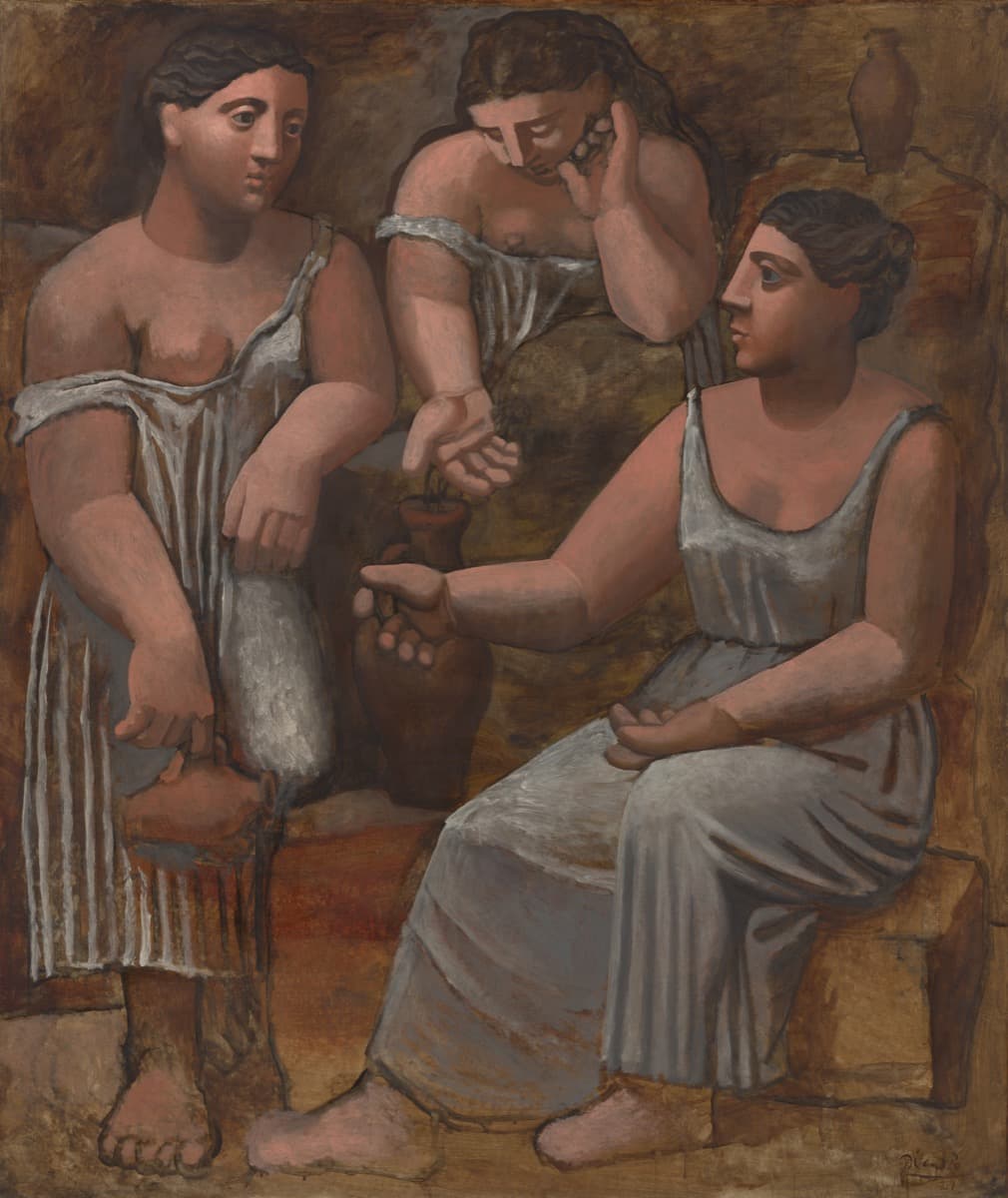
Three Women at the Spring

Pablo Picasso · Fontainebleau, summer 1921 · Oil on canvas

At Fontainebleau in 1921, Picasso enlarged an ancient scene of women gathering water into a nearly seven-foot meditation on classical order. Yet the ritual has stalled: the bodies are disjointed, the faces masklike, and no water reaches the waiting hand.

Pablo Picasso, Three Women at the Spring, Fontainebleau, summer 1921. The Museum of Modern Art. Image © the rights holder, shown under fair use.

Léger's Three Women: three gray, machine-polished nudes reclining around a small red table set with cups, in a boldly patterned geometric interior with a dark animal curled at the right

Artwork reproduction

Painting · Return to Order

Three Women (Le Grand Déjeuner)

Fernand Léger · 1921–22 · Oil on canvas

Three monumental nudes lounge around a low table, their bodies assembled from polished cylinders and spheres. Léger turns the classical reclining nude into a machine-age image of order — calm, impersonal, and unmistakably modern.

Fernand Léger, Three Women (Le Grand Déjeuner), 1921–22. The Museum of Modern Art. Image: public domain.

Follow it through the atlas

Timeline

  1. 1917

    Working on Parade in Rome with Cocteau, Picasso encounters classical and Renaissance art firsthand — the experience that helps initiate the neoclassical turn.

  2. 1918

    The Armistice. Across Europe the avant-garde's prewar extremes give way to an appetite for clarity and order.

  3. 1918

    Ozenfant and Jeanneret publish Après le cubisme, Purism's founding argument; Cocteau's Le Coq et l'Arlequin makes Satie's plainness the model for postwar music.

  4. 1919

    In Rome, Valori Plastici publishes de Chirico's The Return to the Craft — the Italian wing announces its appeal to the old masters.

  5. 1920

    Stravinsky's Pulcinella premieres in Paris behind Picasso's designs; Ozenfant and Jeanneret launch the journal L'Esprit Nouveau.

  6. 1921

    Picasso paints Mother and Child — monumental classical calm, the year of his first son's birth — while completing major Cubist work in the same months. Severini publishes From Cubism to Classicism; Léger paints Three Women.

  7. 1923

    Cocteau publishes Picasso, an early monograph championing the classical turn — the book whose publication history keeps Mother and Child public domain in the US.

  8. 1925

    The Mannheim exhibition Neue Sachlichkeit names Germany's cooler variant; Surrealism, a year past its first manifesto, is already gathering the counter-current.

  9. 1926

    Cocteau collects his postwar essays as Le rappel à l'ordre — the call to order — and the tendency has its enduring name.

  10. c. 1930

    Surrealism's rise ends the classical moment; Picasso's figures begin to bend again. The pendulum keeps its schedule.

Return to Order: frequently asked questions

What was the Return to Order?

A change of mood after the First World War, roughly 1918 to 1930, in which artists across Europe stepped back from the fractured forms of the prewar avant-garde and reached again for classical clarity — the drawn line, the solid, monumental figure. It had no manifesto and no membership list; artists are counted by what they painted.

Who named the Return to Order?

Jean Cocteau. The enduring name came in 1926, when he collected his postwar essays under the title Le rappel à l'ordre — "the call to order." Cocteau did not found the tendency; his phrase simply fit what half of Europe's studios were already doing.

Why did artists return to classicism after the war?

A continent that had watched its inherited order administer a catastrophe wanted, in its pictures at least, the world put back together. To the avant-garde's partisans it looked like retreat; to its participants it felt like consolidation — proof that the modern hand could hold the whole figure as well as its fragments.

What was Picasso's role in the Return to Order?

No conversion startled Paris more. After traveling to Rome in 1917 to design Parade, Picasso began his neoclassical period — massive, calm, sculptural figures drawn with a line critics compared to Ingres. Mother and Child (1921) is its essence. He never renounced Cubism, though: the two styles ran in parallel from the same studio, sometimes in the same week.

Which artists were part of it?

In Paris, André Derain, Georges Braque, Gino Severini, and Fernand Léger; in Italy, Giorgio de Chirico, Carlo Carrà, and Giorgio Morandi around the journal Valori Plastici; in Germany, the cooler New Objectivity. Purism, the doctrinaire wing, was led by Amédée Ozenfant and the future Le Corbusier.

Sources

  • Tate — Return to order (art term)
  • Elizabeth Cowling and Jennifer Mundy, On Classic Ground: Picasso, Léger, de Chirico and the New Classicism 1910–1930 (1990)
  • Art Institute of Chicago — collection records, Mother and Child object page
  • Jean Cocteau, Picasso (1923)
  • Jean Cocteau, Le rappel à l'ordre (1926)