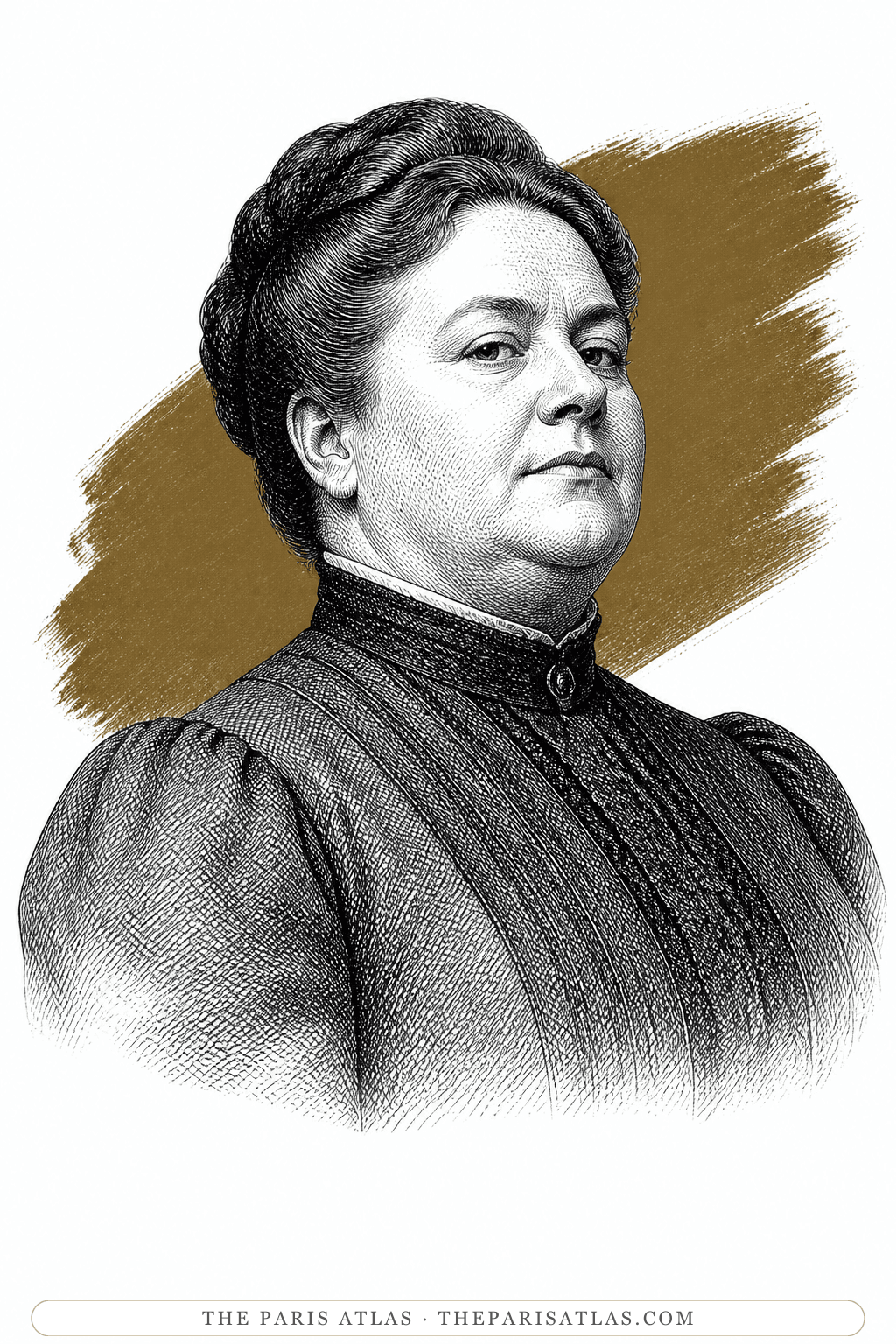
Mrs. Haydon
Lena's aunt — the woman who brought her from Germany, arranged her marriage, and decided afterwards that she had done very well by her.
To arrange other people's lives well and be thanked for it. She patronises her German relations grandly, tells them where they have gone wrong in the past and how to do things better in future, finds her niece a husband, and complains that nobody is ever grateful.
The book

At a glance
- Lena Mainz's aunt in Bridgepoint; the woman who arranges her life
- A grocer husband who thinks Lena is a fool, two daughters aged fourteen and fifteen, and a boy she spoils
- Short, stout and hard built; the book says she hit the ground firmly and compactly as she walked
- Matching red dresses of good heavy cloth, trimmed with glistening black braid, and stiff red felt hats with a bird on them
- Four years before the story opens, at seventeen, second class on the steamer
Who they are in the book
Spoiler-freeMrs. Haydon is Lena Mainz's aunt, and she decides everything that happens to Lena. She is a short, stout German woman married to a well-off grocer in Bridgepoint, with two teenage daughters she dresses identically in red and a young son she spoils and cannot manage. Four years before the story she went back to Germany to visit her parents and came home with her brother's second daughter, on a plan: service first, then a good husband.
The book calls her hard, ambitious and well meaning, and does not pretend she is cruel. She genuinely believes she is doing right by Lena, and says so at length whenever anyone will listen. She also stops visiting once the wedding is over.
How Mrs. Haydon Is Portrayed
- The visit homeOn the trip to Germany she listens, decides and advises every relation how to manage their affairs. Her American-born daughters find the whole place poor and smelly, will barely kiss their grandparents, and are scolded daily for it.
- Choosing LenaOut of her brother's eight children she picks the second girl, aged seventeen, because Lena is docile, works hard and will never want her own way. The book adds that Mrs. Haydon, for all her hardness, could feel the rarer strain there was in her.
- The matchShe settles on a tailor's son who always does what his parents want, reasoning that two people who never want their own way cannot possibly come to any trouble. The two families agree it between them; nobody asks either of the pair until it is settled.
- The interrogationShe demands to know whether Lena likes him, gets silence, loses her temper at the silence, and is then irritated by the answer when it finally comes.
- The scolding after the jiltingWith the groom missing, she sends for Lena and blames her: Lena is dumb and silly, this is what comes of being thankless, and it is a lesson to Mrs. Haydon never to do anything for anybody again. Lena stands there in her new flowered hat, crying, with no idea what she has done.
- AfterwardsOnce the wedding happens she stops seeing Lena. She has two daughters to marry off and a son getting harder to manage, she concludes that she has done very well by her niece, and the story lets that stand as her last word on it.
Mrs. Haydon gets what she planned and never learns what it cost. She pushes the delayed wedding through, and after it she has almost nothing more to do with Lena, since she cannot scold her any more, because Mrs. Kreder now has that right. She notices once or twice that her niece is looking sad and careless, and she is too busy to think about it. Lena dies having her fourth child, and the book gives Mrs. Haydon no scene of grief at all: it says only that she felt she had done very well by her niece and never thought she needed to go and see her again.
If you like Three Lives


If you like Gertrude Stein
Explore authors with a similar voice, perspective, and influence.

Ernest Hemingway
Her most famous pupil — the tutorials at the rue de Fleurus, the godmother years, and the 'lost generation' epigraph all passed through her studio before the celebrated falling-out.
View author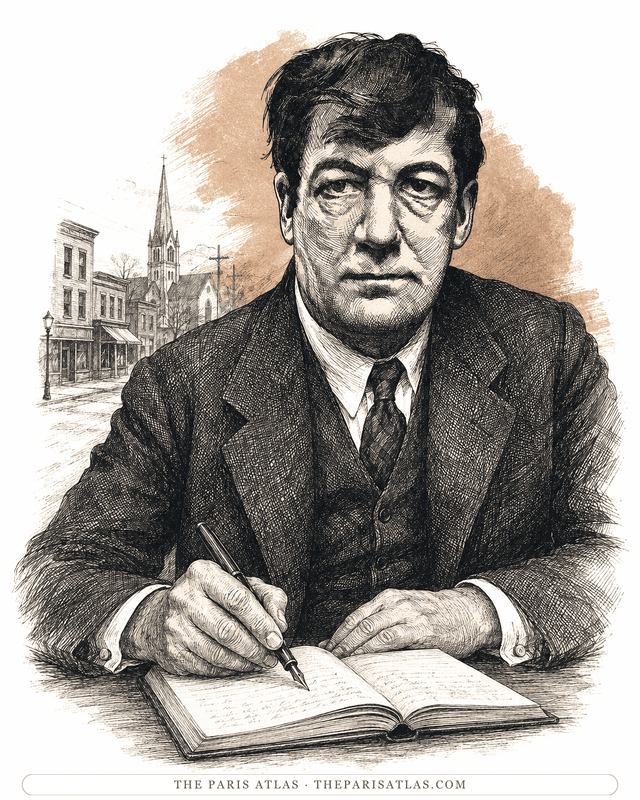
Sherwood Anderson
Her loudest American champion — he wrote the introduction to her Geography and Plays, and it was his letter that first brought Hemingway to her door.
View author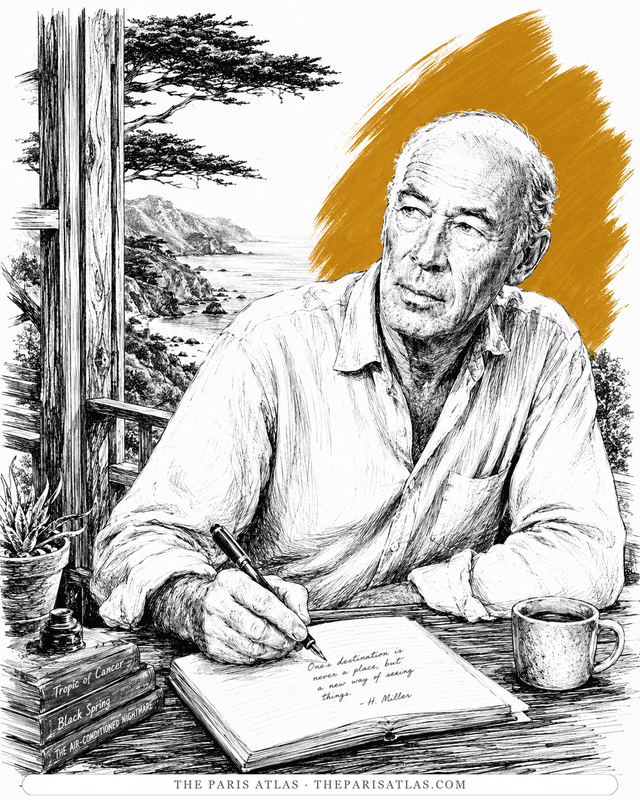
Henry Miller
The Brooklyn dropout who arrived in Paris broke at thirty-eight and wrote the exuberant, banned books that ended American censorship.
View author