
Winesburg, Ohio
The mentor at his best — the book that earned Anderson the loyalty this parody spent.
Read our take
The parody that burned a bridge on purpose: Hemingway lampoons his mentor Sherwood Anderson — and breaks a contract doing it.
Written in about ten days in November 1925, The Torrents of Spring is a book-length spoof of Sherwood Anderson's Dark Laughter — the primitivist manner of the man who had launched Hemingway's career with letters of introduction to Paris. It is also, notoriously, a business instrument: his publisher Boni & Liveright was Anderson's publisher too, contractually obliged to accept or release him. They declined the parody, the contract broke, and The Sun Also Rises went to Scribner. Funny, fast, and a little cruel — the sound of an apprentice killing his king. (Full plot below — such as it is.)
The debt was real: Anderson had met the unknown Hemingway in Chicago in 1921, told him Paris was the place and Stein the person, and written the letters that opened the doors. Four years later the pupil read Dark Laughter — Anderson at his most mannered, all rhetorical questions and mystic primitivism — and produced this counterblast in a week and a half: two dim heroes wandering a wintry Petoskey, Michigan, through parodies of Andersonian reverie, complete with mock authorial asides inviting the reader to admire how the book is going.[1]
Nobody involved mistook the second purpose. Hemingway's three-book contract with Boni & Liveright gave them right of first refusal — but they could hardly publish a burlesque of their own star author. They refused it, as calculated; the contract dissolved; and Max Perkins at Scribner got both the parody and, months later, The Sun Also Rises, beginning the century's most storied author-publisher marriage. Anderson took the blow with more grace than his pupil had shown; Stein, loyal to Anderson, cooled toward Hemingway permanently. As comedy the book is genuinely funny in stretches; as biography it is the first clear sighting of how the century's most competitive writer treated fathers.[1]
Petoskey, Michigan, in the slush of late winter. Two workers at the pump factory — Scripps O'Neil, a tall writer of vague sorrows who acquires wives with Andersonian abruptness, and Yogi Johnson, a war veteran worried he may never want a woman again — drift through beaneries, snowfields, and portentous meditations on the meaning of America. Waitresses are wooed over beans; an Indian war whoop sounds across the frozen town; every epiphany arrives in solemn, cadenced prose that is the joke.[1]
The plot exists to be interrupted: mock 'Author's Notes' check in with the reader ('It was at this point in the story, reader, that Mr. F. Scott Fitzgerald came to our home one afternoon...'), the chapters bear subtitles out of eighteenth-century burlesque, and the whole machine runs on the gap between manner and matter. It ends the only way a parody can — mid-gesture, everyone walking off into the primitivist night the book has spent a hundred pages mocking.[1]
The shared meal makes Scripps's grand ideas look comically dependent on an ordinary appetite. His thoughts leap among literary connections, political phrases and personal disaster, but the immediate problem is getting beans for himself and the bird. The waitress and kitchen staff accommodate the unusual order without matching his excitement. Their practical exchanges interrupt his self-dramatization. Even the bird's movements invite an inflated explanation when the waitress interprets its swallowing as thanks to God. The scene keeps bringing lofty accounts of experience back to eating, ordering and paying attention to another creature.
Yogi approaches the horses seeking reassurance about himself. Worried that spring has not awakened the desire he expects, he wants their welcome to prove that some familiar feeling remains. The missing sugar punctures this hope with a practical detail: his affection does not guarantee an affectionate response. Instead of accepting that distance, he invents explanations involving illness, injury and even the horses' own romance. The comedy exposes his need to turn another creature's behavior into an answer to his private anxiety. Nature does not reliably supply the personal renewal that the season seems to promise.
How the century's most competitive stylist announced he was nobody's pupil — in public, at the mentor's expense.
The Author's Notes and the beanery wooings still land — Hemingway's only sustained comedy.
No Torrents, no Scribner; no Scribner, no Perkins — the whole later shelf routes through this stunt.
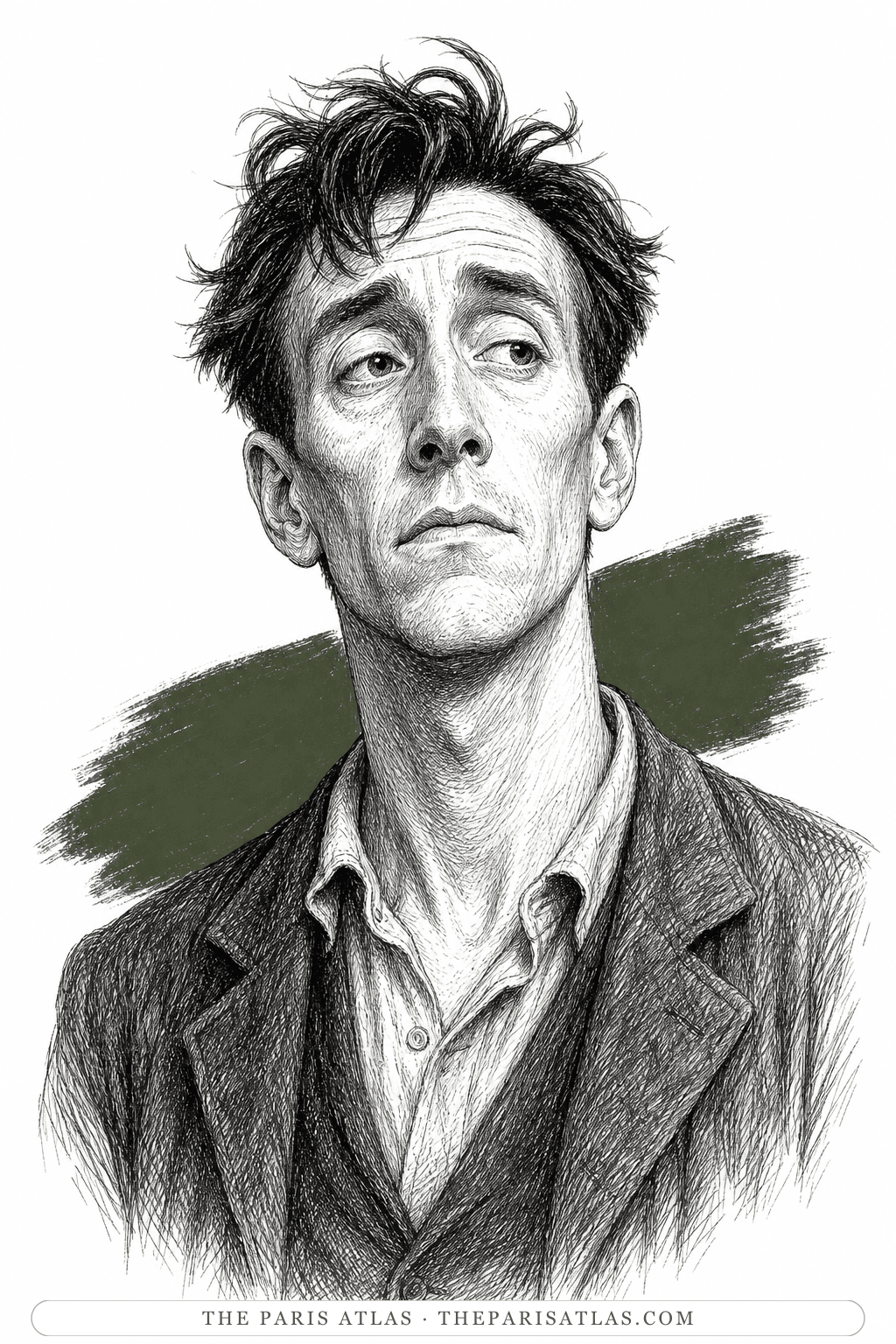
A writer who loses a wife on a railroad line, walks to Petoskey with a live bird inside his shirt, and marries the waitress who serves him beans.

A veteran of the Western Front who works beside Scripps at the pump factory and has noticed that spring is coming and he does not want a woman.

The elderly English waitress at Brown's Beanery, who marries Scripps O'Neil across the lunch counter the day they meet and then reads every literary magazine in America trying to keep him.

The other waitress at the beanery — younger, stocked with anecdotes about famous writers, and talking almost every time she appears.

Two decorated veterans, one big and one small, who attach themselves to Yogi Johnson on a country road and stay with him to the last page. Neither is ever named.
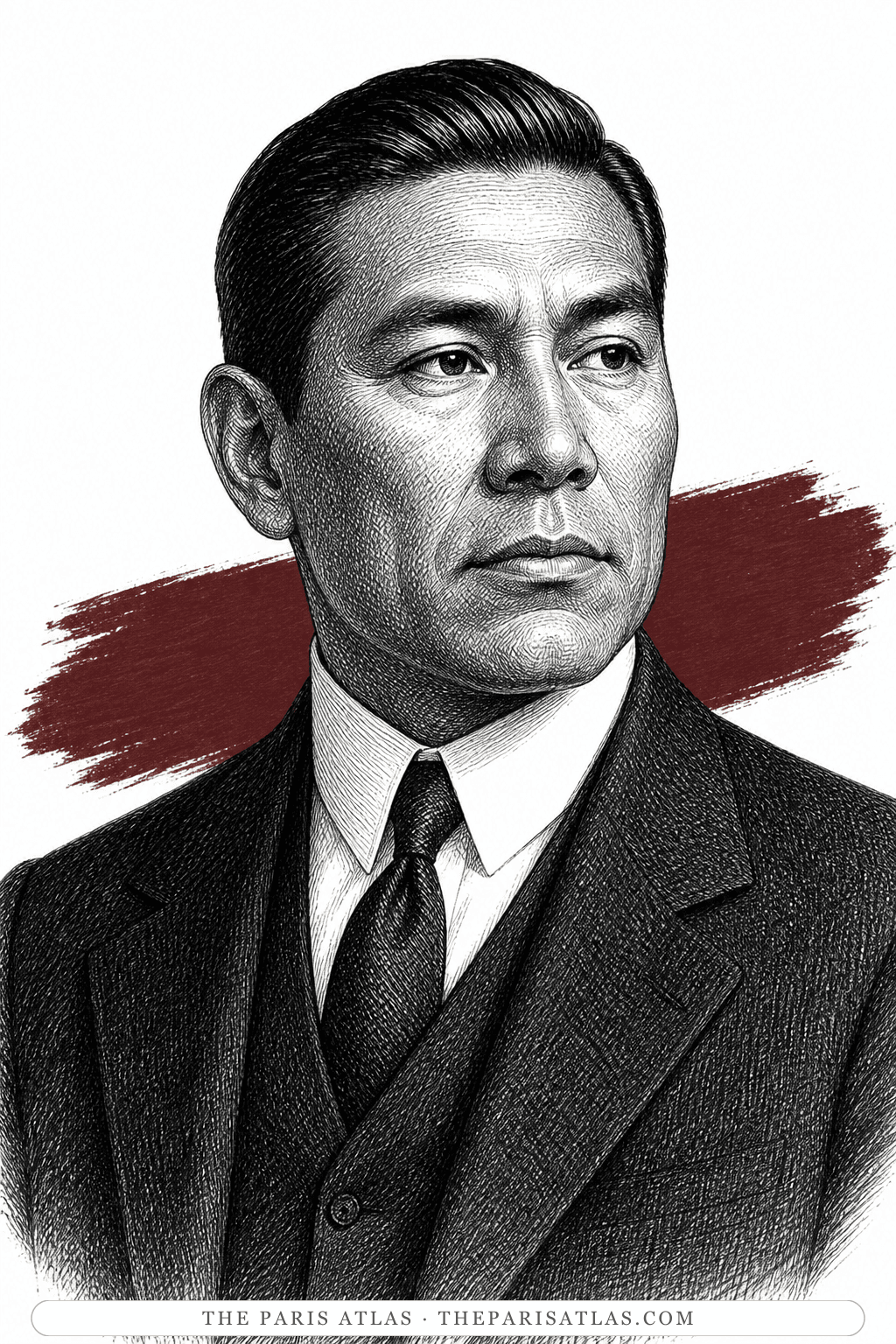
President of the Indians' club above a Petoskey stable — a man with the manners of an English clubman and an automatic in his pocket.
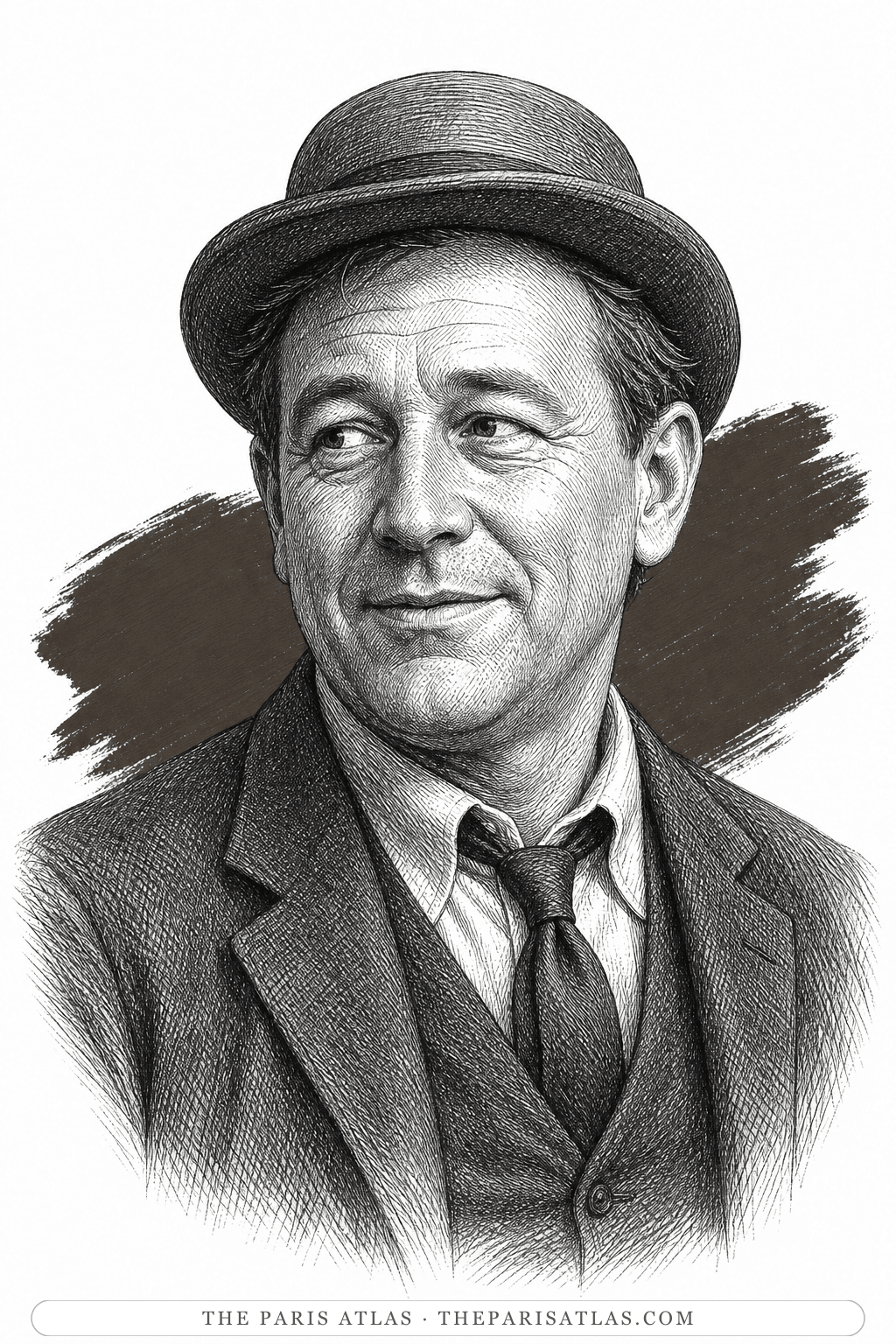
A travelling salesman eating a T-bone at the beanery counter, present for most of the second half of the book and never given a name.
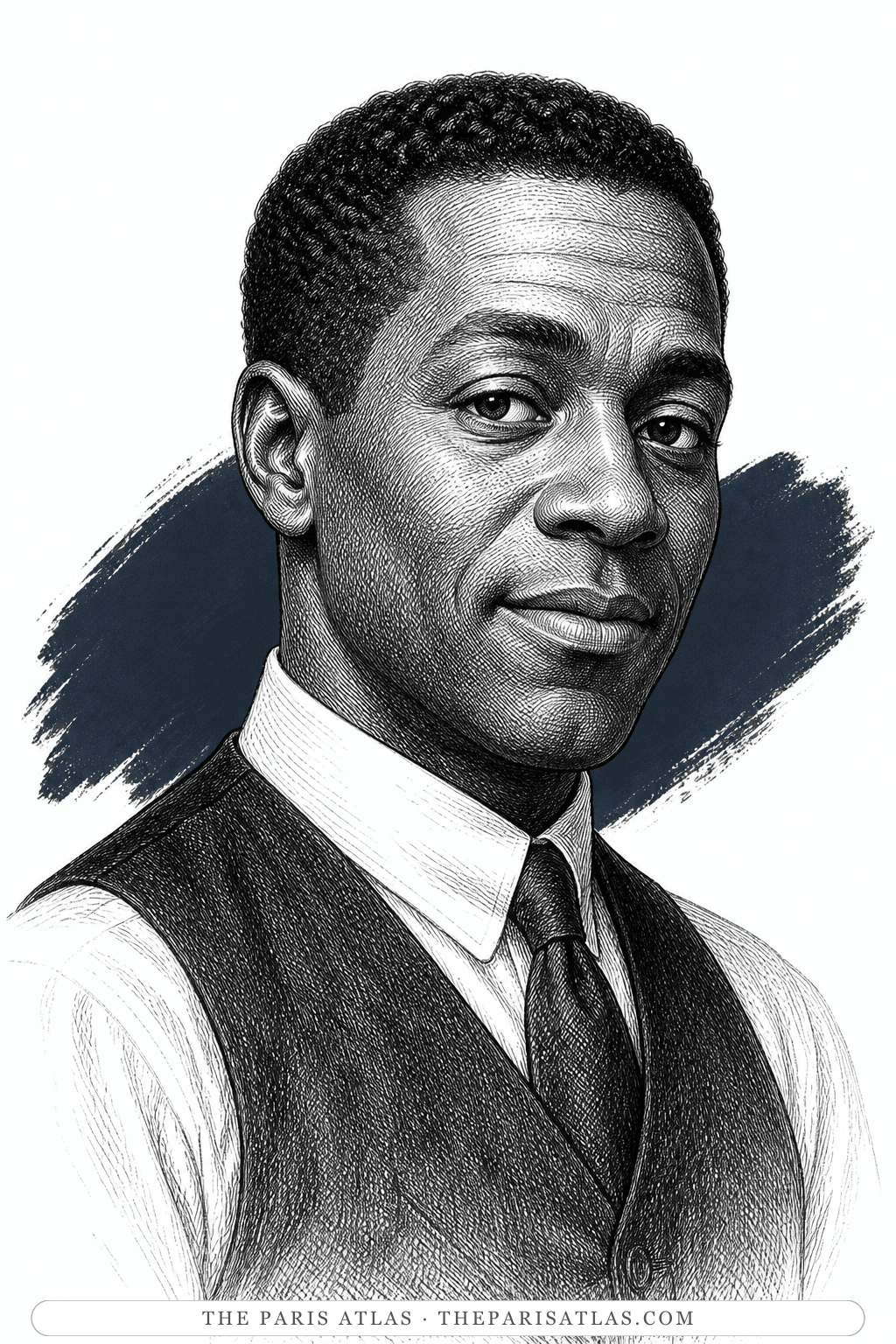
The bartender at the Indians' club. His laughing is the book's most direct hit on the title of Sherwood Anderson's Dark Laughter.
1921
Sherwood Anderson meets the unknown Hemingway in Chicago and writes the letters of introduction that open literary Paris to him.
1925
In about ten days in November, between finishing The Sun Also Rises and revising it, Hemingway dashes off a parody of Anderson's Dark Laughter.
1926
Boni & Liveright, Anderson's own publisher, declines the parody; the contract dissolves, and Scribner publishes it, Hemingway's first book with the house.

The mentor at his best — the book that earned Anderson the loyalty this parody spent.
Read our take
The masterpiece the broken contract delivered to Scribner months later.
Read our take
The memoir's Anderson and Stein chapters replay this rupture, forty years on and still unrepentant.
Read our takeErnest Hemingway. Scribner published it in 1926 — his first book with the house.
A book-length spoof of Sherwood Anderson's Dark Laughter, written in about ten days in November 1925, lampooning the primitivist manner of the mentor who had launched Hemingway's career.
Hemingway's publisher Boni & Liveright was also Anderson's and was contractually bound to accept or release him. They declined the parody of their own author, the contract dissolved, and The Sun Also Rises went to Scribner.
Anderson took the blow with more grace than his pupil had shown; Gertrude Stein, loyal to Anderson, cooled toward Hemingway permanently — one seed of the famous falling-out.
Yes — it is Hemingway's only sustained comedy, funny in stretches and a little cruel, complete with mock "Author's Notes" that interrupt the story to address the reader.
Explore authors with a similar voice, perspective, and influence.

The other great stylist the Great War produced — where Hemingway cut the language down, Céline set it on fire. The same wound, opposite treatments.
View author
Paris on no money a decade later, with the restraint removed. Miller called Hemingway's Paris a tourist's Paris; readers get to referee.
View author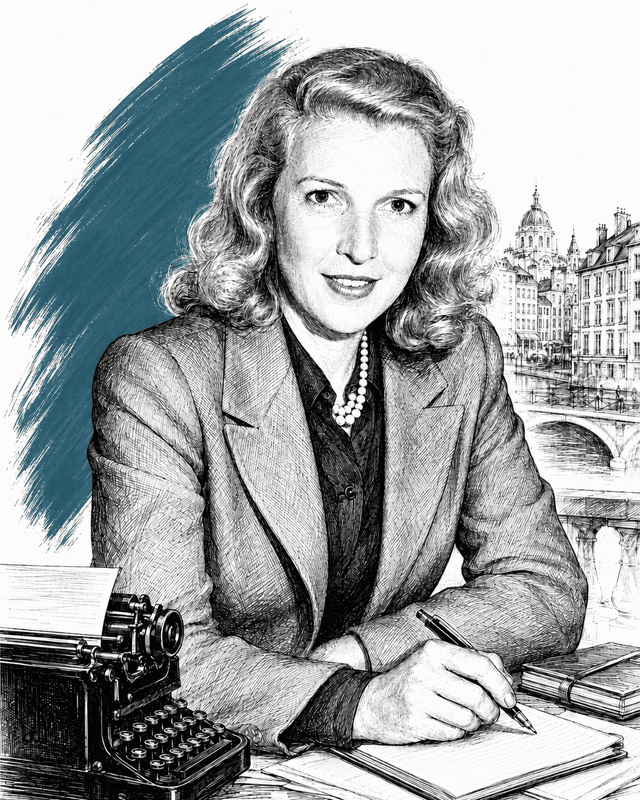
War correspondent who covered the Spanish Civil War, D-Day, and conflicts across five more decades; Hemingway's third wife, 1940–1945.
View authorThe sources below include the primary text, editions, scholarship, archival materials, and other records that informed this page. They document The Torrents of Spring, its publication, and its place in literary history.

Public 2021 transcription from a later Scribner/Macmillan reprint; exact print date not established. Complete displayed chapters Five and Eleven read. Analysis uses the beanery meal and horse encounter only; no full-novel or 1926 edition collation.
Biographical evidence used to verify chronology, relationships, and historical context connected to The Torrents of Spring.
Biographical evidence used to verify chronology, relationships, and historical context connected to The Torrents of Spring.
The Hemingway–Perkins correspondence documents the move to Scribner and the publishing circumstances surrounding the parody.

Hemingway's interview provides primary evidence for his ideas about craft, parody and the discipline of revision.
The primary text is the baseline reference for every book page. Additional references document publication history, interpretation, and historical context where that evidence is available.
 Explore more resources