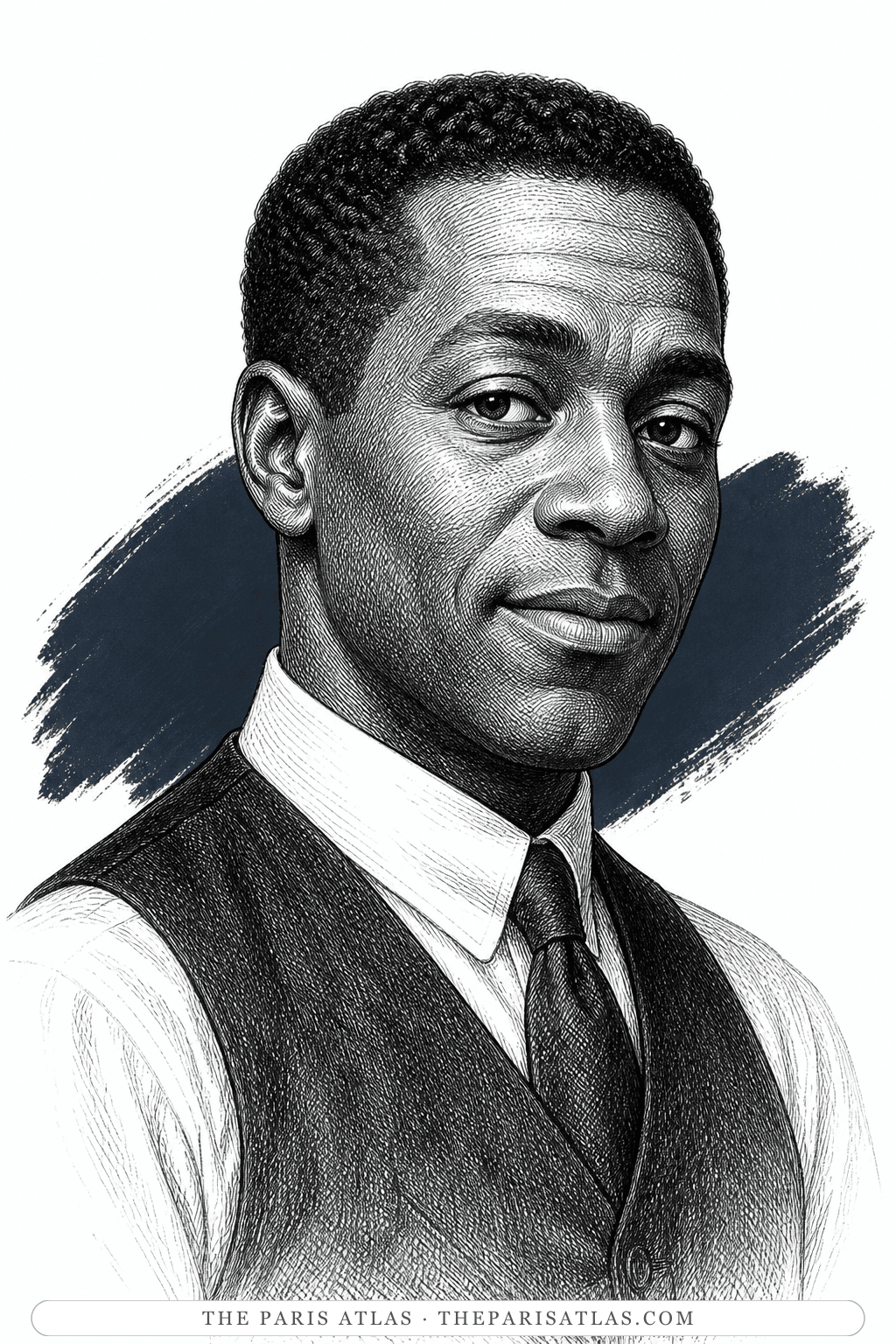
Bruce
The bartender at the Indians' club. His laughing is the book's most direct hit on the title of Sherwood Anderson's Dark Laughter.
The book

At a glance
- Bartender at the Indians' club in Petoskey, Michigan
- Dog's Head ale
- An eccentric, but a corking bartender
- Want him replaced; Red Dog keeps him on
- The recurring laughter that gives part one its title, "Red and Black Laughter"
Who they are in the book
Spoiler-freeBruce is a character in The Torrents of Spring, the 1926 comic novel by the American writer Ernest Hemingway. He is the Black bartender at the Indians' club in Petoskey, Michigan, where Yogi Johnson is taken in chapter twelve. He is not the beanery's Black cook, who is a separate figure and laughs unseen through a kitchen wicket earlier in the book.
The laughing is what he is there for. Hemingway wrote the novel to send up Dark Laughter, the 1925 book by his mentor Sherwood Anderson, in which the laughter of Black characters recurs as a sign of an instinctive life the white characters have lost. Torrents repeats the device until it falls over: part one is titled "Red and Black Laughter", laughter comes through the wicket at the beanery for no reason, and Bruce's laugh is twice labelled dark laughter by the narration. He is written in heavy phonetic dialect, addresses the club president as "Massa", and is given no history, no thoughts and no scene away from his bar.
How Bruce Is Portrayed
- What he does at the barServes Dog's Head ale and keeps the check, behind a bar with a brass rail, tall spittoons and a mirror. Red Dog, the club president, introduces him in two halves, with his own name in the middle: "Bruce is an eccentric," Red Dog explained, "but he’s a corking bartender and a good-hearted chap." He adds that the house committee are always after him to get another one.
- When he laughsAt the ale order, at the wampum being handed round, and again as Yogi is marched out of the club. Each time the narration reaches for the same phrase, and each time the laughter has no cause in the scene.
- The one point he is allowed to makeWatching Chief Running Skunk-Backwards give away beads whose great-grandfather is said to have sold Manhattan for them, Bruce breaks down and demands to know why anyone would sell a big town like New York for wampum. Nobody at the bar answers him.
- The explanation he gives for himself"It's just that when I see something funny I just have to laff." That is the whole of his interior life as the book supplies it.
- What he knewRed Dog expels Yogi on discovering he is Swedish. As Yogi goes down the ladder, Bruce leans over the open trap-door laughing and says, "No Swede gwine to fool ole Bruce." It is the one moment the book puts him ahead of anyone else in the room.
If you like The Torrents of Spring


If you like Ernest Hemingway
Explore authors with a similar voice, perspective, and influence.
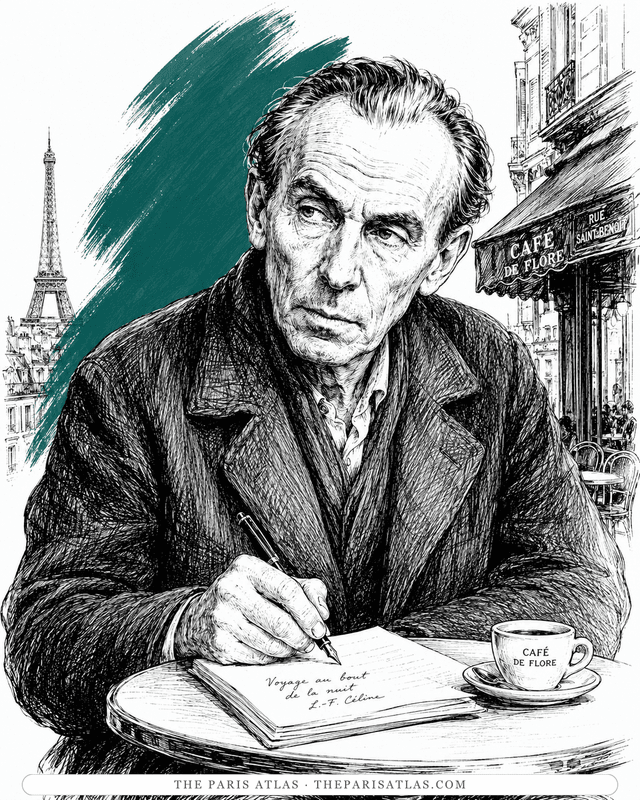
Louis-Ferdinand Céline
The other great stylist the Great War produced — where Hemingway cut the language down, Céline set it on fire. The same wound, opposite treatments.
View author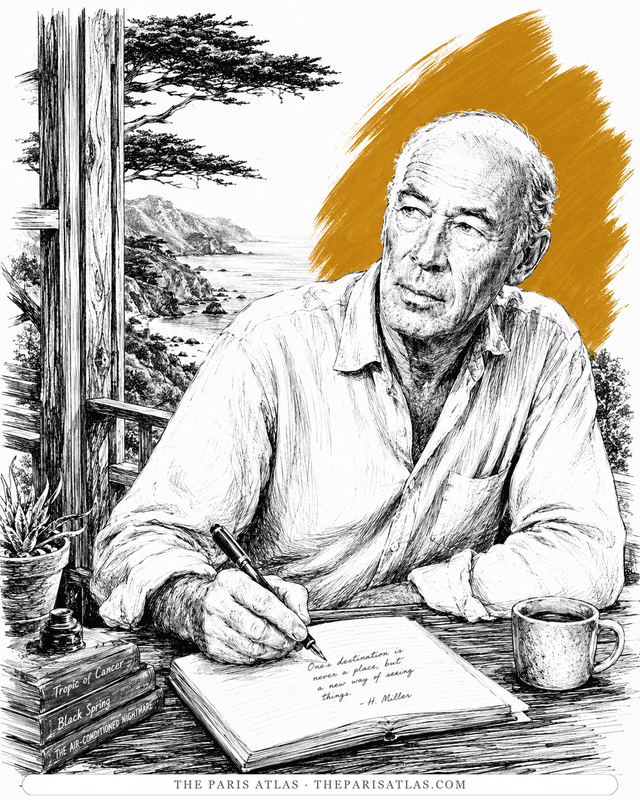
Henry Miller
Paris on no money a decade later, with the restraint removed. Miller called Hemingway's Paris a tourist's Paris; readers get to referee.
View author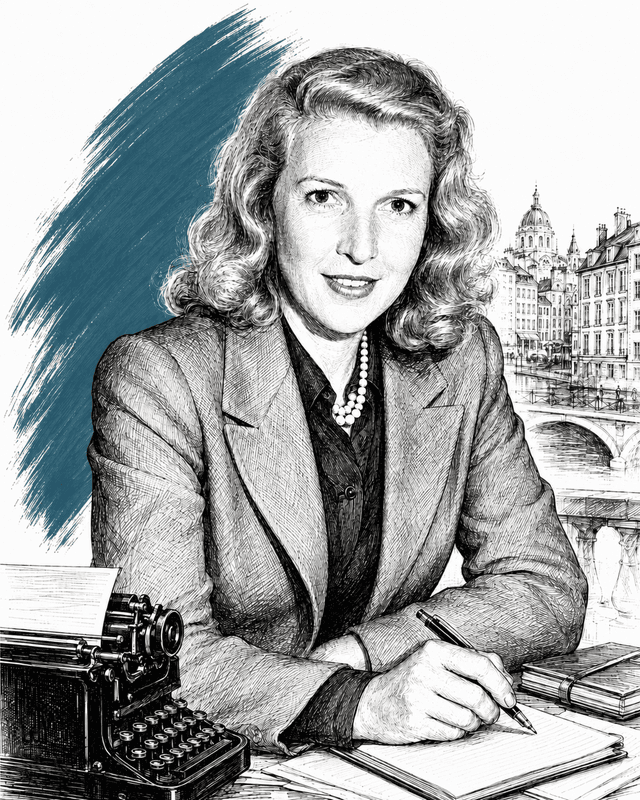
Martha Gellhorn
War correspondent who covered the Spanish Civil War, D-Day, and conflicts across five more decades; Hemingway's third wife, 1940–1945.
View author