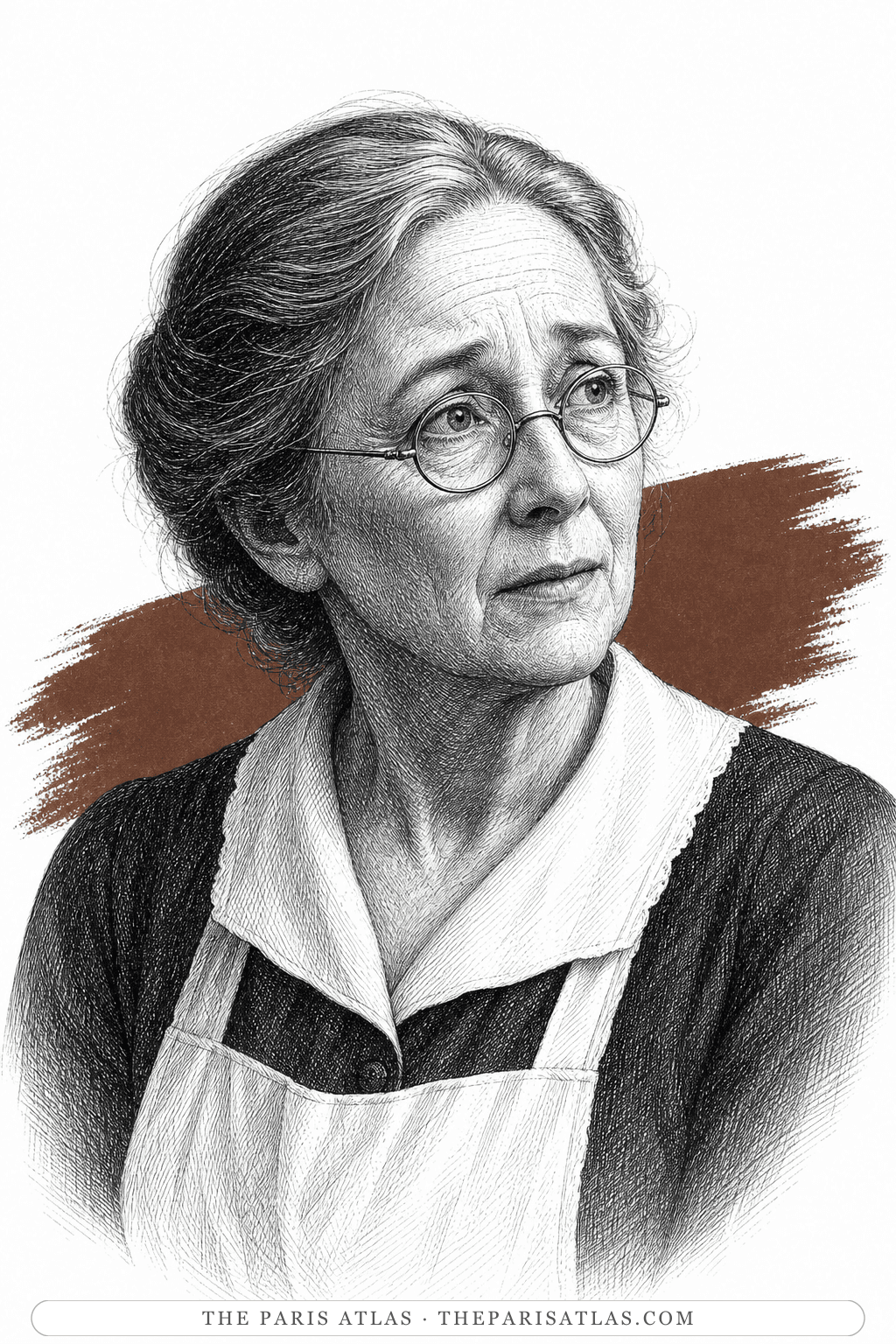
Diana Scripps
The elderly English waitress at Brown's Beanery, who marries Scripps O'Neil across the lunch counter the day they meet and then reads every literary magazine in America trying to keep him.
To keep Scripps O'Neil. The book reduces her to a single question asked over and over, at the mirror and in the street: "Could she hold him?"
The book

At a glance
- Waitress at Brown's Beanery, Petoskey, Michigan; later Mrs. Scripps
- England — the Lake District, which she calls Wordsworth's country
- Diana, after her mother; the book calls her only "the elderly waitress" until chapter nine
- The overseas edition of The Manchester Guardian, then most of the American literary monthlies
- That he went to Eton with Gladstone
- To Scripps O'Neil, at the beanery counter, the day they met
Who they are in the book
Spoiler-freeDiana Scripps is a character in The Torrents of Spring, the 1926 comic novel by the American writer Ernest Hemingway. She is the elderly waitress at Brown's Beanery in Petoskey, Michigan, who serves Scripps O'Neil his first plate of beans and, half an hour later, marries him. The book withholds her name for four chapters: she is "the elderly waitress", then Mrs. Scripps, and only in chapter nine is she Diana, a name she says was her mother's.
She says she is English, from the Lake District, which she calls Wordsworth's country, and that her father went to Eton with Gladstone. She reads the overseas edition of The Manchester Guardian at the cash register between customers. She is also, by some distance, the character the book treats most seriously: her marriage is the only thing in the novel with any weight to it, and Hemingway gives her the whole of chapters nine and ten to lose it in.
How Diana Scripps Is Portrayed
- How the book introduces herNot by name. She is the elderly waitress, with a face the book calls lined and gray, and steel-rimmed spectacles she keeps in a worn black morocco case. She takes them off before Scripps can see her in them, wanting his first glimpse of her to be of her at her best.
- The way she calls an orderThrough a wicket into the kitchen, in diner shorthand. Scripps's first plate of beans goes in as a pig and the noisy ones, with one for a bird behind it. Scripps decides it is the picturesque quality of her speech that first drew him to her.
- The story she tells about ParisShe arrived for the Paris Exposition as a girl with her mother, and woke the next morning to find a French general in her mother's bed. The concierge, the hairdresser and the cab driver all swore she had arrived with the general. She never saw her mother again, and the embassy could establish only that the two of them had crossed the Channel together.
- The weddingFifteen lines of dialogue at a lunch counter. He says she is his woman, she says he is her man and more than her man, and adds, "You are all of America to me." She proposes that this count as the ceremony. They walk out into the night and come back half an hour later as man and wife.
- The magazinesMarried, she works through the American literary press to hold his interest: The Forum, The Mentor, The Bookman, The Century, Harper's, The Saturday Review of Literature, the New York Times book pages, and William Lyon Phelps in Scribner's. She waits bareheaded in the snowdrifts for the postman. She learns editorials by heart.
- The refrainHer inner life is one sentence repeated. She asks whether she can hold him at the mirror, then at the window, then walking to the beanery, until the rhythm of their steps turns the question into an answer: I can't hold him.
She loses him in chapter fifteen. She makes one last attempt, having switched from the London Mercury to The American Mercury to please him, and tells him there is a splendid piece in the new issue, an editorial by Mencken about chiropractors. He says he does not give a damn about Mencken any more.
She asks for one thing, and it is the bird. Scripps says sure, why not. She gathers her shawl, takes the cage with the sleeping bird and the copy of the magazine, looks back once and goes out into the night. Scripps does not see her go. The bird, asleep on one leg, reminds her of an old osprey from the Lake Country she says she came from.
If you like The Torrents of Spring


If you like Ernest Hemingway
Explore authors with a similar voice, perspective, and influence.

Louis-Ferdinand Céline
The other great stylist the Great War produced — where Hemingway cut the language down, Céline set it on fire. The same wound, opposite treatments.
View author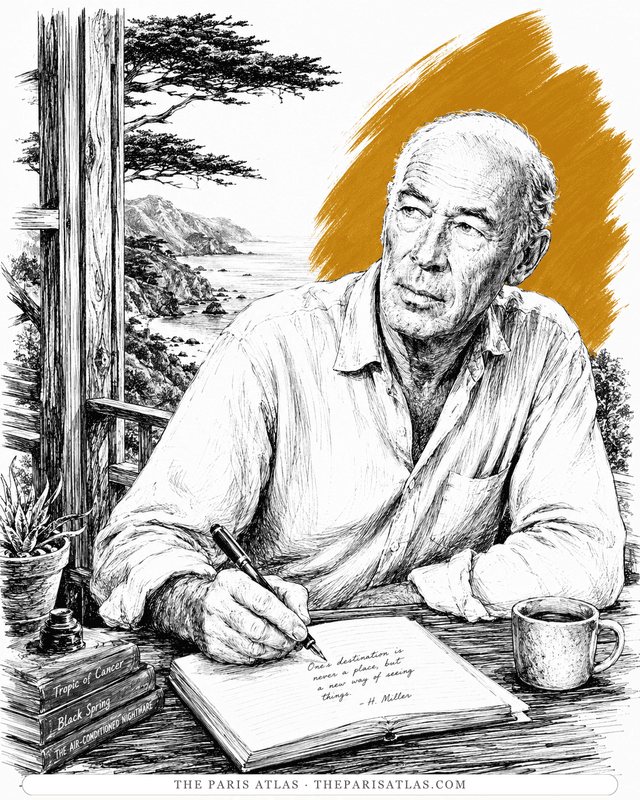
Henry Miller
Paris on no money a decade later, with the restraint removed. Miller called Hemingway's Paris a tourist's Paris; readers get to referee.
View author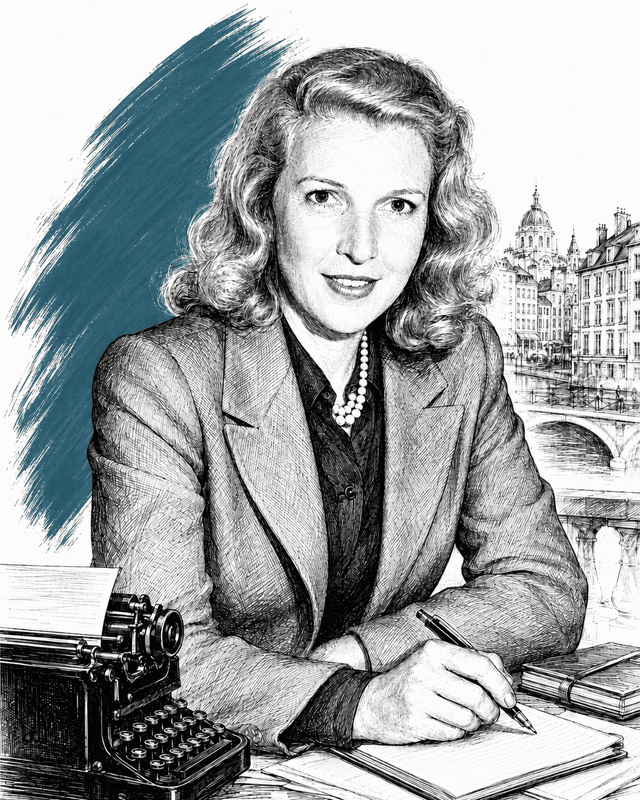
Martha Gellhorn
War correspondent who covered the Spanish Civil War, D-Day, and conflicts across five more decades; Hemingway's third wife, 1940–1945.
View author