The drummer
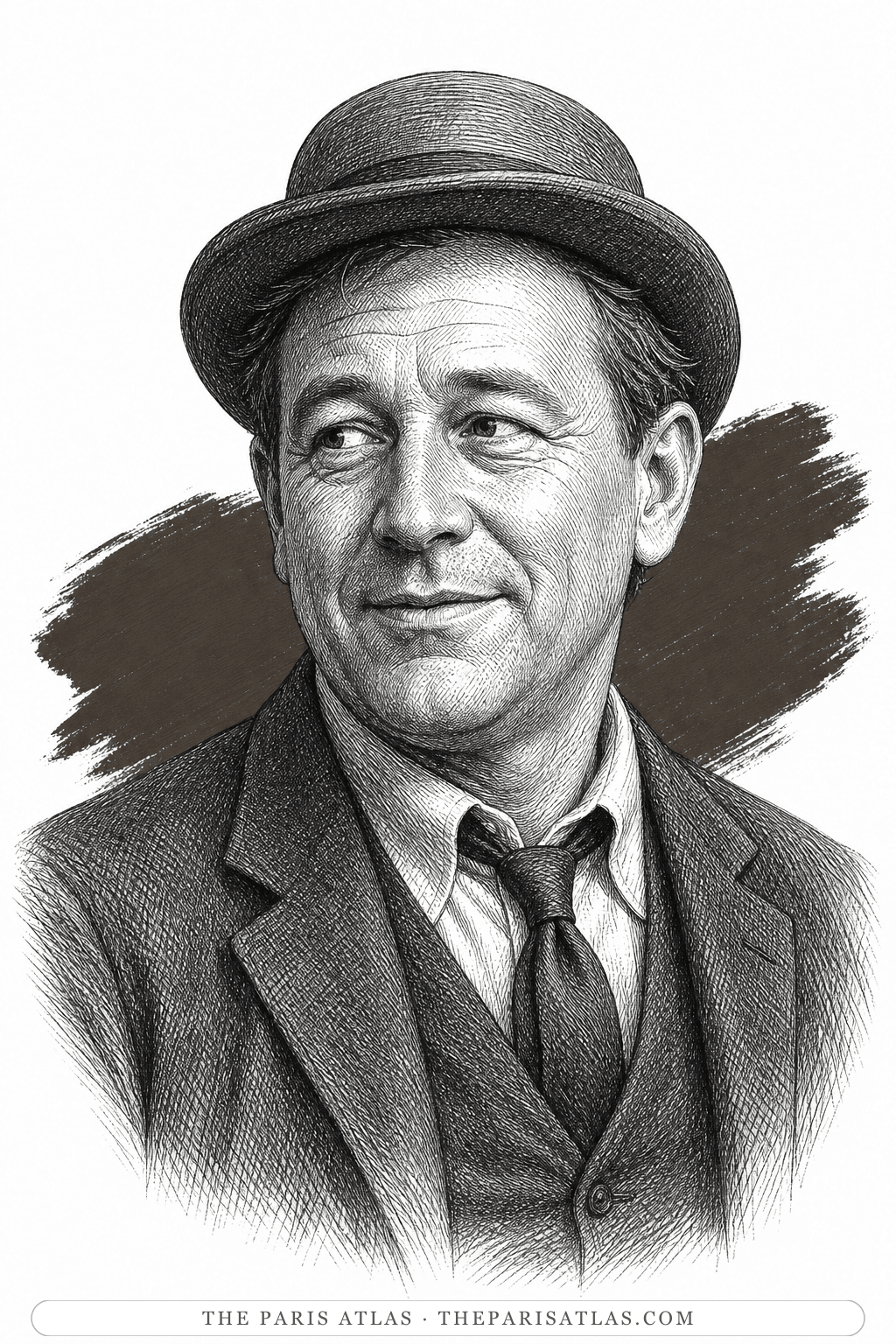
A travelling salesman eating a T-bone at the beanery counter, present for most of the second half of the book and never given a name.
To tell his story about Bay City, which he announces, then puts off, and never gets around to.
The book

At a glance
- A travelling salesman at the counter of Brown's Beanery; never named
- A T-bone steak and hashed-brown potatoes, with catsup
- The Detroit News
- A derby hat, pushed back before he speaks
- That he is a married man, and that a married man is a mighty fine thing to be
Who they are in the book
Spoiler-freeThe drummer is a character in The Torrents of Spring, the 1926 comic novel by the American writer Ernest Hemingway. Drummer was the ordinary period word for a travelling salesman. He is sitting at the counter of Brown's Beanery in Petoskey, Michigan, reading a Detroit paper, when Scripps O'Neil and the elderly waitress come back married, and he is still on the same stool for the book's closing scenes. The novel never names him.
His job in the story is to be the one plain speaker in it. Everyone else at the counter thinks in literary references. The drummer eats his steak, offers practical advice, and asks the obvious question. By chapter fifteen the book has started calling him an old friend.
How The drummer Is Portrayed
- What he is doingEating a T-bone steak and hashed-brown potatoes, putting a little catsup on the potatoes, reading the Detroit News, with a derby he pushes back off his brow and a tall brass cuspidor beside his stool.
- The advice about the birdHe tells Scripps that it is a nice bird and that he wants to hang onto it, and settles the argument over what to call it by suggesting he wait and see whether it lays eggs. Scripps decides the man has voiced his own unspoken thought. Asked how he knows these things, the drummer says he has not drummed all these years for nothing.
- The story he never tellsHe announces that he wants to tell them about a pretty beautiful thing that happened to him once in Bay City. Both women lean in to listen. He looks at Scripps, says he will tell it some other time, and strokes the bird with his forefinger.
- The question nobody else asksThe counter has just heard a long anecdote about Henry James's deathbed. The drummer's response is "Wasn't America good enough for him?"
- How he leavesWhen a Native woman walks into the beanery with no clothes on, he shouts a warning to the women at the counter. In the last chapter his nerves are on edge, he folds his paper abruptly, says he will see them all later, and goes out into the night.
If you like The Torrents of Spring


If you like Ernest Hemingway
Explore authors with a similar voice, perspective, and influence.

Louis-Ferdinand Céline
The other great stylist the Great War produced — where Hemingway cut the language down, Céline set it on fire. The same wound, opposite treatments.
View author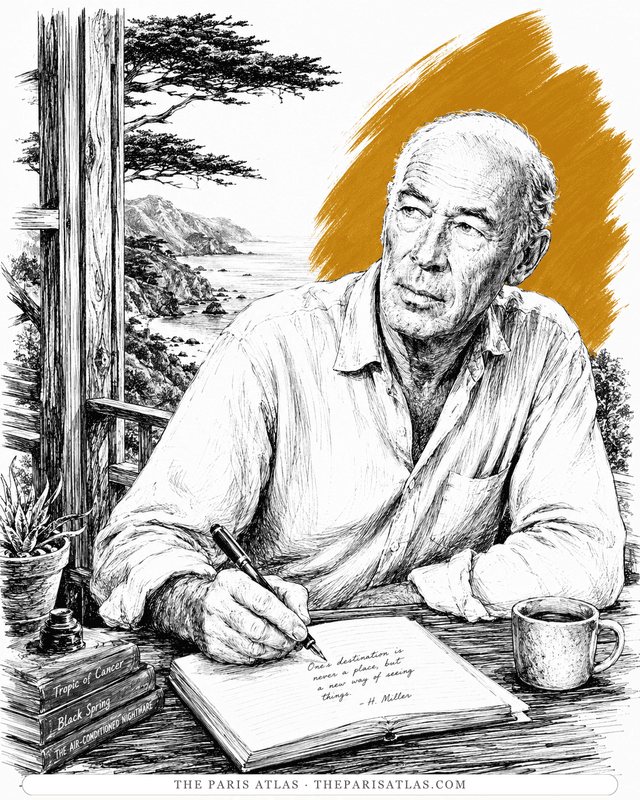
Henry Miller
Paris on no money a decade later, with the restraint removed. Miller called Hemingway's Paris a tourist's Paris; readers get to referee.
View author
Martha Gellhorn
War correspondent who covered the Spanish Civil War, D-Day, and conflicts across five more decades; Hemingway's third wife, 1940–1945.
View author