
Banjo
Black seamen, drifters and musicians on the Marseille waterfront — the novel that gave Négritude its vocabulary, written by a Jamaican who preferred the docks to literary Paris.
Read our take
by Claude McKay
The first bestseller by a Black American novelist — written in France, set in Harlem, and denounced by the movement it belonged to.
Jake Brown deserts the army in France and works his way back to Harlem, looking for a woman he met on his first night home and lost by morning. Around that thin thread Claude McKay assembled the Harlem the respectable press did not want described: cabarets, rent parties, dining cars, longshoremen, sex bought and sold. It sold better than any novel by a Black American writer had, and W. E. B. Du Bois said in print that it left him feeling as though he needed a bath.
Jake Brown, a Black American soldier, deserts a labour battalion in France, spends time in London, and works a passage back to New York. On his first night in Harlem he meets a woman, spends the night with her, and finds in the morning that she has left money in his pocket and no name. The search for her runs under the rest of the book without ever quite driving it.
What the novel actually does is move Jake through the working life of Black New York: as a longshoreman refusing to scab, as a Pullman dining-car cook, through cabarets, gambling rooms, boarding houses and rent parties. In the dining-car section he meets Ray, a Haitian intellectual displaced by the American occupation of his country, educated beyond any use the United States will make of him, and paralysed by it.
The Jake–Ray pairing is the argument. Jake lives instinctively and is largely at ease; Ray thinks constantly and is wretched. McKay does not resolve it in favour of either, and Ray's dissatisfaction carries directly into the sequel, Banjo, which picks him up in Marseille.
The red union book brings two commitments into conflict. Jake refuses to take another worker’s job during a strike, yet he will not let the recruiter’s promise of solidarity erase his experience of discrimination. His account of unequal access to the piers tests an inclusive slogan against the jobs available to Black workers. The refusal is therefore neither indifference to other workers nor uncomplicated faith in organized labor. McKay makes Jake state a principle while reserving the right to judge the institutions that claim to represent it.
Agatha’s flowers turn an ordinary sickroom into a place where Jake can imagine being cared for. Her improvised vase matters: the tenderness depends on making use of what is already there, not on an elaborate gift. After she leaves, Jake’s thoughts move from Ray’s relationship to his parents and then to the woman he has lost. The sequence connects affection with a wish to stop performing toughness. Yet the chapter soon returns him to drinking and street life, keeping this domestic longing from becoming an instant transformation.
It made McKay's name commercially and cost him the approval of the Harlem Renaissance establishment in the same season.
McKay had not lived in New York for years when he wrote it. The Harlem here is remembered from a distance, which is part of its intensity.
Ray, the Haitian intellectual, carries straight over into the Marseille novel. Read them in order.
W. E. B. Du Bois reviewed it with open disgust, objecting that it fed a white appetite for Black low life. The quarrel is one of the defining arguments of the Harlem Renaissance.
1923–1928
McKay is living in France; the novel is written abroad.
1928
Harper & Brothers publishes Home to Harlem; it becomes a bestseller.
1928
W. E. B. Du Bois attacks the book in The Crisis.
1929
Banjo follows, carrying Ray to Marseille.
Black seamen, drifters and musicians on the Marseille waterfront — the novel that gave Négritude its vocabulary, written by a Jamaican who preferred the docks to literary Paris.
Read our take
The collection that opened the Harlem Renaissance, written in strict sonnets by a Jamaican who refused to soften either the form or the anger.
Read our take
Written around 1930, unpublished for ninety years: a novel of the Marseille docks with a disabled Black protagonist and openly queer characters, decades ahead of anything that could be printed.
Read our takeHe believed its interest in cabarets, sex and street life pandered to white readers' appetite for Black low life rather than advancing the race. He said so bluntly in The Crisis, and the exchange became one of the Harlem Renaissance's defining arguments.
It is generally described as the first novel by a Black American writer to reach bestseller status.
It helps. Ray, the Haitian writer who dominates the second half, continues as the central consciousness of Banjo in Marseille.
Jake is the novel’s central returning traveler, an army deserter who comes back to Harlem after serving in France. His search for a woman he briefly met provides a thread through its social scenes.
No. Cabarets and parties matter, but so do work, travel, friendship, and the difficulty of making a secure life. Ray’s presence also brings arguments about education and literary ambition into the story.
Explore authors with a similar voice, perspective, and influence.
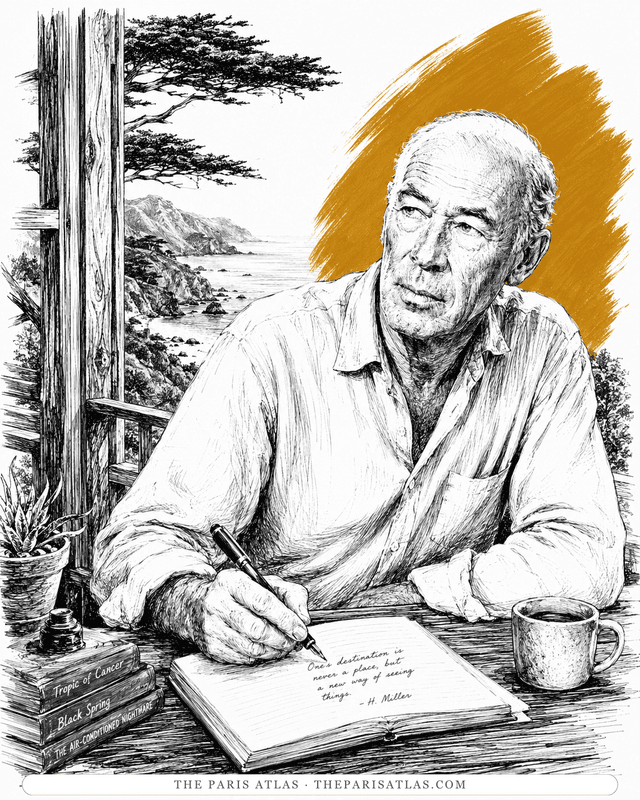
The Brooklyn dropout who arrived in Paris broke at thirty-eight and wrote the exuberant, banned books that ended American censorship.
View author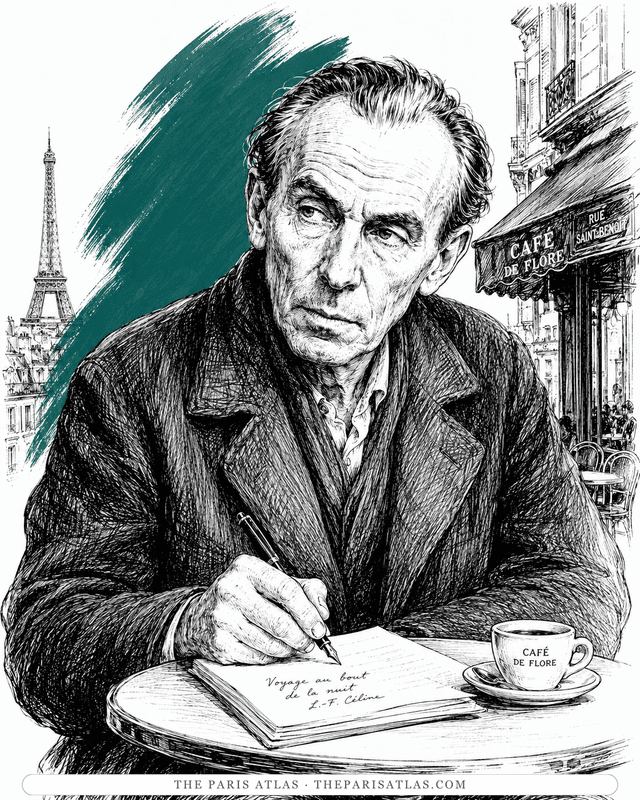
The doctor of the Paris slums who wrote the century's blackest, funniest novel — and changed the sound of French prose.
View author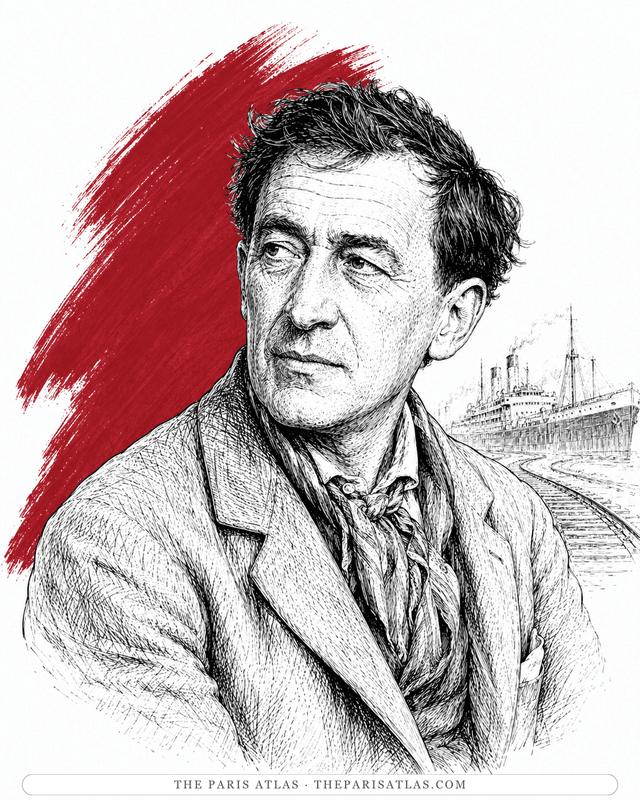
The one-armed adventurer-poet of the Paris avant-garde — La Prose du Transsibérien, Moravagine, the memoir tetralogy — and the living writer Henry Miller ranked above all others.
View authorThe sources below include the primary text, editions, scholarship, archival materials, and other records that informed this page. They document Home to Harlem, its publication, and its place in literary history.


Used to place Home to Harlem within Claude McKay's published work and verify its bibliographic context.

Used for independent biographical, archival, or historical context surrounding Claude McKay's career and the period in which Home to Harlem appeared.
Used to cross-check authorship, chronology, and the work's place in Claude McKay's wider catalogue.
Used to verify Claude McKay's bibliography and place Home to Harlem within the broader chronology of Claude McKay's career.
Primary passages in the university’s first-edition OCR transcription; its editor notes that further proofreading is needed. No separate facsimile collation is claimed.
The primary text is the baseline reference for every book page. Additional references document publication history, interpretation, and historical context where that evidence is available.
 Explore more resources