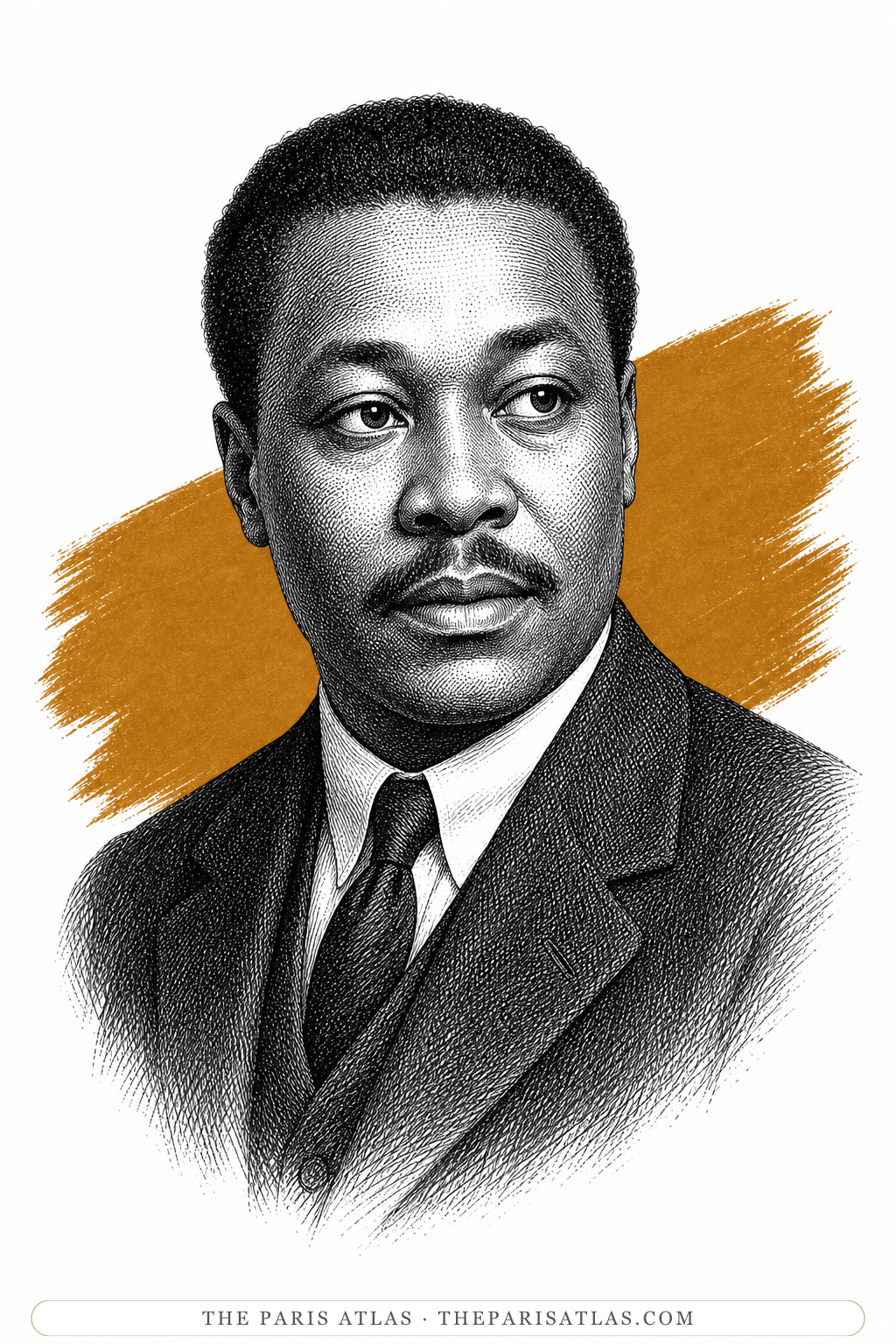

Home to Harlem
The first bestseller by a Black American novelist — written in France, set in Harlem, and denounced by the movement it belonged to.
Read our take
by Claude McKay
The collection that opened the Harlem Renaissance, written in strict sonnets by a Jamaican who refused to soften either the form or the anger.
Harlem Shadows gathers the poems that made Claude McKay's American reputation, among them 'If We Must Die', 'America', 'The Harlem Dancer' and 'The Tropics in New York'. The book is usually treated as the opening of the Harlem Renaissance. What makes it strange, and still argued over, is the mismatch between what the poems say and how they are built: McKay wrote about lynching, exile, sexual longing and racial fury inside tightly rhymed sonnets and traditional stanzas, using the most conservative machinery available to English verse to say things English verse had not been saying.
The collection runs to roughly ninety short poems and moves between three registers. There are the protest poems, of which 'If We Must Die' — written in response to the racial violence of the summer of 1919 — is the most famous. There are the exile poems, in which a Jamaican in New York keeps seeing the Caribbean through the American city: fruit on a stall in Harlem returns him to the tropics and undoes him. And there are the Harlem poems proper, watching dancers, prostitutes, workers and street life with a gaze that is neither sentimental nor superior.
The formal choice is the argument. McKay had been raised on English poetry in colonial Jamaica and he kept the sonnet, the quatrain and the regular rhyme when almost every modernist around him was abandoning them. Critics have read this variously as conservatism, as a claim on a tradition that excluded him, and as a deliberate tension — the containing form making the fury inside it more, not less, audible.
Several of the poems had appeared earlier in magazines and in the 1920 London collection Spring in New Hampshire, some in revised form. Harlem Shadows is where they were assembled for an American readership and where they landed.
The Tropics in New York begins with abundance: the fruit is varied, ripe and worthy of prizes. Yet having these things within sight cannot restore the life they recall. The second stanza moves beyond the display to running water, dawn and hills, giving the fruit a whole surrounding world that the window cannot contain. In the final stanza, looking gives way to bodily longing and tears. The speaker’s hunger is for familiar ways of living, not simply something to eat. Across three steadily rhymed quatrains, the apparent pleasure of recognition becomes a sharper experience of distance.
The promises in The Wild Goat sound generous until their language begins to bind. Silk and shelter offer comfort, but the bands and golden chains make adornment resemble captivity. The offer even includes power over other people, so refusing it means rejecting mastery as well as submission. The last two lines test those promises through an animal’s movement: the goat thrives on a barren hill but droops where grass is plentiful. Its freedom matters more than its enclosure’s resources. That abrupt comparison leaves the speaker’s answer clear without identifying the person making the offer.
If you read one collection to understand what the movement sounded like at its start, this is it.
The sonnets are the point. McKay put the rage inside the most orderly structure English verse offers, and the friction is what the poems run on.
The exile poems see Harlem through Jamaica. It is a double vision no American-born contemporary could have written.
'If We Must Die' came out of the racial violence across American cities in the summer of 1919, and was later quoted in contexts McKay never anticipated — including, reportedly, in wartime Britain.
1919
'If We Must Die' is written and published amid the racial violence of that summer.
1920
Spring in New Hampshire appears in London; several poems are later revised for Harlem Shadows.
1922
Harcourt, Brace publishes Harlem Shadows in New York.
1922
McKay leaves for the Soviet Union, and does not live in the United States again for over a decade.
The first bestseller by a Black American novelist — written in France, set in Harlem, and denounced by the movement it belonged to.
Read our take
Claude McKay's account of two decades of travel — Harlem, London, Moscow, Berlin, Paris, Marseille, Morocco — by a writer who refused to settle anywhere or belong to anyone's programme.
Read our takeIt is generally treated as the book that opens the Harlem Renaissance, and it established Claude McKay as the movement's first major poetic voice.
He was educated on English verse in colonial Jamaica and kept its forms deliberately. The effect is a deliberate tension — protest content held inside the most orderly structure the tradition offers.
It answers the racial violence of 1919 with a call to resist rather than die passively. It is a sonnet, and it never names a race, which is part of why it travelled so far beyond its occasion.
No. It is a poetry collection, including sonnets and poems in other traditional verse forms.
Try If We Must Die, America, The Harlem Dancer, and The Tropics in New York. Together they introduce the collection’s protest, performance, longing, and memories of home.
Explore authors with a similar voice, perspective, and influence.
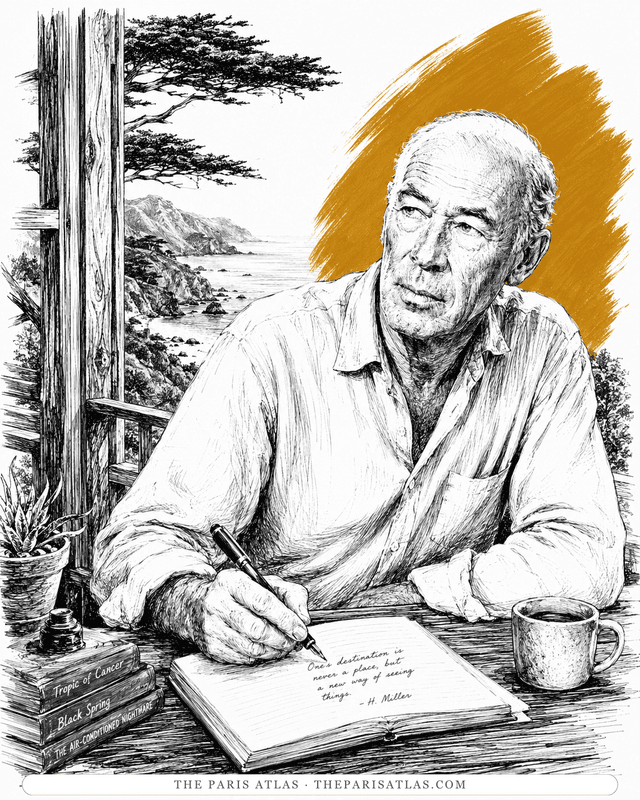
The Brooklyn dropout who arrived in Paris broke at thirty-eight and wrote the exuberant, banned books that ended American censorship.
View author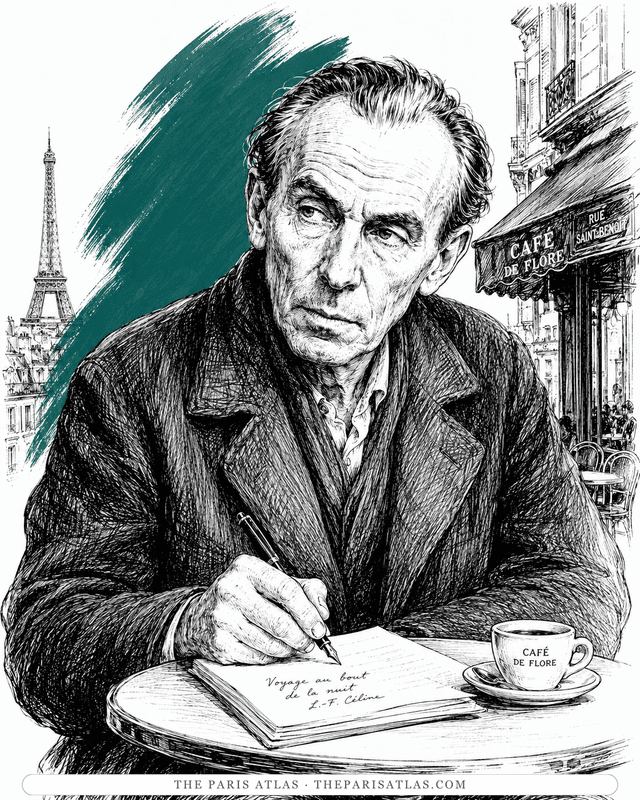
The doctor of the Paris slums who wrote the century's blackest, funniest novel — and changed the sound of French prose.
View author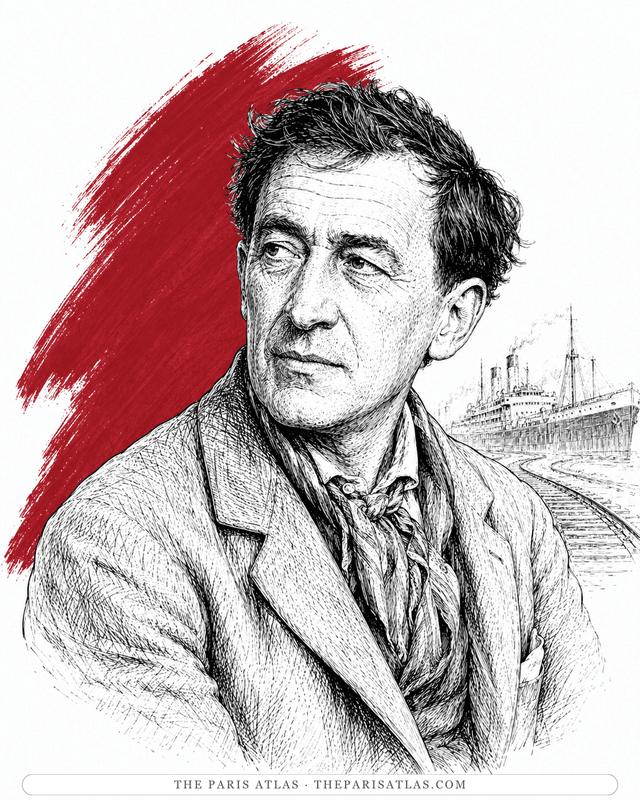
The one-armed adventurer-poet of the Paris avant-garde — La Prose du Transsibérien, Moravagine, the memoir tetralogy — and the living writer Henry Miller ranked above all others.
View authorThe sources below include the primary text, editions, scholarship, archival materials, and other records that informed this page. They document Harlem Shadows, its publication, and its place in literary history.


The primary text represented by this page, used for descriptions of the work’s contents and for any quoted passages shown here.
Used to place Harlem Shadows within Claude McKay's published work and verify its bibliographic context.

Used for independent biographical, archival, or historical context surrounding Claude McKay's career and the period in which Harlem Shadows appeared.
Used to cross-check authorship, chronology, and the work's place in Claude McKay's wider catalogue.
Used to verify Claude McKay's bibliography and place Harlem Shadows within the broader chronology of Claude McKay's career.
Primary text for the readings of The Tropics in New York and The Wild Goat beside the illustrations.
The primary text is the baseline reference for every book page. Additional references document publication history, interpretation, and historical context where that evidence is available.
 Explore more resources