The Paris AtlasCharting the artists, works, and places worth returning to.
Cover of The Complete Short Stories of Ernest Hemingway by Ernest Hemingway

The Complete Short Stories of Ernest Hemingway

The Finca Vigía Edition

by Ernest Hemingway

Everything after the forty-nine: the 1987 omnibus adds the later stories and the vault's fiction — the whole short-form career, one spine.

Published
1987Posthumous
Shelf rating
4.3

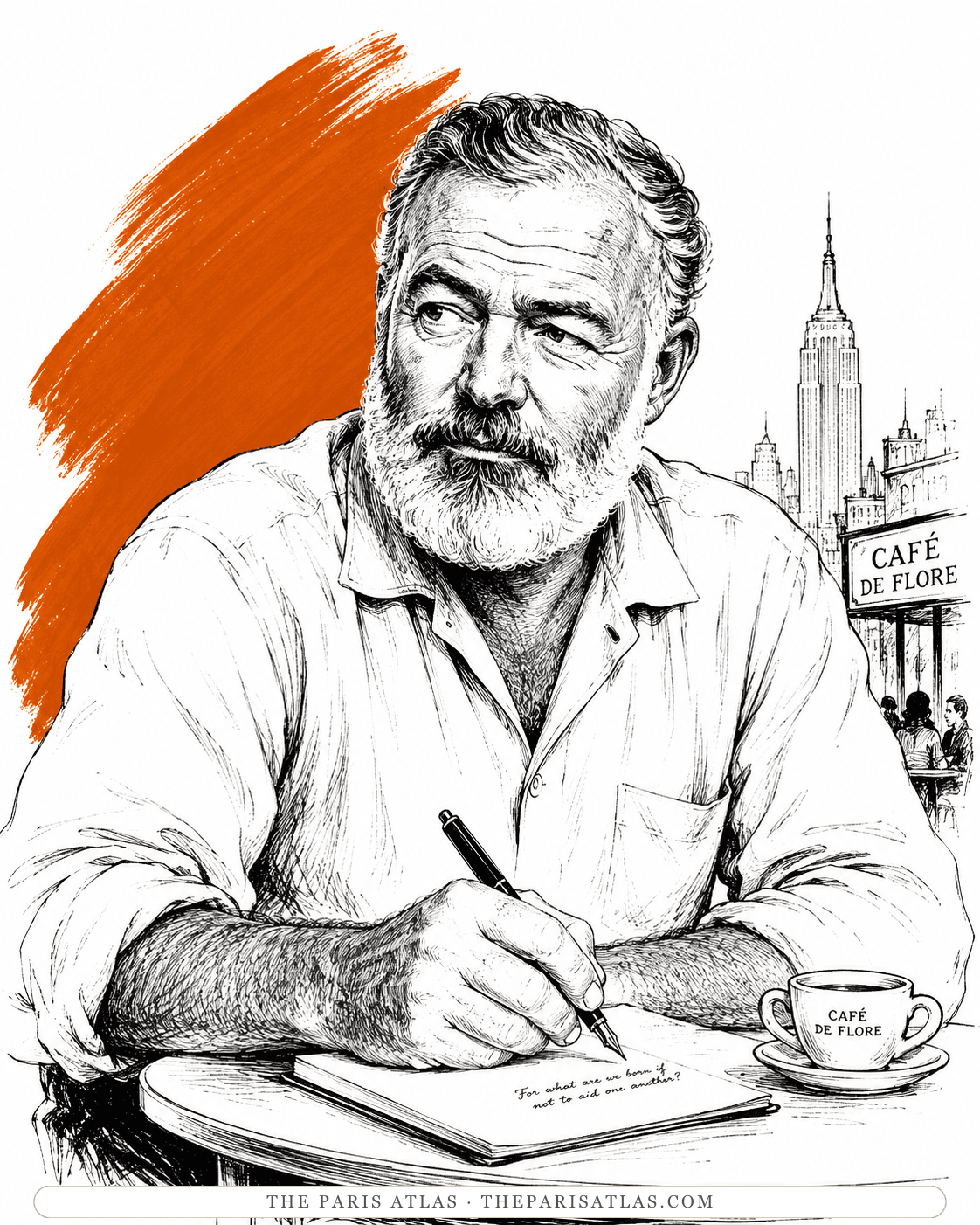
About Ernest Hemingway

Illustrated portrait of Ernest Hemingway

The story, briefly

Spoiler-free

Named for Hemingway's Cuban farmhouse, the 1987 Finca Vigía edition is the omnibus the shelf needed: the canonical First Forty-Nine complete, then everything the 1938 volume couldn't hold — the Spanish Civil War stories, the scattered later pieces like 'A Man of the World,' and a final section of fiction previously unpublished, drawn from the manuscripts. Where the First Forty-Nine is the monument, this is the archive with the monument inside it — the one-volume answer to 'which stories book should I own?' (A collection — nothing here to spoil.)

The story, in more detail

The occasion was simple arithmetic: by the eighties the standard Short Stories still stopped at 1938, while two more decades of short fiction lay scattered — the four Madrid stories of the Civil War, the Esquire and Atlantic pieces of the forties and fifties — and the manuscripts held fiction no one had printed at all. The Finca Vigía edition, assembled by the publisher with the estate, put it all in one place in three movements: the forty-nine, the later published work, and the previously unpublished — including pieces from the wartime and African material.[1]

Scholars grumbled, not unfairly: the unpublished section mixes finished stories with extracts the author never shaped for print, and the editing declines to say which is which with much rigor — the Goodreads problem in reverse, everything swept onto one shelf. But for readers the volume settled the question of entry: this is the stories book to own, the complete arc from 'Up in Michigan' in a Paris drawer to the last Cuban fragments, with the whole revolution of the form in between. Here it stands as the omnibus; the First Forty-Nine keeps its own page as the work Hemingway actually built.[1]

What's inside

Three parts. First, The First Forty-Nine complete and in order — In Our Time through the African summits. Second, the later published stories: the four Spanish Civil War Madrid tales — 'The Denunciation,' 'The Butterfly and the Tank,' 'Night Before Battle,' 'Under the Ridge' — with the postwar scatter, 'A Man of the World' and 'Get a Seat' among them. Third, the vault: previously unpublished fiction from the manuscripts, wartime and African material included, of frankly mixed finish and steady fascination.[1]

New readers should still begin at the beginning — the forty-nine, in order. The back half is for the committed, which by then you will be.[1]

Themes and analysis

These readings discuss events throughout the book, including its ending.

A place he can make

In “Big Two-Hearted River,” the small tasks of pitching camp determine the pace. Nick postpones eating until the ground and canvas are ready, making comfort something constructed rather than found. The repeated assurance that the work is finished sounds stronger than a practical camping report needs to be. Yet making coffee brings back Hopkins and an old separation. The refuge is real, but memory can enter it through an ordinary habit; the story's calm depends on attention continually returning to what Nick can do now.

In “Big Two-Hearted River,” Nick makes a camp before he cooks. The careful work of clearing ground, raising canvas and securing his supplies gives the story its quiet structure. (Illustration — The Paris Atlas)

The cat is gone

In “Cat in the Rain,” the missing animal exposes how differently the wife is attended to. The hotel-keeper takes her wishes seriously, while George repeatedly returns to his book. Her requests move from the cat to hair, clothes and a table of her own: the desired object opens onto a fuller wish for a different daily life. The final delivery answers one request without showing her response. That withheld reaction prevents a neat happy ending; being given a cat is not necessarily the same as being understood.

In “Cat in the Rain,” the American wife goes outside with the maid to find the cat she has seen from her window. The table is there, but the cat has gone. (Illustration — The Paris Atlas)

Why we recommend it

  1. The whole arc, one spine

    Paris drawer to Cuban vault — the complete short-form career in reading order.

  2. The Civil War stories

    The Madrid four are late-thirties Hemingway at strength, and this is where they live.

  3. The archive, honestly labeled here

    Knowing which back pages are quarry rather than sculpture, you can read the vault material for what it teaches.

What this book explores

Inside the book

Selected works from this book, with notes on each.

The Faithful Bull — standalone printing

The Faithful Bull

A bull who loved to fight and would not be gentled — Hemingway's two-page answer to Munro Leaf's pacifist Ferdinand, written for Holiday magazine in 1951. The fable later had a second life as a little illustrated book, and it lives on among the late stories collected in this volume.

Timeline

  1. 1938

    The First Forty-Nine collects the stories to date, but stops there.

  2. 1961

    Hemingway dies; two later decades of short fiction remain scattered or unpublished in the manuscripts.

  3. 1987

    Scribner's Finca Vigía edition gathers it all — the forty-nine, the Spanish Civil War stories, the later scatter, and previously unpublished fiction — in one volume.

Book editions

Hardcover
Hardcover
Scribner
1987
First edition of the Finca Vigía text
Paperback edition cover
Paperback
Scribner
ISBN-13
9780684843322

Reader reviews

Loading reviews…

The Complete Short Stories of Ernest Hemingway: frequently asked questions

What is The Complete Short Stories of Ernest Hemingway?

The 1987 "Finca Vigía" edition — the omnibus of his short fiction: the canonical First Forty-Nine complete, plus the Spanish Civil War stories, scattered later pieces, and a section of fiction previously unpublished, drawn from the manuscripts.

Why is it called the Finca Vigía edition?

After Finca Vigía, the Cuban farmhouse outside Havana where Hemingway lived and worked for two decades.

How does it differ from The First Forty-Nine?

The 1938 collection stopped at forty-nine stories. This gathers everything after as well — the Madrid stories and two later decades of scattered and unpublished work. It is the archive with the monument inside it.

Was it published in Hemingway's lifetime?

No. It appeared in 1987, long after his death in 1961.

Which Hemingway stories book should I own?

This is usually the one-volume answer — it contains the canonical stories and nearly everything that came after them.

If you like Ernest Hemingway

Explore authors with a similar voice, perspective, and influence.

  • Illustrated portrait of Louis-Ferdinand Céline

    Louis-Ferdinand Céline

    The other great stylist the Great War produced — where Hemingway cut the language down, Céline set it on fire. The same wound, opposite treatments.

    View author
  • Illustrated portrait of Henry Miller

    Henry Miller

    Paris on no money a decade later, with the restraint removed. Miller called Hemingway's Paris a tourist's Paris; readers get to referee.

    View author
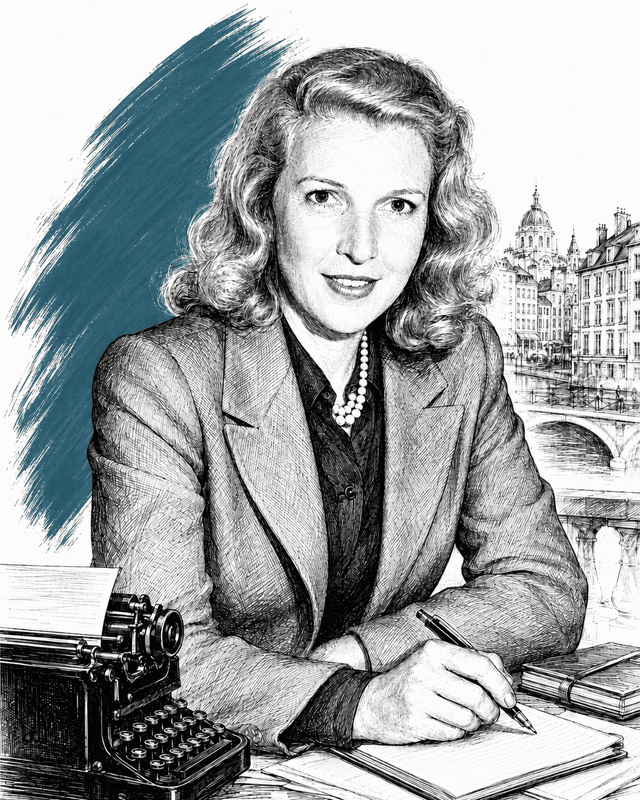
  • Illustrated portrait of Martha Gellhorn

    Martha Gellhorn

    War correspondent who covered the Spanish Civil War, D-Day, and conflicts across five more decades; Hemingway's third wife, 1940–1945.

    View author
References

References

The sources below include the primary text, editions, scholarship, archival materials, and other records that informed this page. They document The Complete Short Stories of Ernest Hemingway, its publication, and its place in literary history.

  1. 1abcdThe Complete Short Stories of Ernest Hemingway — Finca Vigía Edition

    Official record
    Simon & Schuster, 1998
    Used for

    Official publisher record used to verify the 1998 Finca Vigía Edition, ISBN, pagination, sixty-story contents, and seven first-published stories.

    View source
  2. 2In Our Time: Big Two-Hearted River, Part I

    Website
    Wikisource, 1925
    Used for

    Web source consulted for documented facts and historical context presented on the The Complete Short Stories of Ernest Hemingway page.

    View source
  3. 3In Our Time: Cat in the Rain

    Website
    Wikisource, 1925
    Used for

    Web source consulted for documented facts and historical context presented on the The Complete Short Stories of Ernest Hemingway page.

    View source
  4. 4Ernest Hemingway: A Life Story

    Biography
    Carlos Baker, 1969
    Used for

    Used to place The Complete Short Stories of Ernest Hemingway within Ernest Hemingway's published work and verify its bibliographic context.

  1. 5Ernest Hemingway's Life in Key West

    Website
    The Ernest Hemingway Home & Museum
    Used for

    Used for independent biographical, archival, or historical context surrounding Ernest Hemingway's career and the period in which The Complete Short Stories of Ernest Hemingway appeared.

    View source
  2. 6Max Perkins: Editor of Genius

    Biography
    E. P. Dutton, 1978
    Used for

    Used to cross-check authorship, chronology, and the work's place in Ernest Hemingway's wider catalogue.

  3. 7Ernest Hemingway, The Art of Fiction No. 21

    Periodical
    The Paris Review, Issue 18, Spring 1958, 1958
    Used for

    Used to verify Ernest Hemingway's bibliography and place The Complete Short Stories of Ernest Hemingway within the broader chronology of Ernest Hemingway's career.

    View source
  4. 8Abbreviations for the Works of Ernest Hemingway

    Official record
    The Hemingway Society
    Used for

    The Hemingway Society bibliography is used to cross-check the collection's story titles and standard scholarly abbreviations.

    View source
i
Why these sources are here

The primary text is the baseline reference for every book page. Additional references document publication history, interpretation, and historical context where that evidence is available.

Explore more resources