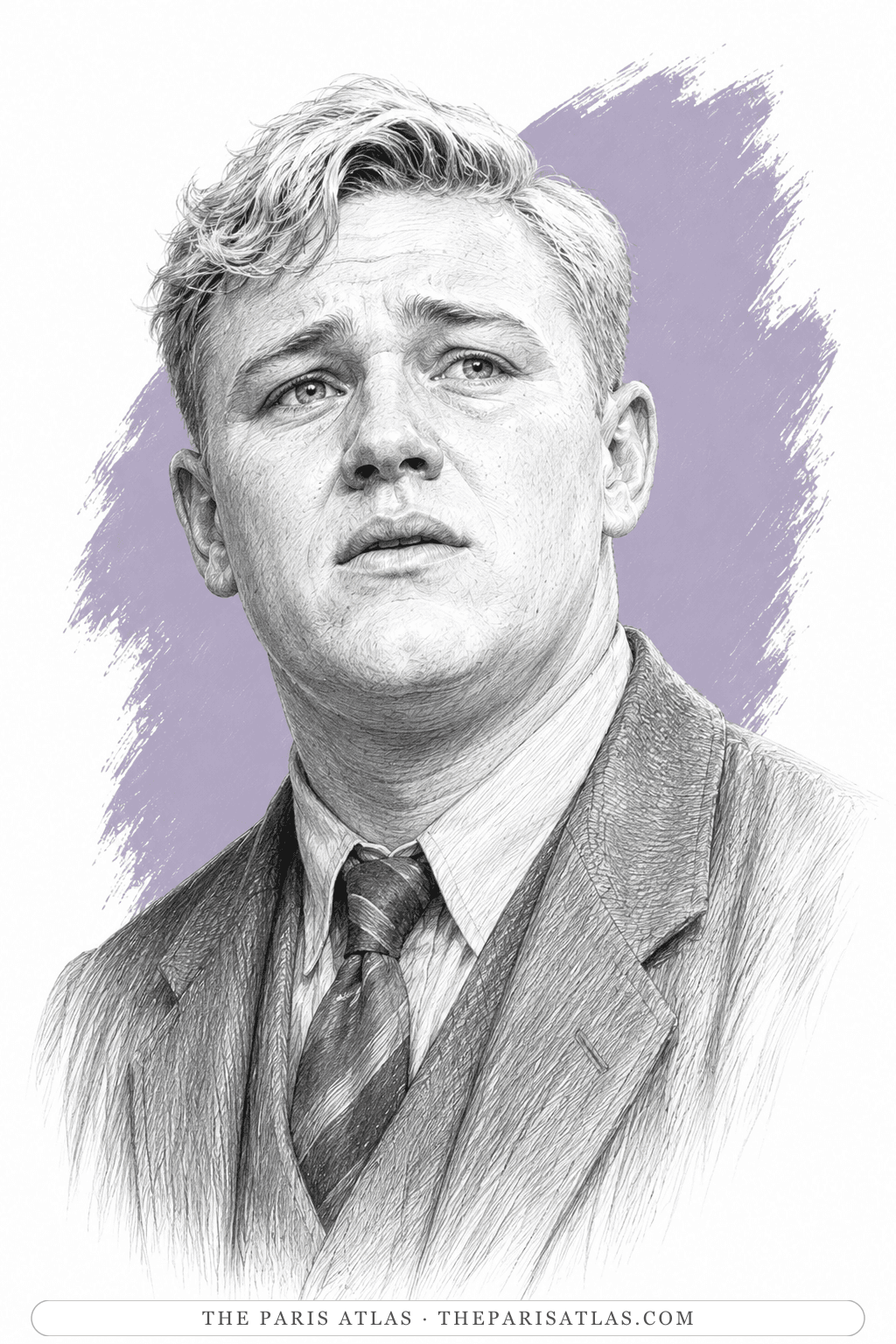
The young bank clerk
A clerk at one of the West Bletchley banks who cashes George Bowling's cheques and sits with the local Communist Party branch at a Left Book Club lecture: a nice boy with a round eager face, blue eyes like a baby, hair so fair you would think he peroxided it, a cheap blue suit and a bright blue tie. He is the person Bowling makes his central speech to, after the lecture, and when he asks whether the thought of what is coming does not make Bowling's blood boil, he has tears in his eyes.
To fight Fascism, and to be allowed to. He argues after the lecture about whether you should join up if war comes, and asks a man twice his age whether what is happening in Germany does not make his blood boil.
The book

At a glance
- Clerk at one of the West Bletchley banks
- Never given
- Looks about seventeen; George Bowling puts him at twenty
- One of the three members of the local Communist Party branch in the audience
- He cashes Bowling's cheques
- Part Three, Chapter 1
Who they are in the book
Spoiler-freeGeorge Bowling, who narrates the novel, is forty-five, sells insurance, and lives in a London suburb called West Bletchley. He belongs to the local Left Book Club, and in 1938 he goes with his wife to one of its lectures in a hired hall with a tin roof. Sitting in the row immediately in front of him are the three young members of the local Communist Party branch. One of them is a clerk at one of the West Bletchley banks, who cashes Bowling's cheques from time to time.
Bowling describes him as a nice boy with a round, very young, eager face, blue eyes like a baby, and hair so fair that you would think he peroxided it. He looks about seventeen; Bowling supposes he is twenty. He is in a cheap blue suit with a bright blue tie that goes with his hair. He and the three others beside him are taking the lecture quite differently from the rest of the audience, and Bowling can see them twitching before question-time starts.
When it does start they are on their feet at once, and argue for ten minutes about dialectical materialism, the destiny of the proletariat and what Lenin said in 1918. The row narrows to a private one between the clerk and the youngest of them, a Trotskyist, over whether you should join the Army if war breaks out. Bowling is edging along the chairs in his overcoat when the clerk appeals to him by name: if war came and there were a chance to smash Fascism once and for all, wouldn't he fight? Bowling says he would not, that he had enough to go on with last time. The clerk asks whether the concentration camps and the beatings in Germany do not make his blood boil. Bowling tells him he went off the boil in 1916, and that he will too when he finds out what a trench smells like.
That answer is the point at which Bowling looks at him properly, and finds the boy has tears in his eyes. Everything after it is Bowling's, not the book's: a hefty lad who probably plays rugger for the bank and has brains as well, stuck behind a frosted window entering figures in a ledger and counting piles of notes, feeling his life rot while the important things happen in Europe and some of his friends fight in Spain. For a moment Bowling has the feeling that the boy is his son, which by years he could be. He gives him the longest piece of advice he offers anyone in the chapter — that 1914 was supposed to be a glorious business and turned out to be a bloody mess, and that if it comes again he should keep out of it — and knows while he is saying it that it makes no impression, because they think he is out of date.
How The young bank clerk Is Portrayed
- The faceRound, very young and eager. Bowling describes it twice, and the second time says it might have belonged to a good-looking schoolboy.
- The hairSo fair that you would think he peroxided it. Bowling calls it tow-coloured when he comes back to him at the end of the scene.
- The eyesBlue, and Bowling's comparison for them is a baby's.
- How old he looksAbout seventeen. Bowling supposes he is twenty, and is later aware that the boy has him down as about sixty.
- The blue suitA cheap blue suit with a bright blue tie, which Bowling notes goes with his hair.
- The buildA hefty lad. Bowling's guess is that he plays rugger for the bank, and that he has brains as well.
- Waiting for question-timeHe and the three others in his row take the lecture quite differently from everyone else in the hall. You can see them twitching before questions open, they are up the moment they do, and the argument that follows is with each other rather than with the audience.
- The tearsAsking Bowling whether what is going on in Germany does not make his blood boil, he has tears in his eyes. Bowling notices only then, and says it was as if he had not properly seen him until that moment.
- The life Bowling reads into himNone of it is observed. Bowling supplies it on the spot: a bank clerk in a godless suburb, sitting behind the frosted window entering figures and counting notes and bumsucking to the manager, feeling his life rot away while the big stuff happens elsewhere.
If you like Coming Up for Air


If you like George Orwell
Explore authors with a similar voice, perspective, and influence.
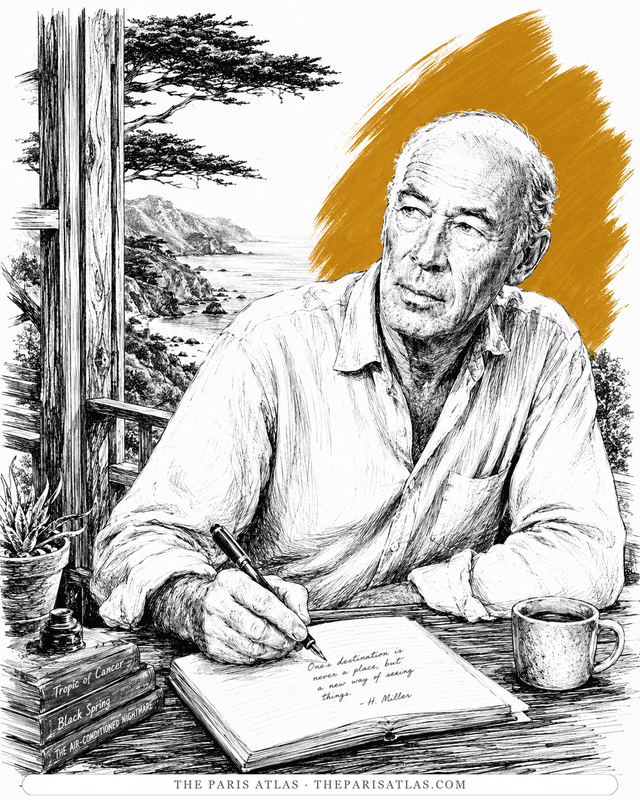
Henry Miller
The Brooklyn dropout who arrived in Paris broke at thirty-eight and wrote the exuberant, banned books that ended American censorship.
View author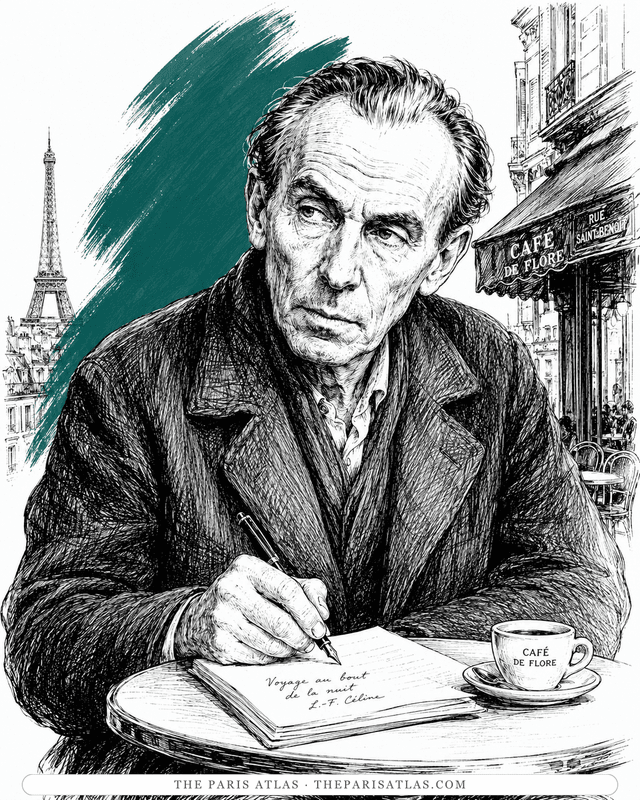
Louis-Ferdinand Céline
The doctor of the Paris slums who wrote the century's blackest, funniest novel — and changed the sound of French prose.
View author
Simone de Beauvoir
French writer and philosopher whose novels, memoirs, and social analysis examined freedom, gender, responsibility, aging, and the material conditions that shape a life.
View author