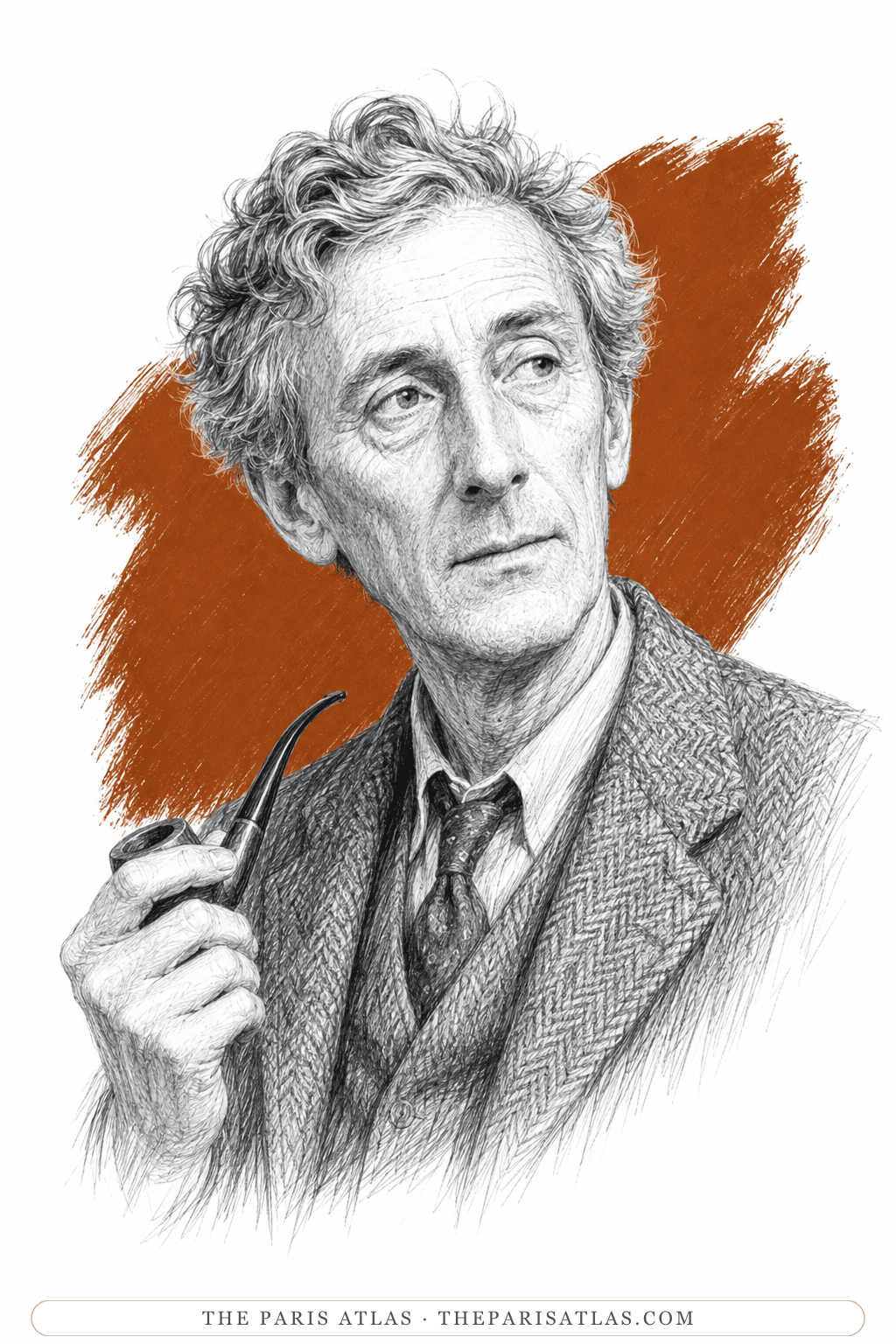
Uncle Ezekiel
Bowling's father's much older half-brother: a bootmaker with the whitest whiskers in Lower Binfield, an unrepentant nineteenth-century Liberal, a pro-Boer, an infidel, and the only man in town who kept the same opinions right through the war.
To be listened to. He argues about the Empire, Gladstone and Joe Chamberlain to anyone in reach, and barks his opinions straight into your face with a cackle at the end.
The book

At a glance
- Bowling's great-uncle by half-blood; bootmaker in Lower Binfield
- At least twenty years older than Bowling's father
- Unmarried, over the boot-shop, with his goldfinches
- Nineteenth-century Liberal, pro-Boer, Little Englander; and an infidel
- Carlyle and Spencer, quoted by the yard
- 1911, leaving £120
- Part II, chapters 2 and 7; his grave in Part IV, chapter 2
Who they are in the book
Spoiler-freeUncle Ezekiel kept a little boot-shop in one of the streets off the High Street and did some cobbling. The business was small and getting smaller, which mattered less than it might have because he never married. He was Samuel Bowling's half-brother and at least twenty years older, and for the fifteen years his nephew knew him he never appeared to change: tall, fine-looking, with white hair and the whitest whiskers the boy ever saw, white as thistledown.
He had never been to school and liked saying so, having taught himself to read by a tallow candle after working hours. He quoted Carlyle and Spencer by the yard, could argue with anybody, and was much the quicker-witted of the two brothers. His politics were the old Liberalism entire — the kind of man who would not only ask what Gladstone said in '78 but could tell you the answer. He denounced Joe Chamberlain and a set of people he called the Park Lane riff-raff, and when the Boer War came he announced himself a pro-Boer and a Little Englander and stayed one, alone in the town, all the way through.
He was also a bird-fancier, with goldfinches in his dark little shop, and it was his theory that cage-birds lose their colour for want of variety in their diet. That theory became Bowling's Mixture, his brother's one commercial idea, and Jackie the bullfinch in the shop window, who unlike most caged bullfinches never turned black, was the advertisement for it.
He tried without success to get his nephew reading Ruskin and Carlyle. He died in 1911 and left £120, which must have made a considerable difference to a shop already going down. His grave is a little way from his brother's in Lower Binfield churchyard, and in 1938 it is still there.
How Uncle Ezekiel Is Portrayed
- How he lookedA fine-looking old chap, rather tall, with white hair and the whitest whiskers his nephew ever saw — white, he says, as thistledown. For the fifteen years or so the boy knew him he never appeared to change at all.
- The stanceHe had a way of slapping his leather apron and straightening up very tall, a reaction his nephew supposed from bending over the last, before barking his opinion in your face and finishing with a sort of ghostly cackle.
- "Them and their far-flung Empire"His side of the standing row with his brother, delivered in full: can't fling it too far for me, he-he-he. For a week after he declared himself a pro-Boer the two of them were hardly on speaking terms.
- The demonstrationTold the atrocity stories about Boers tossing babies and catching them on bayonets, he laughed in his brother's face and said it was the British soldiers doing it. He then grabbed hold of his five-year-old nephew to illustrate, swinging him up and almost letting go, and left the boy with a vivid picture of landing on a bayonet point.
- Wheels and wingsAgainst the local doctrine that if God had meant us to fly He'd have given us wings, he retorted that if God had meant us to ride He'd have given us wheels. He did not believe in the flying machines either.
- The goldfinchesHe kept quantities of them in his dark shop, and held that caged birds lose their colour from lack of variation in their diet. His brother grew twenty kinds of weed under wire netting in the back yard on the strength of it.
- The candleHe boasted that he had never been to school in his life and had taught himself to read by a tallow candle after working hours, in contrast to his brother, who had been to the grammar school and never took to book-learning.
- What he leftHe died in 1911 leaving £120. Bowling notes it in the same paragraph as the mortgaged insurance policy, as one of the few things that briefly slowed his father's decline.
If you like Coming Up for Air


If you like George Orwell
Explore authors with a similar voice, perspective, and influence.
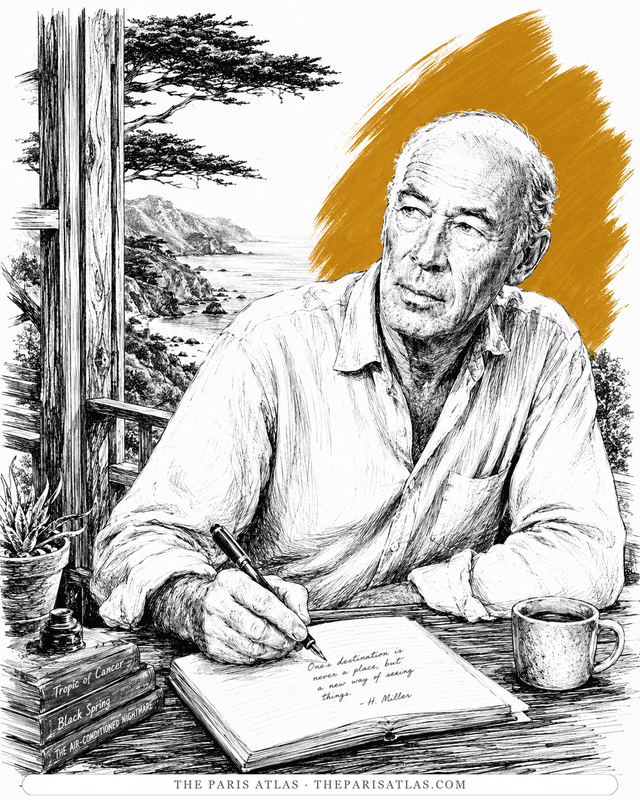
Henry Miller
The Brooklyn dropout who arrived in Paris broke at thirty-eight and wrote the exuberant, banned books that ended American censorship.
View author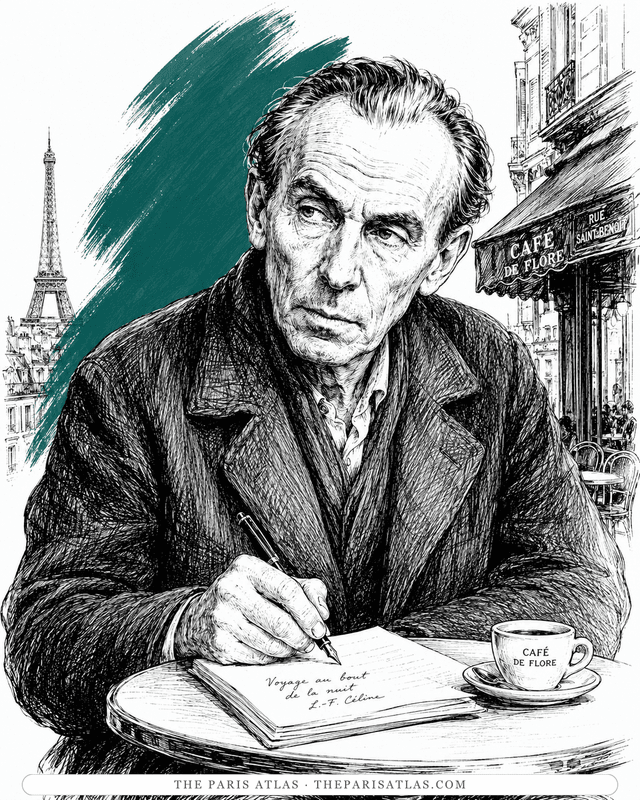
Louis-Ferdinand Céline
The doctor of the Paris slums who wrote the century's blackest, funniest novel — and changed the sound of French prose.
View author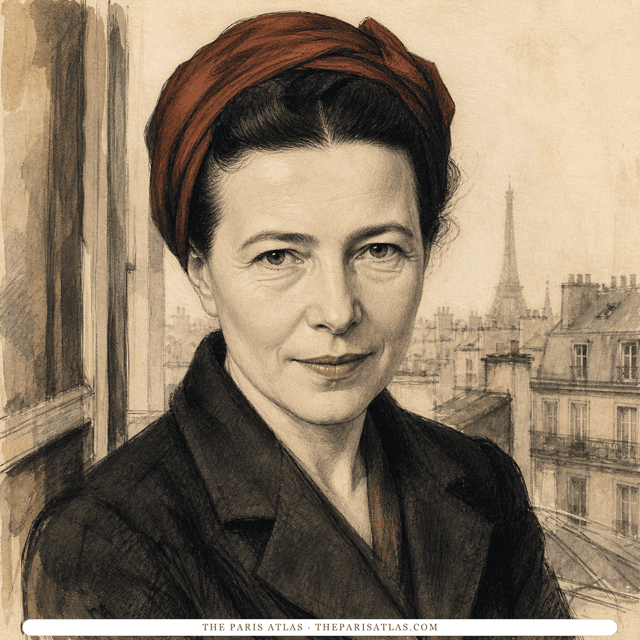
Simone de Beauvoir
French writer and philosopher whose novels, memoirs, and social analysis examined freedom, gender, responsibility, aging, and the material conditions that shape a life.
View author