Mr Witchett
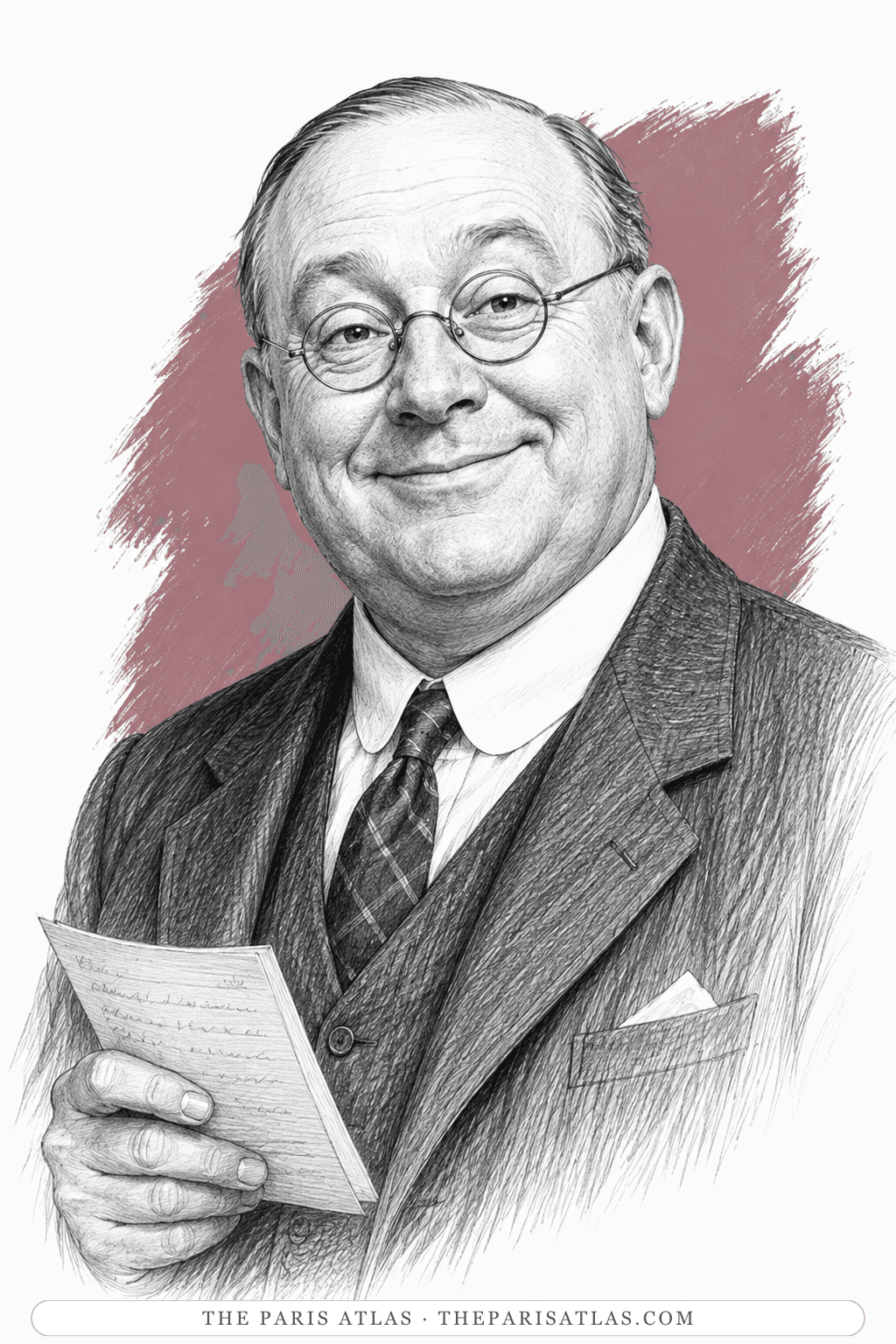
Chairman of the West Bletchley Left Book Club meetings and something in an architect's office; also secretary of the local Liberal Party, a parish councillor, and master of ceremonies at the Mothers' Union magic-lantern lectures. A mild pink-faced man who believes every word of his own vote of thanks, which Bowling can recite in advance.
To be useful at a meeting. He chairs the Left Book Club, runs the Liberal Party's local branch, sits on the Parish Council and introduces the Mothers' Union lectures, and he means every word of the thanks he gives at the end of each one.
The book

At a glance
- Chairman of the Left Book Club meetings in West Bletchley, a London suburb
- Something in an architect's office
- Secretary of the local Liberal Party, parish councillor, and master of ceremonies for the Mothers' Union magic-lantern lectures
- A lecture called The Menace of Fascism, in a hired tin-roofed hall, to an audience of fifteen or sixteen
- Part Three, Chapter 1
Who they are in the book
Spoiler-freeMr Witchett chairs the local Left Book Club meetings in West Bletchley, the London suburb where George Bowling lives. Bowling is the narrator of George Orwell's Coming Up for Air: forty-five years old, an insurance salesman, and a member of the club himself, though not an enthusiastic one. He goes to one meeting on a winter evening in 1938 because his wife is going.
The hall is a little wooden building with a tin roof, the property of some Nonconformist sect, and it can be hired for ten shillings. It is cold and not too well lit. Fifteen or sixteen people turn up. A yellow placard on the front of the platform announces that the lecture is on The Menace of Fascism, and Witchett is walking the visiting speaker round the room and introducing him to each person as the well-known anti-Fascist, in the tone Bowling says you would use for a well-known pianist. The meeting is billed for eight o'clock. Witchett taps on the table at about twenty-five past, after the usual wait on the chance that a few more people might arrive.
In private life he is something in an architect's office. He is also secretary of the local Liberal Party, a member of the Parish Council, and master of ceremonies at the magic-lantern lectures for the Mothers' Union. Bowling calls him a born chairman, and the point he makes about him is that the enthusiasm is genuine: when Witchett says how delighted everyone is to have Mr So-and-so on the platform tonight, you can see that he believes it. He is mild-looking, with a pink face that is always covered in smiles. Bowling compares it first to a baby's bottom and then, when Witchett sits beside the table watching the lecture with a delighted smile, to a pink geranium. Bowling is not kind about him, and adds that he never looks at him without thinking he is probably a virgin.
The vote of thanks at the end is one Bowling can recite in advance, because it is the same speech Witchett makes at the close of the magic-lantern lecture in aid of trousers for the Melanesians: express our thanks, voicing the opinion of all of us, most interesting, gives us all a lot to think about, a most stimulating evening.
After the speaker sits down, four Communists in the audience get to their feet at once and argue for about ten minutes about dialectical materialism, the destiny of the proletariat and what Lenin said in 1918. Nobody else says anything. Witchett sits and beams at whoever happens to be speaking, making mental notes and thinking how interesting it all is. When the hall empties he takes the lecturer home.
How Mr Witchett Is Portrayed
- His faceMild-looking, pink, and always covered in smiles. Bowling compares it to a baby's bottom, and later, while Witchett listens to the lecture, to a pink geranium.
- All the posts he holdsSomething in an architect's office by day. Outside it, chairman of the Left Book Club meetings, secretary of the local Liberal Party, a parish councillor, and master of ceremonies at the Mothers' Union magic-lantern lectures.
- How he introduces a speakerHe walks the visiting lecturer round the hall before the meeting starts and presents him to each person present as the well-known anti-Fascist, in the way Bowling says you would announce a well-known pianist.
- The vote of thanksBowling can recite it before it is delivered, because it is the same one used for the magic-lantern lecture in aid of trousers for the Melanesians: express our thanks, voicing the opinion of all of us, most interesting, gives us all a lot to think about, a most stimulating evening.
- He means itBowling's main observation about him is that none of it is put on. When he says how delighted everyone is to have the speaker there, you can see that he believes it.
- Starting on timeThe lecture was billed for eight. He tapped on the table at about twenty-five past, after the usual period of hanging about in case a few more people turned up.
- During the argumentWhen four Communists in the audience start a ten-minute row about dialectical materialism and what Lenin said in 1918, he beams at each of them in turn and makes mental notes. Afterwards he takes the lecturer home.
If you like Coming Up for Air


If you like George Orwell
Explore authors with a similar voice, perspective, and influence.

Henry Miller
The Brooklyn dropout who arrived in Paris broke at thirty-eight and wrote the exuberant, banned books that ended American censorship.
View author
Louis-Ferdinand Céline
The doctor of the Paris slums who wrote the century's blackest, funniest novel — and changed the sound of French prose.
View author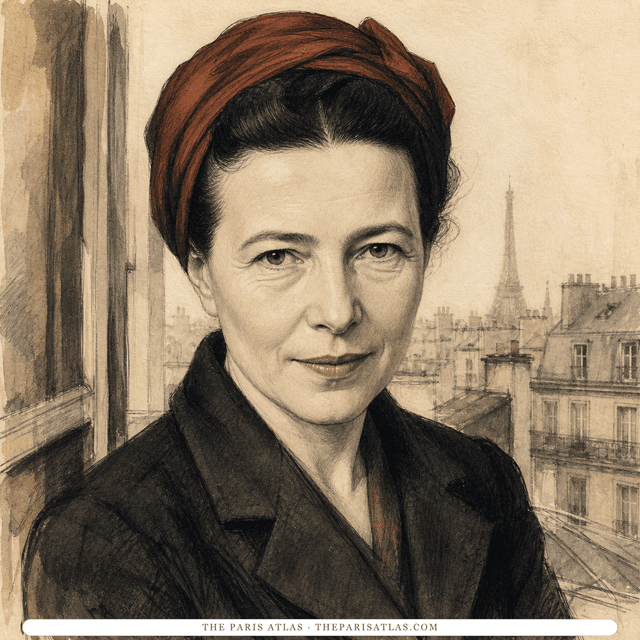
Simone de Beauvoir
French writer and philosopher whose novels, memoirs, and social analysis examined freedom, gender, responsibility, aging, and the material conditions that shape a life.
View author