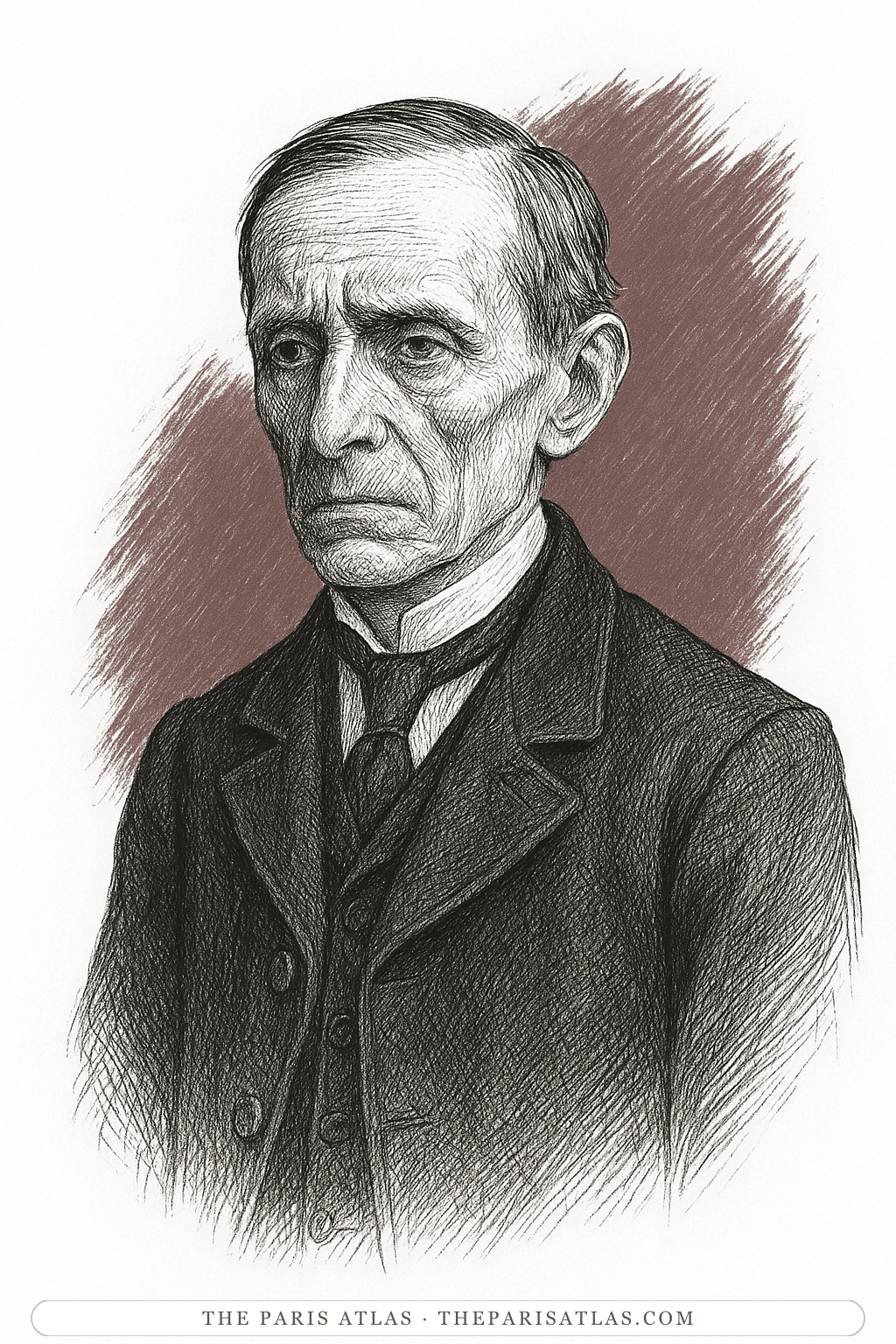
Little Watson
A small draper at the other end of the High Street in Lower Binfield who went bankrupt after years of struggling, left personal assets of two pounds nine shillings and sixpence, and died almost immediately of what was called gastric trouble, though the doctor let out that it was starvation. He had kept his frock coat to the last.
The book

At a glance
- Small draper on the High Street in Lower Binfield, before 1914
- Bankrupt after years of struggling
- Two pounds nine shillings and sixpence
- Recorded as gastric trouble; the doctor said starvation
- Part II, chapter 7, in two sentences
Who they are in the book
Spoiler-freeLittle Watson is a character in George Orwell's novel Coming Up for Air, published in 1939. He kept a small draper's shop — a shop selling cloth, thread and household linen — at the far end of the High Street in Lower Binfield, the Oxfordshire market town where the narrator, George Bowling, grew up before the First World War.
The shop failed after years of struggling. When his affairs were settled, his personal assets came to two pounds nine shillings and sixpence. He died almost immediately afterwards. The cause was given as gastric trouble, but the doctor let out that what had actually killed him was starvation. Orwell adds one more detail: he had clung to his frock coat to the last. A frock coat was the formal long coat of a Victorian tradesman, the thing that marked a shopkeeper as a respectable man rather than a labourer.
That is all the novel gives him, and it is deliberate. Bowling has just caught himself being sentimental about the years before 1914 and stops to say plainly that life then was harsher, not softer: people worked longer hours, lived less comfortably and died more painfully. He calls the kind of poverty Watson died of respectable poverty, and says it was worse than the open kind. Watson is his first example. The second is Old Crimp, the watchmaker's assistant who went into the workhouse.
How Little Watson Is Portrayed
- His shopA small draper's at the other end of the High Street, selling cloth and household linen in a town of a few thousand people.
- How it endedHe failed — went bankrupt — after years of struggling. Orwell puts the word failed in quotation marks, because it was the polite trade term for it.
- Two pounds nine and sixHis personal assets when the books were settled: two pounds, nine shillings and sixpence. Farm hands in the same passage are earning fourteen shillings a week.
- What he died ofGastric trouble, officially, and almost immediately after the failure. The doctor let it out that it was starvation.
- The frock coatHe kept it to the last. It was the garment that marked a shopkeeper as respectable, and he was wearing the part long after the money for it had gone.
If you like Coming Up for Air


If you like George Orwell
Explore authors with a similar voice, perspective, and influence.
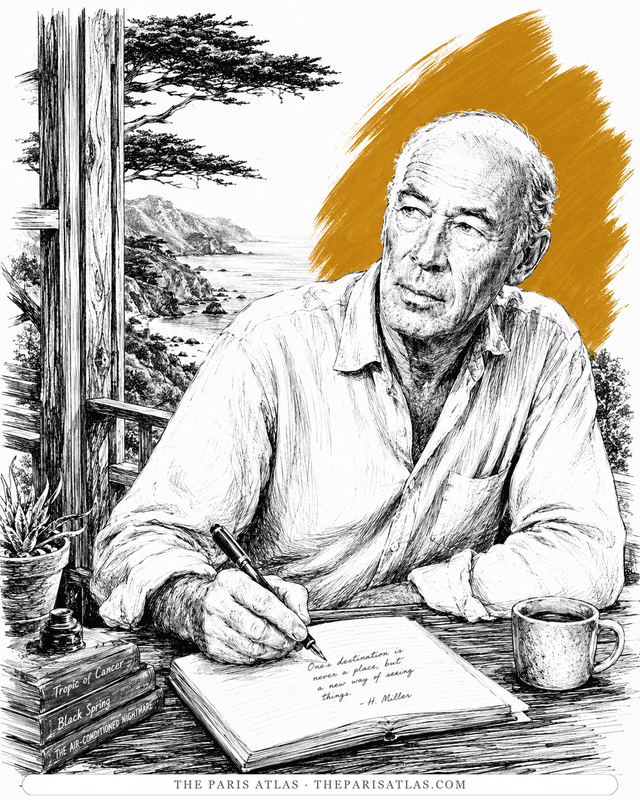
Henry Miller
The Brooklyn dropout who arrived in Paris broke at thirty-eight and wrote the exuberant, banned books that ended American censorship.
View author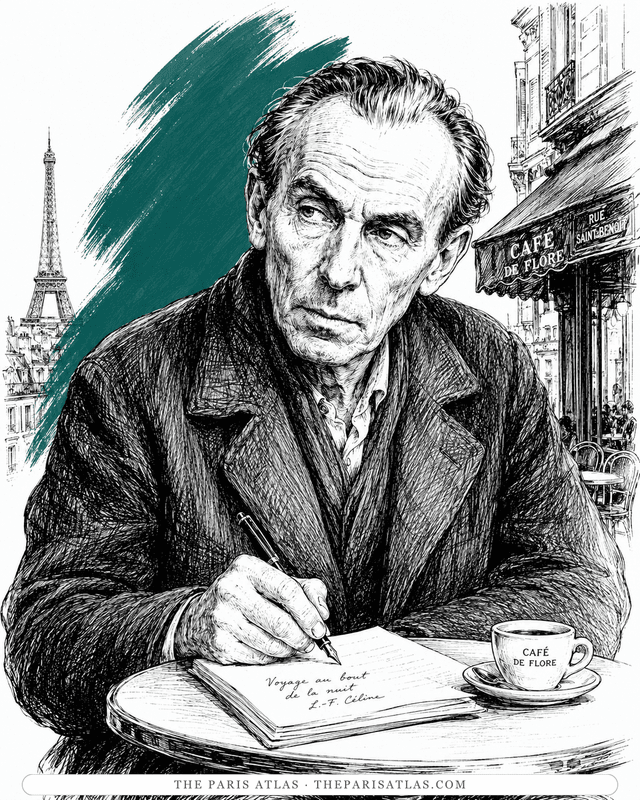
Louis-Ferdinand Céline
The doctor of the Paris slums who wrote the century's blackest, funniest novel — and changed the sound of French prose.
View author
Simone de Beauvoir
French writer and philosopher whose novels, memoirs, and social analysis examined freedom, gender, responsibility, aging, and the material conditions that shape a life.
View author