Shooter
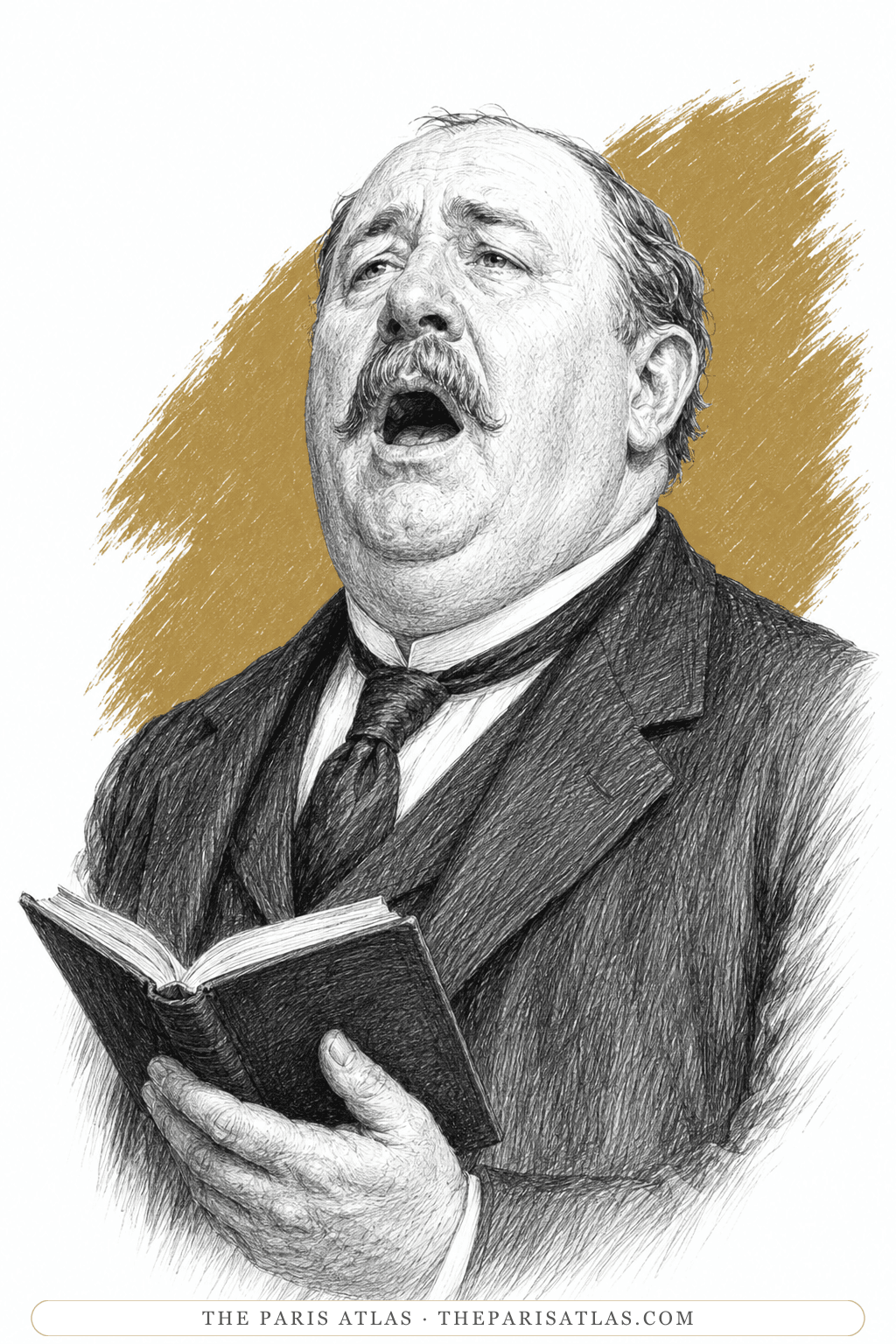
The fishmonger of Lower Binfield, and the other half of the church singing contest: a short fat man with a very pink smooth face, a big nose, a drooping moustache and a chin that falls away beneath his mouth. He sang in a desperate, agonised bellow, as though someone had a knife at his throat, and Wetherall beat him every Sunday. He died in 1926.
To be heard over the other voice in the church. He leads off the psalms at the top of his lungs every Sunday for years, and is drowned every time.
The book

At a glance
- Fishmonger of Lower Binfield, and one of the two men who led the singing in the parish church
- The pew nearest the pulpit, facing Wetherall the joiner and undertaker across the nave
- 1926
- Part One, Chapter 4; remembered in Part Four, Chapters 1 and 2
Who they are in the book
Spoiler-freeShooter is the fishmonger of Lower Binfield, the Oxfordshire market town where the narrator of George Orwell's Coming Up for Air grew up. He is remembered for one thing: he was one of the two men who led the singing in the parish church before the First World War, and between them they did so much of it that nobody else got much of a chance.
George Bowling, who tells the story as a man of forty-five in 1938, is remembering Sunday mornings when he was seven years old and had to stand on a hassock to see over the pew in front. The two singers sat opposite one another on either side of the nave, in the pews nearest the pulpit. Shooter was a short fat man with a very pink smooth face, a big nose, a drooping moustache, and a chin that fell away beneath his mouth. The other man was Wetherall, the joiner and undertaker, who was gaunt and grey and looked like a skeleton.
Their voices were as different as their builds. Shooter sang in a desperate, agonised bellow, as though someone had a knife at his throat and he was letting out his last yell for help. Wetherall had a deep churning rumble that sounded, to a child, like enormous barrels being rolled about underground, and you always knew he had more of it in reserve.
In the psalms they worked up a sort of call and answer, and Wetherall always had the last word. Shooter would roar out "The Lord is my shepherd", and Wetherall would come in with "Therefore can I lack nothing" and drown him completely. Bowling especially looked forward to the psalm that names Sihon king of the Amorites and Og the king of Bashan. Shooter got the first half. Wetherall's bass swallowed the whole congregation on the word Og. As a boy Bowling took the two of them for deadly enemies; as an adult he supposes they were friends outside church.
Shooter died in 1926 and Wetherall in 1928. When Bowling walks round the churchyard in 1938 he finds them lying opposite each other on either side of the path, as if they were still singing at one another across the aisle, and he wonders what sort of time Wetherall had in those last two years with nobody to sing against. Earlier the same day, looking down at a town he no longer recognises, one of the things he thinks about the strangers now living in it is that none of them has ever heard of Shooter and Wetherall.
How Shooter Is Portrayed
- His tradeFishmonger in Lower Binfield, a market town of about two thousand people.
- What he looked likeShort and fat, with a very pink, smooth face, a big nose, a drooping moustache, and a chin that fell away beneath his mouth.
- The voiceA desperate, agonised bellow. Bowling's comparison is a man with a knife at his throat letting out a last yell for help.
- Where he satIn the pew nearest the pulpit on one side of the nave, facing Wetherall the joiner and undertaker across the church. Between them they did so much of the singing that the rest of the congregation barely got a look in.
- The psalmsHe would start "The Lord is my shepherd" and Wetherall would come in on "Therefore can I lack nothing" and cover him. On the psalm about Sihon king of the Amorites, Shooter took the first name and Wetherall took Og the king of Bashan.
- Who wonWetherall, every week. Bowling as a small boy was sure the two men were deadly enemies trying to shout each other down, and decided later that they were probably friends in private life.
- The gravesIn 1938 Bowling finds the two of them buried opposite one another on either side of the churchyard path. Shooter died in 1926 and Wetherall in 1928.
If you like Coming Up for Air


If you like George Orwell
Explore authors with a similar voice, perspective, and influence.
Henry Miller
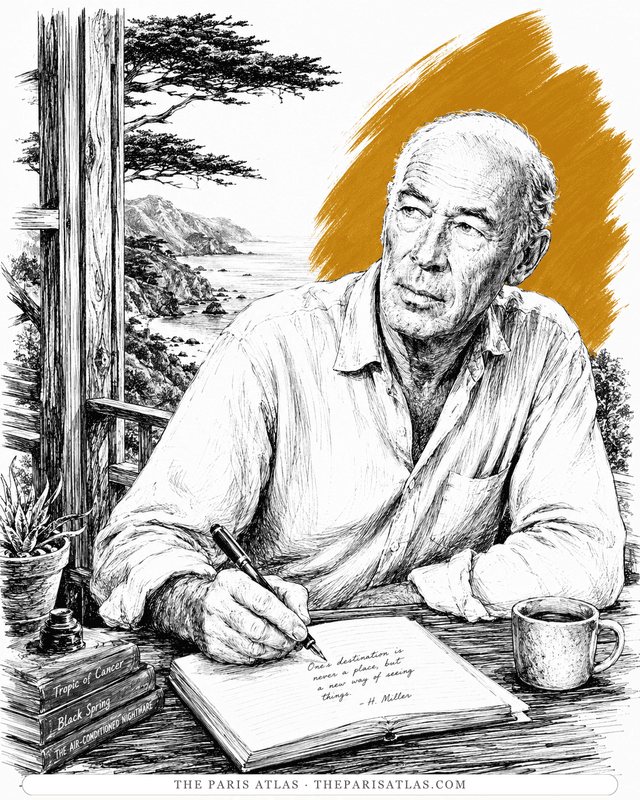
The Brooklyn dropout who arrived in Paris broke at thirty-eight and wrote the exuberant, banned books that ended American censorship.
View author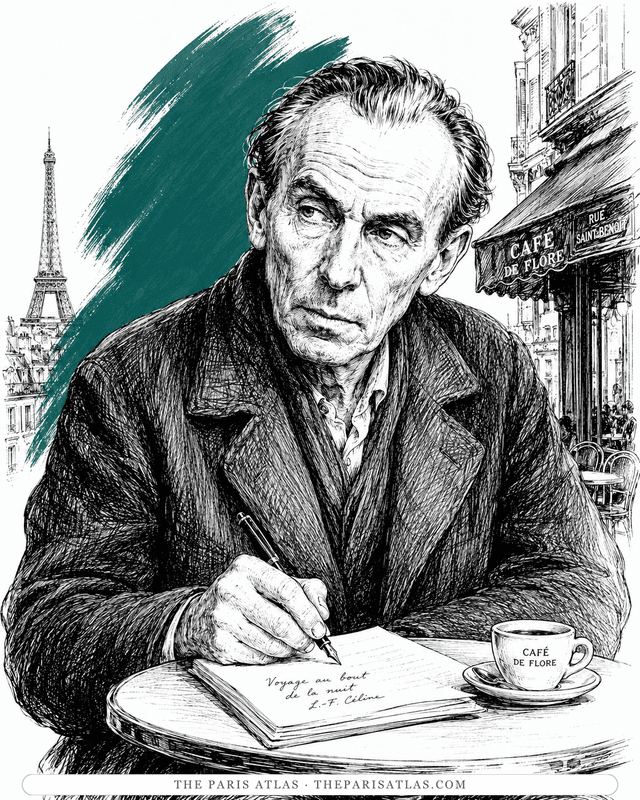
Louis-Ferdinand Céline
The doctor of the Paris slums who wrote the century's blackest, funniest novel — and changed the sound of French prose.
View author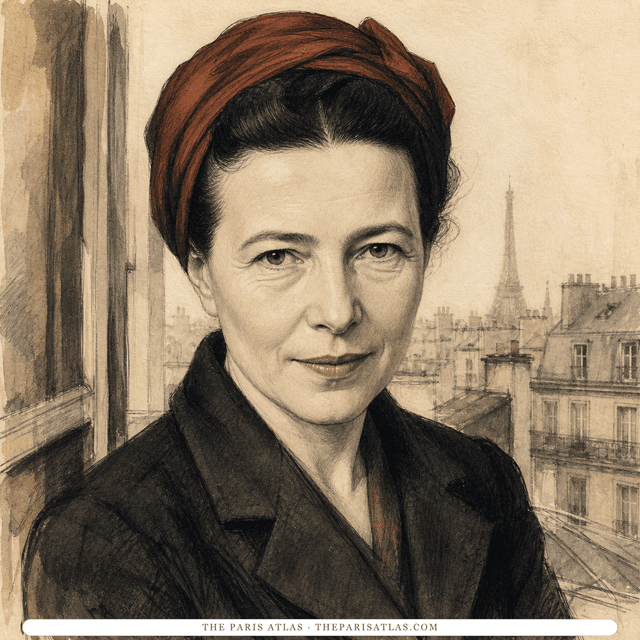
Simone de Beauvoir
French writer and philosopher whose novels, memoirs, and social analysis examined freedom, gender, responsibility, aging, and the material conditions that shape a life.
View author