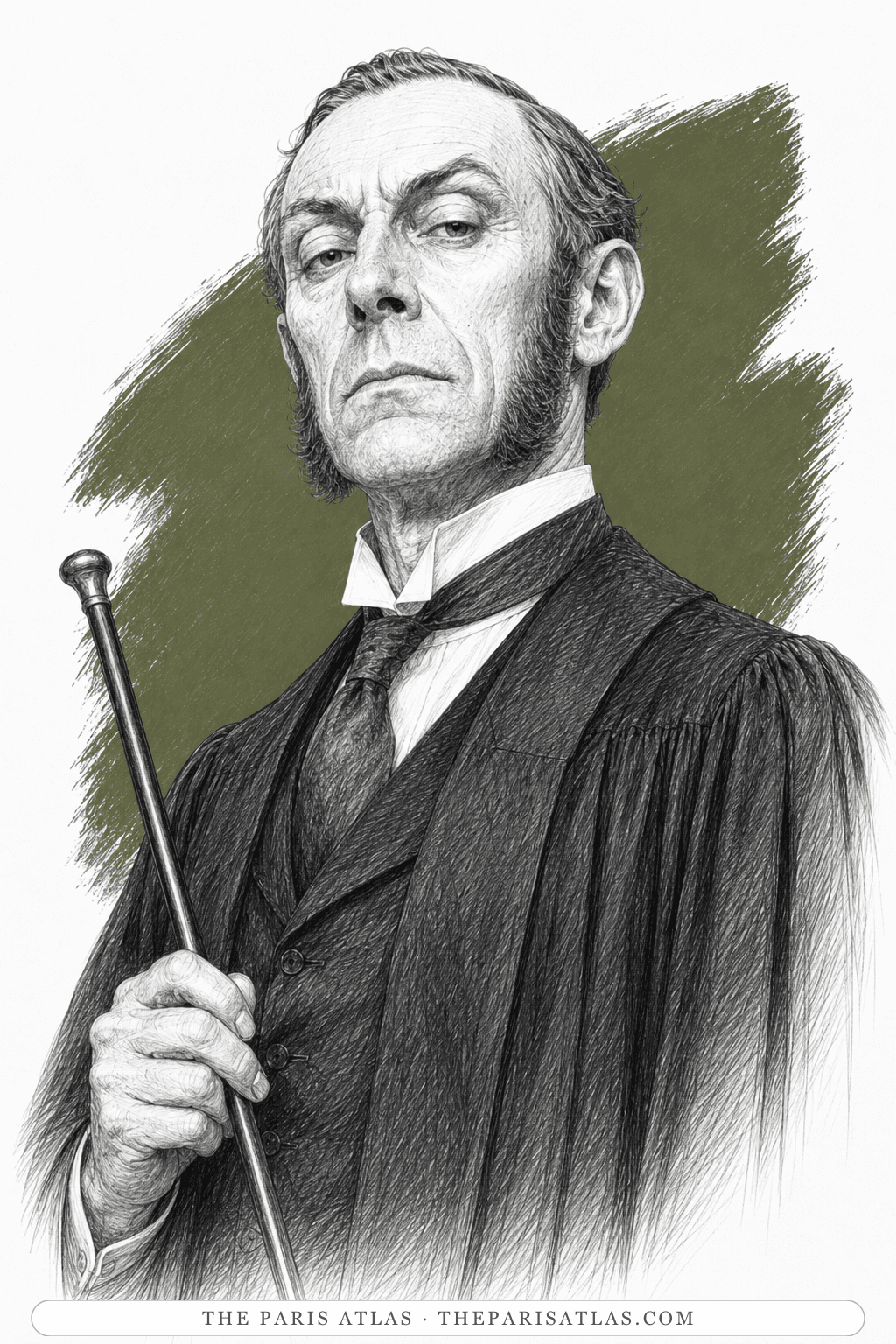
Mr Wicksey
Headmaster of Walton Grammar School, four miles from Lower Binfield, known to the boys as old Whiskers: a dreadful-looking little man with a face just like a wolf, who kept a glass case of canes and would sometimes take one out and swish it through the air in a terrifying manner. Samuel Bowling wrote to him the night before he took George out of school.
To send a clever pupil on. By the time Bowling was fourteen the headmaster was talking about scholarships and Reading University for him.
The book

At a glance
- Headmaster of the grammar school at Walton, four miles from Lower Binfield
- Old Whiskers
- George Bowling, from nine until shortly before his sixteenth birthday, and his elder brother Joe
- Part Two, Chapters 3, 4 and 7
Who they are in the book
Spoiler-freeMr Wicksey was the headmaster of the grammar school at Walton, four miles from Lower Binfield, the invented Oxfordshire market town where George Bowling grew up. Bowling narrates Coming Up for Air as a man of forty-five in 1938, and the school belongs to his account of the years before 1914. He went there at nine, after several years at a dame-school in his own town, and rode over on a bicycle morning and evening. It was the school the farmers and the better-off tradesmen of the district sent their sons to, and his own father had been educated there a generation earlier.
The boys called him old Whiskers. Bowling gives the real name once, in brackets, and then goes on calling him Whiskers.
Bowling arrived in fear and trembling, because of the frightful tales his elder brother Joe had told him. On appearance the man lived up to them. He was a dreadful-looking little man with a face just like a wolf, and at the end of the big schoolroom he kept a glass case with canes in it, which he would sometimes take out and swish through the air in a terrifying manner.
He used them as well. Joe Bowling got the cane about once a week and stayed near the bottom of the school until he was sixteen. One of those canings is dated in the book. Joe and a gang of boys were caught fishing in a farmer's pond one June morning. The farmer went round to their fathers the same day, and the headmaster dealt with Joe the next day at school.
The younger brother turned out to be the good pupil, which surprised him. In his second term Bowling took a prize in arithmetic and another in a subject that was mostly pressed flowers and went by the name of Science. By the time he was fourteen Whiskers was talking about scholarships and Reading University. Their father had ambitions for both sons in those days and was very anxious that George should go to college, with an idea floating round the family that he would become a schoolteacher.
None of it happened. Samuel Bowling ran a corn and seed merchant's shop in Lower Binfield that was losing its customers to a chain of retail seedsmen, and shortly before George's sixteenth birthday he came in to tea looking worried and said the boy would have to leave school and start earning. He had written to Mr Wicksey the night before to say he would have to take him away. Bowling notes that his father wrote to the headmaster before saying anything to him, and that parents then arranged everything over their children's heads as a matter of course.
How Mr Wicksey Is Portrayed
- His faceA dreadful-looking little man, with a face just like a wolf.
- What the boys called himOld Whiskers. His real name appears once, in a parenthesis, and Bowling goes on using the nickname.
- The glass caseAt the end of the big schoolroom he kept a case with canes in it, and would sometimes take one out and swish it through the air in a terrifying manner.
- His reputation, before Bowling met himBowling went to the school at nine in fear and trembling, on the strength of the stories his elder brother had brought home.
- How often the canes came outJoe Bowling got one about once a week. The book gives the occasion for one of them: a farmer caught a gang of boys fishing in his pond and went round to their fathers, and the headmaster dealt with Joe at school the next day.
- ScholarshipsBy the time Bowling was fourteen the headmaster was talking about scholarships and Reading University, and Bowling's father was keen for him to go to college and become a schoolteacher.
- The letterSamuel Bowling wrote to him to say he would have to take his son out of school, and told the boy at tea the following evening.
If you like Coming Up for Air


If you like George Orwell
Explore authors with a similar voice, perspective, and influence.
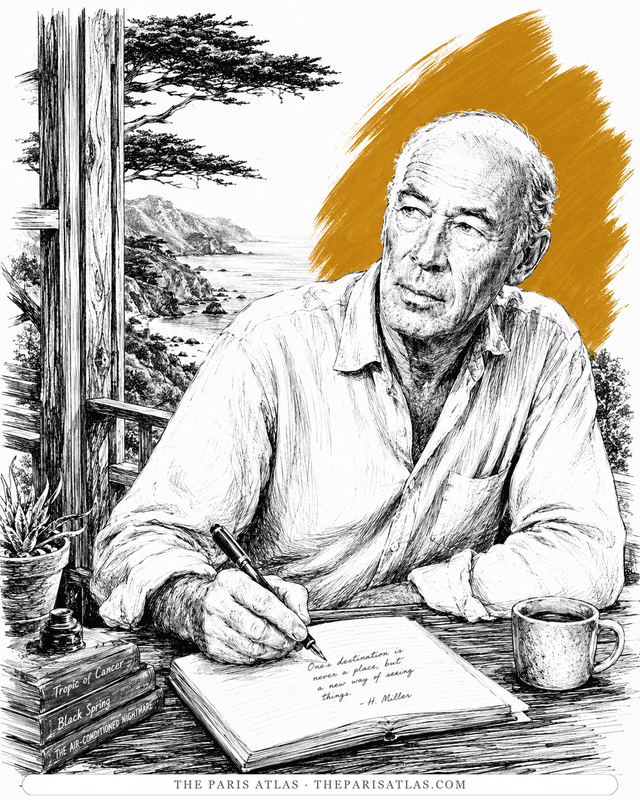
Henry Miller
The Brooklyn dropout who arrived in Paris broke at thirty-eight and wrote the exuberant, banned books that ended American censorship.
View author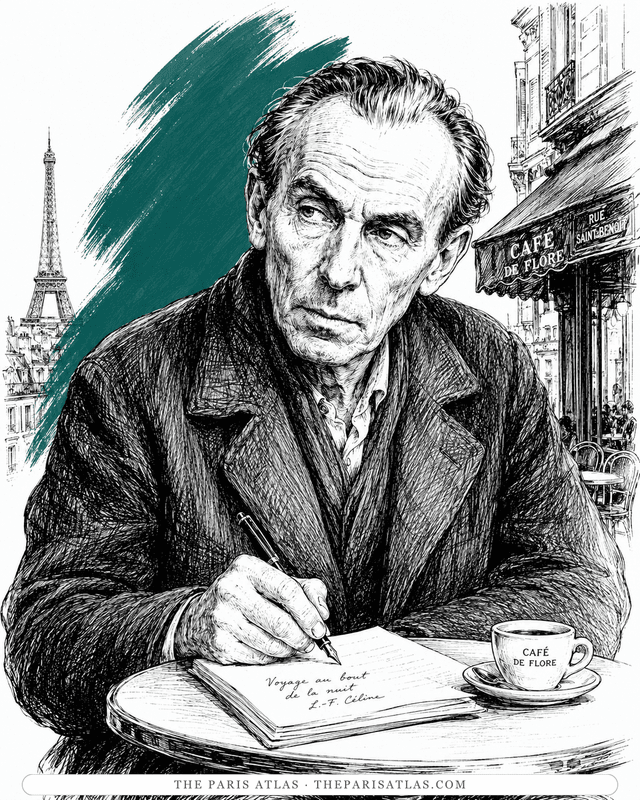
Louis-Ferdinand Céline
The doctor of the Paris slums who wrote the century's blackest, funniest novel — and changed the sound of French prose.
View author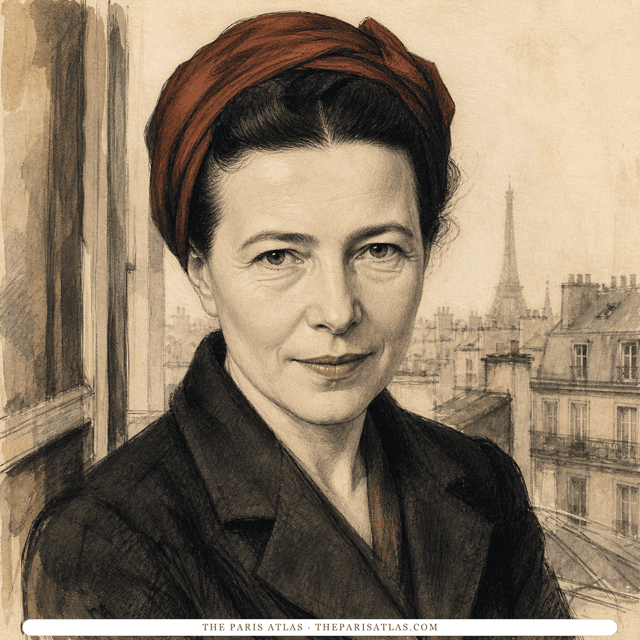
Simone de Beauvoir
French writer and philosopher whose novels, memoirs, and social analysis examined freedom, gender, responsibility, aging, and the material conditions that shape a life.
View author