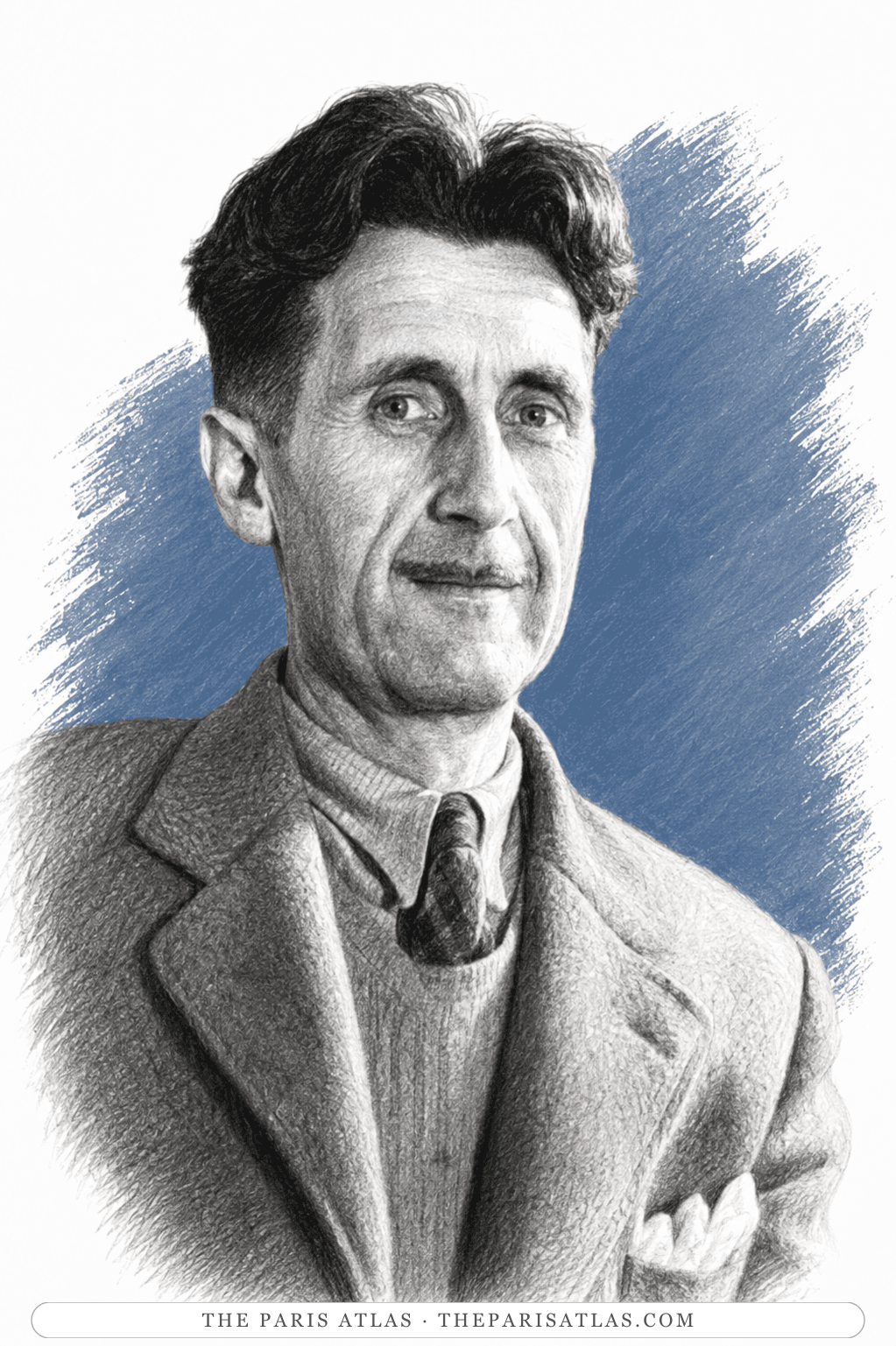

Animal Farm
Its immediate predecessor and the book most readers arrive from. One ends with the revolution captured; this one begins long after.
Read our take
Orwell's last novel: a clerk in a London ministry falsifies the past for a living, then starts a diary of his own.
George Orwell's last novel, published in June 1949, seven months before he died. Winston Smith is thirty-nine and works in the Records Department of the Ministry of Truth in London, now the chief city of Airstrip One, a province of Oceania. His job is to rewrite old numbers of The Times so that the Party's forecasts turn out to have been correct, and then to drop the originals down a chute to the furnaces. In April 1984 he buys a blank book from a junk shop in a poor quarter and begins a diary, which is not illegal, since there are no longer any laws, but which would be punished by death. What follows is a love affair conducted in woods and rented rooms, and an approach to a senior Party official Winston believes is secretly on his side. Orwell built the machinery in detail: the telescreen that transmits and receives at once, the Two Minutes Hate, Newspeak, doublethink, the memory hole, Room 101. Most of the words English now uses for surveillance and official lying were coined in these pages.
George Orwell wrote most of the book at Barnhill, a farmhouse near the north end of Jura in the Inner Hebrides, where he lived on and off from 1946 until January 1949. He finished a first draft in November 1947 and spent the following winter and spring in a hospital outside Glasgow being treated for tuberculosis. He returned to Jura in July 1948, finished the rewrite in November, and — unable to get a typist to come to the house — retyped the manuscript himself in December, largely from bed. Secker & Warburg published it in London on 8 June 1949 and Harcourt, Brace in New York five days later. Orwell died on 21 January 1950, aged forty-six.
The title on modern paperbacks is usually the figure. The title Orwell wanted was the words. Writing to his agent he said he thought it would be better to write it "Nineteen Eighty-four" rather than put the figure, and both the London and New York first editions used the alphabetic form. "1984" is what publishers have settled on since, which is why the same novel sits on shelves under two names.
The book is in three parts, and then it is not quite over. After the last line of the story comes an appendix, "The Principles of Newspeak", eleven pages explaining how the language was built and why. It is written throughout in the past tense, by someone looking back at 1984 as a finished period, and it says that Newspeak was expected to have replaced ordinary English by about 2050. Whether that changes the ending is an argument readers have been having since 1949; the appendix is part of the novel, not an author's note appended to it.
Part One establishes the world through one man's day. Winston Smith climbs seven flights to a flat in Victory Mansions past a poster of Big Brother whose eyes follow him, drinks Victory Gin, and sits in the one alcove his telescreen cannot see into. He writes the date, 4 April 1984, and is not certain the year is right. At the Ministry he attends the Two Minutes Hate, where the face of Emmanuel Goldstein, the Party's designated traitor, is screened to a room that screams at it; he catches the eye of O'Brien, an Inner Party member he has irrationally decided is an ally. He does his work, which is forgery, and does it well. He notices a dark-haired girl from the Fiction Department who seems to keep turning up near him, and assumes she is watching him. He walks into a prole pub and tries to ask an old man whether life was better before the Revolution, and gets nothing usable. He walks into Mr Charrington's junk shop, buys a glass paperweight with a piece of coral in it, and is shown a room upstairs with no telescreen in it.
Part Two is the affair. The girl falls in a corridor, and while he helps her up she presses a note into his hand that says I LOVE YOU. Her name is Julia; she is twenty-six, works on the novel-writing machines, wears the scarlet sash of the Junior Anti-Sex League as camouflage, and has been breaking the rules since she was sixteen. They meet in a clearing in the country, then in a ruined church belfry, then — recklessly — in Charrington's room, where Julia produces real coffee, real sugar and real bread from Inner Party stores and puts on make-up. They talk about what they believe. Winston thinks the past is the ground being cut from under everyone; Julia thinks the news is all lies and cannot see why the details matter. O'Brien contrives an excuse to give Winston his address. The two of them go to his flat, are told the Brotherhood is real, and swear to do almost anything for it. A book reaches Winston by the method O'Brien described, and he reads it aloud to Julia in the room above the shop.
The memory hole completes a process that depends as much on skilled invention as on destruction. Winston does not merely remove inconvenient statements: he constructs a replacement past whose surviving records will agree with one another. The official language of correction makes this work sound like a defense of accuracy. His pleasure in solving its difficult problems is therefore unsettling. The same intelligence that recognizes the Party's lies also helps make them convincing. By showing the dissident clerk absorbed in creating Comrade Ogilvy, Orwell makes complicity part of Winston's daily experience rather than something confined to declared believers.
The room offers the possibility of ordinary time together, not simply a hiding place for sex. Coffee, conversation and familiar furniture make a domestic life imaginable, while the paperweight gives that wish a miniature form: Winston pictures their lives enclosed within the glass. But the scene repeatedly interrupts its own comfort. The coffee comes from the privileged world of the Inner Party, its smell must be concealed, and Winston already knows the room is dangerous. The private world feels complete because he wants it to be; the details show how little it can seal out.
The surviving papers turn the novel's creation into a record a reader can inspect rather than a legend told after the fact. University College London Special Collections catalogues Orwell's manuscripts and typescripts for Nineteen Eighty-Four among the George Orwell Papers, preserving evidence of the book as a work revised over time rather than a finished political prophecy that arrived all at once.
Its public afterlife is unusually visible in ordinary language. The Orwell Foundation identifies Big Brother, thought police, Room 101, doublethink and Newspeak among the expressions the novel introduced or transformed. They now circulate far beyond discussions of the book, which is one reason a novel published in 1949 remains a reference point whenever surveillance, manipulated records or state-controlled language enter public debate.
Ben Pimlott's critical introduction places that durability in the book's immediate postwar setting while resisting the idea that it belongs only to one historical regime. Read alongside the archive and the novel itself, the essay helps separate Orwell's constructed fictional system from the many later political uses of the adjective Orwellian.
It was a bright cold day in April, and the clocks were striking thirteen.
WAR IS PEACE FREEDOM IS SLAVERY IGNORANCE IS STRENGTH
Who controls the past controls the future: who controls the present controls the past.
Doublethink, thoughtcrime, unperson, memory hole, Newspeak, Room 101, Big Brother. Reading the book is mostly the experience of finding out that words you already use were invented for particular scenes, and mean something narrower than they do now.
Before any plot happens, Orwell spends eight chapters on how the Records Department actually operates: the pneumatic tubes, the speakwrite, the four one-line instructions on Winston's desk, the invented war hero he writes into existence in an afternoon. It is the most convincing part of the book because it is the least dramatic.
"If there is hope, it lies in the proles," Winston writes, and then spends the rest of the novel watching two hundred women fight over saucepans. Orwell gives the counter-argument its best possible advocate in O'Brien, and does not stack the scene.
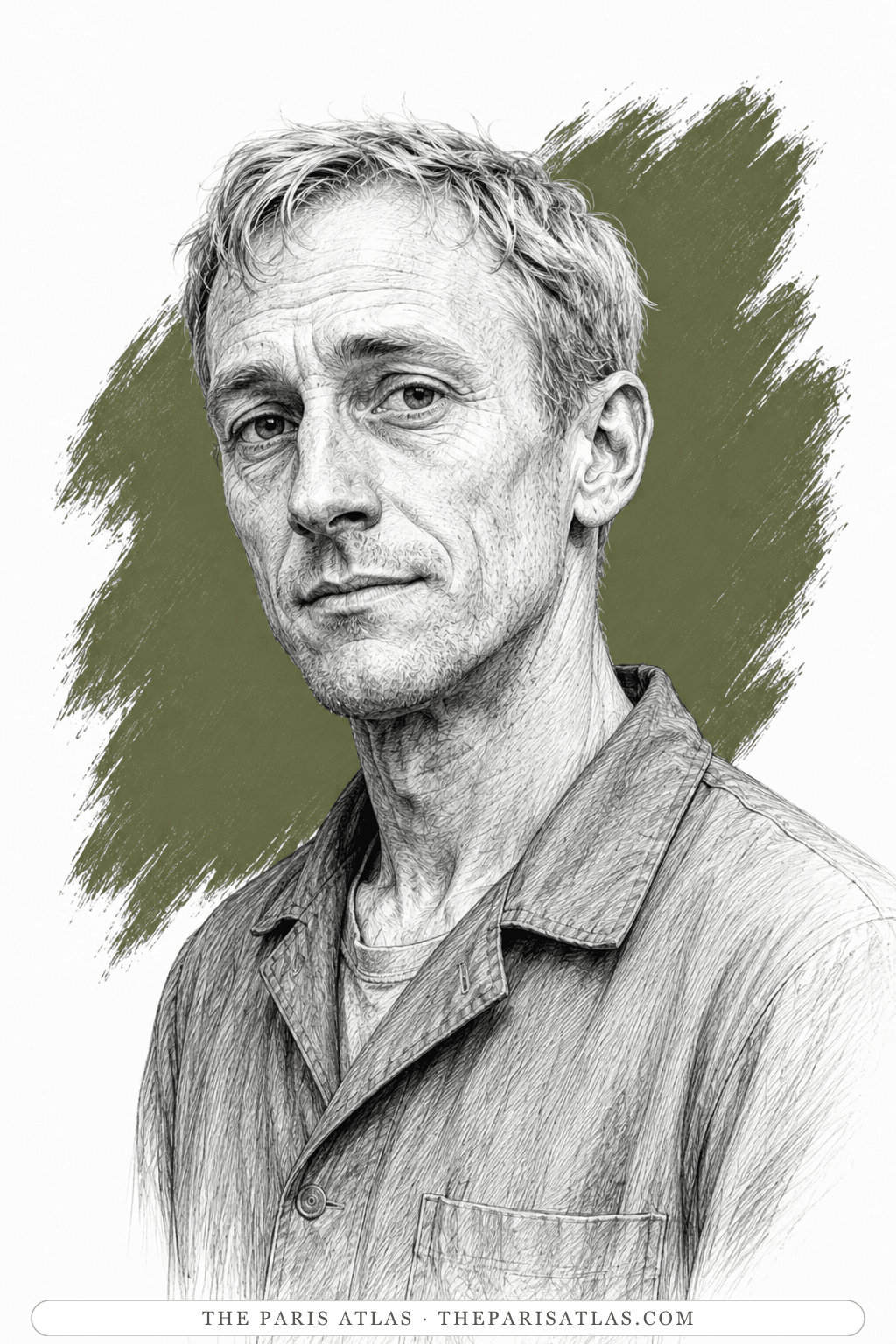
Thirty-nine, a records clerk at the Ministry of Truth, with a varicose ulcer above his right ankle and a memory that will not stay under control. He falsifies the past for a living and keeps an illegal diary about it.
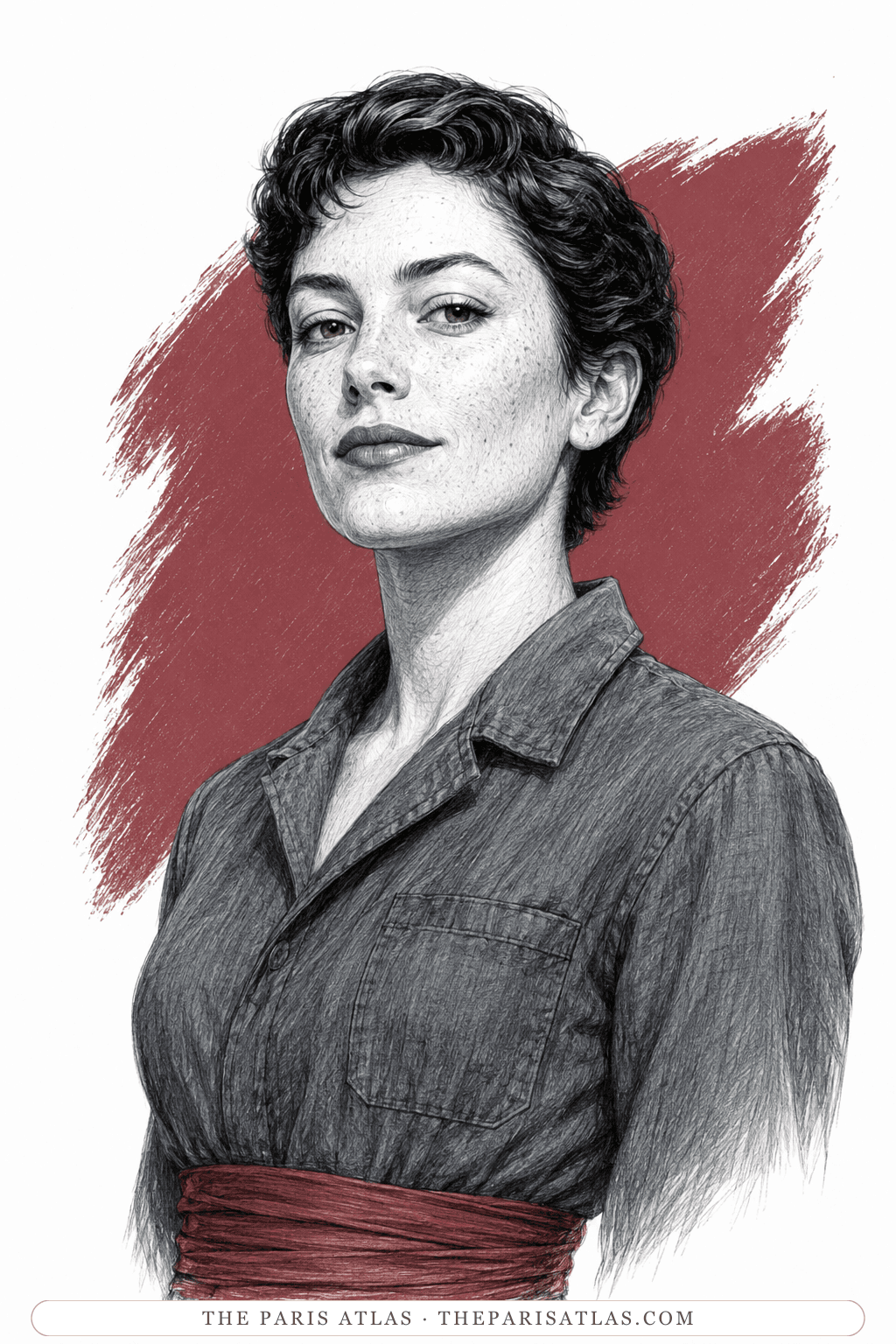
Twenty-six, dark-haired and freckled, a mechanic on the novel-writing machines in the Fiction Department. She wears the scarlet sash of the Junior Anti-Sex League because it is good cover, and has been breaking the rules since she was sixteen.
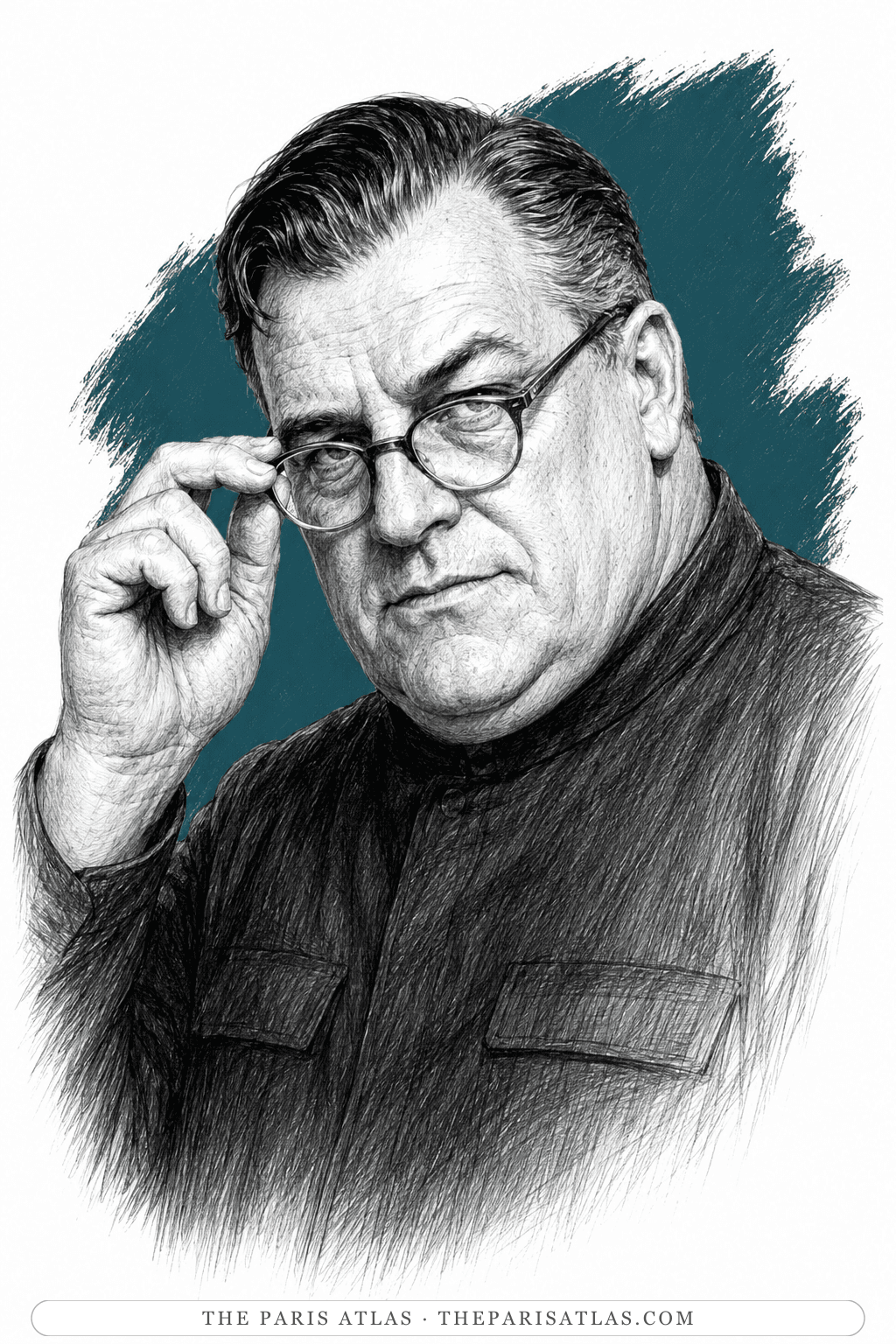
A member of the Inner Party, large and burly with a prize-fighter's build and a courteous, ironic manner. Winston has decided, on the evidence of a single glance across a room, that he is an ally.

The proprietor of the junk shop where Winston bought his diary: a widower of sixty-three in an aged black velvet jacket, who sells him a glass paperweight, rents him the room upstairs, and remembers fragments of nursery rhymes nobody else can.

A philologist in the Research Department, working on the Eleventh Edition of the Newspeak Dictionary. He is the one person who explains what the language is for, and he explains it with pleasure.
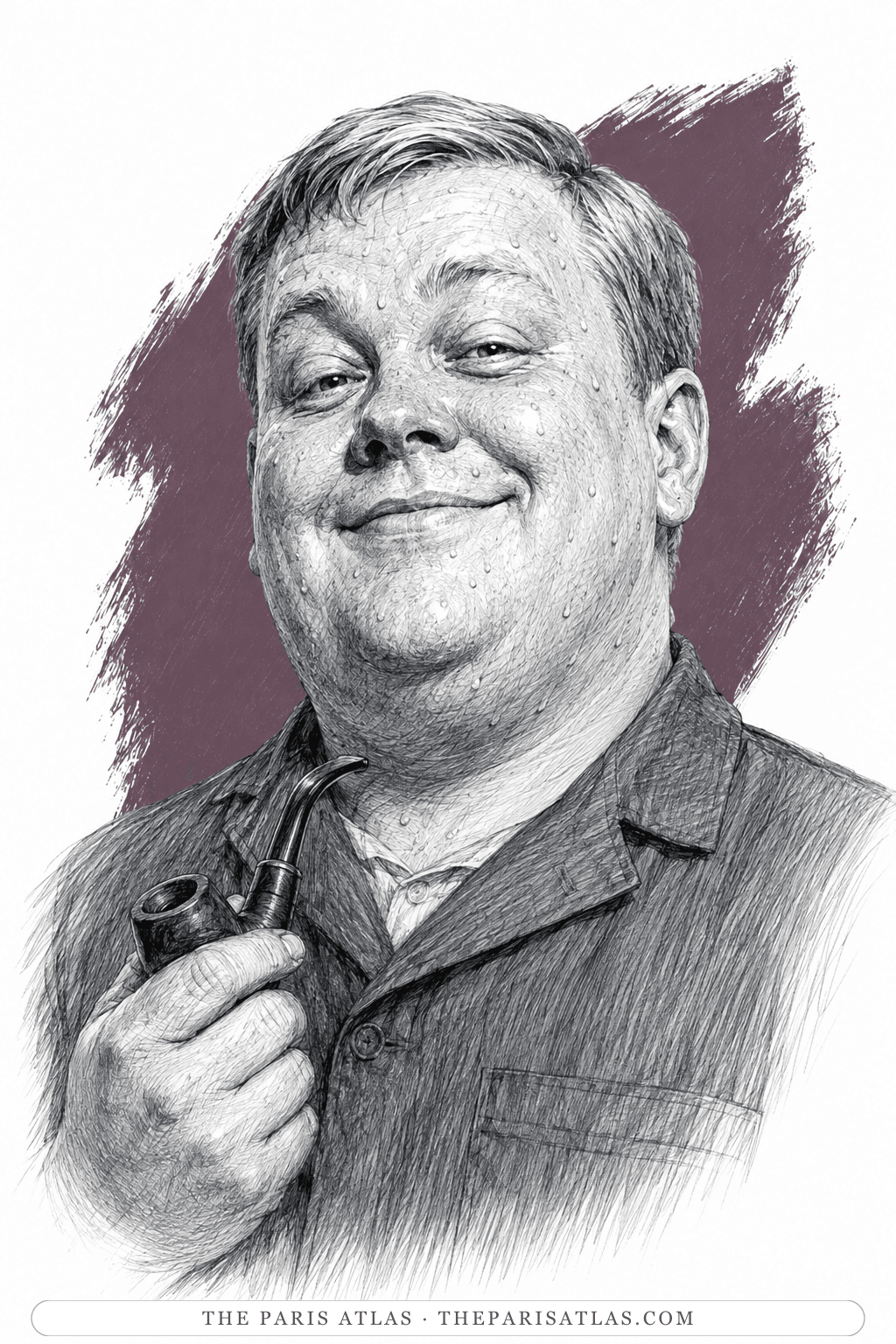
Winston's neighbour at Victory Mansions and colleague at the Ministry: thirty-five, tubby, froglike, permanently sweating, and full of imbecile enthusiasms. Winston's verdict is that the Party depends on men like him more than on the Thought Police.
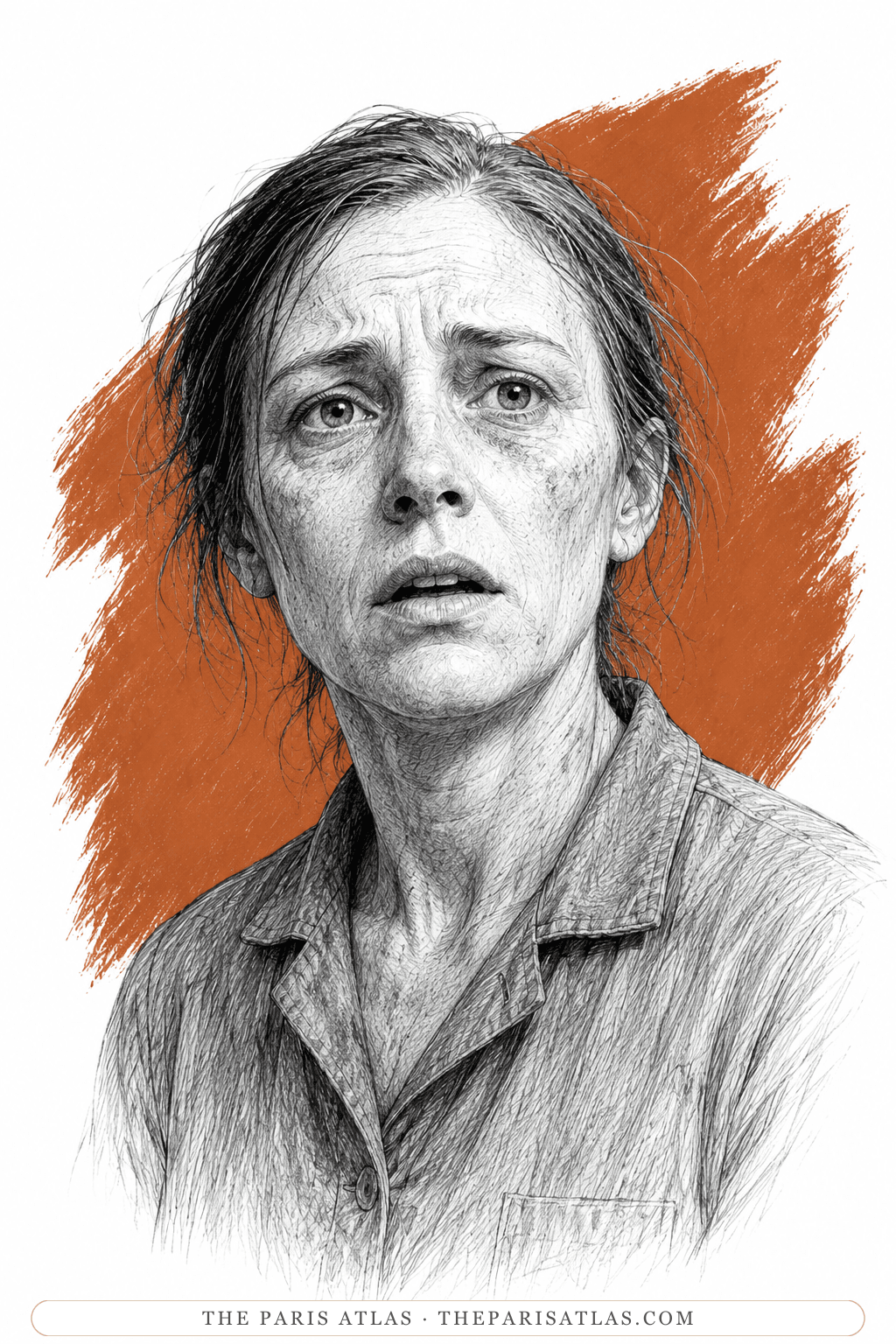
Parsons' wife, a colourless woman of about thirty who looks much older, with wispy hair and dust in the creases of her face. She lives in fear of her own children, and the book records it in a single look.

Winston's wife, from whom he separated about eleven years before the book opens. Tall, fair and handsome, and, in his account, the most completely orthodox mind he ever encountered. He nicknamed her the human sound-track.
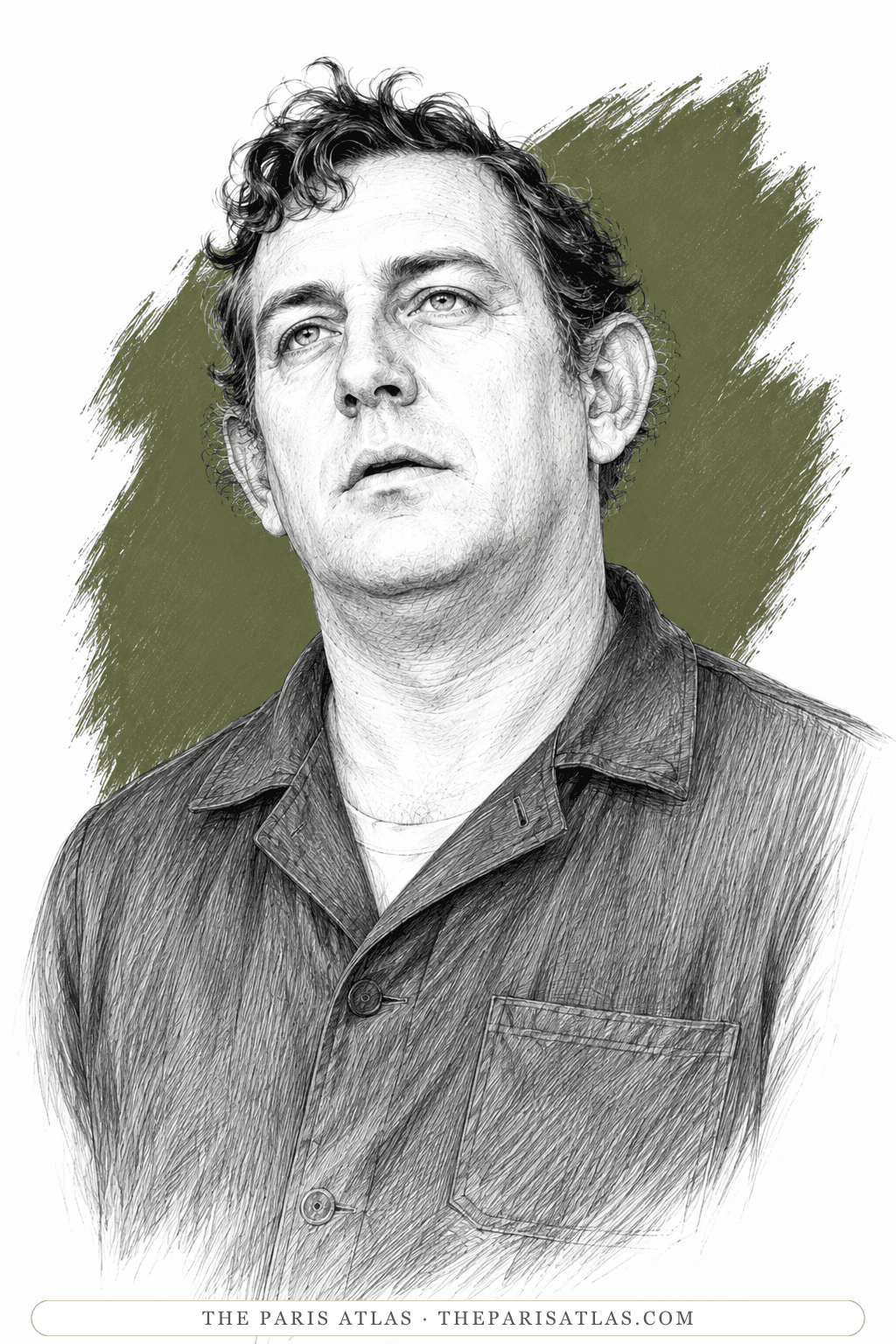
A poet in the Records Department with very hairy ears and a surprising talent for rhyme and metre, employed producing sanitised versions of poems the Party finds offensive but wants to keep in the anthologies.
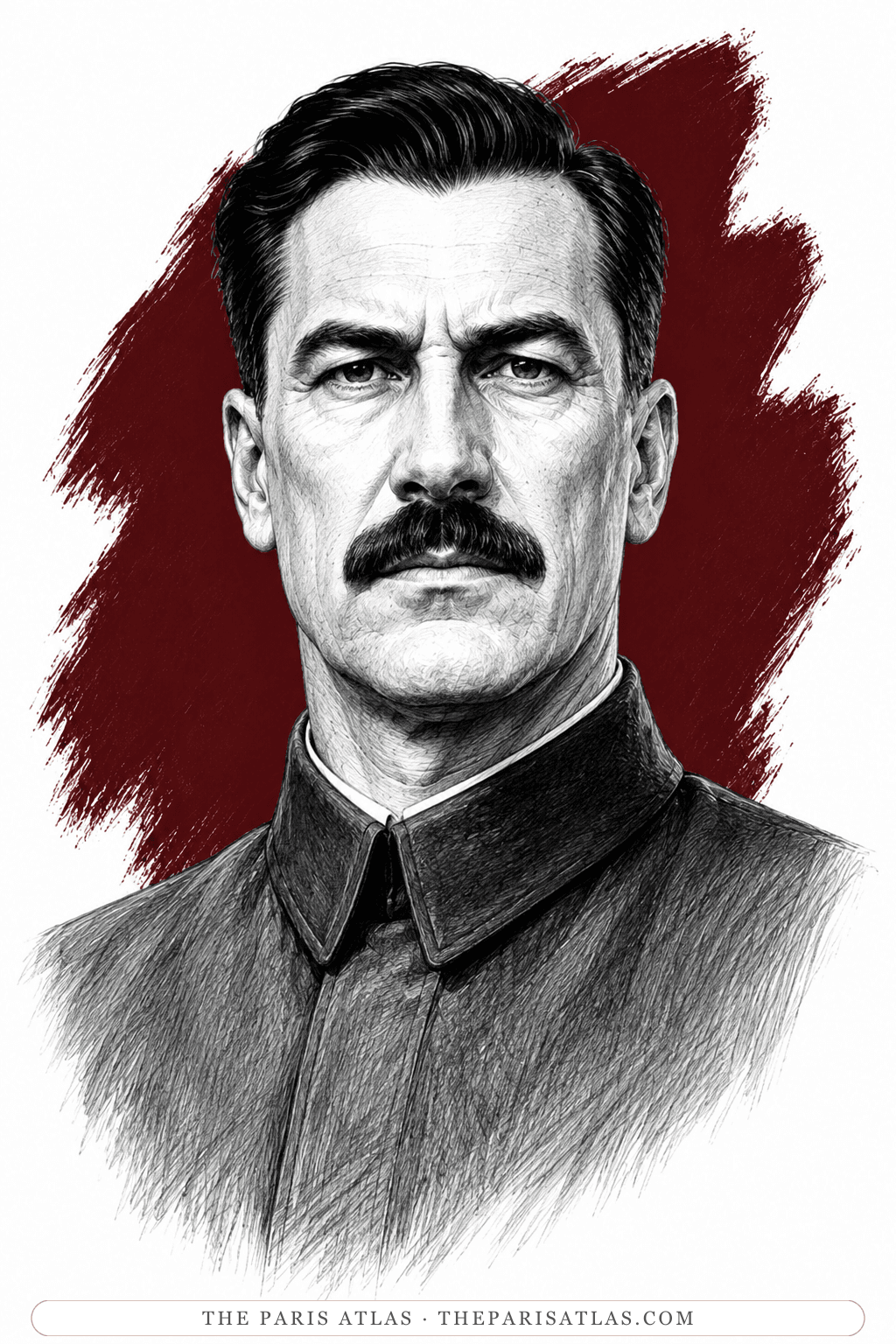
The leader of the Party, and the most reproduced face in Oceania. He never appears in the novel: he is a poster, a voice on a telescreen, a portrait on a coin, and an Order for the Day that clerks like Winston Smith write for him.
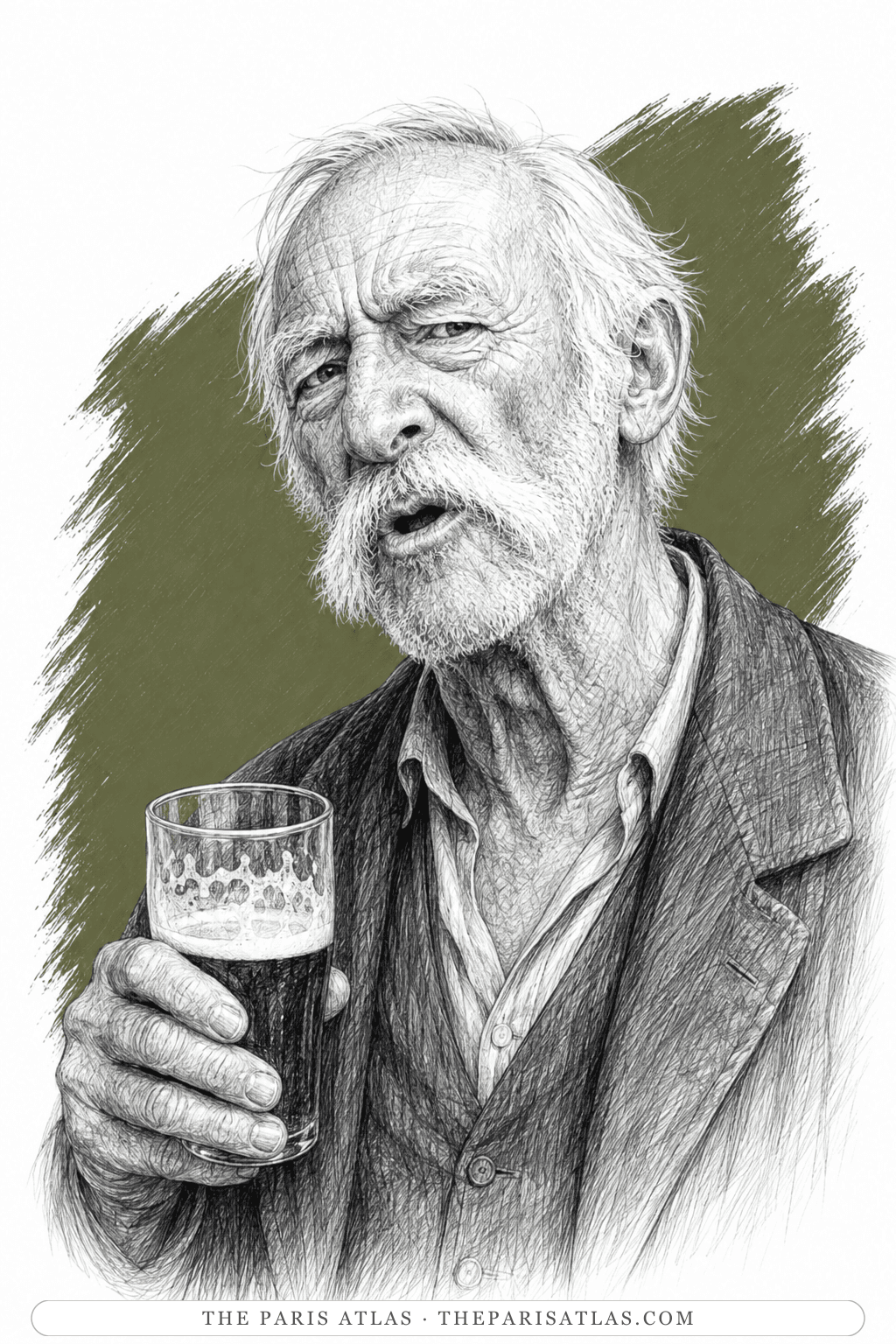
The Enemy of the People: a face screened daily during the Two Minutes Hate, the supposed head of an underground Brotherhood, and the named author of the banned book Winston Smith reads. Like Big Brother, he never appears.
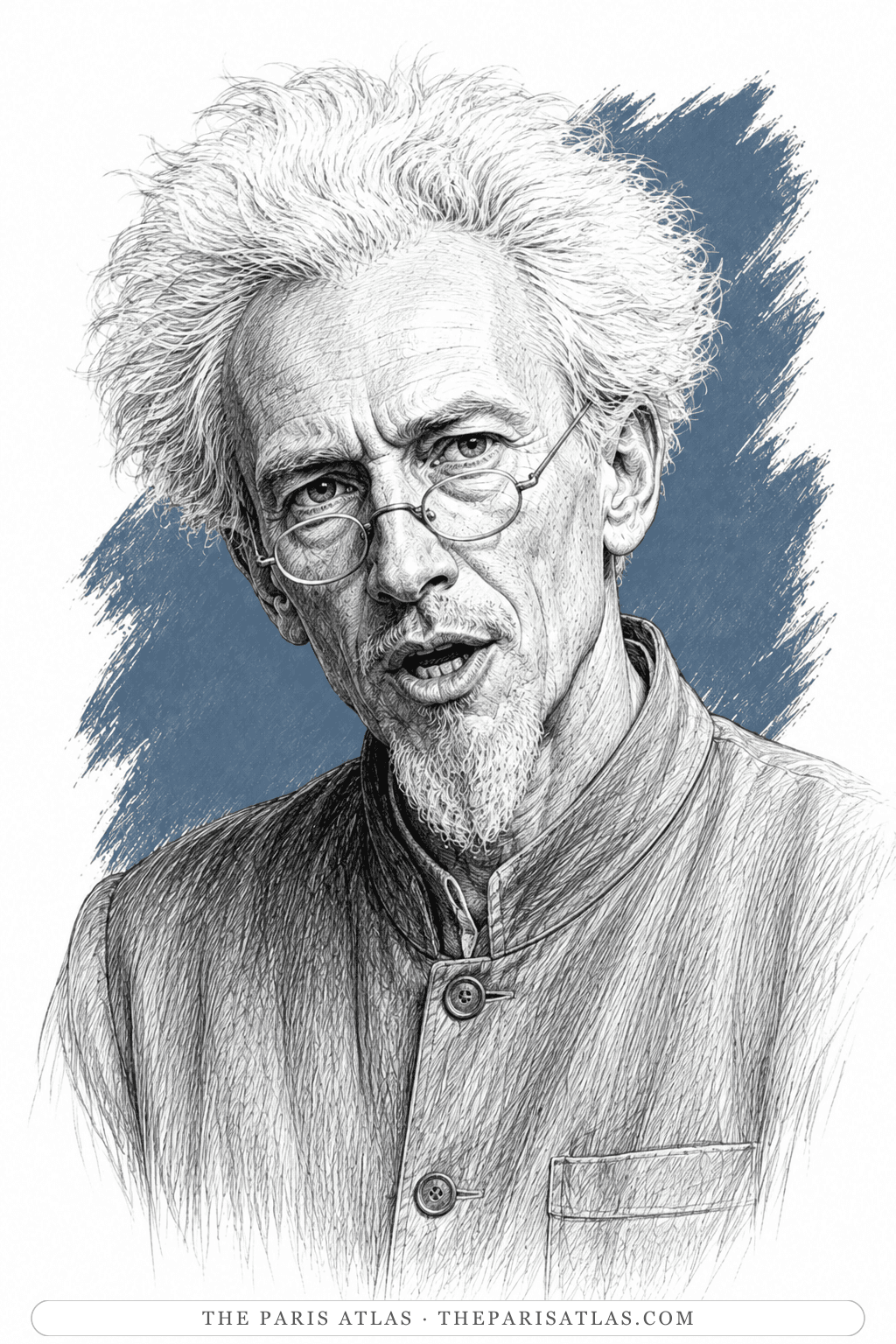
A tall, statuesque, rather silent woman with slow movements and fair hair, who disappeared when Winston Smith was ten or eleven. She is dead or in a labour camp before the novel opens and appears only in his dreams and his memory, and she is the measure the book uses for everything the Party has abolished.
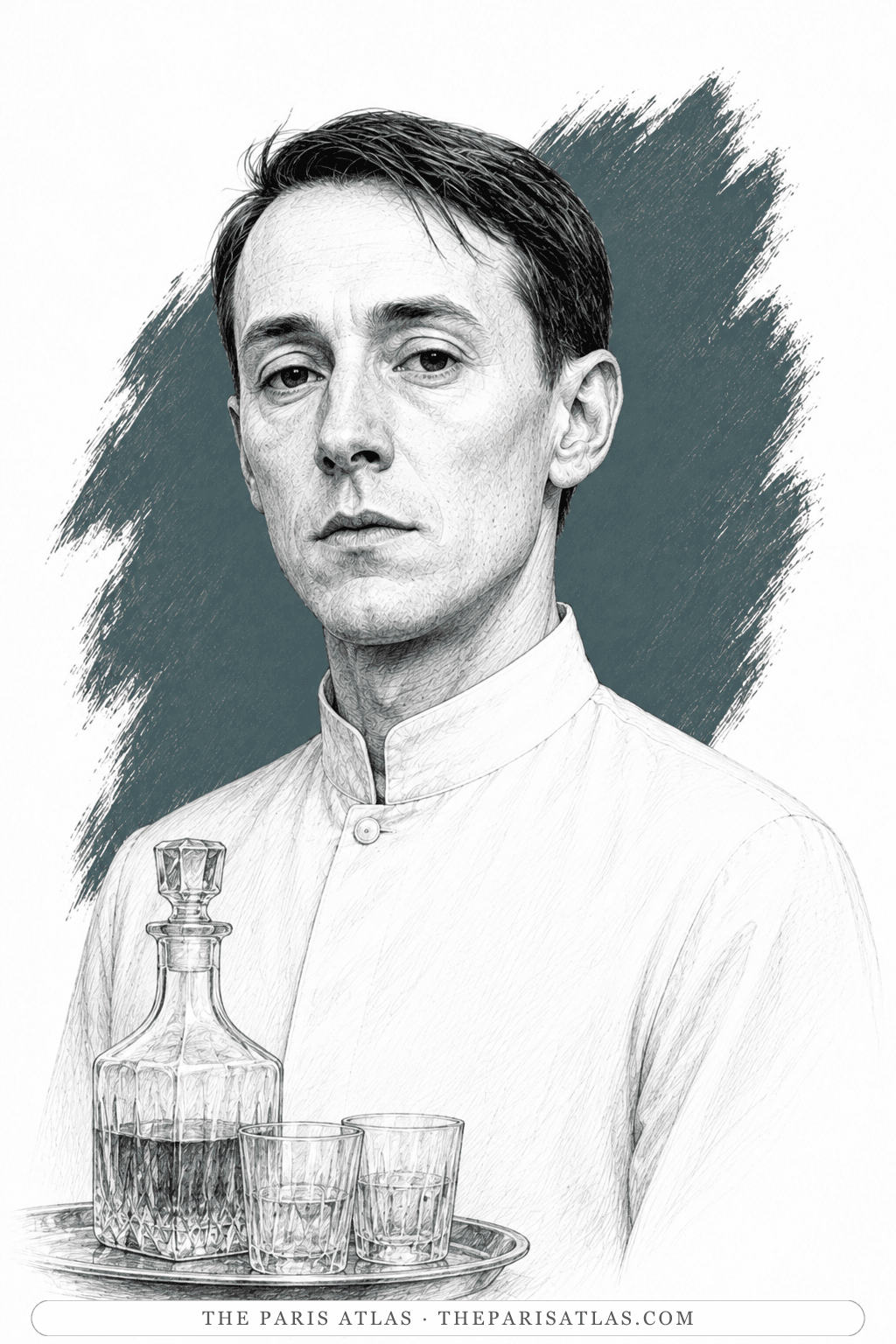
A prole of at least eighty, bent but active, with white moustaches that bristle forward like a prawn's. Winston Smith follows him into a pub and buys him beer, hoping for a first-hand account of life before the Revolution, and gets an argument about pint glasses and a memory of a hired top hat.
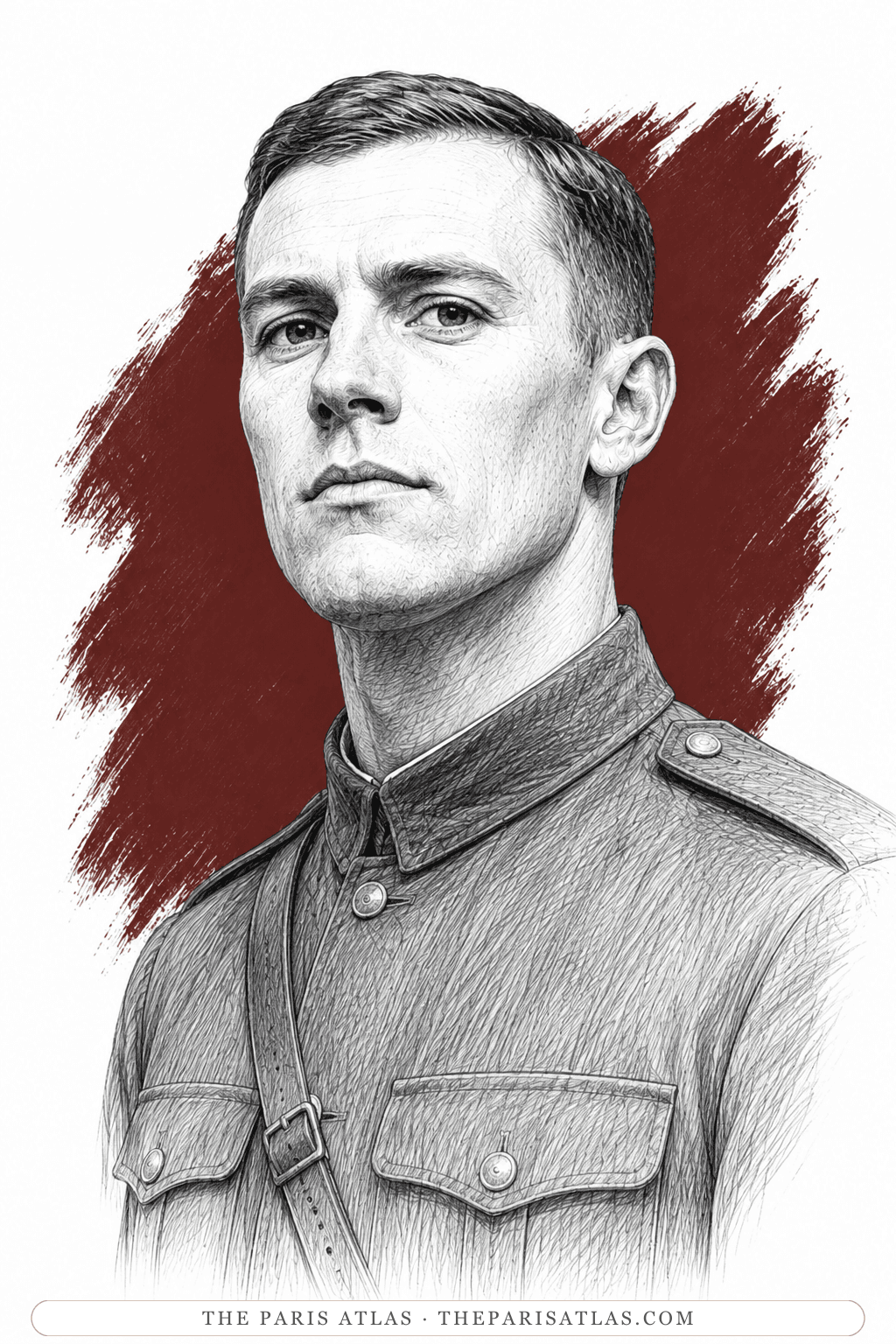
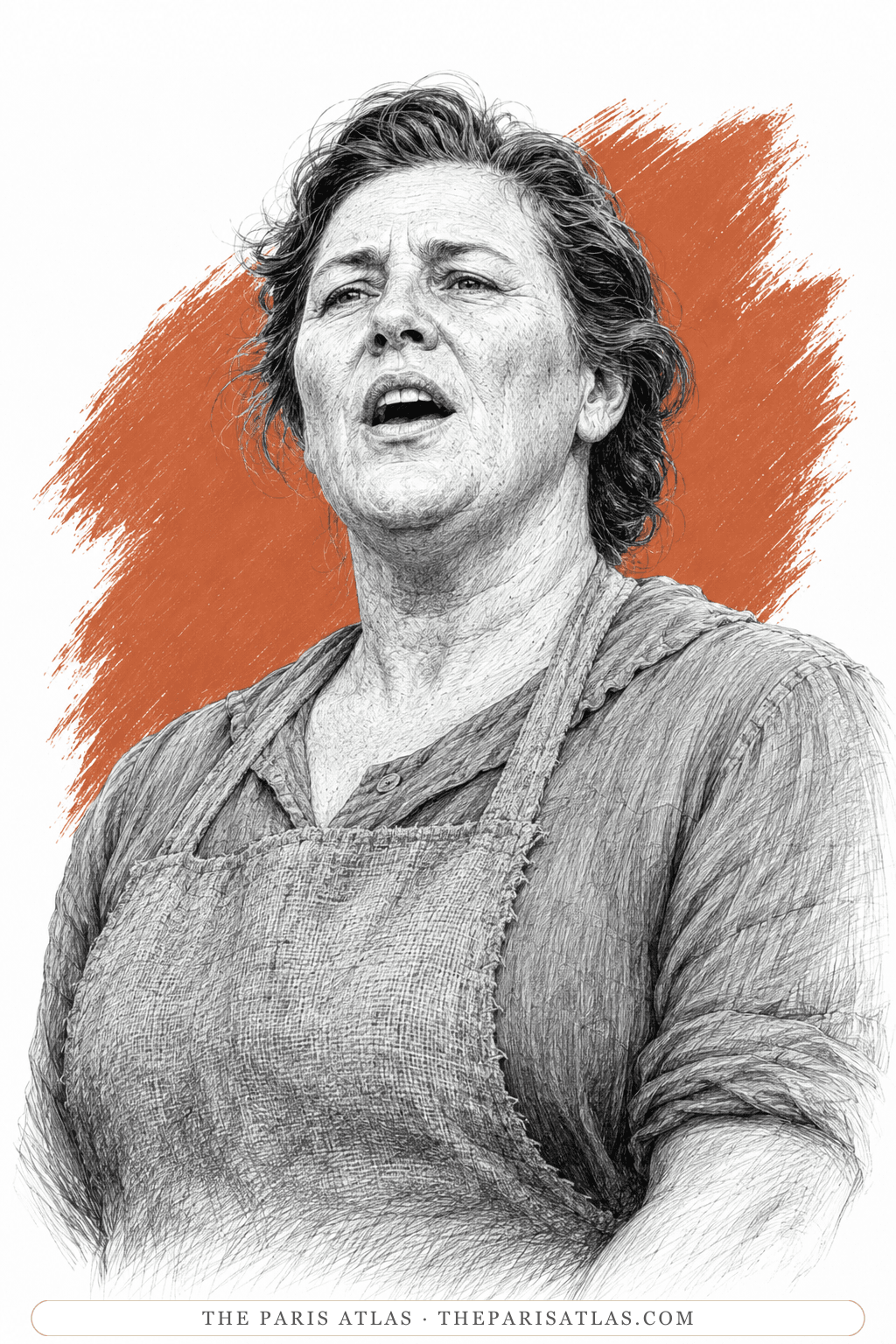
A prole woman with brawny red forearms and a sacking apron, who pegs out washing in the court below the rented room and sings the whole time. Winston Smith watches her from behind the curtain through most of the middle of the novel, and eventually decides she is beautiful.
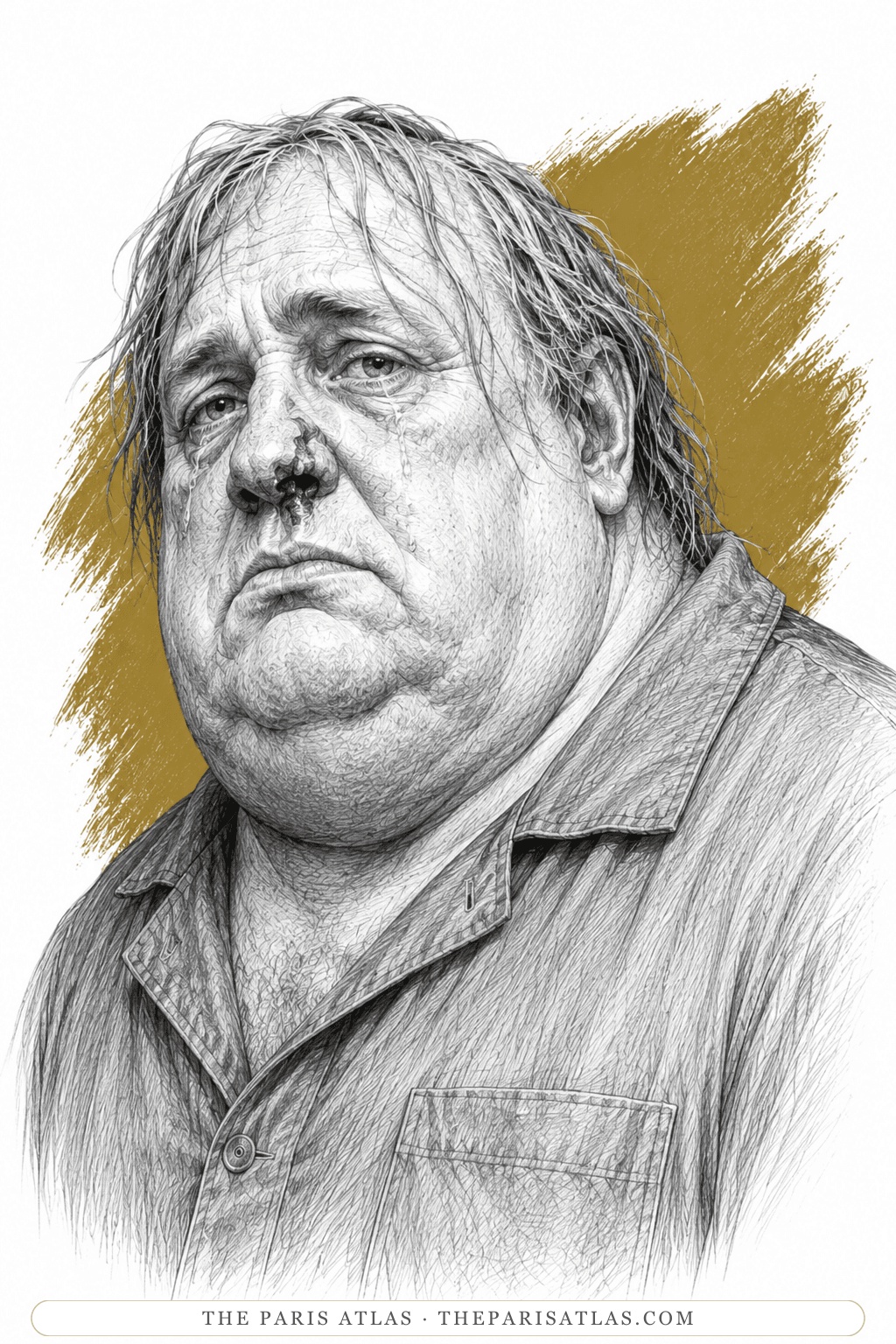
Three of the last surviving leaders of the Revolution, arrested in 1965, released after confessing, and drinking clove-flavoured gin in the Chestnut Tree Café when Winston Smith sees them. A newspaper photograph that reached his desk years later proved their confessions impossible.
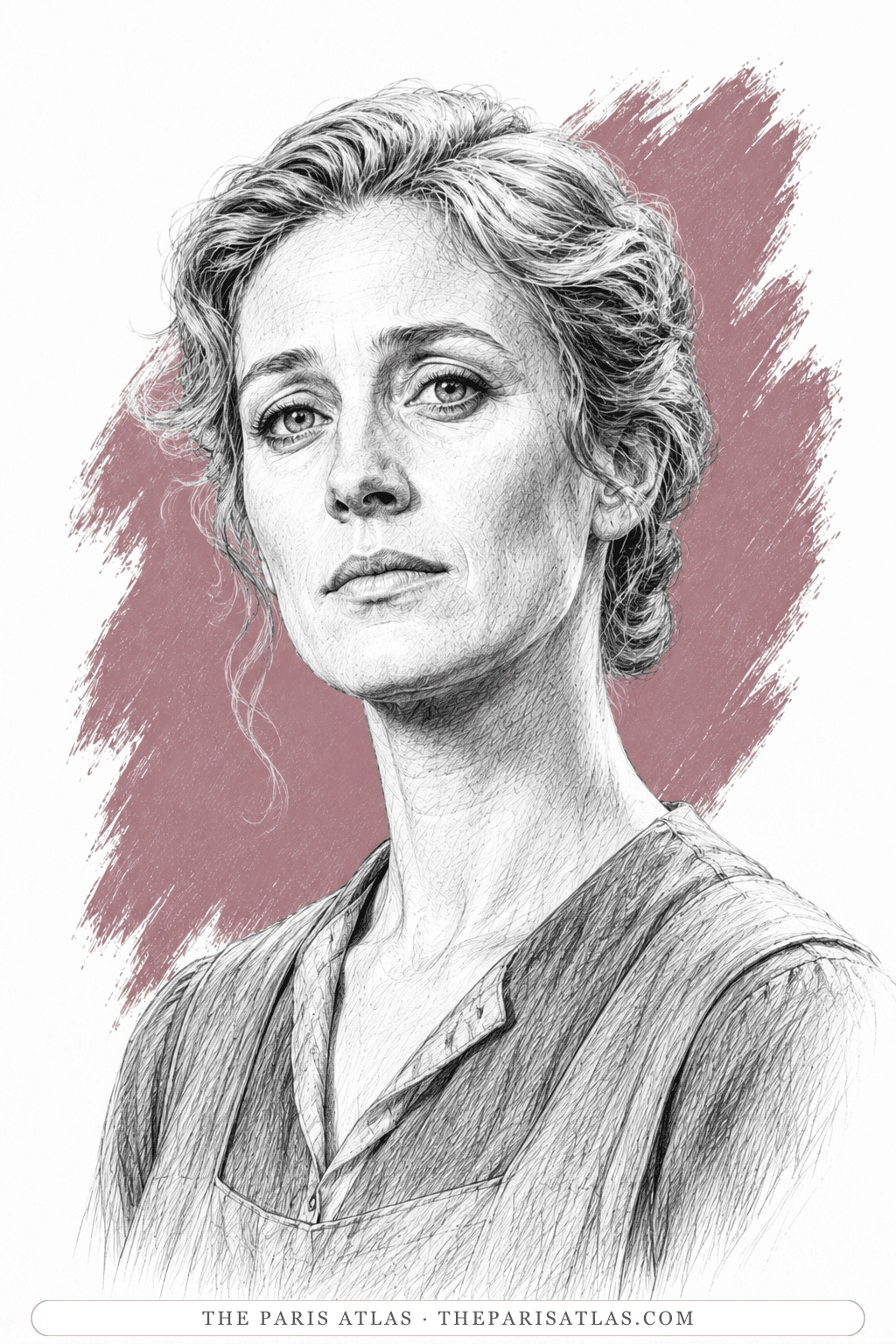
O'Brien's servant: a small, silent man with a yellow face who brings in the wine, is told he can stop being a servant for ten minutes, and sits down with the air of a valet enjoying a privilege.
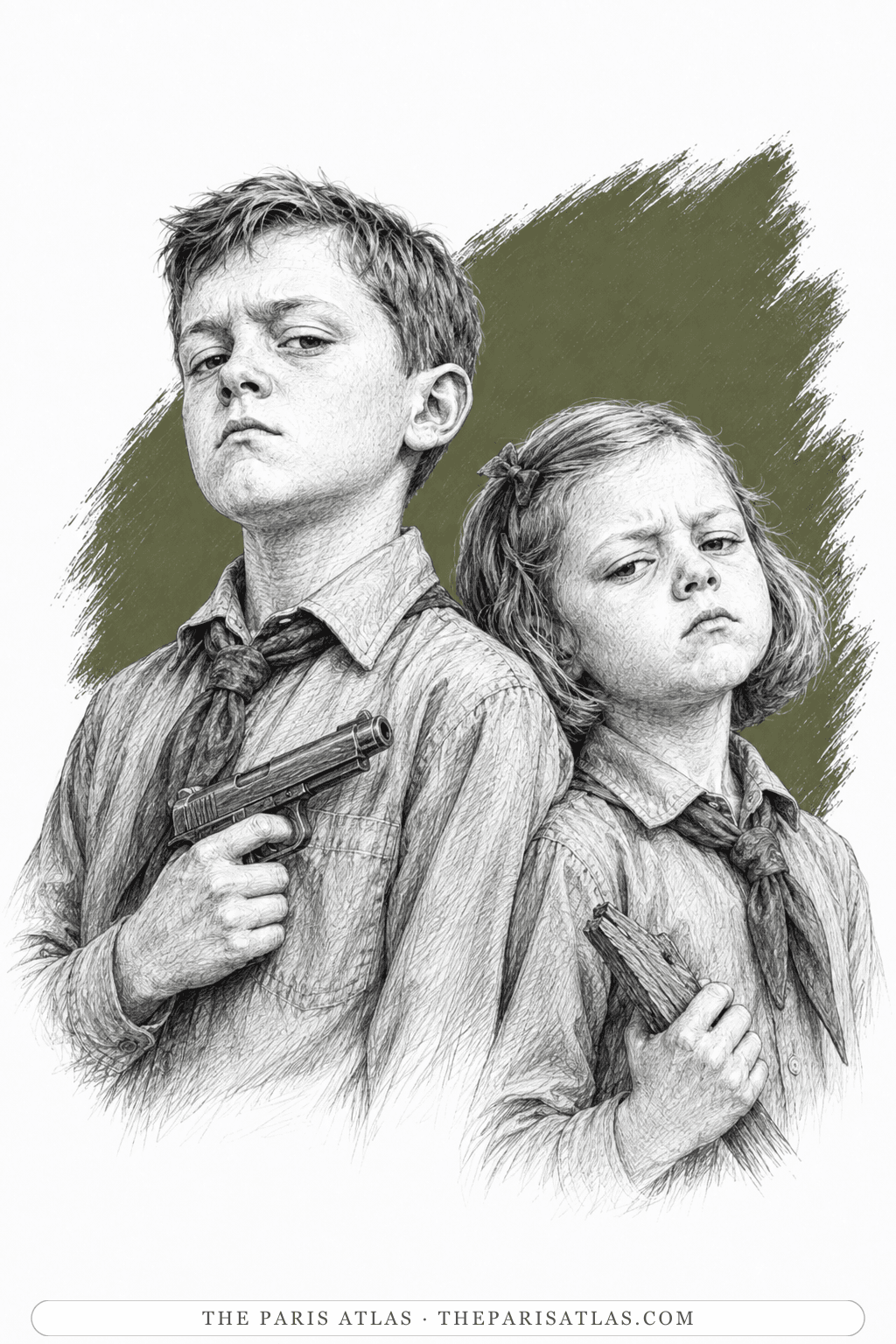
Tom Parsons's son, a tough-looking boy of nine, and his sister about two years younger, both in the blue shorts, grey shirts and red neckerchiefs of the Spies. They ambush Winston Smith in their own flat with a toy pistol and a fragment of wood, shouting traitor and thought-criminal, and are sulking because nobody will take them to a public hanging. Their mother's eyes flit nervously between them and the visitor, and the boy gets Winston in the neck with a catapult on his way out.
A Party hero who never existed. Winston Smith invents him at the speakwrite one morning to fill the space left by a vaporised official named Withers, dictating a life in Big Brother's own style: no toys but a drum and a sub-machine gun at three, the Spies at six, an uncle denounced at eleven, a vow of celibacy, and death in action at twenty-three. A few lines of print and two faked photographs, Winston reflects, will bring him into existence.
1946–1949
George Orwell lives on and off at Barnhill, a farmhouse near the north end of Jura in the Inner Hebrides, where he writes most of the novel.
November 1947
He finishes a first draft, typing in bed. He spends the following winter and spring in a hospital outside Glasgow being treated for tuberculosis.
December 1948
Back on Jura since July, he finishes the rewrite in November and then retypes the whole manuscript himself, having failed to get a typist to come to the house.
8 June 1949
Secker & Warburg publish Nineteen Eighty-Four in London.
13 June 1949
Harcourt, Brace publish the first American edition in New York.
21 January 1950
Orwell dies of tuberculosis in London, aged forty-six, seven months after the book appears.

Its immediate predecessor and the book most readers arrive from. One ends with the revolution captured; this one begins long after.
Read our take
Spain in 1937 is where he saw the past edited in real time, and said so in print eleven years before Winston Smith's job existed.
Read our take
Written a decade earlier, and the same anxiety without the apparatus: a man who remembers an England that is being paved over, and cannot get anyone to care.
Read our takeGeorge Orwell's 1949 novel follows Winston Smith, a records clerk in a London ruled by a single Party, whose job is to rewrite old newspapers so that the government's past statements match what actually happened. He begins an illegal diary, starts an affair with a colleague called Julia, and tries to make contact with what he believes is an underground resistance. Both Winston and Julia are fictional characters; the book is set in a Britain renamed Airstrip One, in a superstate called Oceania.
Both, and the words came first. Orwell told his agent he thought it better to write out "Nineteen Eighty-four" than to use the figure, and the 1949 London and New York first editions both used the alphabetic form. Most modern paperbacks print "1984" instead, so the same novel is shelved under two titles.
Secker & Warburg published it in London on 8 June 1949, and Harcourt, Brace published the first American edition five days later. George Orwell died of tuberculosis on 21 January 1950, seven months after publication, at forty-six.
Holding two contradictory beliefs at once and accepting both of them. The definition comes from the banned book Winston Smith reads in Part Two: to tell deliberate lies while genuinely believing them, to forget any fact that has become inconvenient, and then to draw it back out of oblivion for exactly as long as it is needed. Orwell's narrator adds that even understanding the word requires the use of doublethink.
The room in the Ministry of Love that contains the worst thing in the world, which O'Brien tells Winston Smith varies from person to person. Prisoners in the cells shrink and change colour when they hear the number. What is waiting in Room 101 for any individual is decided in advance by people who have been watching them for years.
The book never settles it. Big Brother appears only as a poster, a portrait on coins and stamps, a face at the end of the Two Minutes Hate, and written orders that Ministry clerks draft on his behalf. Asked directly, O'Brien says that he exists and is the embodiment of the Party, that he will never die, and — asked whether he exists in the same way a person does — replies to Winston Smith, "You do not exist."
"The Principles of Newspeak" is part of the novel, printed after the story ends, and it explains how the language was designed to make heretical thought impossible for lack of words to think it in. It is written in the past tense by a narrator looking back at 1984 as a closed period, and it dates the planned final changeover to about 2050. Some readers take that tense as evidence the regime did not last; others read it as an academic essay with no more standing than any other document in Oceania.
The setting is invented, but the working details are not. Orwell had spent the war at the BBC and had watched the Moscow show trials of the 1930s, and the novel's machinery — confessions extracted before public trials, photographs retouched to remove people who had been erased, official histories rewritten after each change of alliance — follows practices that were documented at the time. He wrote it at Barnhill, a farmhouse on the island of Jura in the Inner Hebrides, between 1946 and December 1948.
Explore authors with a similar voice, perspective, and influence.
The Brooklyn dropout who arrived in Paris broke at thirty-eight and wrote the exuberant, banned books that ended American censorship.
View author
The doctor of the Paris slums who wrote the century's blackest, funniest novel — and changed the sound of French prose.
View author
French writer and philosopher whose novels, memoirs, and social analysis examined freedom, gender, responsibility, aging, and the material conditions that shape a life.
View authorThe sources below include the primary text, editions, scholarship, archival materials, and other records that informed this page. They document Nineteen Eighty-Four, its publication, and its place in literary history.

The primary text represented by this page, used for descriptions of the work’s contents and for any quoted passages shown here.
Colin Choat's public transcription, first posted 2001 and updated 2008. Analysis uses Part One, chapter 4, and Part Two, chapter 4; no whole-novel or 1949 first-edition collation claim.

UCL's archival catalogue documents the surviving manuscripts and typescripts behind the novel.
A work-specific overview covering publication, Orwell's circumstances, principal themes and the vocabulary the novel contributed to political language.
A scholarly introduction by historian Ben Pimlott on the novel's postwar context, reception and continuing political resonance.
Used to verify George Orwell's bibliography and place Nineteen Eighty-Four within the broader chronology of George Orwell's career.
The primary text is the baseline reference for every book page. Additional references document publication history, interpretation, and historical context where that evidence is available.
 Explore more resources