
Syme
A philologist in the Research Department, working on the Eleventh Edition of the Newspeak Dictionary. He is the one person who explains what the language is for, and he explains it with pleasure.
To finish the Eleventh Edition and see the language reach its final shape. He tells Winston that by 2050 at the latest nobody alive will be able to understand the conversation the two of them are having, and says it with satisfaction.
The book

At a glance
- Philologist in the Research Department; Winston's lunch companion
- The Eleventh Edition of the Newspeak Dictionary; currently the adjectives
- Tiny, with a thin dark face and large protuberant eyes
- The blue overalls of the Outer Party
- The Chestnut Tree Cafe, where the purged leaders used to drink
- Part One, Chapter 5
Who they are in the book
Spoiler-freeSyme is a tiny creature, smaller than Winston, with dark hair and large protuberant eyes at once mournful and derisive that search your face while he talks. Winston calls him a friend and then corrects himself, because nobody has friends any more, only comrades whose society is pleasanter than others'. Syme despises him slightly and would denounce him without hesitation. They eat lunch together in the canteen.
He is a specialist on Newspeak and one of the team compiling its Eleventh Edition, which he calls the definitive one — the shape the language will have when nobody speaks anything else, containing not a single word that will become obsolete before 2050. He assumes Winston thinks the job is inventing words. It is the opposite: they are destroying them, scores and hundreds a day, cutting the language to the bone. He is on the adjectives, and he finds it fascinating.
In an intellectual way he is venomously orthodox. He talks with gloating satisfaction about helicopter raids on villages, about confessions, about the executions in the cellars of the Ministry of Love, and about a hanging he went to see the day before — he objects to the feet being tied together, because he likes to see them kicking, and the detail that appeals to him is the tongue at the end, sticking out and a bright blue. Winston steers him back to Newspeak whenever he can, because on Newspeak he is authoritative and interesting.
Winston decides twice in one lunch hour that Syme will be vaporized. He is too intelligent, sees too clearly, speaks too plainly. He has read too many books and frequents the Chestnut Tree Cafe, where the old discredited leaders used to sit before they were purged. What he lacks, Winston thinks, is a saving stupidity. The judgement is not a moral one: Parsons, who is a fool, will survive, and Syme will not.
How Syme Is Portrayed
- The pleasure in it"It's a beautiful thing, the destruction of words." He leans across the table with a pedant's passion, bread in one hand and cheese in the other, and his mocking eyes go almost dreamy. If you have "good", he asks, what do you need "bad" for? Ungood does the job better, being an exact opposite.
- The aim, stated plainlyTo narrow the range of thought until thoughtcrime is literally impossible for lack of words to think it in. Every concept expressed by exactly one word, all subsidiary meanings rubbed out. He adds that the Revolution will be complete when the language is perfect.
- DuckspeakHe offers Winston the word for quacking like a duck, and notes that it is one of the interesting ones with two contradictory meanings: abuse when applied to an opponent, praise when applied to someone you agree with. A man at the next table is quacking through the whole conversation.
- What he thinks of the prolesWinston starts to say "except the proles" and stops himself. Syme has already guessed, and answers carelessly that the proles are not human beings. By 2050 Chaucer, Shakespeare, Milton and Byron will exist only in Newspeak versions saying the opposite of what they used to say.
- The line Winston cannot forget"Orthodoxy means not thinking--not needing to think. Orthodoxy is unconsciousness." Syme says it as a piece of professional description. Winston repeats it to himself two pages later as the reason Syme is doomed.
- The strip of paperHe works through the lunch hour with an ink-pencil, studying a long column of words. Parsons rallies him for keenness. He folds it away and puts it in his pocket when the whistle goes.
Syme quotes
Orthodoxy means not thinking--not needing to think. Orthodoxy is unconsciousness.
It's a beautiful thing, the destruction of words.
If you like Nineteen Eighty-Four


If you like George Orwell
Explore authors with a similar voice, perspective, and influence.
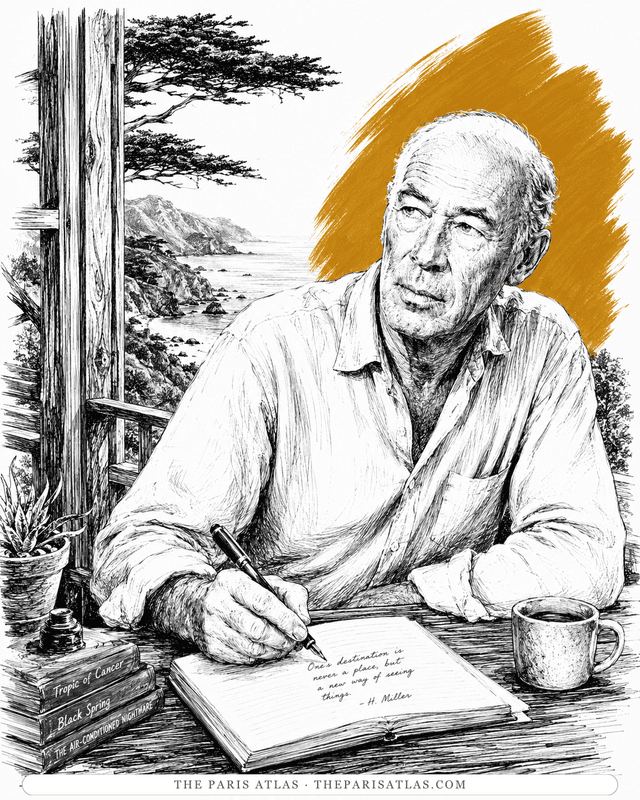
Henry Miller
The Brooklyn dropout who arrived in Paris broke at thirty-eight and wrote the exuberant, banned books that ended American censorship.
View author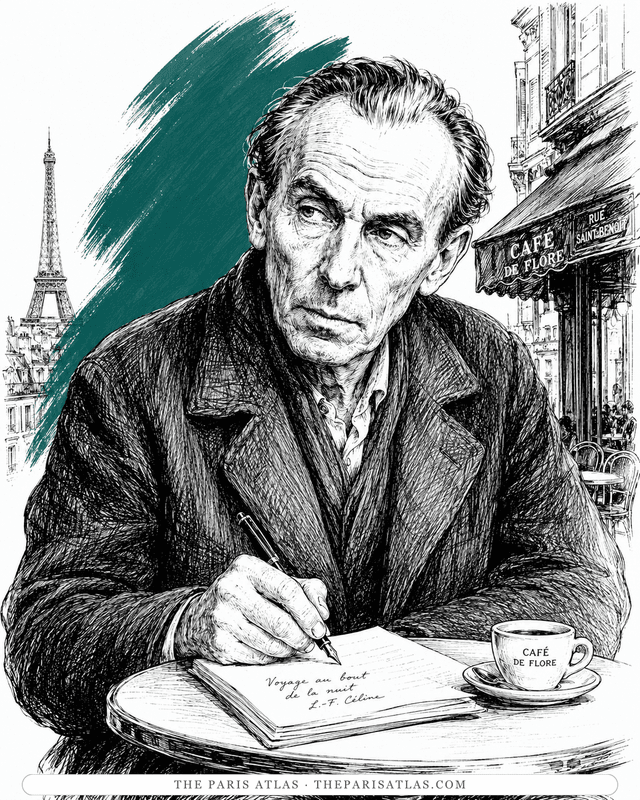
Louis-Ferdinand Céline
The doctor of the Paris slums who wrote the century's blackest, funniest novel — and changed the sound of French prose.
View author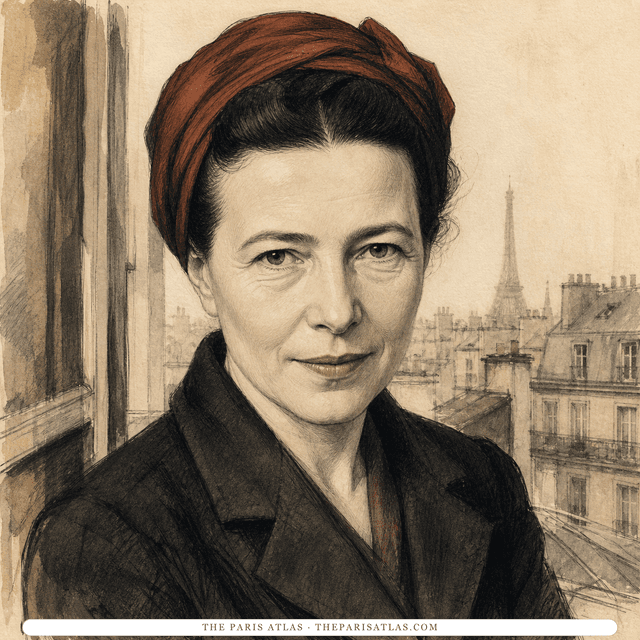
Simone de Beauvoir
French writer and philosopher whose novels, memoirs, and social analysis examined freedom, gender, responsibility, aging, and the material conditions that shape a life.
View author