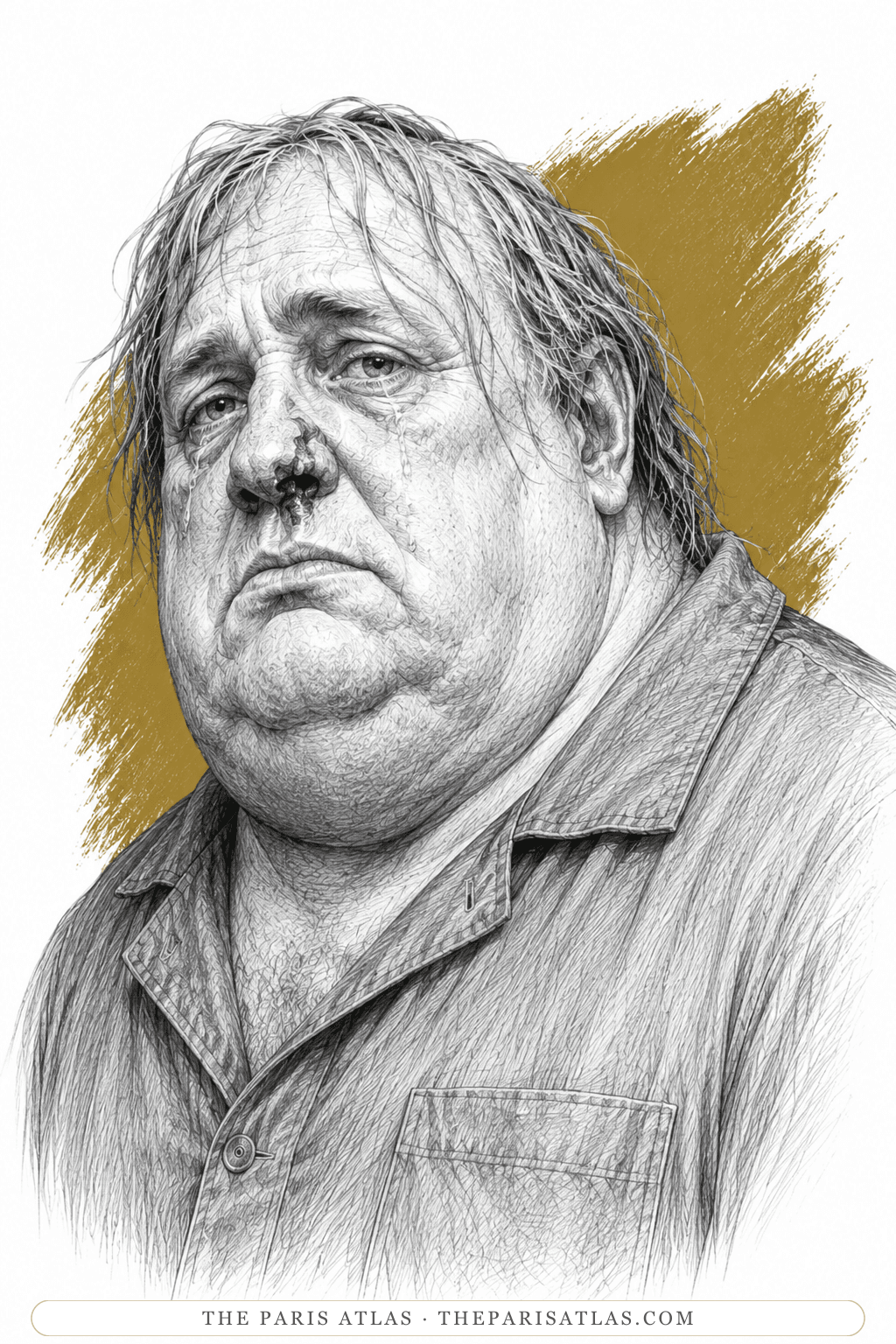
Jones, Aaronson and Rutherford
Three of the last surviving leaders of the Revolution, arrested in 1965, released after confessing, and drinking clove-flavoured gin in the Chestnut Tree Café when Winston Smith sees them. A newspaper photograph that reached his desk years later proved their confessions impossible.
To be left alone with the gin. They sit without speaking, they do not order, and the waiter refills the glasses uncommanded.
The book

At a glance
- Three surviving leaders of the Revolution, tried and pardoned
- 1965; re-arrested after their release
- Caricaturist, whose cartoons helped make the Revolution
- Part One, Chapter 7
Who they are in the book
Spoiler-freeBy 1970 every original leader of the Revolution had been exposed as a traitor except Big Brother. Jones, Aaronson and Rutherford were among the last survivors. They vanished for a year or more, were produced to incriminate themselves in the usual way, and confessed to spying for the enemy, embezzlement, the murder of Party members, sabotage that killed hundreds of thousands, and plotting against Big Brother from before the Revolution. They were then pardoned, reinstated, given posts that sounded important and were sinecures, and wrote long abject articles in The Times explaining themselves.
Winston Smith saw all three in the Chestnut Tree Café at the lonely hour of fifteen, sitting in silence with glasses of gin, a chessboard beside them with the pieces set out and no game started. Nobody sat at the nearby tables. He watched them with terrified fascination, as relics of the heroic days who were also untouchables certain to be killed within a year or two. The music from the telescreen changed to a jeering note and sang the rhyme about the chestnut tree, and Winston saw that Rutherford's eyes were full of tears and that two of the three had broken noses.
The photograph came later. Working in the Records Department, Winston found in a bundle of papers a half-page from The Times of about ten years earlier, showing the three men at a Party function in New York, on a date when all three had confessed to being on Eurasian soil betraying military secrets. He had held in his hand, for a few seconds, documentary proof that the confessions were lies. Then he dropped it into the memory hole, because keeping it was impossible and because he had already been seen holding it.
How Jones, Aaronson and Rutherford Is Portrayed
- RutherfordThe one whose appearance most impressed Winston: a famous caricaturist before the Revolution, now a monstrous, sagging man with a mane of greasy grey hair, thick lips and a pouched, seamed face, seeming to break up as you watched, like a mountain crumbling. Orwell adds that he must at one time have been immensely strong.
- Jones and AaronsonRutherford is the only one of the three the book draws. Aaronson gets a single detail, the broken nose. Of Jones's appearance the novel says nothing at all — no face, no build, no age.
- The cartoonsRutherford's still appear in The Times at long intervals, imitating his own earlier manner and curiously lifeless: slum tenements, starving children, street battles, capitalists clinging to their top hats even on the barricades.
- The caféSilence, clove-flavoured gin, a chessboard with no game on it, and empty tables all around them, because it was not wise to be seen in the neighbourhood of such people.
- The songA cracked, braying, jeering note comes into the telescreen music, and a voice sings the verse about selling and being sold under the spreading chestnut tree. The three men never stir.
- The nosesWinston notices, with a shudder he cannot account for, that both Aaronson and Rutherford have broken noses. Their confessions had been given voluntarily, according to the record.
If you like Nineteen Eighty-Four


If you like George Orwell
Explore authors with a similar voice, perspective, and influence.

Henry Miller
The Brooklyn dropout who arrived in Paris broke at thirty-eight and wrote the exuberant, banned books that ended American censorship.
View author
Louis-Ferdinand Céline
The doctor of the Paris slums who wrote the century's blackest, funniest novel — and changed the sound of French prose.
View author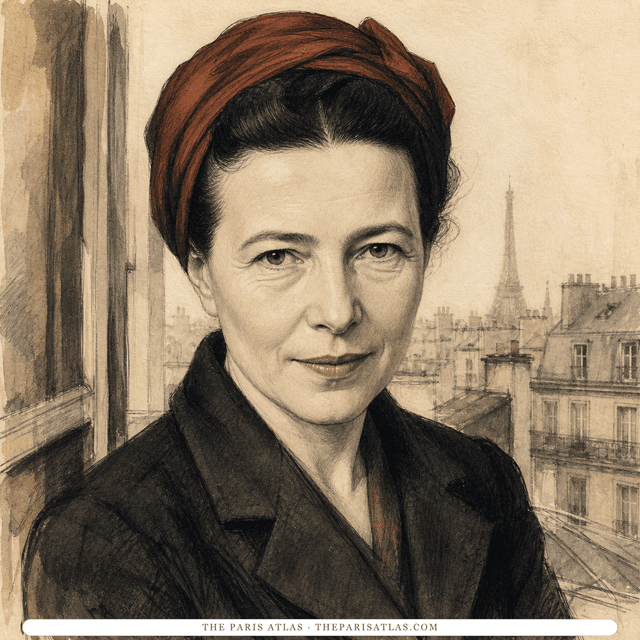
Simone de Beauvoir
French writer and philosopher whose novels, memoirs, and social analysis examined freedom, gender, responsibility, aging, and the material conditions that shape a life.
View author