Ampleforth
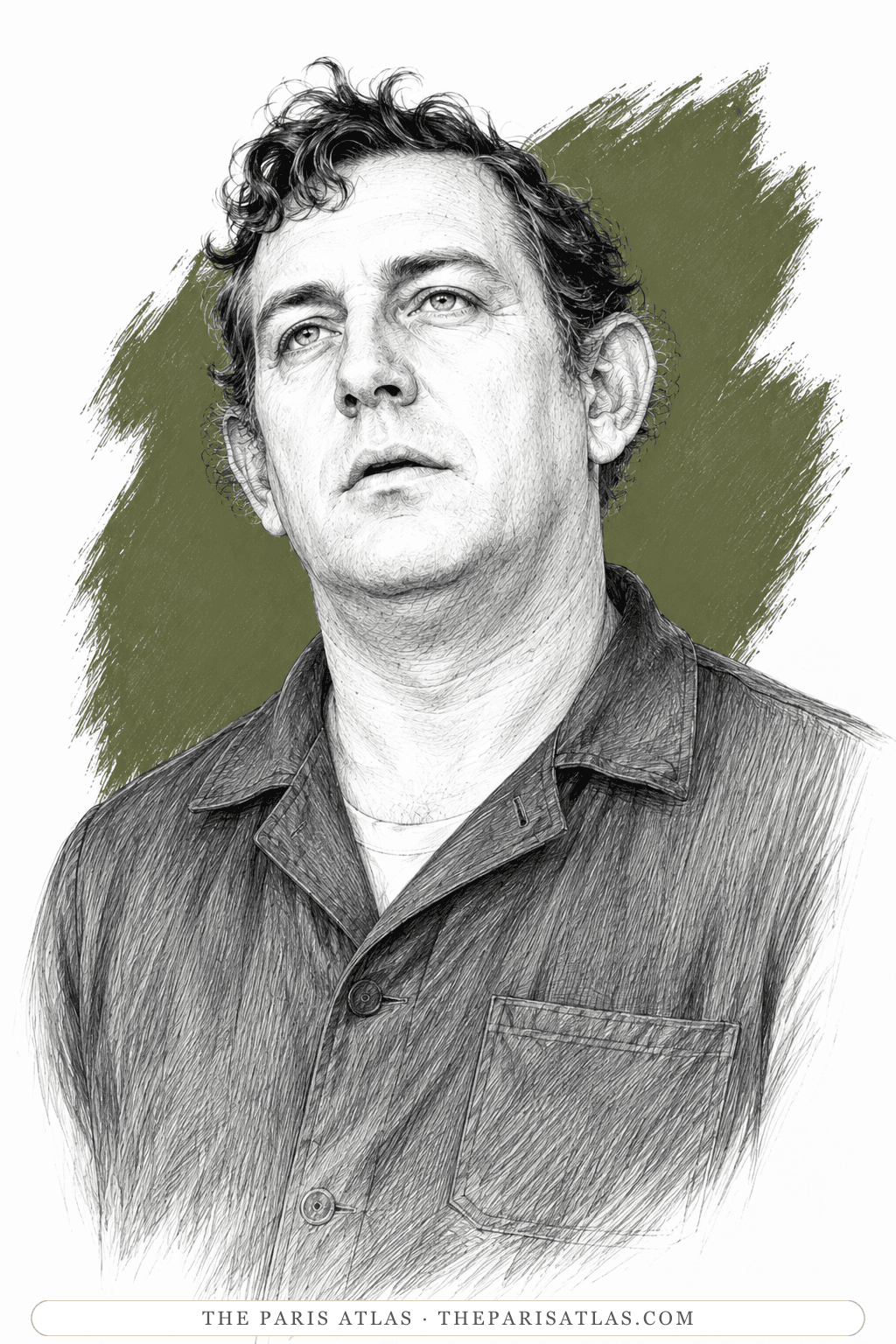
A poet in the Records Department with very hairy ears and a surprising talent for rhyme and metre, employed producing sanitised versions of poems the Party finds offensive but wants to keep in the anthologies.
To make the line scan. He defends the offence that got him arrested purely on technical grounds, and the only thing that visibly cheers him in a cell is a point of prosody.
The book

At a glance
- A poet in the Records Department of the Ministry of Truth
- Rhyme and metre; rewriting offensive poems as "definitive texts"
- Large and weak-framed, with very hairy ears and nervous movements
- Part One, Chapter 4; Part Two, Chapter 1; Part Three, Chapter 1
Who they are in the book
Spoiler-freeAmpleforth works a few cubicles from Winston, and Orwell introduces him as a mild, ineffectual, dreamy creature with very hairy ears and a surprising talent for juggling with rhymes and metres. His job is to produce garbled versions — definitive texts, they are called — of poems that have become ideologically offensive but which for one reason or another are to stay in the anthologies.
He is attached to Winston in a vague way and would certainly sit down at his table if he noticed him, which is why his appearance in the canteen nearly stops Winston from speaking to Julia. He wanders limply round the room with a tray, fails to spot Winston, and sits somewhere else. That is his entire part in the first two-thirds of the book.
He reappears in a cell in the Ministry of Love, shoeless with dirty toes coming through his socks, several days from a shave, wandering up and down without noticing anybody. Asked what he is in for, he says there is only one offence, is there not, and that apparently he has committed it. He has been able to recall one possible instance. They were producing a definitive edition of the poems of Kipling and he allowed the word "God" to remain at the end of a line, because the rhyme was "rod" and there are only twelve rhymes to "rod" in the entire language. For days he had racked his brains. There was no other rhyme.
The annoyance passes off his face and a sort of intellectual warmth replaces it. Has it ever occurred to Winston, he asks, that the whole history of English poetry has been determined by the fact that the English language lacks rhymes? It has not, and in the circumstances Winston does not find it very interesting. Twenty minutes or an hour later the officer comes in and says two words to him.
How Ampleforth Is Portrayed
- The jobProducing what the department calls definitive texts: poems rewritten to be ideologically acceptable while remaining in the anthologies. Orwell describes the results in one word, garbled.
- How he movesHe shambles, and Orwell pairs a large weak frame with nervous movements. He wears the blue overalls of the Outer Party.
- The hairy earsThe physical detail he is introduced with, and the only one, until the cell adds a scrubby beard and large dirty toes through the holes in his socks.
- "There is only one offence, is there not?"His answer when Winston asks what he is in for. Then: "Apparently I have." He presses his temples as though trying to remember something.
- God and rodThe indiscretion he can reconstruct. He left "God" at the end of a line in a definitive edition of Kipling because the rhyme was "rod", and insists almost indignantly that the line was impossible to change.
- The pedant's joyFor a moment in the cell he looks almost pleased, and Orwell describes it as the joy of the pedant who has found out a useless fact shining through the dirt and the scrubby hair.
- No sense of timeHe thinks he was arrested two days ago, perhaps three. His eyes flit round the walls as though half expecting a window. He says he does not see how one can calculate the time in a place where there is no difference between night and day.
If you like Nineteen Eighty-Four


If you like George Orwell
Explore authors with a similar voice, perspective, and influence.

Henry Miller
The Brooklyn dropout who arrived in Paris broke at thirty-eight and wrote the exuberant, banned books that ended American censorship.
View author
Louis-Ferdinand Céline
The doctor of the Paris slums who wrote the century's blackest, funniest novel — and changed the sound of French prose.
View author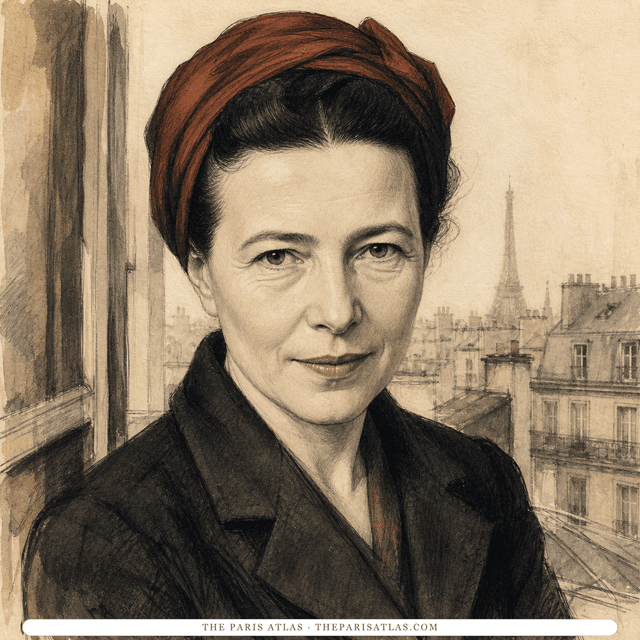
Simone de Beauvoir
French writer and philosopher whose novels, memoirs, and social analysis examined freedom, gender, responsibility, aging, and the material conditions that shape a life.
View author