
Animal Farm
Both ask how a revolution can betray itself. Orwell compresses the process into a fable about rulers taking power; Le Guin examines how hierarchy can return even without a formal ruling class.
Read our take
by Ursula K. Le Guin
Two opposed societies reveal how revolutionary ideals can harden into conformity without becoming simple villains.
Le Guin compares an anarchist society and a wealthy capitalist one without making either an easy answer. Even equality develops informal power and rules people fear challenging.
Shevek is a brilliant physicist from Anarres, a dry and difficult moon settled by anarchists nearly two centuries earlier. Anarresti society has no government, private property, money, formal marriage, or permanent ruling class. Its people share work and resources through voluntary syndicates. The arrangement sounds utopian, but Shevek discovers that a society can reject official authority and still become suspicious of anyone who challenges its habits.
Shevek believes his work on time may connect worlds that have been separated for generations. When senior physicists on Anarres obstruct him, he helps form a new syndicate and makes the unprecedented decision to visit Urras, the wealthy planet his people left behind. Urras offers gardens, abundance, universities, and intellectual resources that Anarres cannot match. It also contains poverty, rigid class divisions, war, sexism, and governments eager to own whatever Shevek discovers.
Ursula K. Le Guin does not ask the reader to choose one planet and condemn the other. The Dispossessed tests both. It follows Shevek as a scientist, partner, father, worker, dissident, and imperfect man trying to make knowledge available to everyone. The book’s subtitle, An Ambiguous Utopia, is its central promise: even a society founded on freedom must keep remaking freedom, or its ideals will harden into another set of walls.
The novel opens with Shevek leaving Anarres while an angry crowd gathers at the moon’s walled spaceport. Some Anarresti consider any contact with Urras a betrayal. A stone thrown during the confrontation kills a Defense syndic, but Shevek reaches the Urrasti ship. Dr. Kimoe treats him during the journey and becomes the first Urrasti person Shevek speaks with closely. On Urras, Shevek is received as an honored guest by the wealthy state of A-Io and taken to Ieu Eun University, where physicists hope he will complete a theory they can control.
The alternating chapters then return to Shevek’s childhood on Anarres. His mother, Rulag, leaves when work takes her elsewhere, and his father, Palat, raises him. The children are taught that ownership and domination are shameful, yet Shevek, Tirin, Gibesh, and other boys reproduce the idea of prison after learning about it. They lock Kadagv in a makeshift cell until the experiment becomes cruel. The episode shows early that power can be reinvented even among people raised to oppose it. Palat later dies while trying to rescue children trapped by an earthquake, leaving Shevek with an example of genuine service that is very different from enforced obedience.
Shevek’s talent for physics takes him to Northsetting, where the senior physicist Mitis recognizes his originality and warns him about Sabul, the influential scientist who controls access to Urrasti scholarship. At the Central Institute in Abbenay, Sabul uses Shevek’s work while blocking him from publishing or corresponding freely. Shevek also sees other forms of unofficial punishment. His childhood friend Tirin writes a satirical play about Urras and is sent through a series of degrading work postings and treatments until his confidence is broken. The composer Salas hides ambitious music because public taste and committee judgment leave little room for work considered too individual. The elderly physicist Gvarab, whose ideas matter deeply to Shevek, dies with little recognition.
Shevek reconnects with Bedap, who has become openly critical of Anarres’s fear of dissent. The two briefly become lovers and remain close friends after the sexual relationship ends. Shevek later meets Takver, a marine biologist whose practical intelligence and belief in shared life give him a partnership unlike the isolated existence he feared. They have a daughter, Sadik. A severe drought and famine then force the entire society into emergency labor. Shevek and Takver accept distant postings and remain separated for four years while food fails, people die, and the ideal of voluntary work is tested by necessity. When they reunite, they rebuild their family and later have a second daughter, Pilun.
Shevek, Takver, Bedap, and their allies form the Syndicate of Initiative so Anarresti thinkers can communicate directly with Urras instead of allowing Sabul and old institutions to control contact. The syndicate attracts hostility. Their children are bullied, Shevek is called an egoist and traitor, and Rulag argues that opening the moon to outsiders threatens the revolution. Takver nevertheless supports Shevek’s decision to travel. She believes their society will cease to be truly anarchist if fear makes every inherited custom untouchable.
On Urras, Shevek is surrounded by beauty and privilege. Saio Pae monitors him, the elderly physicist Dr. Atro treats him as a valued colleague, and Demaere Oiie brings him into an upper-class household. Shevek admires Urras’s art, landscape, food, and scientific resources, but gradually understands how carefully A-Io has hidden workers and poor people from him. Women are largely excluded from public intellectual life. Chifoilisk, a scientist from the rival state of Thu, warns Shevek that A-Io is flattering him because its government wants exclusive possession of his General Temporal Theory.
At Oiie’s home and through Oiie’s sister Vea, Shevek encounters the private world of Urrasti wealth. During a party, he becomes extremely drunk. He denounces the guests’ complacency and then makes an unwanted sexual advance on Vea, continuing after her resistance becomes clear. He fails to complete the assault and later wakes ashamed and physically ill. The episode is one of the novel’s clearest refusals to make Shevek morally pure simply because he comes from a more egalitarian society.
A-Io enters a war in Benbili while Shevek completes the theory the government expects to monopolize. Efor, the servant assigned to him, tells him about working-class life and the state’s repression. Realizing that he has been kept in a luxurious prison, Shevek leaves the university and contacts Tuio Maedda, an Urrasti anarchist. He speaks at a huge labor demonstration in Nio Esseia. Soldiers attack the crowd, killing and wounding protesters. Shevek escapes the massacre and reaches the Terran embassy.
Ambassador Keng listens as Shevek explains that no state should own his discovery. She agrees to transmit the General Temporal Theory openly to Anarres, Urras, Terra, Hain, and other worlds. The theory will make simultaneous interstellar communication possible and eventually lead to the ansible. The Terrans arrange his passage home aboard the Hainish ship Davenant. On the final approach to Anarres, a Hainish officer named Ketho asks to land with him and attempt to live among the Odonians.
Shevek’s decisive act is not completing his theory but refusing to let either A-Io or Anarres possess it. At the Terran embassy, he gives the work away to every world capable of receiving it. That choice breaks the monopoly A-Io hoped to establish and also prevents Anarres from sealing the knowledge behind its own wall. Science becomes a relationship rather than property.
Ambassador Keng offers Shevek protection and safe passage. Her perspective complicates his judgment of Urras: Earth has been devastated by ecological and political collapse, so even Urras’s unjust abundance looks beautiful to her. Shevek leaves understanding that no single society supplies a complete answer. Anarres has solidarity without enough openness; A-Io has abundance and learning built on ownership, hierarchy, and force.
During the return voyage, Ketho asks permission to accompany Shevek onto Anarres. No outsider has been freely welcomed there since the original settlement. Shevek cannot promise safety or acceptance, but he agrees. Ketho’s presence turns Shevek’s return into another experiment in opening the wall from both sides.
The novel ends before Shevek steps onto the ground. He thinks of Takver, Sadik, Pilun, and the life waiting beyond the spaceport. He does not know whether he will be greeted, attacked, or ignored. Le Guin closes the circle without closing the argument: Shevek’s journey succeeds only if returning home begins further change rather than restoring the old isolation.
Anarres solves real problems. People do not accumulate wealth, inherit class power, buy labor, or treat partners and children as property. Its communities survive famine through mutual aid that would be difficult in a society organized around private profit. Le Guin takes those achievements seriously.
She also shows how ideals can become habits and habits can become coercive. Anarres has no police state, but fear of being called an egoist can silence disagreement. Work assignments can become punishment. Committees can control opportunity without admitting they hold power. The society remains worth defending precisely because the novel refuses to pretend it is finished.
The first image is a low wall around the Anarresti spaceport. Depending on which side a person stands, it can enclose the universe or enclose Anarres. That physical wall represents the book’s larger question: when does protection become imprisonment?
The children’s prison game, Sabul’s control of information, Shevek’s guarded university residence, and A-Io’s national borders repeat the same pattern. A wall may be made of stone, custom, language, paperwork, or fear. Le Guin is less interested in declaring every boundary evil than in asking who maintains it and who is prevented from crossing.
Anarres rejects formal government, yet status still gathers around institutions and personalities. Sabul can damage careers because other people accept his gatekeeping. DivLab can make assignments that appear neutral while social pressure discourages refusal. Tirin is punished without a trial because no single official has to admit responsibility.
Shevek learns that freedom is not a condition inherited from founders. It is an activity. People must keep identifying power, challenging it, and creating new forms of cooperation. The Syndicate of Initiative is revolutionary not because it seizes the state, but because it makes a new channel where an old one has closed.
The Pravic language avoids possessive habits. Anarresti people speak of a partner rather than a husband or wife and of the mother or father rather than ownership of a child. These choices shape imagination, but they do not remove jealousy, attachment, abandonment, or ego.
Shevek and Takver show that lasting commitment need not depend on law or possession. Their relationship survives distance because both continue choosing it. By contrast, Urrasti marriage gives men legal and social power while women such as Vea learn to work indirectly inside the system. The novel tests both romantic freedom and the responsibilities that make love more than appetite.
On Anarres, useful work is supposed to be chosen and shared. The drought reveals both the strength and danger of that ideal. People accept brutal assignments and rationing because survival depends on cooperation. Their discipline saves lives, but emergency can also make coercion seem beyond question.
Shevek’s four-year separation from Takver prevents politics from remaining abstract. Scarcity affects bodies, children, sex, grief, and time. Le Guin asks what solidarity costs and whether sacrifice remains voluntary when there is no comfortable alternative.
Sabul treats access to Urrasti physics as a private resource even in a society without legal property. A-Io offers Shevek laboratories and praise while planning to convert his theory into national advantage. Both worlds show how institutions can possess knowledge without calling it ownership.
Shevek’s answer is radical publication. He gives the theory to everyone, including political enemies. The act does not guarantee benevolent use, but it prevents a single government from claiming the universe’s basic structure as a secret weapon or commodity.
Shevek’s physics joins sequence with simultaneity: time moves forward, yet past and future also belong to a whole. The novel’s structure enacts that idea by alternating the Urras journey with the life that produced it. Readers understand each present choice through a past chapter that changes its meaning.
The political equivalent is the idea that a true journey includes return. Shevek does not escape Anarres for a perfect world. He leaves so that he can come back differently. Revolution, in Le Guin’s treatment, is not a founding event preserved in slogans. It is the repeated work of reopening what has closed.
Le Guin writes political science fiction without turning the characters into diagrams. The novel contains debates about anarchism, capitalism, property, gender, physics, and revolution, but those arguments happen through hungry bodies, failed friendships, childcare, work postings, parties, classrooms, and marriages. Shevek’s ideas matter because the reader has seen what they cost him and other people.
The structure alternates between Shevek’s present on Urras and his earlier life on Anarres. The two timelines move toward one another until the departure that opens the book is finally understood from both sides. Le Guin’s prose is clear and measured, while invented words such as Pravic, propertarian, syndic, and ansible acquire meaning through use rather than long explanation. The style can be austere on Anarres and sensuous on Urras, but neither world is allowed to become a simple symbol. The sentences keep bringing large theories back to rooms, meals, weather, labor, and human behavior.
The 1974 Harper & Row first edition carried the full title The Dispossessed: An Ambiguous Utopia. Many later editions shorten the cover title to The Dispossessed, though the subtitle remains important to the book’s design. The novel is often grouped with Le Guin’s Hainish or Ekumen stories, but it does not require earlier reading; Le Guin resisted treating those books as a single series with a mandatory order.
Library of America’s 2017 Hainish collection places the novel within Le Guin’s larger interstellar history. The Folio Society’s 2019 edition adds David Lupton’s illustrations and Brian Attebery’s introduction. Harper’s 2024 fiftieth-anniversary edition includes a foreword by Karen Joy Fowler. The first documented French edition, Les Dépossédés, was published by Robert Laffont in 1975 in Henry-Luc Planchat’s translation. The novel has been translated widely; readers should check the language, translator, publisher, and text date of each edition.
CBC Radio adapted The Dispossessed for its science-fiction anthology Vanishing Point in 1987. David Lewis Stein dramatized the novel as six half-hour episodes broadcast weekly from June 12 through July 17. Gary Reineke played Shevek in a full-cast production.
In October 2021, 1212 Entertainment and Anonymous Content announced plans for a limited television series, with Le Guin’s son Theo Downes-Le Guin participating in development. The announcement did not name a network, writer, cast, or release date. No completed screen adaptation was identified in the sources reviewed through September 2026, so it remains an announced project rather than a released series.
It takes Orwell's question about betrayed ideals into a more complicated political world.
Neither social system provides an easy answer, leaving readers to weigh their different restrictions.
Informal rules and social pressure matter alongside the ideals each society publicly defends.
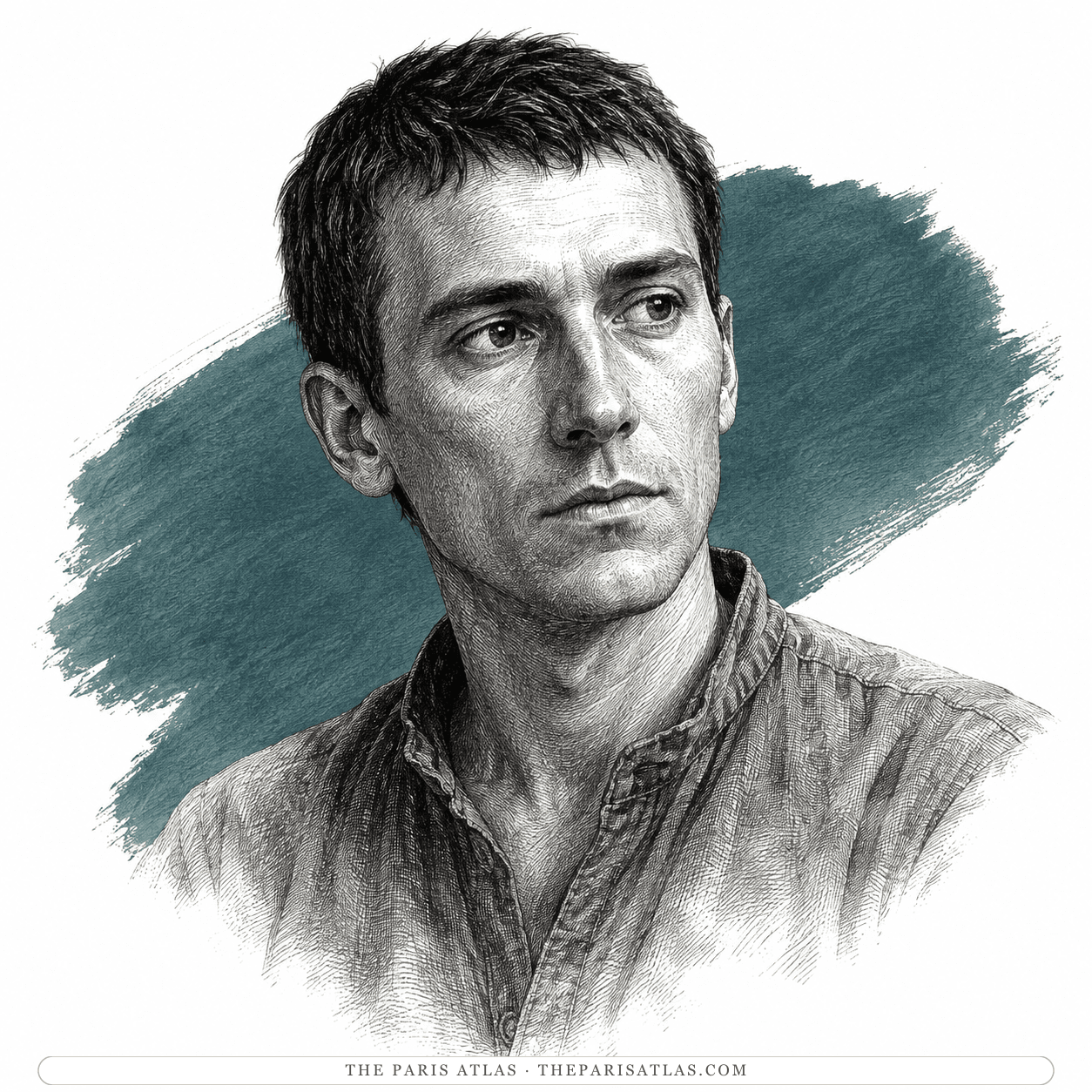
Shevek is an Anarresti physicist whose work on time drives the novel.

Takver is a marine biologist and Shevek’s lifelong partner.
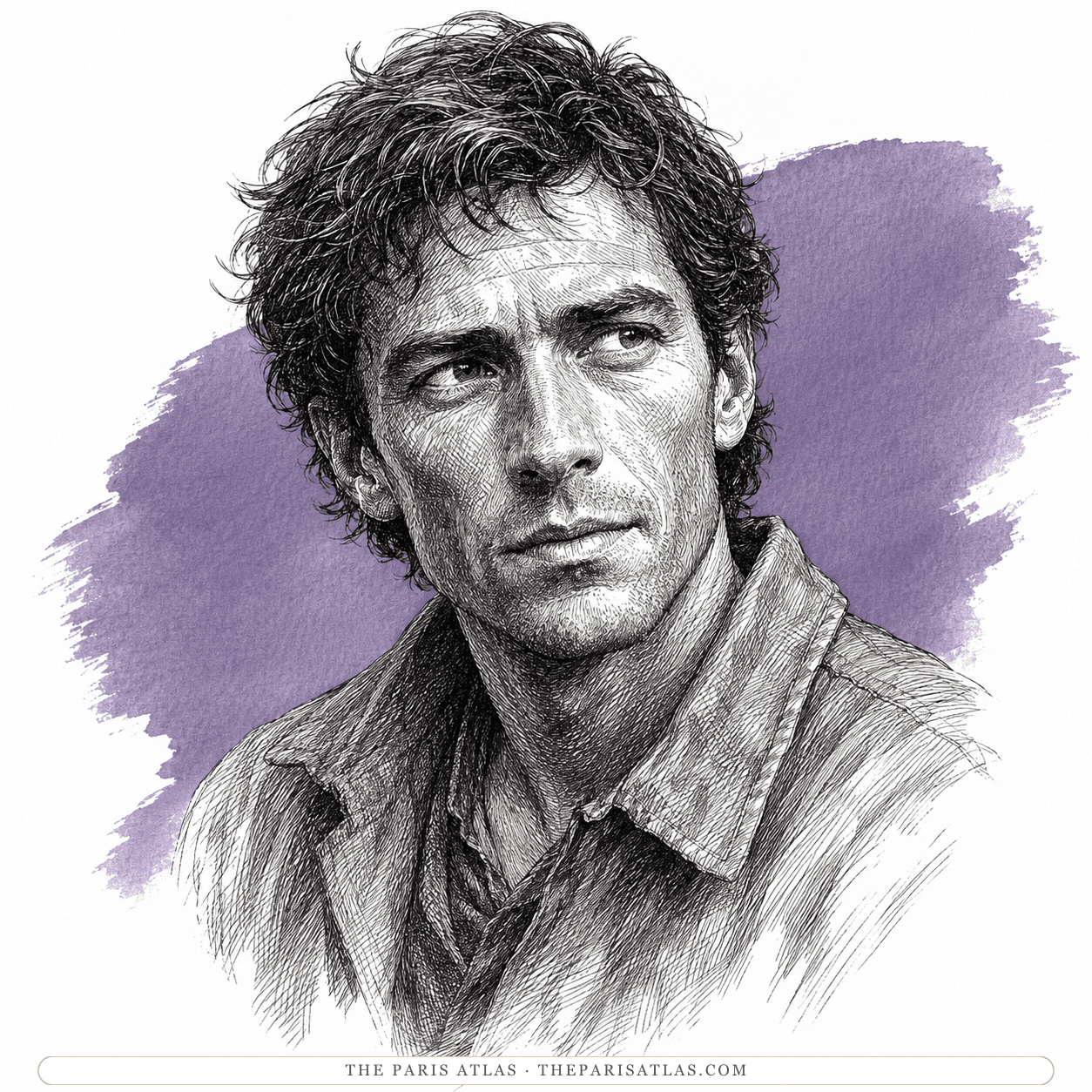
Bedap is one of Shevek’s childhood friends and later his most important political ally.
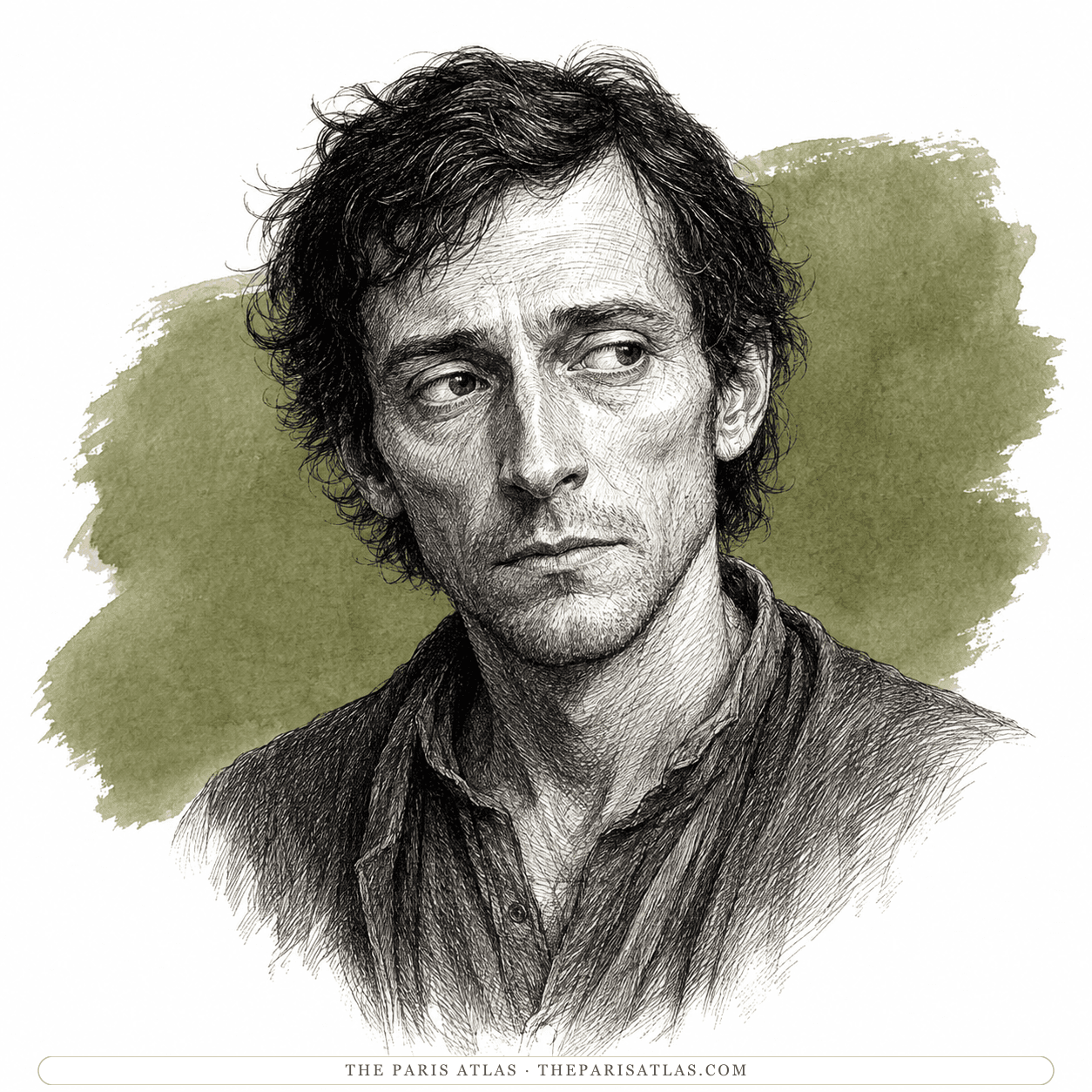
Tirin is a clever childhood friend whose questions about Urras become increasingly dangerous to Anarresti conformity.
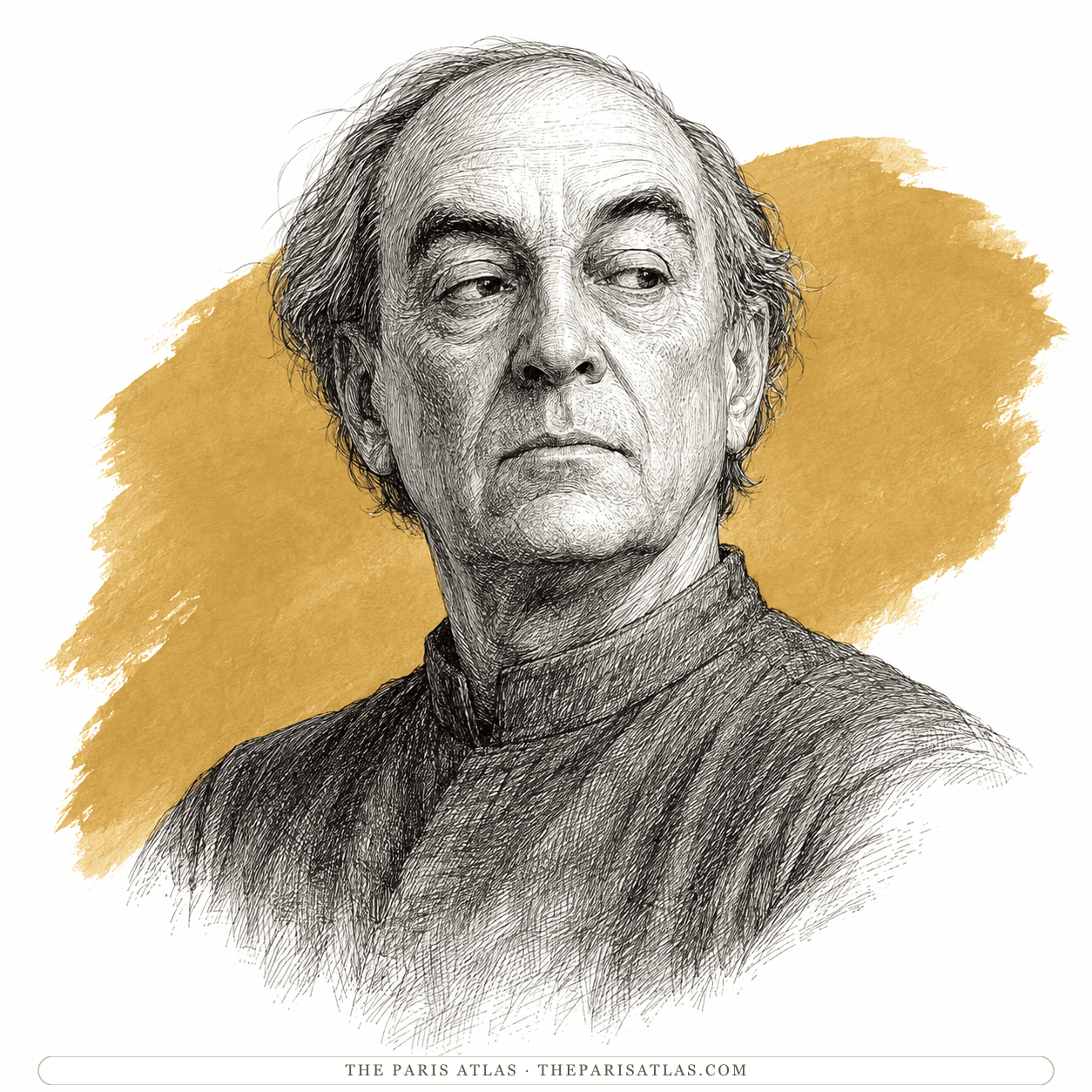
Sabul is the senior physicist who controls much of Anarres’s contact with Urrasti science.

Rulag is Shevek’s mother and a respected engineer.
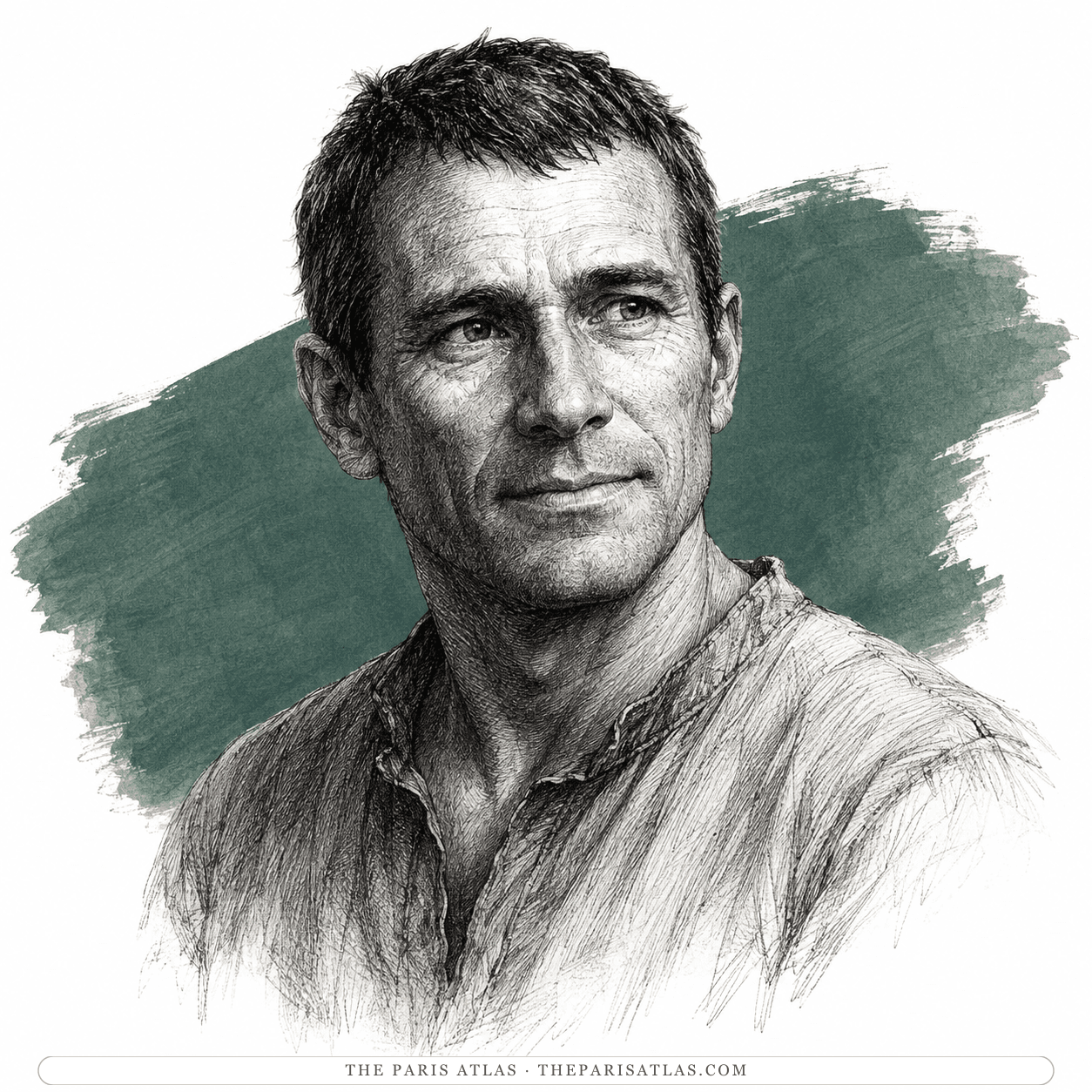
Palat is Shevek’s father, who raises him with tenderness after Rulag leaves.
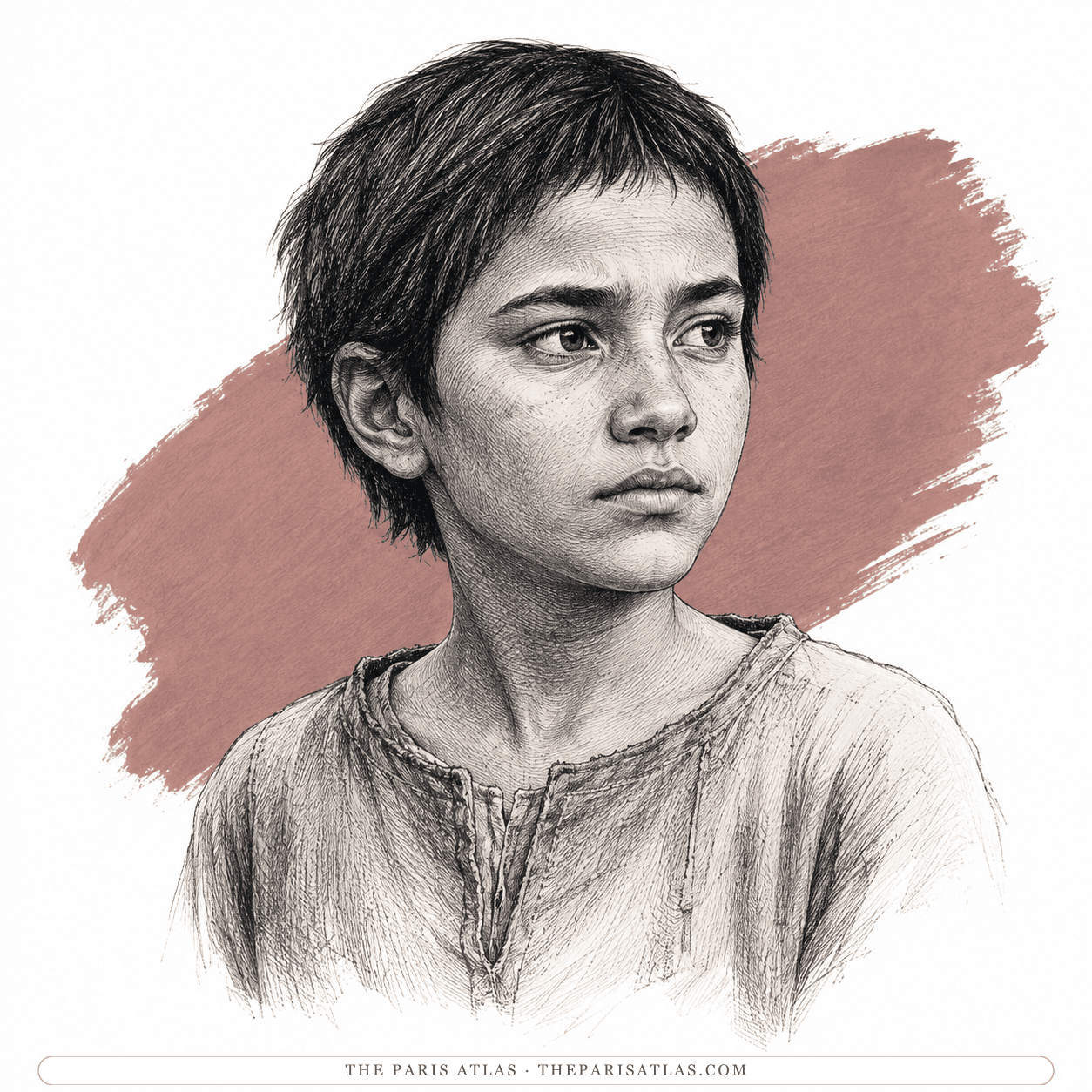
Sadik is Shevek and Takver’s older daughter.
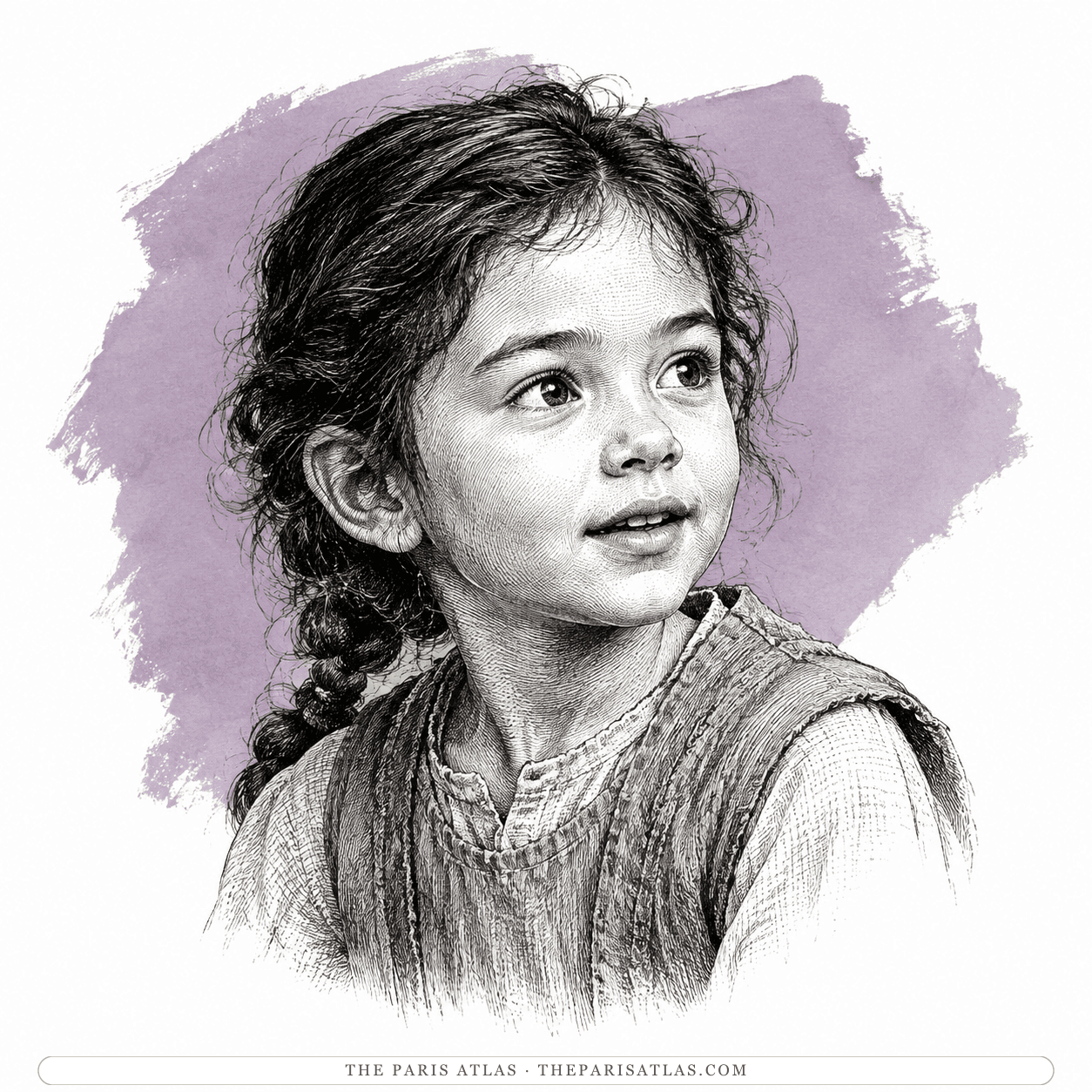
Pilun is Shevek and Takver’s younger daughter, born after the family reunites following the long famine separation.
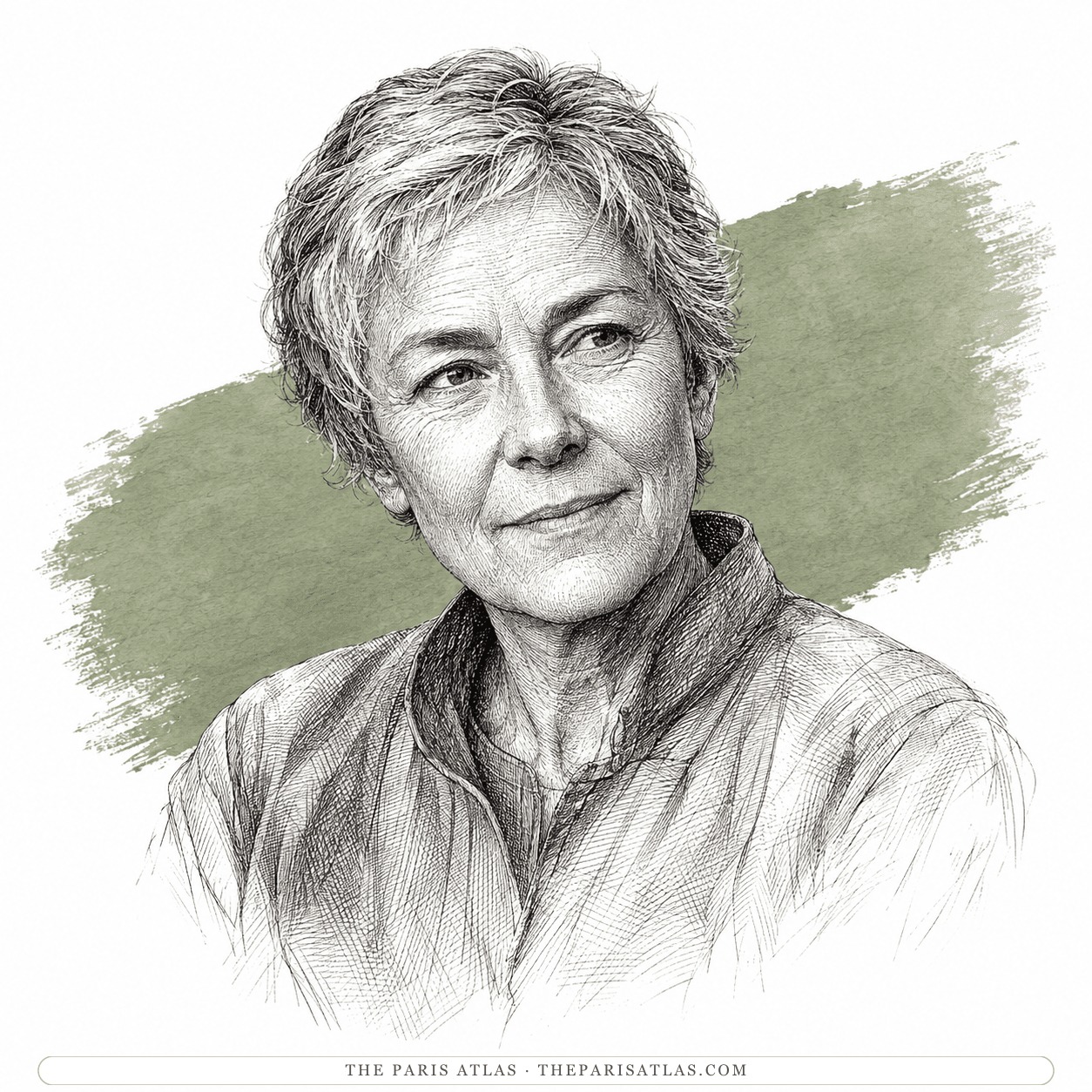
Mitis is the senior physicist at Northsetting who first recognizes the scale of Shevek’s ability.
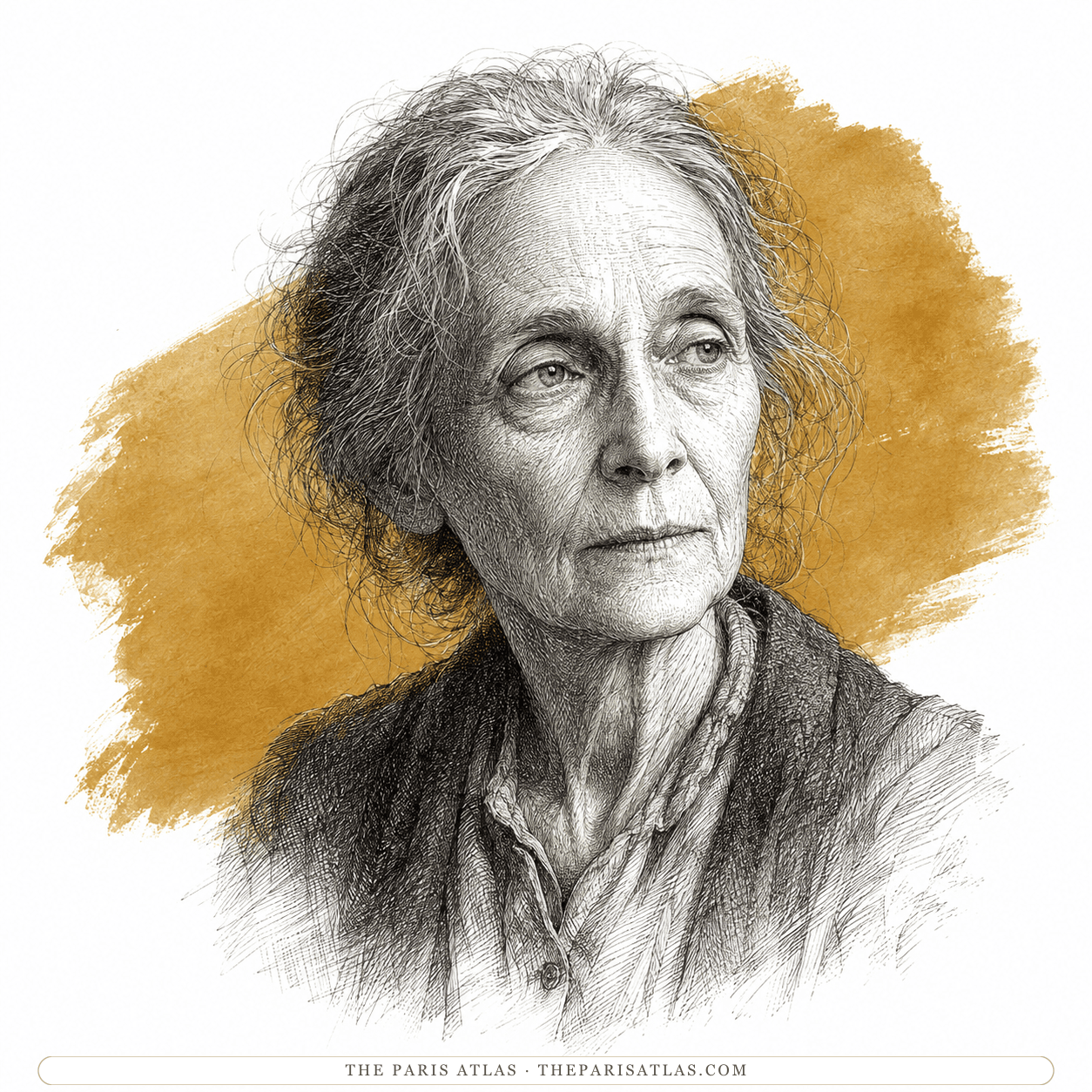
Gvarab is an elderly Anarresti physicist whose work on simultaneity has been neglected.
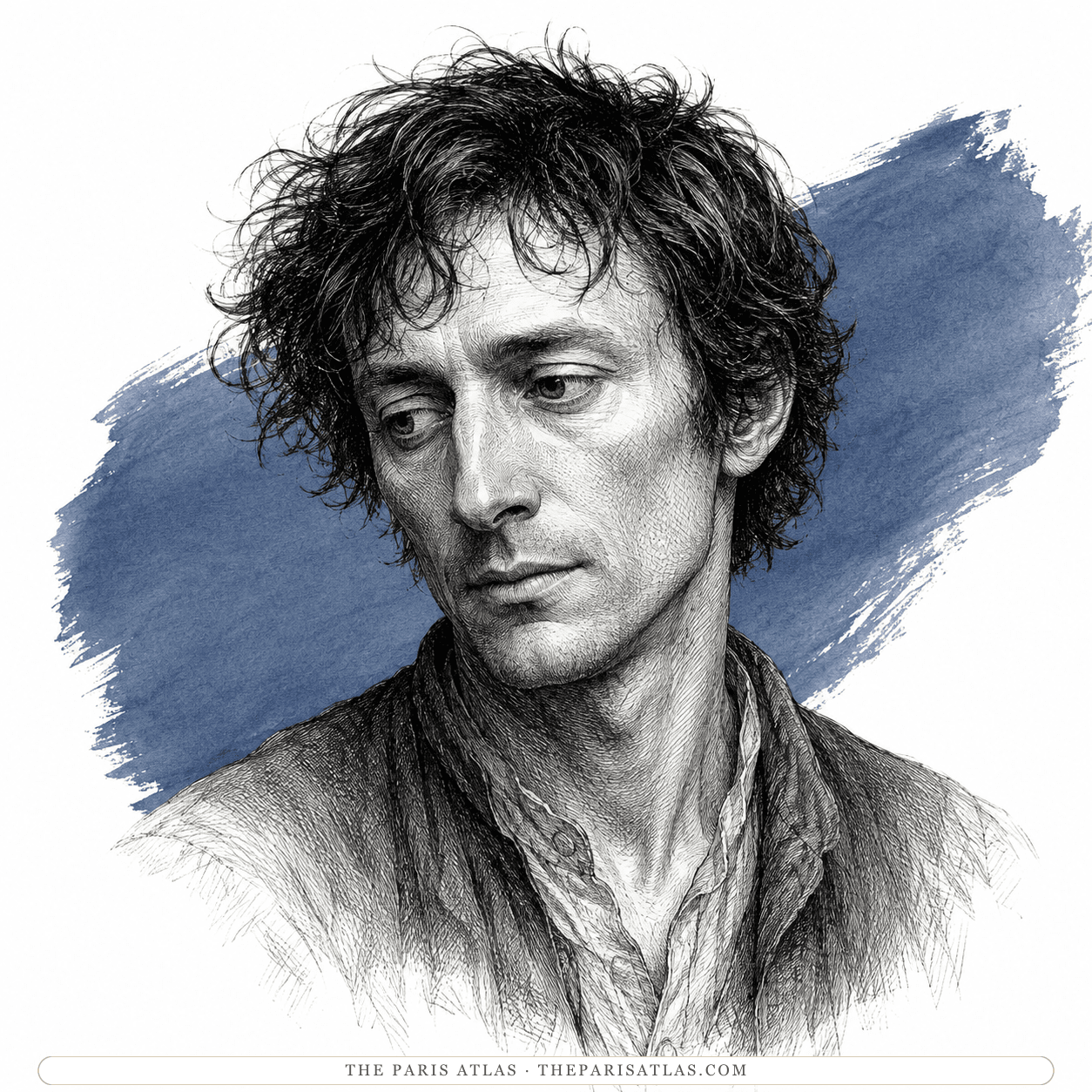
Salas is an Anarresti composer who becomes Shevek’s friend.
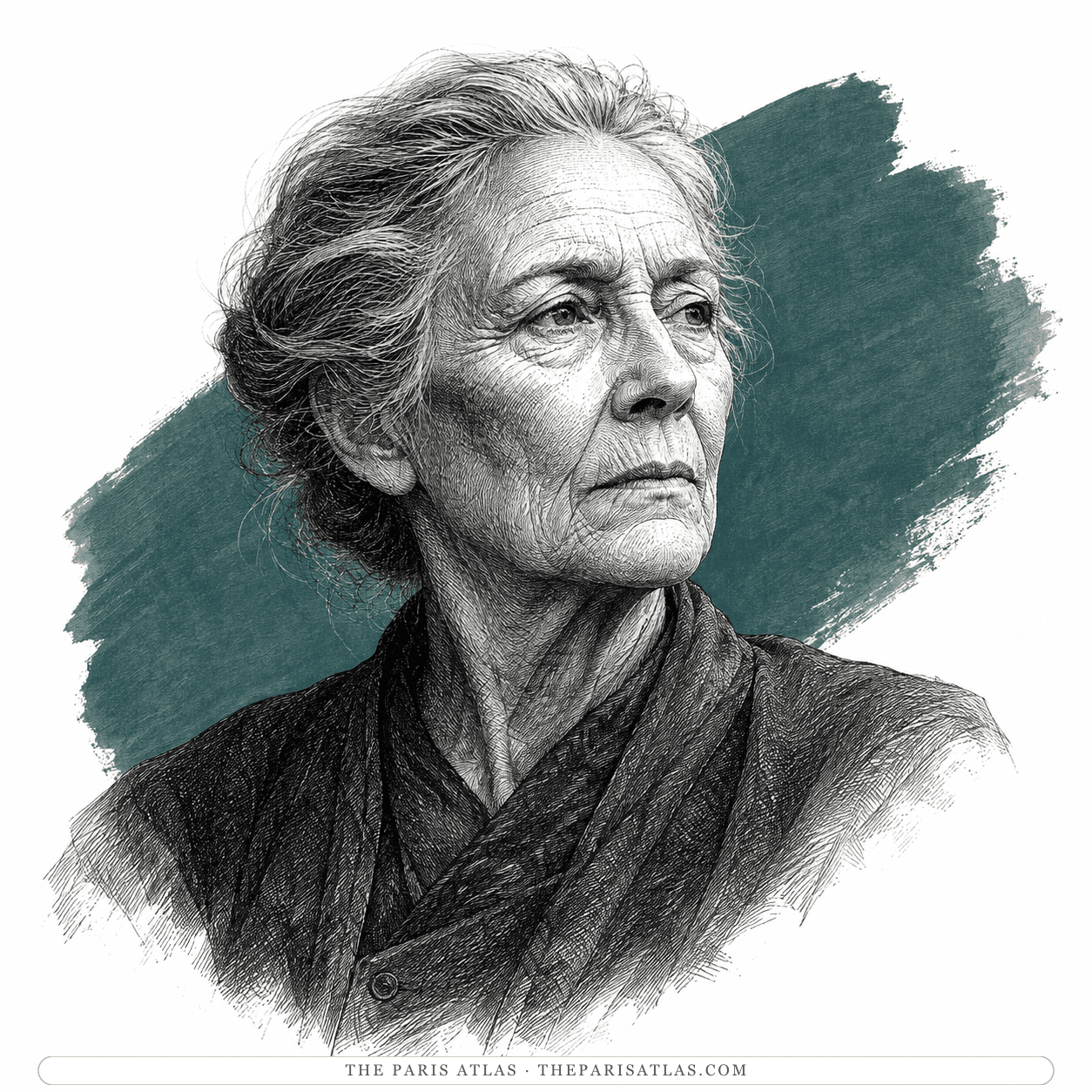
Odo is the revolutionary thinker whose anarchist philosophy inspired the settlement of Anarres.
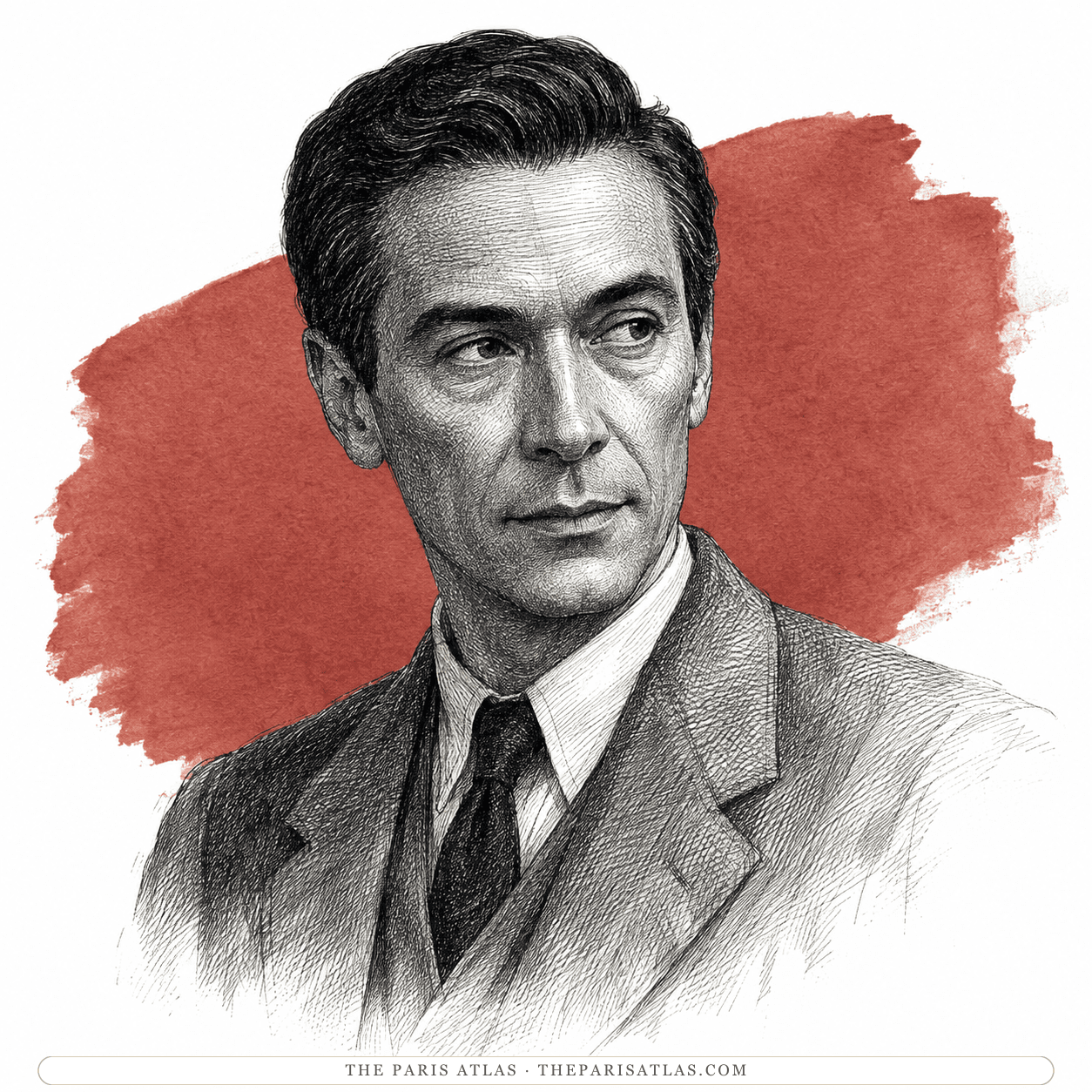
Saio Pae is an A-Ioti physicist assigned to work with and monitor Shevek.
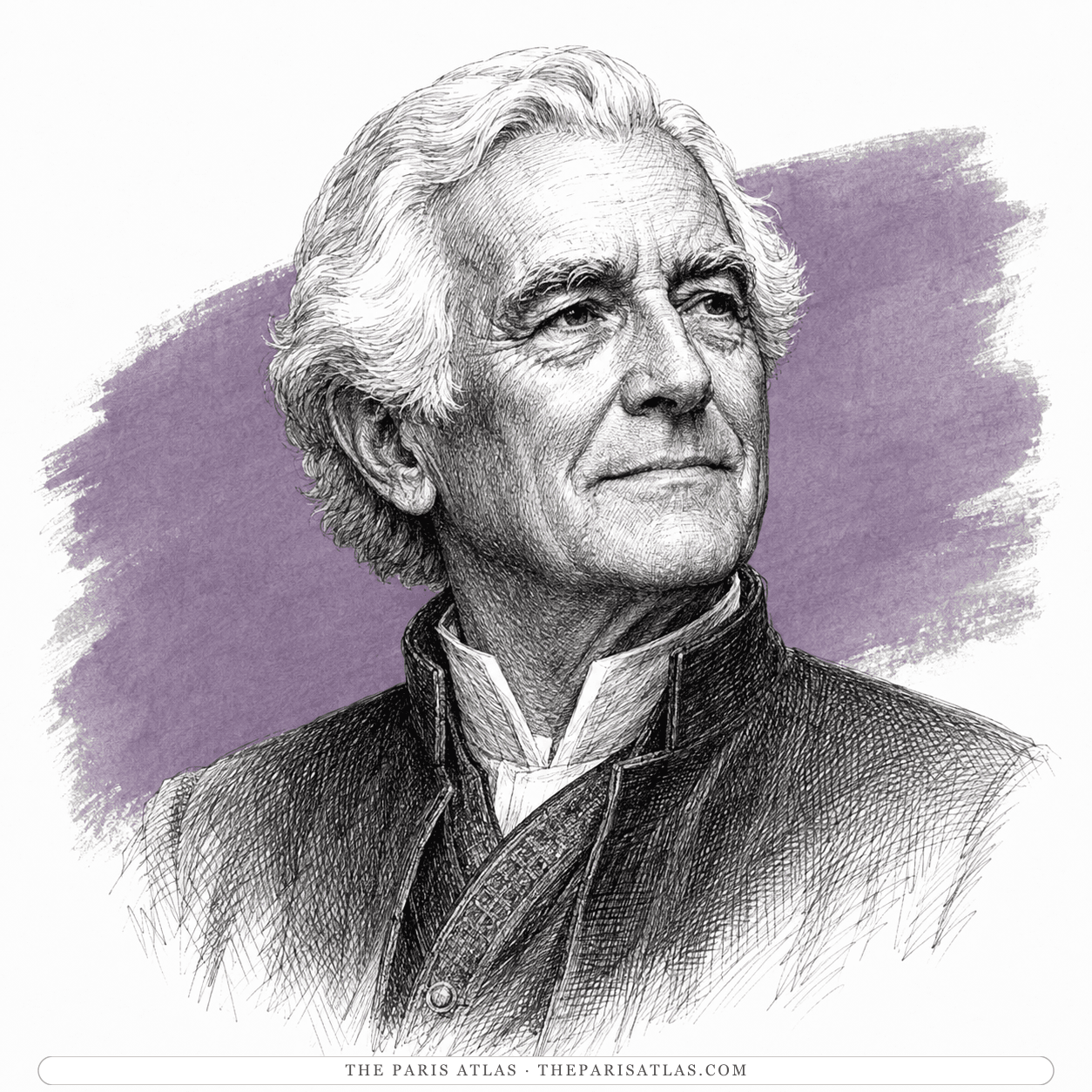
Dr.
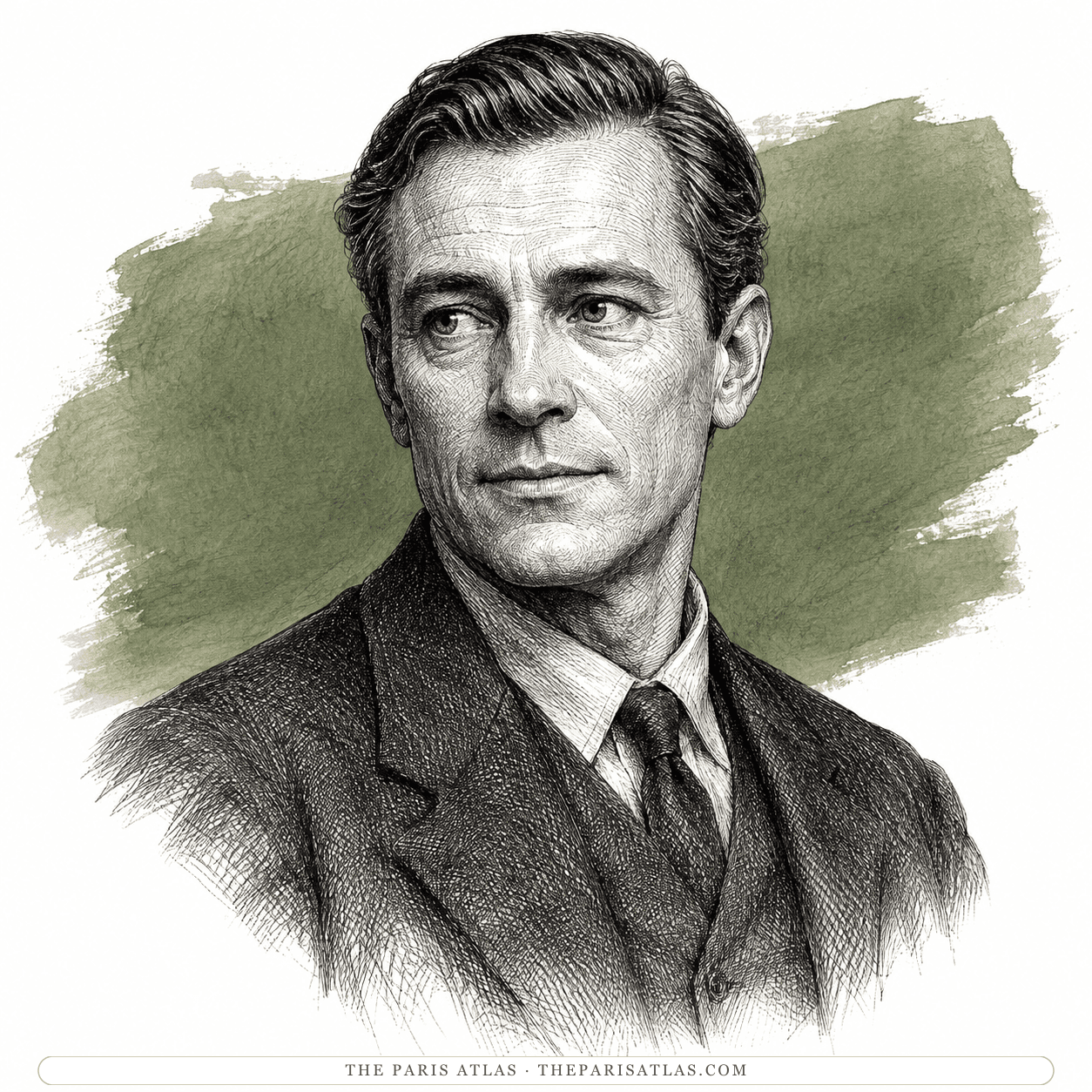
Demaere Oiie is an A-Ioti physicist who serves as one of Shevek’s hosts.

Vea is Oiie’s socially sophisticated sister and one of the few upper-class Urrasti women Shevek is allowed to know.
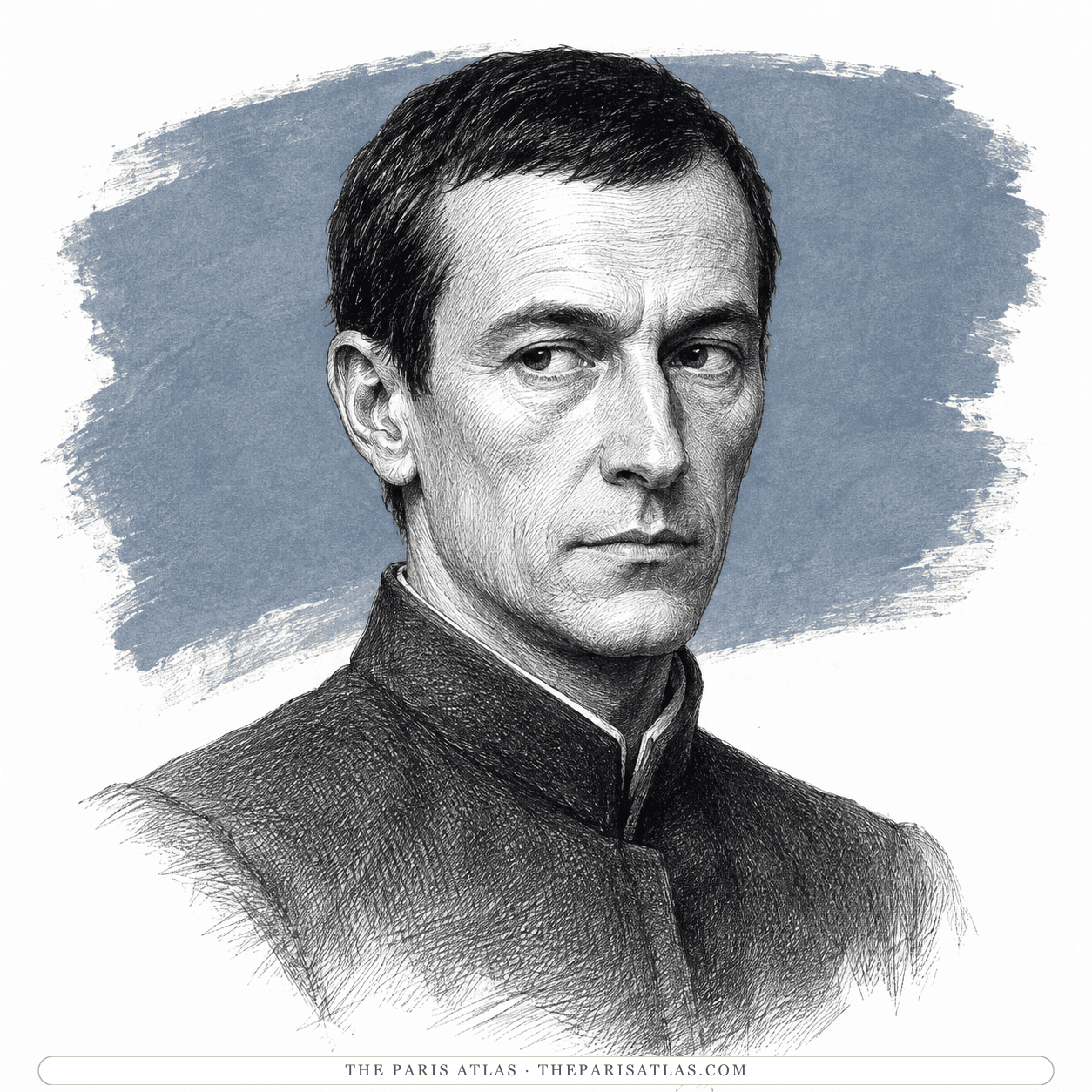
Chifoilisk is a physicist from Thu, A-Io’s authoritarian socialist rival.
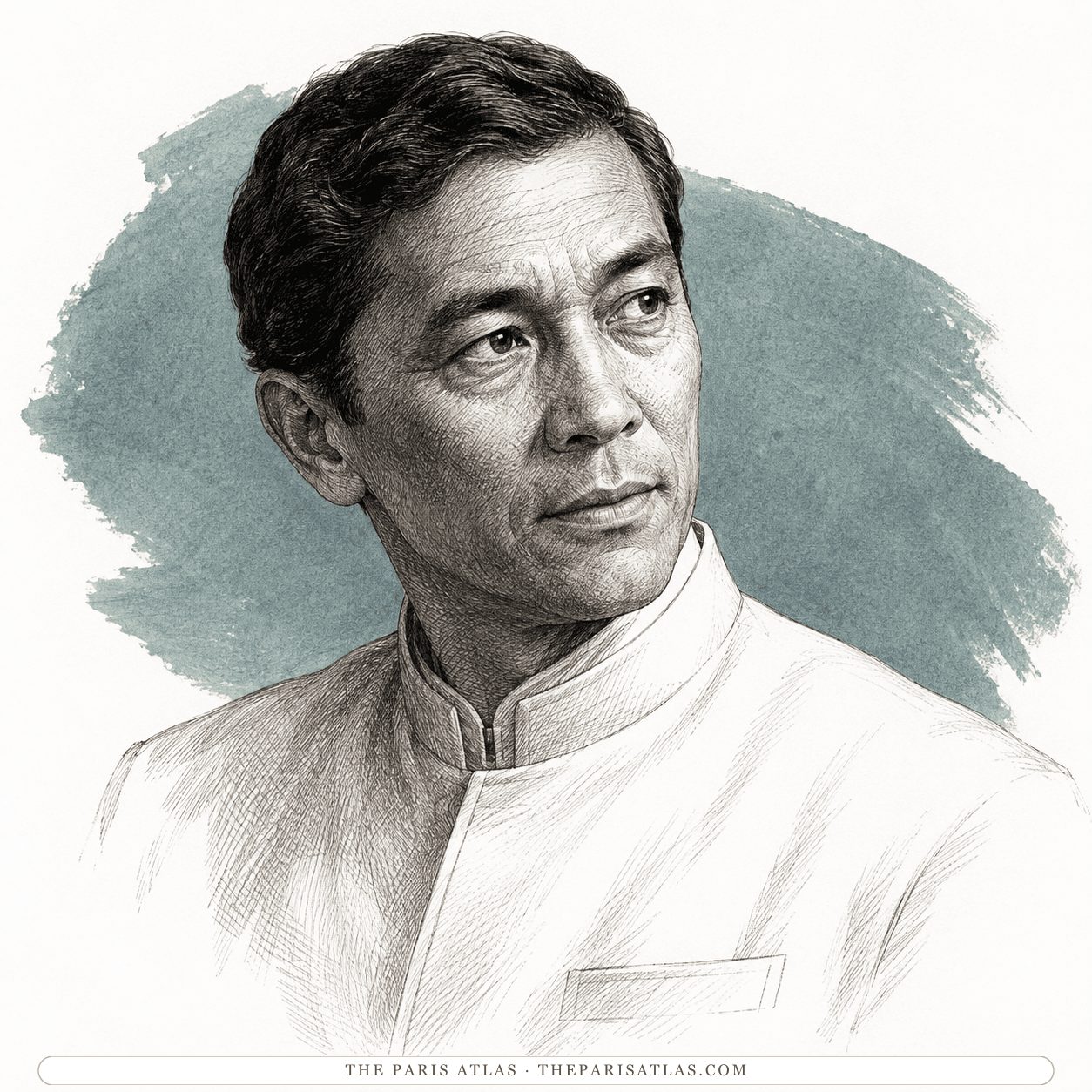
Dr.

Beshun is a young Anarresti woman who has a brief sexual relationship with Shevek during an early work posting in the desert.
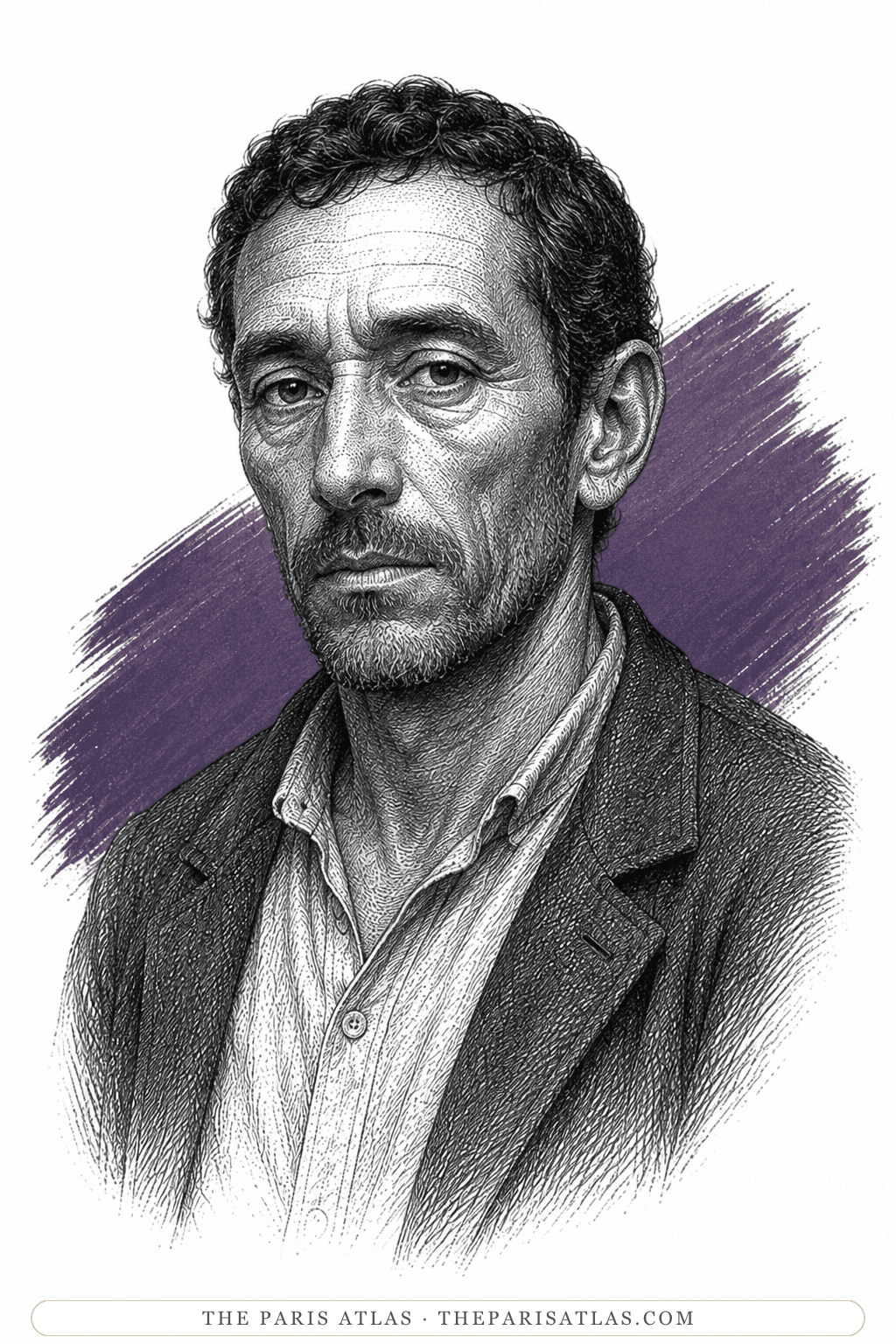
Efor is the servant assigned to Shevek’s quarters on Urras.
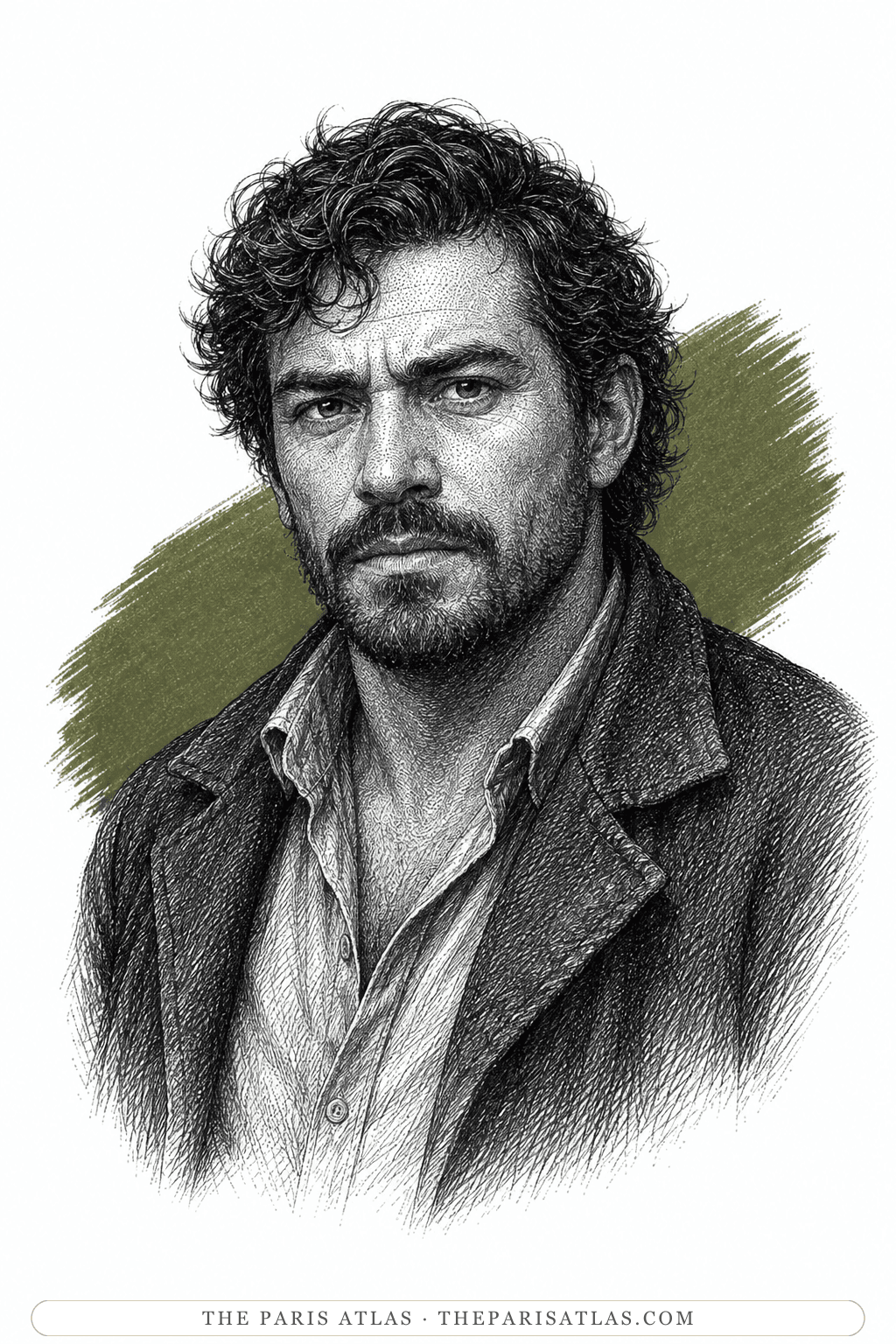
Tuio Maedda is an Urrasti anarchist who helps organize resistance to A-Io’s government.
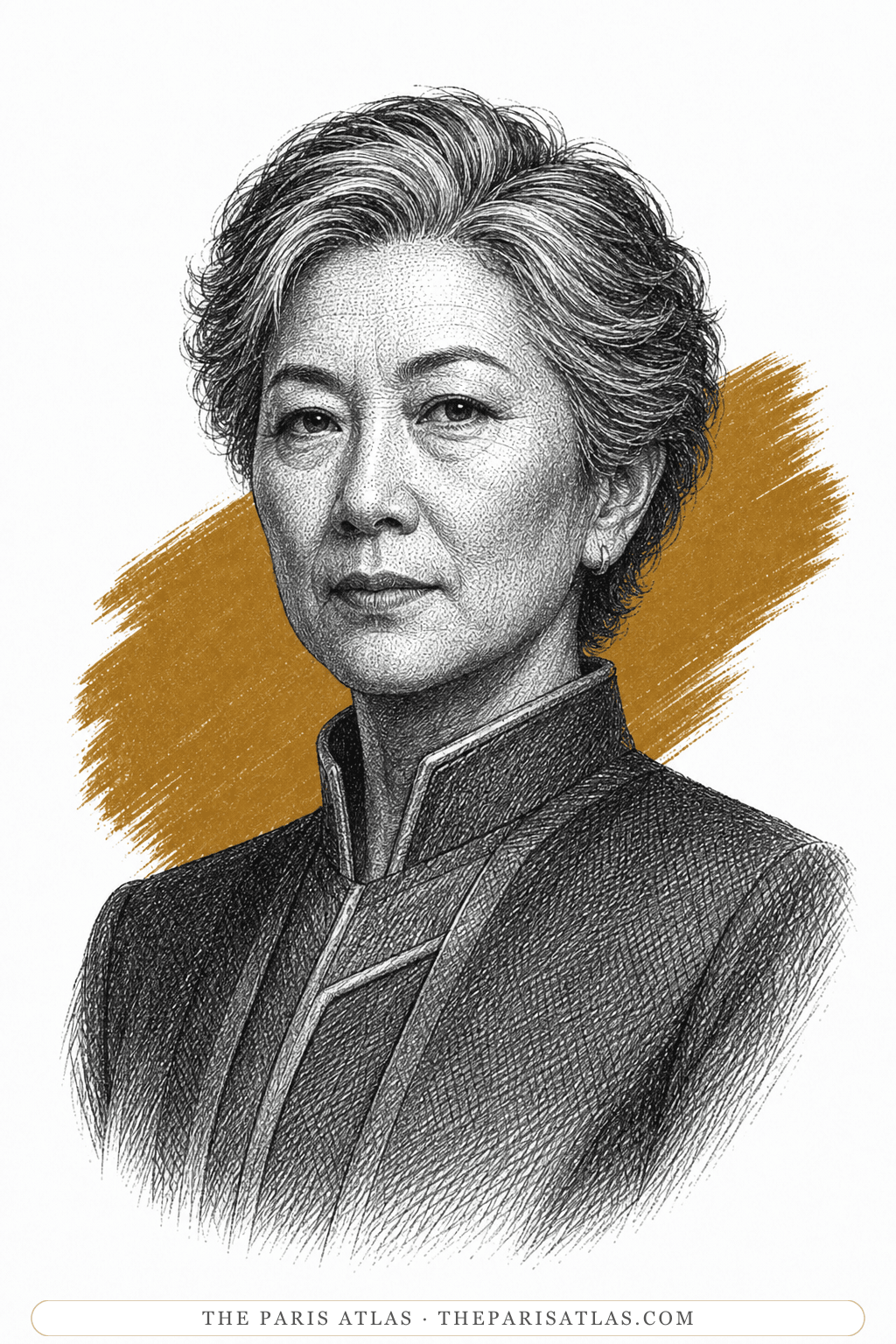
Keng is the Terran ambassador to Urras.
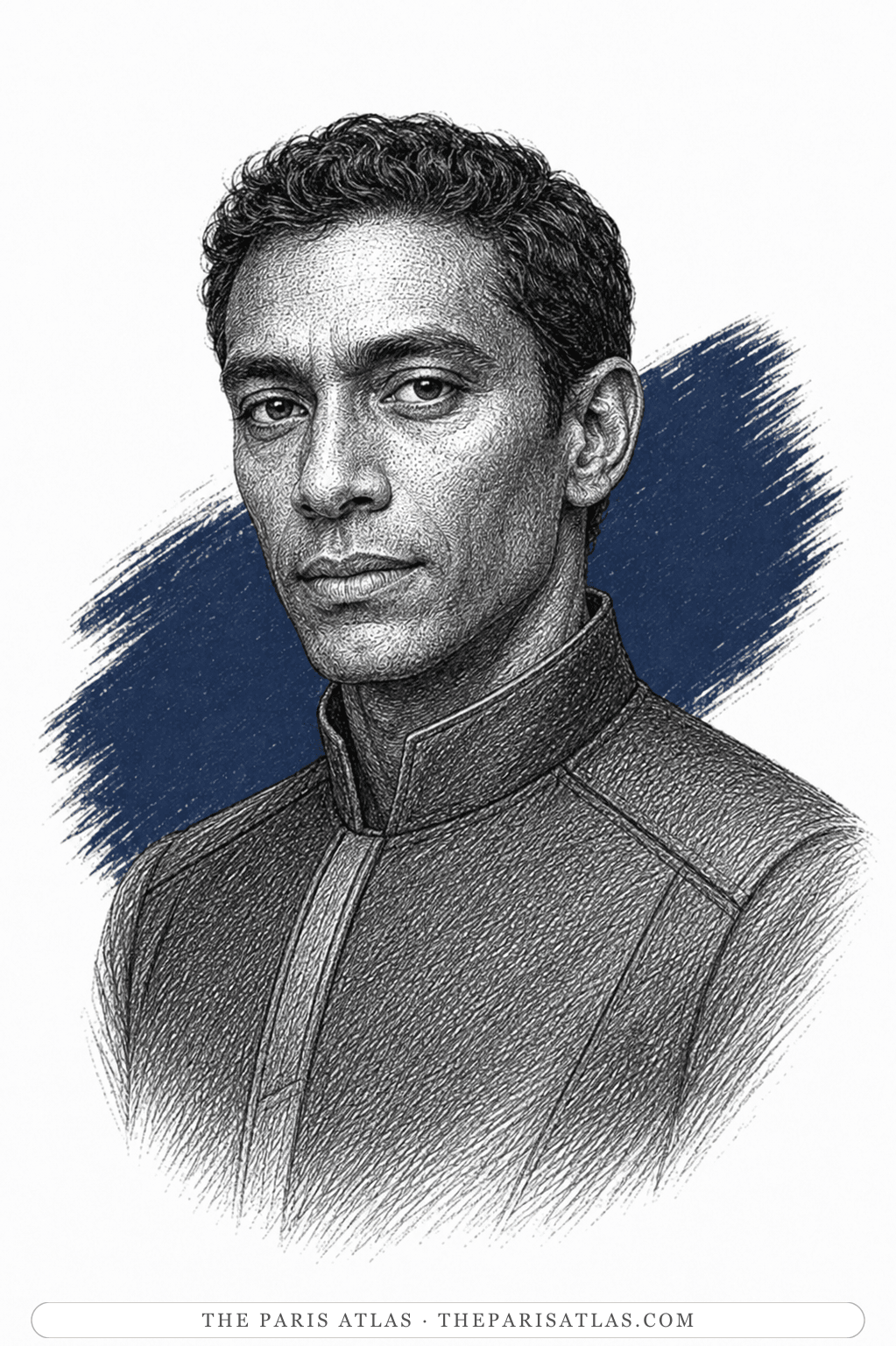
Ketho is a Hainish officer aboard the Davenant.
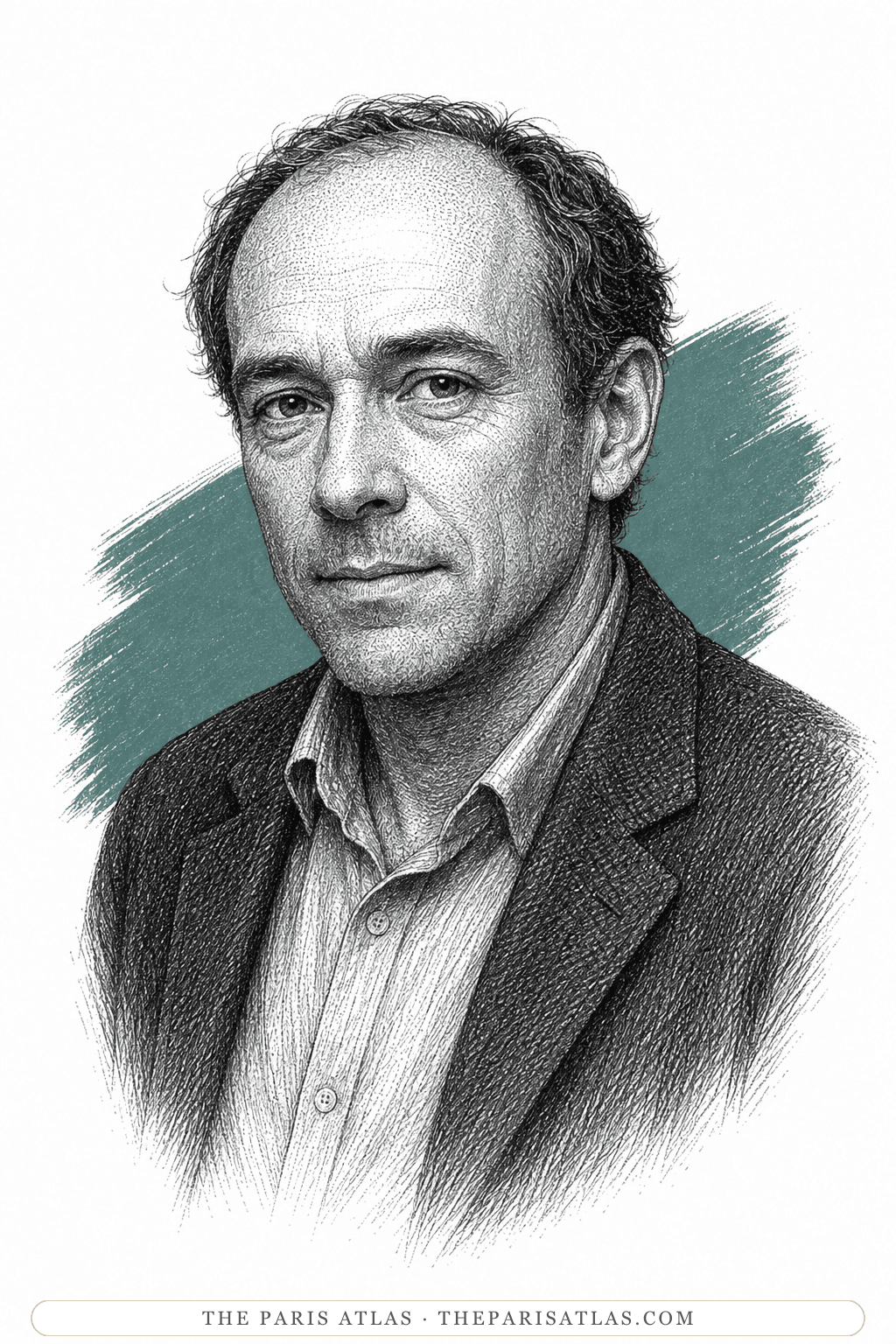
Desar is a mathematician who lives near Shevek at the Central Institute.
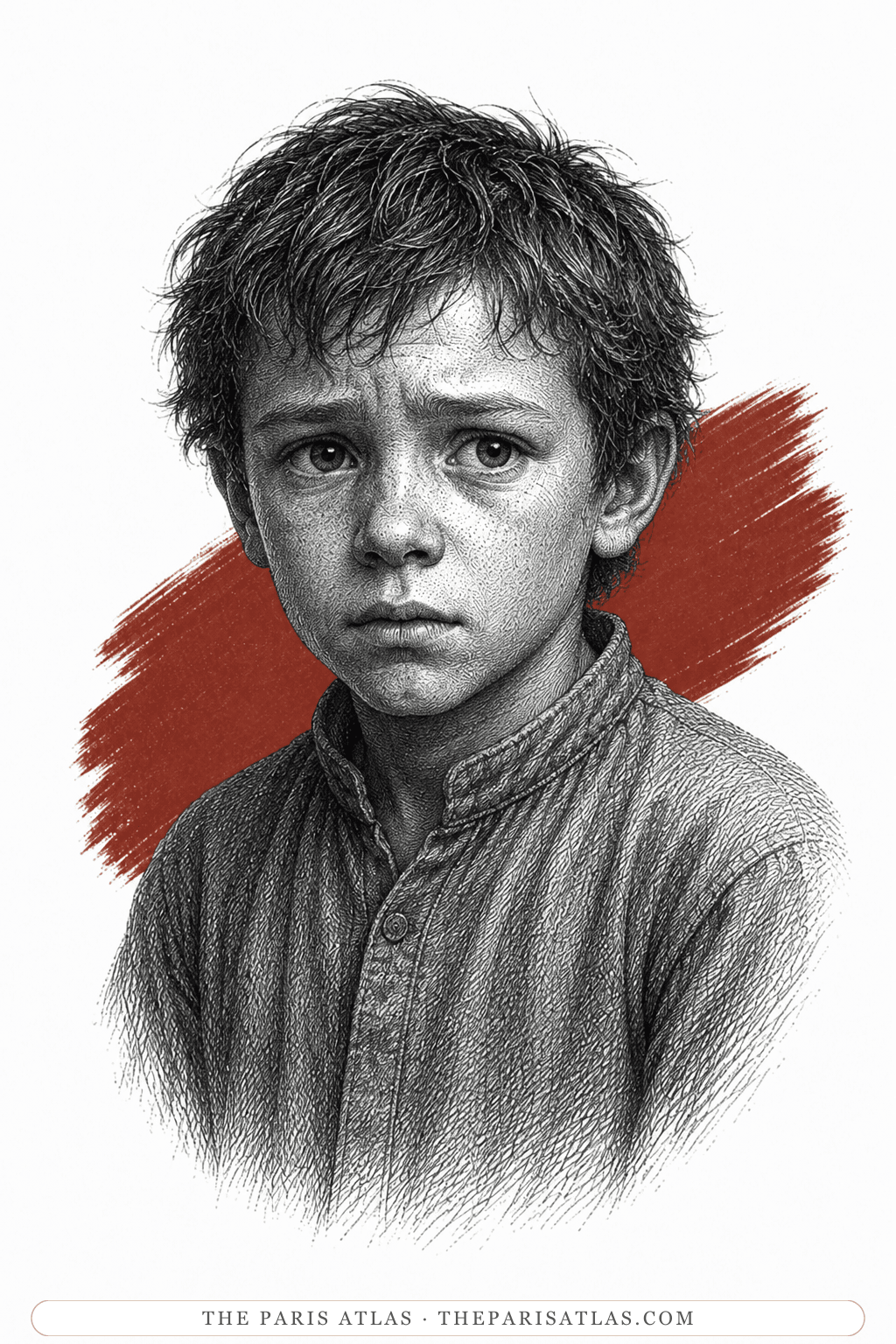
Kadagv is one of Shevek’s childhood companions and the victim of the boys’ prison experiment.
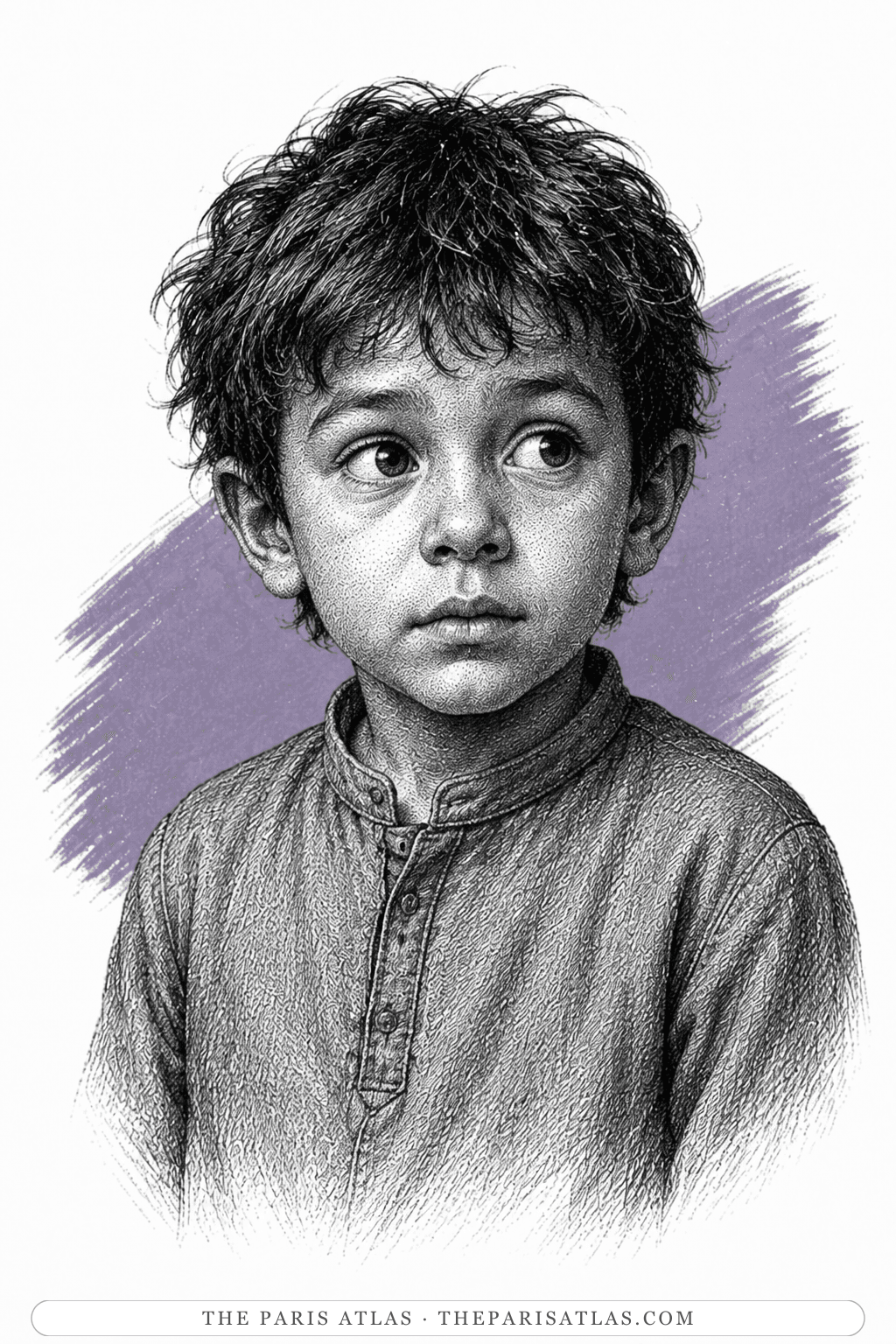
Gibesh is the youngest member of Shevek’s childhood group and takes part in the prison game.
1974
Harper & Row publishes the novel in the United States as The Dispossessed: An Ambiguous Utopia.
1974
The novel wins the Nebula Award for Best Novel.
1975
It wins the Hugo Award, Locus Award, and Jupiter Award for Best Novel.
1975
Robert Laffont publishes Henry-Luc Planchat’s French translation, Les Dépossédés.
1987
CBC Radio’s Vanishing Point broadcasts a six-part dramatization adapted by David Lewis Stein.
2017
Library of America includes the novel in The Hainish Novels & Stories.
2019
The Folio Society issues an illustrated edition with art by David Lupton and an introduction by Brian Attebery.
2021
1212 Entertainment and Anonymous Content announce development of a limited television series.
2024
Harper publishes a fiftieth-anniversary edition with a new foreword by Karen Joy Fowler.
Both ask how a revolution can betray itself. Orwell compresses the process into a fable about rulers taking power; Le Guin examines how hierarchy can return even without a formal ruling class.
Read our take
Huxley’s citizens are controlled through engineered pleasure and consumption; Le Guin contrasts scarcity-based mutual aid with wealthy consumer hierarchy.
Read our take
Orwell shows power reaching its most total form. Le Guin asks the harder constructive question of how a freer society might work and what could still go wrong.
Read our take
Both use imagined societies to test individuality, collective order, sexuality, and the political meaning of walls.
Read our take
Both combine political argument with speculative fiction, though London imagines oligarchic repression while Le Guin spends more time on the daily structures of a possible alternative.
Read our takeIt is deliberately both less simple and more hopeful than either label. Anarres has eliminated private wealth, legal hierarchy, and many forms of domination, but it has developed conformity and informal authority. Urras offers abundance and intellectual resources while depending on class inequality, patriarchy, and state violence. The subtitle An Ambiguous Utopia tells readers to examine achievements and failures together.
No. The book shares a broad imagined history with works such as The Left Hand of Darkness, but Shevek’s story is complete on its own. Le Guin herself rejected the idea that the Ekumen books form a cycle that must be read in order.
The Urras chapters show what happens after Shevek leaves Anarres, while the alternating chapters show the life that made him leave. The two strands meet near the end. This structure mirrors his physics: sequence matters, but moments also gain meaning from their relationship to a larger whole.
He is developing a General Temporal Theory that reconciles sequential time with simultaneity. In the novel’s larger universe, this work makes instantaneous communication across interstellar distance possible and leads to the ansible.
Yes, in the sense that it has no government, private property, money, police, or permanent ruling class. Work and administration operate through syndicates and shared systems. The novel’s criticism is that people can still create power through reputation, custom, access, and social punishment even when formal offices disappear.
He needs intellectual contact and wants to end the isolation between the two worlds. Sabul and other Anarresti institutions have blocked his communication. He also believes knowledge should belong to everyone, not remain trapped by either Anarresti fear or Urrasti state ownership.
During a party, Shevek becomes very drunk and makes an unwanted sexual advance. He continues after Vea’s resistance becomes clear, although the assault stops before intercourse. The scene exposes his entitlement and prevents readers from treating him as morally flawless. Vea’s experience should not be reduced to a plot device for his growth.
It is the group Shevek, Bedap, Takver, and others create to establish direct communication with Urras. Because Anarres has no legal prohibition against forming a syndicate, their opponents rely on social pressure and accusations of egoism rather than formal censorship. Its existence proves that new institutions can reopen political possibilities.
He completes the theory that makes the ansible possible. The novel does not end with him physically constructing the device. Later works in Le Guin’s shared universe use the ansible as an established means of instantaneous communication.
The ship reaches Anarres, but the novel ends before he and Ketho disembark. Shevek does not know how the people at the spaceport will respond. The open ending keeps return from becoming an easy victory.
Explore authors with a similar voice, perspective, and influence.
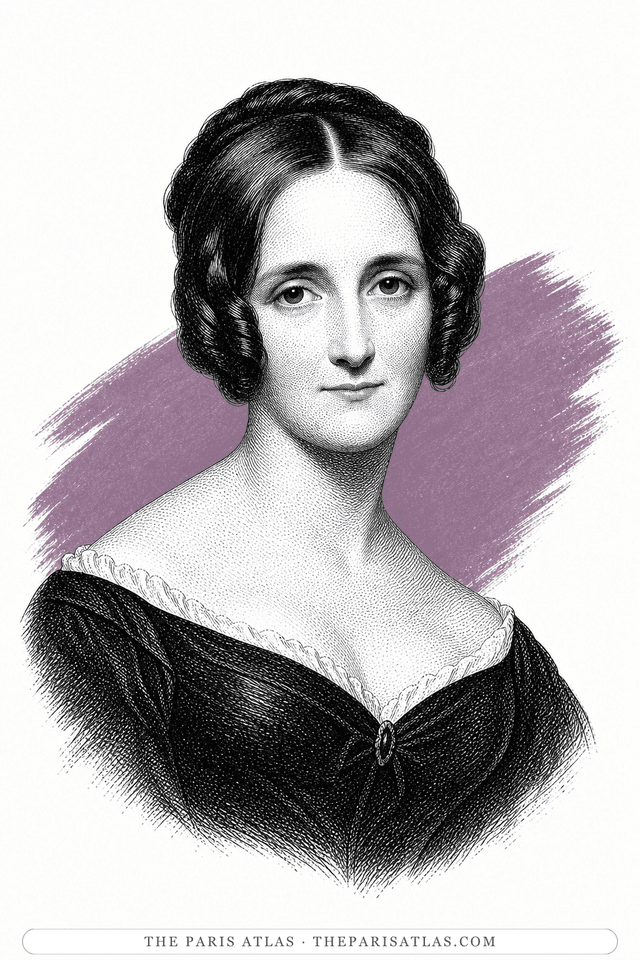
The author of Frankenstein, who first saw Paris at sixteen as a runaway. In the summer of 1814 she crossed from England to Calais with the poet Percy Bysshe Shelley and her stepsister Claire Clairmont, spent a week trapped in an expensive Paris hotel with no money, then bought a donkey and walked south-east across a France still wrecked by the Napoleonic wars. That journey became her first published book. Two years later, on a lake in Switzerland, she began her second.
View author
Canadian novelist and poet whose fiction examines power, gender, language, memory, and environmental collapse.
View author
Hungarian-British novelist and essayist whose fiction examined revolution, ideology, imprisonment, and political disillusionment.
View authorThe sources below include the primary text, editions, scholarship, archival materials, and other records that informed this page. They document The Dispossessed, its publication, and its place in literary history.


Open Library ISBN catalogue used to verify the title, ISBN, and publication metadata.
Google Books catalogue record used to cross-check the title and edition metadata.
Internet Archive ISBN catalogue used to cross-check the edition and its availability in library holdings.
Library of Congress books catalogue used to cross-check the bibliographic record by ISBN.

Official Ursula K. Le Guin site; verifies the premise, 1974 Harper & Row publication, original subtitle, major awards, Library of America edition, Folio Society edition, and 2024 anniversary edition.
Official bibliography; verifies the novel’s place among Le Guin’s works and the lack of a required Hainish reading order.
Science Fiction and Fantasy Writers Association archive; verifies the 1974 Nebula Award for Best Novel.
Official Hugo Awards archive; verifies the 1975 Best Novel win.
Publisher page; verifies the fiftieth-anniversary edition and Karen Joy Fowler foreword.
Bibliothèque nationale de France catalogue; verifies Henry-Luc Planchat’s 1975 French translation Les Dépossédés from Robert Laffont.
Radio-history record with episode links; verifies CBC’s six-part 1987 dramatization, dates, adapter, and cast.
Trade announcement; verifies the 2021 limited-series development by 1212 Entertainment and Anonymous Content.
Contemporary report; verifies Theo Downes-Le Guin’s involvement and that no network or creative team was named at announcement.
Secondary plot cross-check; verifies the alternating chronology and major event sequence.
Secondary character cross-check; verifies character roles and minor-character identities.
Bibliographic and adaptation index; useful for cross-checking chapter order and translation history against official and library sources.
The primary text is the baseline reference for every book page. Additional references document publication history, interpretation, and historical context where that evidence is available.
 Explore more resources