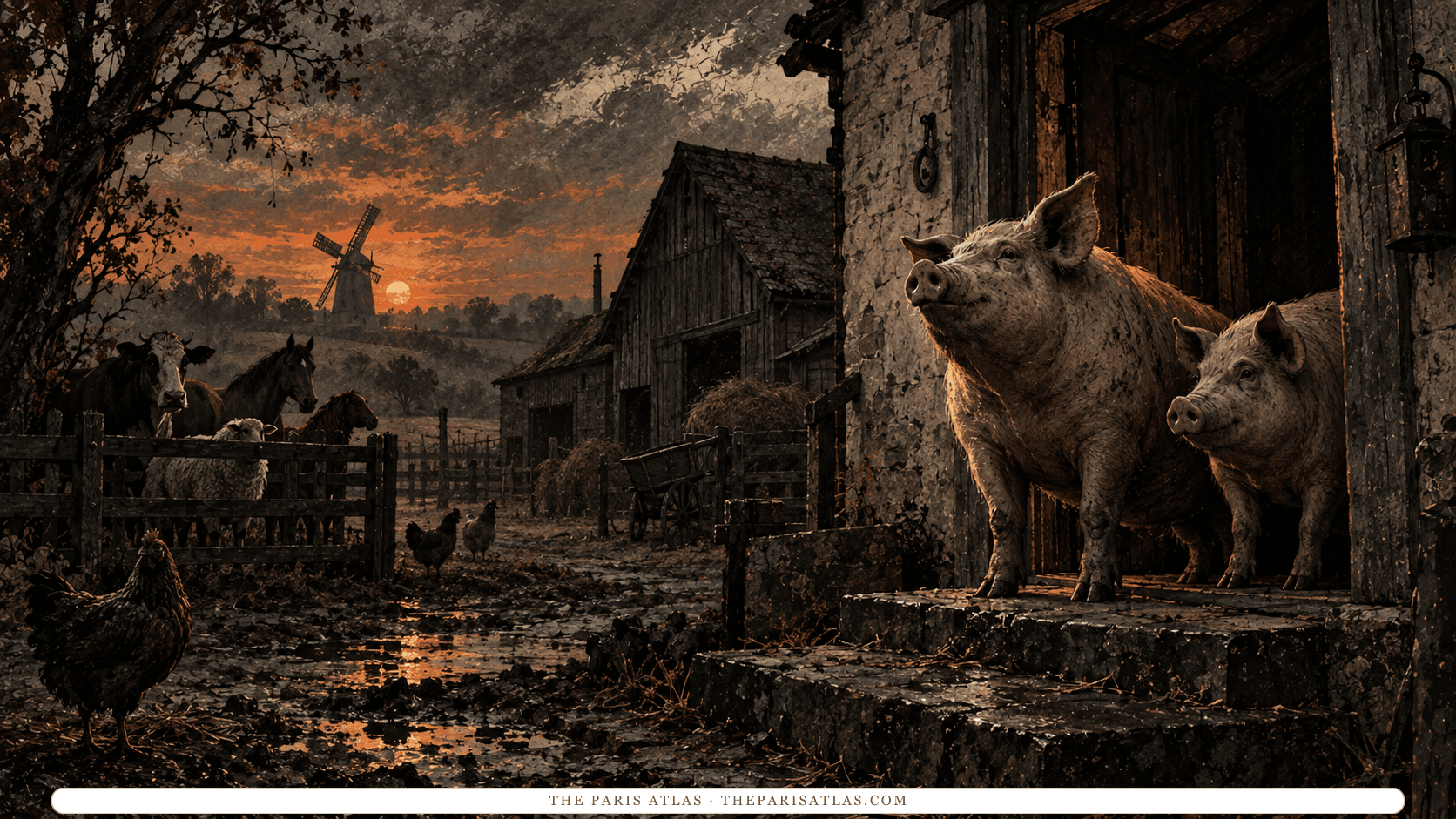

Books like Animal Farm
Animal Farm begins with a revolution that sounds almost impossible to argue with: the animals will throw out their human owner and build a fairer society for themselves. Then the pigs discover how useful power can be. Orwell turns propaganda, political betrayal, fear, and the rewriting of history into a story so simple that you can understand exactly what is happening even before the animals do. If you want more books about revolutions going wrong, authoritarian power, manipulated truth, and ordinary people discovering that equality can disappear one small compromise at a time, start here.
What readers love about Animal Farm
- A simple story that carries a much bigger political meaning
- Watching a revolution slowly become another form of oppression
- Propaganda, slogans, and language being used to change what people believe
- Leaders quietly rewriting the rules once they have enough power
- Dark political ideas explained with wit rather than lectures

If Animal Farm shows how a dictatorship can be built, 1984 shows what life looks like once it has completely won. The government controls language, history, information, relationships, and eventually even the idea that objective truth exists. It is much darker and more frightening than Animal Farm, but the obsession is the same: how people in power teach everyone else to accept things they once would have recognized as lies.
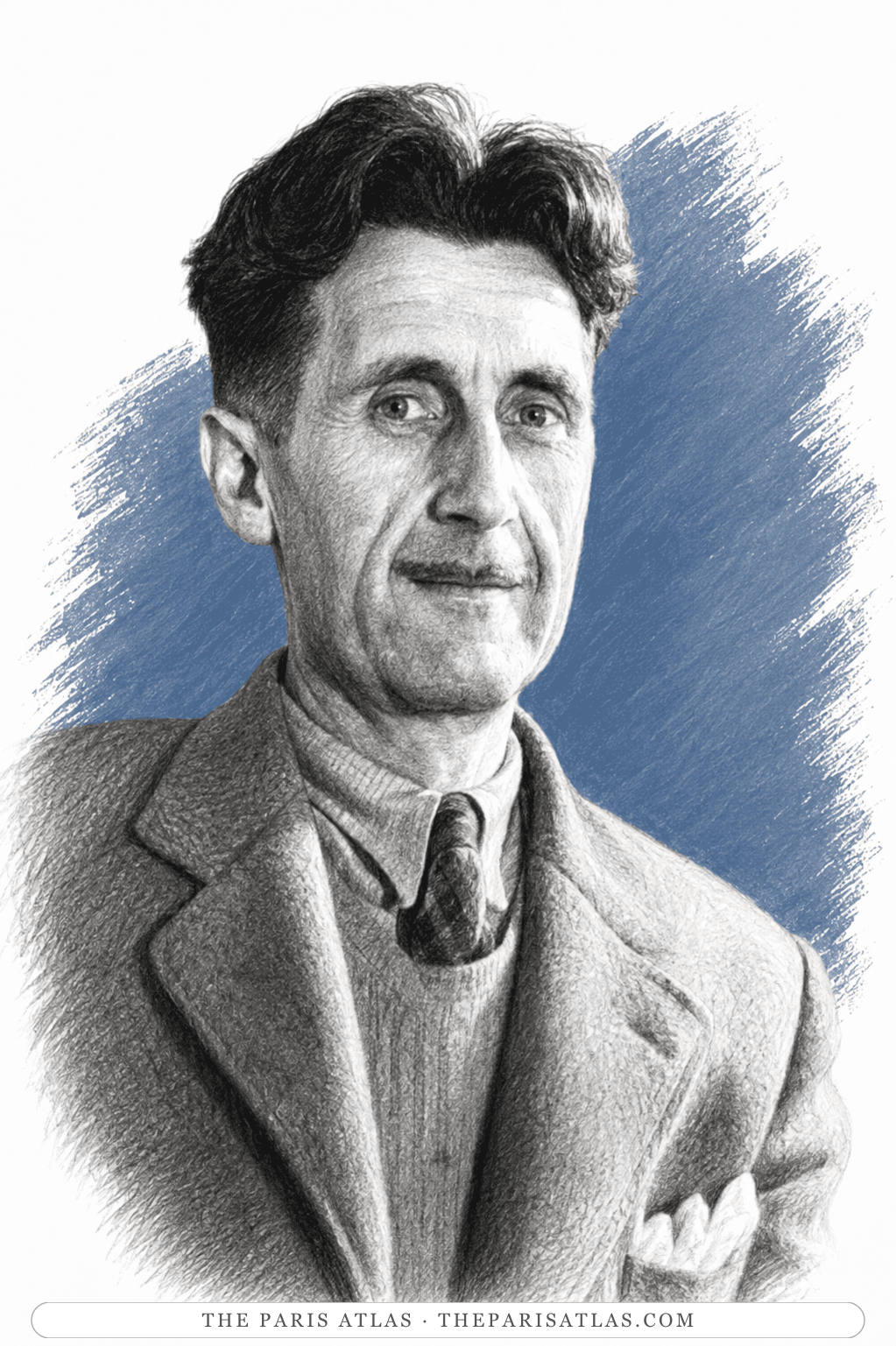
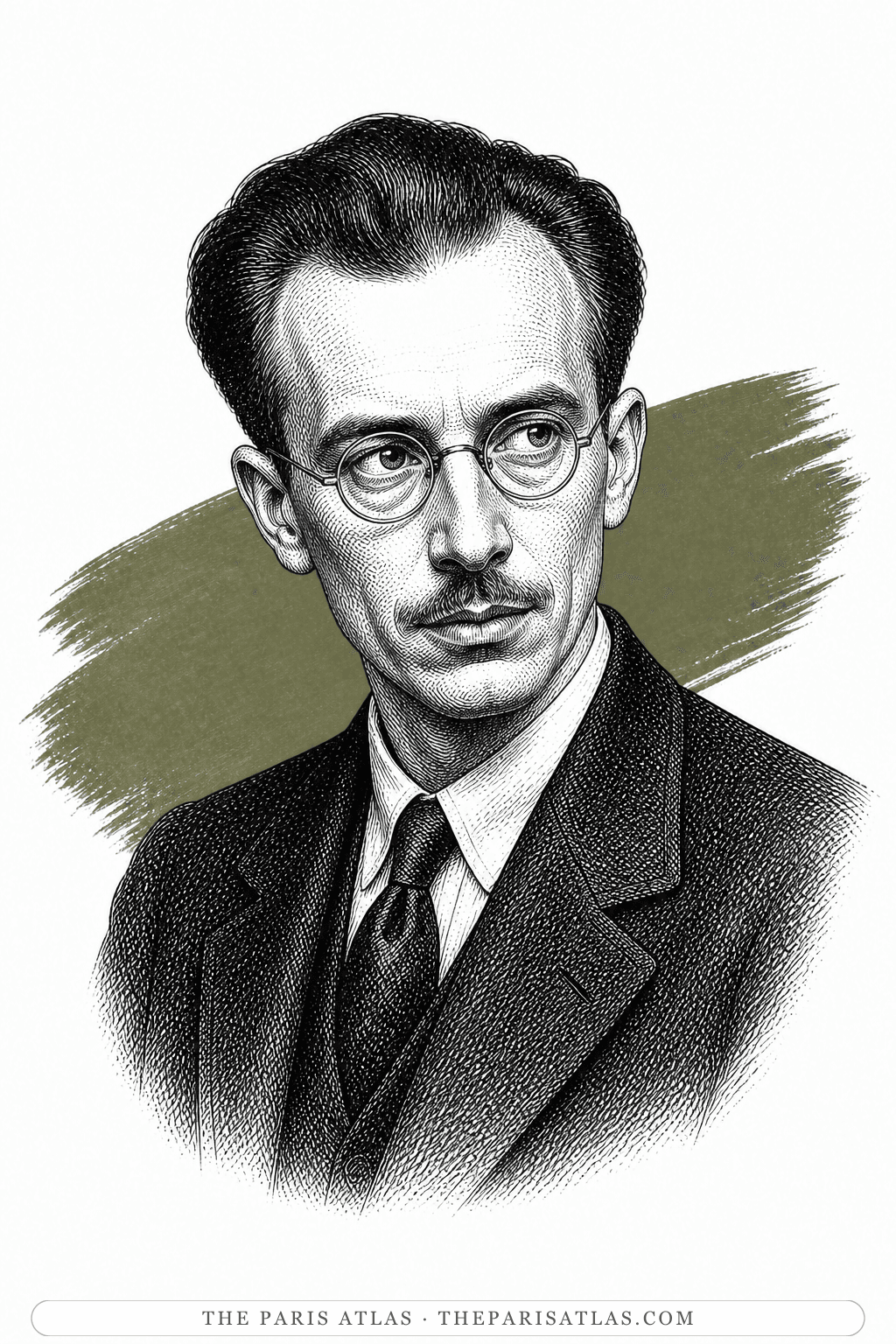
About the author
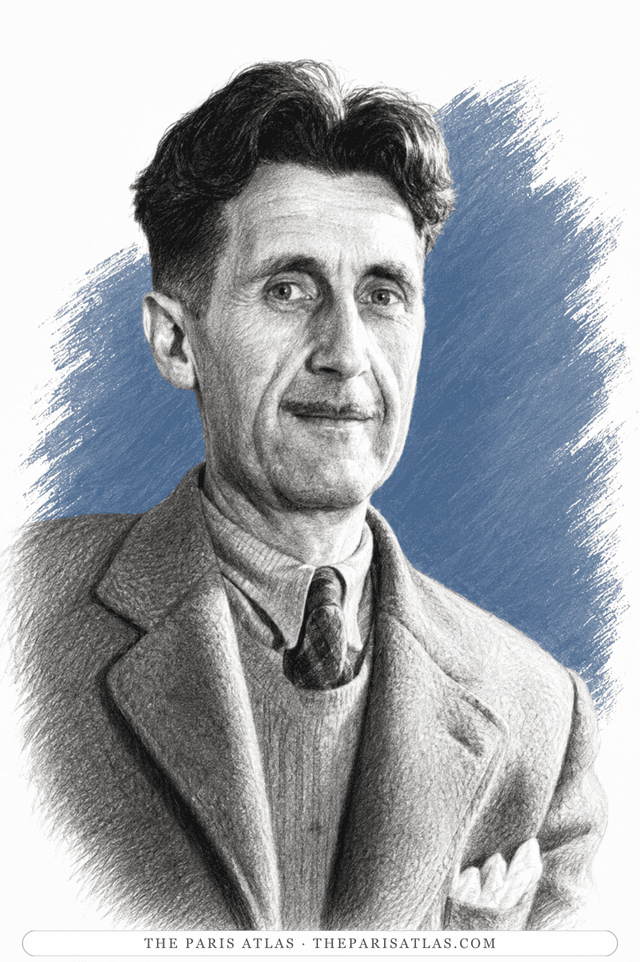
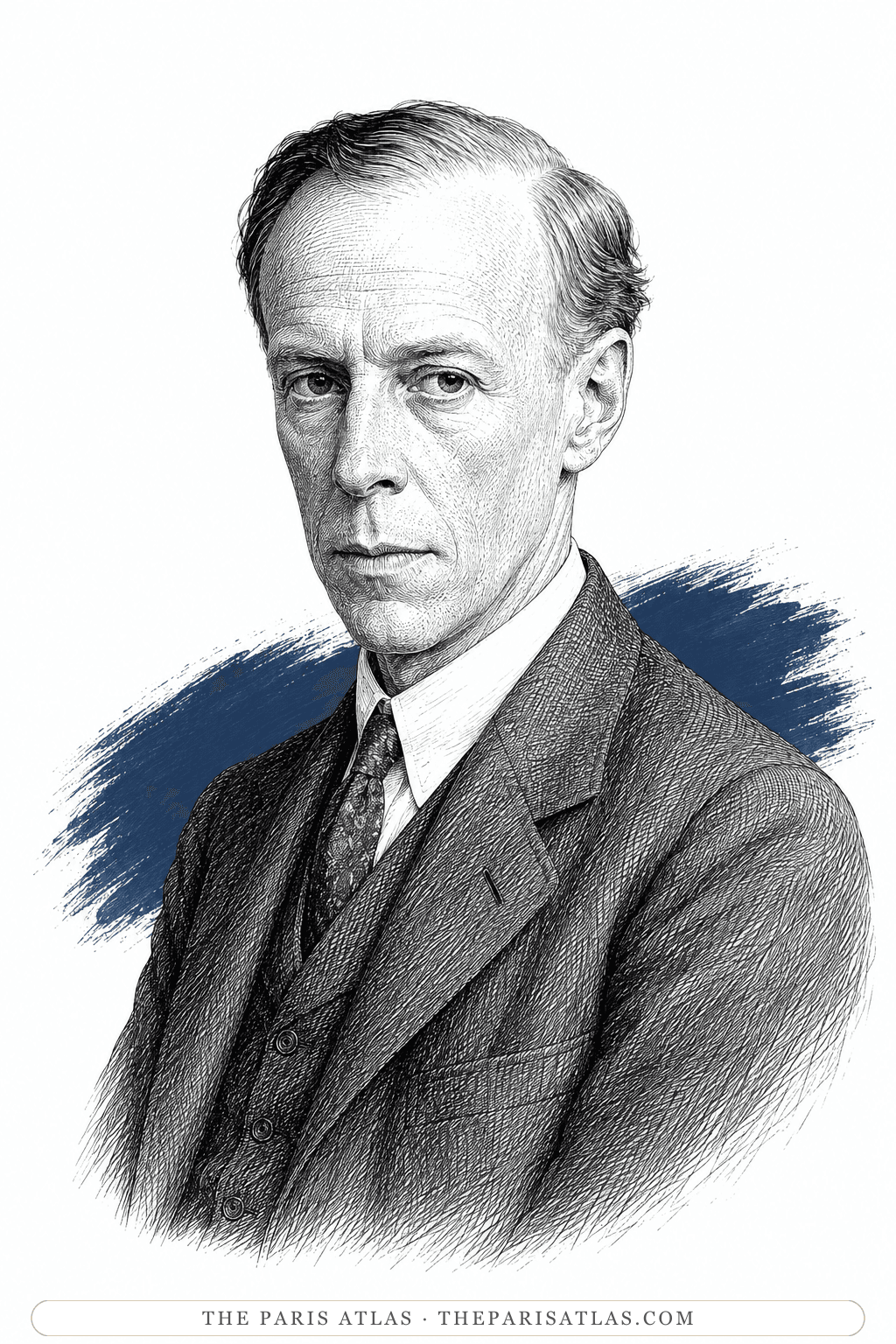
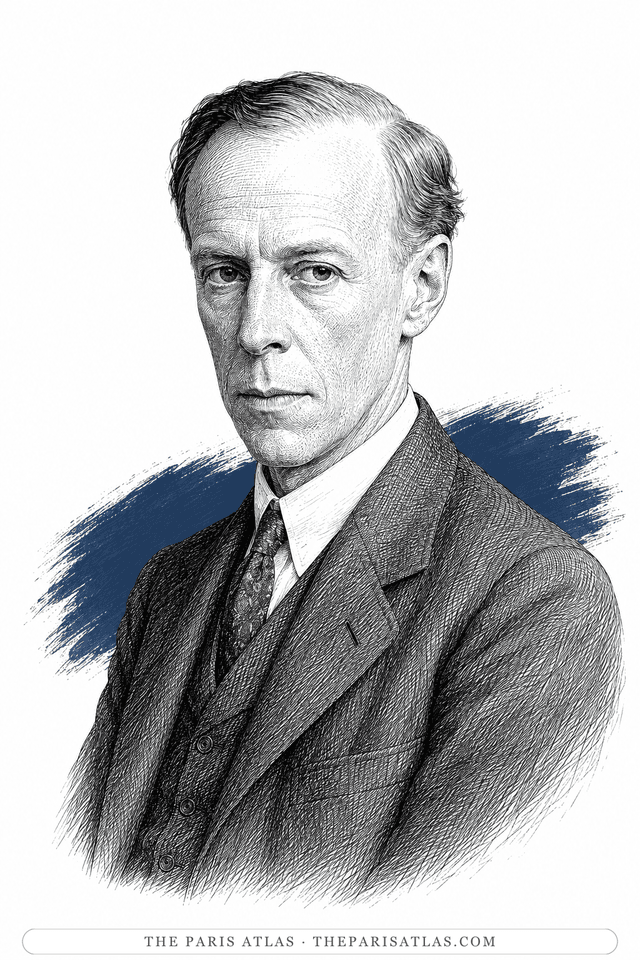
English novelist, essayist and journalist, born Eric Arthur Blair, who wrote Animal Farm and Nineteen Eighty-Four. He was an imperial policeman in Burma, a plongeur in Paris kitchens off the rue Mouffetard, and a militiaman shot through the neck in Spain before any of it.
Read about Orwell
Rubashov helped build the revolutionary state that eventually arrests him, interrogates him, and demands that he confess to crimes he did not commit. Where Orwell uses animals and satire, Koestler puts you inside the mind of someone who spent his life defending a political system and must finally confront what it has become. If Boxer’s loyalty to the revolution was one of the saddest parts of Animal Farm, this is an especially strong next read.
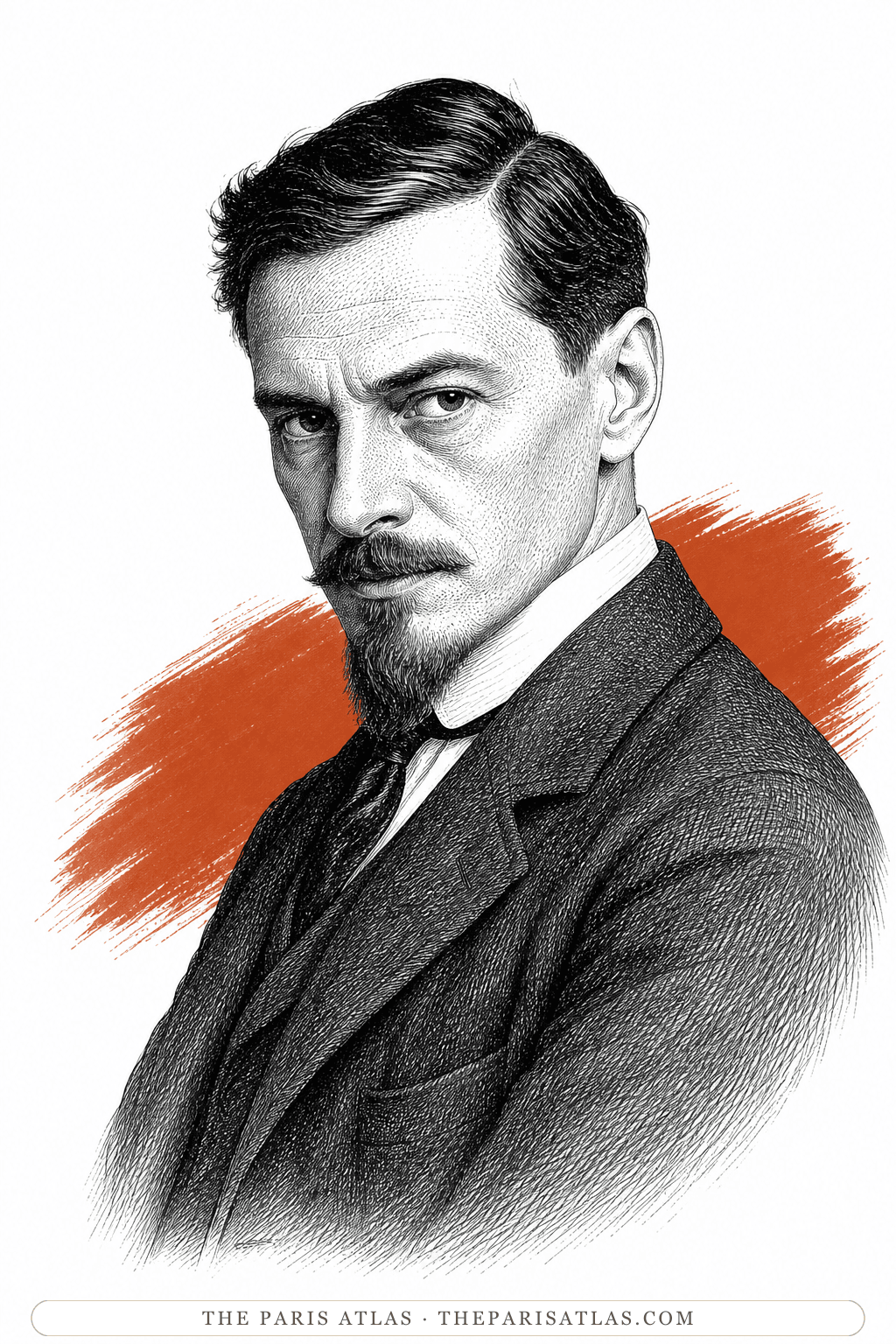
About the author
Hungarian-British novelist and essayist whose fiction examined revolution, ideology, imprisonment, and political disillusionment.
Read about Koestler
Huxley imagines a society that does not need constant terror because its citizens are kept comfortable, distracted, entertained, and chemically happy. That makes it a fascinating companion to Animal Farm: Orwell shows power maintained through fear, propaganda, and force, while Huxley asks what happens when people surrender freedom because the alternative feels less pleasant. Both books are remarkably easy to read considering how much they are trying to say.
About the author
English novelist of Brave New World, which he wrote not in Paris but on the Mediterranean coast at Sanary-sur-Mer. His French years ran from a rented house at Suresnes on the western edge of Paris, where he pushed the dying D. H. Lawrence towards the city's presses, to seven years on the Riviera; he then left for California, wrote the best-known modern account of taking mescaline, the hallucinogenic drug made from the peyote cactus, and died on the day President Kennedy was shot.
Read about Huxley
In Zamyatin’s future society, people have numbers instead of names, live according to rigid schedules, and inhabit glass buildings where privacy has nearly disappeared. The government treats individuality as a kind of illness. We is stranger and more experimental than Animal Farm, but it shares Orwell’s suspicion of political systems that promise perfect order by removing the freedom to disagree.
About the author
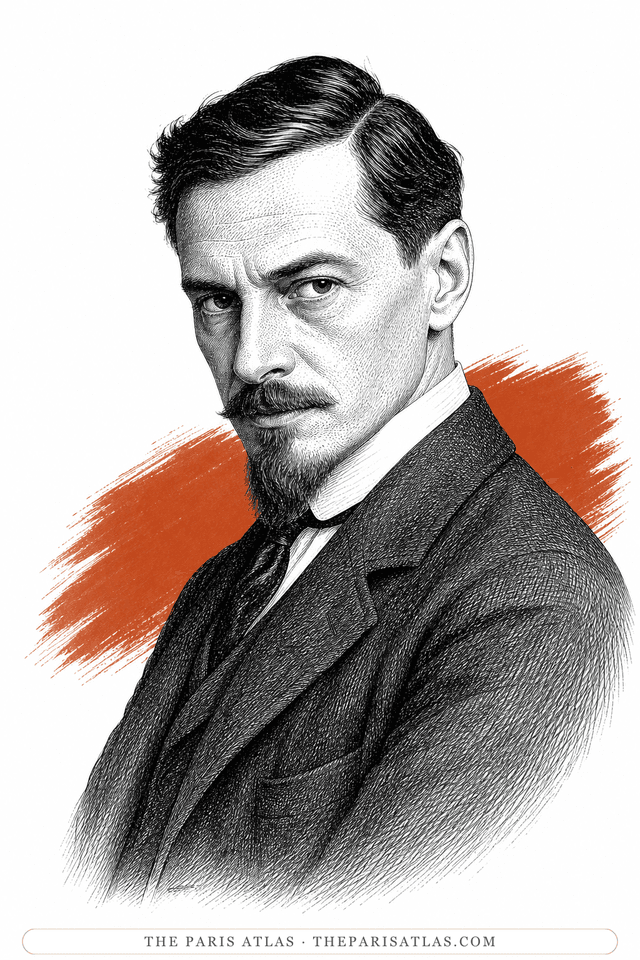 Yevgeny Zamyatin
Russian novelist and satirist whose We helped establish the modern totalitarian dystopia.

Bradbury’s world burns books, but censorship is only part of the problem. People have also become addicted to speed, entertainment, noise, and easy answers, which makes serious thought feel almost antisocial. Like Animal Farm, it is short, accessible, and built around a frighteningly simple idea: controlling what people know becomes much easier once they stop wanting to know very much in the first place.
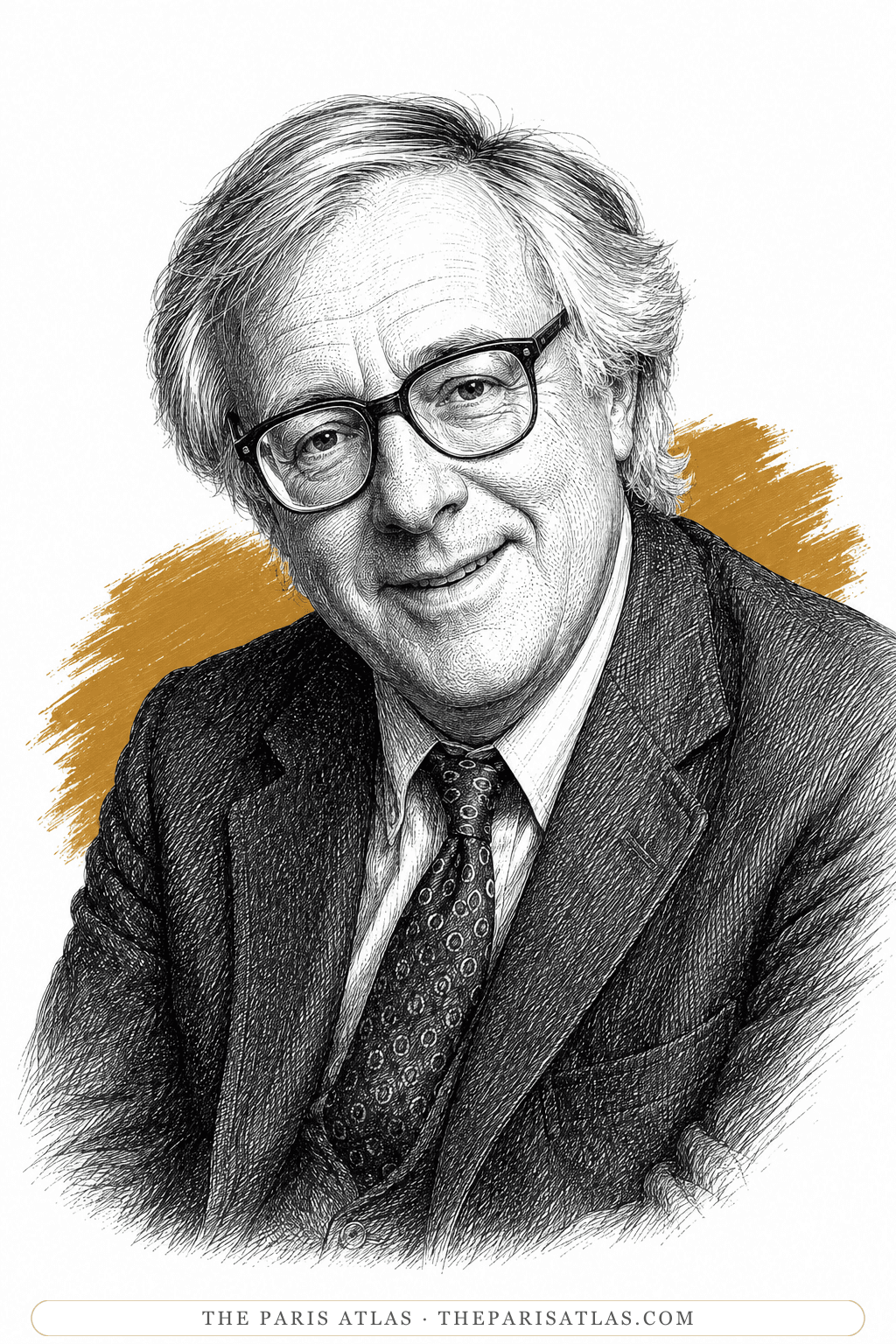
About the author
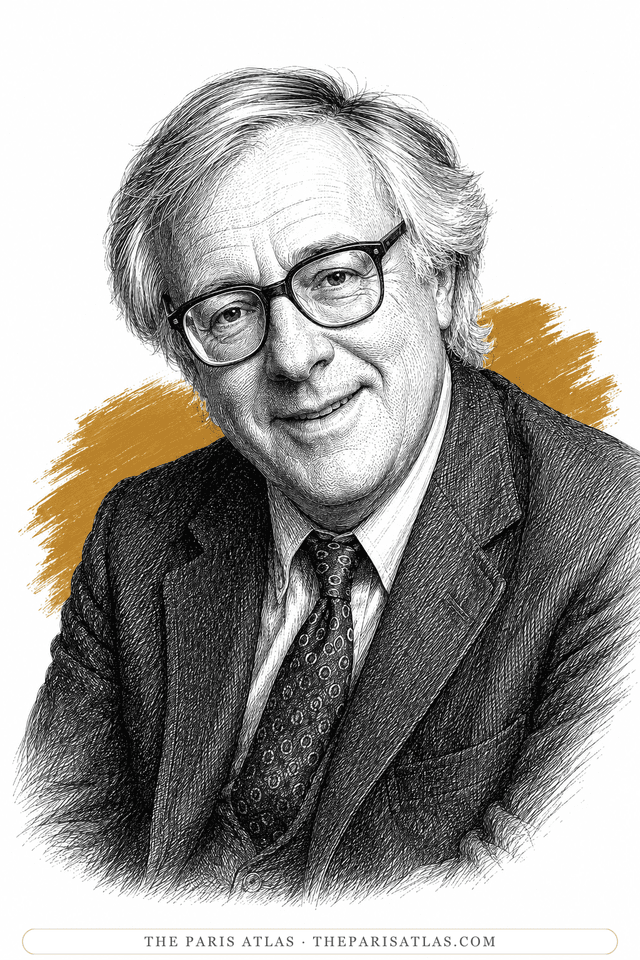
American writer of fantasy, science fiction and horror, and the author of Fahrenheit 451, The Martian Chronicles and Dandelion Wine.
Read about Bradbury
Offred remembers a time before the authoritarian Republic of Gilead, which makes the gradual loss of freedom especially disturbing. Rights disappear, language changes, religious slogans justify power, and practices that once would have seemed unthinkable become ordinary through repetition and fear. If Animal Farm fascinated you because each new abuse arrives just gradually enough for everyone to accept it, Atwood builds an entire novel around that process.
About the author
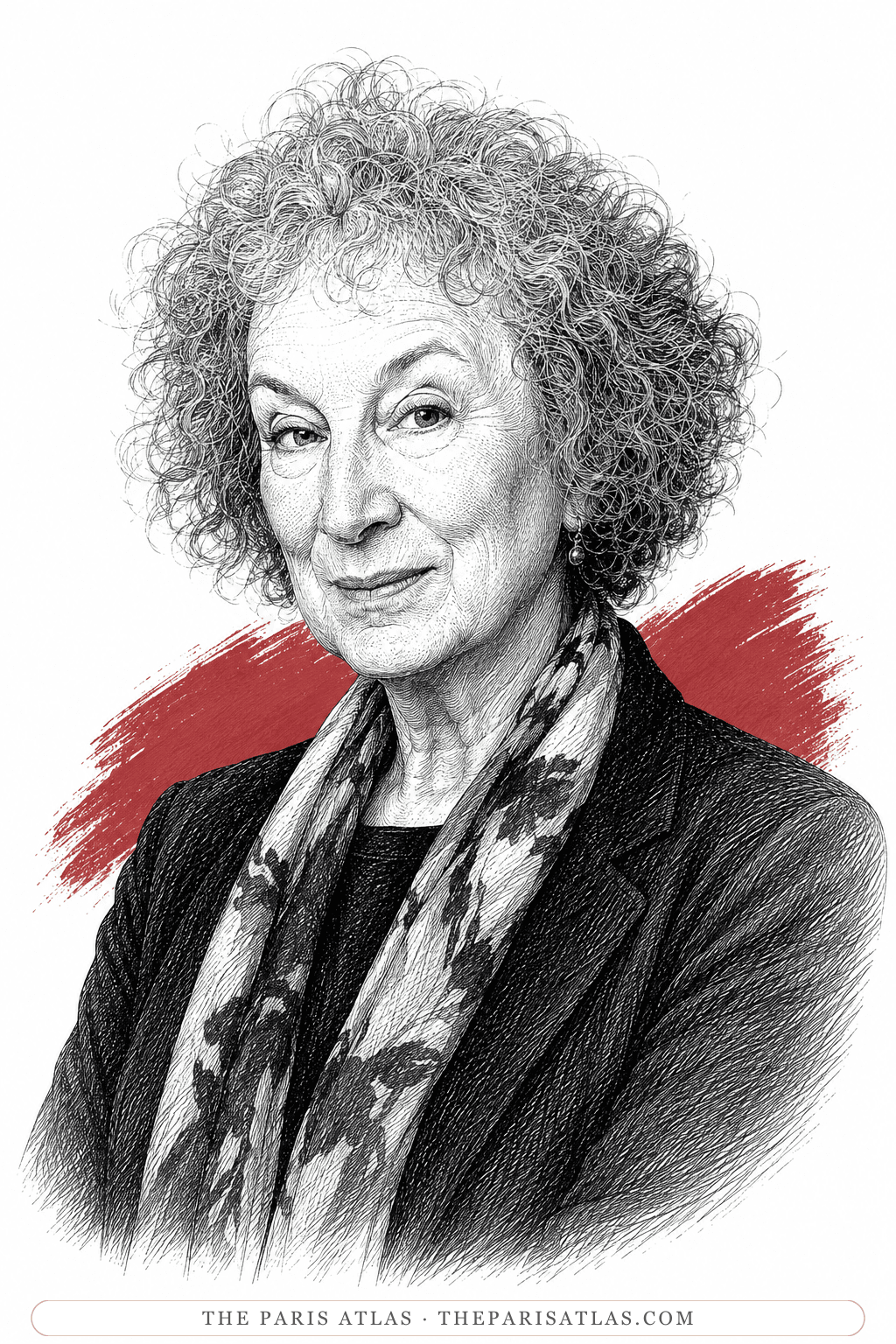
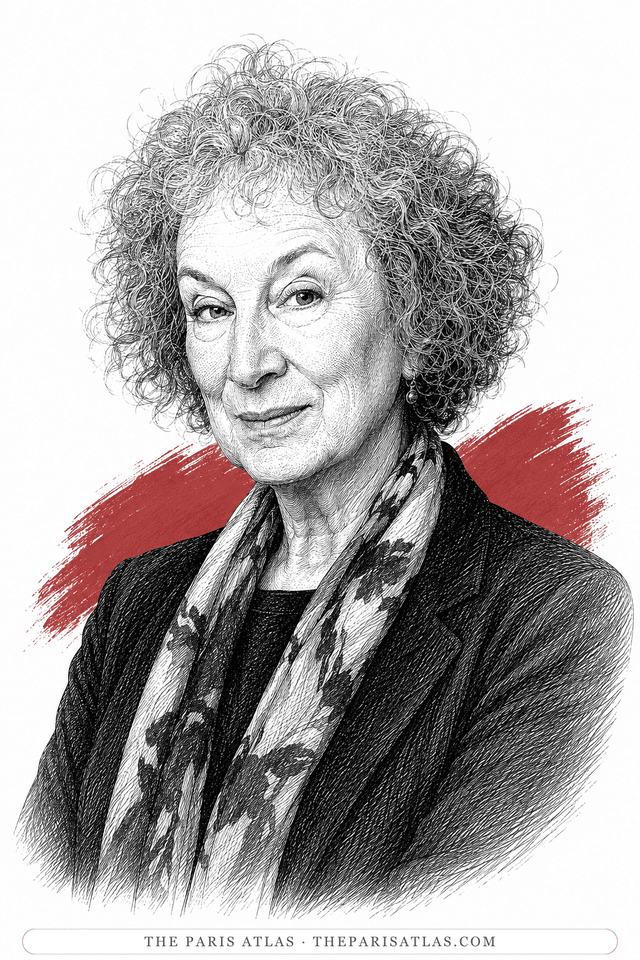
Canadian novelist and poet whose fiction examines power, gender, language, memory, and environmental collapse.
Read about Atwood
A group of schoolboys stranded without adults try to create rules, choose leaders, divide responsibilities, and keep order. It does not last. Lord of the Flies is less about ideology than Animal Farm, but both books take a small isolated community and use it to ask a much bigger question: when people get the chance to build society from scratch, what keeps power from becoming violence?
About the author
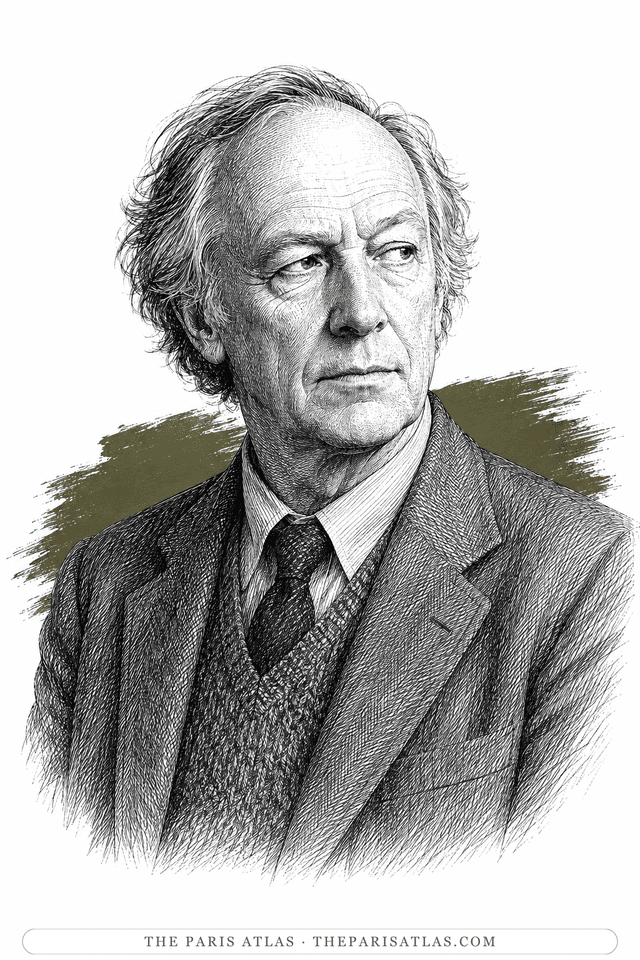 William Golding
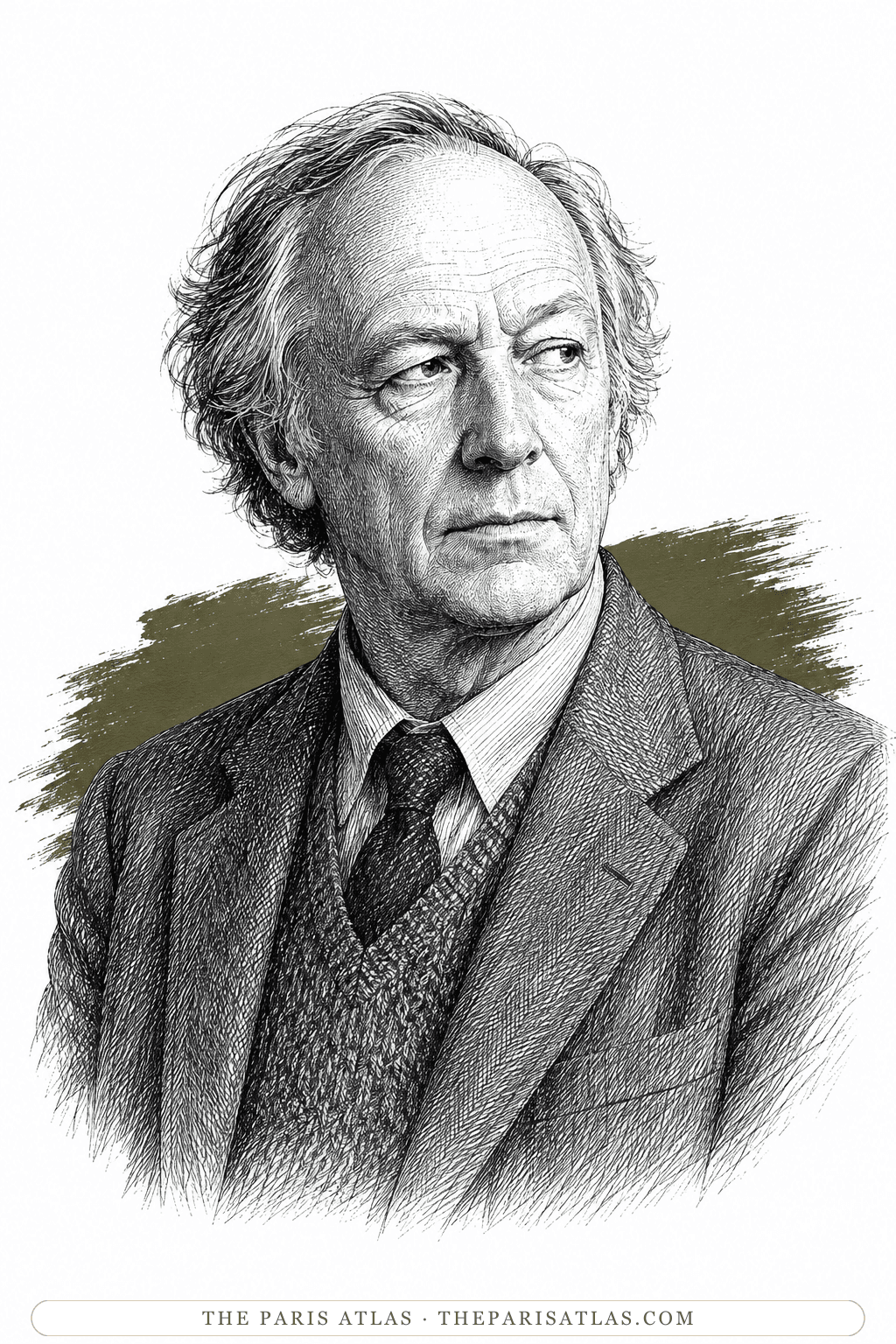
British novelist whose fiction tests civilization, violence, moral responsibility, and the stories societies tell about themselves.

Lewis imagines an American politician winning power through populist promises, resentment, patriotic rhetoric, and the assurance that only he can fix the country. The dictatorship does not arrive looking like a dictatorship; it becomes one after people have already accepted its leader. If Animal Farm interested you because the pigs never announce that they are becoming tyrants, this explores the same danger on the scale of an entire nation.
About the author
American novelist who satirised small-town conformity in Main Street and Babbitt, refused the Pulitzer Prize in 1926, and in 1930 became the first American to win the Nobel Prize in Literature.
Read about Lewis
London imagines wealthy industrial interests consolidating power into an oligarchy and crushing the movements trying to oppose them. It is more openly ideological and much less subtle than Orwell, but it shares Animal Farm’s interest in class, revolution, propaganda, violence, and the enormous distance between what political movements promise and what power eventually produces.
About the author
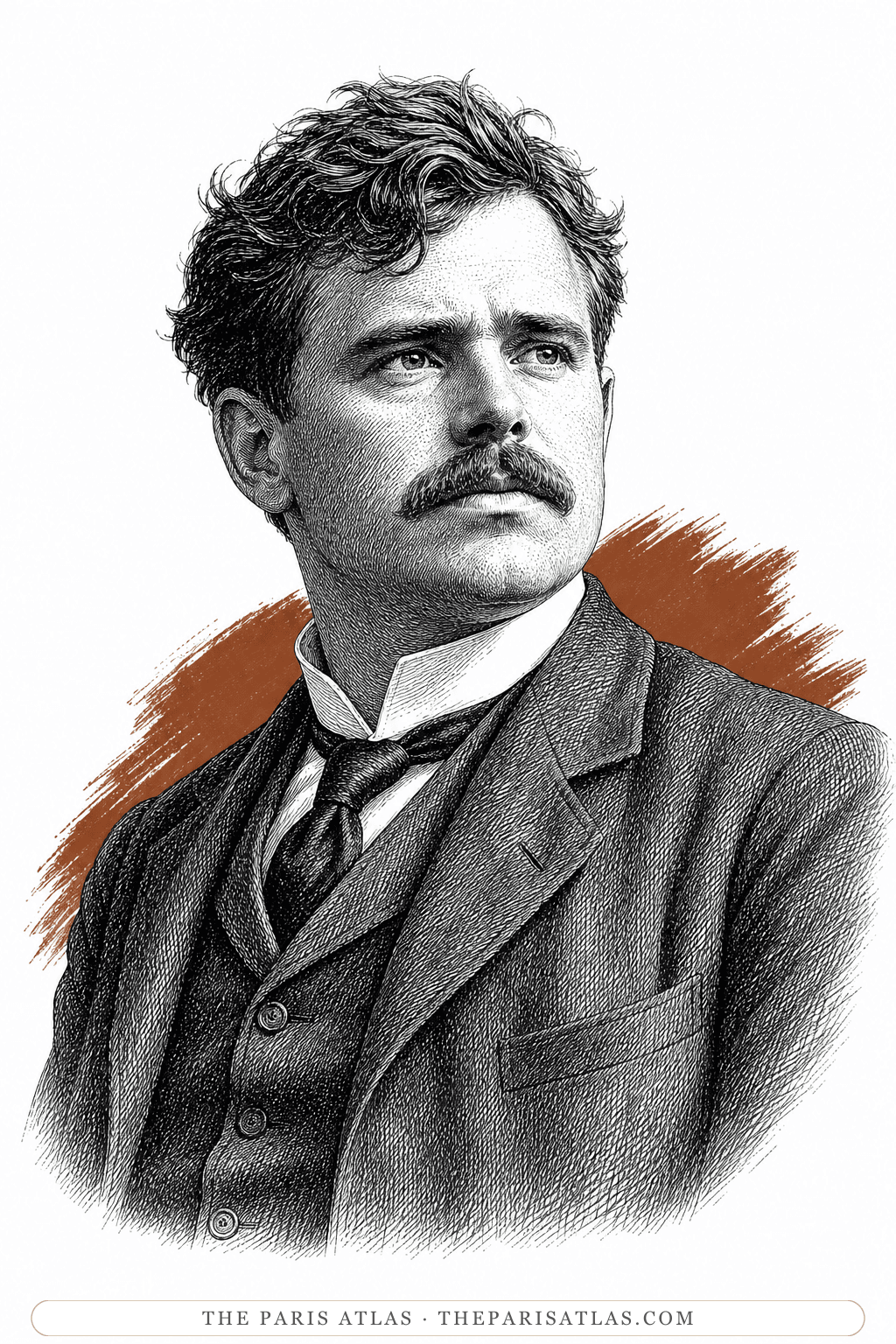
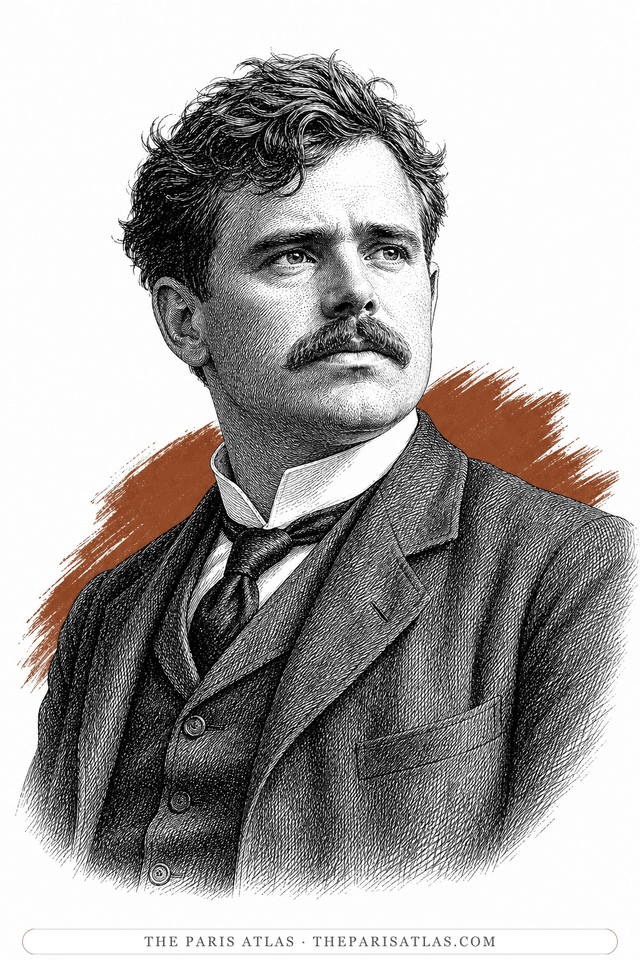 Jack London
American novelist and journalist whose work joined adventure, labor, class conflict, and political speculation.

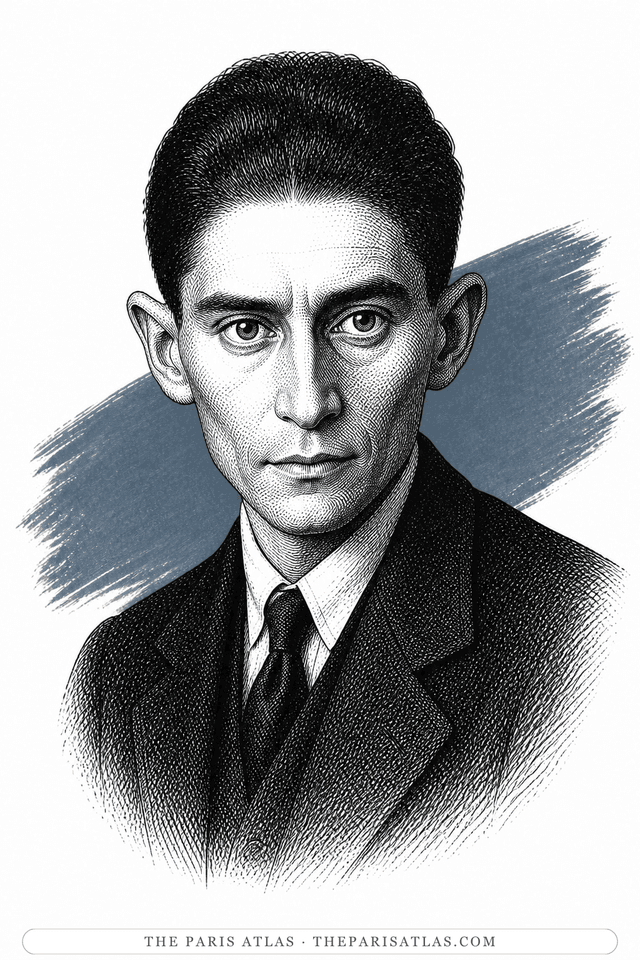
Josef K. is arrested without being told what crime he has committed and becomes trapped inside a legal system whose rules remain just out of reach. There is no revolution and no political manifesto, but the feeling will be familiar: authority controls the language, defines what is true, and forces the powerless person to operate inside rules he did not create. Read it if the changing commandments in Animal Farm were the part that made you feel slightly insane.
About the author
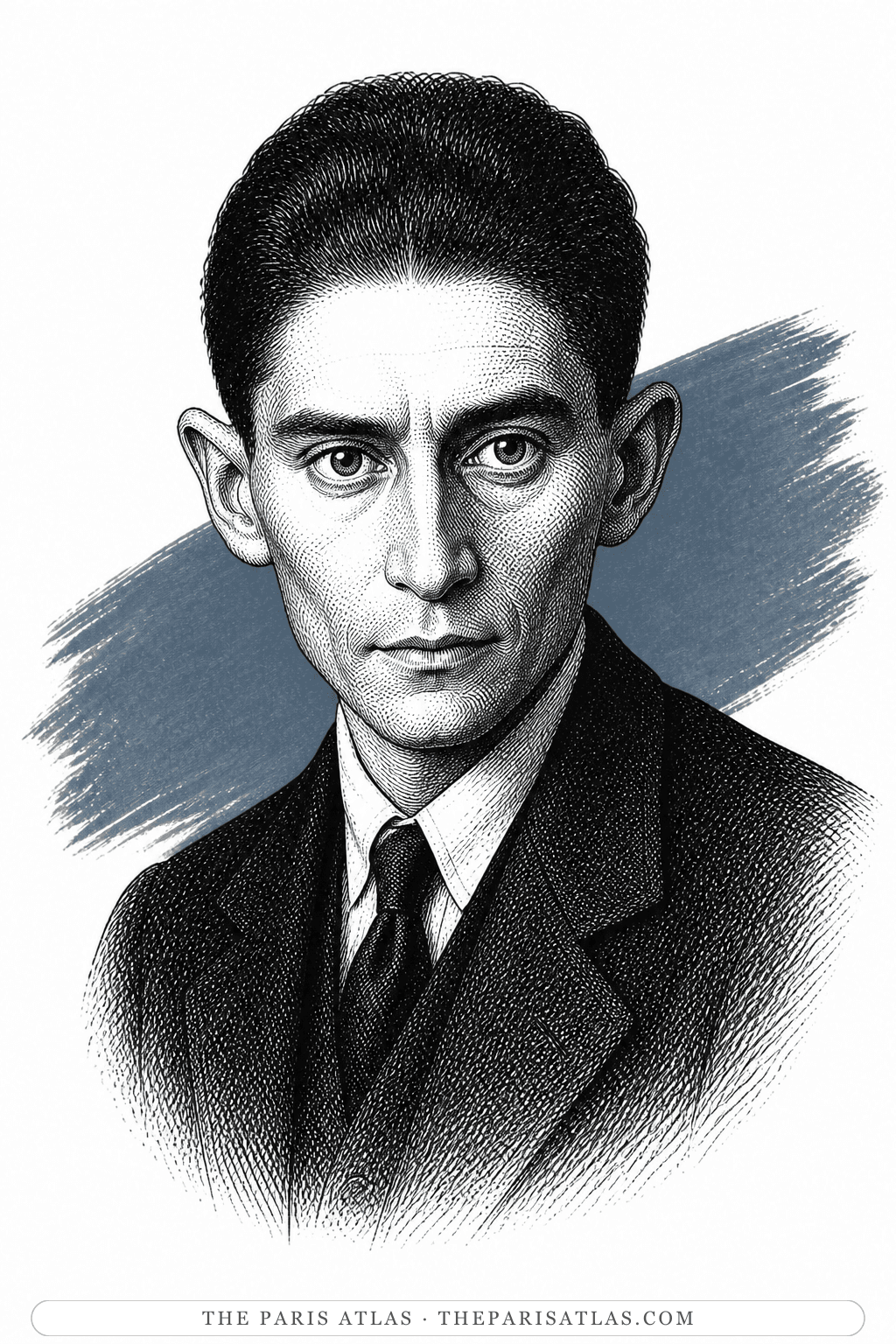
Prague novelist who worked fourteen years as an accident-insurance official, left three novels unfinished, told his friend Max Brod to burn everything, and was disobeyed. His Paris is a holiday, not an exile: he came twice as a tourist with Brod between 1909 and 1912, and never lived there.
Read about Kafka
A teacher creates a classroom experiment meant to show his students how fascism could have taken hold, introducing discipline, slogans, symbols, and a sense of belonging. The students embrace it much faster than anyone expects. Like Animal Farm, the frightening part is not that everyone suddenly becomes evil; it is watching ordinary people give up judgment little by little because joining the group feels easier than resisting it.
About the author
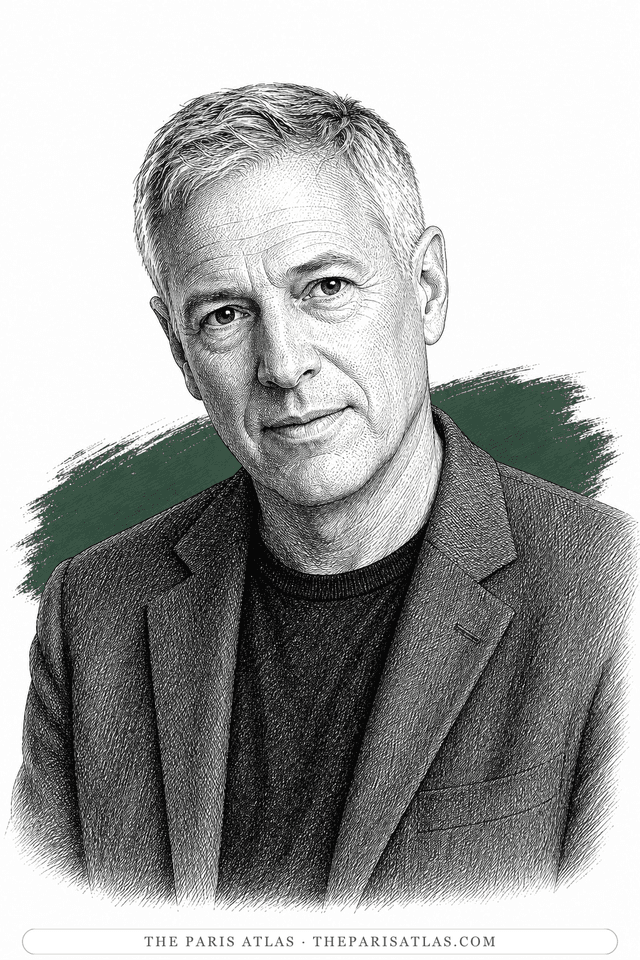 Todd Strasser
American author whose fiction for young readers examines conformity, authority, bullying, and social pressure.

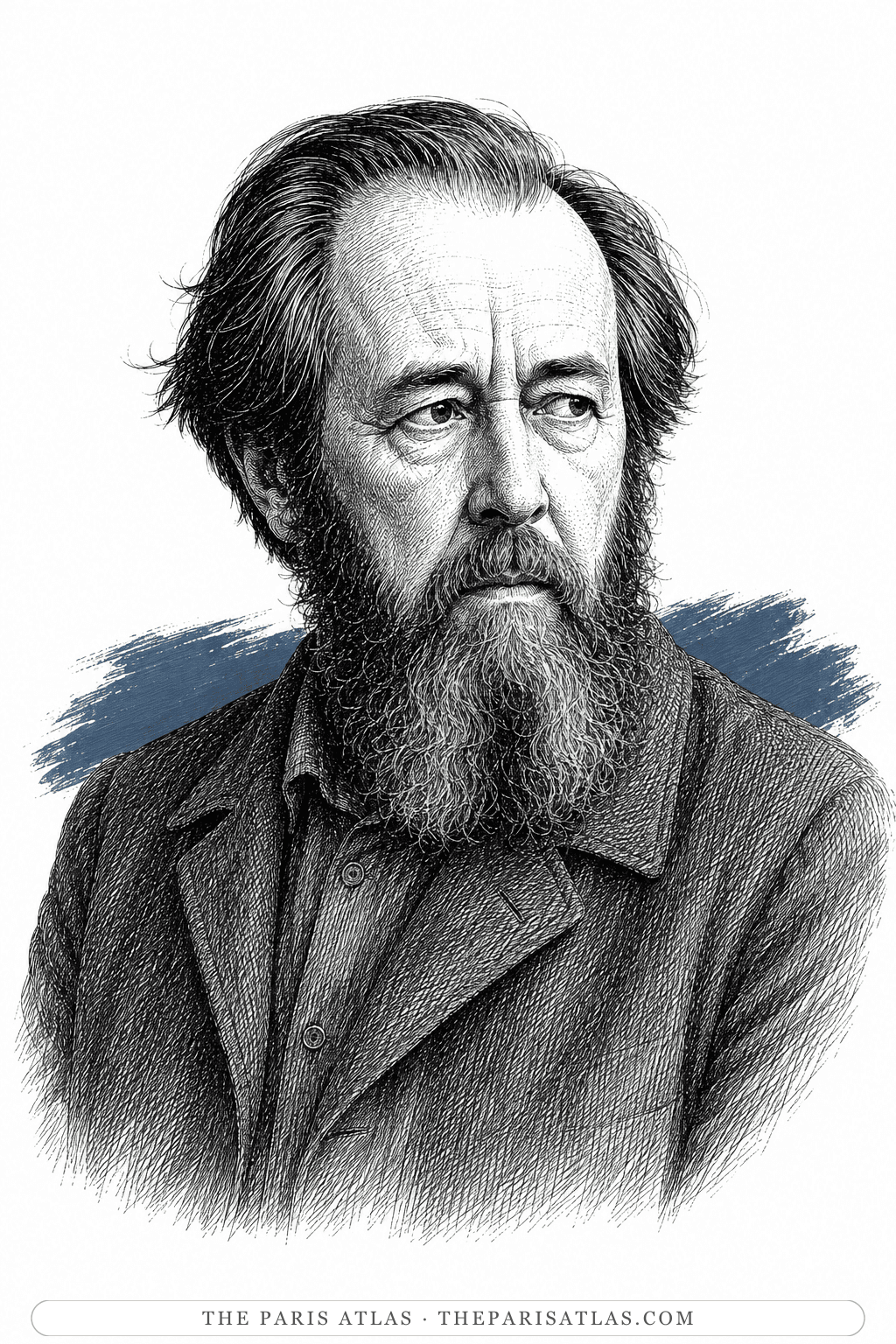
Solzhenitsyn follows one prisoner through a single day in a Soviet labor camp: work, cold, hunger, petty rules, small humiliations, and the tiny victories that help him survive. It has none of Animal Farm’s allegorical comedy, but it shows the human reality behind the kind of political system Orwell was warning about. Read it if you want to go from the pigs making the rules to the people who eventually have to live under them.
About the author
Russian novelist and dissident whose work documented Soviet prisons, labor camps, state violence, and moral endurance.
Read about Solzhenitsyn
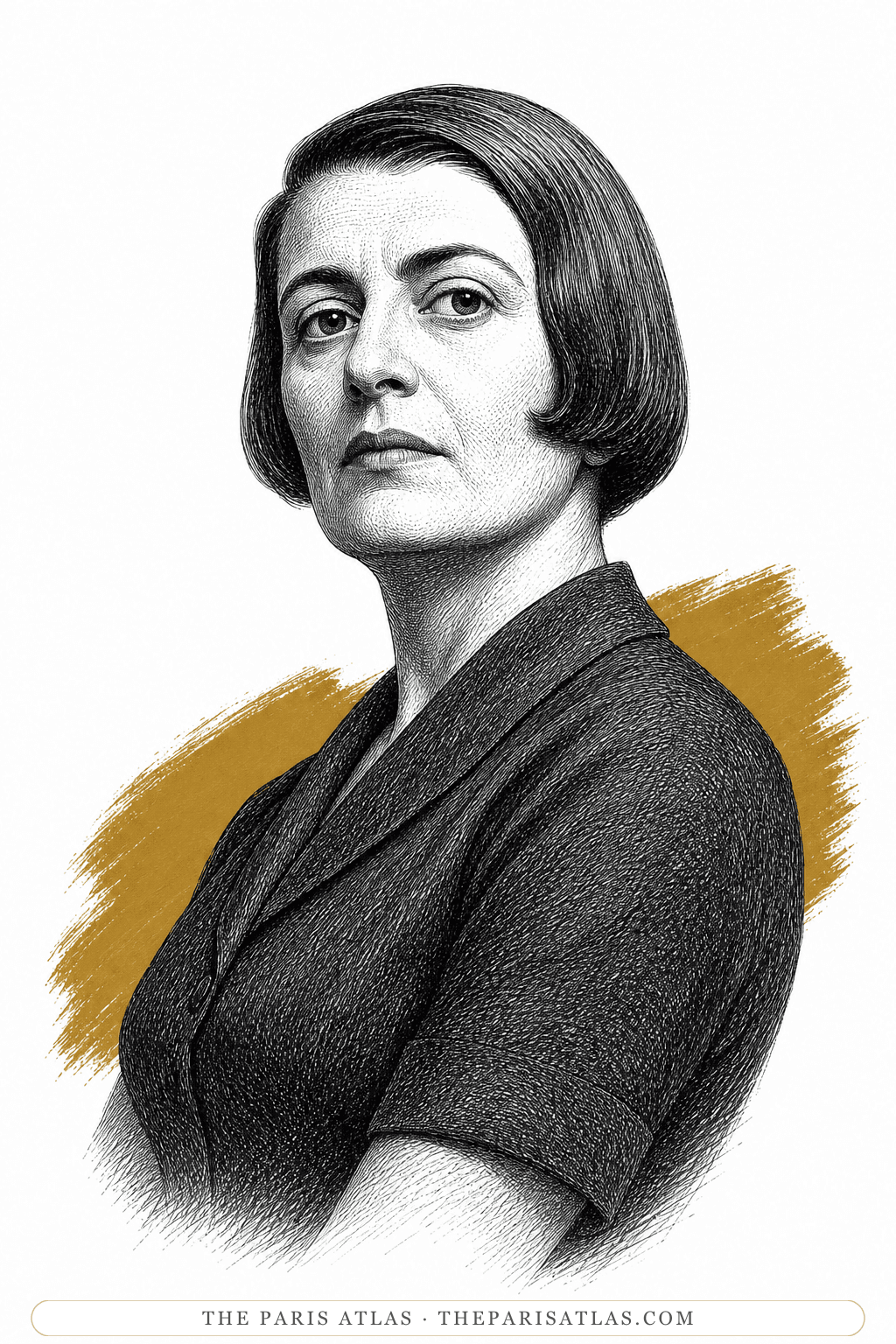
In Rand’s dystopia, individuality has been pushed so far out of society that people no longer even use the word “I.” Everything belongs to the collective, personal ambition is treated as dangerous, and questioning the system is a crime. Its politics are very different from Orwell’s, but like Animal Farm, it uses a deliberately simple story to ask what happens when an ideal of equality becomes an excuse for controlling individual lives.
About the author
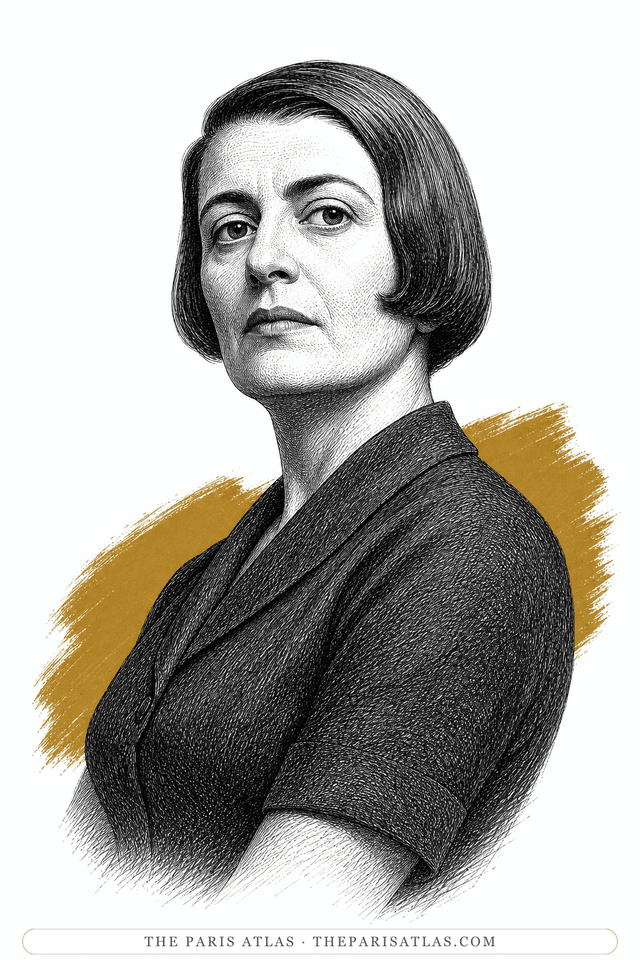 Ayn Rand
Russian-American novelist and philosopher whose fiction opposes collectivism and centers individual ambition and freedom.

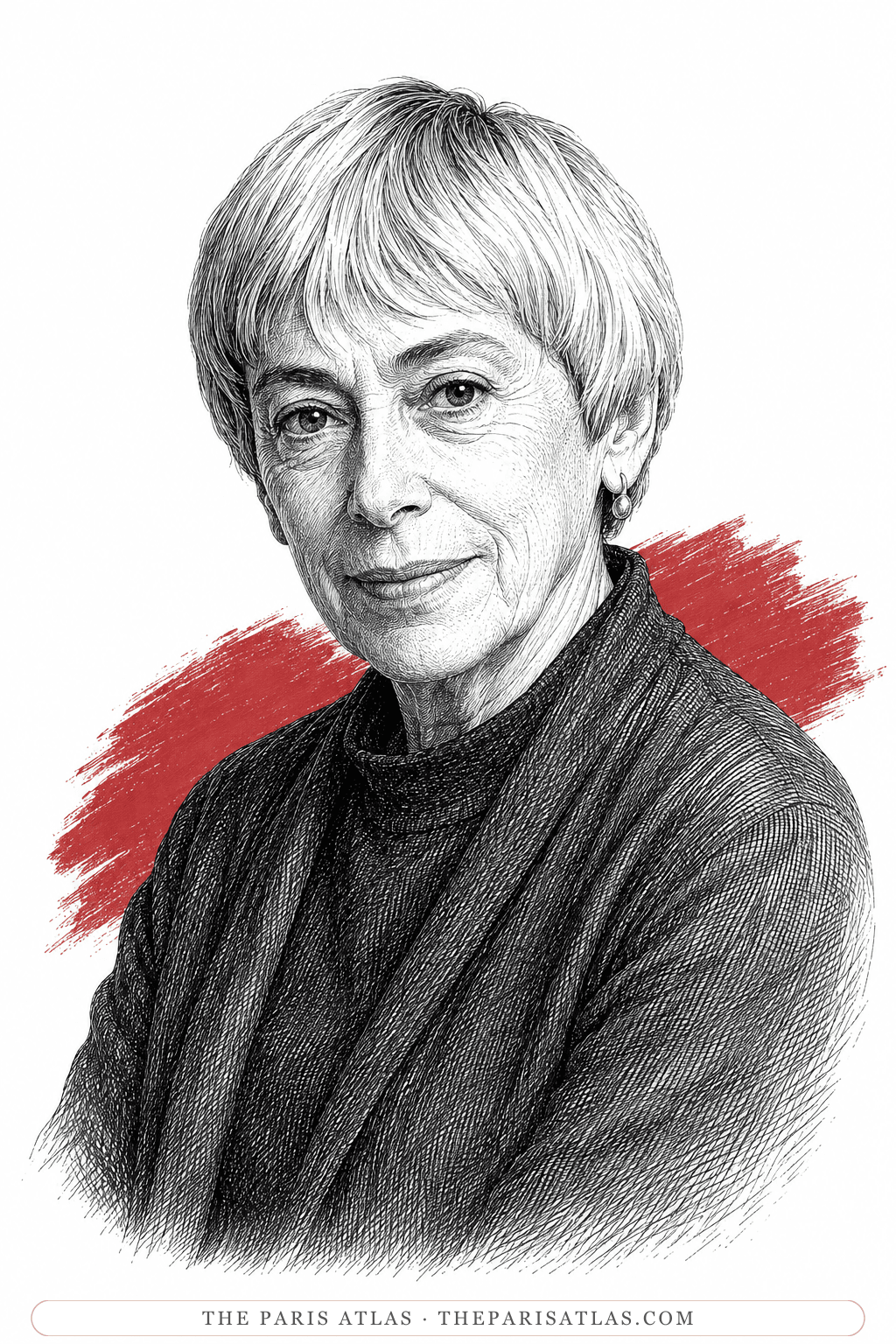
Le Guin imagines two societies built around opposing political systems and then refuses to let either one become the easy answer. Her protagonist comes from an anarchist society founded on equality and shared ownership, but over time even a society created to eliminate hierarchy develops conformity, informal power, and rules people are afraid to challenge. If Animal Farm made you wonder whether revolutions inevitably betray their ideals, this takes that question much further.
About the author
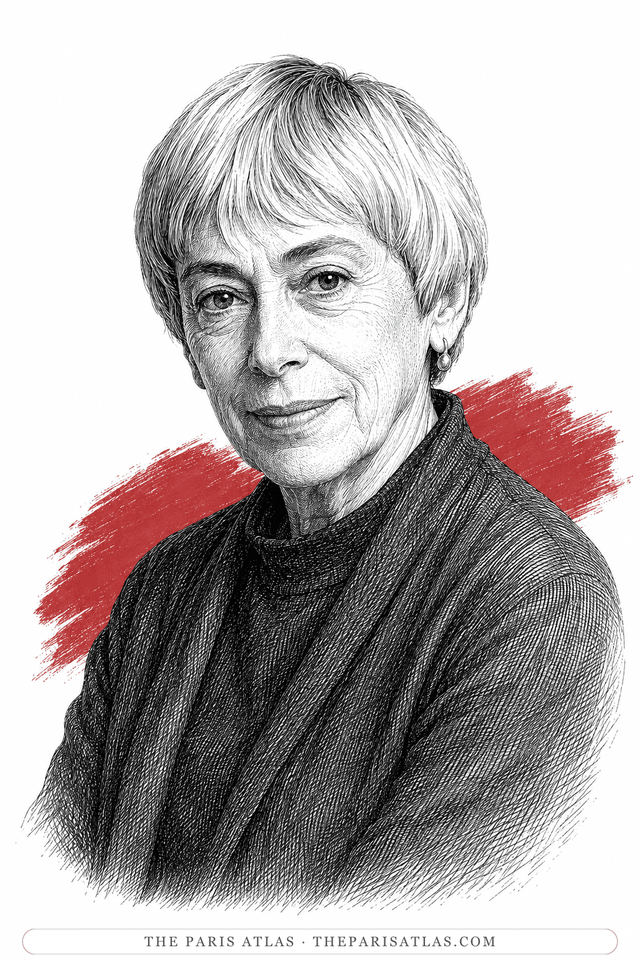 Ursula K. Le Guin
American novelist and essayist whose speculative worlds test political systems, gender, freedom, community, and responsibility.

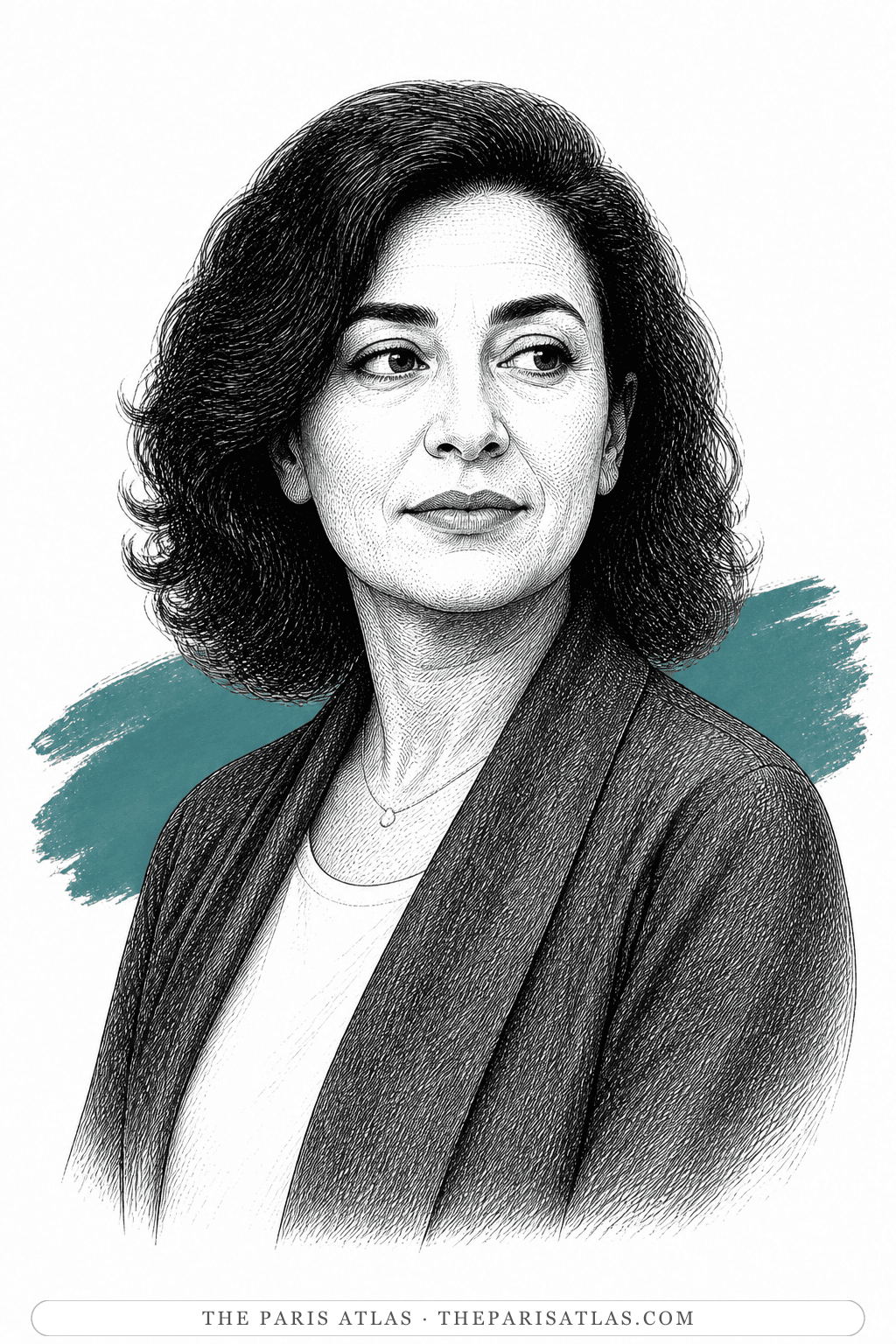
After a failed uprising, citizens find themselves governed by an enormous bureaucracy known simply as the Gate, which controls permits, medical treatment, information, and even what people are allowed to believe happened in the past. Everyone waits in an endless queue while official reality becomes increasingly detached from what they can see with their own eyes. Like Animal Farm, it is funny in a way that becomes frightening once you realize the absurdity is the mechanism of control.
About the author
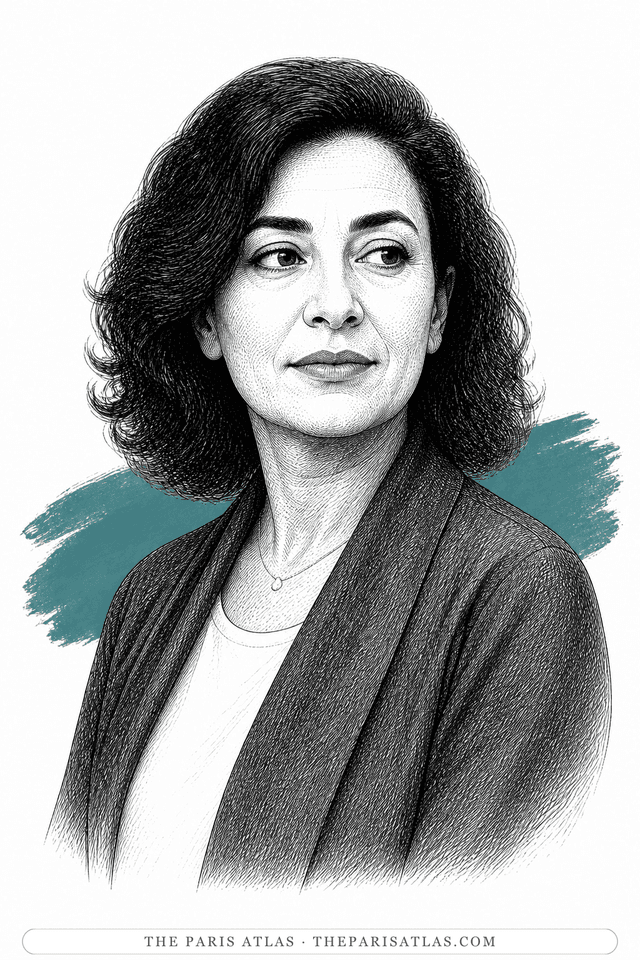 Basma Abdel Aziz
Egyptian writer, psychiatrist, and visual artist whose fiction examines authoritarian bureaucracy, official lies, and public resistance.
References
The sources below include the primary text, editions, archives, and critical context used to establish what distinguishes Animal Farm.
1Animal Farm
WebsiteThe Orwell FoundationUsed forWeb source consulted for documented facts and historical context presented on the Books like Animal Farm page.

2The Freedom of the Press
EssaysWritten 1945 as a preface for Animal Farm; first published in the Times Literary Supplement, 1972; text at The Orwell Foundation, 1972Used forPublished analysis and historical context used in preparing the Books like Animal Farm page.
3Animal Farm — 2004 Signet edition
Official recordPenguin Random House, 2004Used forOfficial record used to verify names, dates, institutional details, or other factual information on this page.
4T. S. Eliot, as Faber & Faber Editor, Rejects George Orwell's "Trotskyite" Novel Animal Farm (1944)
WebsiteOpen Culture, 2013Used forWeb source consulted for documented facts and historical context presented on the Books like Animal Farm page.
These references support the guide's description of the comparison book. The read-alike matches themselves are editorial recommendations, explained individually above.
 Explore more resources
Newsletter
Tell us what you loved, and we'll find your next book.
Every Friday: one recommendation, the reasons it earns your time, and what to read after it. Reply with your last favorite and we'll answer.