
Animal Farm
Both books compress political formation into an isolated community where rules, fear, and control change gradually.
Read our take
by William Golding
Schoolboys build a society from scratch and discover how quickly rules can give way to fear and violence.
Stranded without adults, a group of boys choose leaders, divide responsibilities, and try to keep order. Their small society becomes a test of what power and fear do to civilization.
A plane carrying British schoolboys crashes near an uninhabited tropical island during a war. No adults survive nearby. Ralph, a confident older boy, and Piggy, an intelligent boy whose weight, asthma, and social awkwardness make him an easy target, find a conch shell and use it to call the others together. The boys elect Ralph chief and decide to keep a signal fire burning so ships can find them.
At first, the island appears to offer freedom. The boys swim, explore, build shelters, and create rules. Jack Merridew, leader of a choir that becomes a hunting group, resents Ralph’s authority and becomes increasingly excited by killing pigs. Younger boys speak of a beast on the island, and fear begins to matter more than the assemblies meant to control it.
Golding turns a familiar adventure setup into a story about social collapse. The boys do not simply lose civilization because they are hungry or stranded. They create rituals, enemies, and forms of power that make violence thrilling. By the time an adult finally arrives, the question is no longer whether the boys will be rescued, but what their games have revealed about the world that raised them.
Ralph and Piggy meet after the crash and find the conch. Ralph blows it, bringing scattered survivors to the beach. Jack arrives with his choir in formation. The boys vote Ralph chief, but Ralph gives Jack command of the choir, which becomes the hunters. Ralph, Jack, and Simon explore the island and confirm that it is surrounded by sea. Jack encounters a piglet but hesitates to kill it, embarrassed by the pause.
At the first assembly, a small boy with a mulberry-colored birthmark says he saw a snake-like beast. The older boys dismiss him. They decide to make a signal fire on the mountain and use Piggy’s glasses to light it. Their excitement outruns planning. The fire spreads through the forest, and the boy with the birthmark is never seen again. The likely first death occurs before the boys fully understand that they have caused it.
Ralph tries to organize shelters and maintain the fire, but most boys prefer play. Simon helps him build while Jack becomes obsessed with hunting. Jack paints his face, discovering that the mask frees him from shame. His hunters kill a pig while the signal fire goes out. A ship passes the island without seeing them. Ralph is furious; Jack strikes Piggy and breaks one lens of his glasses.
Fear of the beast intensifies. During an aerial battle far above the island, a dead parachutist lands on the mountain and becomes tangled in his parachute. Sam and Eric see the body moving in the wind and report a creature. Ralph, Jack, and other boys investigate. In darkness they also mistake the dead man for a beast and flee.
Jack challenges Ralph’s leadership and, after losing a vote, leaves to form his own tribe. He promises meat, hunting, and protection. The hunters kill a sow in a brutal scene and place its severed head on a stake as an offering to the beast. Simon, alone in the forest and weakened by a seizure or fainting episode, imagines the pig’s head speaking to him as the Lord of the Flies. It tells him that the beast is not something they can hunt because it is part of them.
Simon climbs the mountain, discovers that the supposed beast is a dead airman, and frees the parachute lines. He rushes toward Jack’s feast to explain. A storm is building. The boys, including Ralph and Piggy at the edge of the group, perform a hunting dance and mistake Simon’s crawling figure for the beast. They surround and kill him. The storm carries Simon’s body out to sea, while the parachutist’s body is blown from the mountain.
Jack’s tribe occupies Castle Rock and rules through fear and punishment. Ralph’s remaining group has no fire because one lens of Piggy’s glasses is gone and the other is needed to make flame. Jack, Roger, and hunters raid their shelter and steal the glasses. Ralph, Piggy, Sam, and Eric go to Castle Rock to demand them back. Roger releases a boulder that knocks Piggy from the cliff, killing him and shattering the conch. Jack’s tribe captures Sam and Eric. Ralph escapes alone.
The tribe hunts Ralph as if he were a pig. Sam and Eric, forced into Jack’s group, warn him that Roger has sharpened a stick at both ends, implying that the hunters intend to mount Ralph’s head as they mounted the sow’s. Jack sets the island on fire to drive Ralph from hiding. Ralph runs onto the beach and collapses before a naval officer whose ship has seen the smoke.
The naval officer initially assumes the boys are playing a game. Ralph tries to explain, then begins to cry for Piggy, Simon, and the loss of what he once believed about himself and the others. The other boys join him, and the organized hunting party suddenly appears again as a group of dirty children.
Jack is no longer able to sustain his role as absolute chief in front of an adult. He steps back when the officer asks who is in charge, allowing Ralph to answer. The novel does not narrate formal punishment, reunions with families, or the boys’ lives after rescue.
The rescue is deeply ironic. The officer represents the adult civilization the boys failed to reproduce, but he arrives from a naval vessel engaged in a larger war. His mild embarrassment at their crying does not show that adults have solved the violence the island exposed.
The island is burning because Jack tried to kill Ralph, yet that destructive fire is what brings the ship. Golding ends without turning catastrophe into a moral lesson neatly learned. The boys are saved physically while the world beyond the island continues its own organized conflict.
The conch, assemblies, shelters, and signal fire work only while enough boys agree they matter. Golding shows that rules are not self-enforcing objects. Once power shifts toward immediate pleasure and fear, the conch can be ignored and finally destroyed.
The littluns’ beast begins as rumor, becomes attached to the parachutist, and is then used by Jack to justify control. Simon understands that the deeper beast is the boys’ capacity for violence. Fear does not merely respond to danger; it creates rituals and authorities that make danger worse.
The boys become capable of killing through repeated dances, chants, masks, and rehearsals. Group rhythm distributes responsibility and turns individual fear into collective excitement. Simon’s death is not planned as murder, but the ritual makes murder possible.
Ralph’s authority depends on rescue, shelter, and shared procedure. Jack offers meat, protection, spectacle, and permission to hurt. Ralph often struggles to explain why long-term responsibilities matter, while Jack turns every failure into proof that only stronger rule can save the group.
Piggy understands many practical needs but lacks the status required to make others listen. His ideas are often accepted only after Ralph repeats them. The boys’ treatment of his body, accent, class, and asthma shows how quickly a group can decide that intelligence does not deserve dignity when it comes in an unpopular form.
The dead parachutist and naval officer connect the island to global conflict. The boys are not isolated from civilization’s violence; they reproduce it in miniature. The officer’s presence prevents the ending from becoming a simple claim that children are savage while adults are civilized.
The boys arrive with school hierarchies, bullying habits, military songs, and ideas about empire already inside them. Their innocence lies less in moral purity than in not yet knowing what they are capable of. Ralph’s final grief is the knowledge that this capacity cannot be placed entirely on the island.
Golding begins in the recognizable language of a boys’ adventure story, then gradually darkens the physical and symbolic world. Early descriptions emphasize lagoon light, fruit, swimming, and exploration. Later chapters make the same landscape oppressive: vines become snares, heat distorts sight, the forest pulses with imagined presence, and the sea receives bodies with an eerie calm.
The narration moves among the boys but stays especially close to Ralph, Piggy, Jack, and Simon. Golding uses symbols heavily—the conch, glasses, fire, the pig’s head—but the objects also remain practical. Piggy’s glasses represent knowledge and are still literally the only reliable way to make fire. The prose can become biblical or hallucinatory around Simon, while the assemblies use broken child speech and interruption to show political order failing in real time.
Faber remains closely associated with the British text. Classroom editions often include introductions, maps, glossaries, and questions, but the main editorial issue is not textual variation so much as framing. Some introductions reveal Simon’s and Piggy’s deaths before readers begin; spoiler-sensitive editions should be chosen accordingly.
Translations face the boys’ school slang, class markers, chants, and the fusion of Sam and Eric into “Samneric.” A translated edition should name the translator. Illustrations and cover art vary dramatically in how literally they depict the pig’s head, and a graphic adaptation should be listed as a separate work rather than an edition of Golding’s prose.
Peter Brook’s 1963 film used nonprofessional young actors and stark black-and-white photography. It follows the novel’s broad sequence closely but condenses character and dialogue.
Harry Hook’s 1990 film moves the boys into an American military-school context and changes several relationships. It should not be used to supply details about Golding’s British schoolboys.
Aimée de Jongh’s 2024 graphic novel translates the story into sequential art and is authorized by the Golding estate. Its images are an interpretation rather than historical documentation of an island that never had one fixed visual form.
The 2026 BBC series expands the story across four episodes and gives some boys additional background. Those invented histories belong to the television version, not to the novel’s character pages.
It uses one isolated community to ask how rules, leadership, and fear collapse.
The boys’ attempts to organize daily life give concrete stakes to arguments about authority.
The novel shows how a collective fear can change behavior even when individuals do not understand its source.
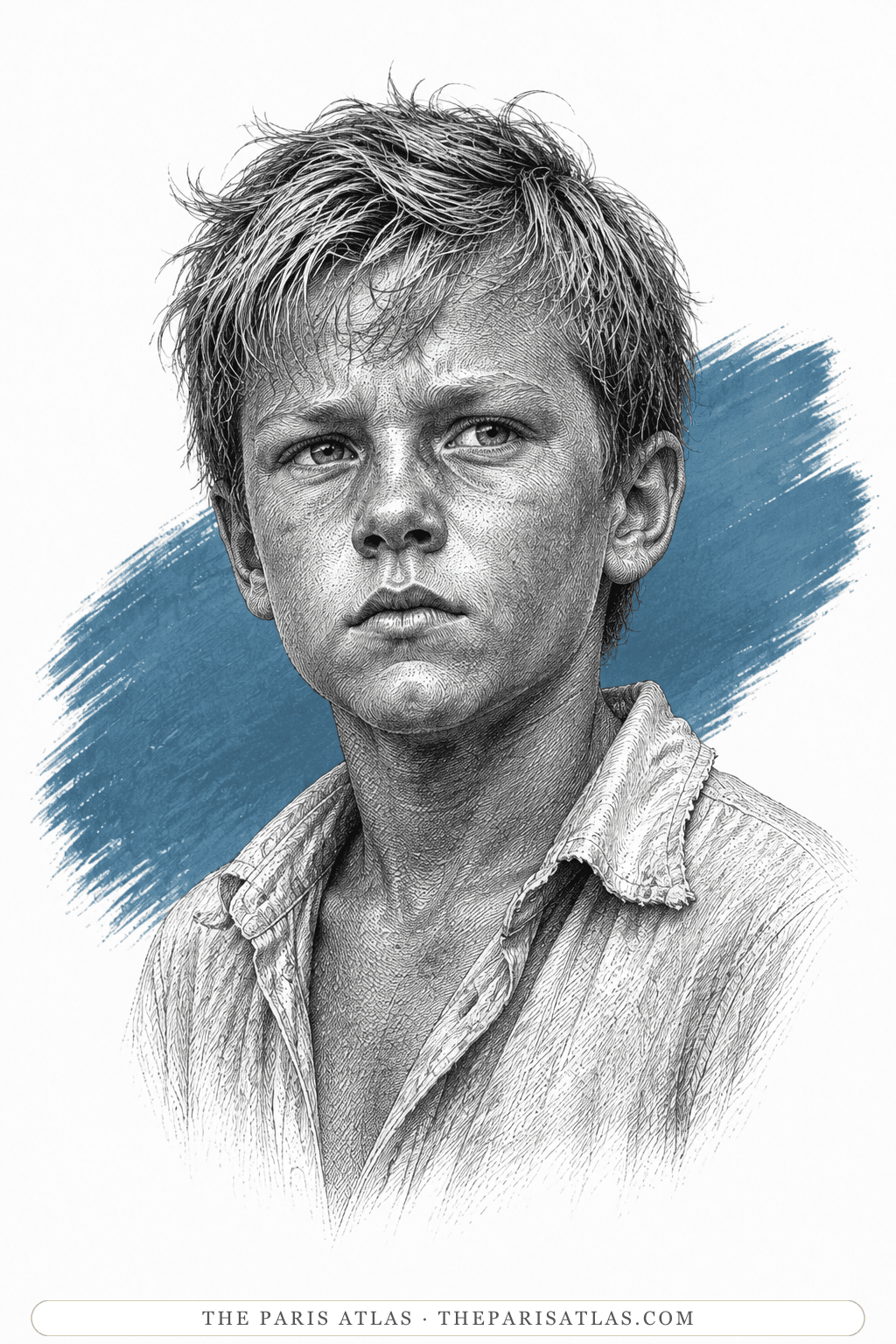
Ralph is elected chief because of his confidence, appearance, and possession of the conch.
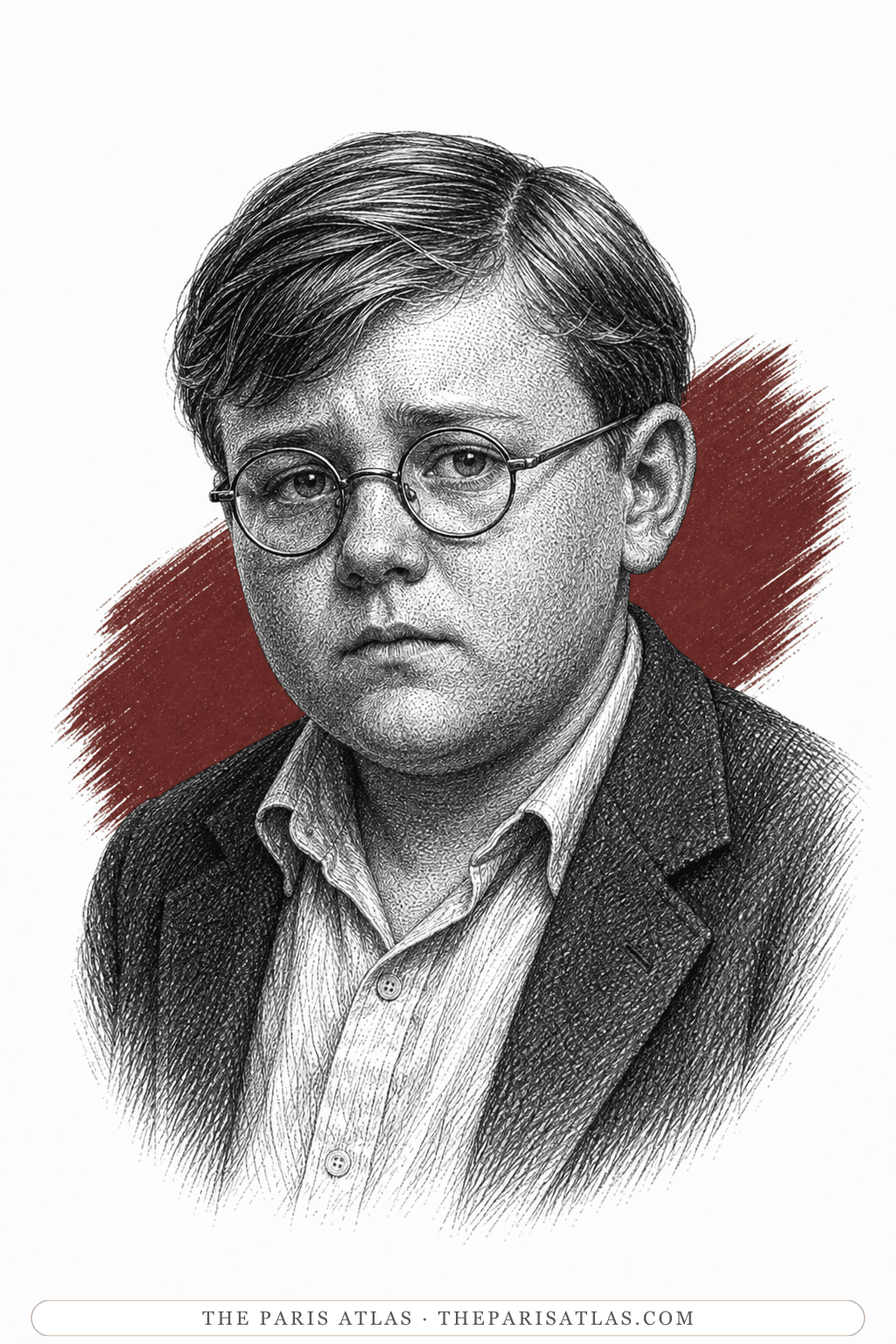
Piggy is Ralph’s closest adviser and the source of many practical ideas, including using the conch and identifying the need for rules.
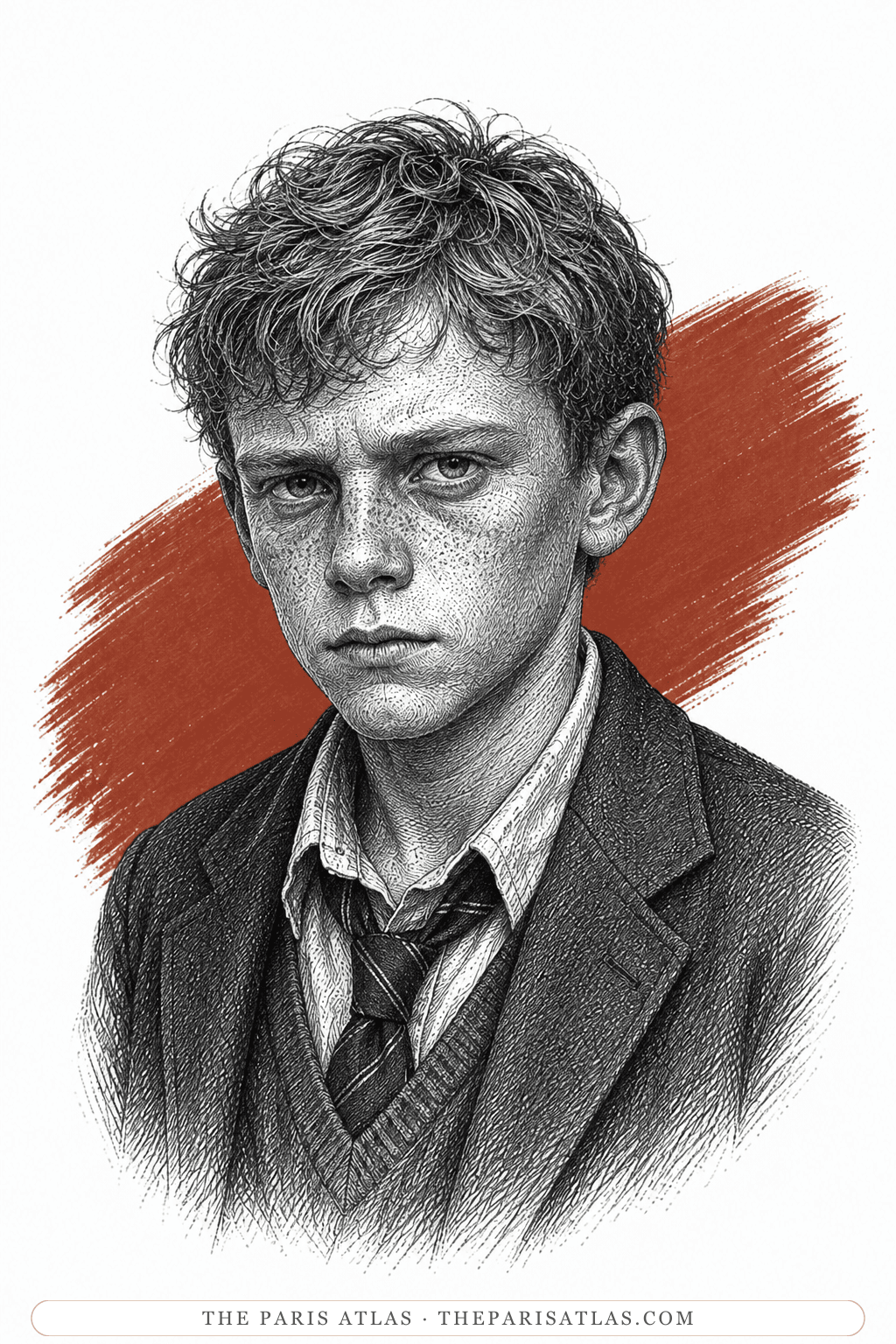
Jack begins as head of the choir and expects authority.
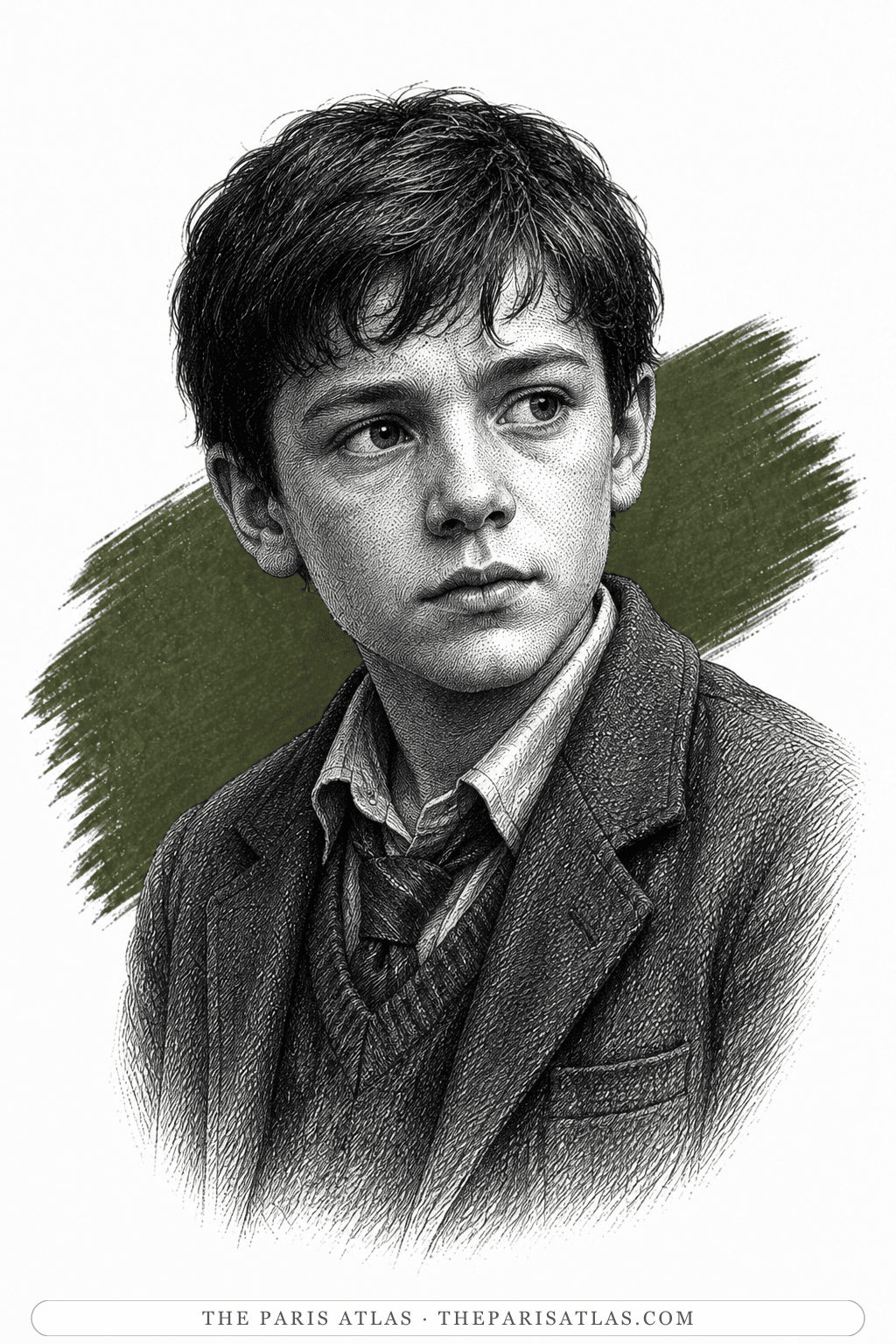
Simon is quiet, physically vulnerable, and unusually attentive to the island and the littluns.
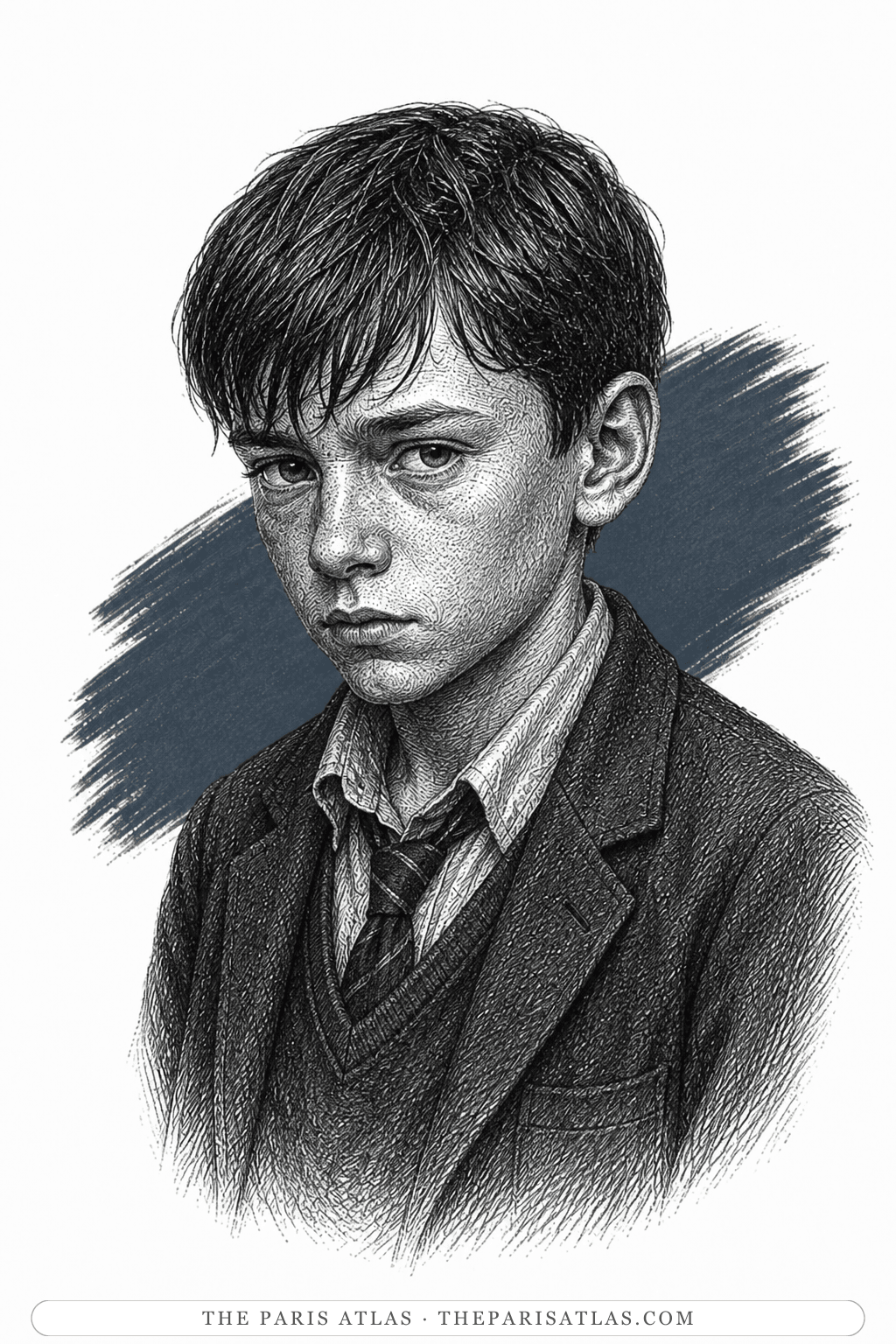
Roger begins by throwing stones near a smaller child while still constrained by the habits of adult punishment.
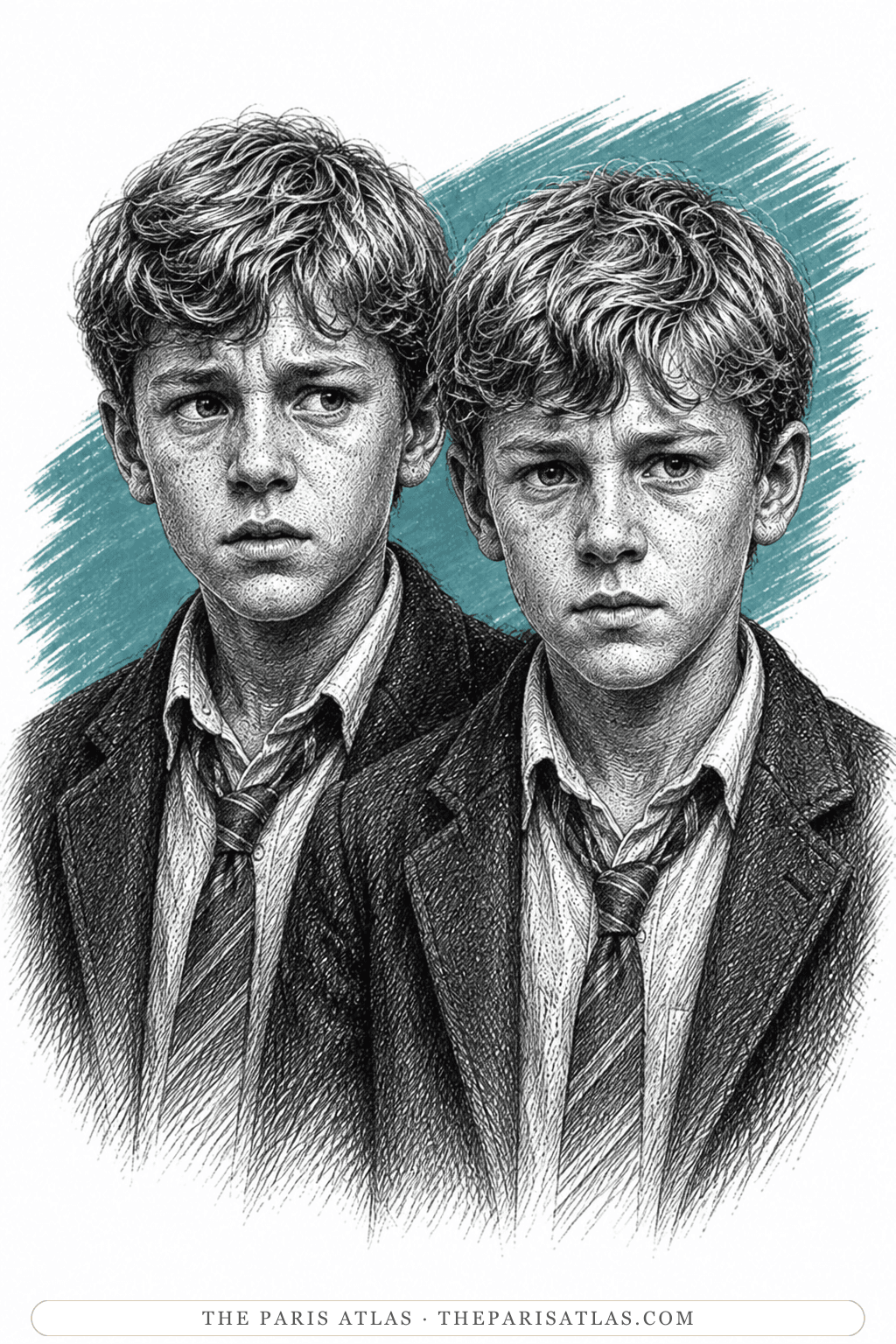
The twins are treated by others as a pair and often act together.
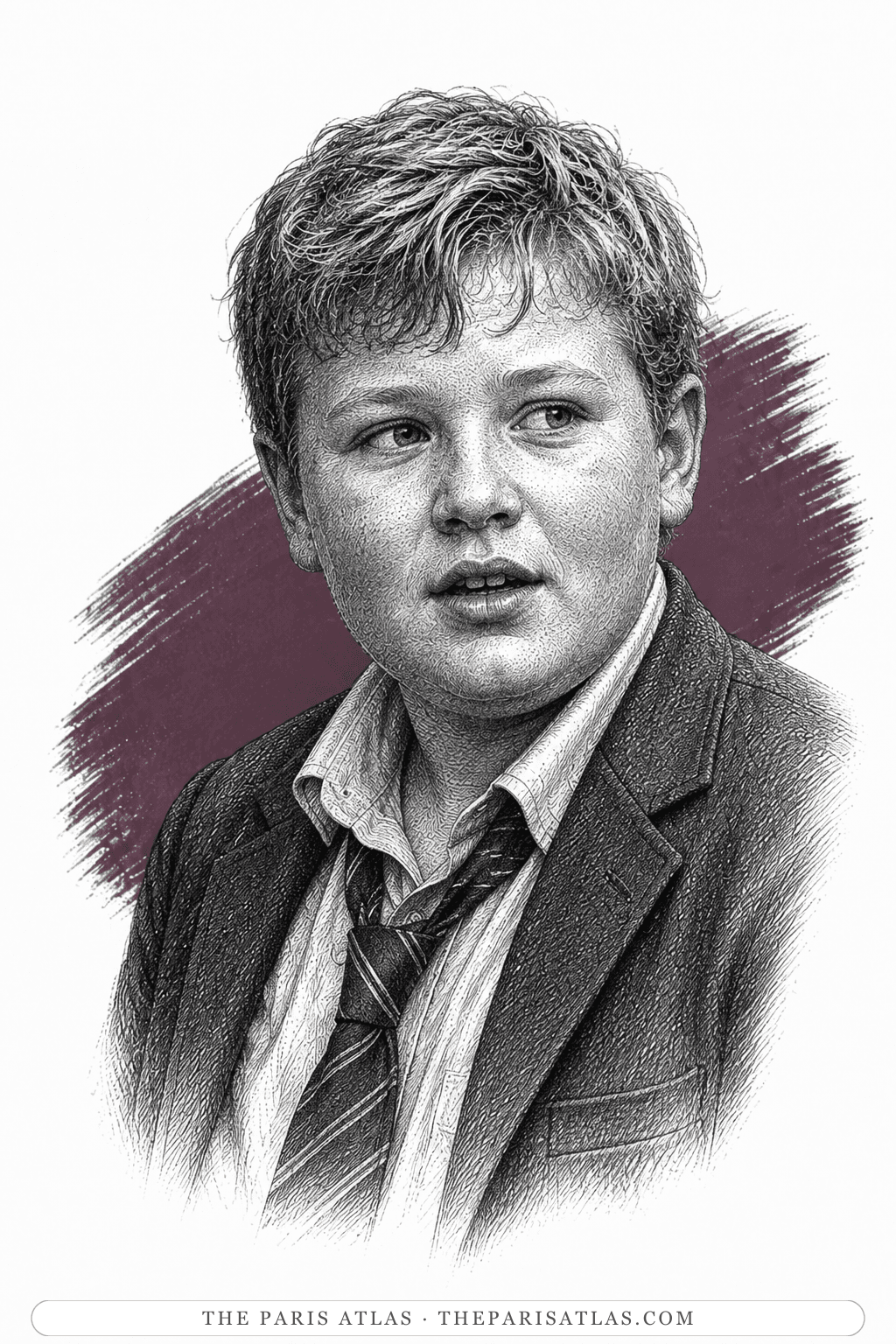
Maurice is a former choirboy and one of Jack’s hunters.
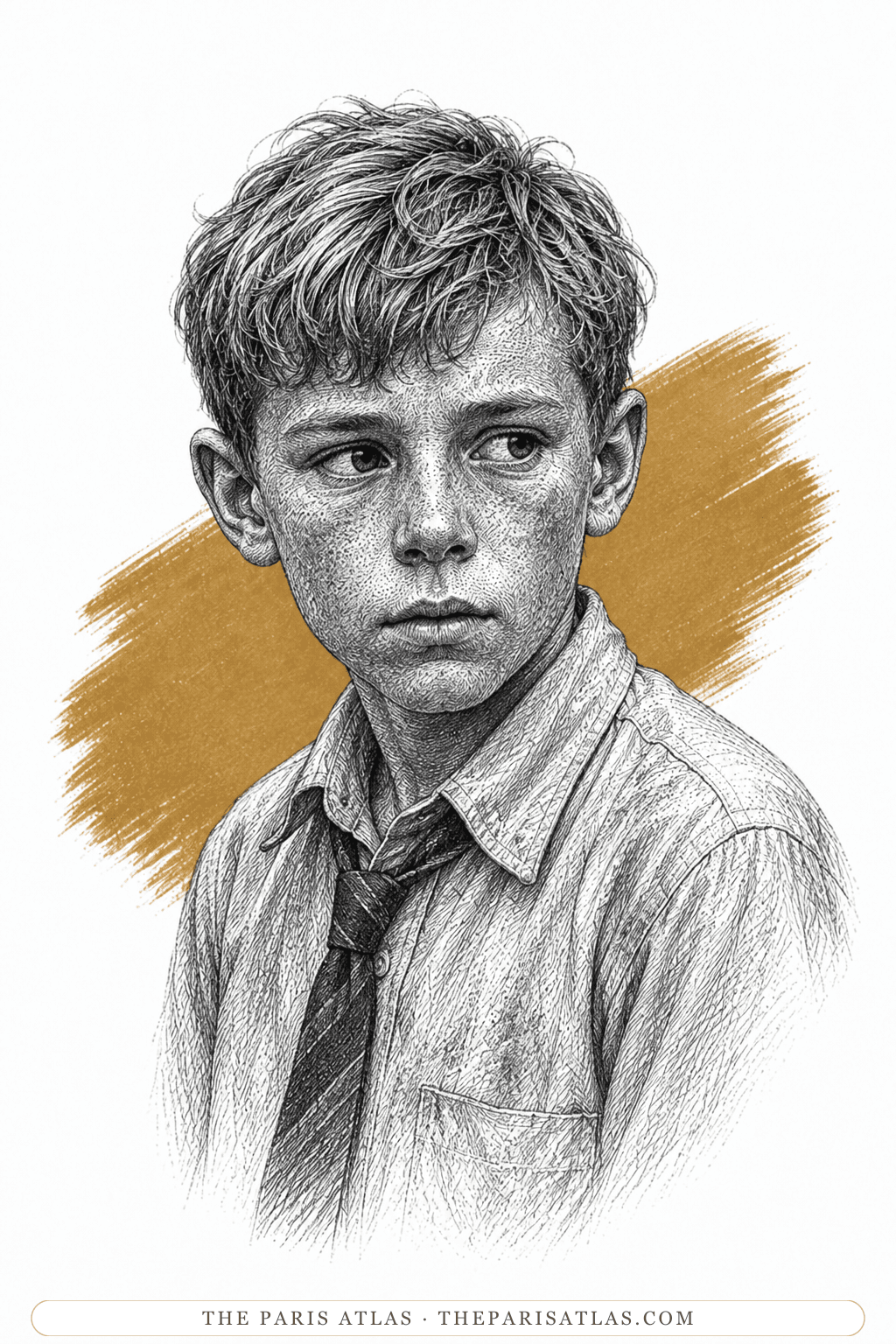
Robert joins Jack’s hunters and plays the pig during a ritual that becomes genuinely violent.
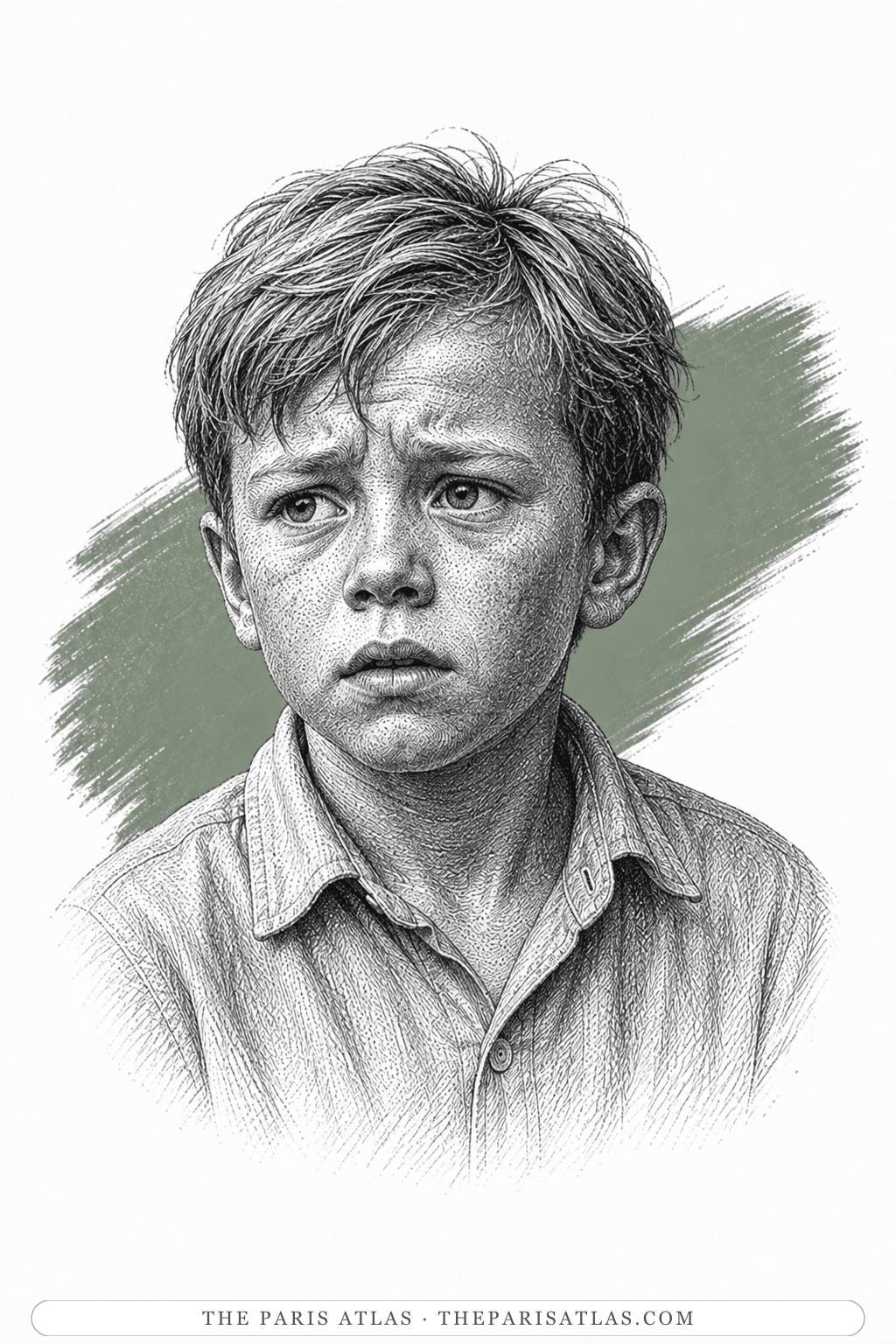
Percival is a littlun who repeats his full name and home address as a learned link to adult identity.
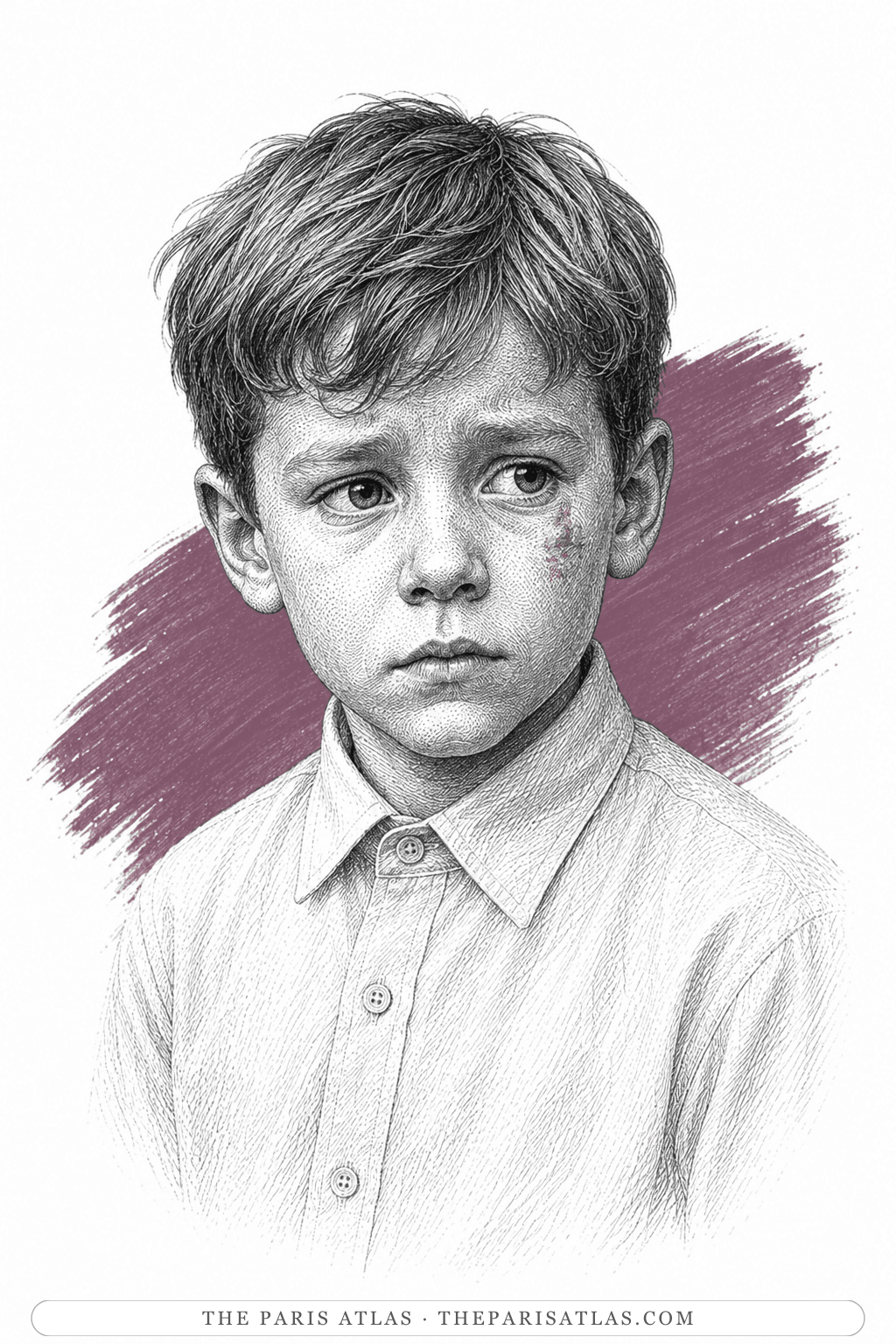
This very young boy first reports the snake-like beast.

The officer arrives after seeing smoke from the island-wide fire.

The airman is killed in the adult war and lands on the mountain.
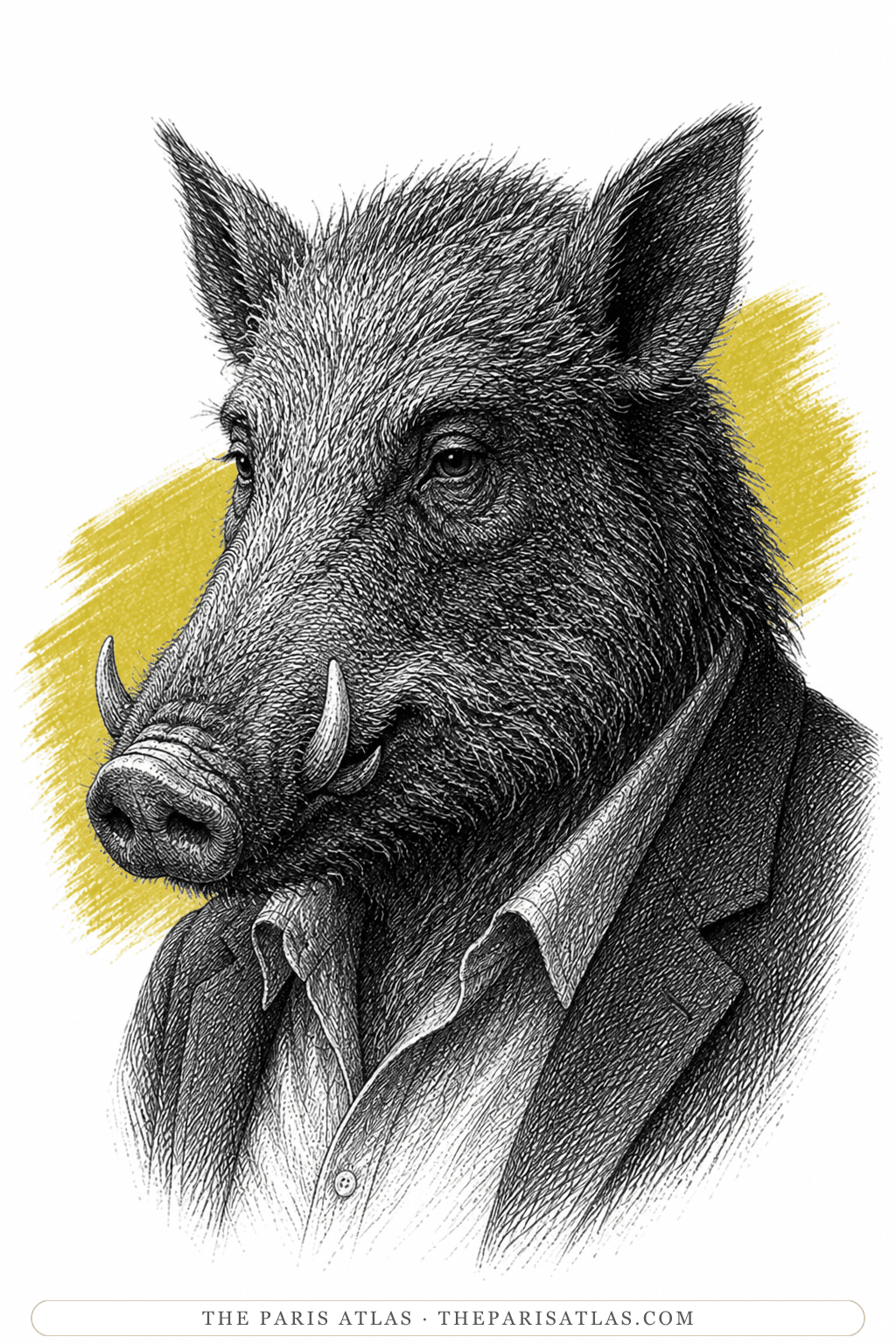
The Lord of the Flies is the sow’s severed head mounted on a stick and surrounded by insects.
Early 1950s
Golding writes the manuscript, initially titled Strangers from Within.
1954
After multiple rejections and editorial work at Faber, Lord of the Flies is published in Britain.
1955
The first United States edition appears.
1963
Peter Brook’s black-and-white film adaptation is released.
1975
The Filipino adaptation Alkitrang Dugo is released.
1983
Golding receives the Nobel Prize in Literature; the novel is central to his international reputation.
1990
Harry Hook directs an American film adaptation.
2024
Aimée de Jongh’s authorized graphic-novel adaptation is published.
2026
BBC broadcasts a four-part television adaptation written by Jack Thorne and directed by Marc Munden.
Both books compress political formation into an isolated community where rules, fear, and control change gradually.
Read our take
A school experiment likewise shows ritual, slogans, and belonging making authoritarian behavior attractive to ordinary young people.
Read our take
Jack’s tribe anticipates a smaller system in which fear and altered truth support personal power.
Read our take
London examines organized class violence on a national scale and asks how coercive power turns resistance into war.
Read our take
Abdel Aziz offers the opposite social landscape: order remains visible, but bureaucracy quietly strips people of agency.
Read our take
Huxley also asks what kind of social conditioning creates citizens who accept the structure around them.
Read our takeRalph appears confident, has blown the conch, and stands at the center of the first gathering. The vote reflects image and circumstance more than demonstrated leadership. Jack’s resentment begins partly because he assumed his choir position entitled him to command.
There is no giant animal hunting the boys. The dead parachutist is mistaken for one physical beast, but Simon recognizes that the deeper “beast” is the human capacity for fear and violence.
The boys at Jack’s feast surround and kill him during the storm dance. Ralph and Piggy are present at the edge of the group and later minimize their participation. Responsibility is collective even though no one boy is named as delivering a final blow.
Roger releases the boulder that knocks Piggy from the cliff at Castle Rock. The act is deliberate. The conch shatters at the same moment, joining Piggy’s death to the destruction of the assembly system.
He disappears after the first uncontrolled forest fire and is presumed dead. Golding never produces a body or a formal acknowledgment, showing how quickly the group learns to avoid responsibility.
The paint helps him hunt by disguising his skin, but it also acts as a mask. Hidden behind it, he feels freed from embarrassment and the social identity he brought from school.
The scene can be read as a hallucination produced by heat, fear, illness, and Simon’s insight. The novel does not require a literal demon. The head says what Simon already understands: the violence the boys fear is inside them.
He sees schoolboys and expects a game shaped by adventure stories. He arrives too late to witness the social collapse and is himself part of an adult war. His misunderstanding adds irony rather than resolving the novel’s moral problem.
The book ends at rescue and does not show punishment, family reunion, or legal consequences. Any later fate assigned to Jack belongs to speculation or adaptation.
It represents the right to speak, assembly, and agreed procedure. Its authority depends on collective belief. When Roger’s boulder destroys it alongside Piggy, the tribe has already abandoned the system it represented.
Explore authors with a similar voice, perspective, and influence.
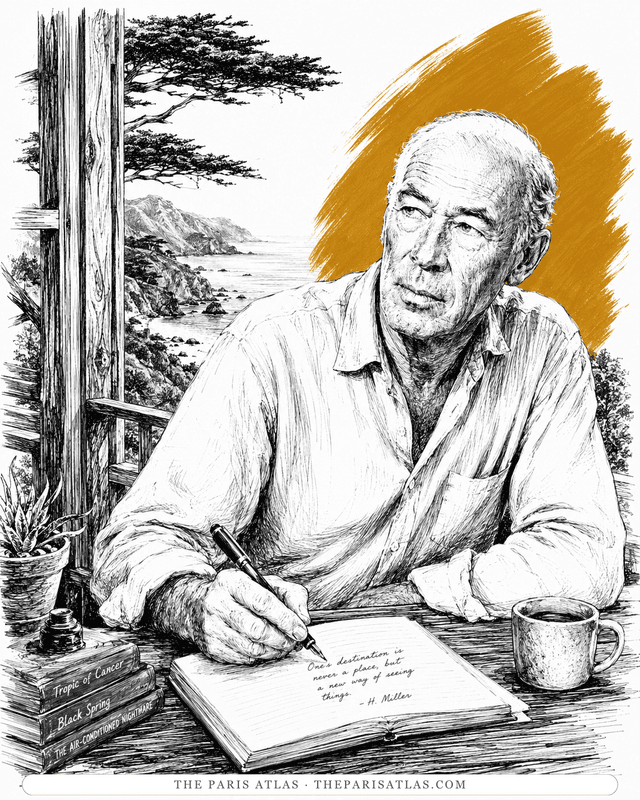
The Brooklyn dropout who arrived in Paris broke at thirty-eight and wrote the exuberant, banned books that ended American censorship.
View author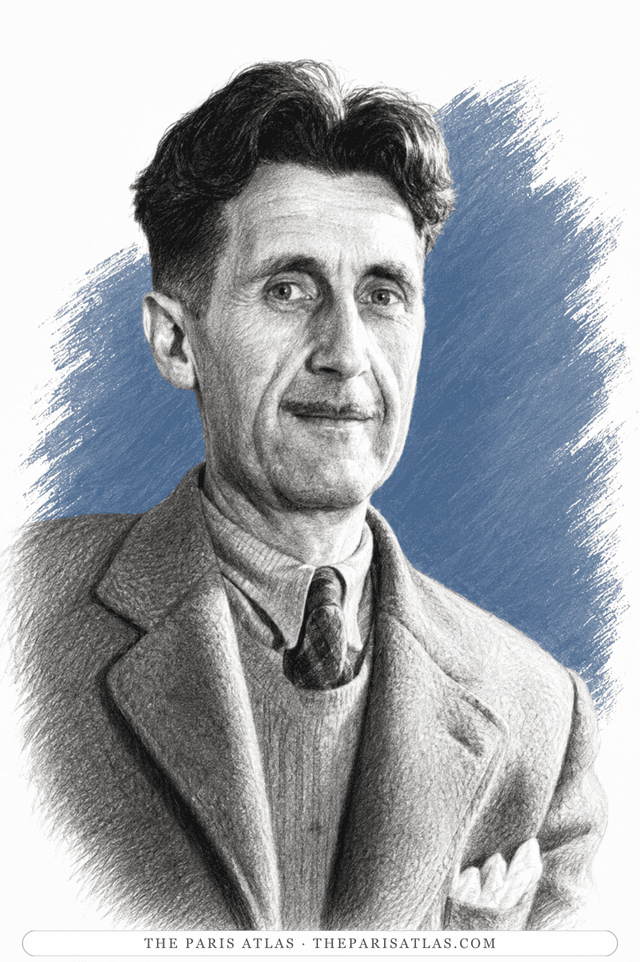
English novelist, essayist and journalist, born Eric Arthur Blair, who wrote Animal Farm and Nineteen Eighty-Four. He was an imperial policeman in Burma, a plongeur in Paris kitchens off the rue Mouffetard, and a militiaman shot through the neck in Spain before any of it.
View author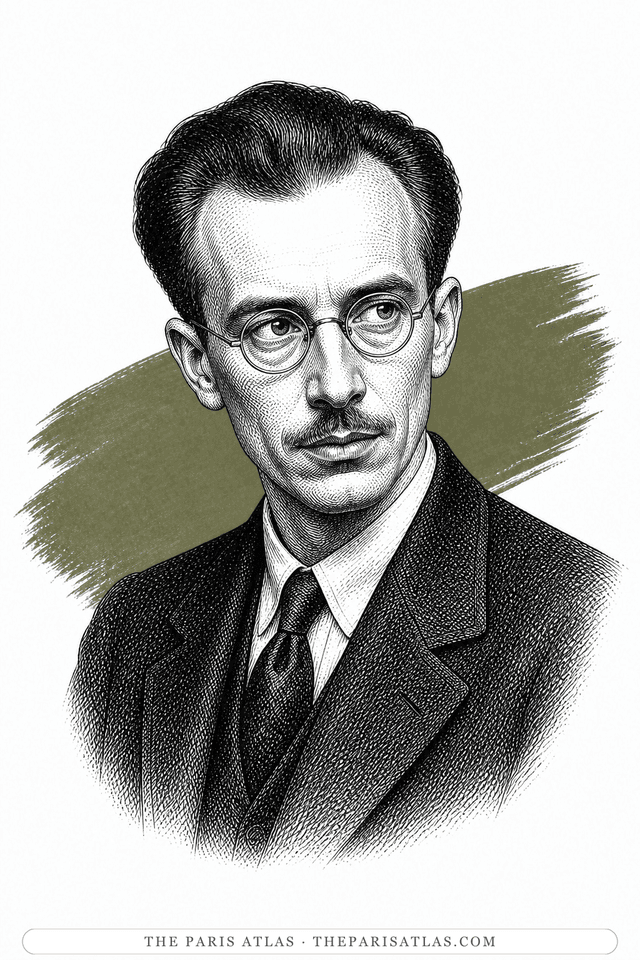
English novelist of Brave New World, which he wrote not in Paris but on the Mediterranean coast at Sanary-sur-Mer. His French years ran from a rented house at Suresnes on the western edge of Paris, where he pushed the dying D. H. Lawrence towards the city's presses, to seven years on the Riviera; he then left for California, wrote the best-known modern account of taking mescaline, the hallucinogenic drug made from the peyote cactus, and died on the day President Kennedy was shot.
View authorThe sources below include the primary text, editions, scholarship, archival materials, and other records that informed this page. They document Lord of the Flies, its publication, and its place in literary history.

Open Library ISBN catalogue used to verify the title, ISBN, and publication metadata.
Google Books catalogue record used to cross-check the title and edition metadata.
Internet Archive ISBN catalogue used to cross-check the edition and its availability in library holdings.
Library of Congress books catalogue used to cross-check the bibliographic record by ISBN.

Faber publication history; verifies the manuscript’s rejections, editorial history, and 1954 publication.
Faber edition page; verifies bibliographic details.
Faber study guide; verifies character and teaching context.
Nobel Prize facts; verifies Golding’s 1983 award and career context.
Faber announcement; verifies Aimée de Jongh’s graphic adaptation.
Faber/BBC-linked announcement; verifies the 2026 television series and creators.
Secondary plot and character cross-check.
The primary text is the baseline reference for every book page. Additional references document publication history, interpretation, and historical context where that evidence is available.
 Explore more resources