
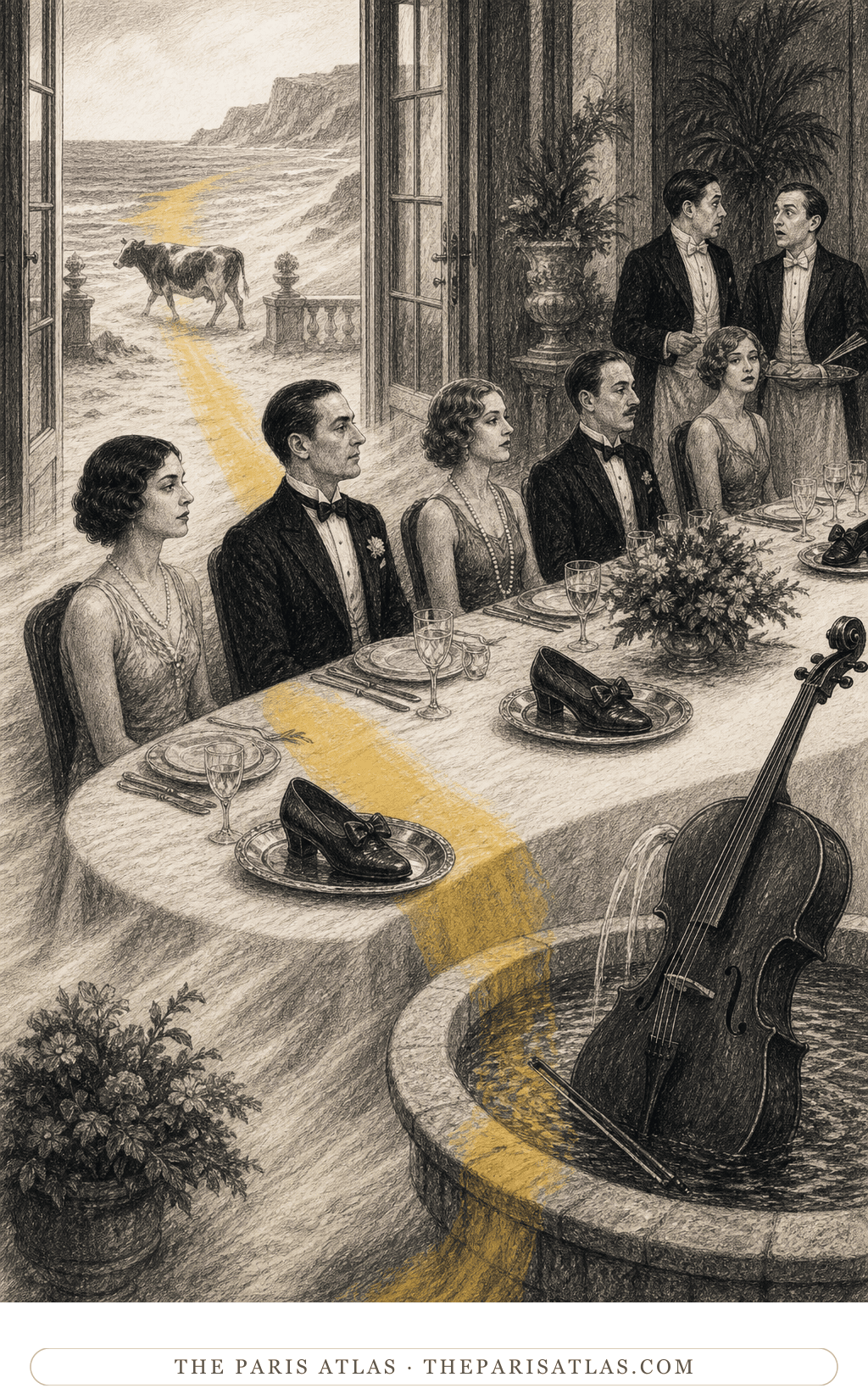
Discusses
L'Âge d'Or
Orwell's Dalí essay identifies L'Âge d'Or in a footnote and brings in Henry Miller's account of the film as evidence for the work's deliberately shocking imagery.

Ten wartime essays on Dickens, Kipling, boys' comics and seaside postcards, including the piece on Salvador Dalí that a publisher cut out of a printed book.
George Orwell's first collection of criticism, published in London in February 1946 and in New York two months later under a different title, Dickens, Dali & Others. It gathers ten essays written between 1939 and 1945. Four of them are about things literary critics did not then write about at all: the twopenny weekly papers boys read, the comic postcards sold in cheap stationers' windows, a bestselling gangster novel, and the gentleman burglar of the Edwardian crime story. The other six take on Charles Dickens, Rudyard Kipling, W. B. Yeats, H. G. Wells, Arthur Koestler, P. G. Wodehouse, and the painter Salvador Dalí, whose autobiography Orwell reviews at length and with an argument that is still misreported. The method does not change from essay to essay: read the thing itself, describe it accurately, then ask what its popularity says about the people buying it.
Secker & Warburg published Critical Essays in London on 14 February 1946, in a first printing of 3,028 copies. Reynal & Hitchcock brought it out in New York that April under the title Dickens, Dali & Others: Studies in Popular Culture. The contents are the same ten essays in the same order, and the American subtitle is a fair description of what the British title leaves vague. Nine of the ten had been printed somewhere before. The tenth had been printed and then destroyed.[1]
Orwell set out the provenance himself in a two-hundred-word note at the front. "Charles Dickens" and "Boys' Weeklies" had already been collected in Inside the Whale in 1940. Most of the rest had run in Horizon, with a shortened "The Art of Donald McGill" in the Strand Magazine and "Raffles and Miss Blandish" also in the New York monthly Politics. "Arthur Koestler" was written for Focus and, he expected, would not appear there before the book did. Then the last item on the list: "Benefit of Clergy: Some Notes on Salvador Dalí" had made what he called a sort of phantom appearance in the Saturday Book for 1944. That book was already in print when its publishers, Hutchinson, decided the essay had to be suppressed on grounds of obscenity. It was cut out of every copy by hand, and for technical reasons the title could not be removed from the table of contents.[1]
Each essay carries its year at the foot: 1939 for the two long ones, then 1941, 1941, 1942, 1943, 1944, 1944, 1944 and 1945. Orwell left the texts almost exactly as first written, corrected a few misquotations, and added footnotes that are dated so a reader can tell them from the original. One of those footnotes withdraws a claim. "Boys' Weeklies" argues that thirty years of Greyfriars and St Jim's stories could not have been written by one person, which is why the house style had to be so easy to imitate; the 1945 note admits flatly that this is incorrect and that "Frank Richards" and "Martin Clifford" were the same man. The note is left standing under the paragraph it demolishes.[1]
The book opens with its two longest pieces, both dated 1939. "Charles Dickens" runs fifty pages and asks where Dickens actually stood. Orwell finds a writer who attacked English institutions savagely and was adopted by every institution he attacked, whose criticism of society is moral rather than structural, and whose recurring solution is a rich man who is kind. "Boys' Weeklies" then takes the twopenny papers sold in poor neighbourhoods and reads them as evidence. The Gem and the Magnet had been printing public-school stories since before the Great War, with the same fourth-formers never ageing, and Orwell counts the characters up to show that they are graded so that almost any reader can find one to be.[1]
Three short essays follow on writers and what their beliefs do to their work. "Wells, Hitler and the World State" quotes H. G. Wells's newspaper predictions from early 1941 that the German army was largely a phantom, and argues that the man who taught a generation to expect the future could not see this one. "The Art of Donald McGill" turns to seaside comic postcards and classifies their jokes by subject. "Rudyard Kipling", written as a review of T. S. Eliot's selection of the verse, opens by conceding the case against Kipling and then explains why he outlasts the people who sneer at him. "W. B. Yeats" reviews a study by V. K. Narayana Menon and follows the poet's occultism into his politics.[1]
Then the Dalí essay, the one that had been suppressed. Orwell reviews the painter's recently published autobiography, sets down the incidents it relates, states plainly what he thinks of them, states equally plainly that Dalí can draw, and refuses to let either judgement cancel the other. "Arthur Koestler" follows, on the five books Koestler had published in England and on why an Englishman could not have written Darkness at Noon.[1]
The last two are about crime and treachery. "Raffles and Miss Blandish" sets E. W. Hornung's gentleman burglar of 1900 beside James Hadley Chase's No Orchids for Miss Blandish of 1939 and measures the distance between them, which Orwell takes to be a change in what readers are willing to admire. "In Defence of P. G. Wodehouse" reconstructs the 1941 Berlin broadcasts hour by hour and argues that the man who made them was not a traitor but an Edwardian who had missed the war.[1]
"Benefit of Clergy" is the essay people cite and the essay people get wrong. It is usually reported as an attack. It is in fact an attempt to hold two verdicts at once, and Orwell says so in the middle of it: that Salvador Dalí is a draughtsman of very exceptional gifts and a hard worker, and that the autobiography he has just published is, in Orwell's word, disgusting. He is explicit that neither fact settles the other.
The first thing that we demand of a wall is that it shall stand up. If it stands up, it is a good wall, and the question of what purpose it serves is separable from that. And yet even the best wall in the world deserves to be pulled down if it surrounds a concentration camp.
The title names the target. Benefit of clergy was the old privilege that let a man who could read be tried in a church court rather than a criminal one, and Orwell uses it for the claim that an artist is exempt from the rules binding everyone else. He rejects that. He also rejects the opposite position, and he is harder on it: the "sensible" art-hating Englishman who would refuse to see any merit in Dalí at all, who cannot admit that what is morally degraded can be aesthetically right, and whose real demand of an artist is to be told that thought is unnecessary. Between those two positions, he writes, there is a middle one that seldom gets a hearing.
He is equally clear about what should not follow. The autobiography and the pictures ought not to be suppressed. What is wanted is diagnosis rather than denunciation: not what Dalí is, but why he is like that, and why the buyers were there. The last sentence of the essay says the investigation ought to start from the fact that the pictures are diseased and disgusting, which is a statement of where to begin rather than where to stop.
Four of the ten essays take material that had no critical standing at all in 1940 and treat it as evidence about the country. The premise is stated at the opening of "Boys' Weeklies": the stock of a small newsagent's shop is probably the best available indication of what the mass of the English people really feels and thinks, and nothing half so revealing exists in documentary form.
The findings are not celebratory. Orwell thinks the boys' papers are politically vetted and that a boy who wants a fantasy life has to take the ideology that comes with it, since seven of the twelve papers he examines belong to one press combine. He thinks the postcards are vulgar and ugly and says that is exactly what they are meant to be. He thinks No Orchids for Miss Blandish is brilliantly written and that its success is a bad sign. In every case the judgement comes after the description, and the description is long.
The six author essays keep returning to the same question: what a writer's beliefs do to his work, and whether a belief Orwell finds indefensible can still produce something that lasts. On Kipling the answer is yes, and the concession is made in the first paragraph so that nothing later depends on hiding it. On Yeats the answer is that the occultism and the politics are one thing, and that the connection between them still needs working out. On Wells the answer is that a lifelong habit of thought now stands between him and the world he had spent forty years predicting.
Two of the six are arguments with living men about live disputes. The Koestler essay was published while Koestler was in London and writing; Orwell agrees that revolutions go wrong and refuses the conclusion that they are therefore all the same. The Wodehouse essay was written while there were still demands in Parliament for Wodehouse to be tried as a traitor, and it is the only piece in the book that sets out to get a verdict overturned rather than to explain one.
Autobiography is only to be trusted when it reveals something disgraceful.
One ought to be able to hold in one's head simultaneously the two facts that Dali is a good draughtsman and a disgusting human being.
And yet even the best wall in the world deserves to be pulled down if it surrounds a concentration camp.
Discusses
Orwell's Dalí essay identifies L'Âge d'Or in a footnote and brings in Henry Miller's account of the film as evidence for the work's deliberately shocking imagery.
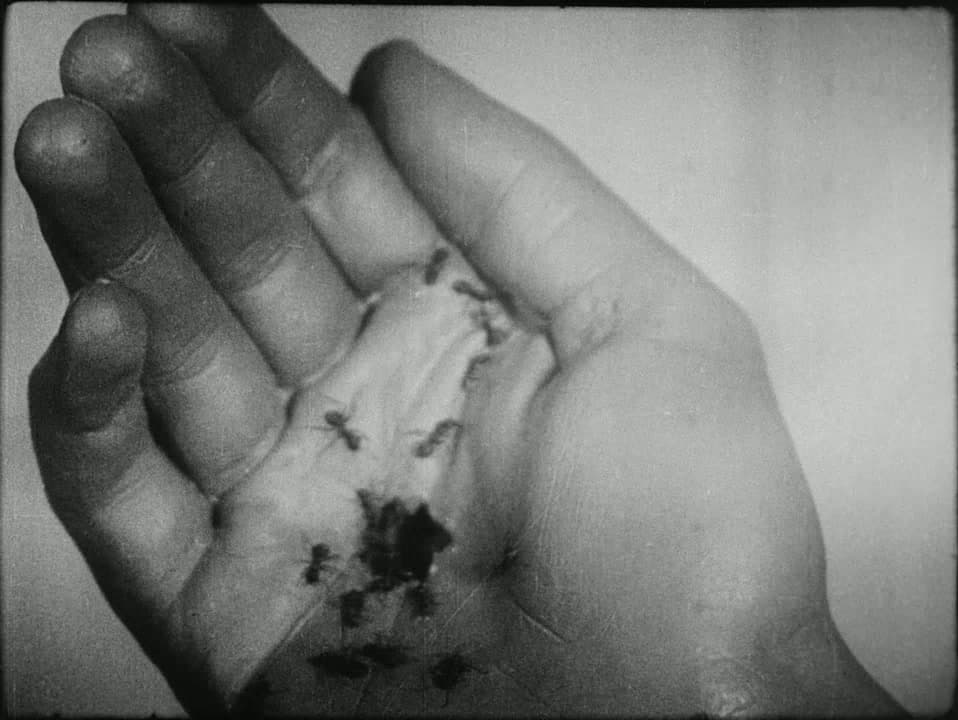
Discusses
In his Dalí essay, Orwell examines an image from Un Chien Andalou while arguing that the painter's technical gifts cannot be separated from the cruelty of his imagery.
"Benefit of Clergy" is quoted constantly and summarised badly. Orwell separates whether Salvador Dalí can draw from whether his autobiography is defensible, answers both, and refuses to let either answer cancel the other. He also refuses to have the book suppressed.
Four of the ten essays are about boys' twopenny weeklies, seaside postcards and pulp crime. In 1940 nobody was writing about these things at all. The method, which is to count it, quote it and then ask what its popularity means, is the ancestor of most cultural criticism since.
"In Defence of P. G. Wodehouse" was written when there were still demands in Parliament to try Wodehouse as a traitor. Orwell reconstructs what was actually said in the Berlin broadcasts and argues that the offence was stupidity.
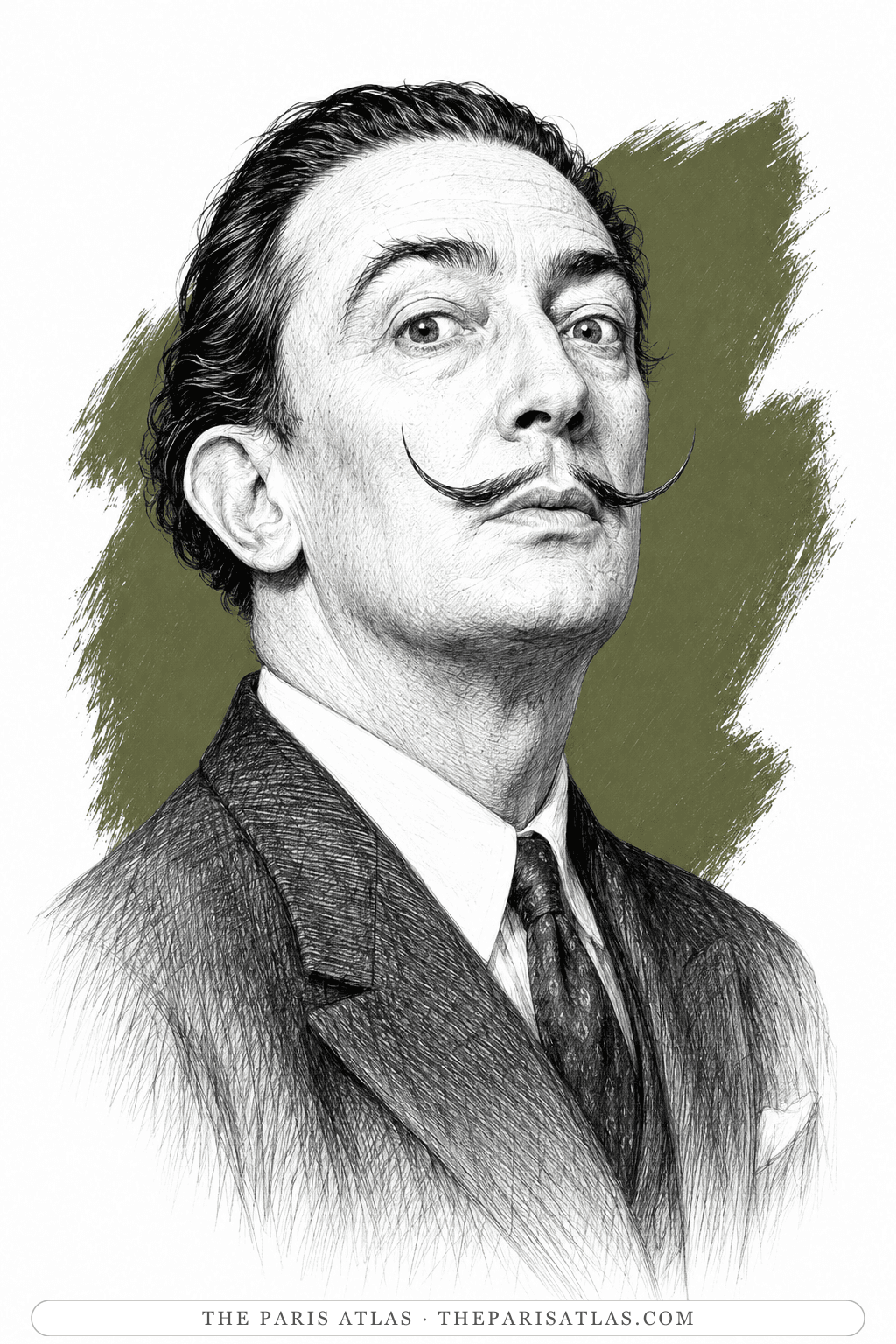
The subject of "Benefit of Clergy", the essay a publisher cut out of a printed book. Orwell reviews the painter's autobiography, states what he thinks of the incidents in it, states that its author can draw better than almost anyone attacking him, and refuses to let either judgement dispose of the other.
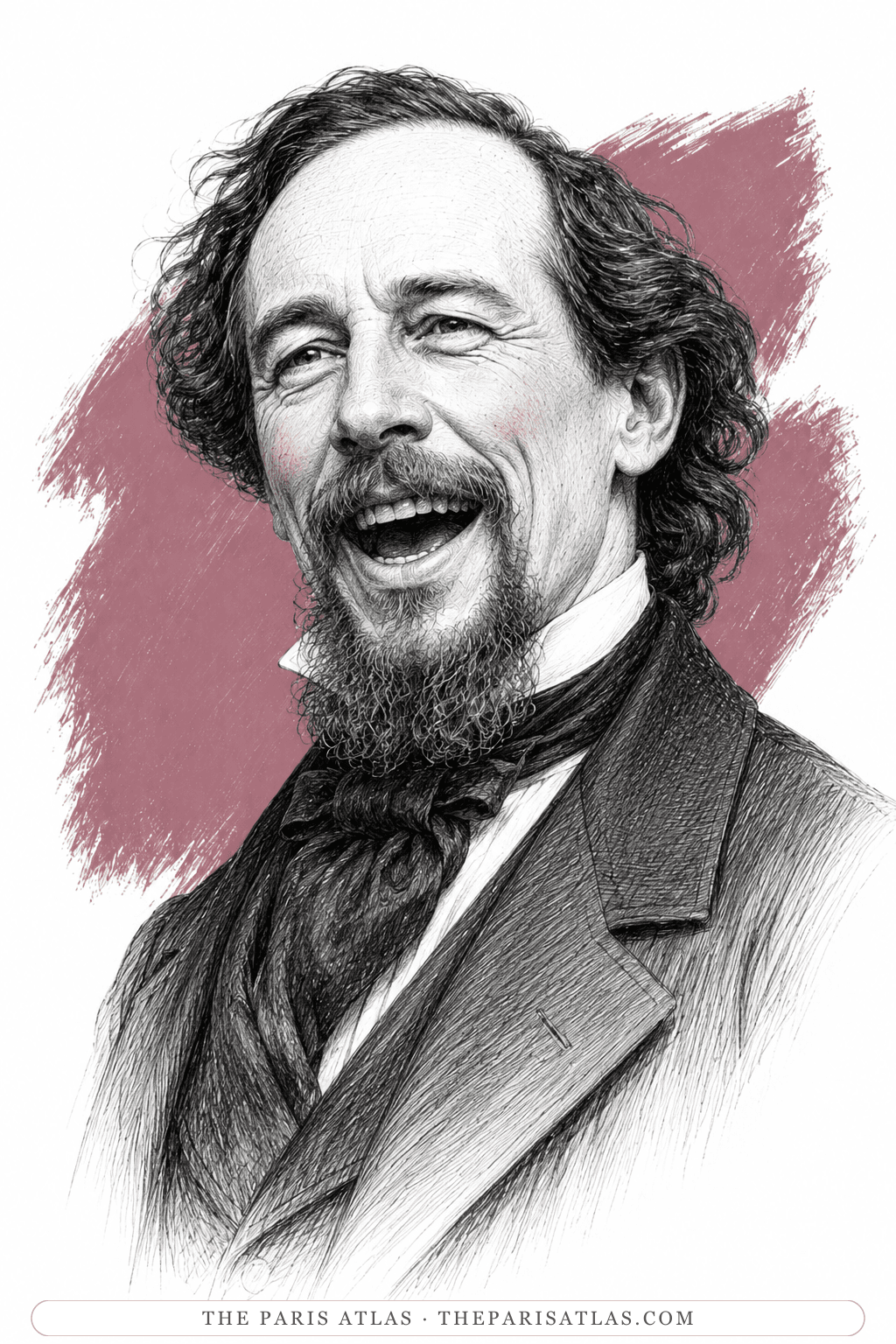
The subject of the book's longest essay, fifty pages of it, dated 1939. Orwell's question is not whether Dickens is good but where he stood: everyone from Chesterton to the Marxists had claimed him, and Orwell wants to know how a writer can attack every English institution and be adopted by all of them.
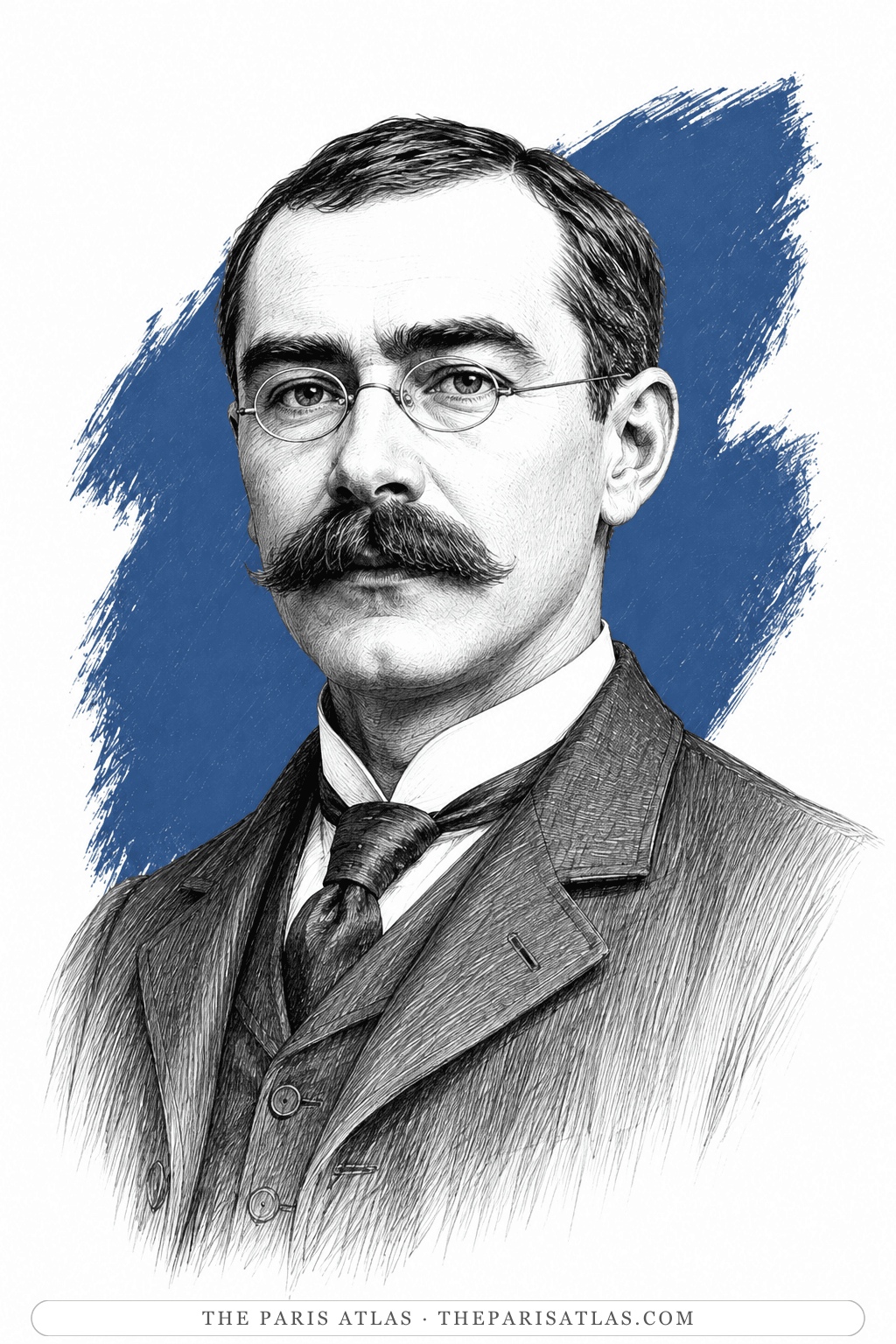
The subject of an essay written as a review of T. S. Eliot's selection of his verse. Orwell concedes the case against Kipling in his first paragraph, calling him a jingo imperialist who is morally insensitive and aesthetically disgusting, and spends the rest of it explaining why he outlives the people who sneer at him.
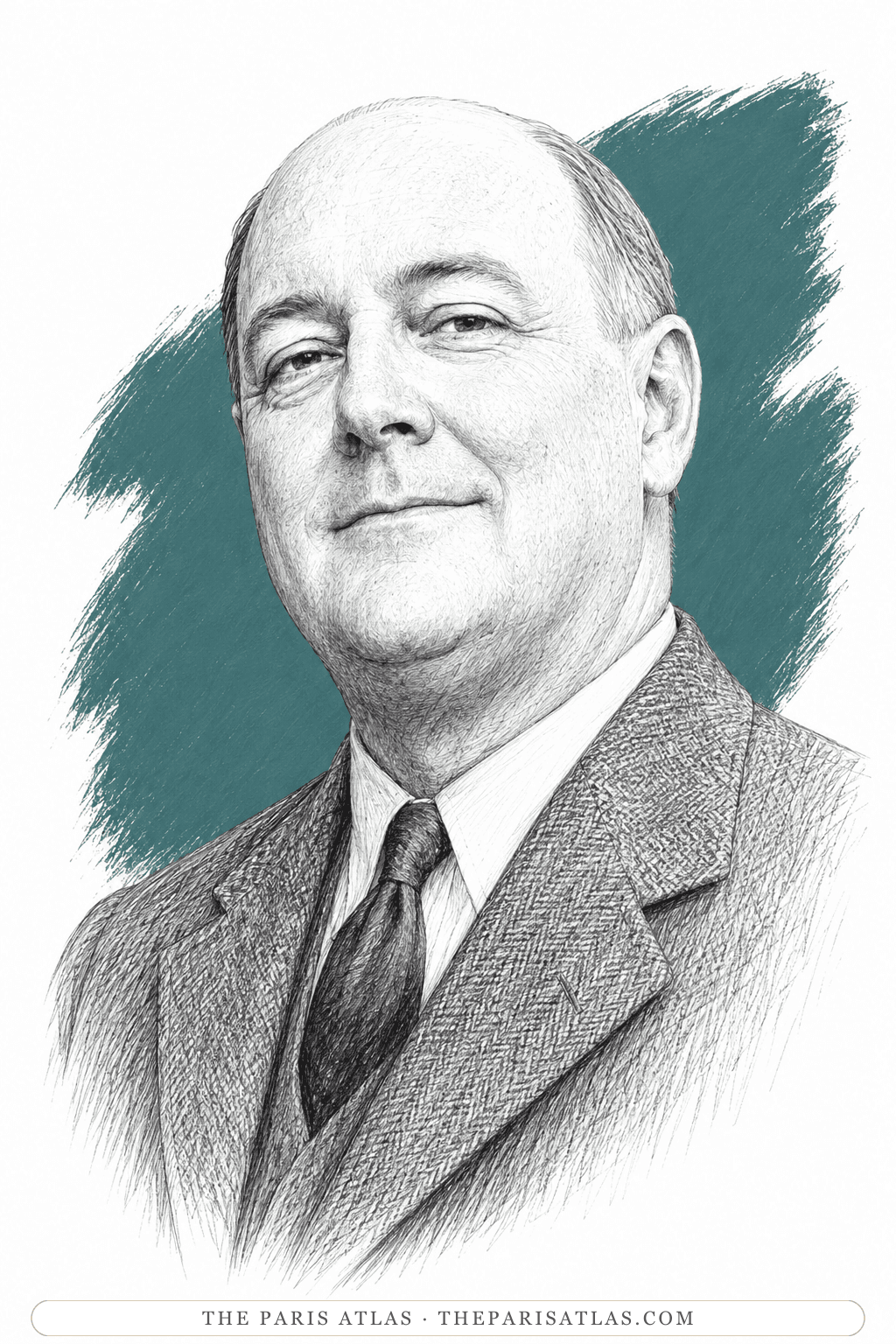
The subject of the last essay, written in 1945 while there were still calls in Parliament to try him as a traitor for five broadcasts he made from Berlin in 1941. Orwell reconstructs what was actually said and argues the offence was stupidity.

The subject of the only essay in the book that had not been printed anywhere before. Orwell reads the five books Koestler had then published in England and asks why England produced no literature of disillusionment about the Soviet Union of its own.

Salvador Dalí's wife, who reaches "Benefit of Clergy" only through the pages of her husband's autobiography. Orwell relays two moments from it: that Dalí was tempted to push her off a precipice when they first met, and the exchange after their first kiss, quoted at length, in which he demanded to be told what she wanted done to her and she answered that she wanted him to kill her.
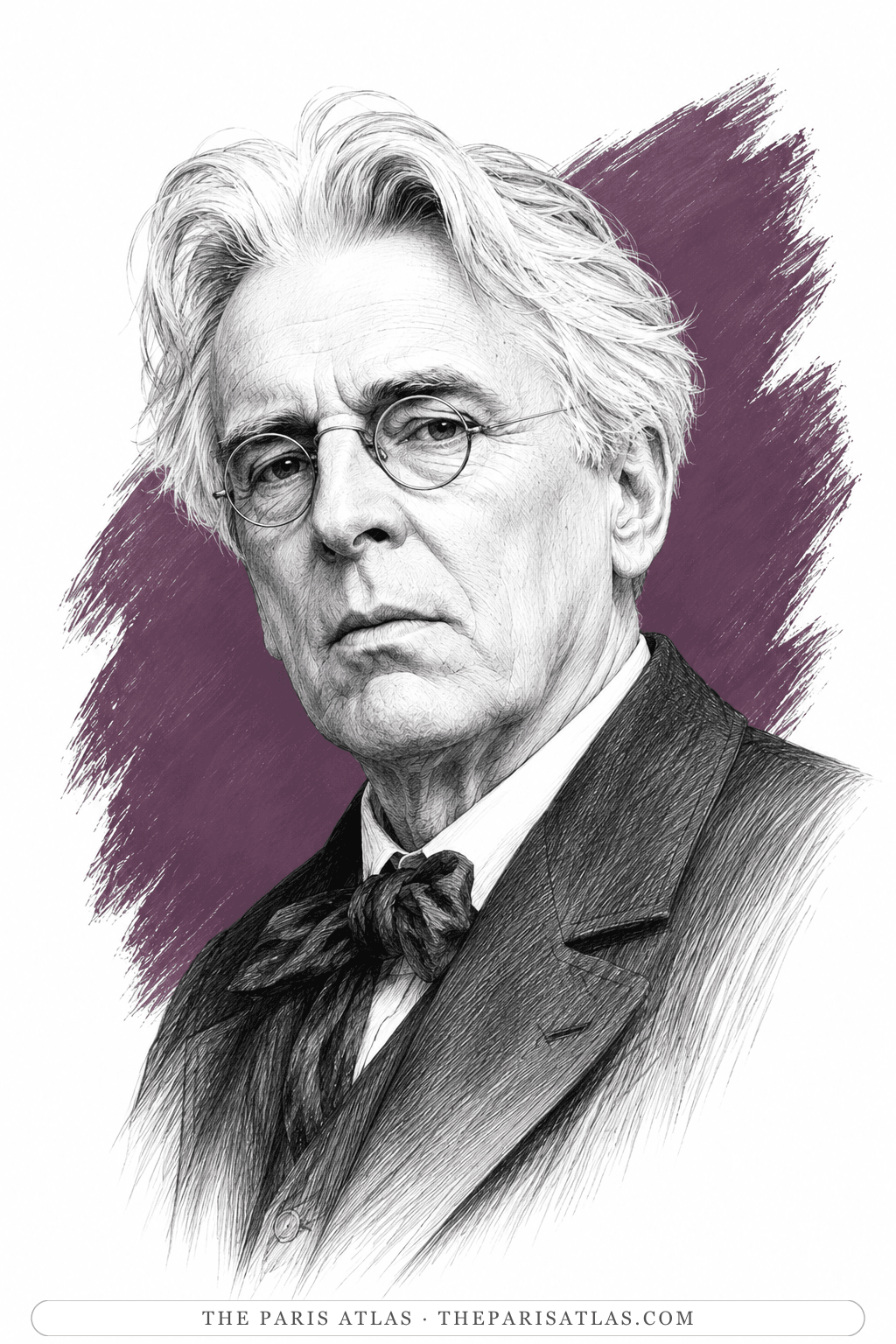
The subject of the book's shortest author essay, written as a review of a study by V. K. Narayana Menon. Orwell follows the Great Wheels and the phases of the moon straight into the politics, and says the connection is not an eccentricity to be laughed away.
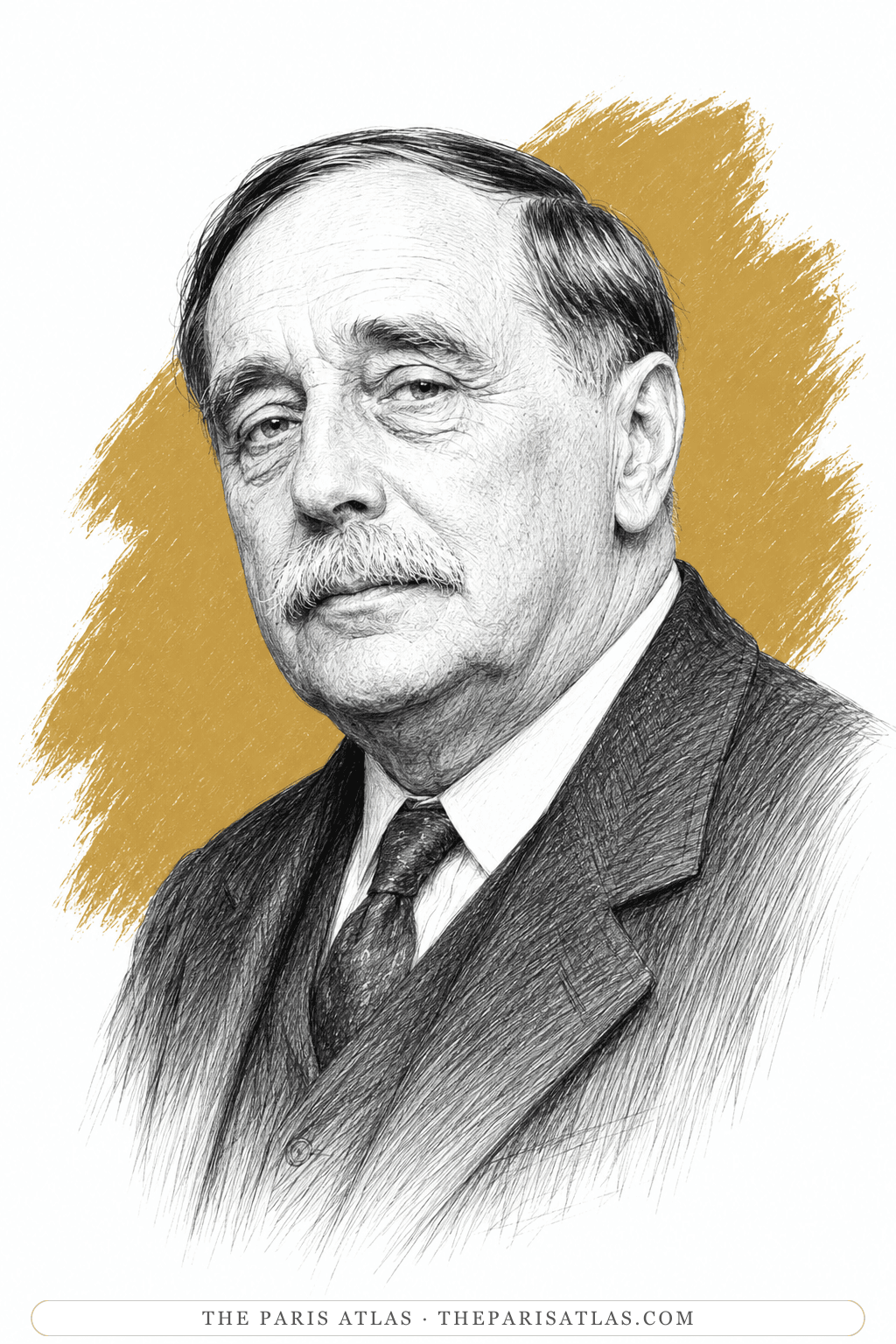
The subject of a short 1941 essay that opens by quoting Wells's own predictions that the German army was largely a phantom, and then argues that the writer who taught a generation to expect the future cannot see this one.
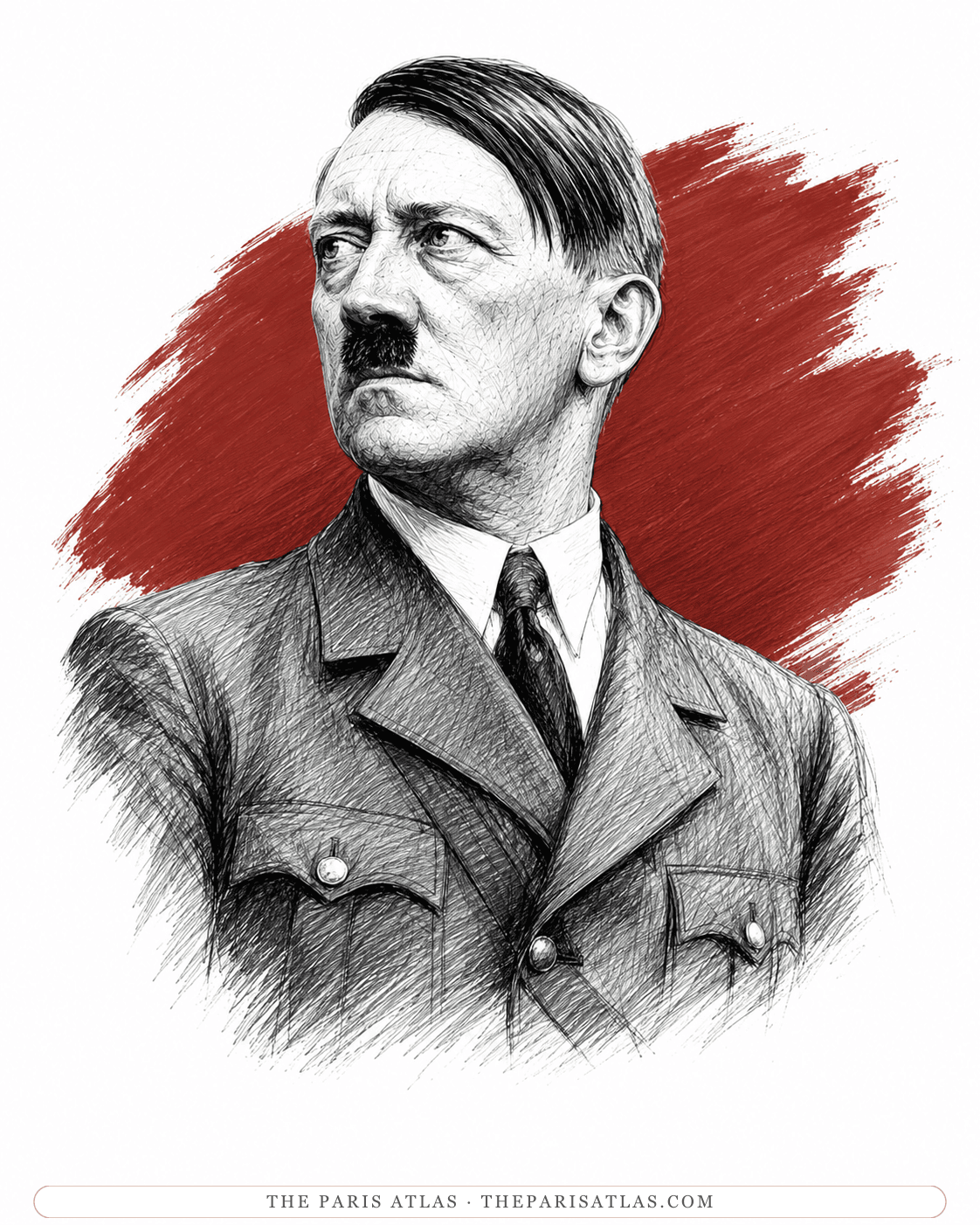
The subject of the argument inside "Wells, Hitler and the World State", in which George Orwell attacks H. G. Wells for underestimating him. Orwell's charge is that English intellectuals had spent ten years insisting he was a figure out of comic opera, and that Wells still thought the German army a phantom in 1941.

The comic-postcard artist whose work gets a whole essay, and whom Orwell had never identified. "Who Donald McGill is, I do not know," the essay says. Apparently a trade name, and also unquestionably a real person with a style recognisable at a glance.
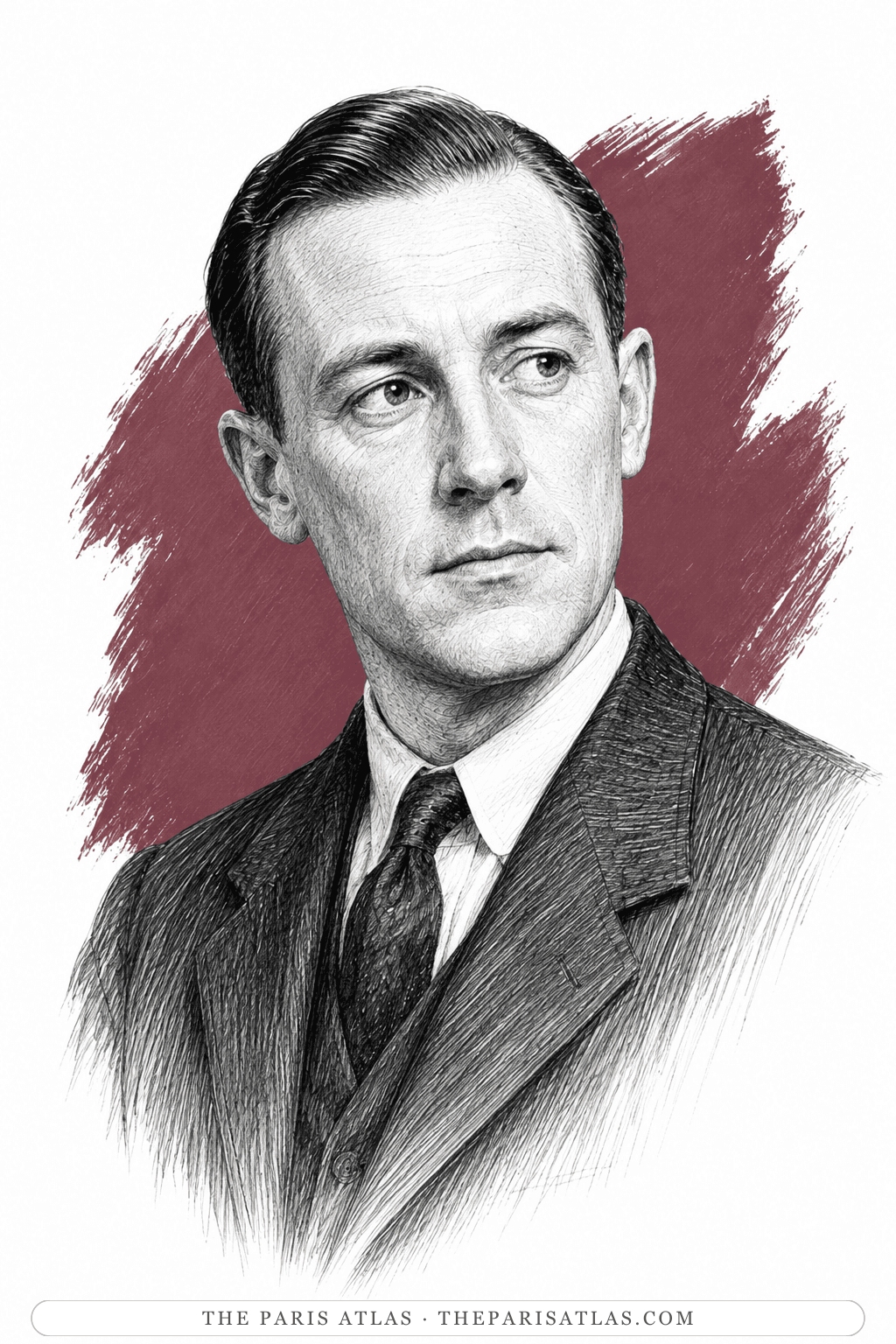
The English author of No Orchids for Miss Blandish (1939), the gangster novel Orwell sets against the Raffles stories in "Raffles and Miss Blandish". Orwell calls the writing brilliant and the book's success a bad sign.
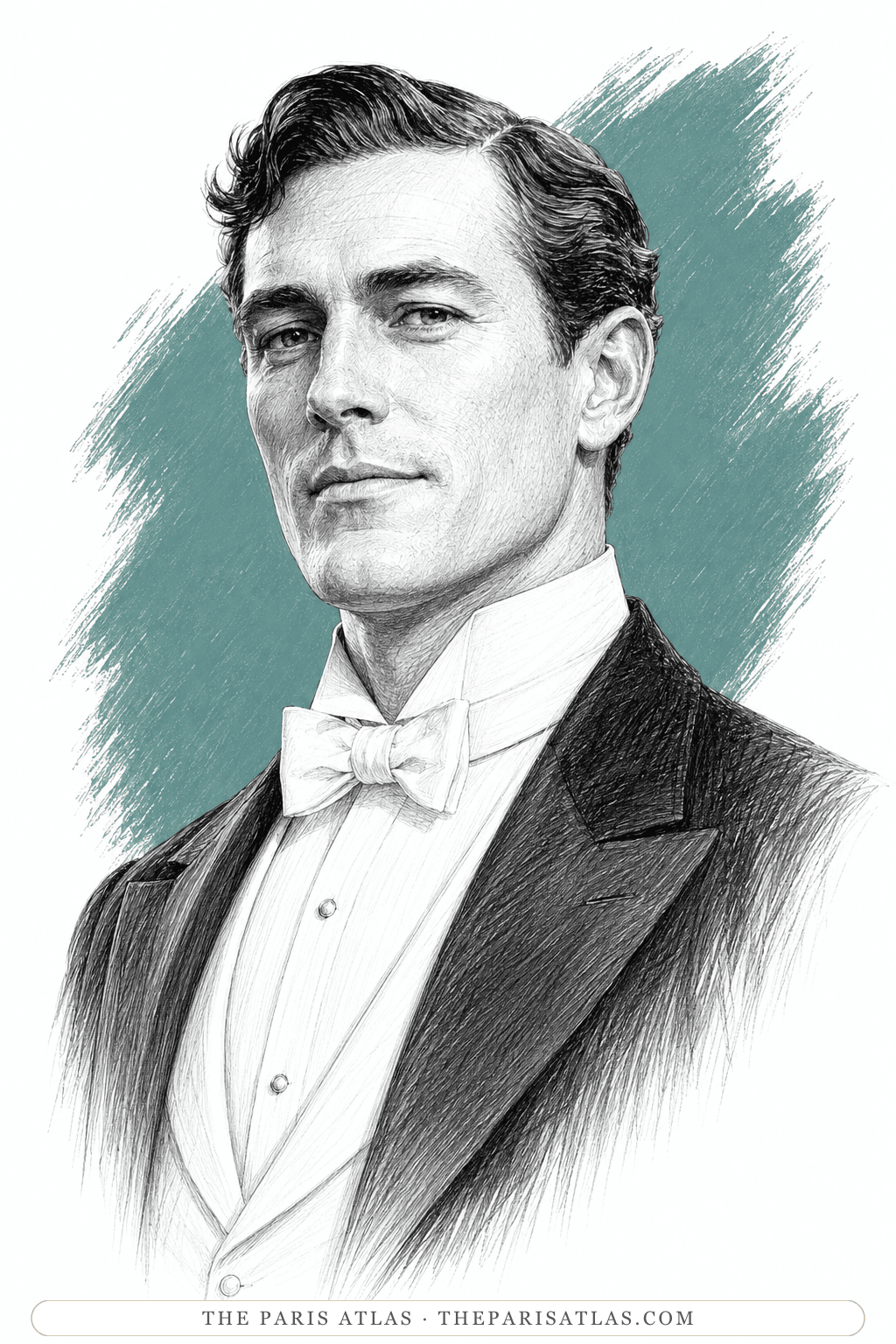
A fictional character: the amateur cracksman invented by the novelist E. W. Hornung around 1900, and the older half of the comparison in "Raffles and Miss Blandish". Orwell uses him to show what a crime story looked like when its readers still had rules.
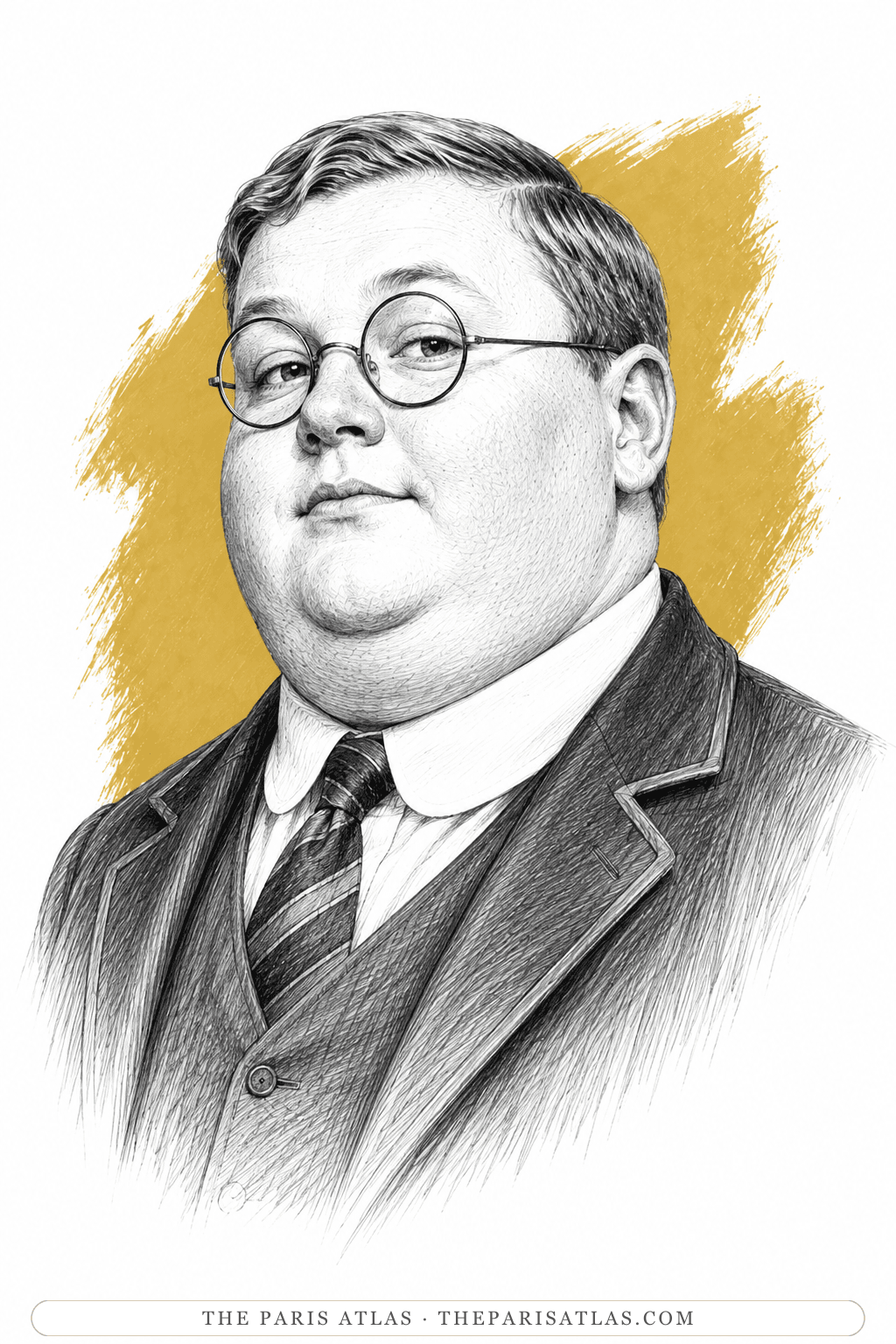
A fictional schoolboy, the fat Owl of Greyfriars, invented for the Magnet. Orwell calls him a real creation and one of the best-known figures in English fiction, famous for his tight trousers, his astuteness in the search for food and a postal order that never turns up. Orwell adds that he is the one character in the paper that no reader wants to be.
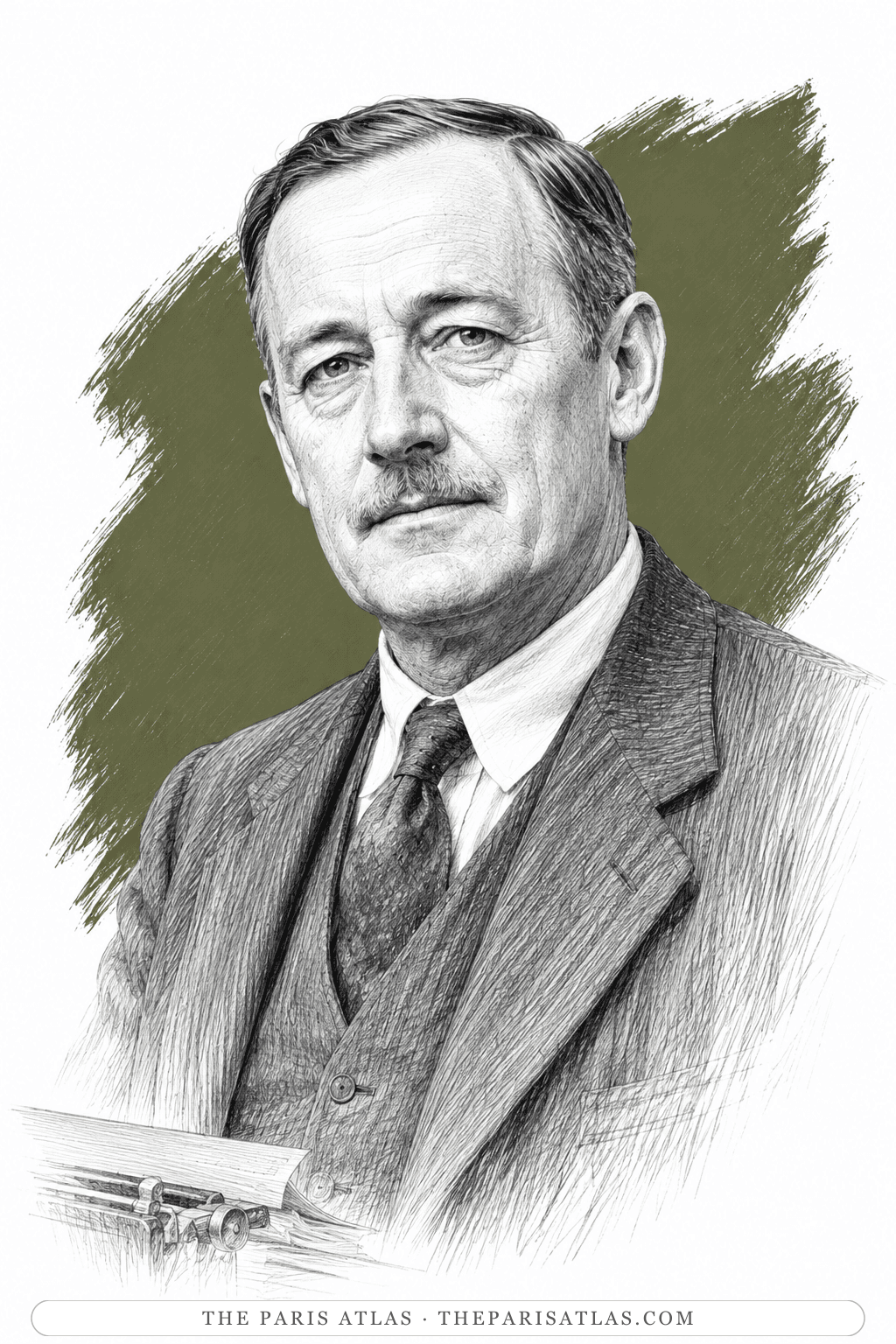
The name signed to the Greyfriars stories in the Magnet, alongside "Martin Clifford" in the Gem. Orwell argued in 1939 that thirty years of them could not be one man's work, which is why the house style had to be so easy to imitate. A footnote dated 1945 calls that quite incorrect: the two names belonged to the same person, who had answered Orwell in Horizon in May 1940.
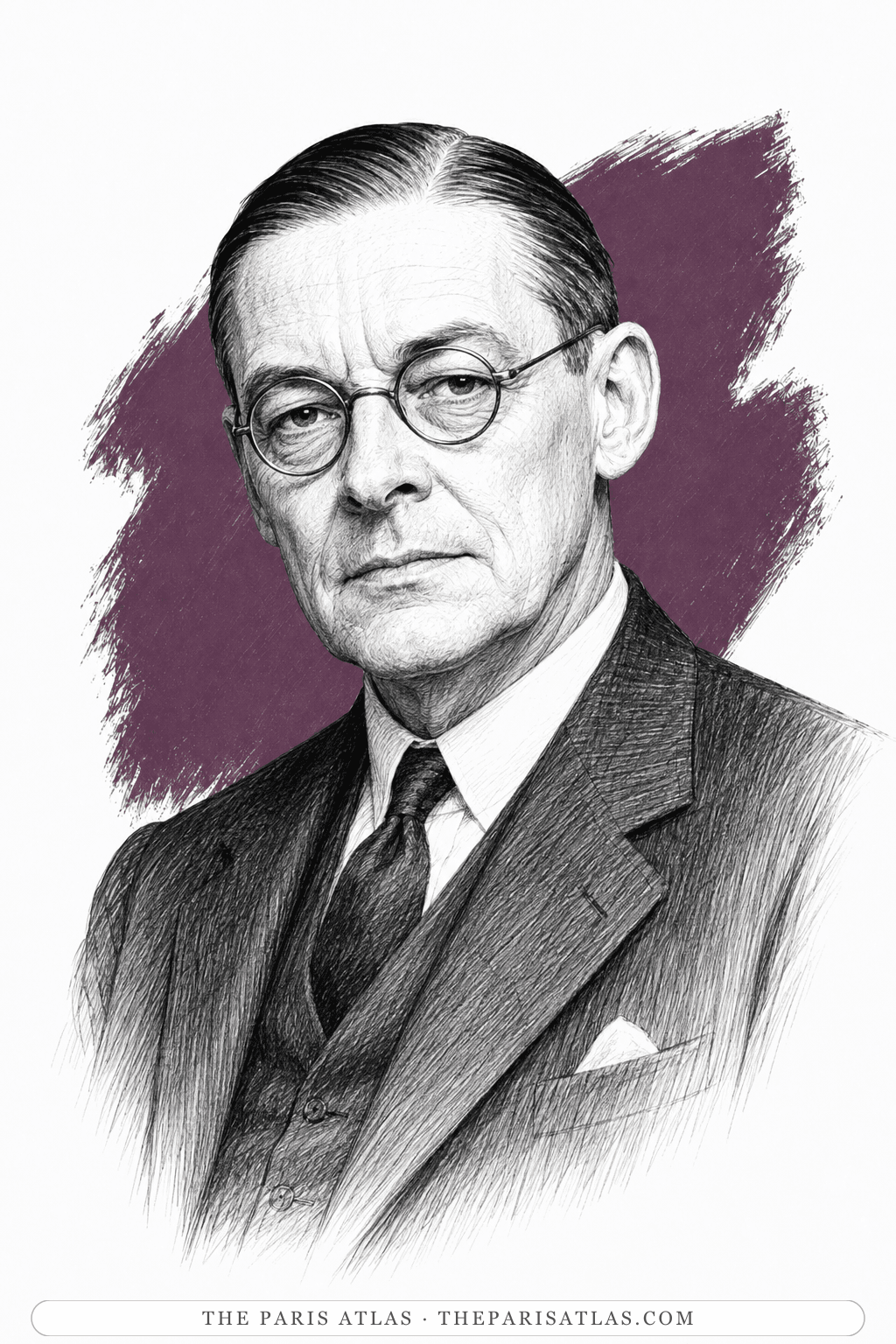
The poet and Faber editor whose selection A Choice of Kipling's Verse prompted the Kipling essay. Orwell's complaint is that Eliot is too much on the defensive to say plainly whether any of it is good, and that his formula, of great verse some of which cannot be told from poetry, would have been more useful if he had named the poems he meant.

Depicts · 1946
One of the ten essays in Orwell's 1946 collection is about Kipling, written as a review of the selection of his verse that T. S. Eliot made for Faber. Orwell concedes the case in his first paragraph — no civilised person, he says, can accept Kipling's view of life — denies that he was a fascist, and then spends the essay explaining why he outlasts the refined people who sniggered at him, inventing the category of the good bad poet to hold him. The comparison Orwell reaches for is Harriet Beecher Stowe: Kipling is as a poet what she was as a novelist.
Fifty pages on where Dickens really stood. Orwell finds a writer who attacked English institutions with a ferocity never since approached, was swallowed whole by the people he attacked, and whose criticism of society is moral rather than structural. First collected in Inside the Whale in 1940.
The twopenny papers on sale in every poor quarter in England, read as political evidence. The Gem and the Magnet had been running the same never-ageing fourth-formers since before 1914; the eight newer papers add death-rays and bully-worship without changing the year, which Orwell puts at 1910. Also first collected in Inside the Whale.
A review of Guide to the New World, in which H. G. Wells had written that the German army was a waiting phantom. Orwell lists what happened next, then argues that the writer who taught a generation to expect the future is disqualified from understanding this one. It appeared in Horizon.
The comic postcards of the cheap stationers' window, sorted by subject and read for what their obscenity is for. Orwell's answer is that they are not pornography but a skit on it, and that they only work against a strict moral code. A shortened version ran in the Strand Magazine.
Written as a review of A Choice of Kipling's Verse, made by T. S. Eliot for Faber & Faber. Orwell concedes the charges against Kipling in his first paragraph, denies that he was a Fascist, and invents the category of the good bad poem to place him. It appeared in Horizon.
A review of The Development of William Butler Yeats by V. K. Narayana Menon (Oliver & Boyd). Orwell traces the Great Wheels and the phases of the moon into the politics, and asks the reviewer to write a second book starting where this one stops. It appeared in Horizon.
A review of the painter's autobiography, printed in the Saturday Book for 1944 and then cut out of every copy on grounds of obscenity. It is the only essay in the collection that had not properly been published before, and the reason the book is remembered.
On the five books Koestler had then published in England, and on why England produced no concentration-camp literature of its own. Written for the magazine Focus, which Orwell expected would not print it before the collection appeared.
E. W. Hornung's gentleman burglar of 1900 set against James Hadley Chase's No Orchids for Miss Blandish of 1939, to measure what had changed in what readers would admire. It ran in Horizon and in the New York monthly Politics.
The 1941 Berlin broadcasts reconstructed, quoted and dated, followed by an argument that the man who made them had no political awareness to betray anyone with. It appeared in The Windmill.
1939
Orwell dates "Charles Dickens" and "Boys' Weeklies", the two longest essays in the book and together nearly half its length.
1940
Both appear in Orwell's collection Inside the Whale, six years before they are reprinted here.
1941
"Wells, Hitler and the World State" and "The Art of Donald McGill" are written; both run in Horizon, and a shortened McGill in the Strand Magazine.
1942
"Rudyard Kipling" is written as a review of A Choice of Kipling's Verse, made by T. S. Eliot for Faber & Faber.
1943
"W. B. Yeats" is written, reviewing The Development of William Butler Yeats by V. K. Narayana Menon.
1944
"Benefit of Clergy" is printed in the Saturday Book, then cut out of every copy on grounds of obscenity. "Arthur Koestler" and "Raffles and Miss Blandish" are written in the same year.
1945
"In Defence of P. G. Wodehouse" appears in The Windmill, while there are still demands in Parliament for Wodehouse to be tried as a traitor.
14 February 1946
Secker & Warburg publish Critical Essays in London, in a first printing of 3,028 copies.
April 1946
Reynal & Hitchcock publish the American edition in New York as Dickens, Dali & Others: Studies in Popular Culture.

Ten, in this order: "Charles Dickens", "Boys' Weeklies", "Wells, Hitler and the World State", "The Art of Donald McGill", "Rudyard Kipling", "W. B. Yeats", "Benefit of Clergy: Some Notes on Salvador Dalí", "Arthur Koestler", "Raffles and Miss Blandish" and "In Defence of P. G. Wodehouse". They were written between 1939 and 1945, and each is dated at its foot.
Secker & Warburg published it in London on 14 February 1946, in a first printing of 3,028 copies. Reynal & Hitchcock published the American edition that April.
Because the American publisher retitled it. Reynal & Hitchcock issued the same ten essays in New York in April 1946 as Dickens, Dali & Others: Studies in Popular Culture, and the book is still sold under that title in the United States.
That both things are true at once: Salvador Dalí is a draughtsman of very exceptional gifts, and the autobiography he published in 1942 is repellent. Orwell's argument is against being made to choose: against the reader who will grant Dalí no merit at all, and against the admirer who treats a moral objection as proof that you lack an aesthetic sense. He also states plainly that neither the book nor the pictures should be suppressed, and that what is needed is an explanation of why Dalí is as he is.
"Benefit of Clergy: Some Notes on Salvador Dalí" was suppressed once, before this book. It had been set and printed in the Saturday Book for 1944 when its publishers, Hutchinson, decided it was obscene; it was cut out of every copy, and its title stayed in that book's table of contents because there was no way to remove it. Critical Essays is where the essay first reached readers.
A term George Orwell invents in the Kipling essay for verse that is plainly vulgar and goes on being read anyway. He defines it as a graceful monument to the obvious: it records in memorable form an emotion nearly everyone shares, which is why the line comes back to you later and seems better than it did. He offers Rudyard Kipling as the leading English example.
Not the first place. Animal Farm, Nineteen Eighty-Four and Down and Out in Paris and London are easier entry points. Critical Essays is where to go once those are read, because it shows the method behind them, which is to describe the thing accurately first and argue afterwards, applied to books, postcards and comics rather than to politics directly.
Explore authors with a similar voice, perspective, and influence.
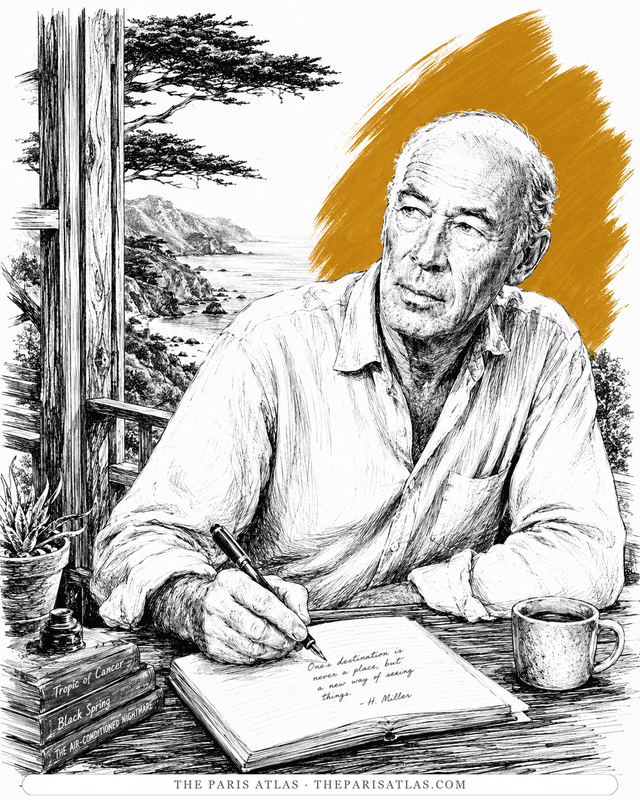
The Brooklyn dropout who arrived in Paris broke at thirty-eight and wrote the exuberant, banned books that ended American censorship.
View author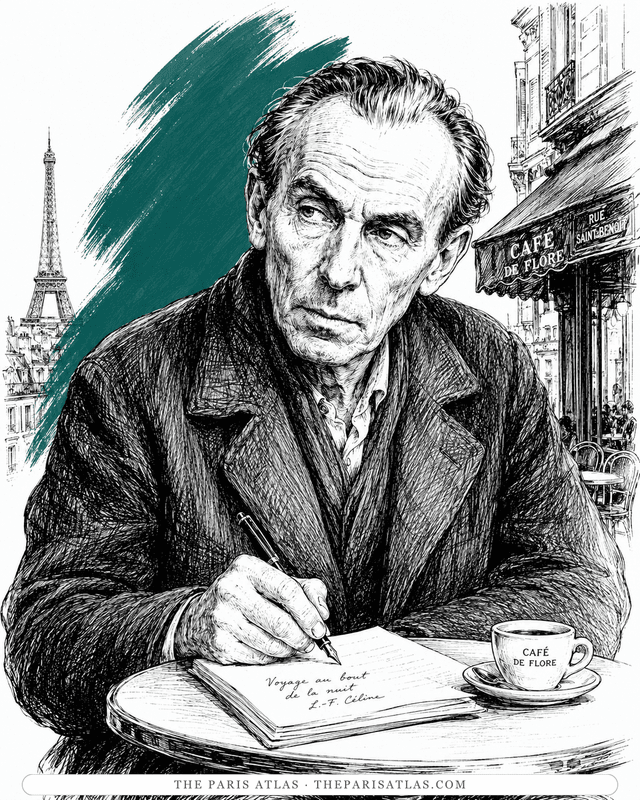
The doctor of the Paris slums who wrote the century's blackest, funniest novel — and changed the sound of French prose.
View author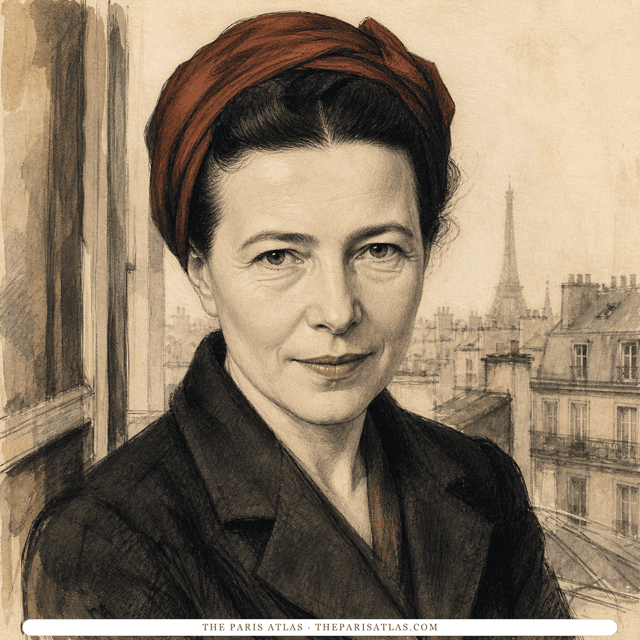
French writer and philosopher whose novels, memoirs, and social analysis examined freedom, gender, responsibility, aging, and the material conditions that shape a life.
View authorThe sources below include the primary text, editions, scholarship, archival materials, and other records that informed this page. They document Critical Essays, its publication, and its place in literary history.


Used to verify Critical Essays's place in Orwell's published work and its bibliographic context.

Used for independent archival context surrounding Orwell's writing and papers.
Used to cross-check chronology and the work's place in Orwell's career.
Used to verify George Orwell's bibliography and place Critical Essays within the broader chronology of George Orwell's career.
The primary text is the baseline reference for every book page. Additional references document publication history, interpretation, and historical context where that evidence is available.
 Explore more resources