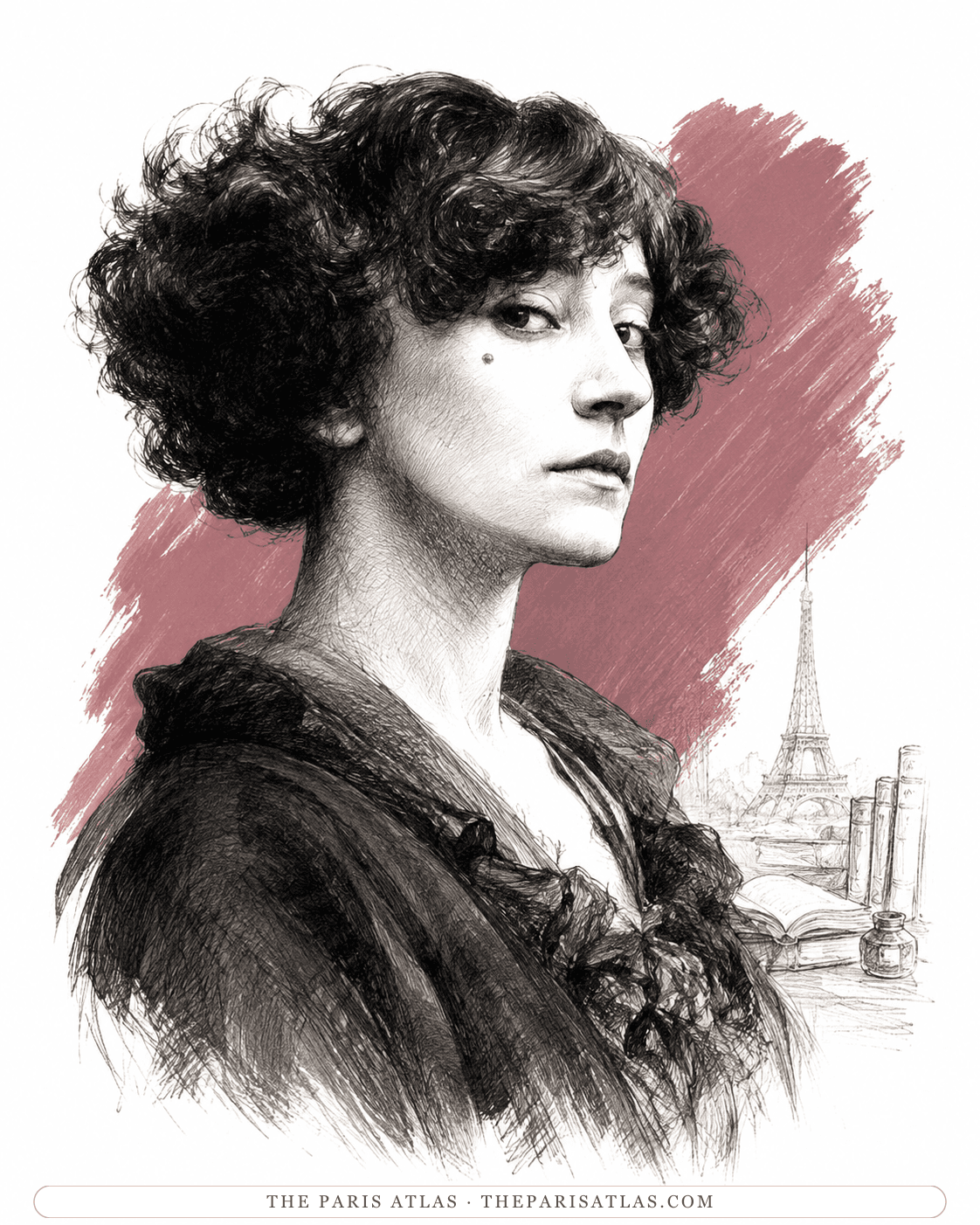
Colette
Worked here · 1932–1933
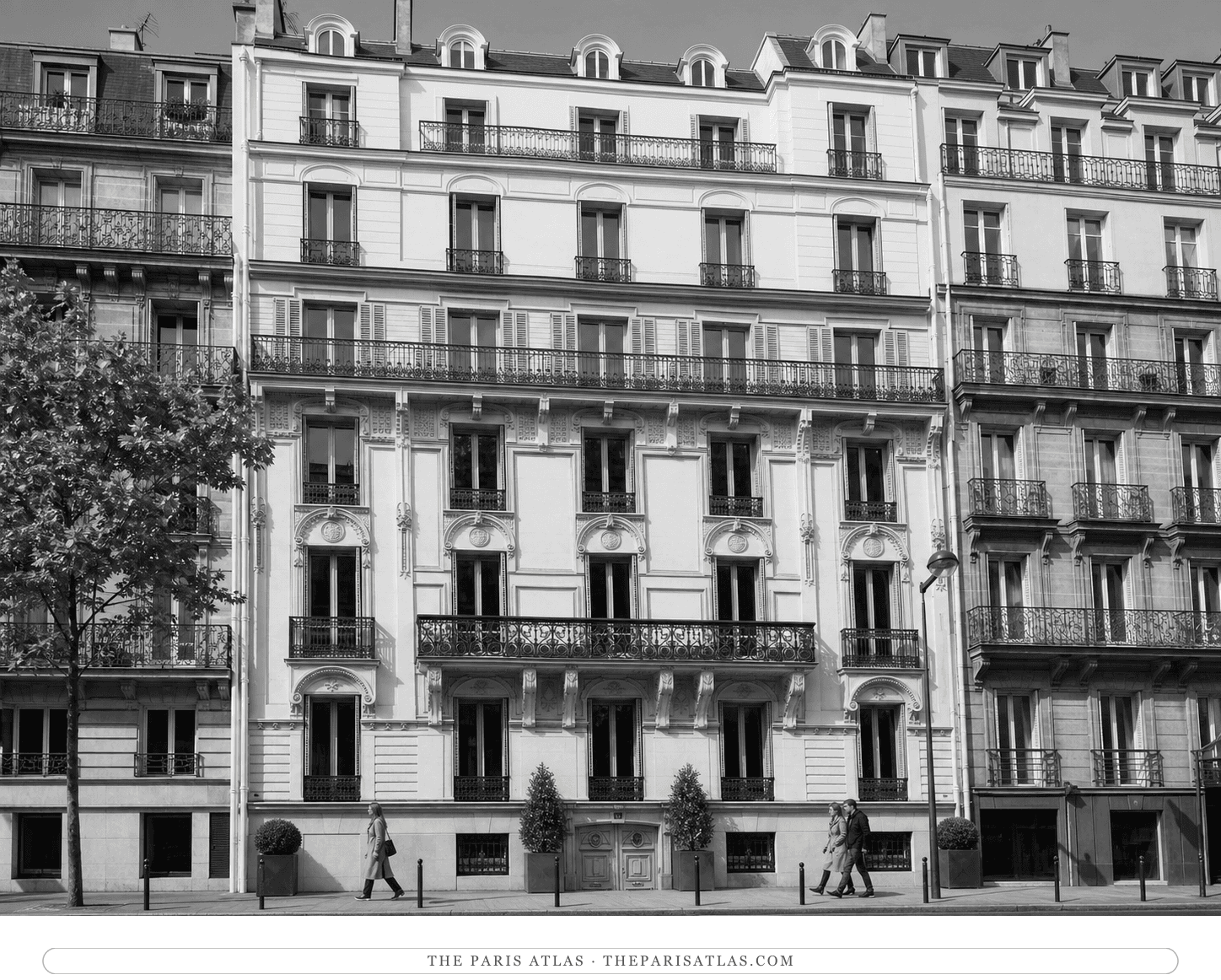
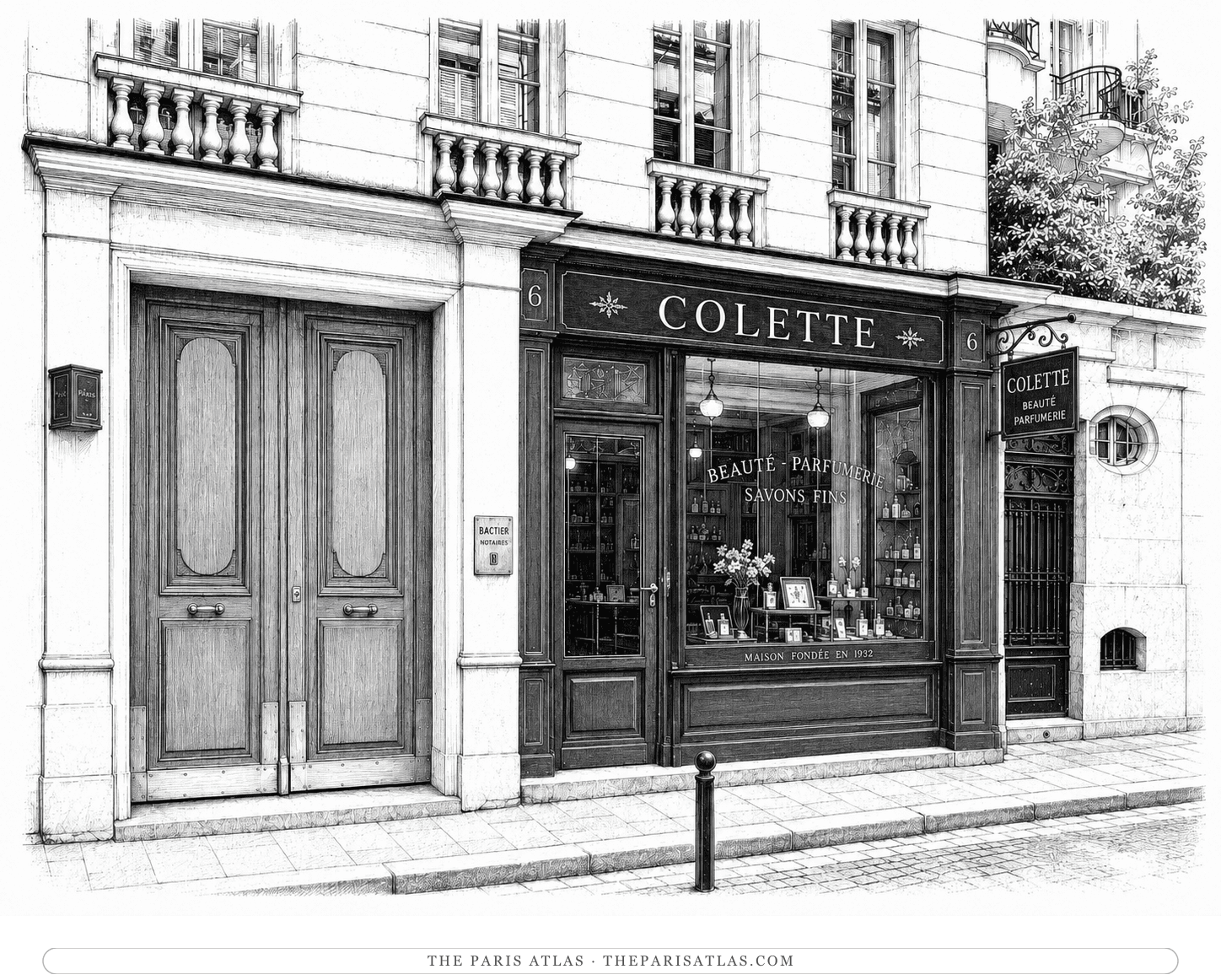
Colette opened her beauty shop at 6 rue de Miromesnil on 1 June 1932, selling cosmetics she made herself and making up clients in person. The short-lived venture closed after little more than a year.
The beauty shop Colette opened in 1932, selling cosmetics she made herself — her attempt to turn her fame into a business.
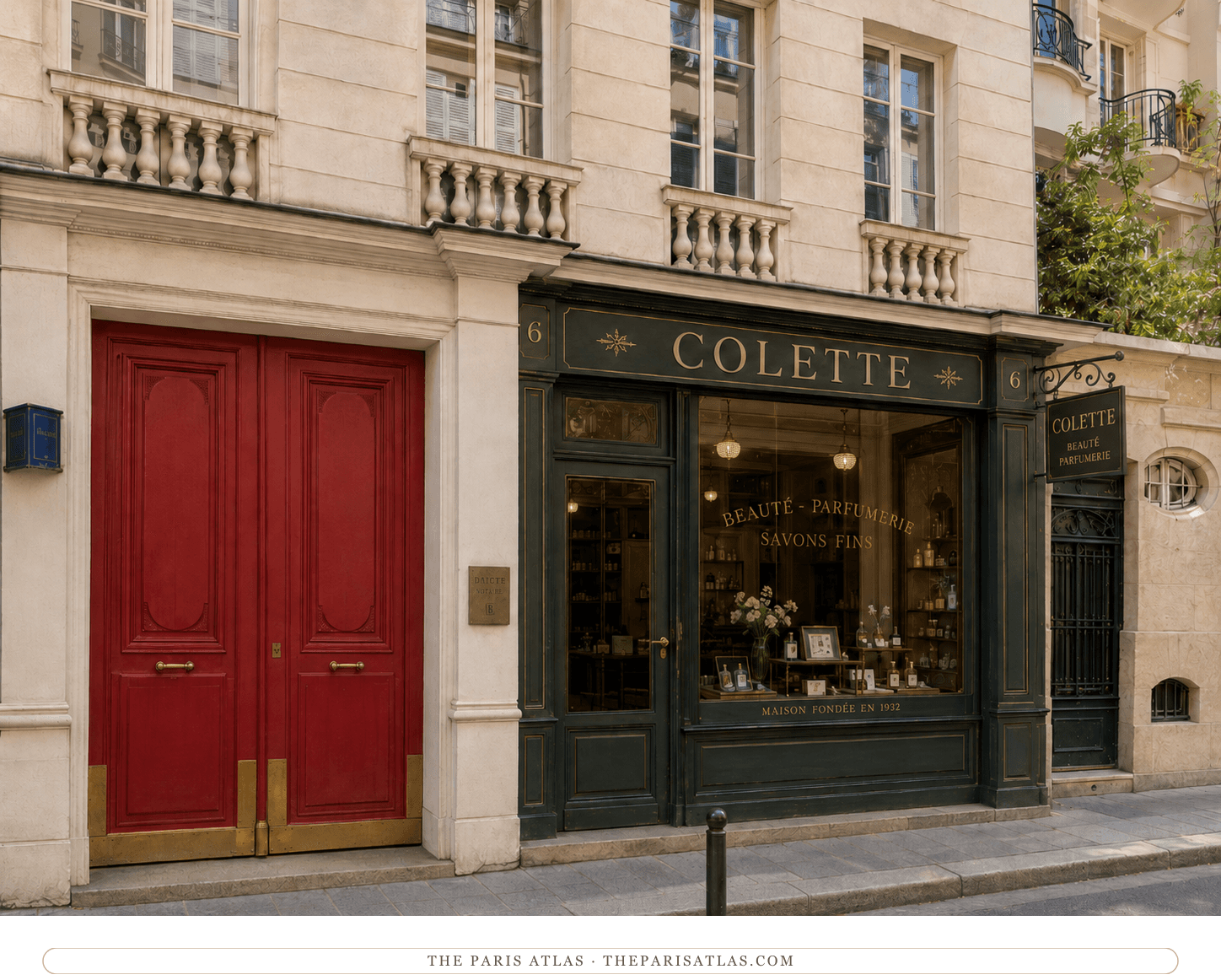
On 1 June 1932 Colette opened a shop at 6 rue de Miromesnil — an institut de beauté selling cosmetics and perfumes she developed herself, where she also made up clients in person. The inauguration drew a theatrical crowd: the actresses Cécile Sorel, Marguerite Moreno and Charlotte Lysès, and the former courtesan Liane de Pougy. That November she demonstrated and sold her products at the Printemps department store.
It was an attempt to turn her celebrity into a business, and it was short-lived; the venture closed after little more than a year. Nothing of the shop remains at the address. It is the one storefront among Colette's theatres and apartments, and a reminder of how directly she tried to convert her fame into income.
Colette opens her beauty shop at 6 rue de Miromesnil on 1 June; a society crowd attends.
In November she demonstrates and sells her beauty products at the Printemps store.
The venture closes after little more than a year.
Worked here · 1932–1933
Colette opened her beauty shop at 6 rue de Miromesnil on 1 June 1932, selling cosmetics she made herself and making up clients in person. The short-lived venture closed after little more than a year.
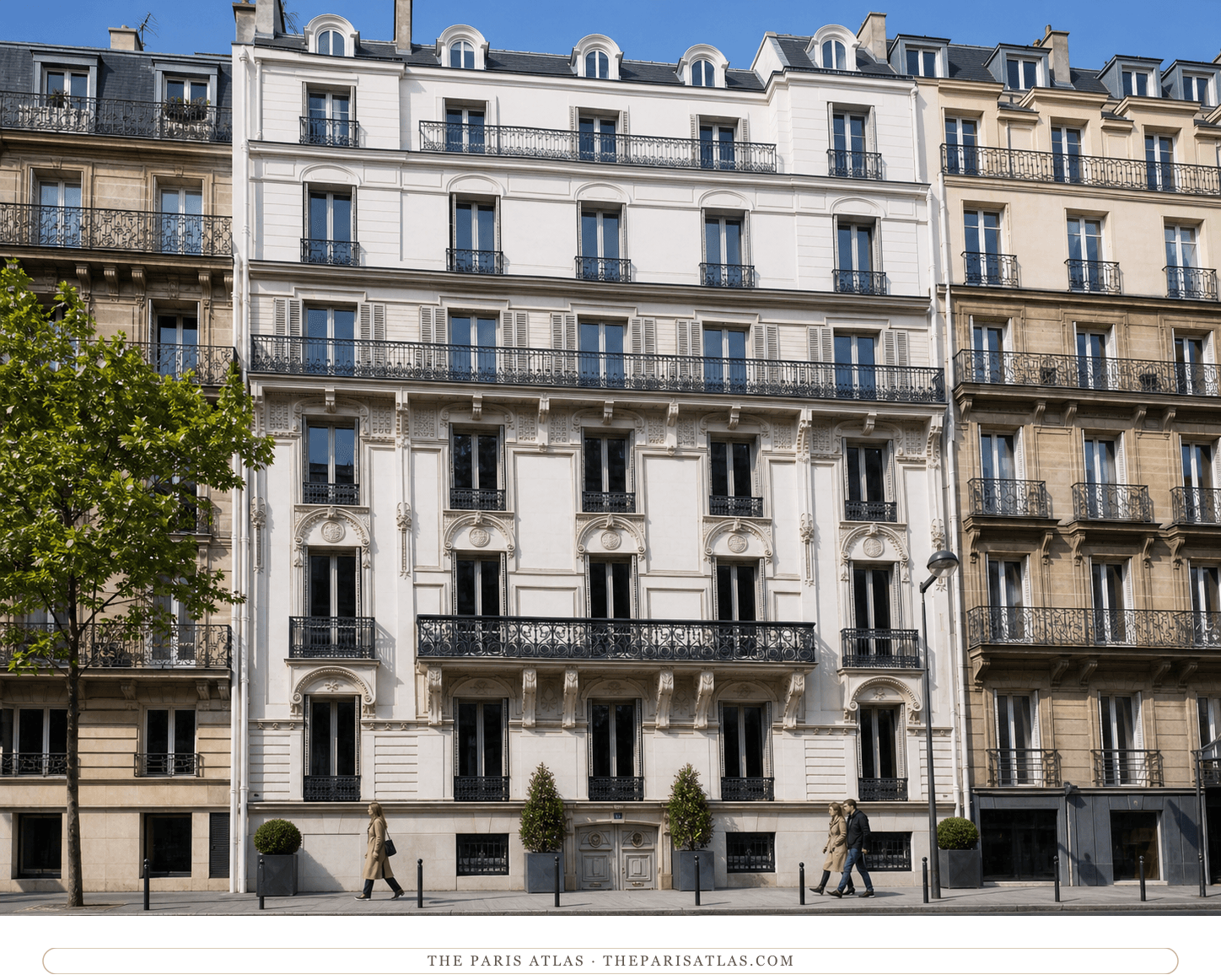
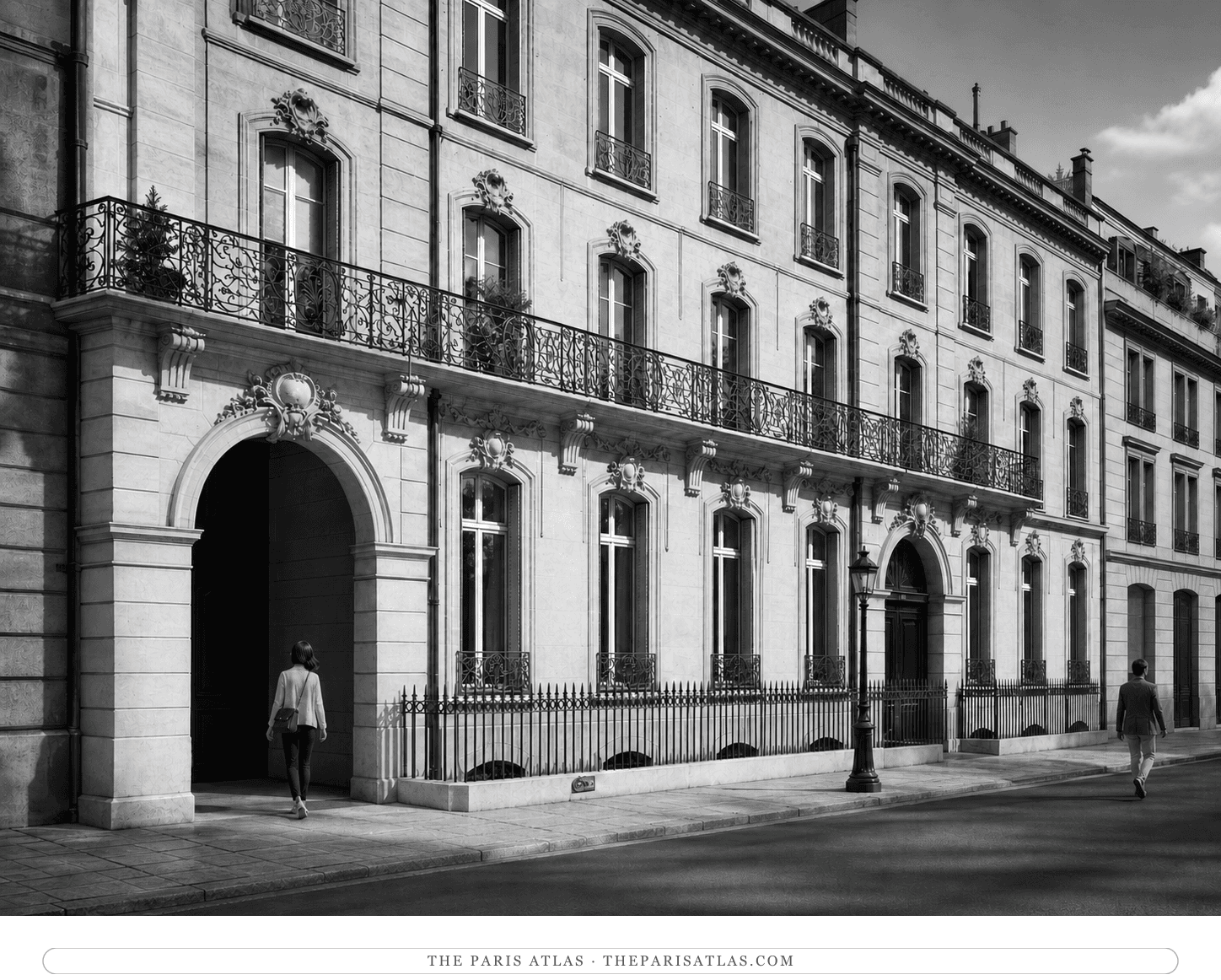
Where Pablo Picasso lived and worked from 1918 with Olga Khokhlova — the apartment in the gallery district that marks his arrival into wealth, with a cook, a chauffeur, a chambermaid and a nurse, and his dealer Paul Rosenberg two doors along.
Visit the place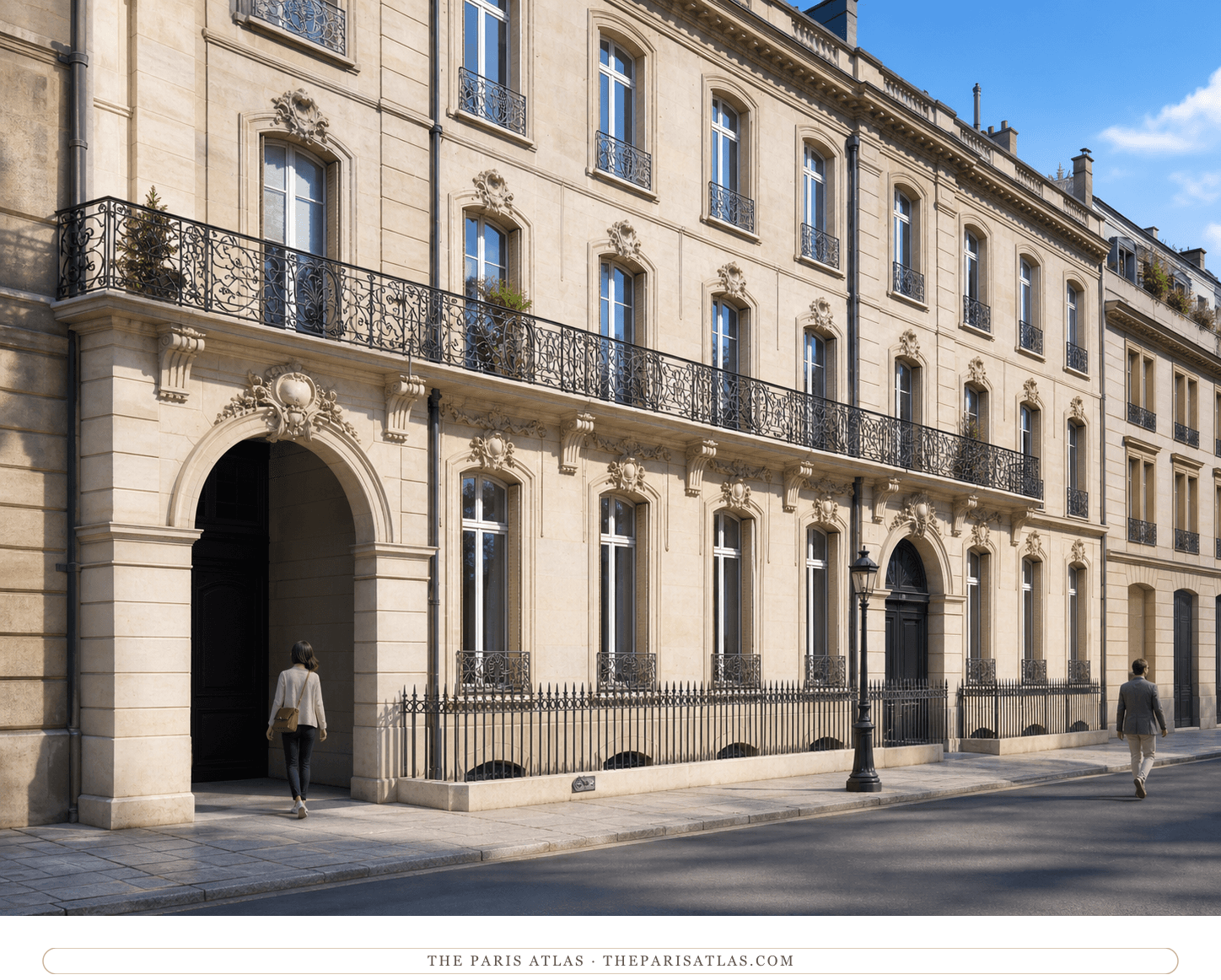
The surviving mansion that housed the American Library in Paris from 1920 to 1936—a center of transatlantic reading and literary life where Langston Hughes unsuccessfully asked for work.
Visit the place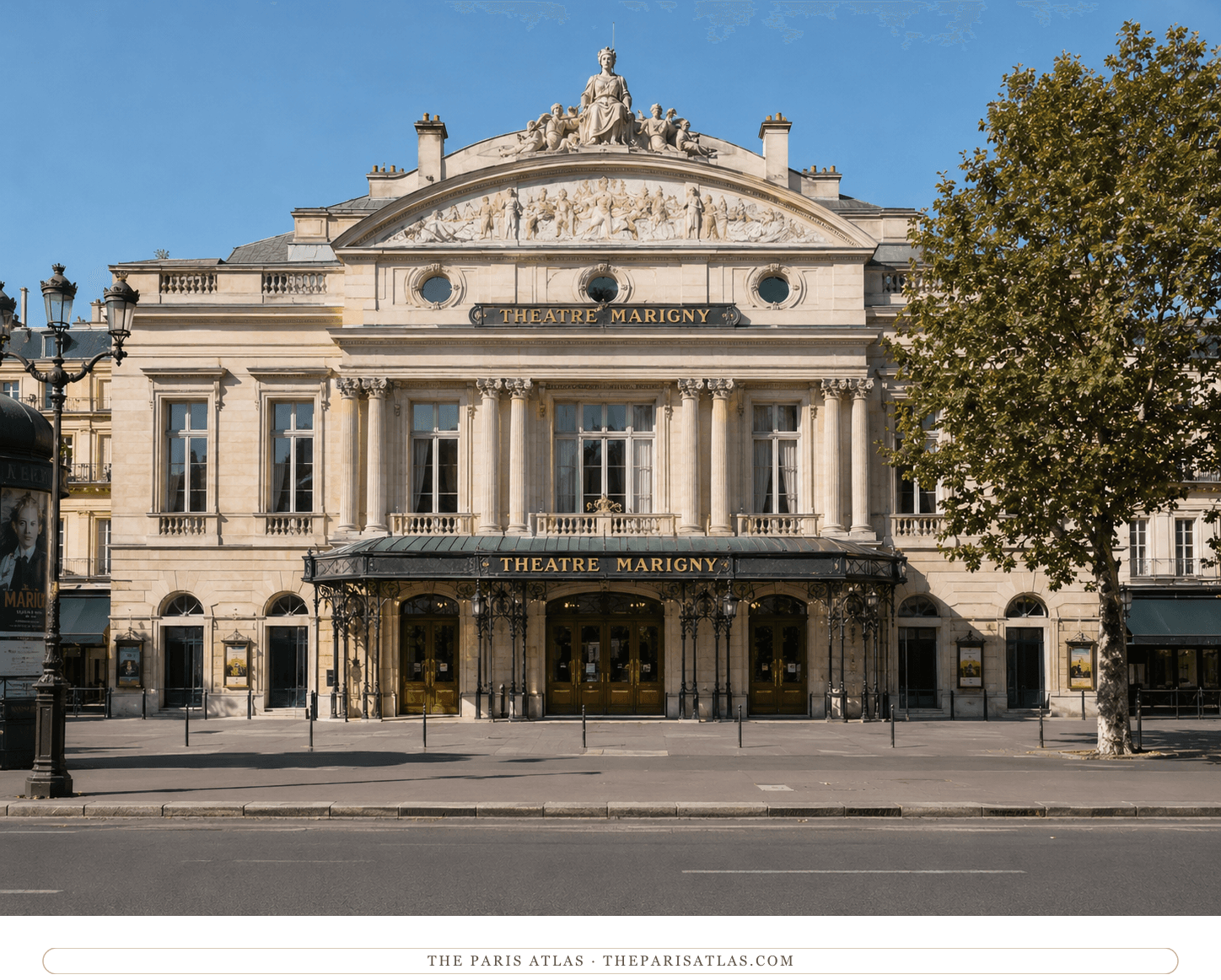
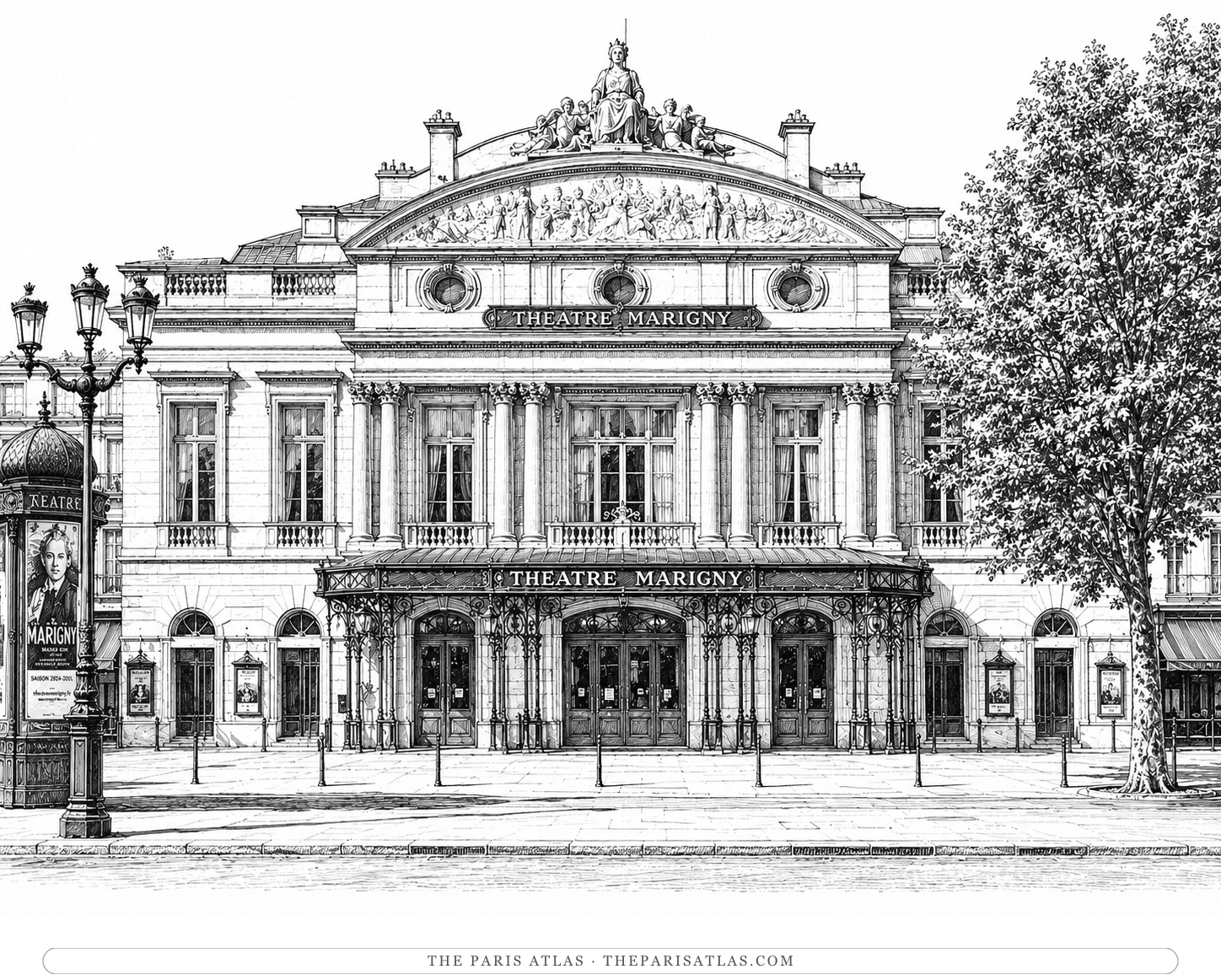
The theatre in the Champs-Élysées gardens where Colette played Paniska in Pan in 1906.
Visit the place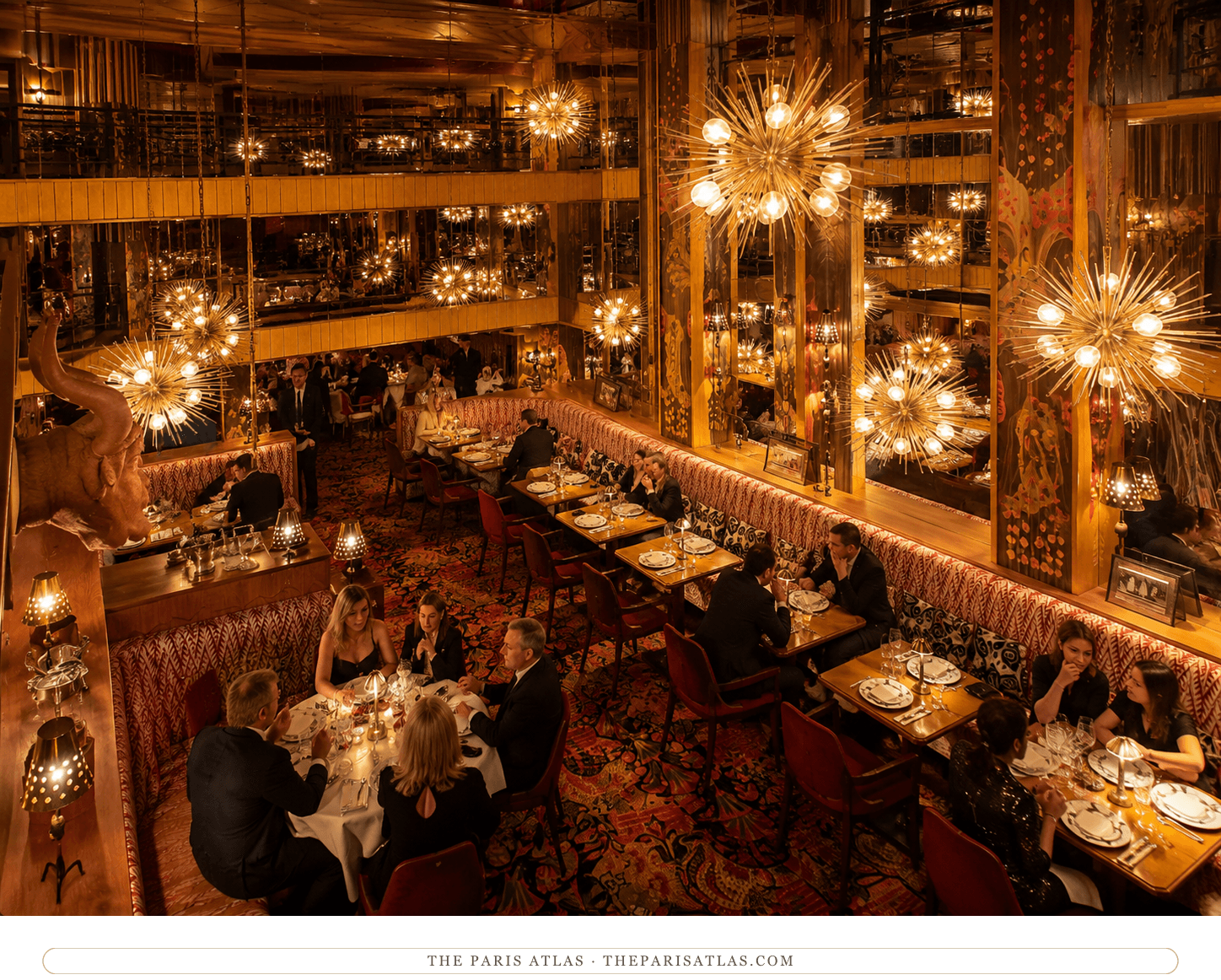
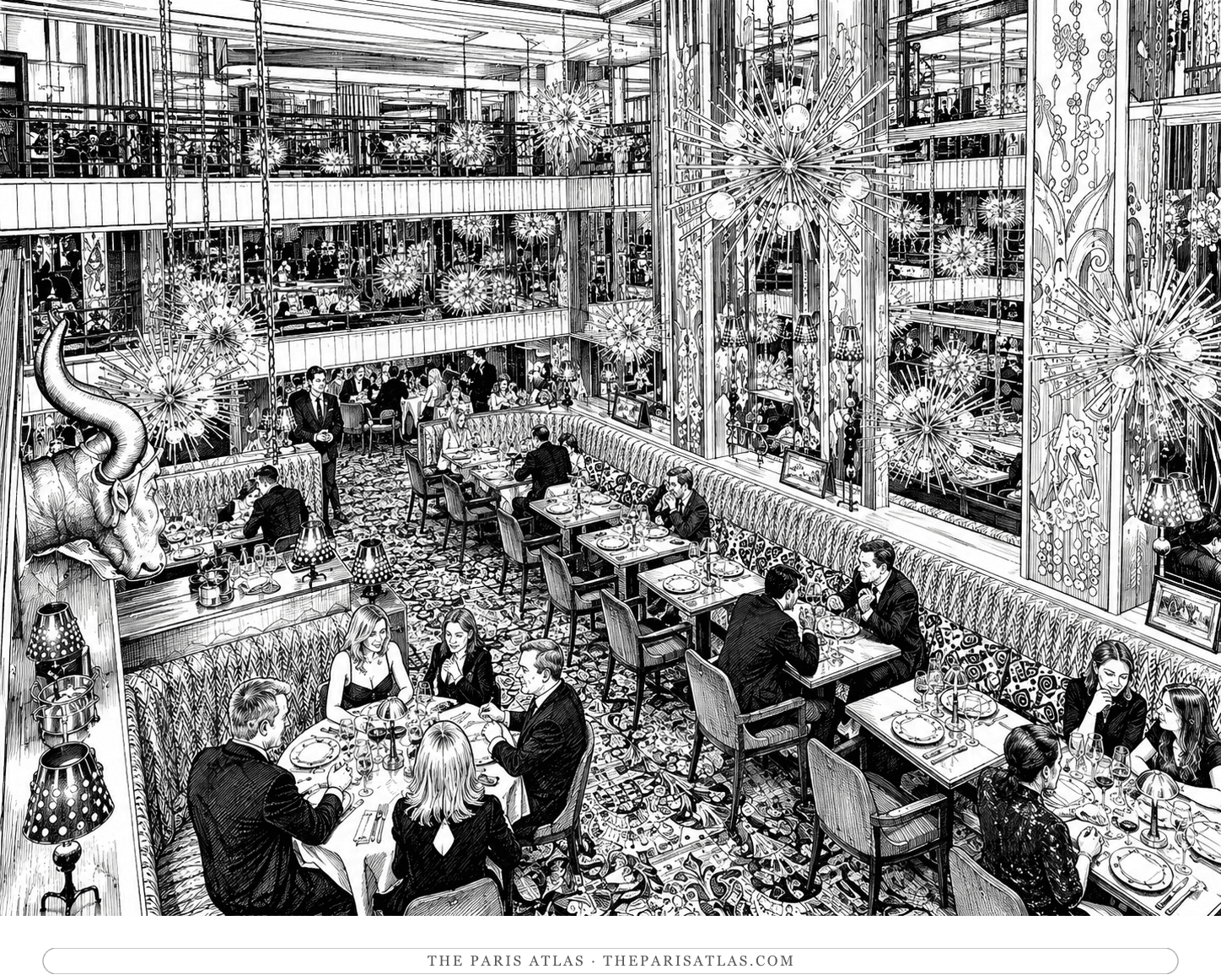
The bar-cabaret Louis Moysès opened in 1922, named for the Cocteau–Milhaud ballet — headquarters of the postwar avant-garde around Jean Cocteau, and one of Blaise Cendrars's regular Paris stops.
Visit the placeThe sources below include histories, archival materials, scholarly research, and official records that informed this page. They document 6 rue de Miromesnil, the people connected to it, and its place in Paris.


The city's own street register: the origin of the name (Armand Thomas Hue de Miromesnil, garde des Sceaux when the street was cut) and its earlier name, rue Guyot.

Web source consulted for documented facts and historical context presented on the 6 rue de Miromesnil page.
Map data used to verify addresses, geographic coordinates, and the placement associated with 6 rue de Miromesnil.
Web source consulted for documented facts and historical context presented on the 6 rue de Miromesnil page.
These references provide the documented foundation for this page's history and context. Claim-level citations remain attached to the specific claims they support.
 Explore more resources
Newsletter
The cafés, studios, and walk-up flats where the work was made — one story from the map in every letter.