Blaise Cendrars
Frequented by · 1922
Olivier Renault's Le Paris de Cendrars counts the Bœuf among his stops — the Right Bank bar of the Cocteau–Milhaud crowd he moved in after the war.
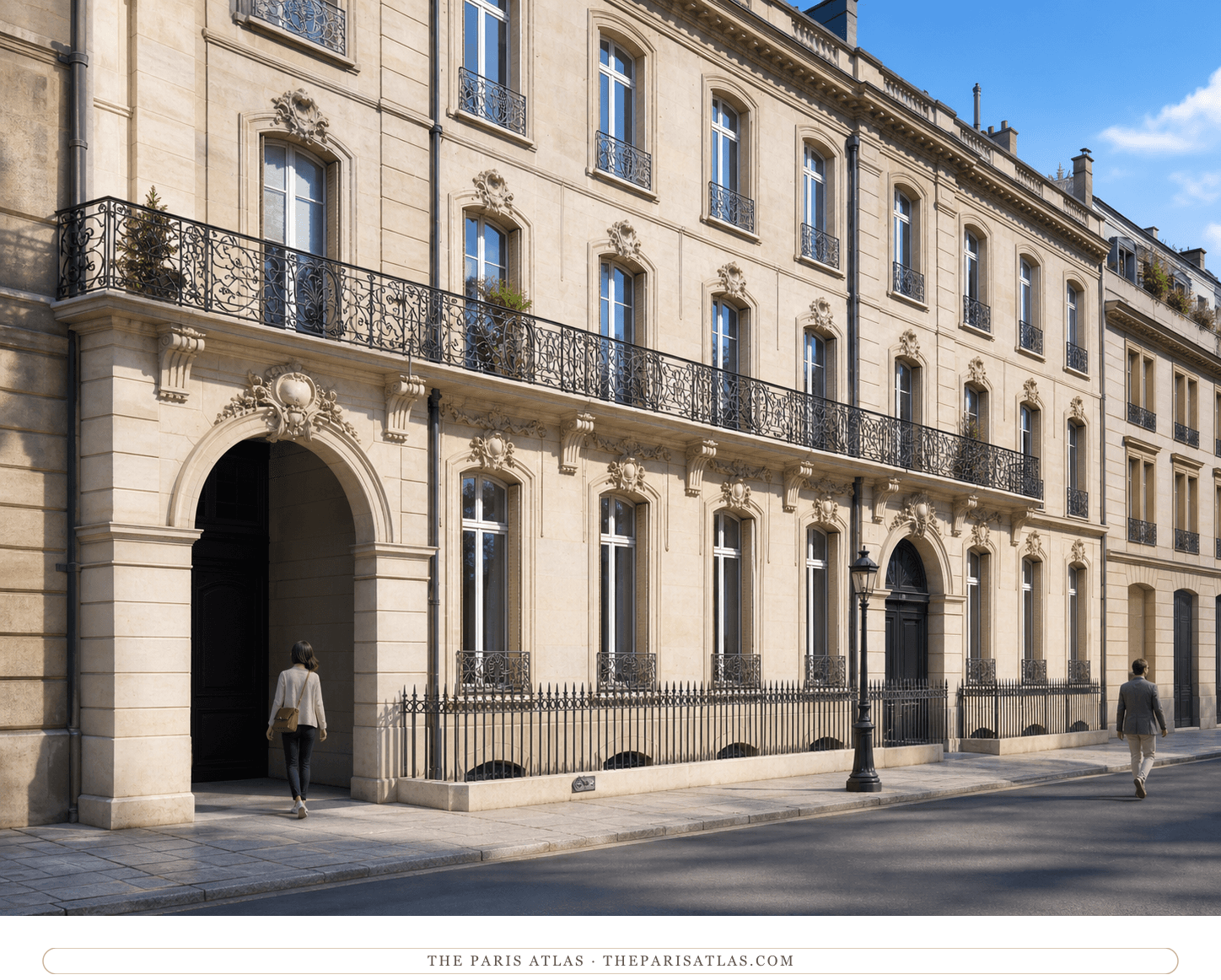
The bar-cabaret Louis Moysès opened in 1922, named for the Cocteau–Milhaud ballet — headquarters of the postwar avant-garde around Jean Cocteau, and one of Blaise Cendrars's regular Paris stops.

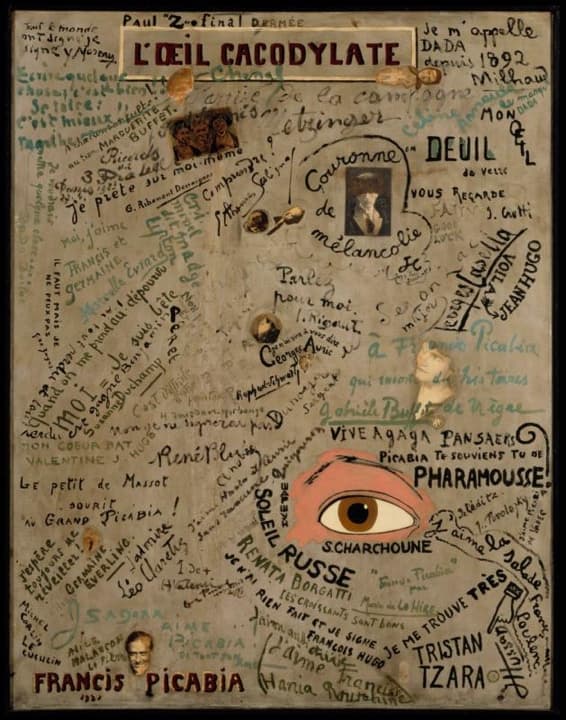
Louis Moysès opened Le Bœuf sur le Toit in January 1922 at 28 rue Boissy-d'Anglas, taking the name from the 1920 stage spectacle by Jean Cocteau and the composer Darius Milhaud. The borrowed title worked as a manifesto: this was to be the room where the postwar avant-garde drank. Cocteau and his circle — the composers of Les Six, the young writers around him, the painters — made it their headquarters, and Francis Picabia's canvas L'Œil cacodylate, signed by dozens of the era's names, hung on the wall.
Blaise Cendrars belonged to that crowd. A historical account of the era describes the young novelist Raymond Radiguet standing at the bar with Cendrars, and a study devoted to Cendrars's Paris counts the Bœuf among his regular stops. The bar is the Right Bank complement to his Montparnasse tables: the same avant-garde, in evening clothes.
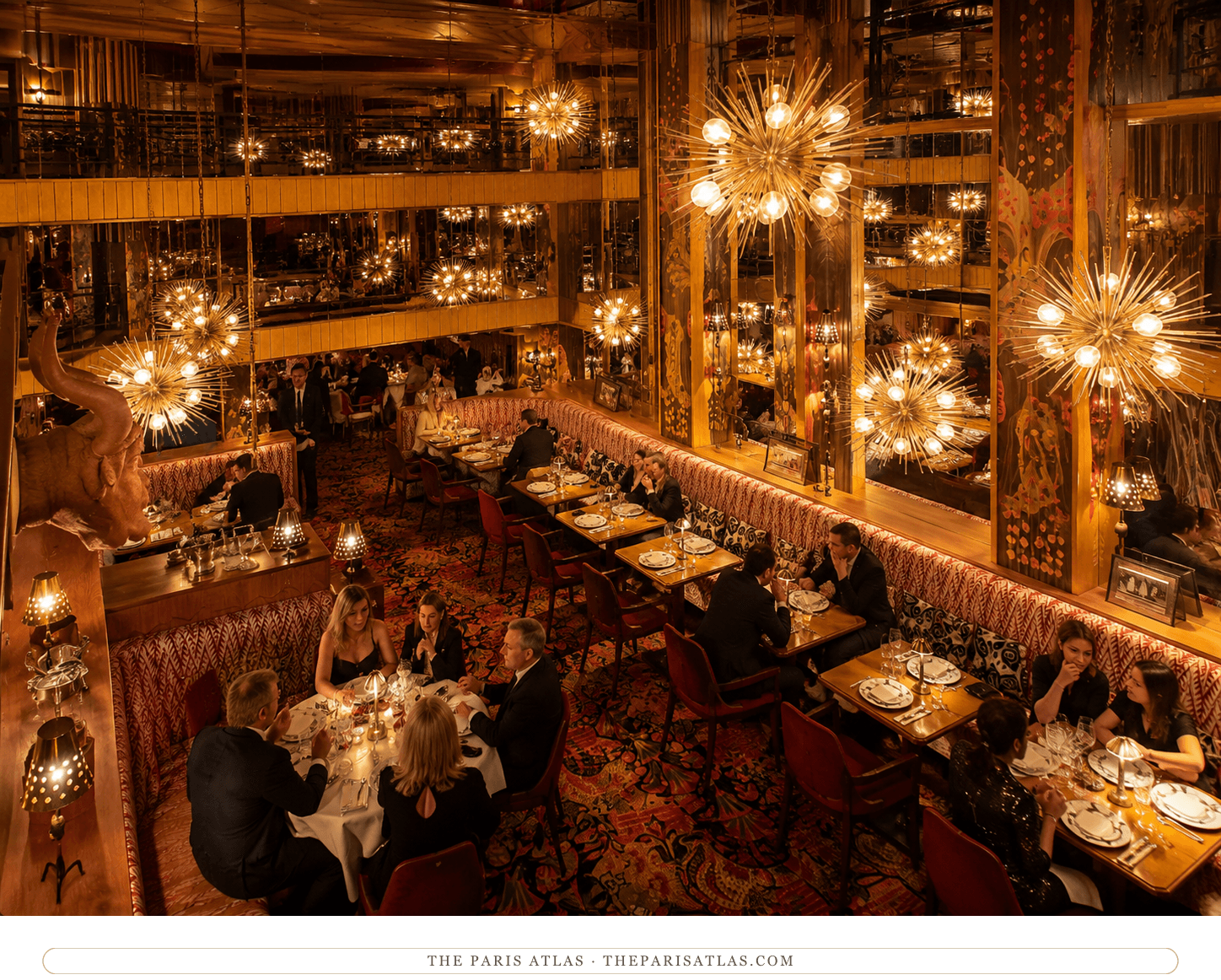
The Bœuf is also where French musicians' slang is said to have picked up faire un bœuf — to jam — from the improvised sessions of its nights. The room moved several times as its fashion outgrew each address, and since 1941 a successor brasserie has traded under the name at 34 rue du Colisée, Art Deco interior intact. The 1922 room on the rue Boissy-d'Anglas exists only in the memoirs, which are numerous.
Louis Moysès opens the bar in January at 28 rue Boissy-d'Anglas, named for the Cocteau–Milhaud spectacle of 1920.
The Cocteau circle makes the Bœuf its headquarters; accounts place Raymond Radiguet at the bar with Blaise Cendrars.
After several moves, the name settles at 34 rue du Colisée, where the successor brasserie still trades.

Frequented by · 1922
Olivier Renault's Le Paris de Cendrars counts the Bœuf among his stops — the Right Bank bar of the Cocteau–Milhaud crowd he moved in after the war.

The theatre in the Champs-Élysées gardens where Colette played Paniska in Pan in 1906.
Visit the place
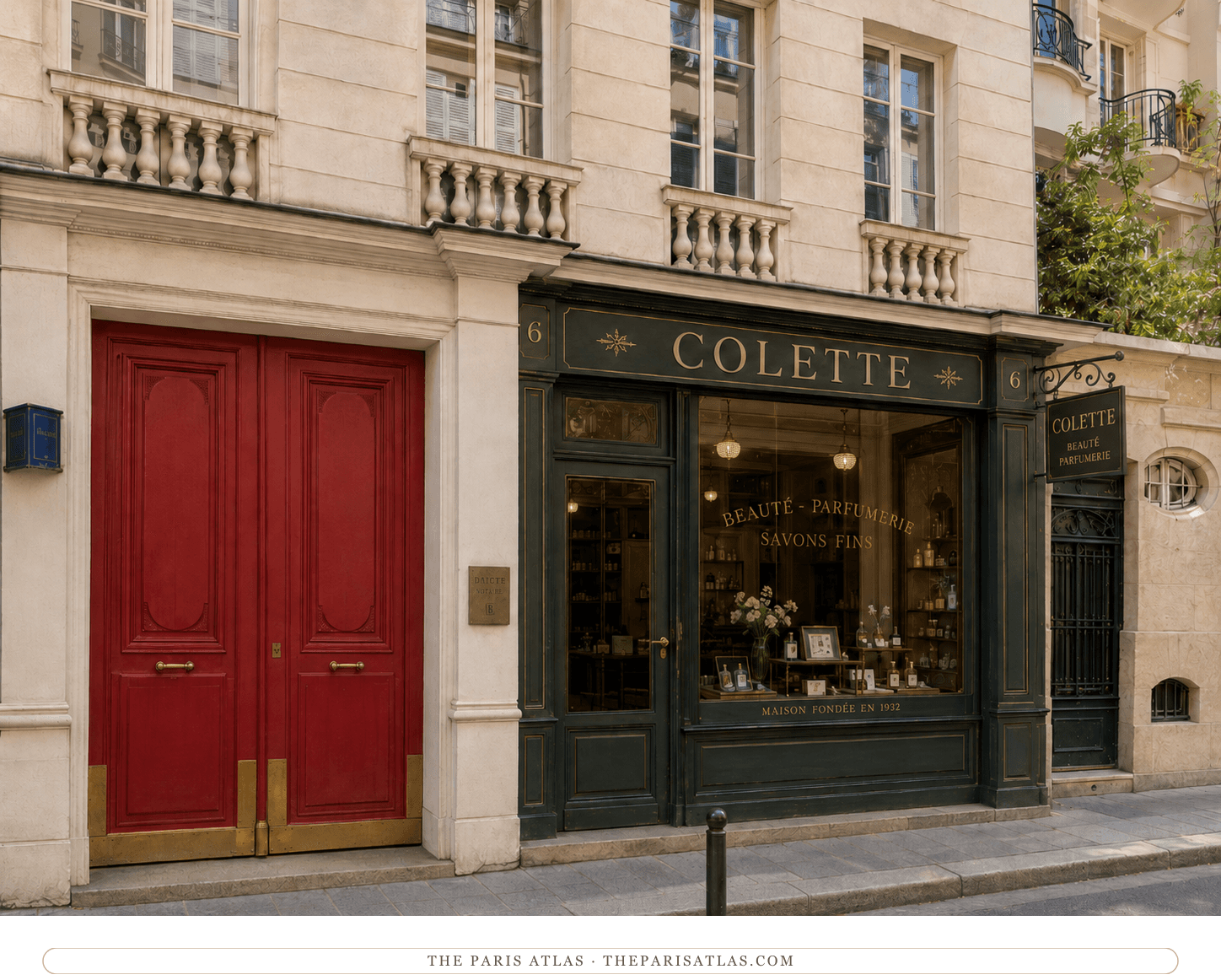
The beauty shop Colette opened in 1932, selling cosmetics she made herself — her attempt to turn her fame into a business.
Visit the place
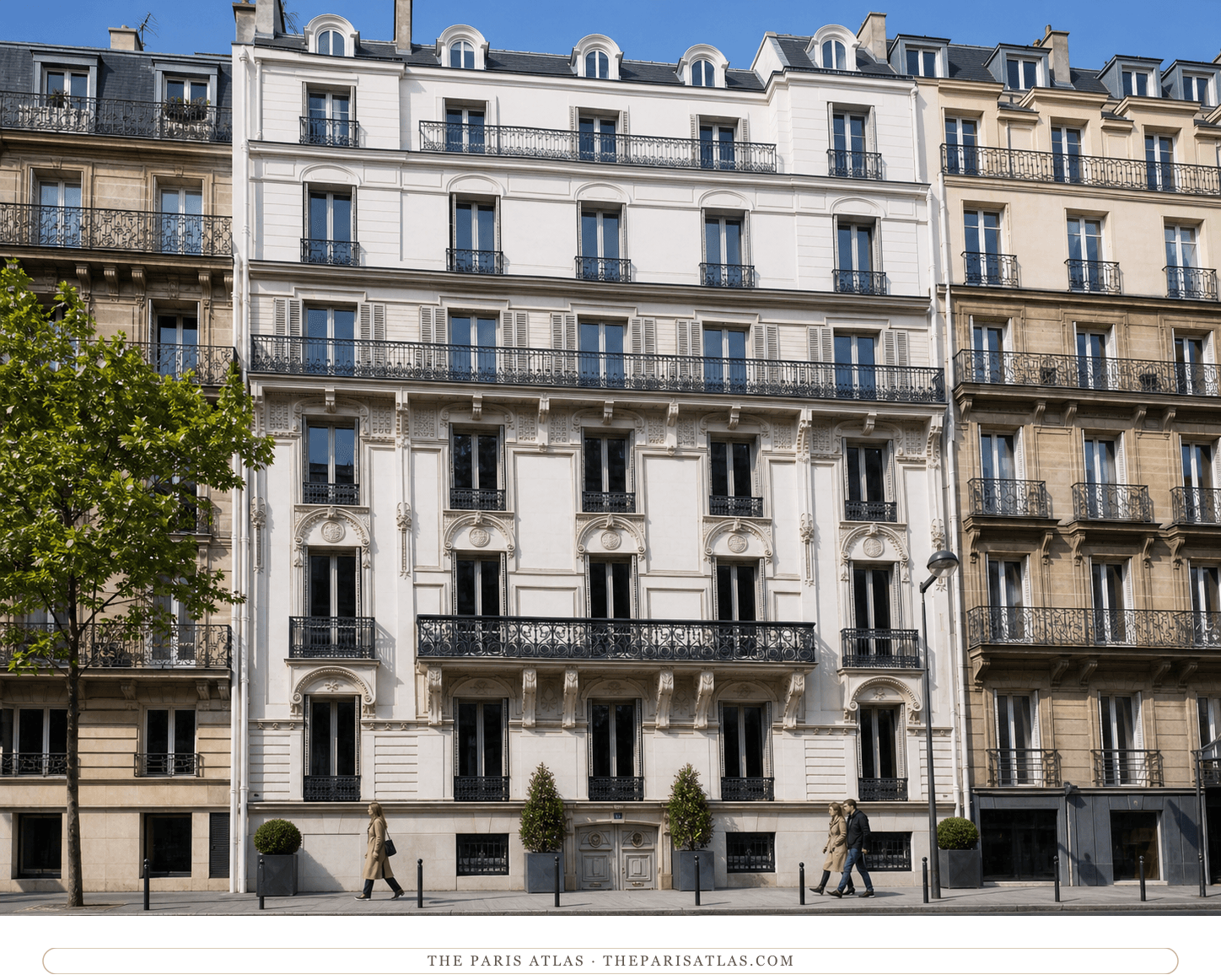
The surviving mansion that housed the American Library in Paris from 1920 to 1936—a center of transatlantic reading and literary life where Langston Hughes unsuccessfully asked for work.
Visit the place
The concrete temple of the avant-garde — where The Rite of Spring caused a riot in 1913, and the Ballet Mécanique caused another in 1926, with Ezra Pound shouting over the pianolas.
Visit the placeThe Friday Letter
The cafés, studios, and walk-up flats where the work was made — one story from the map in every letter.