
Notes of a Native Son
James Baldwin’s essays on the same segregated America; he was the friend who pushed Angelou to write this.
Read our take
by Maya Angelou
The most famous of Maya Angelou’s seven autobiographies: a Black girl’s childhood in the segregated South, and how she got her voice back.
Maya Angelou’s first autobiography, published in 1969 and the first of seven. It follows Marguerite Johnson — called Maya by her brother, Bailey — from the age of three, when the two are sent alone to their grandmother in Stamps, Arkansas, through a childhood shaped by segregation and a grandmother’s store, a rape by her mother’s boyfriend and the years of silence that followed, and the slow recovery of speech through a neighbor who made her read poetry aloud. It ends in San Francisco with the birth of Angelou’s own son, when she is seventeen. James Baldwin and the editor Robert Loomis pushed her to write it; it became a landmark of Black women’s autobiography and one of the most frequently challenged books in American schools.
Angelou wrote the book in the late 1960s, after James Baldwin and the Random House editor Robert Loomis pushed her toward autobiography. She had resisted, then found a way in: to build a memoir with the scene-work, dialogue and shape of a novel while holding to what happened. It was published in 1969 and became the first of seven autobiographical volumes.[1]
The story covers roughly 1931 to 1945. Marguerite Johnson and her brother, Bailey, are sent as small children from California to their grandmother, Annie Henderson, in Stamps, Arkansas, where segregation is the ordinary shape of the day and the grandmother’s store is the center of Black life. On a visit to their mother in St. Louis, Marguerite is raped by the mother’s boyfriend; after she testifies and the man is killed, she decides that her words are dangerous and falls almost silent for years. A neighbor, Bertha Flowers, draws her back to language by making her read poetry aloud.[1]
The family moves west to San Francisco during the Second World War. Marguerite becomes the city’s first Black female streetcar conductor, and the book closes with the birth of her son, when she is seventeen. Angelou ends the story there, at the threshold of the adult life the later volumes take up. The title comes from Paul Laurence Dunbar’s 1899 poem “Sympathy”; the singer Abbey Lincoln suggested it.[1]
The store's early bustle acquires its meaning from the evening that follows it. Angelou first gives the cotton pickers confidence, competitive talk and a shared audience; their return replaces that energy with exhaustion and debts their labor cannot clear. This arrangement keeps the morning's warmth from becoming a reassuring picture of rural life. The workers' ambitions are real, but effort alone cannot overcome the conditions under which they work. By making the same store witness both departures and returns, the memoir shows a community sustaining people within an economy that wears them down.
Mrs. Flowers's lesson joins literary attention to personal attention. Recalling the visit to Bill Moyers, Angelou emphasizes the surprise of being served refreshments by an admired adult, then hearing familiar Dickens sentences transformed by that adult's voice. The invitation makes her a valued listener before asking her to become a speaker. Her subsequent private attempts at recitation suggest a process of practice, not an instantaneous cure. Read alongside the memoir's account of silence, this recollection makes language a relationship that can be approached with trust, rather than simply an ability the child must recover.
If growing up is painful for the Southern Black girl, being aware of her displacement is the rust on the razor that threatens the throat.
Words mean more than what is set down on paper. It takes the human voice to infuse them with the shades of deeper meaning.
The Black female is assaulted in her tender years by all those common forces of nature at the same time that she is caught in the tripartite crossfire of masculine prejudice, white illogical hate and Black lack of power.
Angelou had been a poet and a performer before she was a memoirist, and the prose carries both. The book is quotable line by line without ever sounding like it is reaching for a quote.
The rape at the center of the book is neither hidden nor sensationalized. Angelou states what happened, and then follows the years of silence it caused — which is the real subject.
A serious autobiography by a Black woman, built with the scene-work of fiction, was not a settled thing in 1969. Caged Bird opened a door that a great deal of later writing walked through.
A neighbor, Bertha Flowers, hands a nearly mute girl a book of poems and tells her a poem is not finished until it is spoken aloud. The whole of Angelou’s public life is folded into that scene.
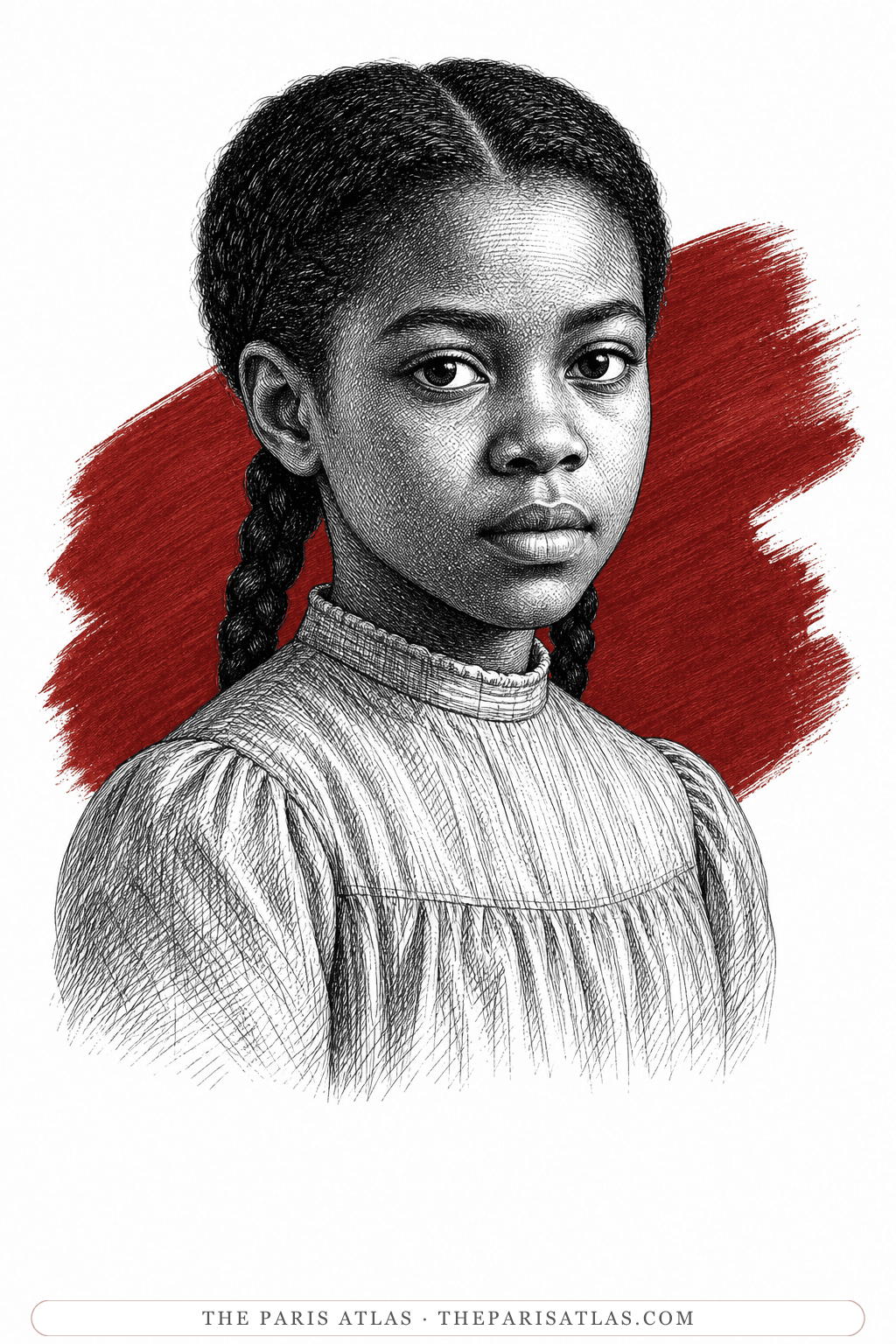
The narrator, followed from age three to seventeen — the future Maya Angelou, called Ritie by her family and Maya by her brother.
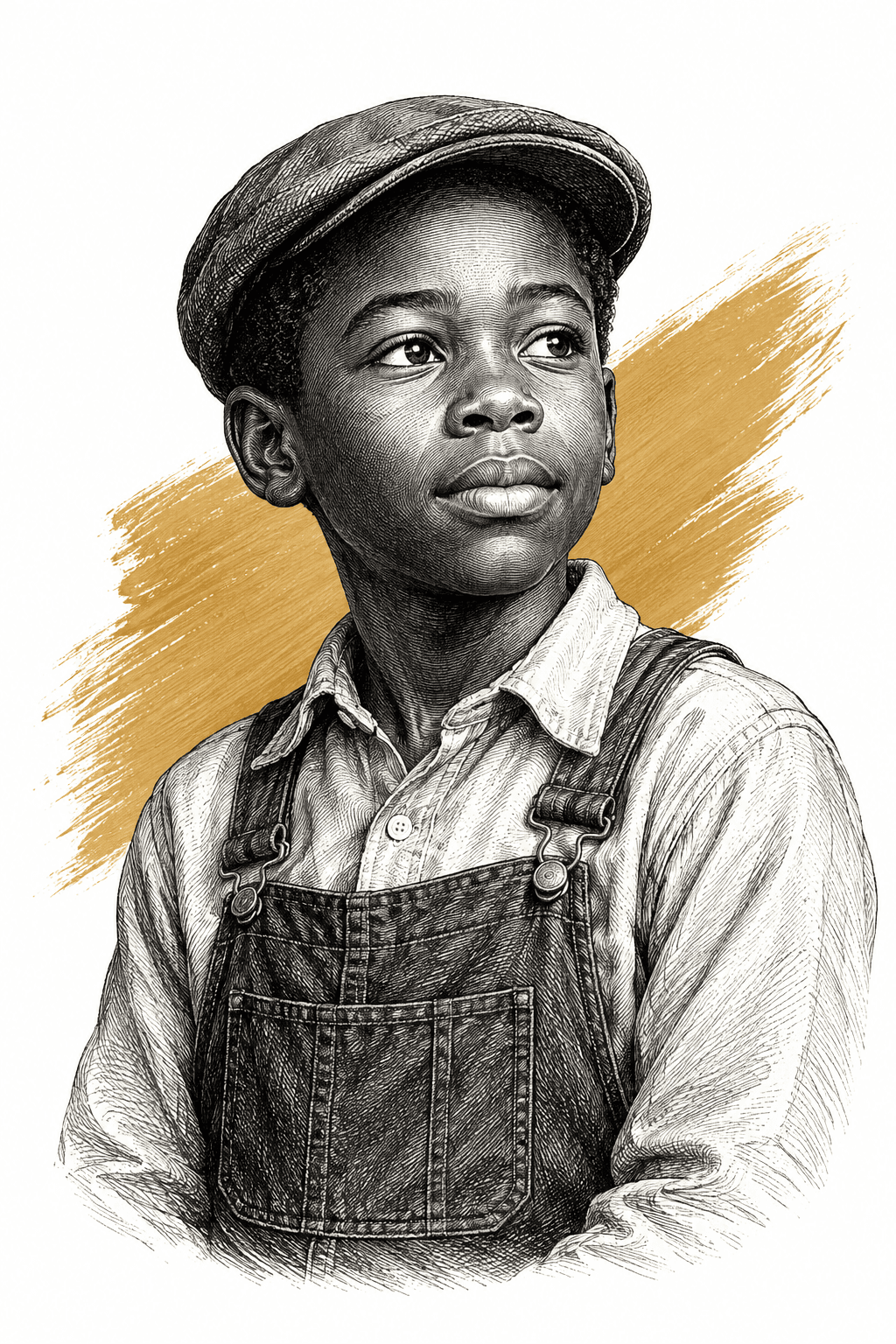
Her older brother by a year and her closest ally; it was Bailey who gave her the name Maya.
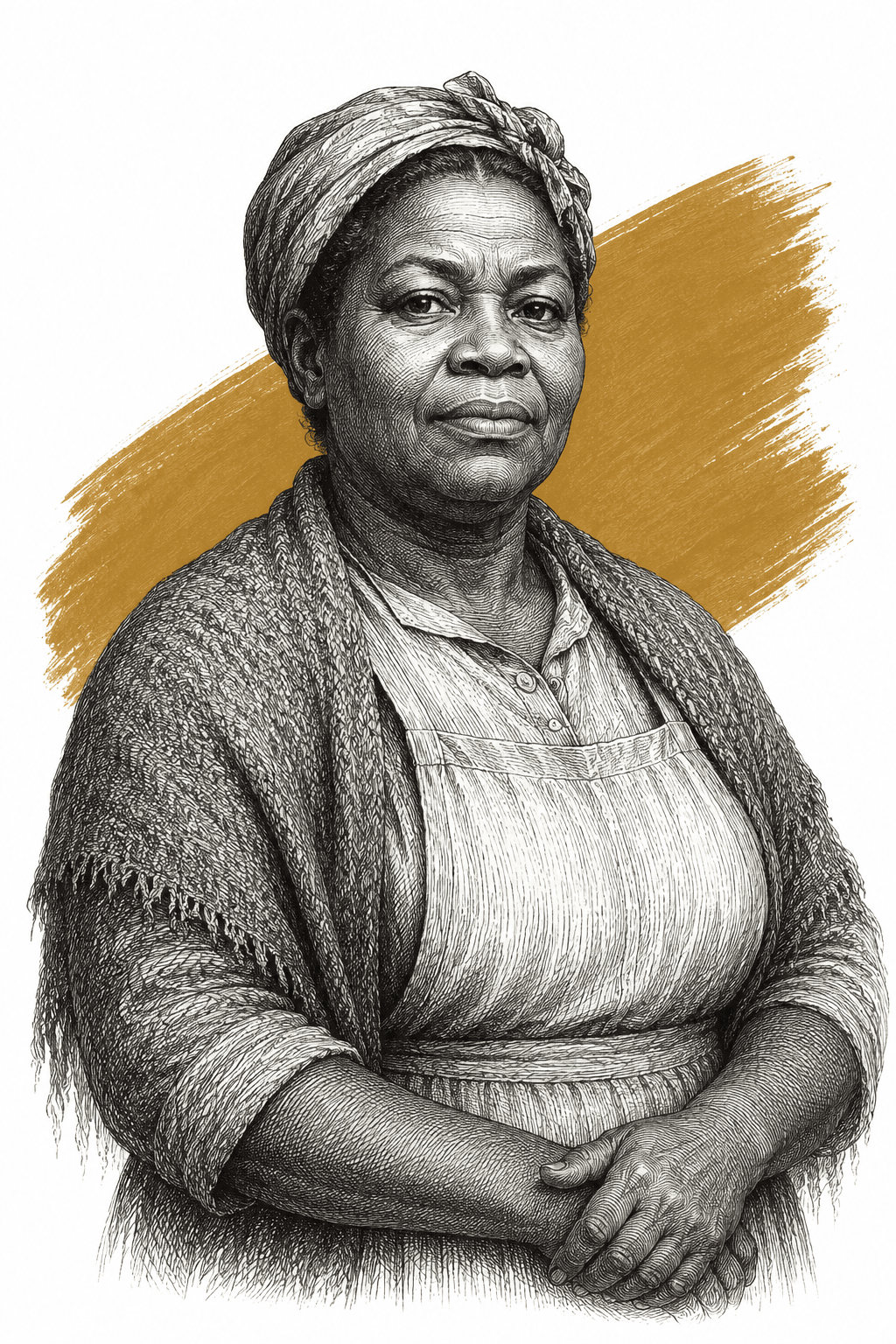
Her paternal grandmother, who raised her in Stamps and ran the store at the center of the town’s Black life.
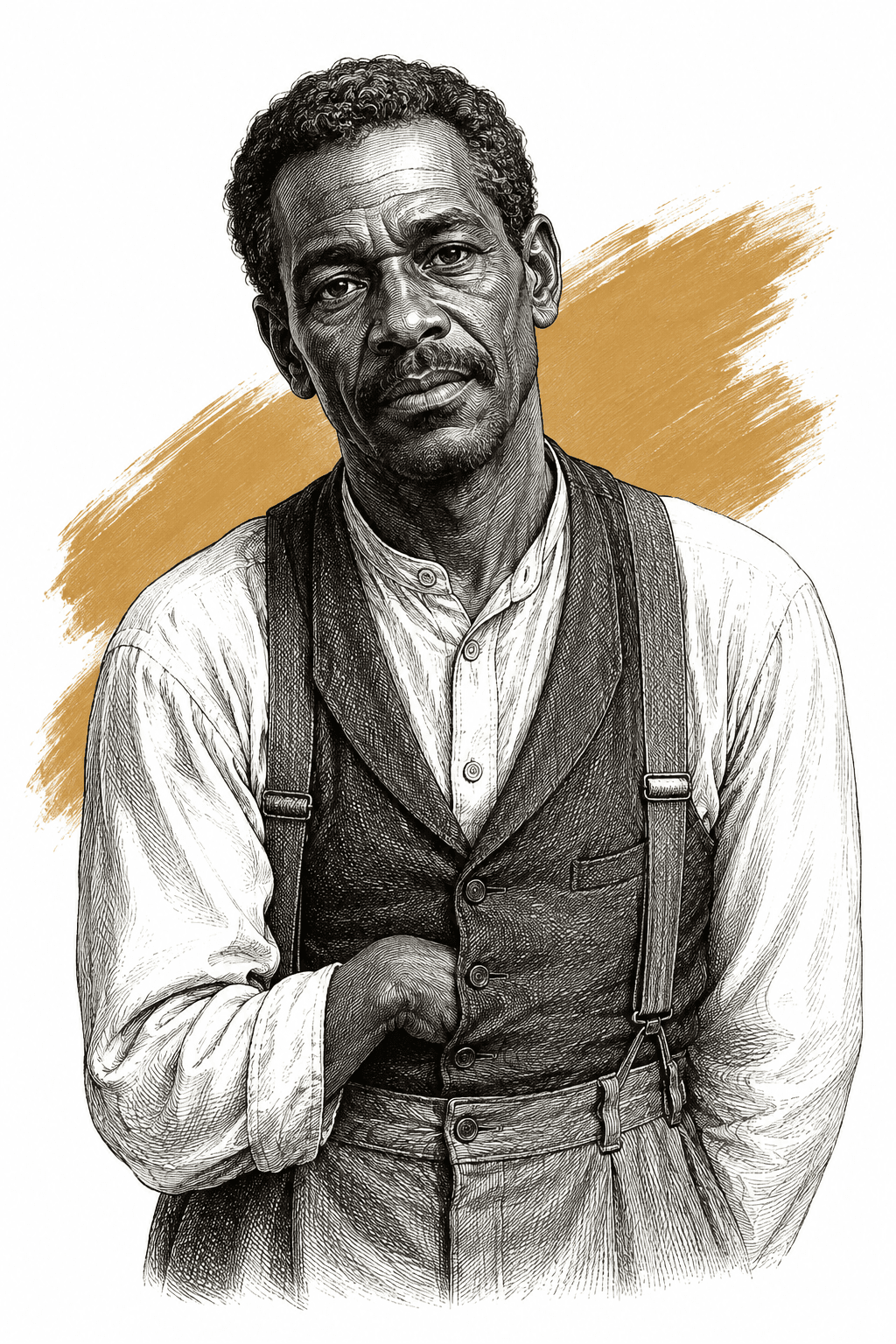
Momma’s son, disabled since childhood, who helped raise the children and drilled them on their times tables by the stove.
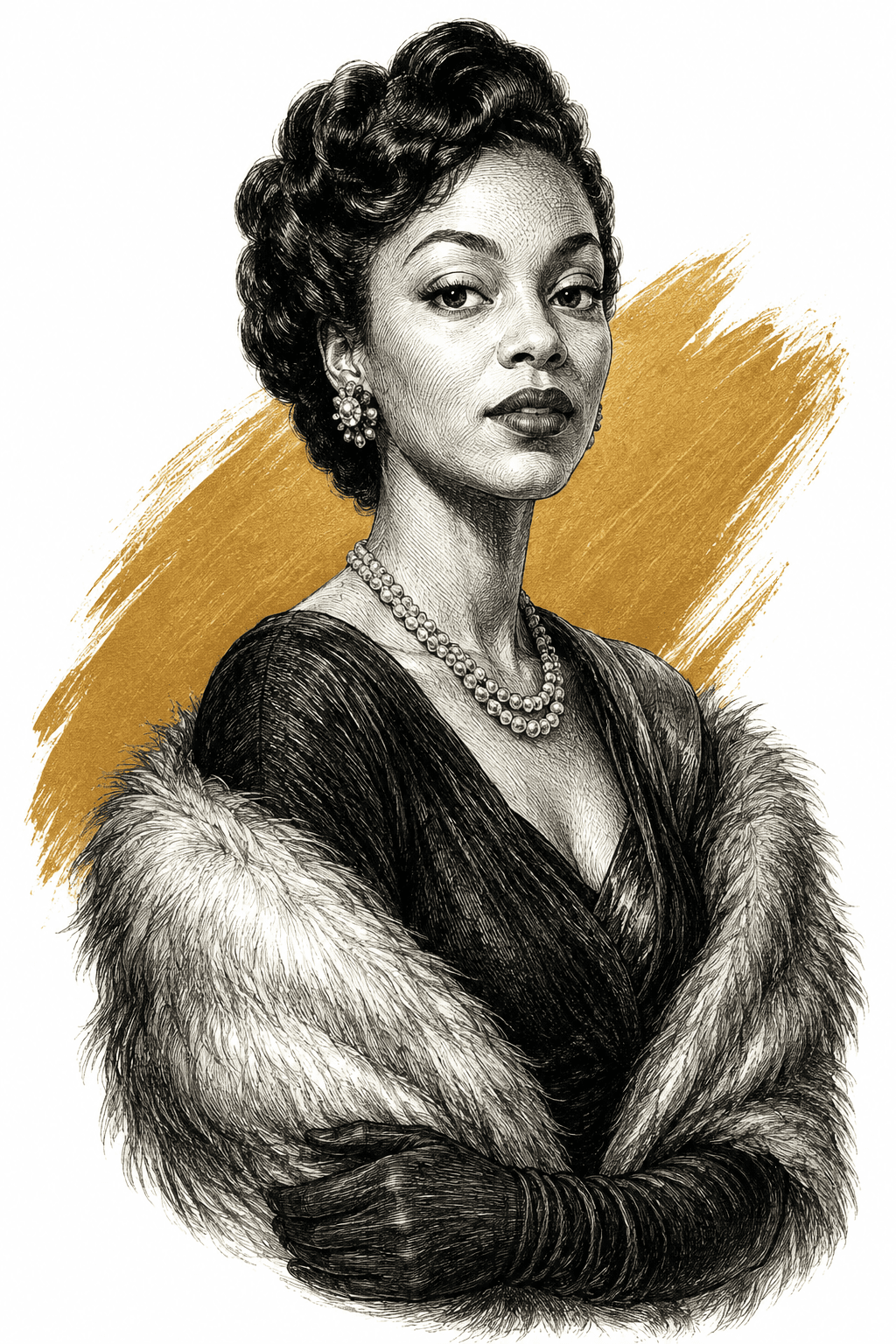
Her mother — beautiful, formidable, and mostly absent in the early years, then the center of the San Francisco chapters.
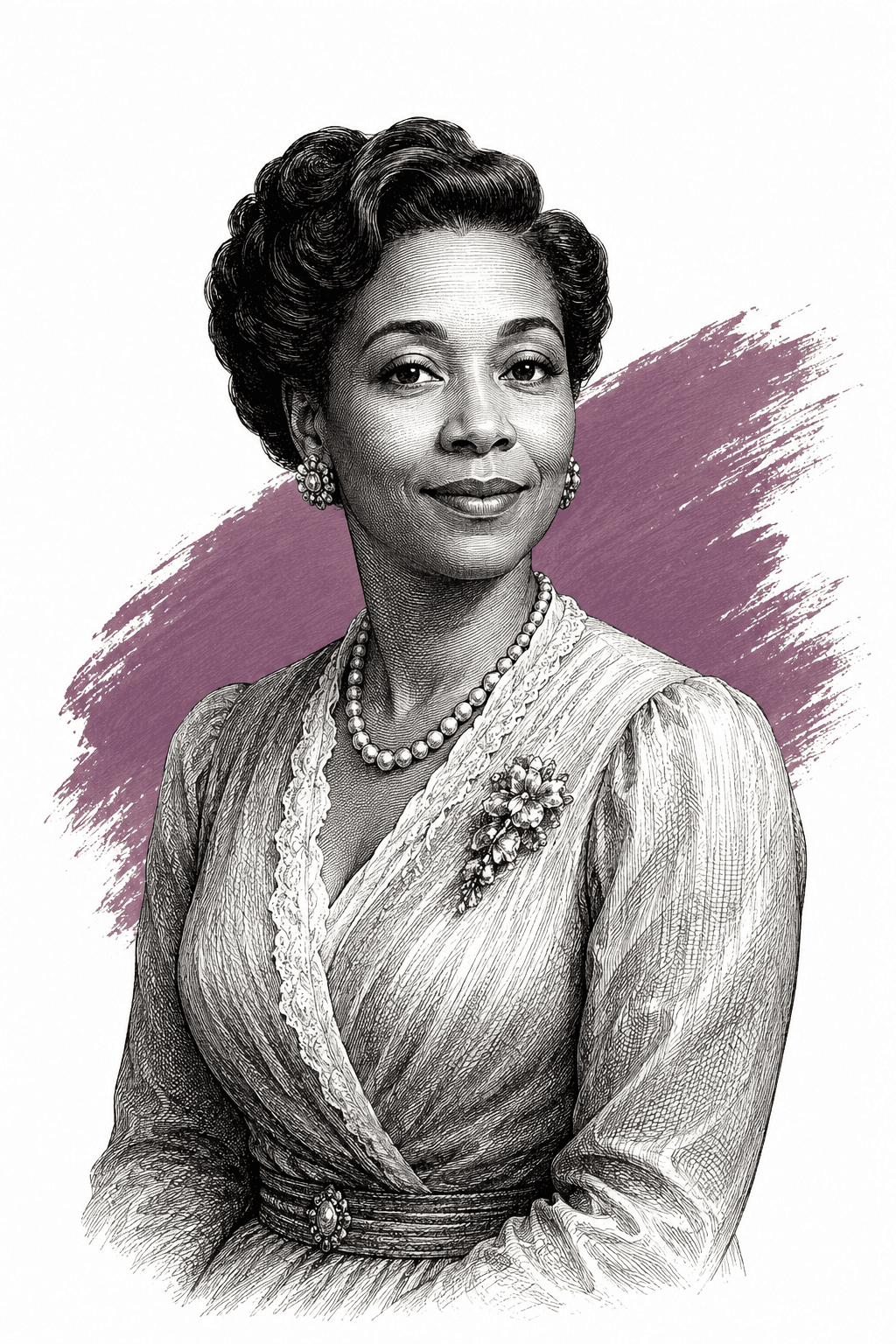
The Stamps neighbor who gave Marguerite back her voice by making her read poetry aloud.
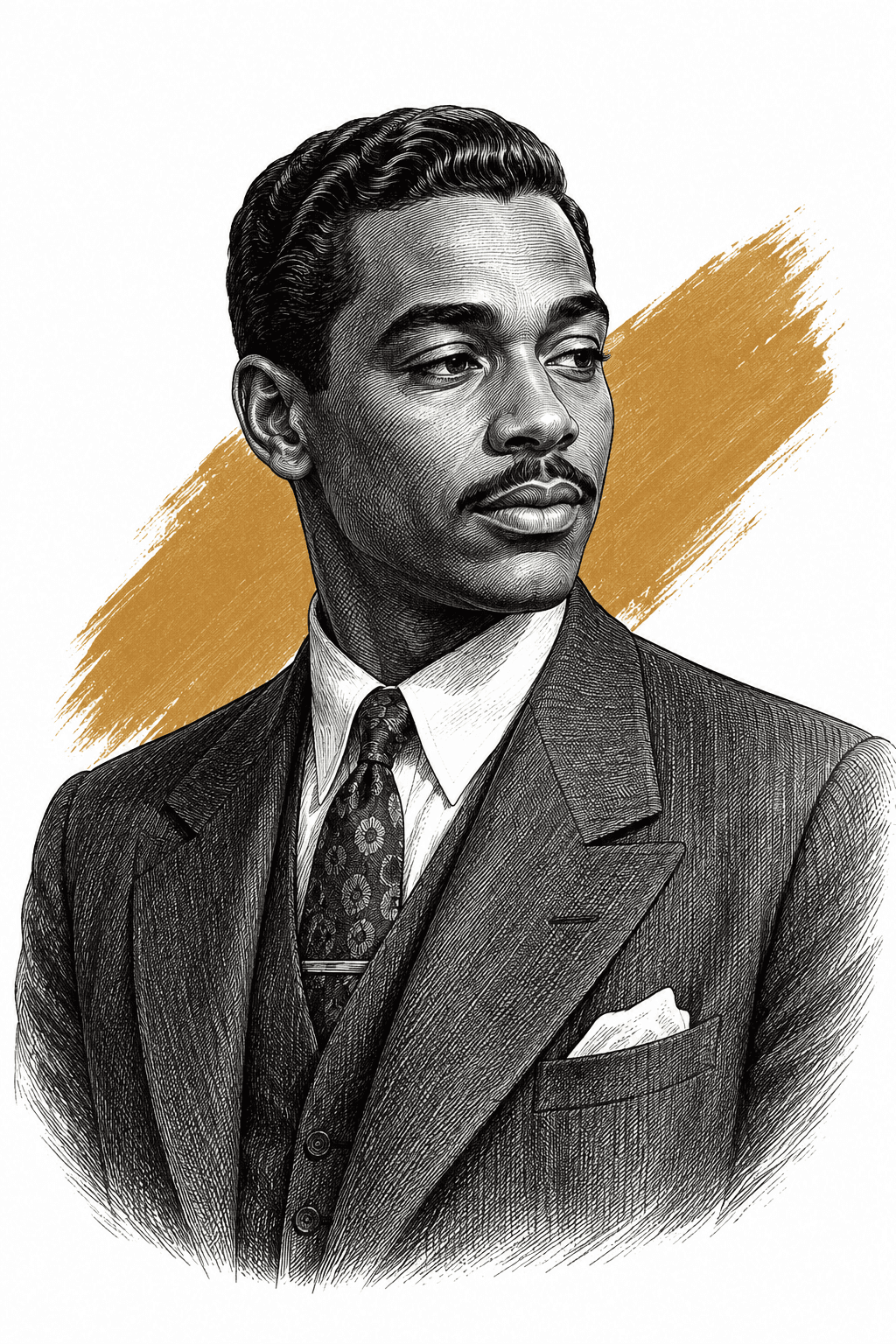
Her father, a vain and distant man whose brief reappearances unsettle the children’s lives.
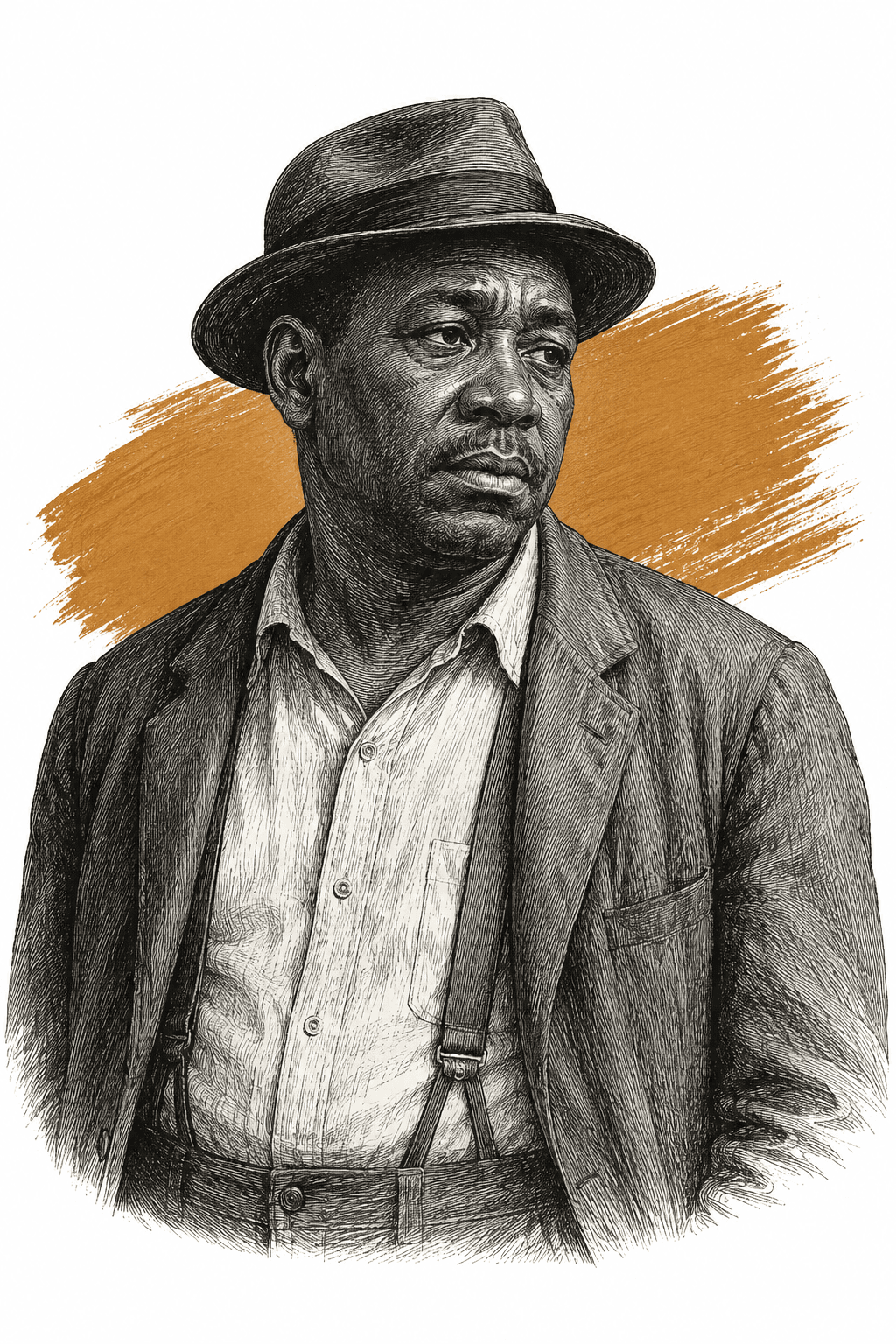
Her mother’s boyfriend in St. Louis, who raped eight-year-old Marguerite; his death after the trial begins her years of silence.
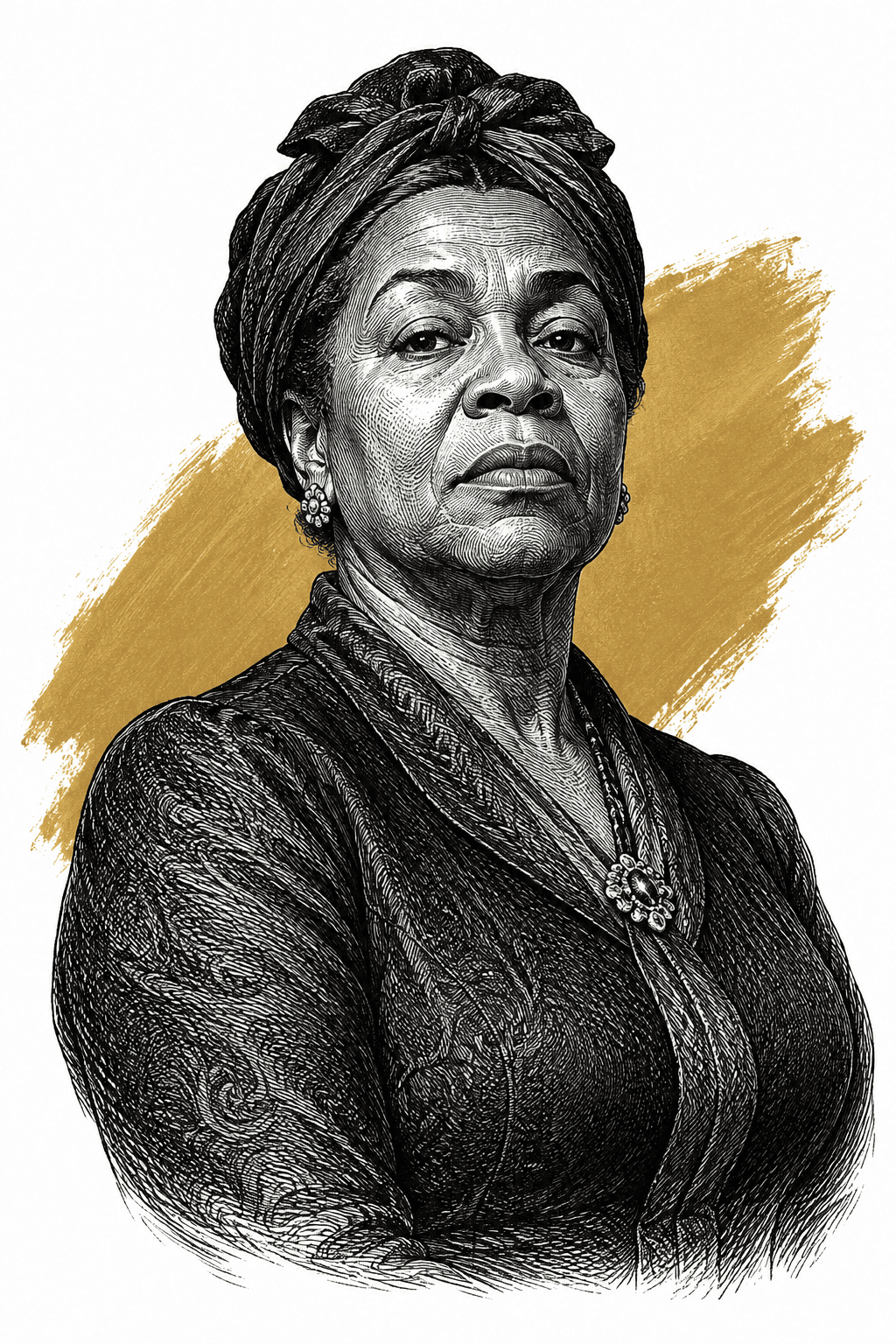
Her maternal grandmother in St. Louis, a precinct power broker whose sons enforced the family’s will.
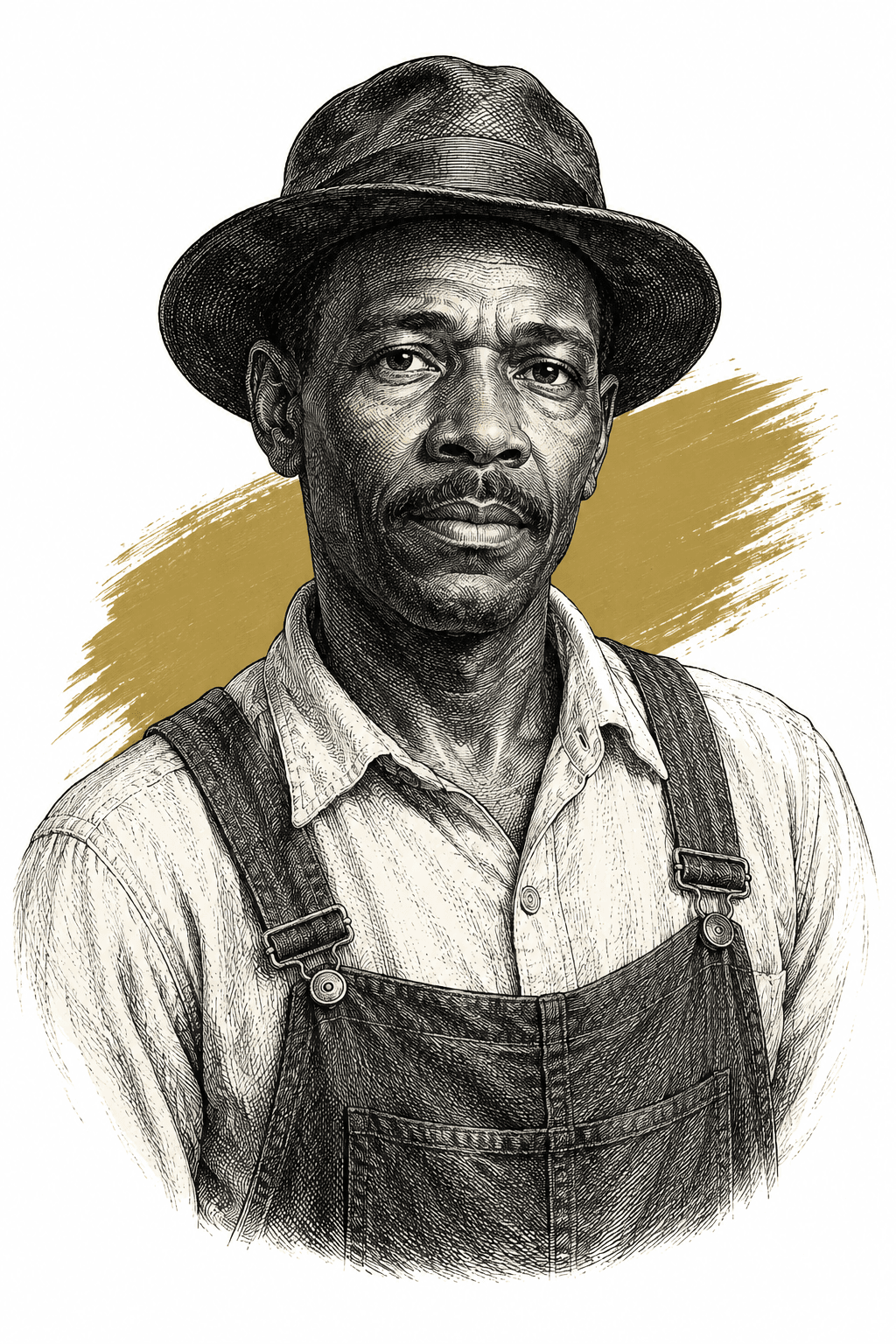
One of the Baxter uncles, a natural comedian who told her he would rather she have a good mind than a cute behind.
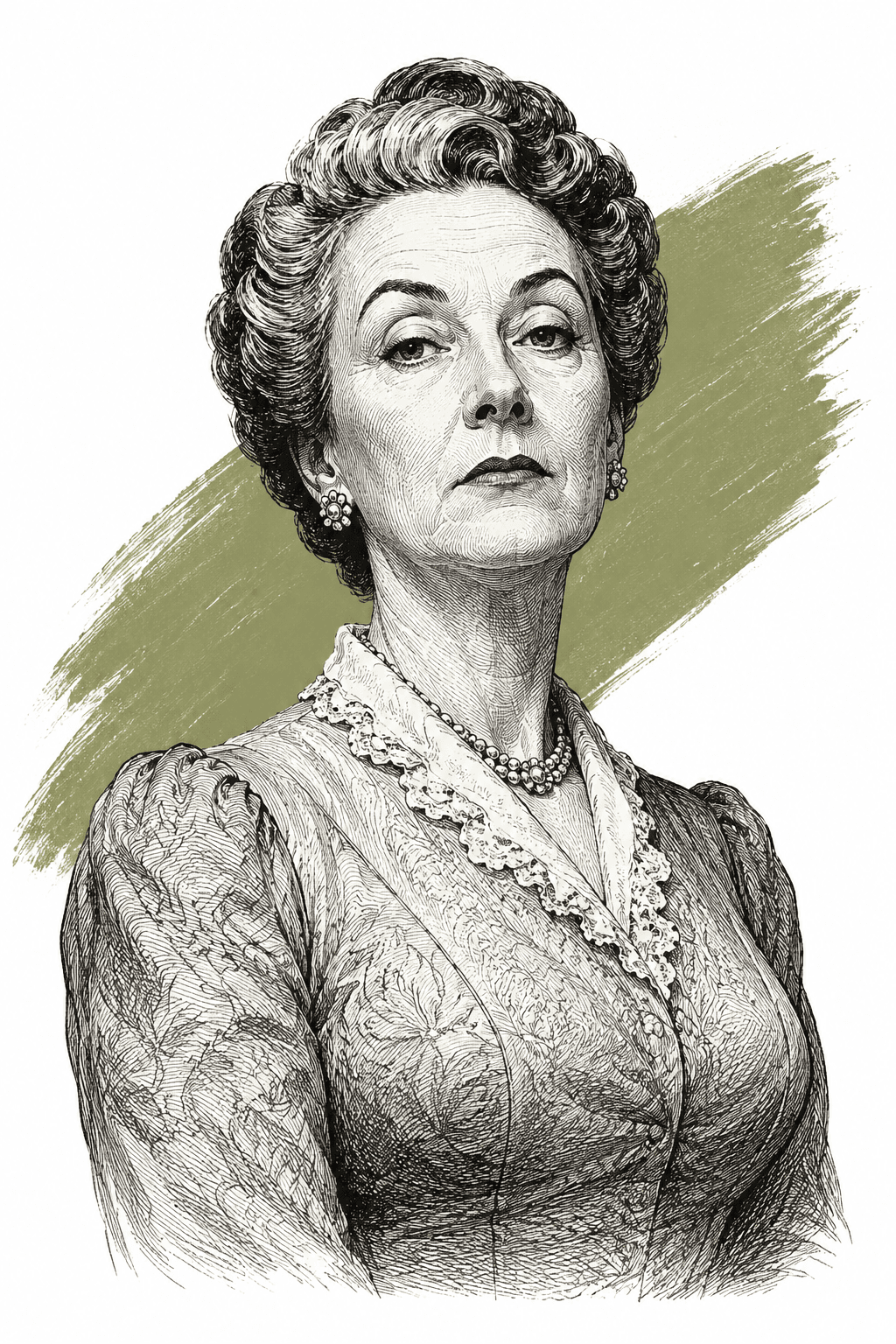
The white employer who tried to rename Marguerite “Mary” for her own convenience.
The book is autobiography, but Angelou shaped it like fiction — compressing time, rebuilding dialogue, choosing where to begin and end. The title comes from Paul Laurence Dunbar’s 1899 poem “Sympathy,” and the singer Abbey Lincoln suggested it. Since 1969 it has been one of the most frequently challenged books in American schools, usually over its account of the rape and its language.
Late 1960s
Encouraged by James Baldwin and editor Robert Loomis, Angelou develops her childhood experience into an autobiography.
1969
Random House publishes the first volume of Angelou’s autobiographical sequence.
1983
Bantam Books issues a mass-market paperback edition.
James Baldwin’s essays on the same segregated America; he was the friend who pushed Angelou to write this.
Read our take
Baldwin’s own childhood turned into fiction — a Black family, a church, and a boy finding his way to language.
Read our take
The argument behind the memoir: what growing up Black in America does, said directly rather than in scene.
Read our takeYes. It is the first of Maya Angelou’s seven autobiographies, covering her life from about age three to seventeen. She wrote it as a memoir but built it with the scene-work and dialogue of a novel, compressing and reconstructing where memoir allows.
The title is the last line of Paul Laurence Dunbar’s 1899 poem “Sympathy” — “I know why the caged bird sings!” The singer Abbey Lincoln suggested it to Angelou.
It is one of the most frequently challenged books in American schools. Objections usually cite its account of Angelou’s childhood rape, its sexual content, and its language; it has nonetheless stayed on reading lists for more than fifty years.
In San Francisco, with the birth of Angelou’s son when she is seventeen. The later volumes of her autobiography, beginning with Gather Together in My Name, pick up from there.
No — Caged Bird stands on its own. It is the first of seven; The Heart of a Woman, the fourth, covers her years in the civil rights movement and abroad.
Explore authors with a similar voice, perspective, and influence.
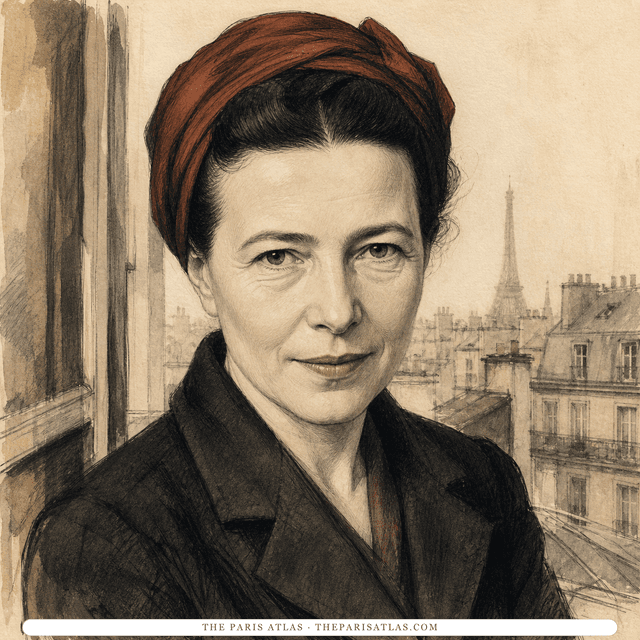
French writer and philosopher whose novels, memoirs, and social analysis examined freedom, gender, responsibility, aging, and the material conditions that shape a life.
View author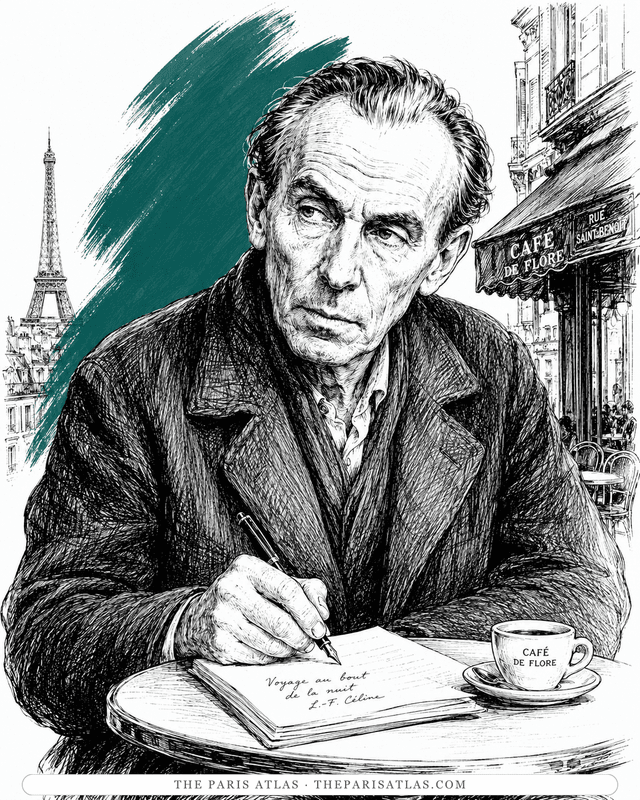
The doctor of the Paris slums who wrote the century's blackest, funniest novel — and changed the sound of French prose.
View author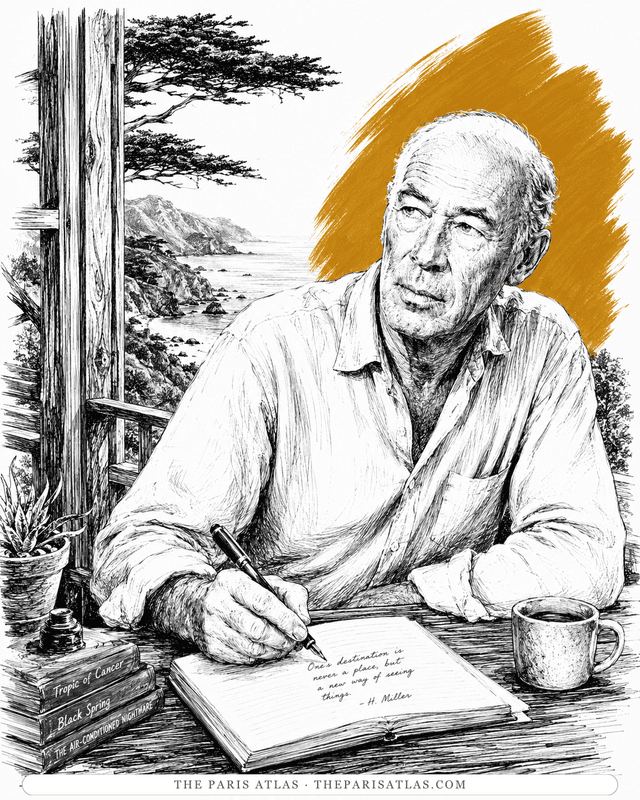
The Brooklyn dropout who arrived in Paris broke at thirty-eight and wrote the exuberant, banned books that ended American censorship.
View authorThe sources below include the primary text, editions, scholarship, archival materials, and other records that informed this page. They document I Know Why the Caged Bird Sings, its publication, and its place in literary history.

Primary-text close reading of the publisher-hosted Chapter 1 excerpt; not a complete-memoir collation.
Angelou's retrospective account of Mrs. Flowers in the published interview transcript; distinguished from the memoir itself.
The publisher's anniversary kit, source for how the book was commissioned and how Angelou wrote it.

The Schomburg finding aid documents surviving drafts and galleys of the memoir within Angelou’s papers.
Used to verify current edition metadata and the publisher’s description of the book.
The primary text is the baseline reference for every book page. Additional references document publication history, interpretation, and historical context where that evidence is available.
 Explore more resources