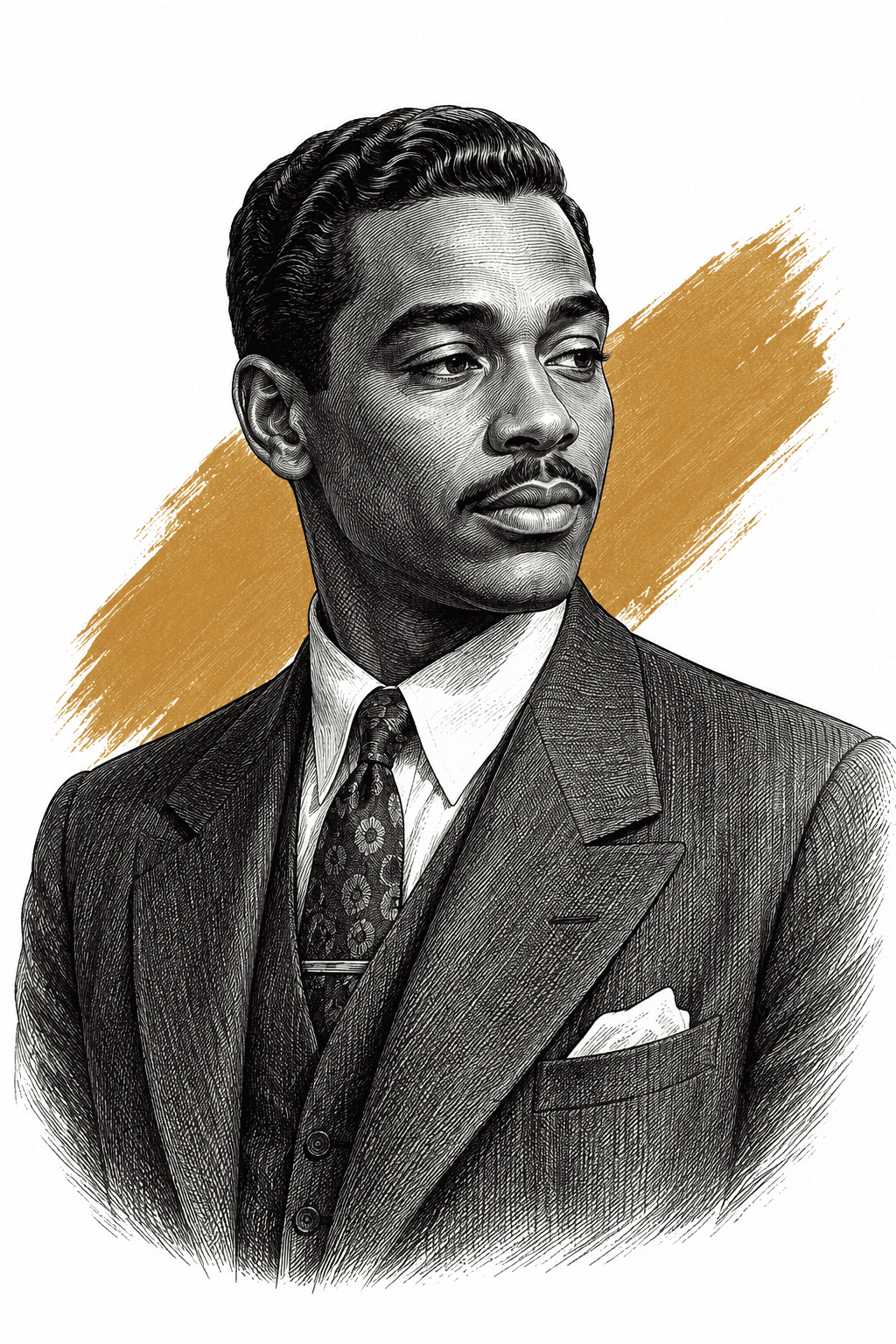
Bailey Johnson Sr.
Her father, a vain and distant man whose brief reappearances unsettle the children’s lives.
To be looked at and admired, which he arranges wherever he goes and by whatever means are to hand.
The book

At a glance
- Daddy Bailey
- Kitchen of a naval hospital; described by him as naval dietician
- In France during the First World War; doorman at the Breakers Hotel in Santa Monica
- A woman named Alberta
Who they are in the book
Spoiler-freeBailey Johnson Sr. was Maya Angelou’s father. He had sent his two children to Arkansas by train and reappears in Stamps when his daughter is seven, without much warning, in a car. Angelou’s first note is his size: shoulders wide enough that she thought he would have trouble getting through the door, taller than anyone she had seen, and, she says, blindingly handsome. His clothes were tighter and woolier than Stamps was used to.
The book’s recurring joke about him is his voice. He threw ers and errers around, sounded to his daughter more like a white man than a Black one, and, she writes, never simply spoke — he orated. He drove the children to St. Louis speaking pig Latin at them over the seat, which infuriated her, because she had believed her brother invented it.
He inflated everything, including his job. He worked in the kitchen of a naval hospital, and he and the woman he lived with told people he was a medical dietician for the United States Navy. He was also a Mason, an Elk and the first Negro deacon in his Lutheran church, and he recited the whole list to his daughter when he wanted her to understand what a scandal would cost him. He was an excellent cook. He had been in France in the First World War and had worked as a doorman at a plush hotel in Santa Monica, and he made Continental dinners on the strength of it. His speciality was Mexican food, and he crossed the border weekly for supplies.
When she went south to spend a summer with him at fifteen, she expected a manor house with grounds and a liveried staff. He lived in a trailer park on the outskirts of a town that was itself the outskirts of town.
How Bailey Johnson Sr. Is Portrayed
- The first sight of himHe walked into the Store and his bigness shocked her. Uncle Willie stuttered out his name, Annie Henderson called him her baby, and Bailey said it was their daddy. Angelou dates the end of her seven-year-old world to that moment.
- The way he talkedErs and errers thrown all over the place, an accent his daughter took for a white man’s, and a habit of oration rather than speech. On the drive to St. Louis he addressed the children over the seat in pig Latin. Angelou was less startled than angry: she had believed her brother and his friends invented it, and here was another grown-up taking something that belonged to children.
- VanityFor Christmas one year he sent his photograph. At table he watched his daughter cutting chicken, then imitated her with both elbows going up and down and asked whether Daddy’s baby was going to fly away. Angelou notes that he was proud of his sense of humour.
- The three weeks in StampsThe Store filled with people who had gone to school with him, and he strutted for them while Uncle Willie watched. Annie Henderson enjoyed cooking for her California son and showing him off, and was relieved when he left. So was his daughter, who could then stop working out whether she loved him.
- What he told people he didHe worked in the kitchen of a naval hospital. He and Dolores, the woman he lived with, said he was a medical dietician for the United States Navy. Their refrigerator was always stocked with ham, half roasts and quartered chickens.
- The trailer parkHis daughter arrived expecting the manor house his manner implied. She found a trailer on the edge of a town on the edge of a town, kept, she says, with the orderliness of a coffin, artificial flowers in glass vases, and a woman with all the poses of the Black bourgeoisie and no material basis for them.
The summer visit ends badly. He takes his fifteen-year-old daughter across the Mexican border for the day, drinks himself insensible at a party and leaves her to drive them back, though she has never driven a car. Days later Dolores cuts her, leaving an open wound in her side. He takes her to a friend’s house rather than a hospital, and explains on the way that no Negro in the city could hold his head up if it got out that Bailey Johnson’s daughter had been cut by his lady friend. The woman there tapes the wound with extra-long Band-Aids, and he leaves his daughter for the night with strangers in another trailer park.
If you like I Know Why the Caged Bird Sings


If you like Maya Angelou
Explore authors with a similar voice, perspective, and influence.
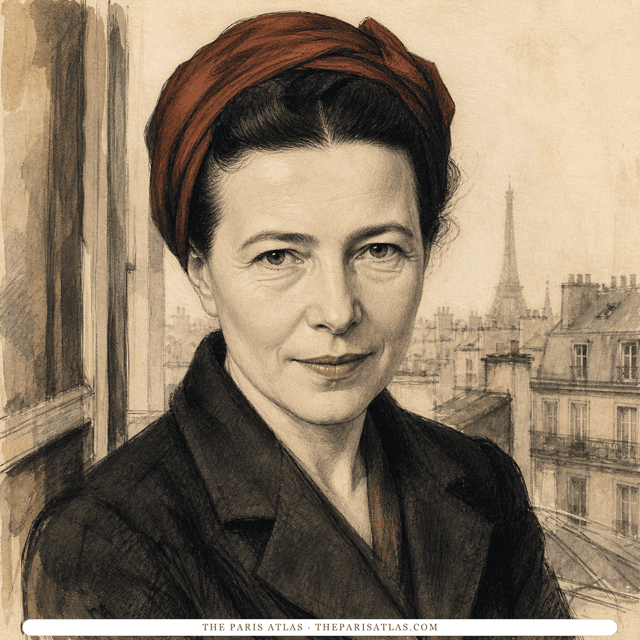
Simone de Beauvoir
French writer and philosopher whose novels, memoirs, and social analysis examined freedom, gender, responsibility, aging, and the material conditions that shape a life.
View author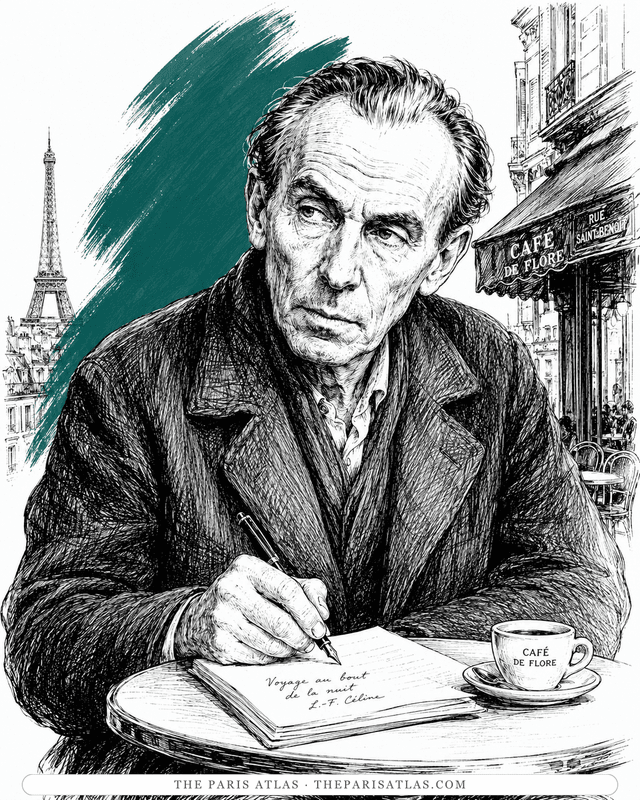
Louis-Ferdinand Céline
The doctor of the Paris slums who wrote the century's blackest, funniest novel — and changed the sound of French prose.
View author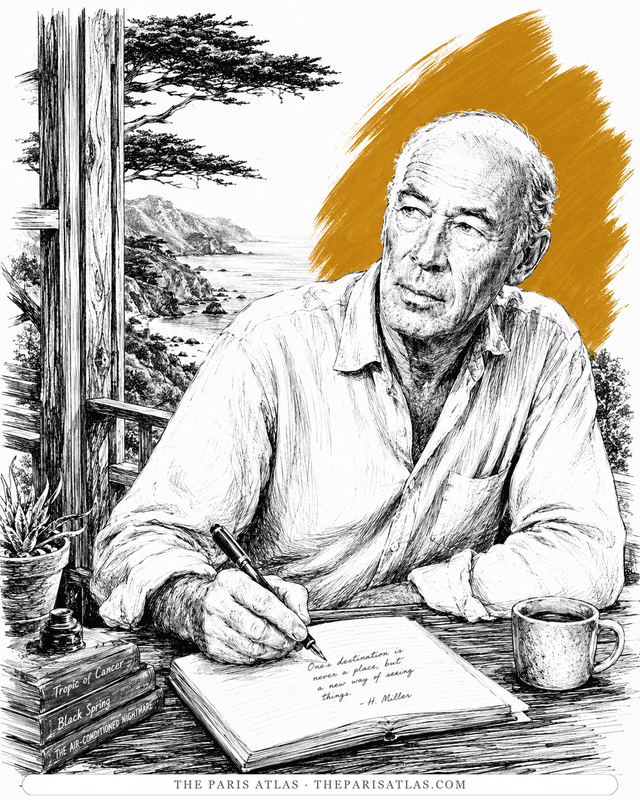
Henry Miller
The Brooklyn dropout who arrived in Paris broke at thirty-eight and wrote the exuberant, banned books that ended American censorship.
View author