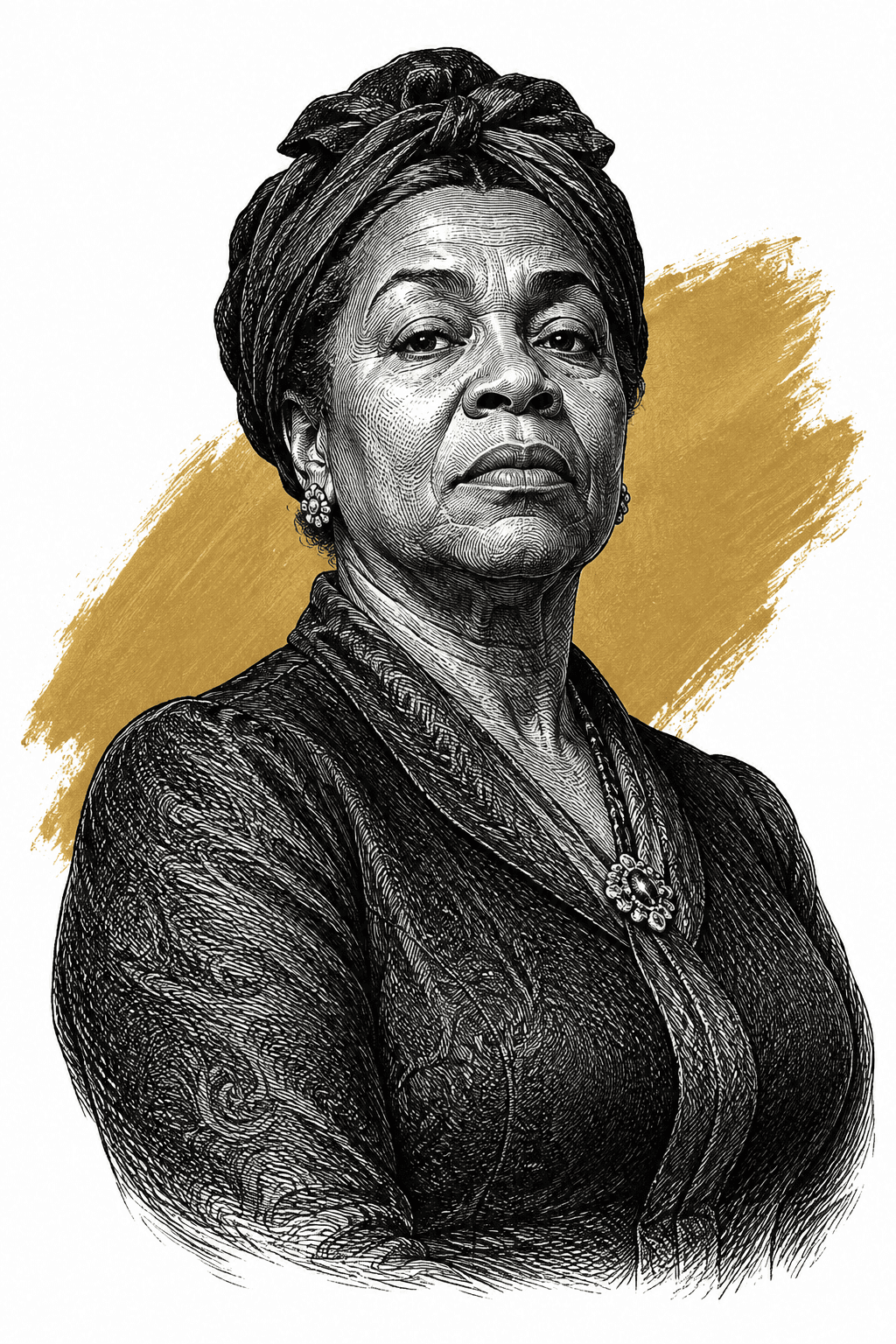
Grandmother Baxter
Her maternal grandmother in St. Louis, a precinct power broker whose sons enforced the family’s will.
That the family’s business stay inside the family, which is what she orders the morning after the trial.
The book

At a glance
- By a German family in Cairo, Illinois
- At the turn of the century, to study nursing
- Grandfather Baxter, a Black West Indian, at Homer G. Phillips Hospital
- Six, including Vivian, Ira, Tommy, Tutti and Billy
Who they are in the book
Spoiler-freeGrandmother Baxter was Maya Angelou’s maternal grandmother and the head of the St. Louis household the children were sent to at eight and nine. She was a quadroon or an octoroon — in any case, Angelou writes, nearly white, with no feature that could loosely be called Negroid. She had been raised by a German family in Cairo, Illinois, came to St. Louis at the turn of the century to study nursing, and met and married Grandfather Baxter, who was Black, while she was working at Homer G. Phillips Hospital. She spoke with a throaty German accent until she died; he had the choppy speech of the West Indies.
Her authority in the neighbourhood was political rather than domestic. She was a precinct captain with pull at the police department, and the numbers runners, gamblers, lottery takers and whiskey salesmen who came to ask favours sat in her orderly living room with their hats in their hands and waited, as decorously, Angelou says, as churchgoers. She usually got them leniency, and at election they brought in the vote. The reputation of her six children, none of them gentle, was part of the same arrangement.
She is the person who takes charge after Marguerite Johnson names the man who raped her. Bailey brought her the information, she had him arrested, and the morning after the news of his death she told both children flatly that they had heard nothing and that neither the situation nor the man’s name was ever to be mentioned in her house again. Then she went back to the kitchen to finish the apple strudel she was making to celebrate her granddaughter’s recovery.
How Grandmother Baxter Is Portrayed
- Nearly whiteAngelou gives the classification and then the effect. Her grandmother’s white skin got her respect she could spend, and her German accent, kept until her death, sat oddly against a St. Louis Black household.
- The pince-nezTaken off her nose dramatically and left hanging free on a chain pinned to her dress. Angelou lists it alongside her strict carriage as one of the two things that announced her before she said anything.
- Precinct captainShe could raise the heat off a gambling parlor or say the word that reduced a friend’s bail, and men in flashy suits and fleshy scars waited in her living room to ask. The transaction was understood on both sides: she got them leniency, they delivered their neighbourhoods at election.
- Six mean childrenTheir reputation compounded her power and let her deal with the lowest crook in the city without fear. Angelou, who admits she was thrilled by their meanness, says they beat up white and Black with the same abandon and liked each other too much to need outside friends.
- After the trialRitie and Junior, she said, you didn’t hear a thing, and she never wanted the situation or that evil man’s name mentioned in her house again, and she meant it. Then she went back to the kitchen to finish the apple strudel she was making for her granddaughter’s recovery.
- In Oakland, years laterChronic bronchitis and heavy smoking. She stubbed out half-finished cigarettes during the day and left them in an ashtray by the bed, called them Willies, and relit them in the dark when coughing woke her. Her granddaughter, sharing the bed, was kept awake by the shaking and the smell for a few weeks and then slept through it.
If you like I Know Why the Caged Bird Sings


If you like Maya Angelou
Explore authors with a similar voice, perspective, and influence.
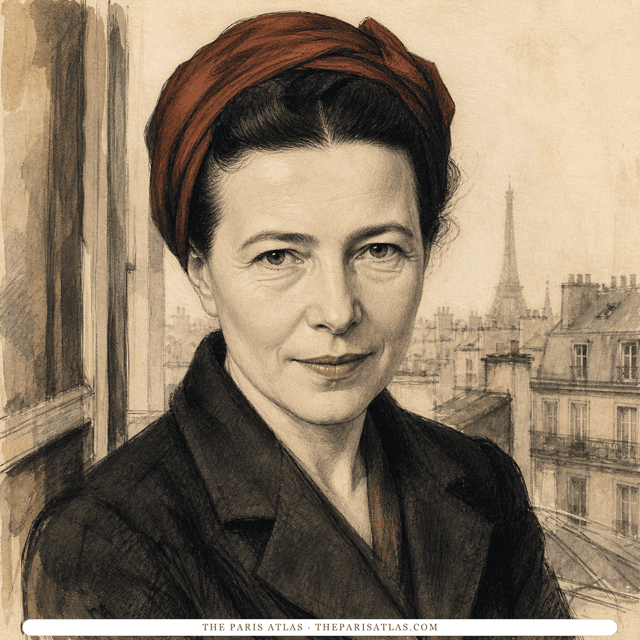
Simone de Beauvoir
French writer and philosopher whose novels, memoirs, and social analysis examined freedom, gender, responsibility, aging, and the material conditions that shape a life.
View author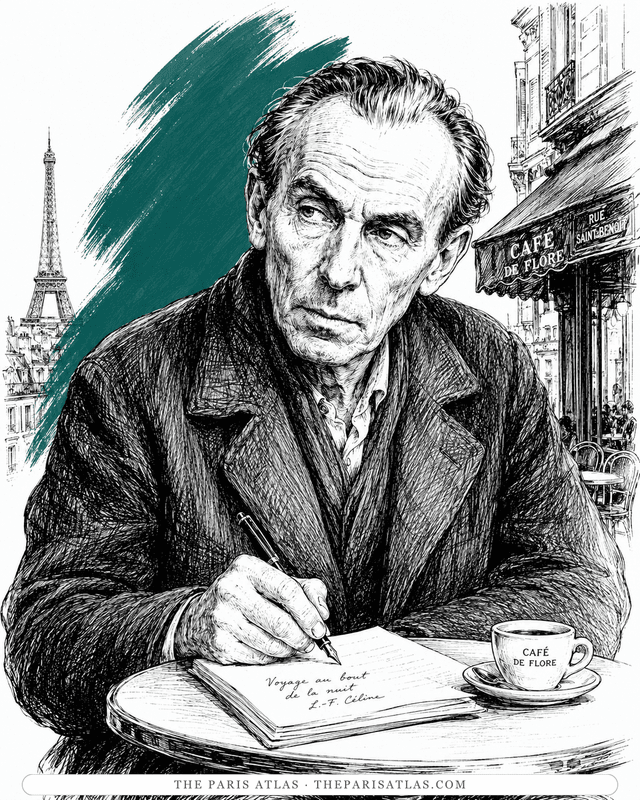
Louis-Ferdinand Céline
The doctor of the Paris slums who wrote the century's blackest, funniest novel — and changed the sound of French prose.
View author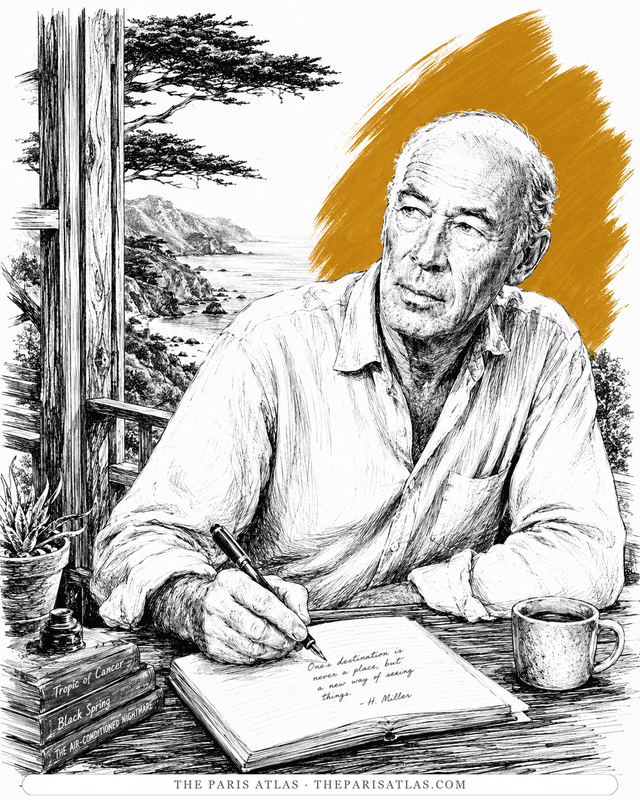
Henry Miller
The Brooklyn dropout who arrived in Paris broke at thirty-eight and wrote the exuberant, banned books that ended American censorship.
View author