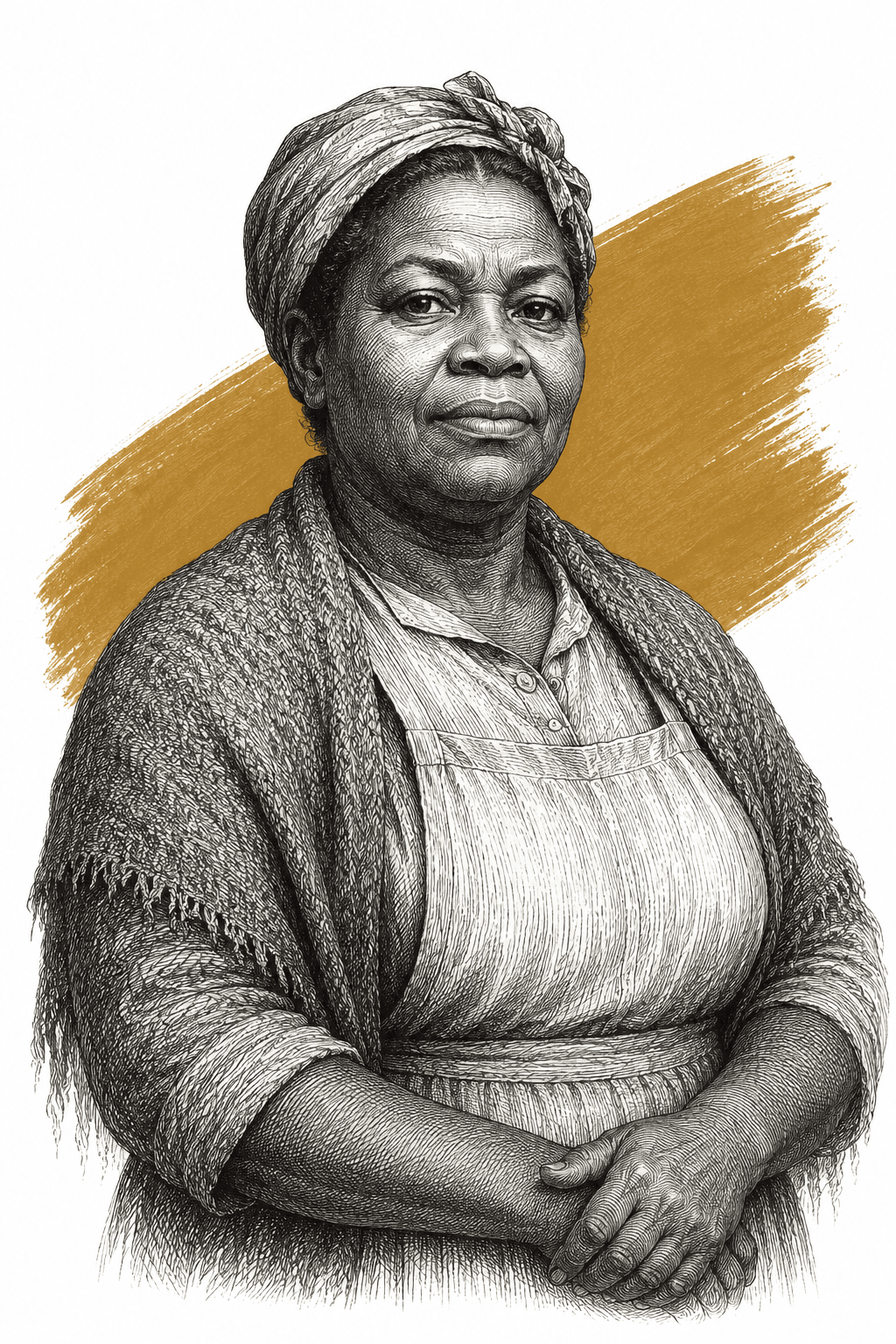
Annie Henderson (“Momma”)
Her paternal grandmother, who raised her in Stamps and ran the store at the center of the town’s Black life.
To get her grandchildren out of Stamps before the town does something to them she cannot undo.
The book

At a glance
- Momma by her grandchildren; Sister Henderson by the town
- Owned since about the turn of the century
- Three times: Mr. Johnson, Mr. Henderson, Mr. Murphy
- Willie, and Bailey Johnson Sr.
Who they are in the book
Spoiler-freeAnnie Henderson was Maya Angelou’s paternal grandmother, called Momma by her grandchildren and Sister Henderson by the town. She had owned the only Black general merchandise store in Stamps, Arkansas, since the turn of the century, and the book treats the store as the center of Black life there: the pickers were carried out to the fields from its yard before dawn and set down in it again at dusk, owing more to her and to the white commissary than they had earned that day.
She had married three times. Mr. Johnson, Angelou’s grandfather, left her around the turn of the century with two small sons to raise. Of Mr. Henderson the book says nothing at all, because, Angelou notes, her grandmother never answered a direct question on any subject except religion. The third, Mr. Murphy, passed through Stamps once on a Saturday night and left the next afternoon whistling.
Her religion was practical and her rules were short. Angelou reduces the household to two commandments: thou shall not be dirty and thou shall not be impudent. She rose at four in picking season without an alarm clock, prayed on her knees for a bridle on her tongue, and checked her grandchildren’s feet after they were asleep, with a switch kept behind the bedroom door for what she found.
She taught that the less said to white people the better and practised it herself, most conspicuously on the afternoon three white girls from the families who farmed her land stood in her yard and mimicked her carriage while she stood on the porch with her arms folded and sang. Angelou, watching from inside, understood only afterwards that her grandmother had won. That silence was a tactic rather than a temperament. She had lent money to white townspeople, including the dentist, and the longest scene she gets in the book is her collecting on it.
How Annie Henderson (“Momma”) Is Portrayed
- The StoreThe pickers were collected from its yard in the half-dark and set down there again at nightfall, and Angelou records that their wages never got them clear of what they owed her, let alone what waited at the white commissary downtown. She owned land and houses, and had more money than the white families farming her land.
- Four o’clockIn picking season she was up at four without an alarm clock, down on her knees, thanking God that the bed she had lain on had not been her cooling board nor her blanket her winding sheet, and asking for a bridle on her tongue.
- Two commandmentsThou shall not be dirty and thou shall not be impudent. She was known for pulling the quilts off after the children were asleep to inspect their feet, and kept a switch behind the bedroom door for emergencies.
- The porchThree white girls came into the yard, stood in front of her and imitated her stance and her walk. She did not turn her head or unfold her arms. She changed her hymn to “Bread of Heaven,” and when they had finished she said goodbye to each of them by name, with the courtesy title, and went inside.
- The dentistShe took her granddaughter to the white dentist in Stamps because he owed her money, and knocked at the back door describing herself to the girl who answered as Annie, with no surname. Angelou narrates a version in which her grandmother towers over the man and drives him out of town, then flatly reports the version her grandmother gave Uncle Willie in the kitchen: she went upstairs, was refused, reminded him of the loan, and left with ten dollars she called interest on money she had lent without asking for any. She then took the child twenty-five miles to the Black dentist in Texarkana.
- SewingShe bought two bolts of cloth a year from Sears and Roebuck and made school dresses, underslips, bloomers, handkerchiefs, Bailey’s shirts and her own aprons out of them. She French-seamed the armholes so the clothes would last, and demonstrated the point to Bertha Flowers by pulling a dress up over her granddaughter’s head in the middle of the store.
- The night in the binWarned that white riders would be out, she blew out the coal-oil lamps, had the children knock out the divider between the potato and onion bins, and covered her son over in layers of vegetables. She knelt praying in the dark store. He moaned all night, Angelou writes, as though he had done something.
- How she spokeShe greeted Bertha Flowers with “How you, Sister Flowers?”, dropping the verb, and her granddaughter burned with embarrassment on the side of the building. It took years, Angelou says, to see that the two women were as alike as sisters and separated only by schooling.
Annie Henderson (“Momma”) quotes
God is love. Just worry about whether you're being a good girl, then He will love you.
After Bailey comes back from town having watched a white man roll over the body of a Black man pulled from a pond, she starts making arrangements. She tells the children they are going to California because they are growing up, because they need their parents, because Uncle Willie is crippled and she is getting old. Angelou says none of those truths satisfied them. She delivers them to their mother and then goes back to Arkansas, on the grounds that her job is done and her son needs her.
If you like I Know Why the Caged Bird Sings


If you like Maya Angelou
Explore authors with a similar voice, perspective, and influence.
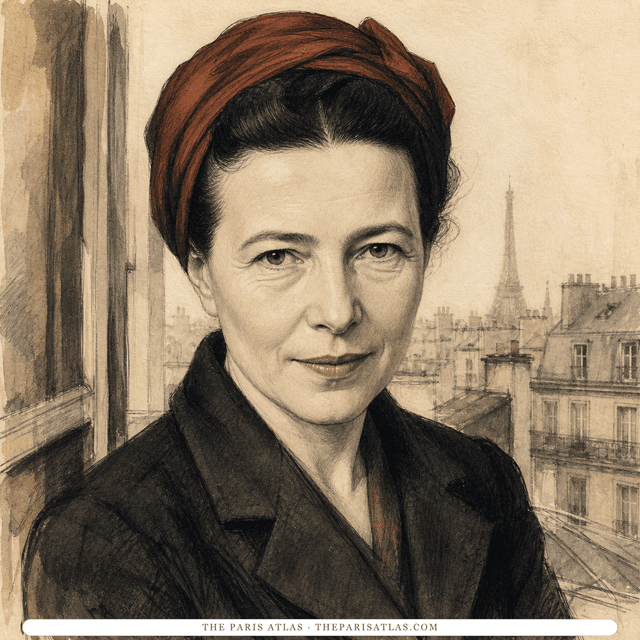
Simone de Beauvoir
French writer and philosopher whose novels, memoirs, and social analysis examined freedom, gender, responsibility, aging, and the material conditions that shape a life.
View author
Louis-Ferdinand Céline
The doctor of the Paris slums who wrote the century's blackest, funniest novel — and changed the sound of French prose.
View author
Henry Miller
The Brooklyn dropout who arrived in Paris broke at thirty-eight and wrote the exuberant, banned books that ended American censorship.
View author