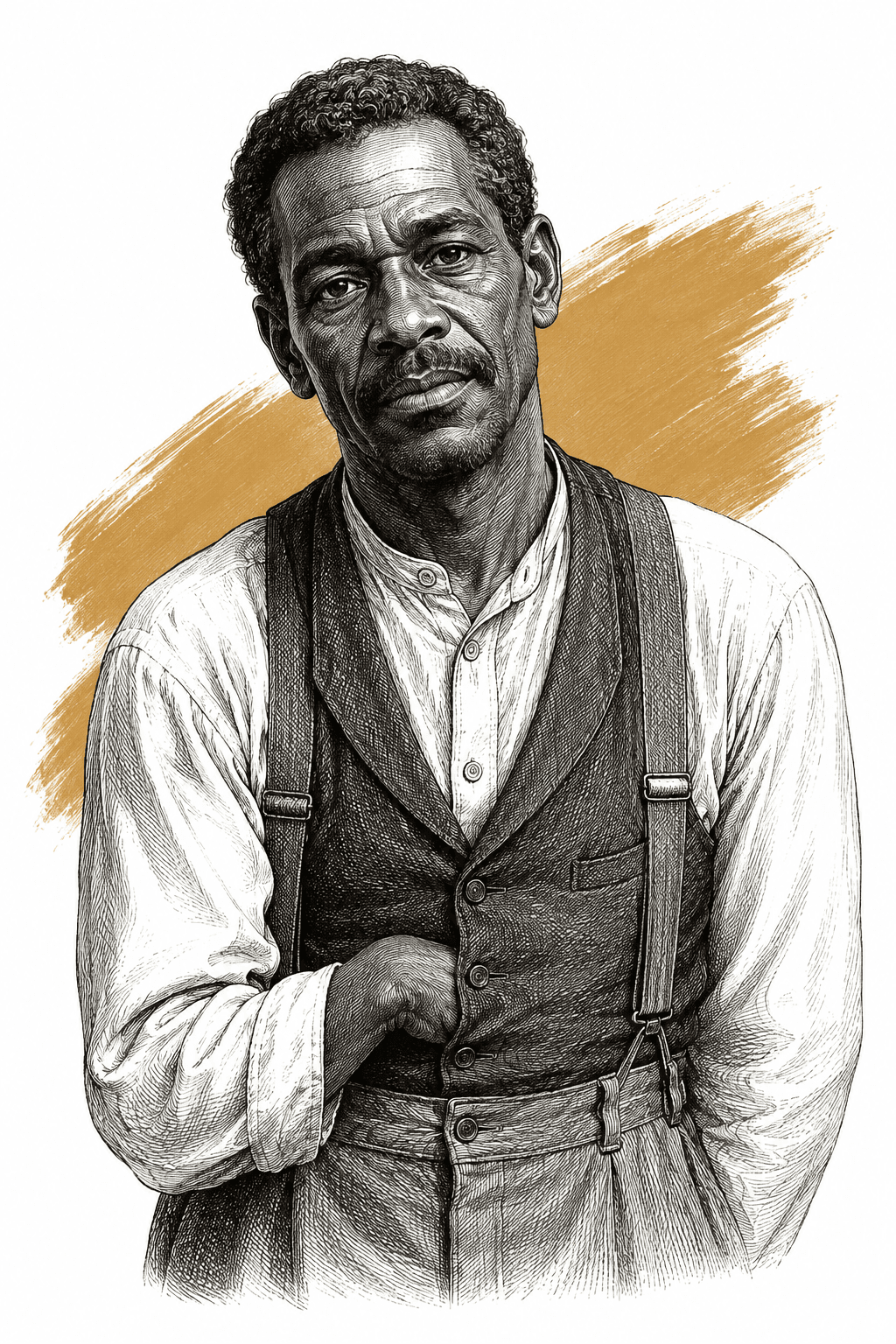
Uncle Willie
Momma’s son, disabled since childhood, who helped raise the children and drilled them on their times tables by the stove.
To be taken, once, for a man who had never been crippled.
The book

At a glance
- Since the age of three, when a babysitter dropped him
- Thirty-five
- Ran the Store in Stamps with his mother
- Had been separated from his mother, up to the day she took the children west
Who they are in the book
Spoiler-freeUncle Willie was Annie Henderson’s son and helped raise her two grandchildren in the back of the store in Stamps, Arkansas. He had been disabled since he was three, when a woman minding him dropped him. Angelou says her grandmother told the story over and over without any show of emotion, held nothing against the babysitter or against God, and thought it necessary to explain to people who knew it by heart that he had not been born that way.
The left side of his face pulled down as though something had been attached to his lower teeth, his left hand was barely bigger than a child’s, and he sat, in her description, like a giant black Z. He walked with a rubber-tipped cane, took thirty minutes to lace his high-topped shoes, and got down the aisle of the store hand over hand along the counter.
He was the household’s disciplinarian in a small way. He drilled the children on the times tables in front of the heater and swung whoever hesitated toward the stove, and he whipped Bailey once, badly, for coming home after dark. Angelou records both without softening them and also records that she loved him in her fashion, and that after St. Louis she caught him watching her with a far-off look and being unable to say anything.
The book is clear about what his position cost him. In a town where able-bodied Black men could barely get clear of the necessities, his starched shirts and full shelves made him a target for the underemployed men who came into the store. He was proud and sensitive, Angelou writes, and could neither pretend he was not crippled nor pretend that people were not repelled.
How Uncle Willie Is Portrayed
- How he satLike a giant black Z, with his face pulled down on the left side and his left hand only a mite bigger than his nephew’s. The right hand was big and overgrown and did the work of both.
- The times tablesHe sat the two children by the dull red heater and made them recite. On a second mistake or a third hesitation the good hand took the offender by the collar and thrust them toward the stove. They were never burned; the closest was the day his niece tried to jump onto it herself and he held her back by the dress.
- The afternoon he stood upTwo strangers stopped at the store — schoolteachers from Little Rock, he said afterwards. His niece came in and knew something was wrong before she could name it: he was standing erect behind the counter, not leaning forward, not resting on the small shelf that had been built for him, and his eyes held her with a mixture of threat and appeal. When they had gone he made his way back down the aisle hand over hand, like a man climbing out of a dream.
- How he dressedThe only person in the family who wore ready-to-wear clothes all the time. Fresh white shirts every day, flowered suspenders, and shoes that cost twenty dollars. His niece, who ironed seven stiff starched shirts a week and was not allowed to leave a crease anywhere, thought him sinfully vain.
- The night in the vegetable binWhen word came that white riders would be out, he took thirty minutes to get down into the emptied potato and onion bin and was covered over layer by layer. He moaned through the whole night. Angelou pictured his mouth pulling down and the saliva running into the eyes of the new potatoes.
- What he readThe Almanac, nightly, cradled in his divided lap. He rapped it with his crippled hand to settle a question about the weather, and cited it against a visitor who had turned up in a storm.
- His answer about white peopleBailey came back from town having seen a body and asked why they hate us so much. Uncle Willie said they did not really hate them, they did not know them, and they were mostly scared. Angelou sets the answer beside the question and does not claim it was adequate.
- What the town did with himHe was the butt of jokes for men who worked harder and had less. Angelou notes that fate had disabled him and then put a second barrier in his way, because he was proud and could not pretend the first one was not there.
If you like I Know Why the Caged Bird Sings


If you like Maya Angelou
Explore authors with a similar voice, perspective, and influence.

Simone de Beauvoir
French writer and philosopher whose novels, memoirs, and social analysis examined freedom, gender, responsibility, aging, and the material conditions that shape a life.
View author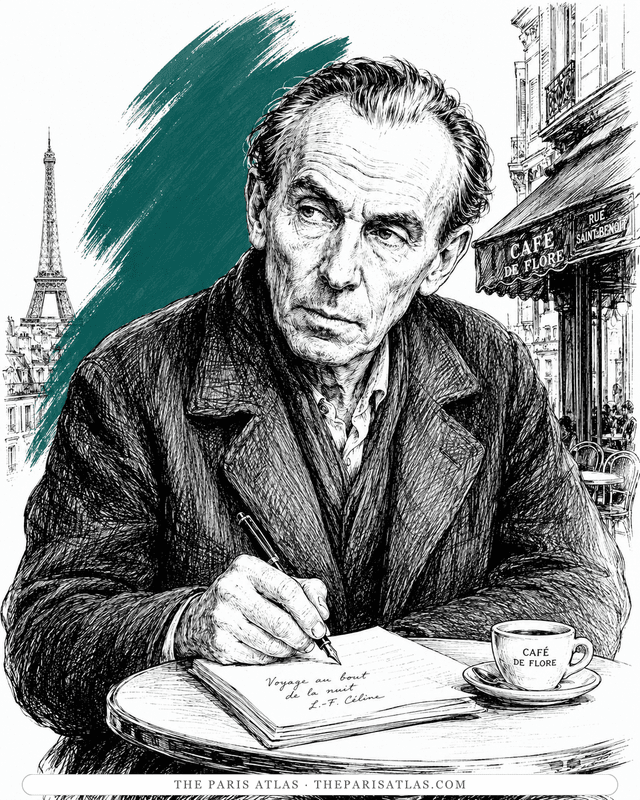
Louis-Ferdinand Céline
The doctor of the Paris slums who wrote the century's blackest, funniest novel — and changed the sound of French prose.
View author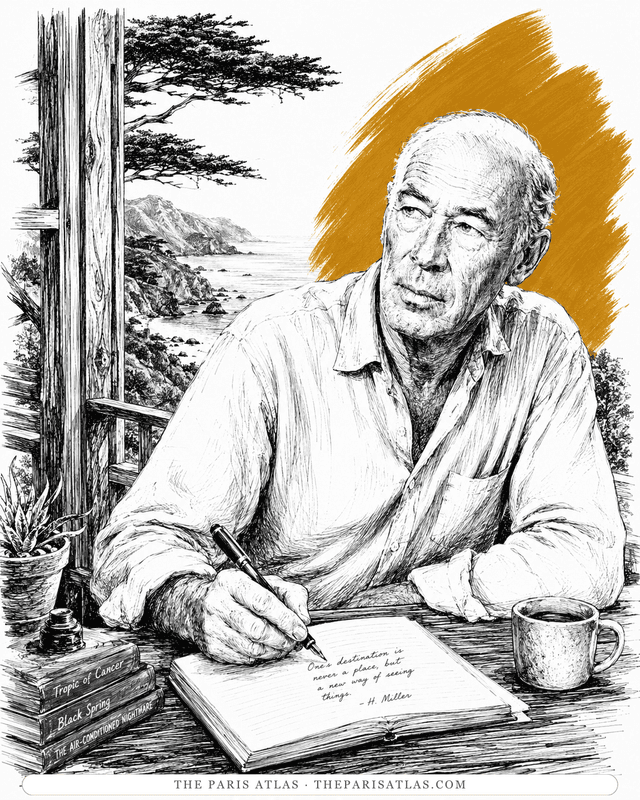
Henry Miller
The Brooklyn dropout who arrived in Paris broke at thirty-eight and wrote the exuberant, banned books that ended American censorship.
View author