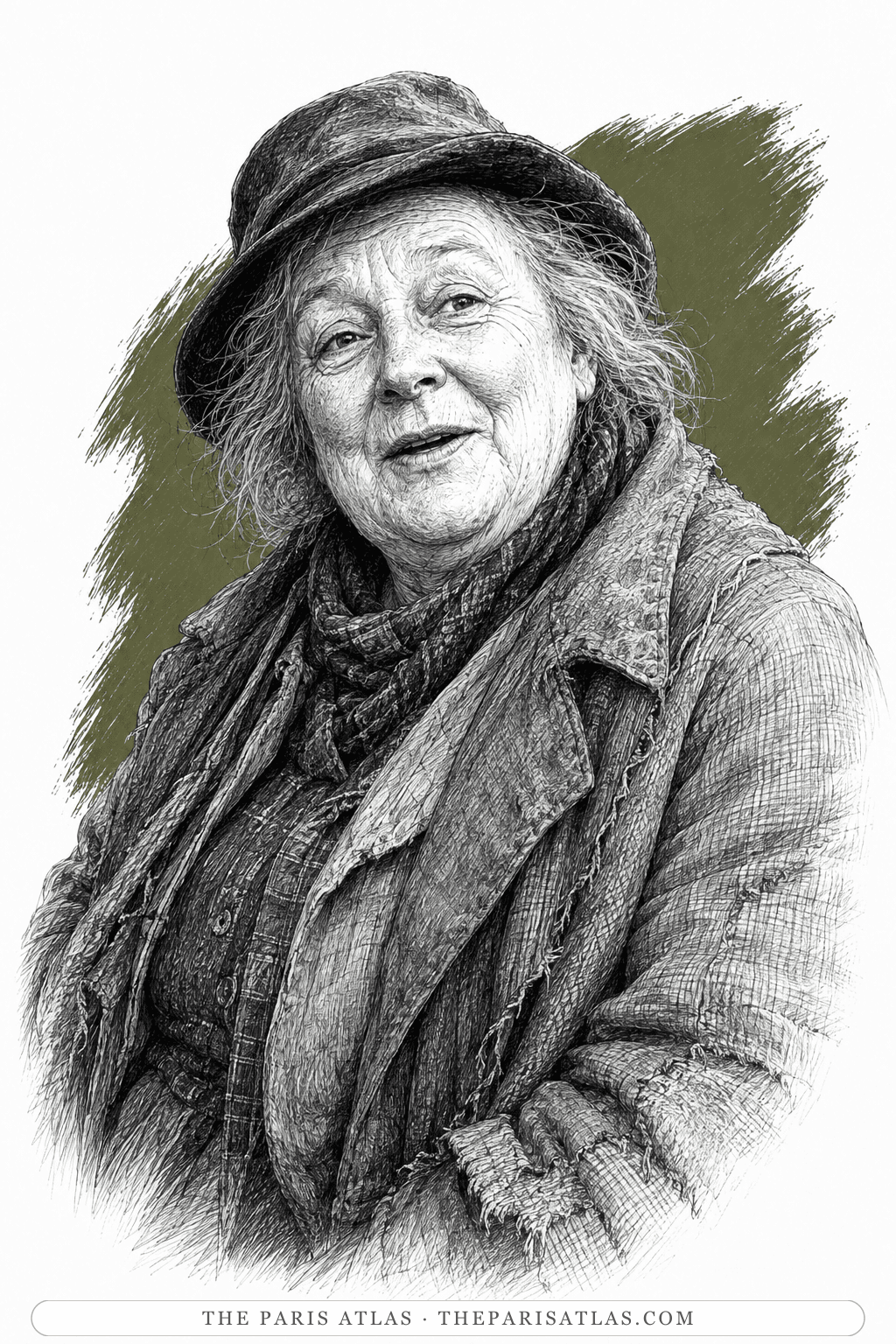
Mrs McElligot
An old Irishwoman Dorothy meets on a village green in Kent and again in Trafalgar Square. She knows which farms are hiring, where the churches open for the winter, and how to keep warm on a bench.
A warm kip and a cup of tea. She says so about once an hour, and everything she knows about the road is organised around getting one or the other.
The book

At a glance
- Met at Wale in Kent, and again on the Trafalgar Square benches
- Dublin, by her accent
- Catholic, and refused absolution over Michael
- An old offender; she gets seven days where Dorothy is fined six shillings
Who they are in the book
Spoiler-freeMrs McElligot turns up first on the green at Wale, where the four exhausted walkers are sprawled opposite a shop hung with newspaper posters. She has just been given a job at a neighbouring hopfield, and she trades hints for stolen apples. George Orwell renders her in a base Dublin accent throughout, and she is the first person in the book to give Dorothy anything like practical instruction.
She reappears in Trafalgar Square, on the bench, and it is on her shoulder that Dorothy finally falls asleep in Wilkins's cafe at five in the morning. She talks all night about Michael, who left her, and about being refused absolution because of him. She is also the reason Dorothy ends up in a police cell: the two of them beg from the wrong old lady.
How Mrs McElligot Is Portrayed
- How to get taken onShe explains the home-picker rule: a farmer may only hire people who have homes of their own nearby, or huts he provides, so she has told Norman she is staying in a cottage and is in fact sleeping in a cow byre. Not so bad except for the stink of the muck, but you have to be out by five or the cowmen catch you.
- The pigstyHer best story is about skippering in a pigsty with Michael. "Holy Mary," says Michael, "dere's a pig in here!" "Pig be ----!" she says, "he'll keep us warm anyway." She crept up against an old sow snoring like a traction engine, put her arms round her, and was warm all night.
- MichaelReal loving, tender and true. She never looked at another man after the evening she met him outside Kronk's slaughter-house and he gave her the two pounds of sausage he had bummed off the International Stores for his own supper. He went off on his jack and left her with the baby.
- The churchesShe knows which one in the Gray's Inn Road opens for the winter, that you get a roof and a cup of Horlicks and two slices, and that the ones that would not have her turned her away because they thought she had lice.
- How she sitsWhen the police clear the benches she squats on her heels coal-miner-fashion, and several of the others do the same. She complains steadily and specifically: her back, her kidneys, her legs, and a belly rubbing against her backbone.
- Looking after DorothyShe makes room on the bench, puts her under the heap where it is warmest, offers to put her penny with two halfpennies for a shared cup of tea, and finally tells her to lean on her shoulder because there is more flesh on her bones.
If you like A Clergyman's Daughter


If you like George Orwell
Explore authors with a similar voice, perspective, and influence.
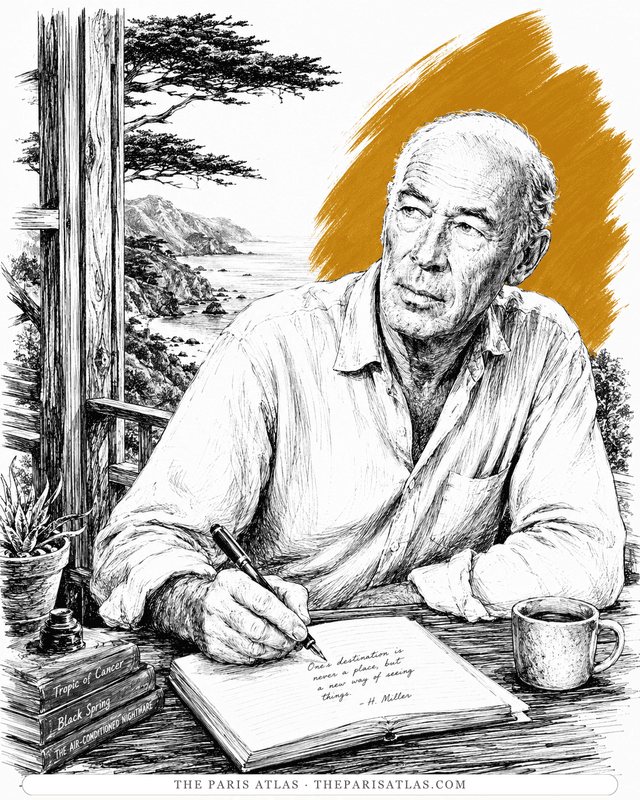
Henry Miller
The Brooklyn dropout who arrived in Paris broke at thirty-eight and wrote the exuberant, banned books that ended American censorship.
View author
Louis-Ferdinand Céline
The doctor of the Paris slums who wrote the century's blackest, funniest novel — and changed the sound of French prose.
View author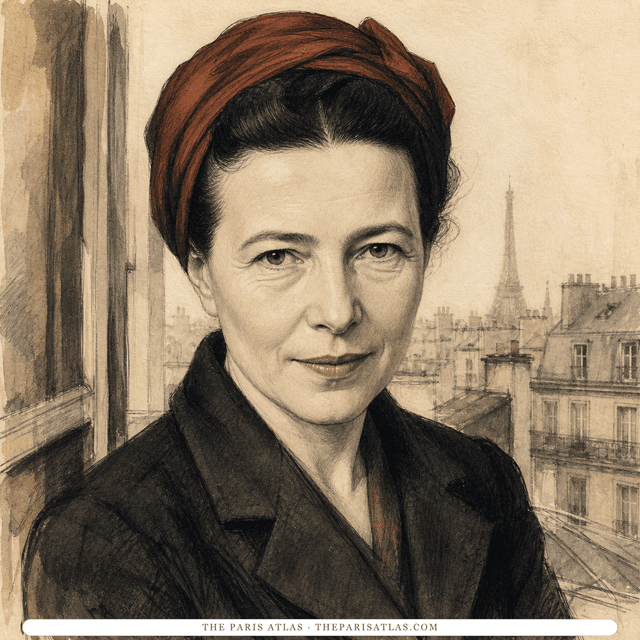
Simone de Beauvoir
French writer and philosopher whose novels, memoirs, and social analysis examined freedom, gender, responsibility, aging, and the material conditions that shape a life.
View author