Mr Cargill
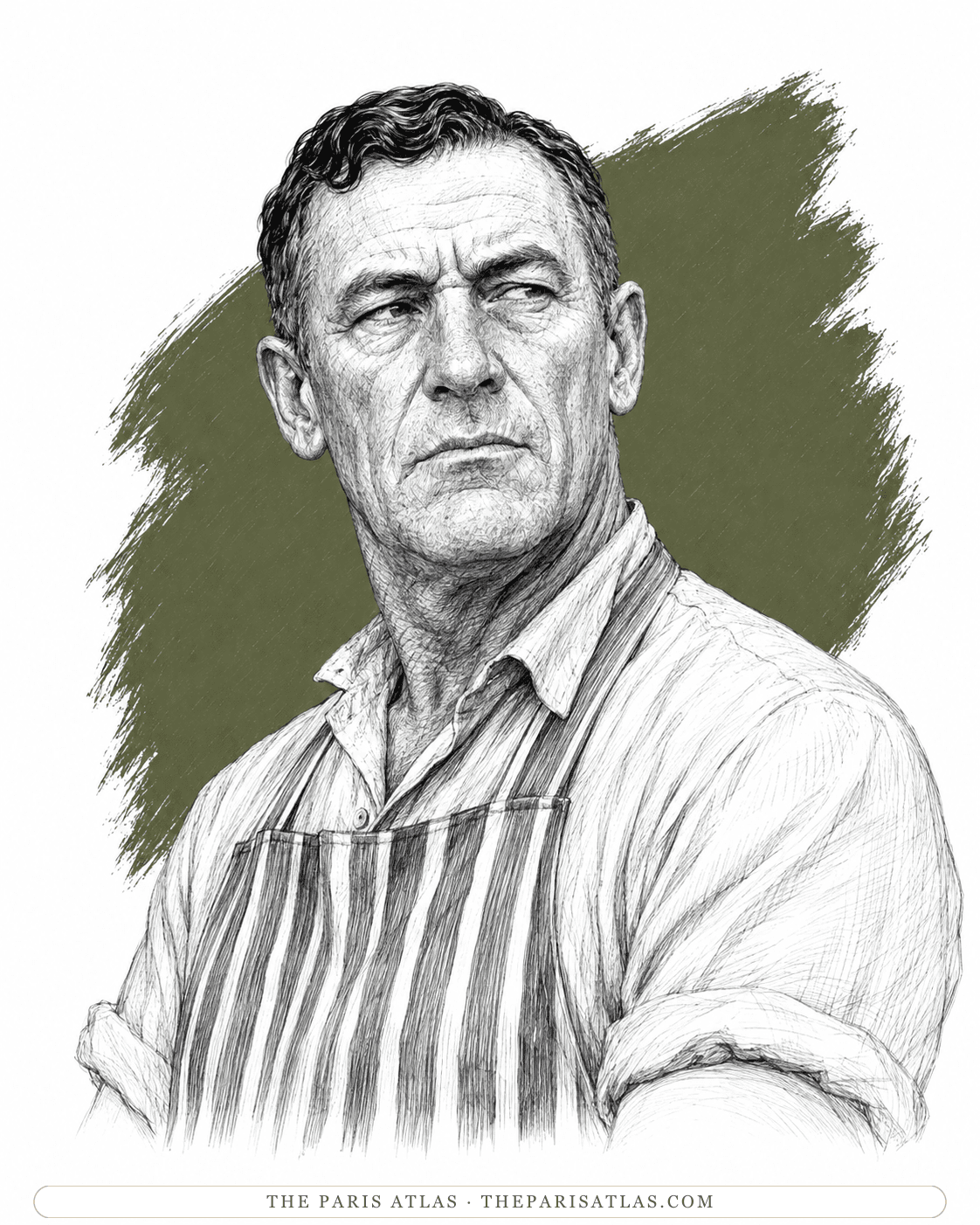
The butcher of Knype Hill, a tall evil-looking man in a blue-striped apron with a lean scraped face as purple as one of his own joints of meat. He never speaks in the book and is a standing dread all the same: Dorothy Hare has to pass his shop, he watches her from the doorstep with a sidelong meaning gaze, keeps her waiting behind the other customers, and sends the bill with a line underlined to say it has been owing a very long time.
The book

At a glance
- The butcher of Knype Hill, and the Rectory's largest creditor
- Twenty-one pounds seven and ninepence, over seven months
- S. Cargill, from the signature on the bill
- Chapters 1 and 5
Who they are in the book
Spoiler-freeMr Cargill is the butcher at the top of the High Street in Knype Hill, the Suffolk town where the first and last chapters of the book are set. He is owed more money than anybody else in the town by the Rectory, where the Reverend Charles Hare lives with his daughter Dorothy Hare, and the debt has been running for over seven months.
He is a real presence in the book without ever speaking a word. He has no dialogue at all. What he has instead is a doorstep, a look, and a bill, and between them they organise Dorothy's morning: the letter she is afraid to open at breakfast, the shop she has to pass to reach the draper's, the joint she dare not order.
The two Hares divide on him along the same line they divide on everything. Dorothy finds the debt shameful and unfair to a man who has waited seven months for his money. Her father's position is that tradesmen expect to be kept waiting, that they like it because it brings them more in the end, and that if Cargill has been short with her she should take the account elsewhere. Nothing is settled. In the last chapter, after a creditors' meeting has cleared the ground, the shop-debts have begun to mount again and six pounds is owing to Cargill; one of the last thoughts Dorothy has in the book is that they simply must pay him something.
How Mr Cargill Is Portrayed
- How the book describes himA tall, evil-looking man in a blue-striped apron, with a lean, scraped face as purple as one of his own joints of meat that had lain a little too long in the window.
- He never speaksNot one line, anywhere in the book. Everything he does is done from a doorstep or on paper.
- The doorstepHe stands on it with the rest of the shopkeepers to watch a political procession go past, and regards Dorothy Hare with a sidelong, meaning gaze. She is so fixed on the figure that she walks straight into Mr Warburton, and afterwards she is grateful for his company because it makes the shop easier to pass.
- The billTwenty-one pounds seven and ninepence, to account rendered, in the innocuous handwriting of his accountant. Underneath, in thick accusing letters and heavily underlined, is the line he added himself: that the bill has been owing a VERY LONG TIME, and the EARLIEST POSSIBLE settlement will oblige.
- In the shopHe speaks to Dorothy shortly and makes her wait until the other customers have been served, because the account is still growing. She does not dare stop ordering from him; she believes he would take them to court if she did.
- What his name does to herShe prays before breakfast that he will not send the bill in again today. When an envelope arrives she prays it may be the draper's or the baker's or the dairy's, anything but his, and when it is his she turns paler and cannot eat.
- The rector's view"These people expect to be kept waiting for their money. They like it. It brings them more in the end." Told that Cargill has been short with her, he calls the behaviour abominable and tells her to order from the other butcher and take no notice: he knows he'll be paid sooner or later.
If you like A Clergyman's Daughter


If you like George Orwell
Explore authors with a similar voice, perspective, and influence.

Henry Miller
The Brooklyn dropout who arrived in Paris broke at thirty-eight and wrote the exuberant, banned books that ended American censorship.
View author
Louis-Ferdinand Céline
The doctor of the Paris slums who wrote the century's blackest, funniest novel — and changed the sound of French prose.
View author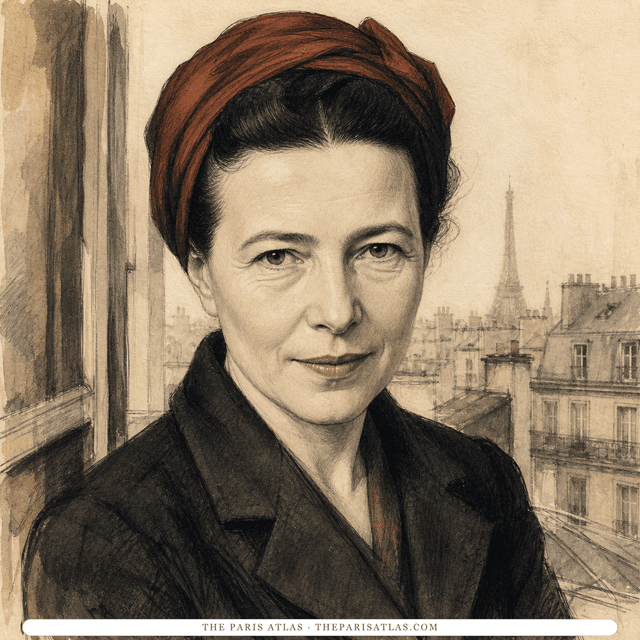
Simone de Beauvoir
French writer and philosopher whose novels, memoirs, and social analysis examined freedom, gender, responsibility, aging, and the material conditions that shape a life.
View author