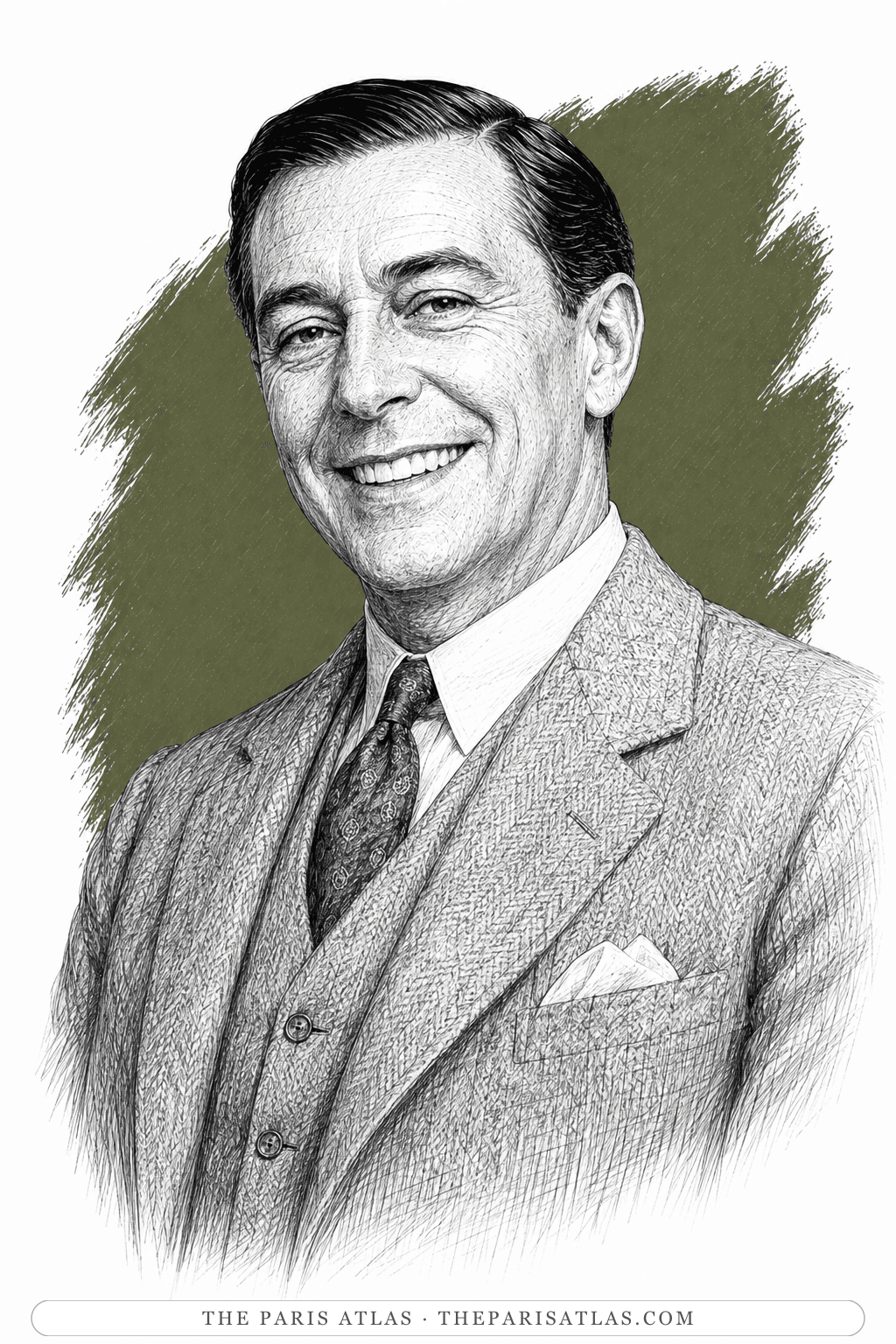
Mr Blifil-Gordon
Proprietor of the sugar-beet refinery that employs more than half of Knype Hill, and the Conservative candidate in the by-election running through chapter 1. He smiles at Dorothy for the first time in years on the morning of the campaign.
The seat. Everything about him on the morning we see him — the smiles, the banners, the sudden friendliness — is calibrated for a poll the following week.
The book

At a glance
- Sugar-beet manufacturer and Conservative candidate at Knype Hill
- More than half the town's two thousand inhabitants
- An eldest son, Ralph, who is called Walph and writes vers libre
Who they are in the book
Spoiler-freeMr Blifil-Gordon owns the sugar-beet refinery on the north side of the High Street, whose employees make up more than half of Knype Hill's two thousand inhabitants and are, George Orwell notes, godless almost to a man. He is standing in the Conservative interest at a by-election, and chapter 1 is punctuated by his campaign: a vast gleaming blue car moving at a foot-pace, a detachment of the Buffaloes in front headed by an earnest little man with a trombone, and blue streamers strung between the roofs of the Dog and Bottle and the Conservative Club.
He is in the book for perhaps three pages, and they are enough. Orwell uses him to establish the town's politics in the same way he uses Mrs Semprill to establish its morals, and to put Mr Warburton's loudest speech in the middle of a crowd.
How Mr Blifil-Gordon Is Portrayed
- The head and the suitA sleek black head thrust out of the window of the car, which George Orwell says goes remarkably ill with the suit of sandy-coloured Harris tweed he is campaigning in.
- The graded smilesTo the populace a diffused general smile, not resting on individuals. To the coffee ladies and the six scarlet patriots at the Conservative Club window, one smile each. Young Walph adds an occasional wave and a squeaky "Cheewio!"
- The banners"Blifil-Gordon and the Empire!" across the street, and carried in front of the car: "Who'll save Britain from the Reds? BLIFIL-GORDON. Who'll put the Beer back into your Pot? BLIFIL-GORDON."
- Why he is suddenly friendlyHe flashes Dorothy a smile so warm it is almost amorous, and she is astonished, because none of these people has recognised her in the street for years. Proggett explains: all honey and butter until they have made sure of your vote, and they have forgotten your face the day afterwards.
- What Warburton says about himRaising his voice deliberately in the crowd, and pointing with his cane: look at those fawning hags, and that half-witted oaf grinning at us like a monkey that sees a bag of nuts. He adds that if there is a Socialist candidate he shall certainly vote for him, which is overheard, and gets Dorothy filed as the friend of Socialists.
- WalphThe eldest son, Ralph, pronounced Walph by the whole family: an epicene youth of twenty given to writing sub-Eliot vers libre. By the last chapter he has had two poems accepted by the London Mercury.
- How he ends upHe wins. Orwell disposes of him in one line of the last chapter's round-up of town news: now in Parliament, a docile deadhead on the back benches of the Conservative Party.
If you like A Clergyman's Daughter


If you like George Orwell
Explore authors with a similar voice, perspective, and influence.
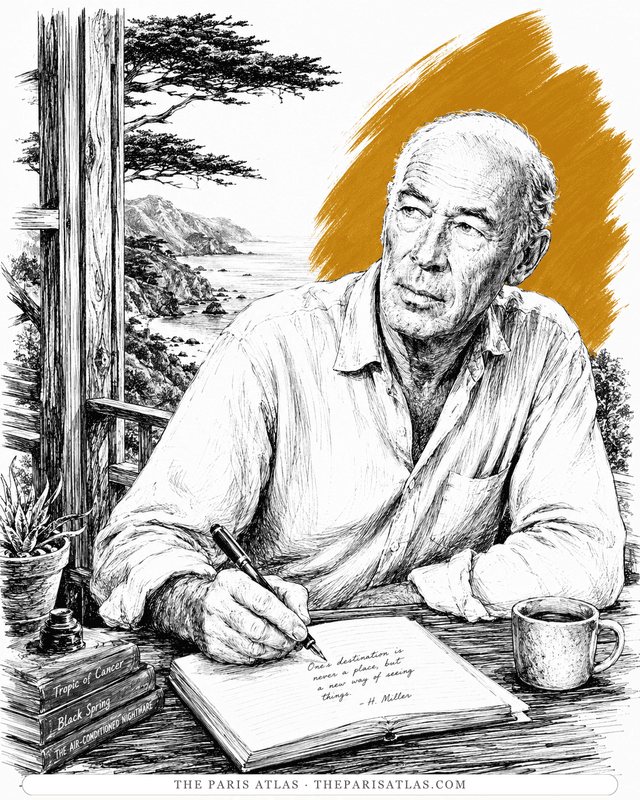
Henry Miller
The Brooklyn dropout who arrived in Paris broke at thirty-eight and wrote the exuberant, banned books that ended American censorship.
View author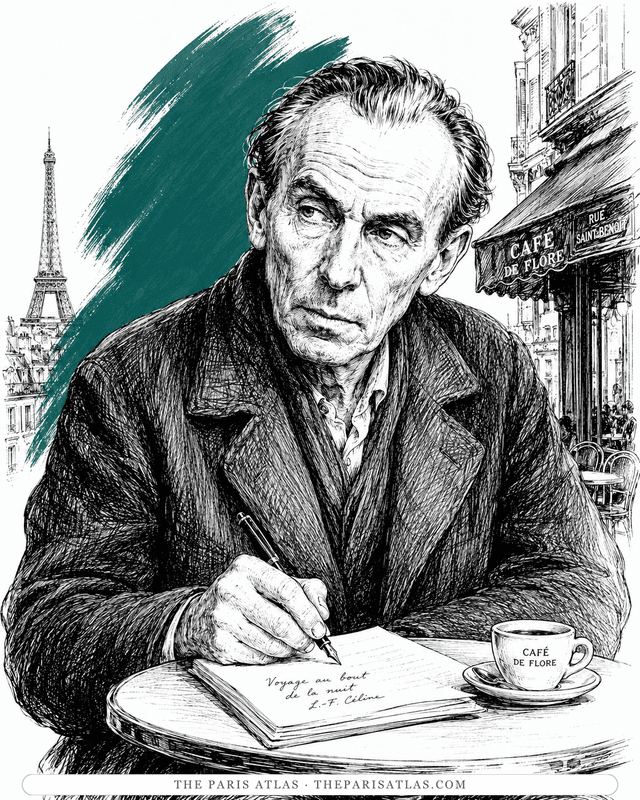
Louis-Ferdinand Céline
The doctor of the Paris slums who wrote the century's blackest, funniest novel — and changed the sound of French prose.
View author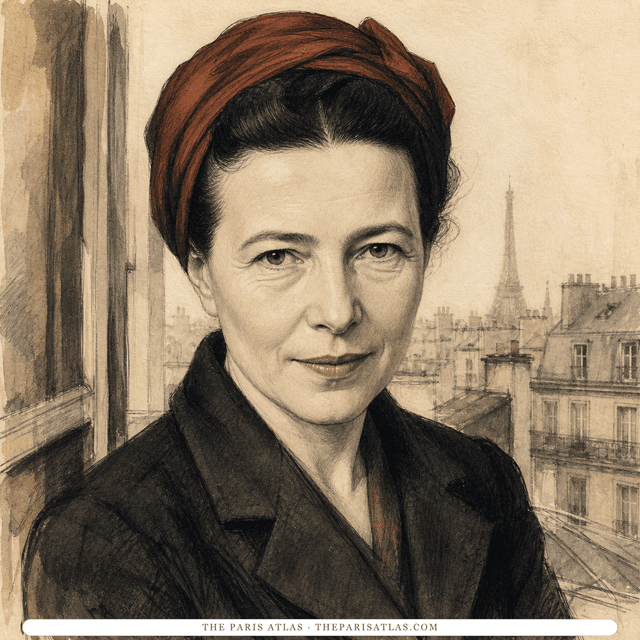
Simone de Beauvoir
French writer and philosopher whose novels, memoirs, and social analysis examined freedom, gender, responsibility, aging, and the material conditions that shape a life.
View author