
Setting of the story
Down and Out in Paris and London
Where the narrator, twelve kilometres walked and sixty hours without food, sees a five-sou piece glittering on the cobbles — the turn that buys a pound of potatoes.
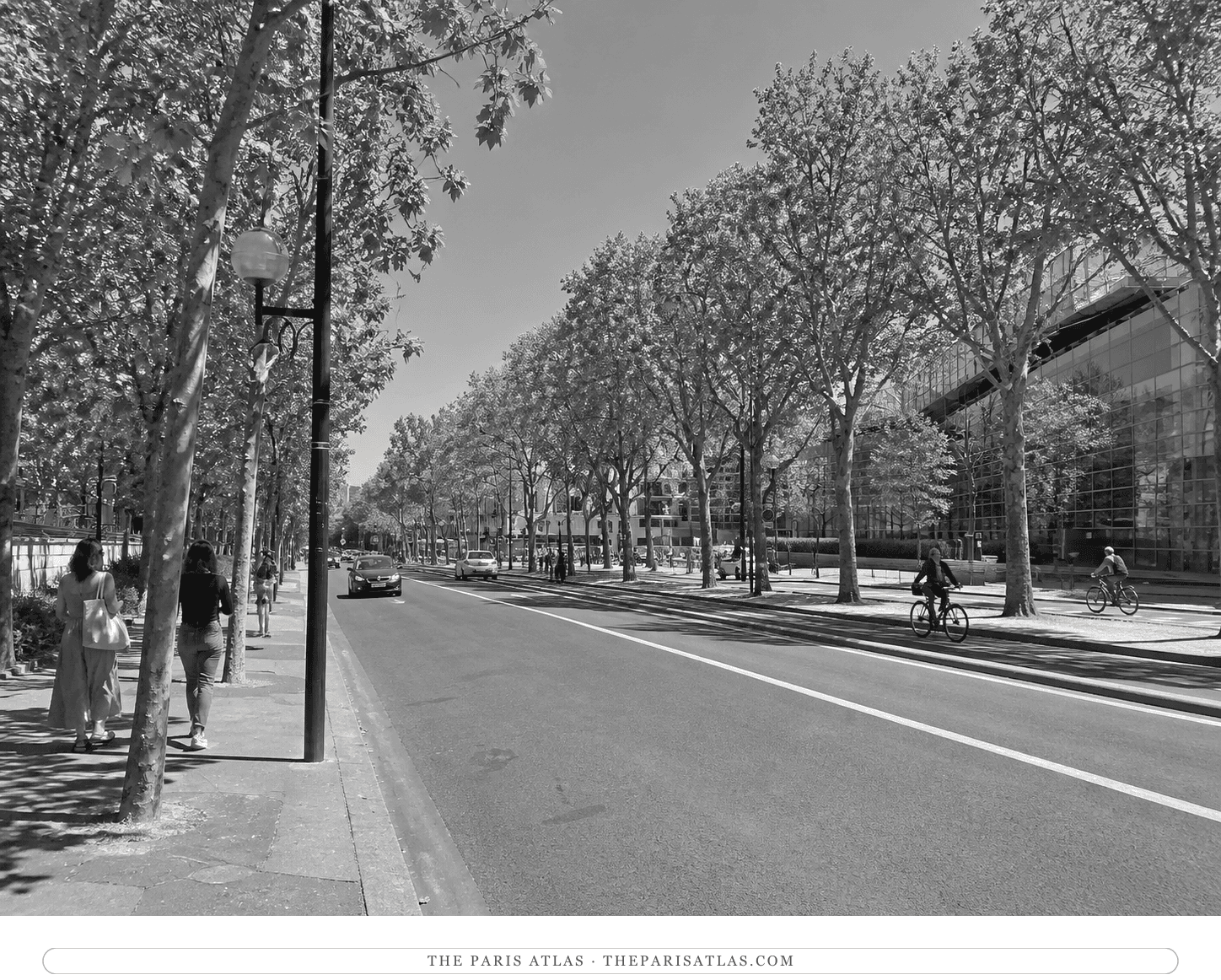
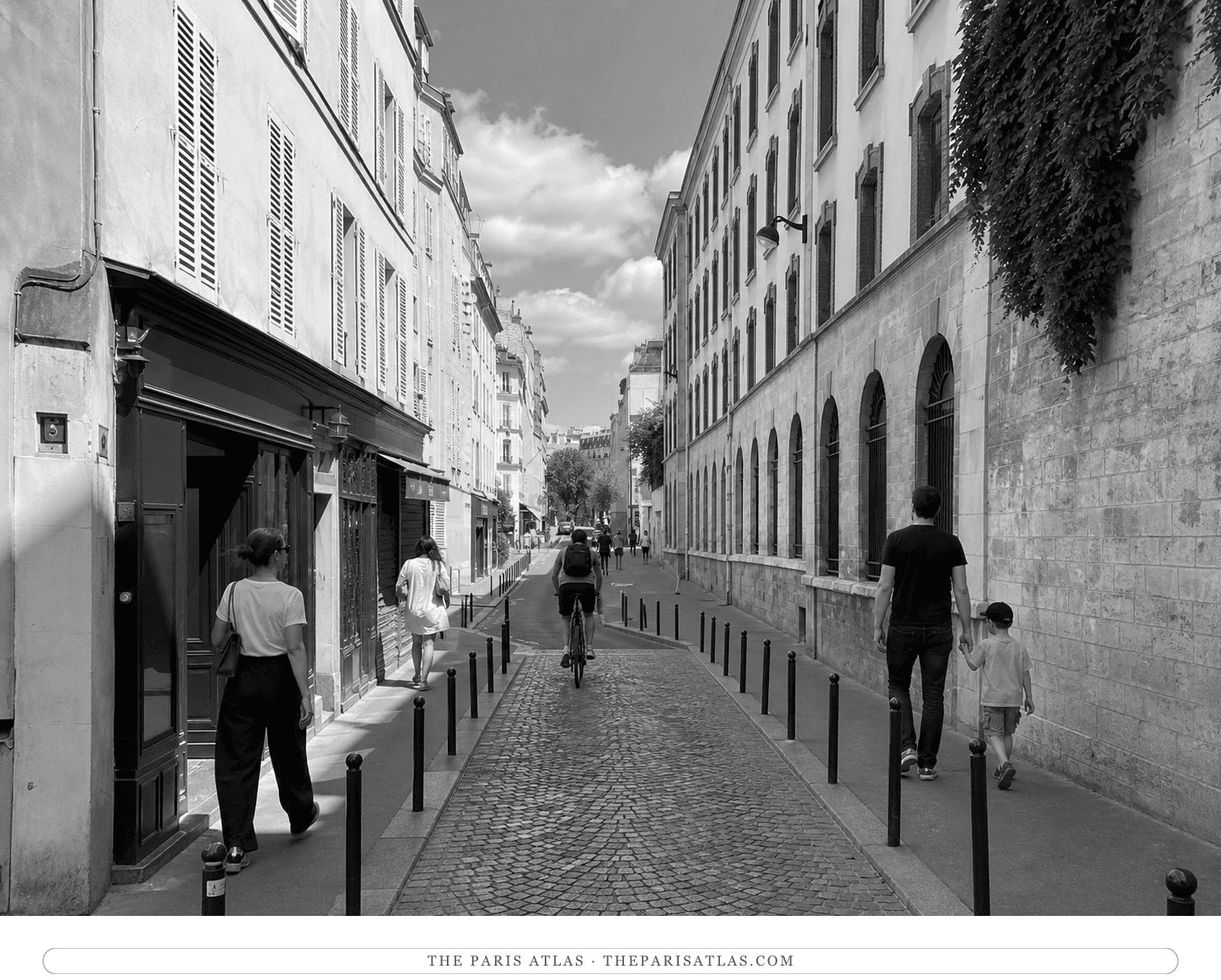
A quiet street in the lower Latin Quarter, running down from the Val-de-Grâce towards the Gobelins. In Down and Out in Paris and London it is where George Orwell — sixty hours without food and twelve kilometres into a wasted walk — spots a five-sou piece glittering on the cobbles.
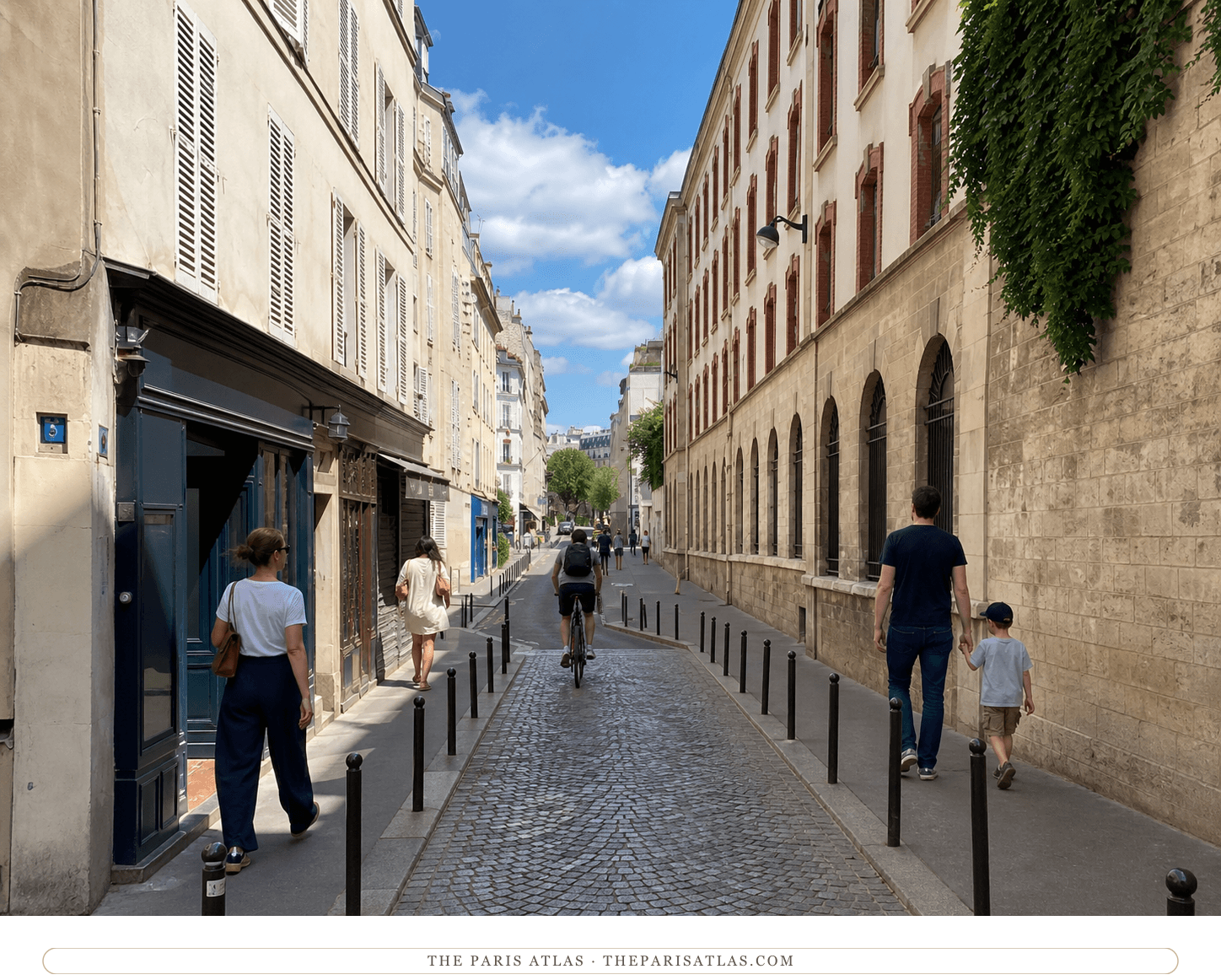
The rue Broca is not a famous street. It runs down from the Val-de-Grâce end of the fifth arrondissement, is largely residential, and has no plaque on it. It earns a page here because of a single sentence in Down and Out in Paris and London that turns on it.
The setup is one of the bleakest sequences in the book. George Orwell and Boris have pawned what they can. Boris's identity papers are out of order, so the overcoats cannot be pawned in his name, which means Orwell walks to the pawnshop on the boulevard de Port-Royal himself — and finds it shut until four in the afternoon. By then, as he counts it, he had "walked twelve kilometres and had no food for sixty hours".[1]
Then this: "Fate seemed to be playing a series of extraordinarily unamusing jokes. Then the luck changed as though by a miracle. I was walking home through the Rue Broca when suddenly, glittering on the cobbles, I saw a five-sou piece."
He picked it up, went home for the other five-sou piece they had, and bought a pound of potatoes. There was not enough alcohol in the stove to cook them properly and no salt, so they ate them half-raw.[2]
That is the whole of the street's literary claim, and it is enough. The rue Broca is what a real address does in a book about poverty: it is not a symbol or a setting, it is the specific stretch of cobbles where a coin happened to be, on a particular afternoon, for a man who had not eaten in two and a half days.[3]
Orwell, sixty hours without food, finds a five-sou piece on the cobbles here.
Down and Out in Paris and London is published, with the scene in it.
It is where Orwell finds money. After walking twelve kilometres to a pawnshop that turned out to be shut, and having gone sixty hours without food, he spots a five-sou piece glittering on the cobbles. He and Boris pooled it with their remaining coin and bought a pound of potatoes.
No. It is an ordinary residential street in the fifth arrondissement with no plaque and nothing marking the scene. It is worth walking if you are working through Orwell's Paris — it sits between the Val-de-Grâce and the boulevard de Port-Royal, where the pawnshop was.
In the 5th arrondissement, in the lower Latin Quarter below the Val-de-Grâce, running towards the Gobelins. It is a short walk from the boulevard de Port-Royal and from the Jardin des Plantes, both of which are also in the book.
Setting of the story
Where the narrator, twelve kilometres walked and sixty hours without food, sees a five-sou piece glittering on the cobbles — the turn that buys a pound of potatoes.
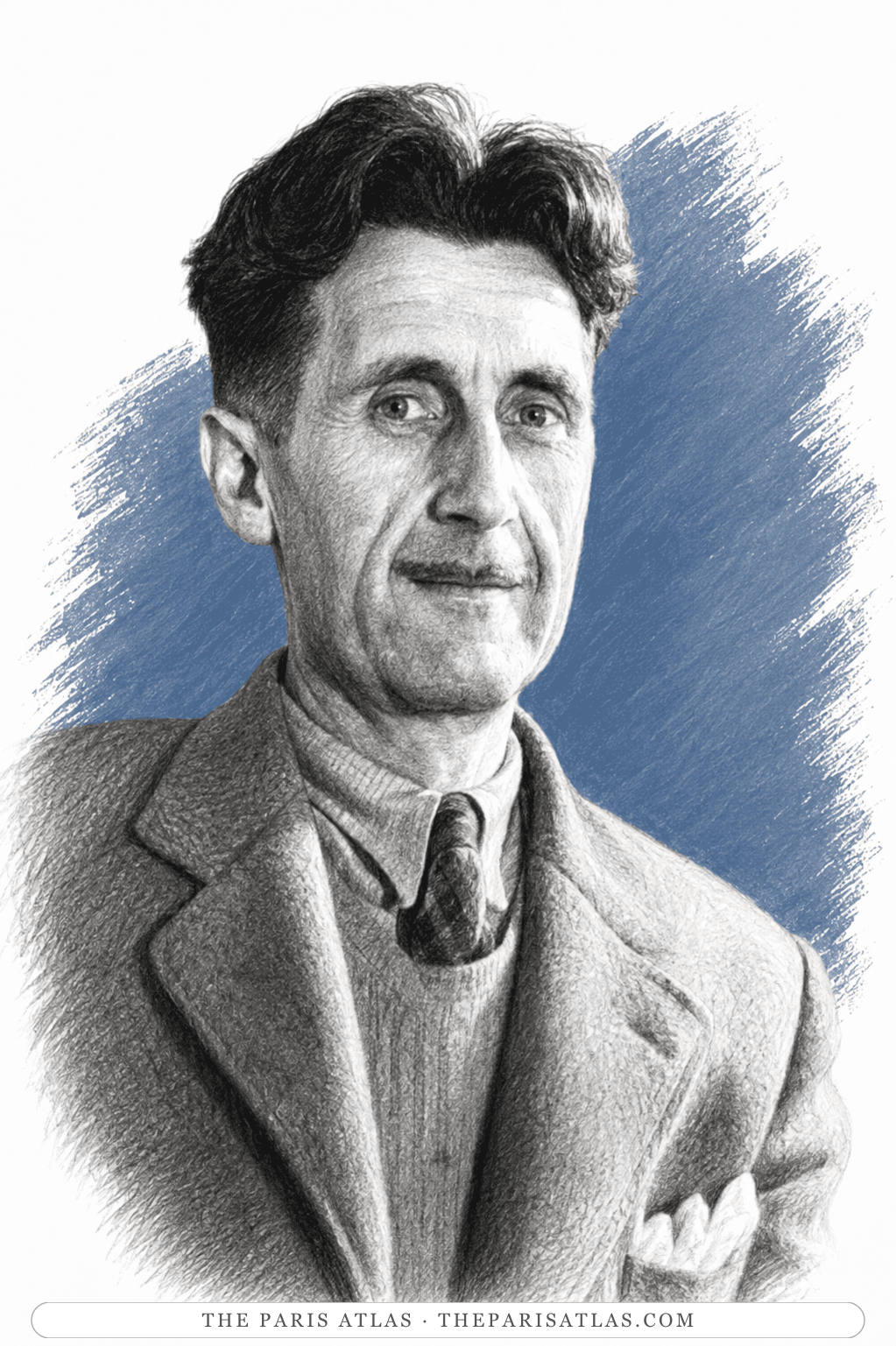
Visited by · 1929
As Down and Out has it, Orwell was walking home along the rue Broca after finding the pawnshop shut — twelve kilometres walked and sixty hours without food — when he saw a five-sou piece glittering on the cobbles. It bought a pound of potatoes, eaten half-raw for want of stove alcohol and salt.
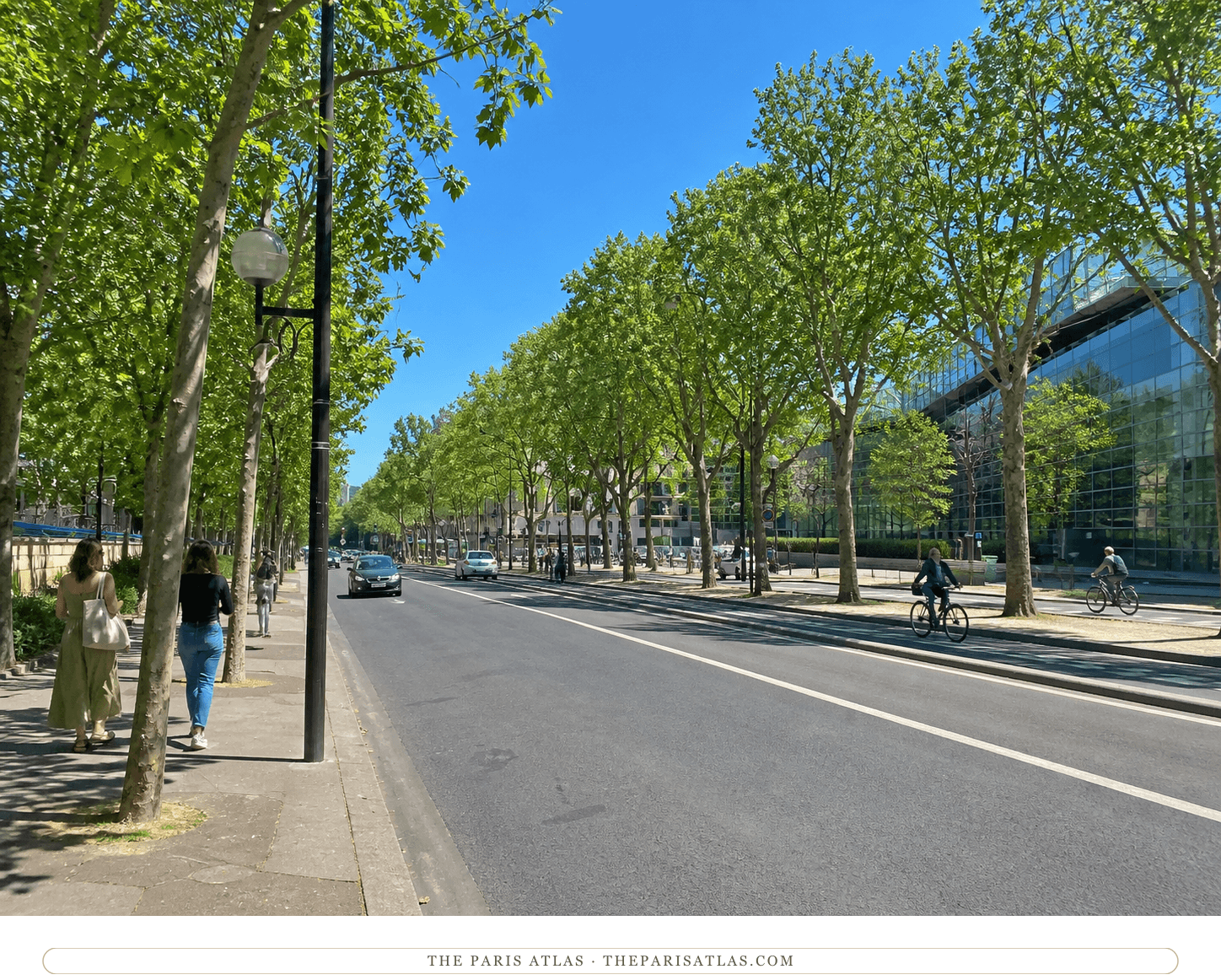
A long boulevard along the southern edge of the Latin Quarter. In Down and Out in Paris and London it holds the pawnshop where George Orwell took his overcoats — and found it shut, on the day he had gone sixty hours without eating.
Visit the place
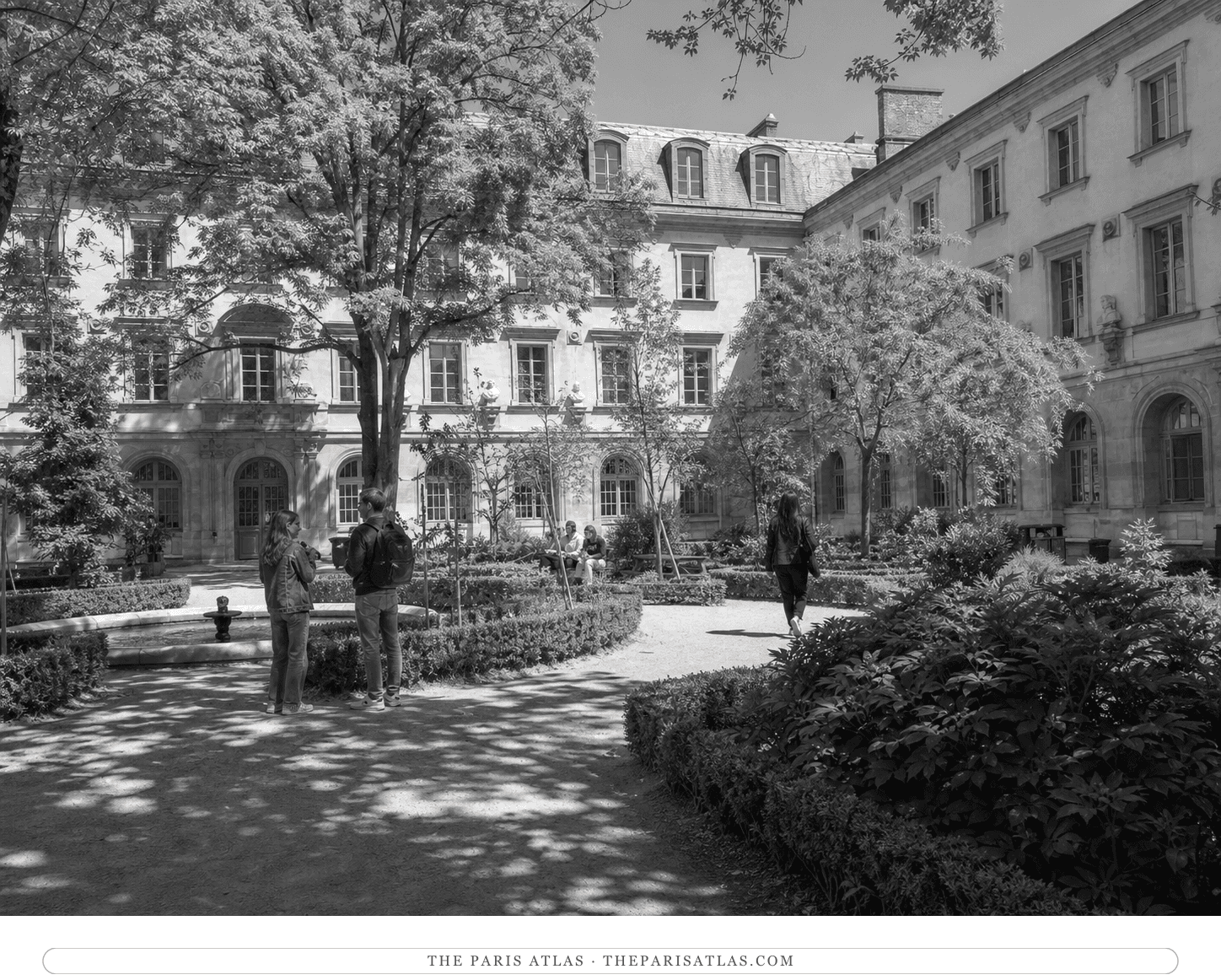
The grande école on the rue d'Ulm, behind the Panthéon — France's most selective humanities institution, and the building where Jean-Paul Sartre studied for the agrégation and Samuel Beckett arrived from Dublin in 1928 as a young English lecturer.
Visit the place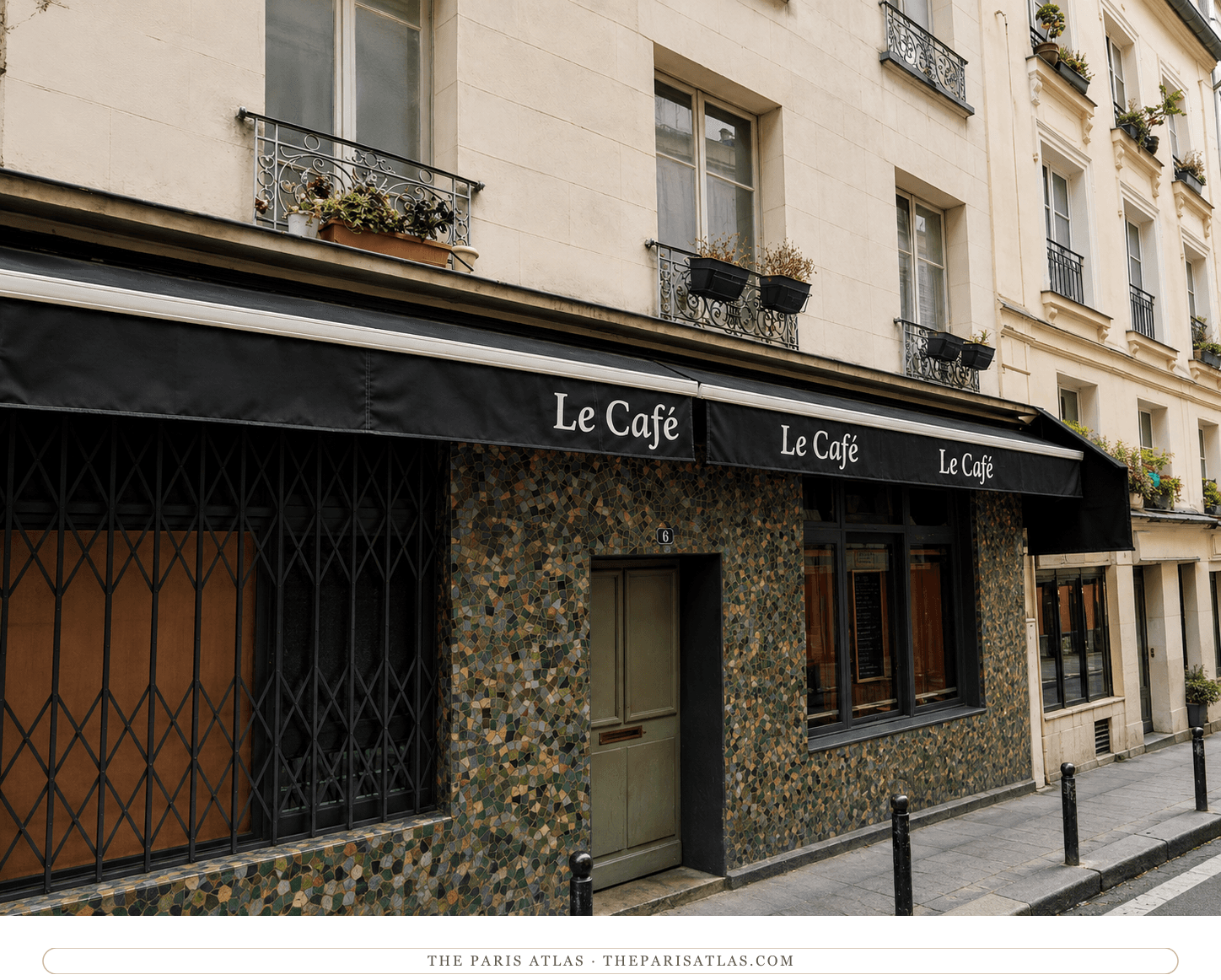
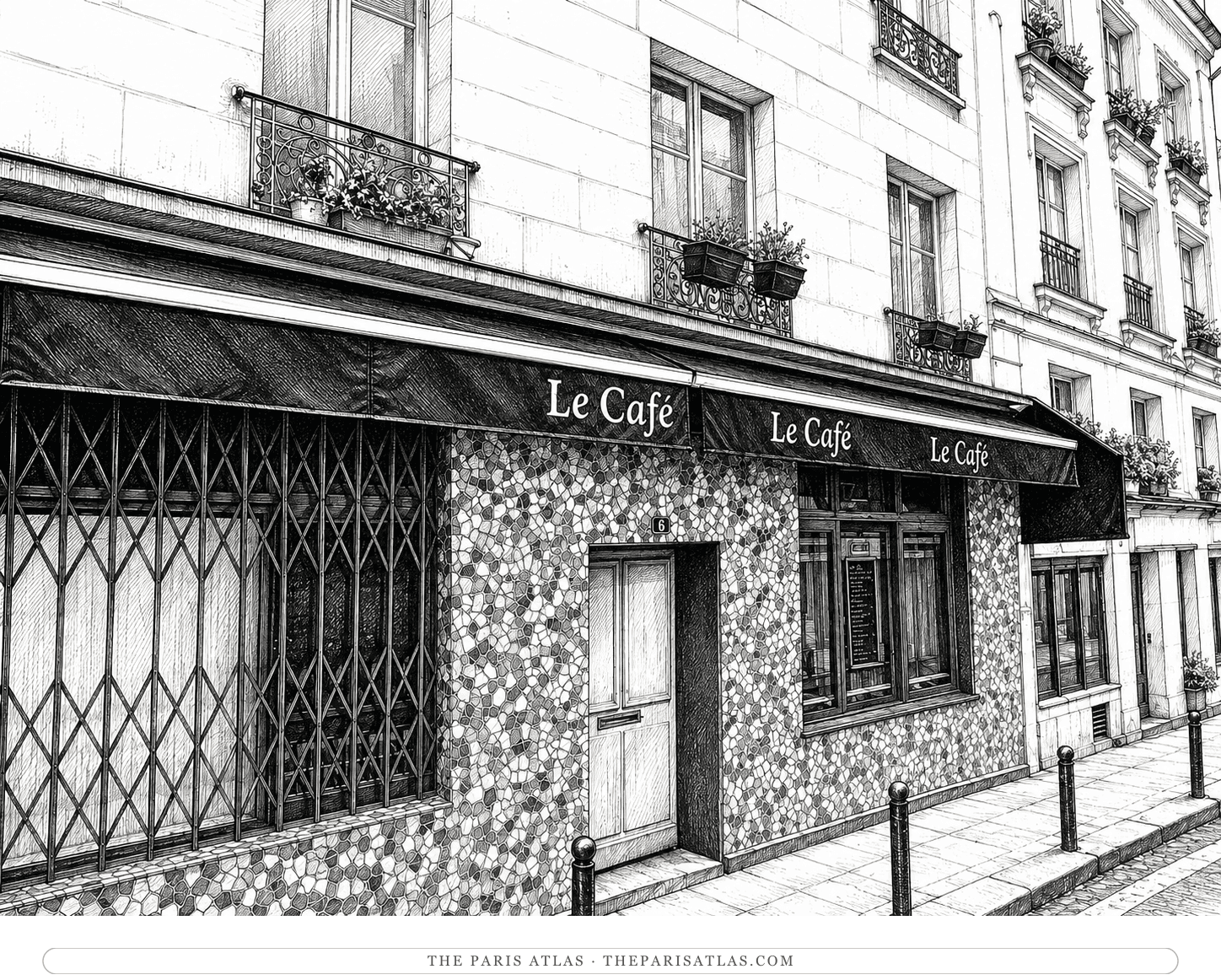
The cheap Latin Quarter lodging house where Eric Blair lived for eighteen months before he was George Orwell, and the raw material for the Paris half of Down and Out in Paris and London.
Visit the place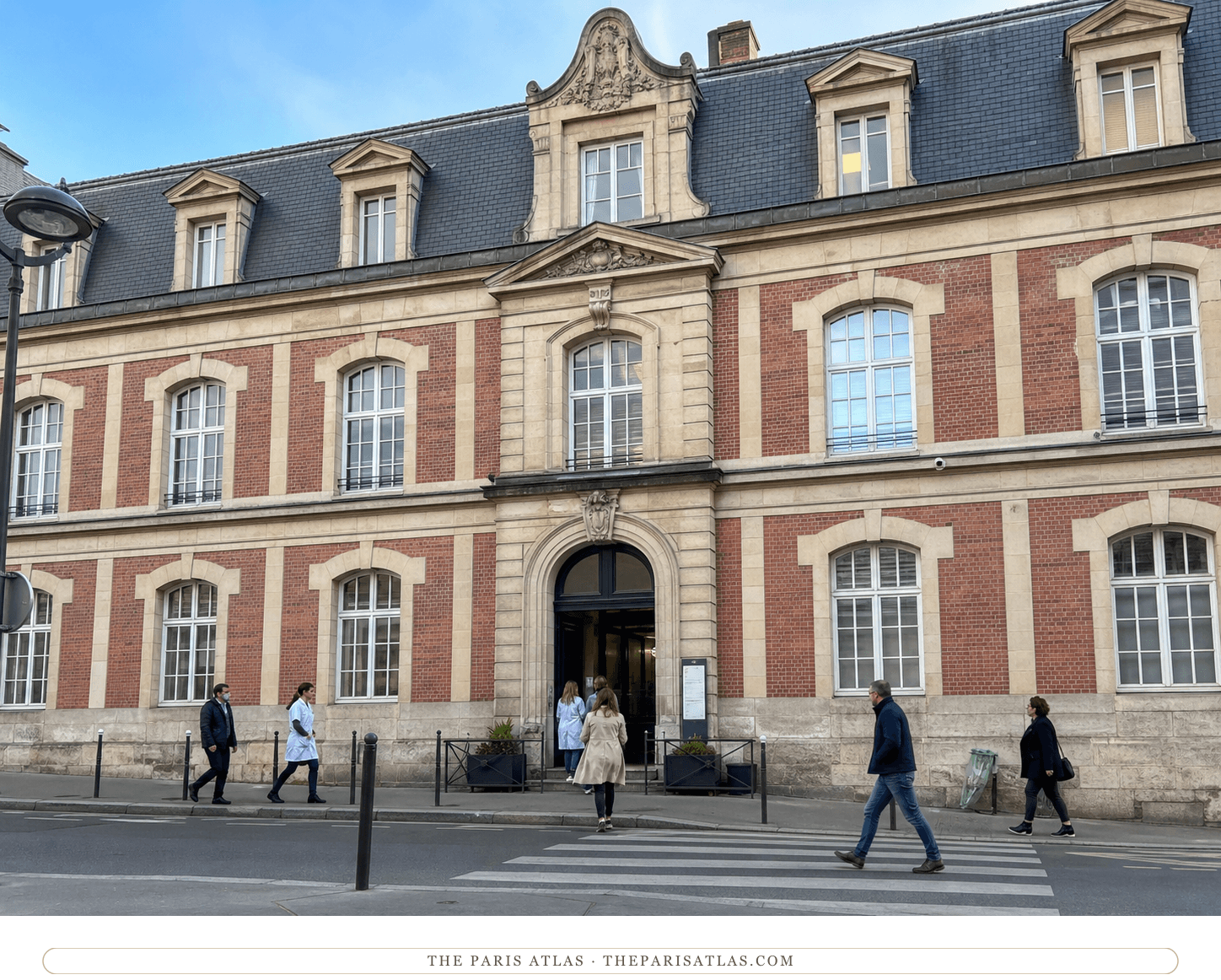
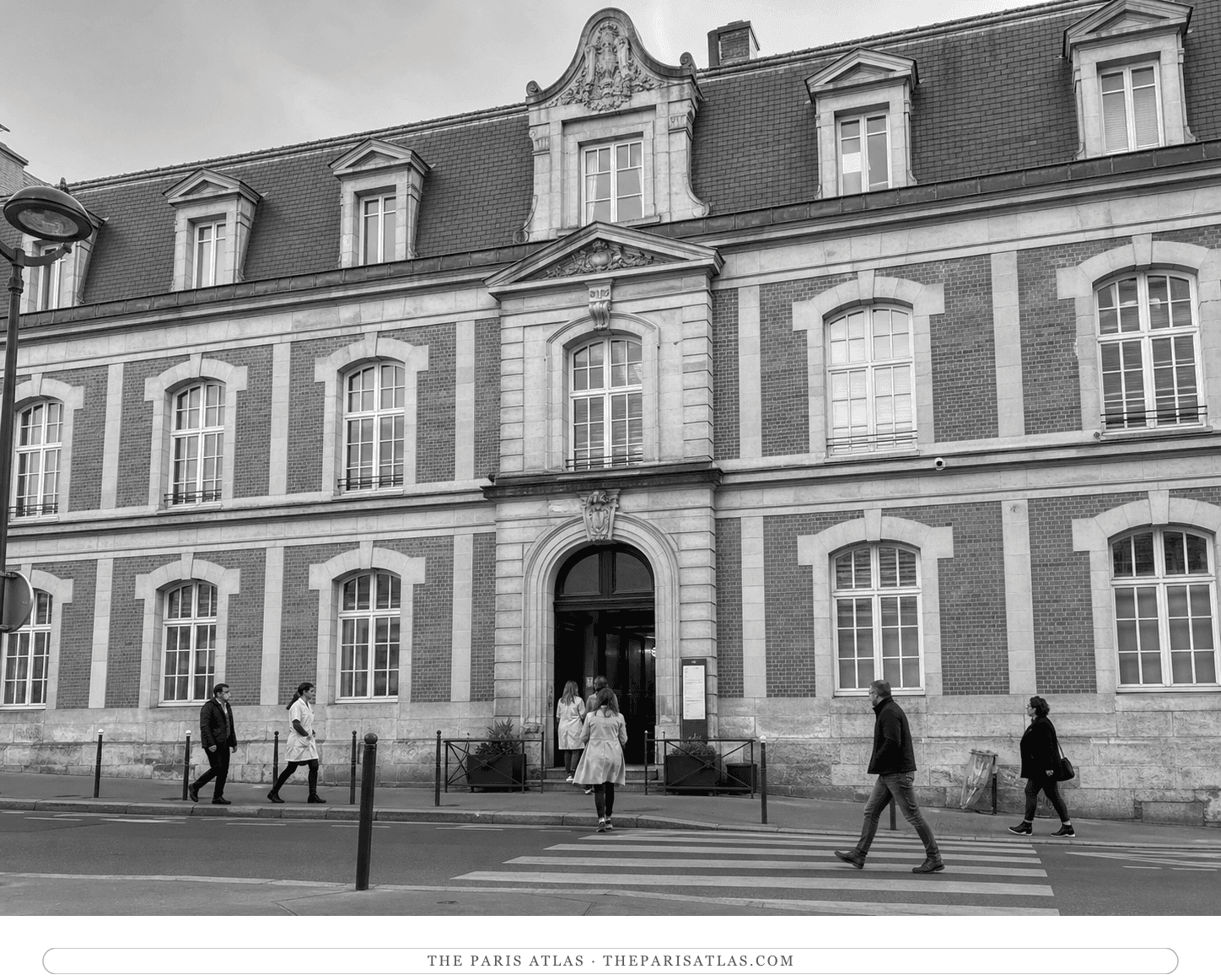
The public hospital in the 14th arrondissement where George Orwell spent several weeks with pneumonia in 1929, in a ward of sixty beds. He wrote it up seventeen years later as "How the Poor Die" — one of the harshest things he ever published — and disguised the hospital as the Hôpital X in the fifteenth arrondissement.
Visit the placeThe sources below include histories, archival materials, scholarly research, and official records that informed this page. They document Rue Broca, the people connected to it, and its place in Paris.

The scene itself: the shut pawnshop, the twelve kilometres, the sixty hours, and the five-sou piece on the cobbles.
Web source consulted for documented facts and historical context presented on the Rue Broca page.
Biographical evidence used to verify chronology, relationships, and historical context connected to Rue Broca.

Map data used to verify addresses, geographic coordinates, and the placement associated with Rue Broca.
These references provide the documented foundation for this page's history and context. Claim-level citations remain attached to the specific claims they support.
 Explore more resources
Newsletter
The cafés, studios, and walk-up flats where the work was made — one story from the map in every letter.