Morandi
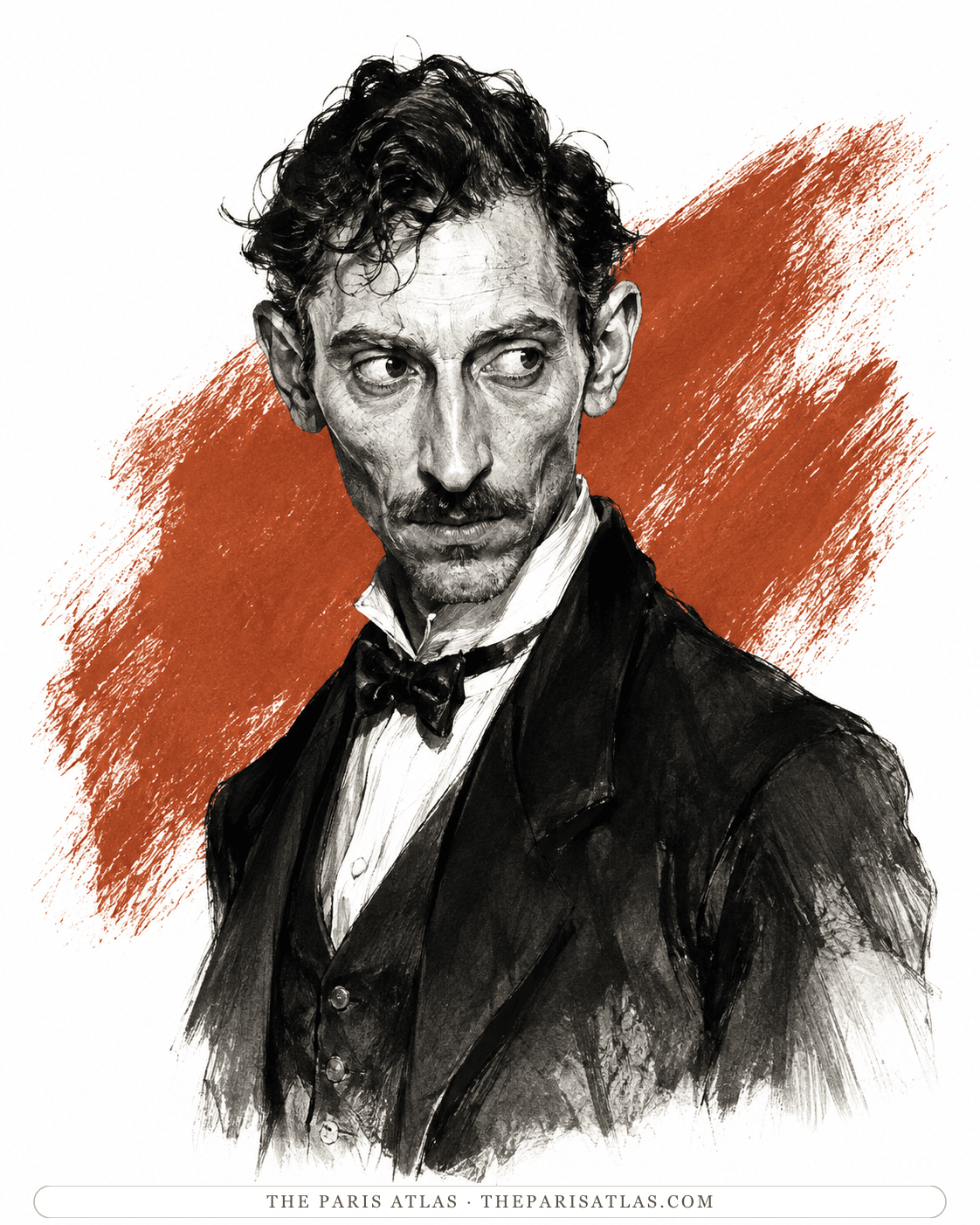
A waiter at the Hôtel X, accused to his face of being an Italian spy. He does not deny it, and answers with a razor.
To be answered by no one. He takes the other man's mistress, tells him so, and asks what he intends to do about it.
The book

At a glance
- Morandi, a waiter at the Hôtel X
- A dangerous-looking man with eyes set too far apart
- Spying for Italy, by a waiter whose mistress he had taken
- One scene, in the waiters' dining-room
Who they are in the book
Spoiler-freeMorandi waits at the Hôtel X, the grand hotel where George Orwell's narrator works as a dishwasher. Orwell introduces him inside a general observation about the staff: many of the waiters had slipped into France without passports, and one or two of them were spies, waiting being a common profession for a spy to adopt. Morandi is the one he then shows.
He appears in a single scene, a row in the waiters' dining-room, and the book leaves both charges against him standing. He has taken another waiter's mistress, and he is accused of spying for Italy. Orwell reports the exchange and draws no conclusion from it.
How Morandi Is Portrayed
- The look of himOrwell describes him in four words as a dangerous-looking man with eyes set too far apart, and gives him no other physical description.
- The rowThe quarrel is with another Italian waiter, whose mistress Morandi has taken. Orwell describes the other man as a weakling, obviously frightened, and threatening vaguely. Morandi jeers at him, says he has slept with the girl three times and that it was fine, and asks what he can do about it.
- The accusationThe other waiter says he can denounce him to the secret police, and calls him an Italian spy. Morandi does not deny it. The book does not settle whether it was true.
- The razorInstead of answering, he takes a razor out of his tail pocket and makes two swift strokes in the air, as though slashing a man's cheeks open. The other waiter withdraws what he said.
If you like Down and Out in Paris and London


If you like George Orwell
Explore authors with a similar voice, perspective, and influence.

Henry Miller
The Brooklyn dropout who arrived in Paris broke at thirty-eight and wrote the exuberant, banned books that ended American censorship.
View author
Louis-Ferdinand Céline
The doctor of the Paris slums who wrote the century's blackest, funniest novel — and changed the sound of French prose.
View author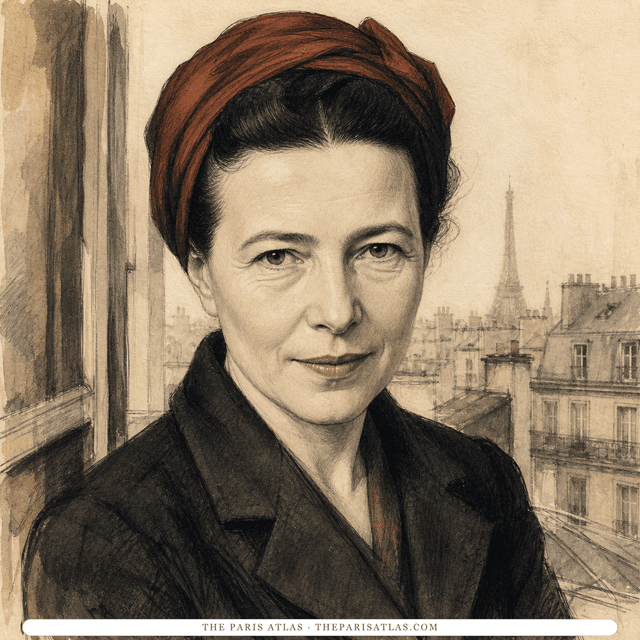
Simone de Beauvoir
French writer and philosopher whose novels, memoirs, and social analysis examined freedom, gender, responsibility, aging, and the material conditions that shape a life.
View author