The lady at the Romton tea
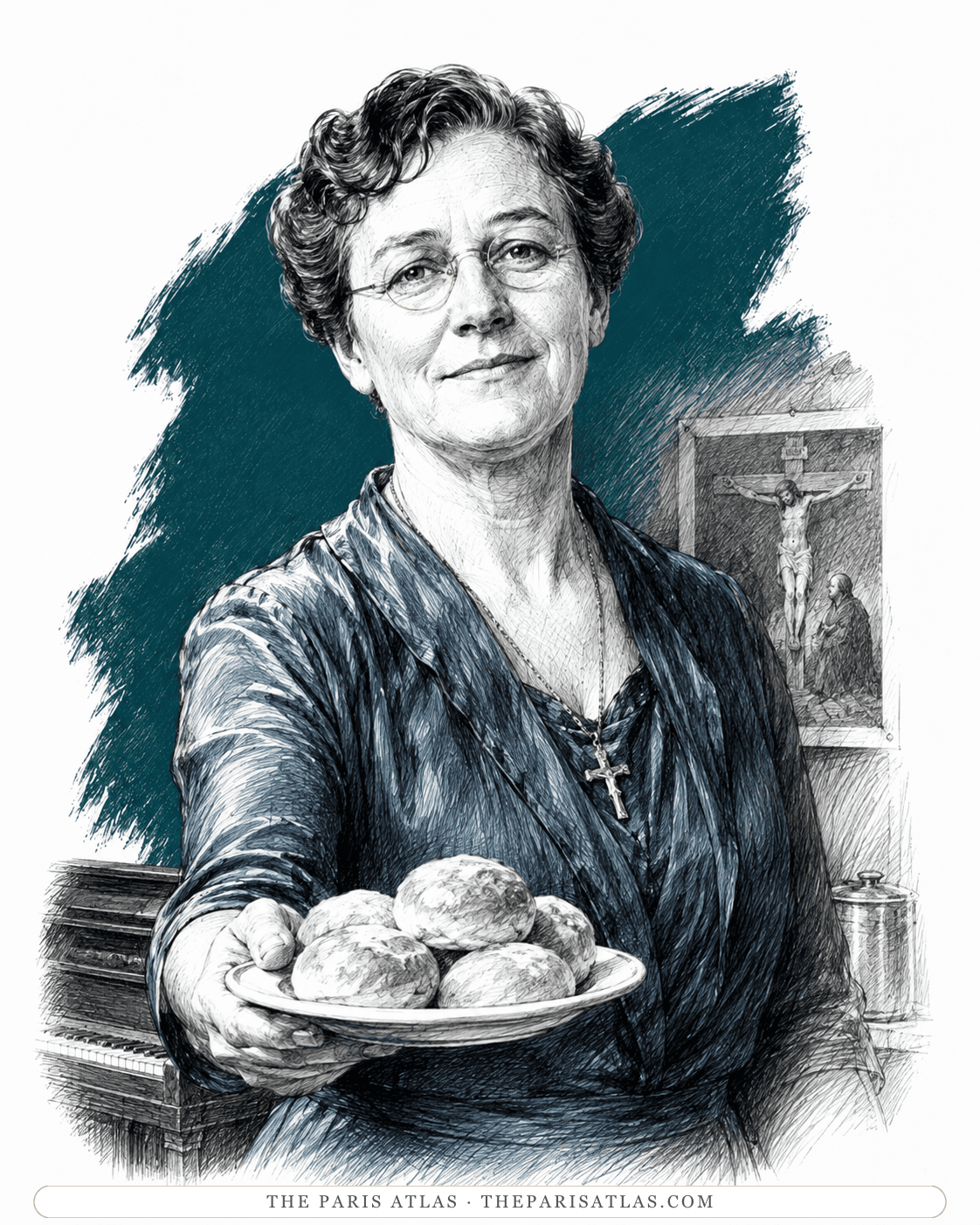
The woman in a blue silk dress, gold spectacles and a crucifix who gave free tea and buns to twenty-five tramps in a tin-roofed shed at Romton, then kept them for half an hour of prayers.
In George Orwell's account, to get the men on their knees before they leave. She gives out the tea while she talks, and when one of them looks at the door she answers the look rather than the man.
The book

At a glance
- The woman running the free tea for tramps at Romton
- Never given
- A cup of tea and a bun, to about twenty-five men
- Half an hour of prayers, on the knees, among the used cups
- Chapter XXVI
Who they are in the book
Spoiler-freeThe shed stood in a side street off the market-place and looked, George Orwell says, rather like a village cricket pavilion. About twenty-five tramps were waiting outside it: a few dirty old habitual vagabonds, and mostly decent-looking lads from the north who were probably miners or cotton operatives out of work. The door opened and a lady in a blue silk dress, wearing gold spectacles and a crucifix, welcomed them in. Inside were thirty or forty hard chairs, a harmonium and a very gory lithograph of the Crucifixion. The men took their caps off and sat down uncomfortably.
She handed out the tea and moved among them talking. Her subjects were that Jesus Christ always had a soft spot for poor rough men like them, how quickly the time passes when you are in church, and what a difference it makes to a man on the road if he says his prayers regularly. Orwell writes that they hated it, and that they sat against the wall fingering their caps, since a tramp feels indecently exposed with his cap off. Coming up to one of the north country lads with the plate of buns, she asked him how long it was since he had knelt down and spoken with his Father in Heaven. He could not get a word out. His stomach answered instead, with a rumble at the sight of the food, and he was too ashamed after that to swallow the bun.
When the tea was finished the tramps looked at one another and one of them stirred in his chair with a glance at the door. She stopped him with a look and said, more benignly than before, that the casual ward did not open until six and there was time to kneel down first. They knelt among the dirty teacups for half an hour, mumbling, while she prayed fervently with her eyes moving over the room to check that everyone was attending. Orwell is careful about the verdict. The tea was excellent, as different from coffee-shop tea as good Bordeaux is from colonial claret. There was no doubt she meant it kindly, and none of them was grateful.
How The lady at the Romton tea Is Portrayed
- How she is dressedA blue silk dress, gold spectacles and a crucifix. That is the whole of her physical description in the book.
- The roomA tin-roofed shed with thirty or forty hard chairs, a harmonium and a large lithograph of the Crucifixion.
- What she talked aboutJesus Christ's soft spot for poor rough men, how fast the time goes in church, and the difference regular prayer makes on the road. She talked while she carried the plate round.
- The question to the boyShe asked one of the north country lads when he had last knelt and spoken to his Father in Heaven. He could not answer, his belly rumbled at the food in front of him, and he could hardly eat afterwards.
- One lookA man half moved towards the door; she quelled him with a glance and said in a kinder tone than before that there was time to say a few words first. The prayers ran half an hour, and she shook every man's hand at the door.
If you like Down and Out in Paris and London


If you like George Orwell
Explore authors with a similar voice, perspective, and influence.

Henry Miller
The Brooklyn dropout who arrived in Paris broke at thirty-eight and wrote the exuberant, banned books that ended American censorship.
View author
Louis-Ferdinand Céline
The doctor of the Paris slums who wrote the century's blackest, funniest novel — and changed the sound of French prose.
View author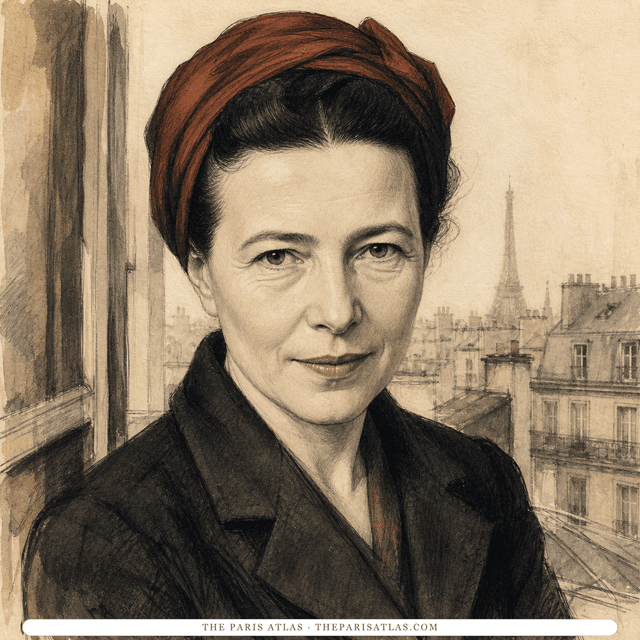
Simone de Beauvoir
French writer and philosopher whose novels, memoirs, and social analysis examined freedom, gender, responsibility, aging, and the material conditions that shape a life.
View author