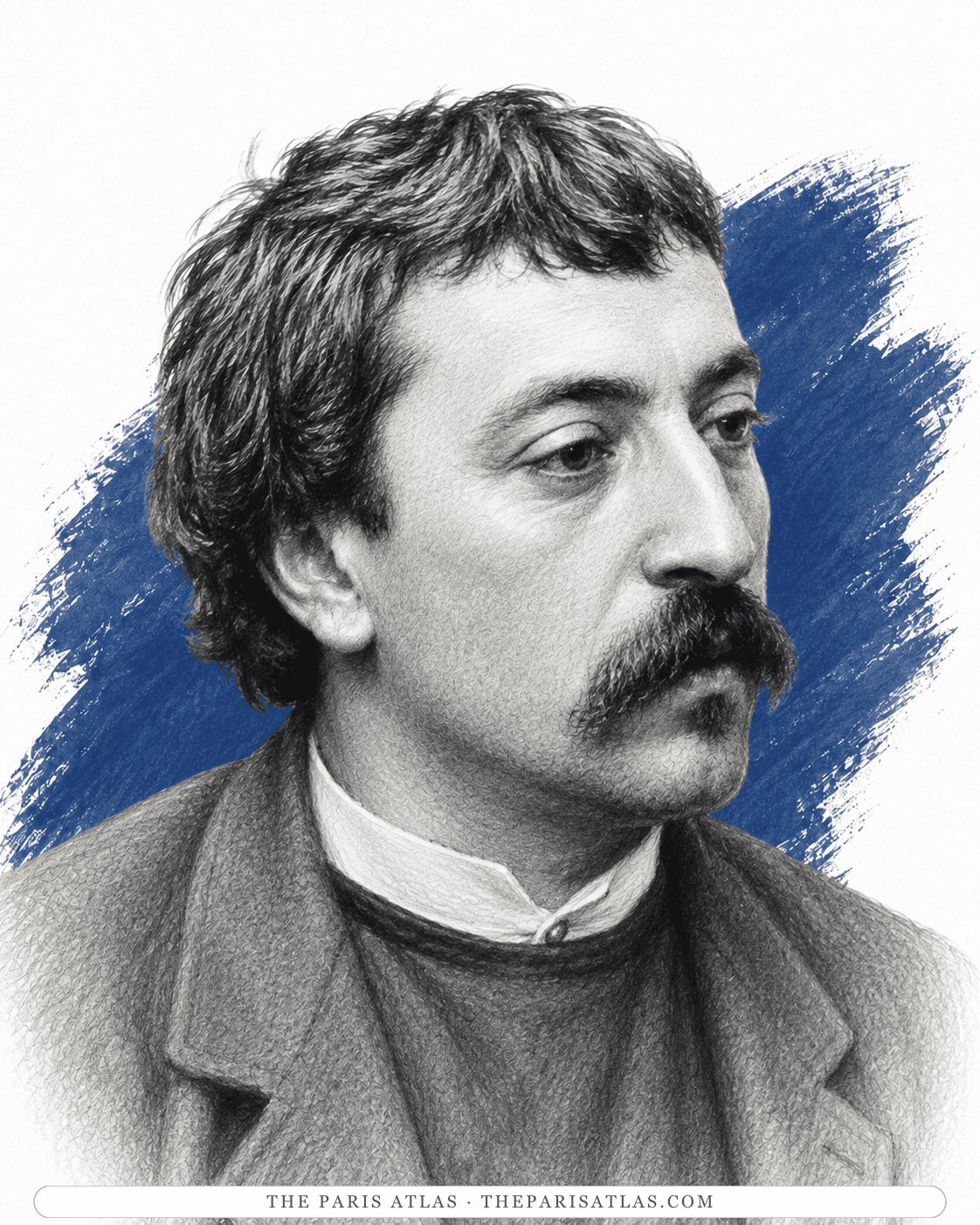
Paul Gauguin
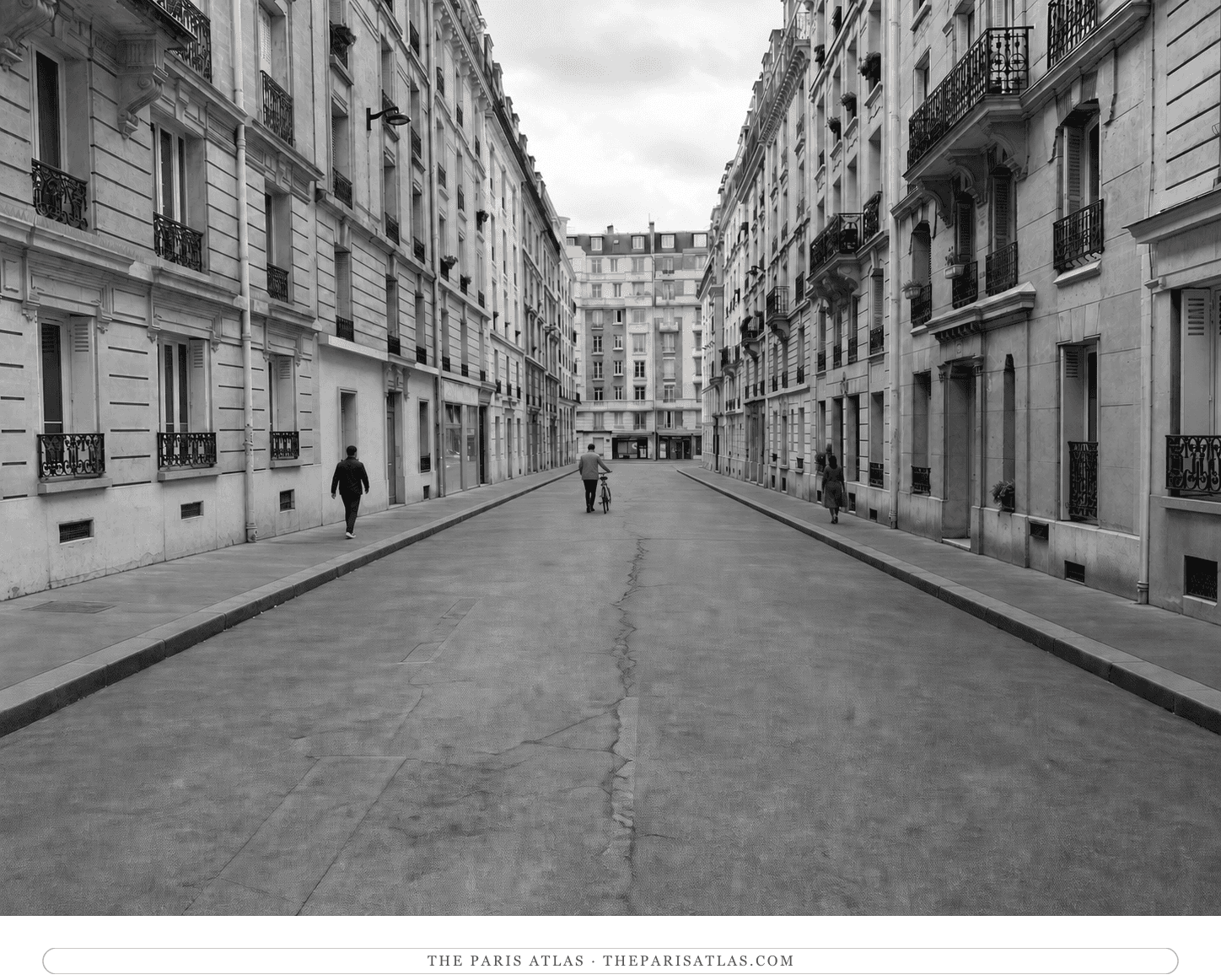
The Vaugirard house Paul Gauguin moved his family into in the late 1870s, the first of his homes with a dedicated studio. He painted its interior in 1881.
The Vaugirard house Gauguin moved his family into in the late 1870s — the first of his homes with a studio in it, and the subject of the 1881 painting named after the street.
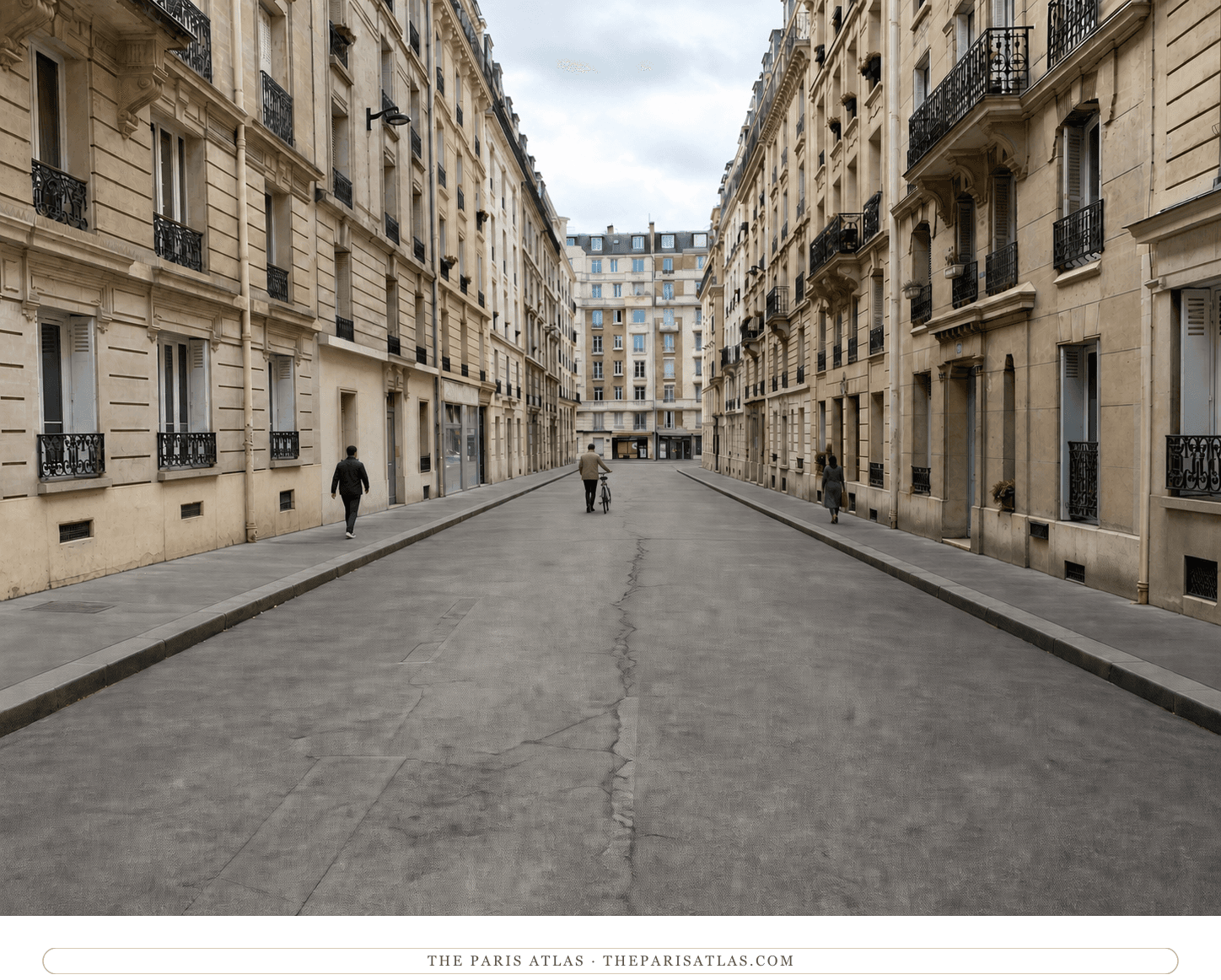
By the late 1870s Paul Gauguin was doing well enough to move his growing family out to Vaugirard, then a quiet district on the south-western edge of the city, into a house with a garden and — decisively — a studio.[1]
Vaugirard offered more space than the central apartments of the family's first years. A house could accommodate children, domestic rooms and a workroom without requiring Gauguin to rent a separate atelier. That arrangement was made possible by his brokerage income and by Mette's management of an increasingly large household. The studio was embedded in family life rather than detached from it.
That studio is the hinge. Up to this point painting had been a weekend habit conducted around a job. A dedicated room in a family house is the physical form of an ambition getting serious, and the work from these years shows it: he was exhibiting with the Impressionists, learning directly from Pissarro, and painting his own domestic interior.[2]
He first showed with the Impressionists in 1879 and continued participating in their exhibitions while still employed. Pissarro's example encouraged direct observation and the broken handling of landscape; Cézanne's constructive strokes offered another model. Gauguin could test those lessons in the garden, surrounding districts and rooms immediately available to him.[1]
The 1881 canvas usually called Interior of the Painter's House, rue Carcel is the record of it — a bourgeois room with a piano, flowers and a figure, painted by a man who still had a salary and was about to lose it. Within two years the Bourse had crashed and this way of living was over.[3]
The painting is valuable as evidence precisely because it is not an exotic subject. Furniture, framed pictures, textiles and the piano describe a cultivated household. Gauguin was experimenting inside the material world his job supported. Later claims that civilisation prevented authentic art are harder to accept uncritically when some of his development occurred in this comfortable, image-filled room.
When income disappeared, the studio could not be separated from the fate of the household. The family tried cheaper life in Rouen and then Copenhagen; Mette sought reliable work while Gauguin insisted on painting. Rue Carcel became a before-image of the stability both partners lost, though only Gauguin's sacrifice is usually romanticised.[4]
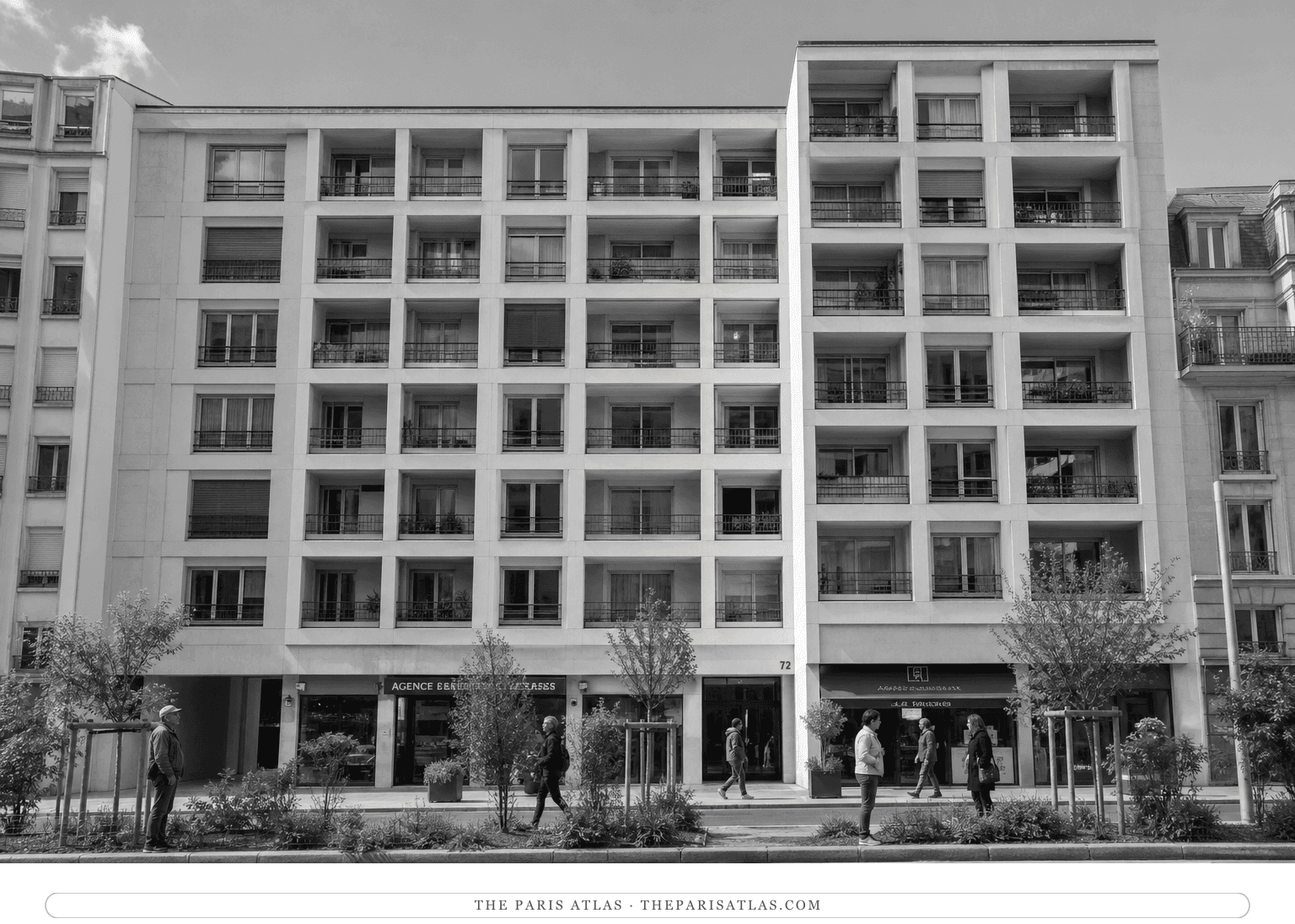
The house number is not separately mapped, so the pin here marks the street.
The record therefore makes a limited present-day claim. Rue Carcel and its residential character survive, but the map data does not isolate number 8 securely enough to label a particular doorway as Gauguin's house. Visitors can walk the public street; the former studio is private or unconfirmed rather than a site to enter.
A dedicated studio changed scheduling as much as space. Gauguin could leave materials arranged, return to a canvas after work and separate wet paint from rooms used by children. Such ordinary advantages accumulate into production. The studio was not evidence that he had already escaped domestic life; it was an improvement made possible inside that life by salary, housing and Mette's labour.
Vaugirard also provided subjects near the door. Gardens, modest streets and the semi-suburban edge of Paris could be painted without the cost of long travel. Impressionist practice had made contemporary surroundings legitimate, and Pissarro encouraged sustained work from observation. Gauguin's later search for supposedly remote motifs grew after years of learning from places reached within the family neighbourhood.
The piano and furnishings in the rue Carcel interior are evidence of culture shared within the household, not merely signs of bourgeois complacency. Music, collected paintings and decorated rooms formed the environment in which the children lived and Gauguin worked. When later self-mythology opposed art to domestic civilisation, it suppressed how much that environment had enabled his early development.
The crash of 1882 exposed the difference between artistic commitment and economic planning. Continuing to paint may have been necessary to Gauguin's sense of himself, but the family needed rent, food and education. Moving first to Rouen and then Copenhagen was an attempt to stretch reduced means. The rue Carcel house becomes historically important because it fixes the high-water mark before those compromises failed.
Since the exact historic house is not confidently identified in the current mapping, no plaque, façade feature or interior should be invented. The current truth is a public residential street containing buildings. The historical truth is that the Gauguin household lived and worked at number 8. Holding both statements preserves the record without misleading a visitor.
Rue Carcel also helps place the Impressionist exhibitions inside ordinary adult life. Gauguin could submit work, receive criticism and return to an address containing a spouse, children, piano and professional obligations. The avant-garde was not inhabited only by unattached bohemians. In his case, its experiments were initially financed and scheduled by a bourgeois household, which makes the later conflict between artistic ambition and family responsibility more—not less—important.
The family moves to Vaugirard, into a house with a studio.
Gauguin paints the interior of the house.
The market crash ends his income.
Among other things, the 1881 interior of his own house — a bourgeois room with a piano and flowers, painted while he was still a working stockbroker.
The Vaugirard house Paul Gauguin moved his family into in the late 1870s, the first of his homes with a dedicated studio. He painted its interior in 1881.
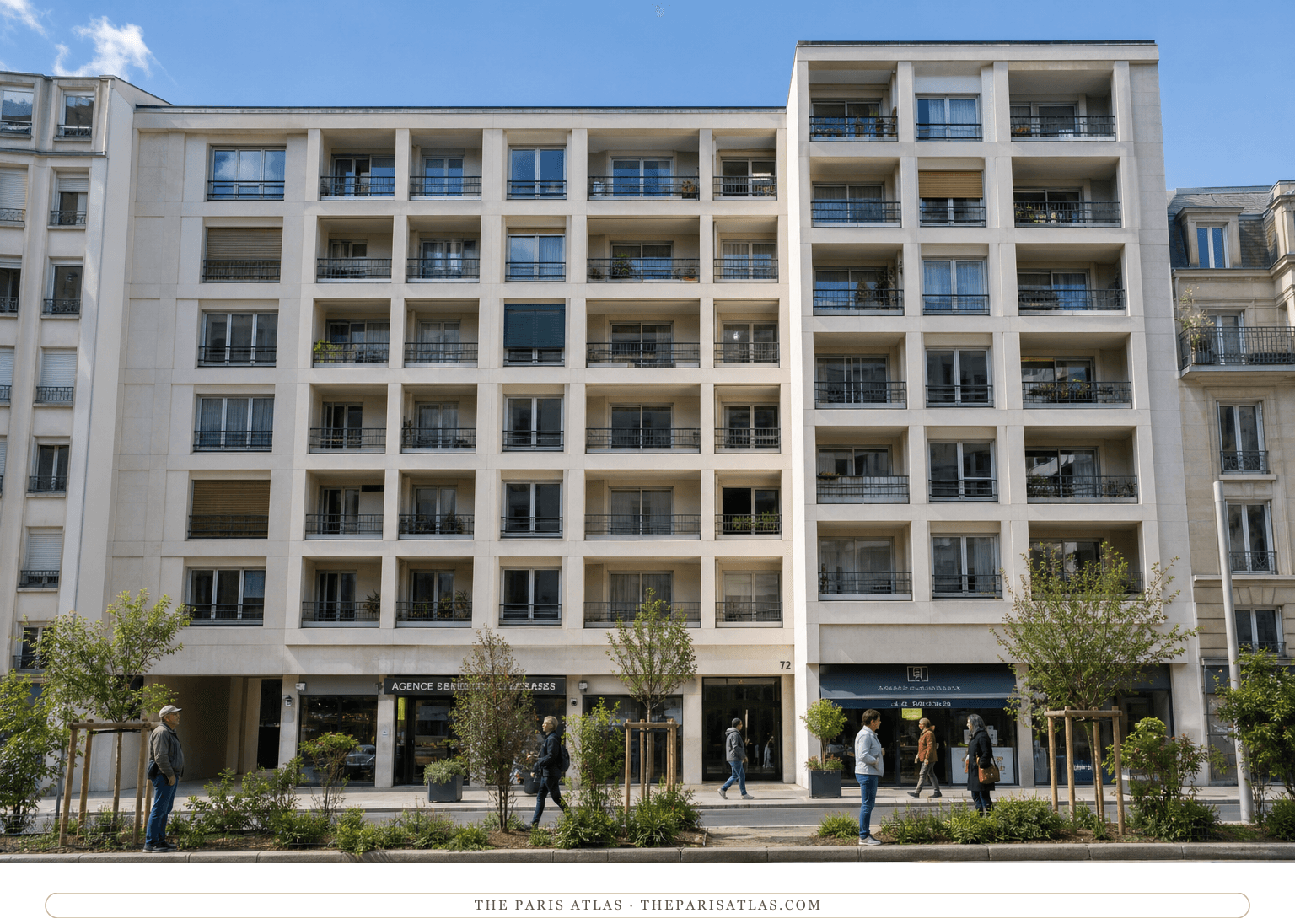
The address of the Auberge de la Ferme, the small restaurant where George Orwell took his second Paris kitchen job in 1929 — the chaotic, filthy kitchen that fills the second half of Down and Out in Paris and London under the invented name "Auberge de Jehan Cottard". Identified by archival research in 2021.
Visit the place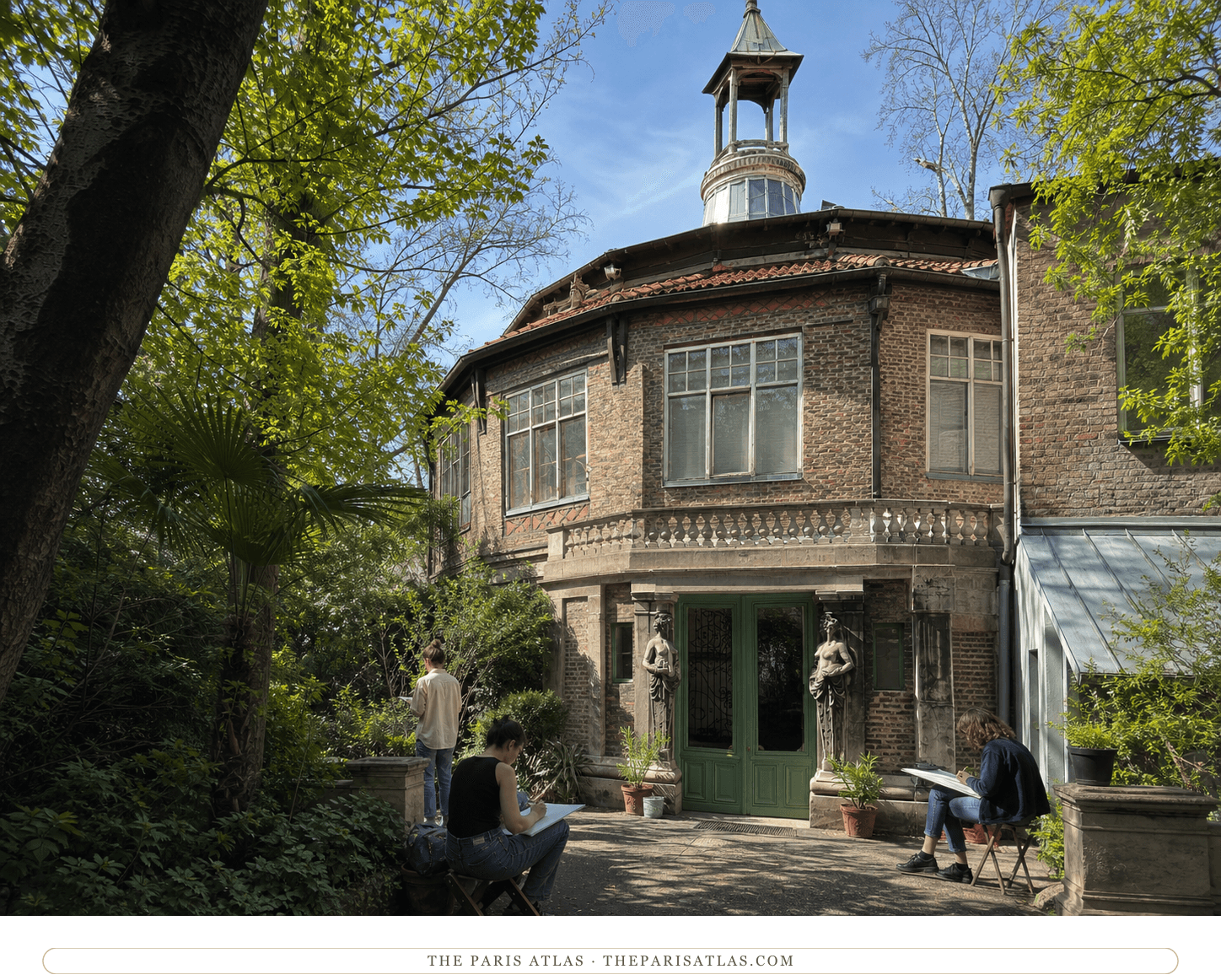
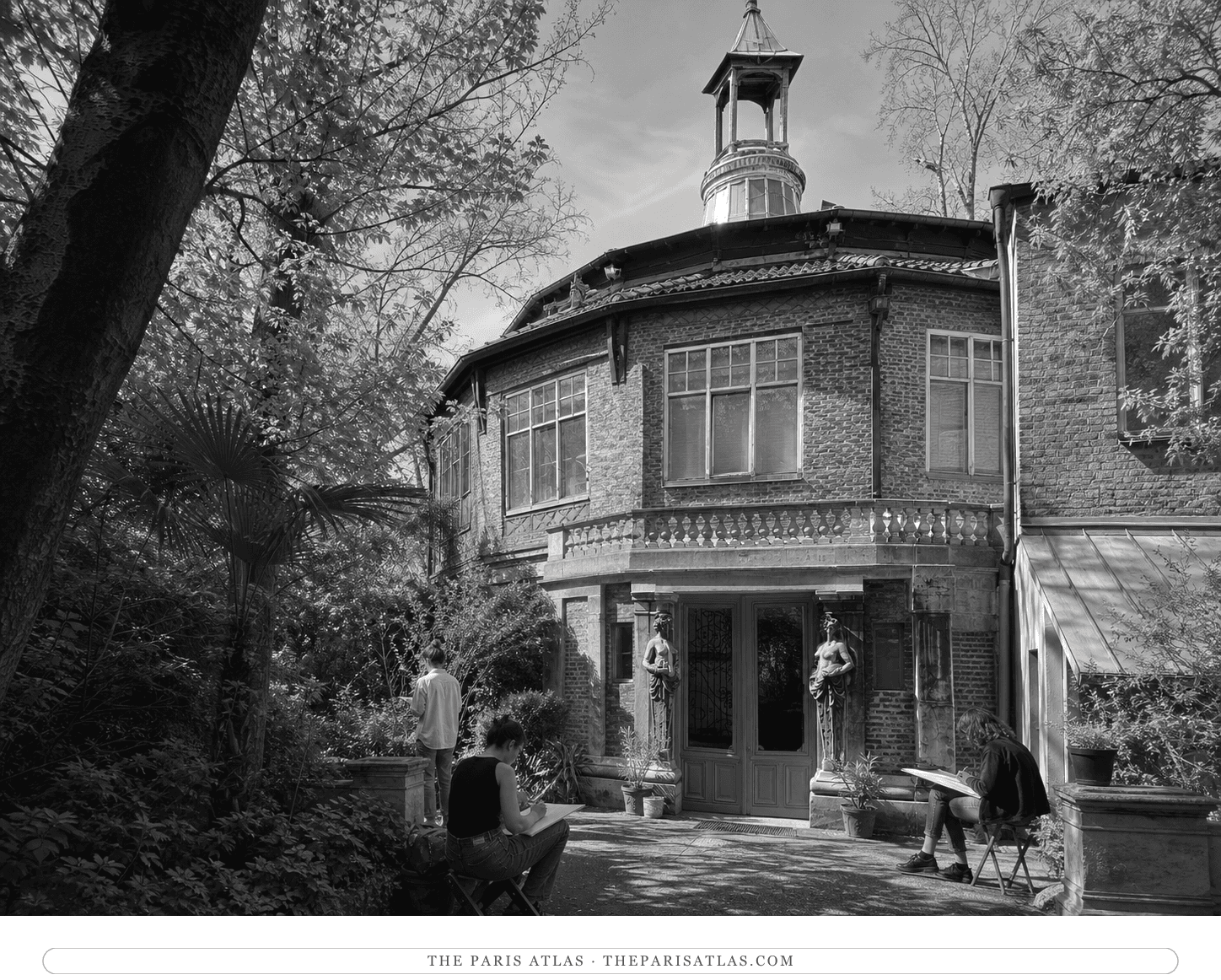
The circular studio building in Vaugirard — a wine rotunda from the 1900 Exposition rebuilt as cheap ateliers — where Marc Chagall lived from 1912 to 1914 alongside Modigliani, Soutine and Léger, and painted the pictures that made him.
Visit the place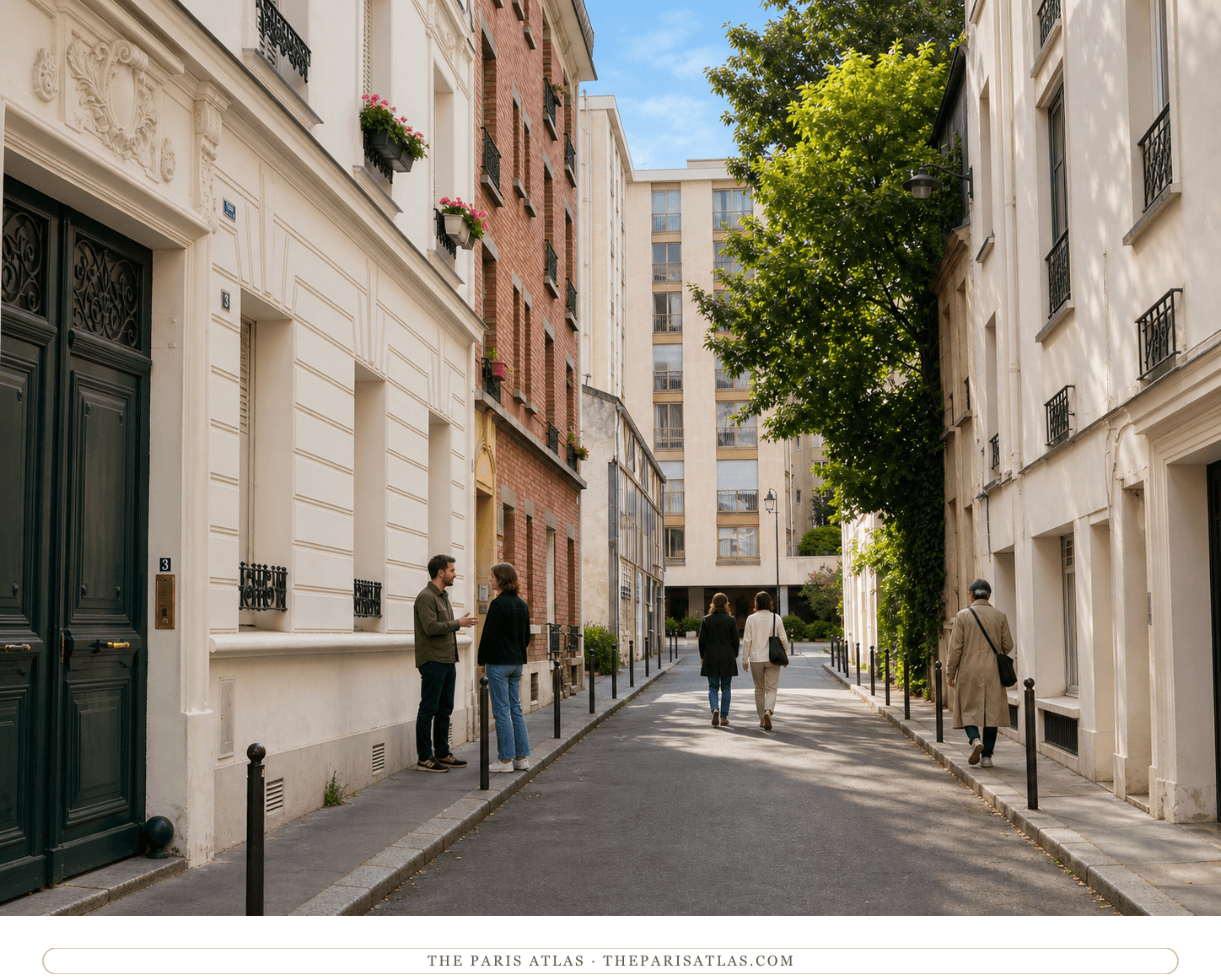
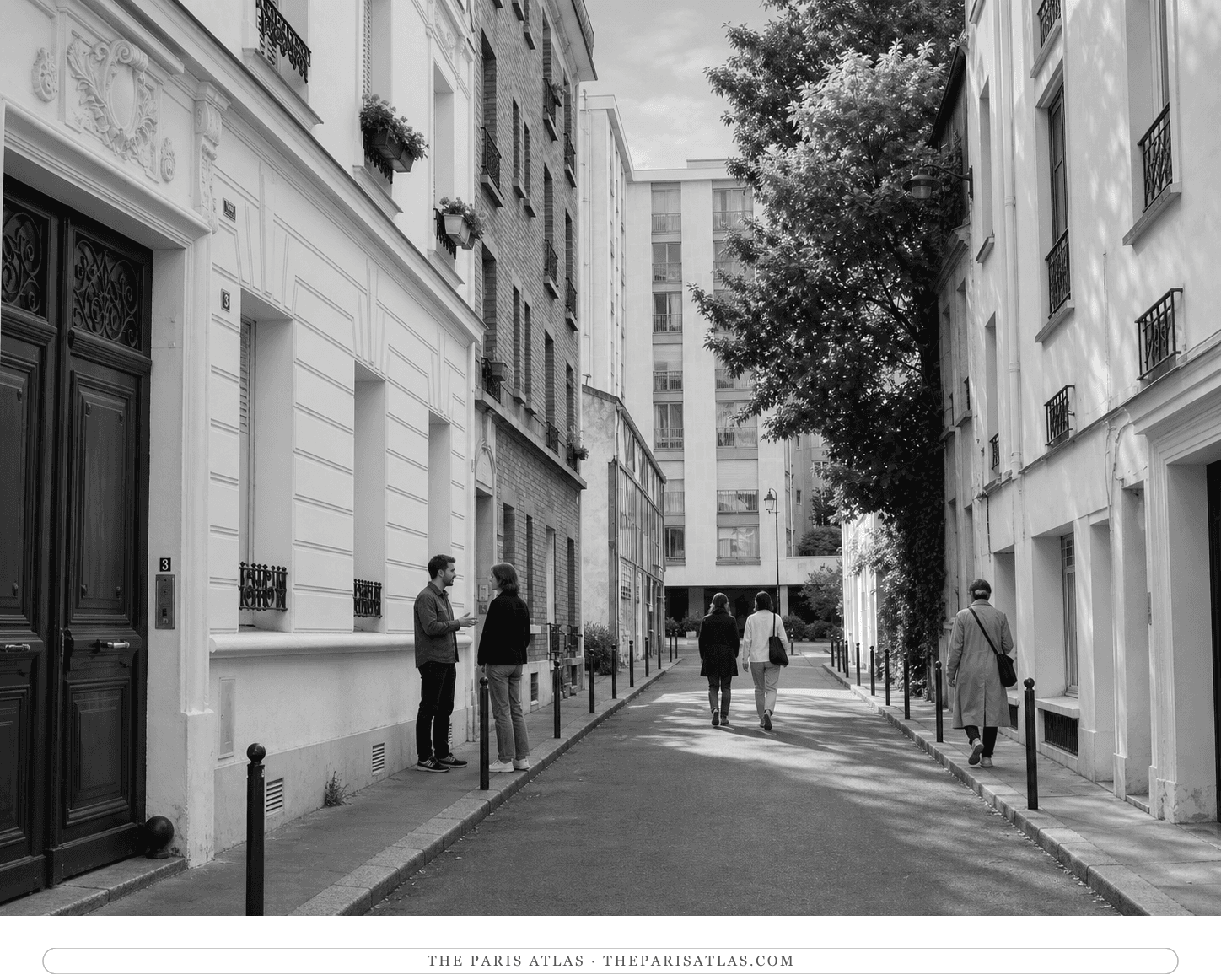
A narrow lane of nineteenth-century artists' studios in Vaugirard, worked in by Paul Gauguin and later by Amedeo Modigliani and Chaïm Soutine — cheap, cold and almost unchanged.
Visit the place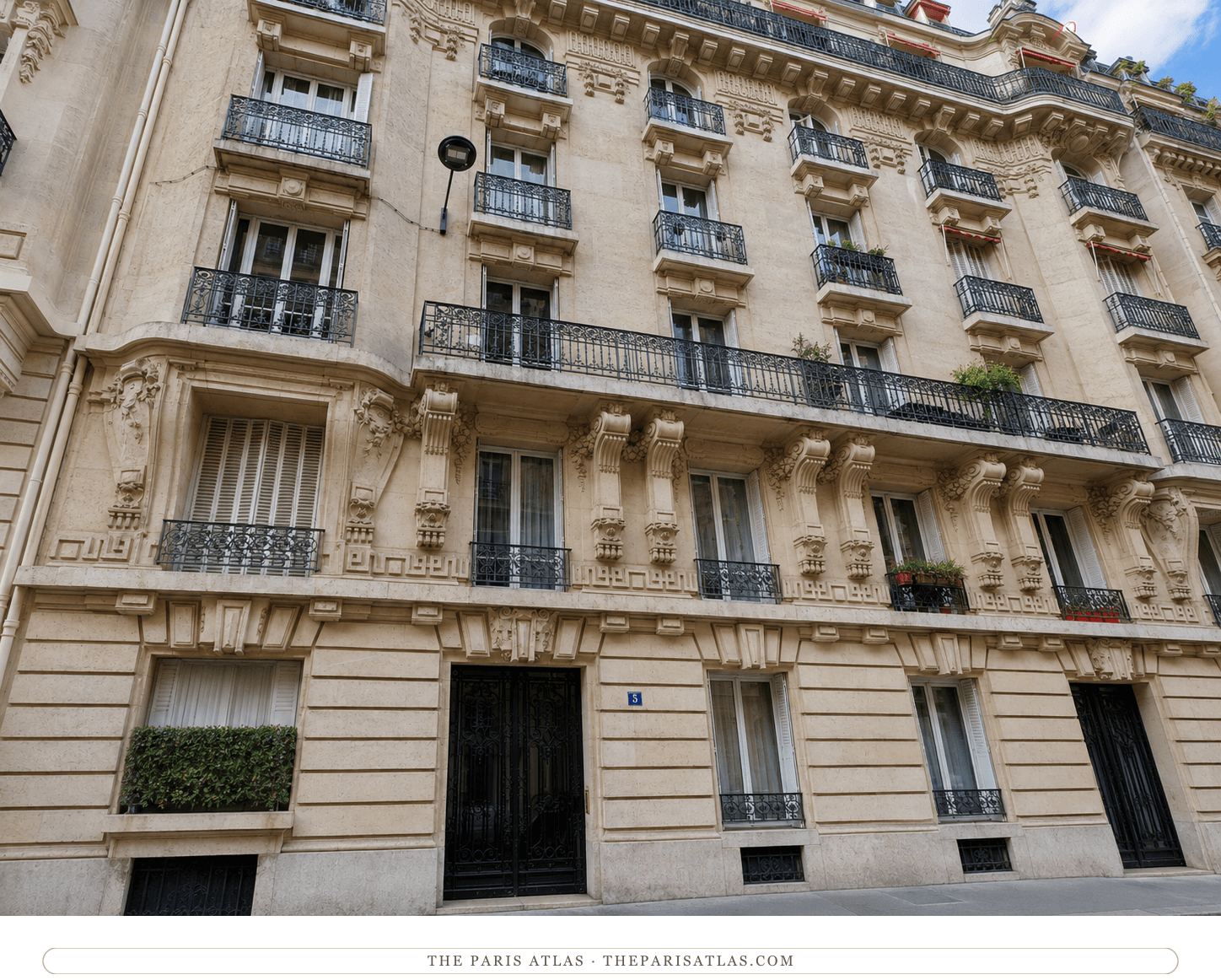
Blaise Cendrars's final home — the ground-floor apartment in the 7th arrondissement he moved to in August 1959 and where he died on 21 January 1961.
Visit the placeThe sources below include histories, archival materials, scholarly research, and official records that informed this page. They document 8 rue Carcel, the people connected to it, and its place in Paris.


Web source consulted for documented facts and historical context presented on the 8 rue Carcel page.
Web source consulted for documented facts and historical context presented on the 8 rue Carcel page.
Web source consulted for documented facts and historical context presented on the 8 rue Carcel page.
These references provide the documented foundation for this page's history and context. Claim-level citations remain attached to the specific claims they support.
 Explore more resources
Newsletter
The cafés, studios, and walk-up flats where the work was made — one story from the map in every letter.