
Depicted in its pages
Paris Salons, Cafés, Studios
Joyce's cool quiet study by the Champ de Mars — where Huddleston heard the twelve-hundred-hours defense of Work in Progress.
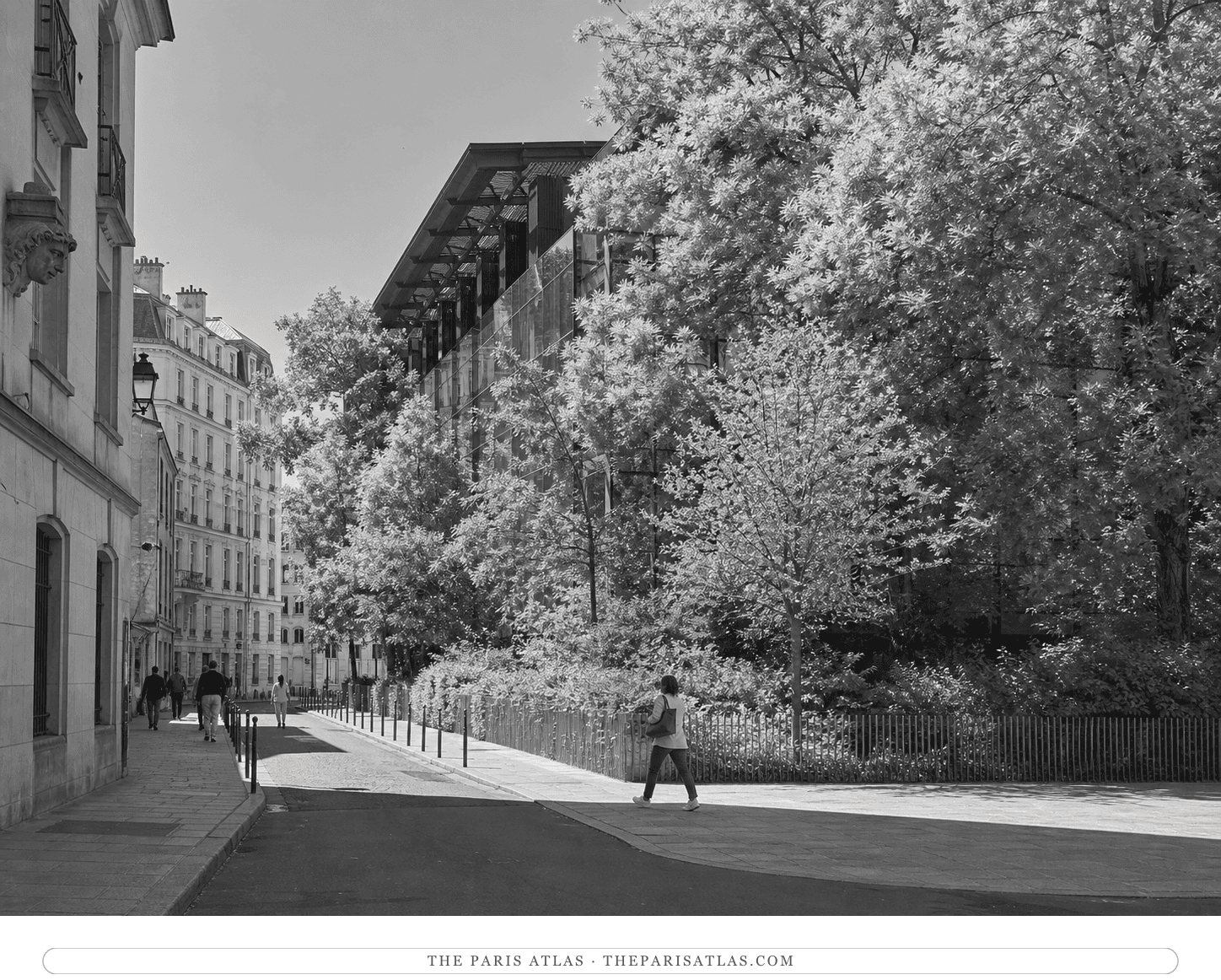
James Joyce's longest Paris address — the family flat in a quiet cul-de-sac off the rue de Grenelle, with the cool quiet study where Work in Progress cost twelve hundred hours a chapter.
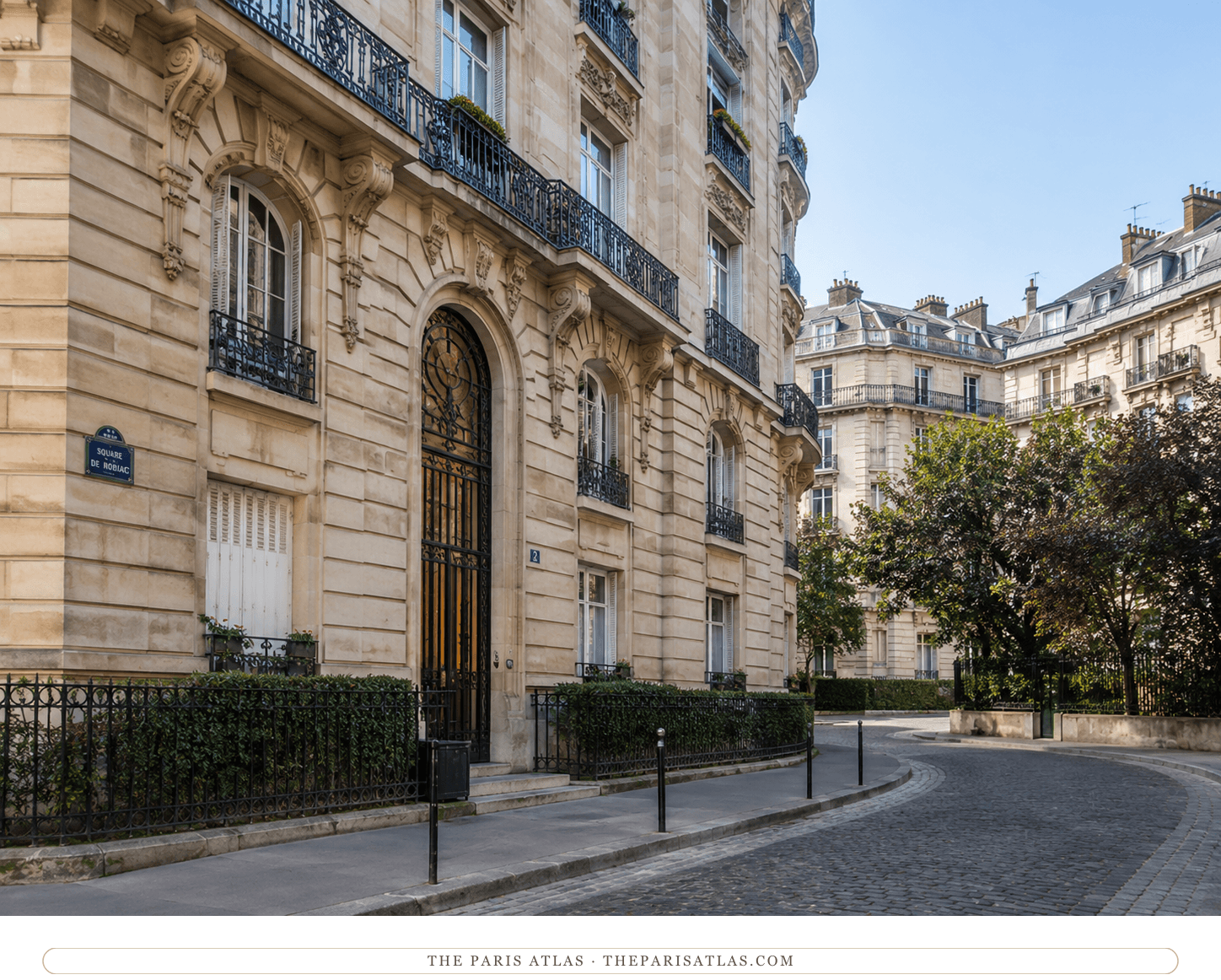
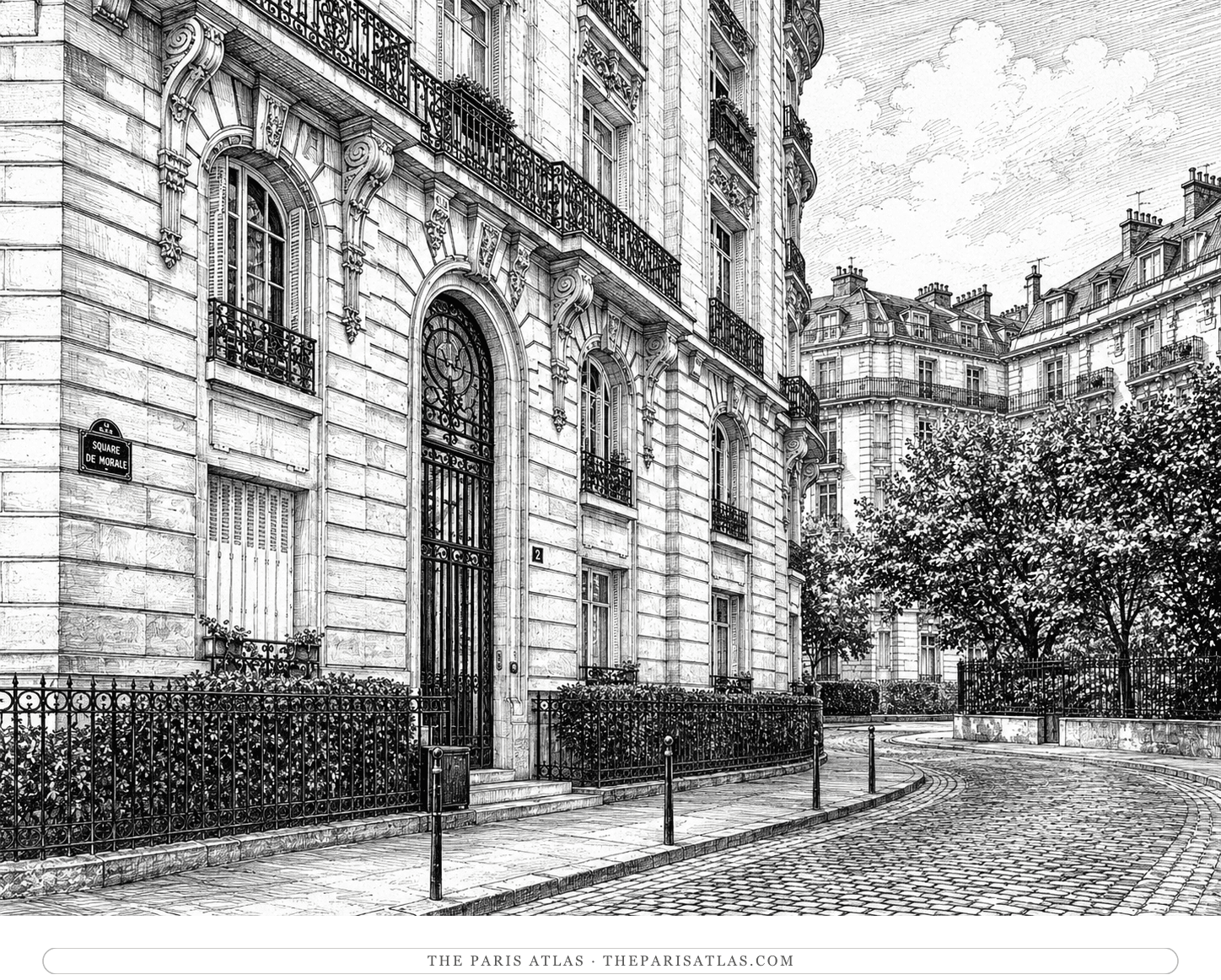
The Joyces were the most nomadic famous household in Paris — nearly twenty addresses in as many years — but the flat at 2 Square de Robiac held them from 1925 to 1931, longer than anywhere else in the city. The square is barely a square at all: a small private cul-de-sac off the rue de Grenelle in the quiet Gros-Caillou, a neighborhood of ministries and matrons a world away from the café quarters. By the time they moved in, Ulysses had made Joyce the most famous banned author alive; Robiac was where he settled down to become something stranger.
This is the flat of the Work in Progress years — the book that would emerge in 1939 as Finnegans Wake, appearing meanwhile in fragments in Ford's transatlantic review and Jolas's transition while the quarter argued about whether it meant anything. Huddleston, visiting the 'cool quiet study by the Champ de Mars,' recorded Joyce's own defense: the new work was not meaningless, because meaningless writing is quick — and these twenty pages had cost twelve hundred hours and an enormous expense of spirit. Family dinners, readings in the thin clear voice, and a decade of failing eyesight all ran through the same rooms.
The family left in 1931, bound for London and a long-delayed wedding, and the household resumed its wandering. The cul-de-sac remains as quiet as Joyce chose it for, and the building stands — the stillest address in our Joyce geography, which otherwise runs through a bookshop.
‘Critics who were most appreciative of “Ulysses,”’ he told me as we talked together one afternoon in his cool quiet study by the Champ de Mars, ‘are complaining about my new work. They cannot understand it. Therefore they say it is meaningless. Now if it were meaningless it could be written quickly, without thought, without pains, without erudition; but I assure you that these twenty pages now before us cost me twelve hundred hours and an enormous expense of spirit.’
The Joyces move into the flat off the rue de Grenelle in June.
transition begins serializing Work in Progress; the study becomes the defense headquarters.
The family leaves for London in April; the wandering resumes.
The building stands unmarked in its cul-de-sac.
Depicted in its pages
Joyce's cool quiet study by the Champ de Mars — where Huddleston heard the twelve-hundred-hours defense of Work in Progress.
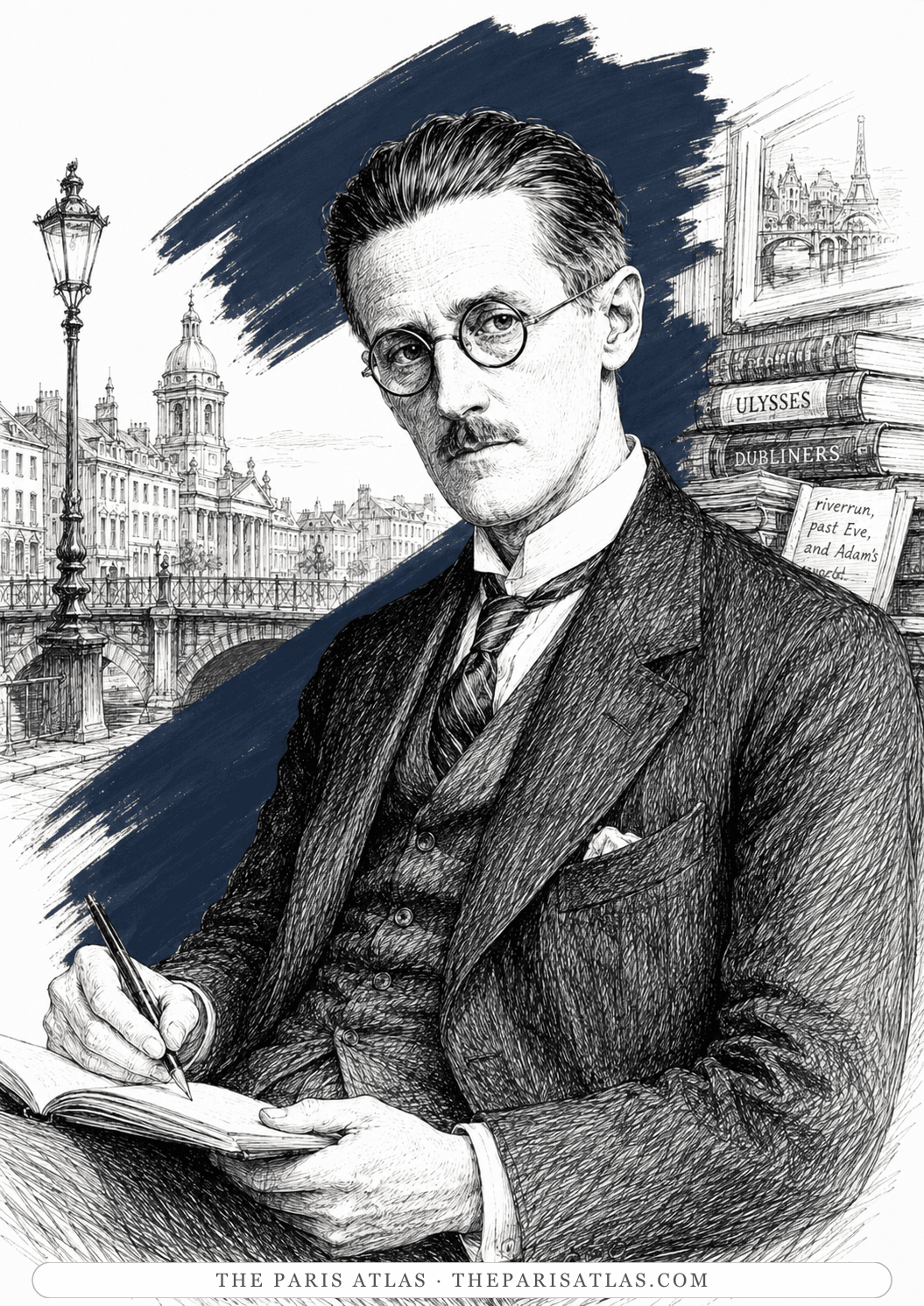
Lived here · 1925–1931
The Joyce family's longest Paris home — the flat of the Work in Progress years, where Huddleston heard the 'twelve hundred hours' defense in the cool quiet study.
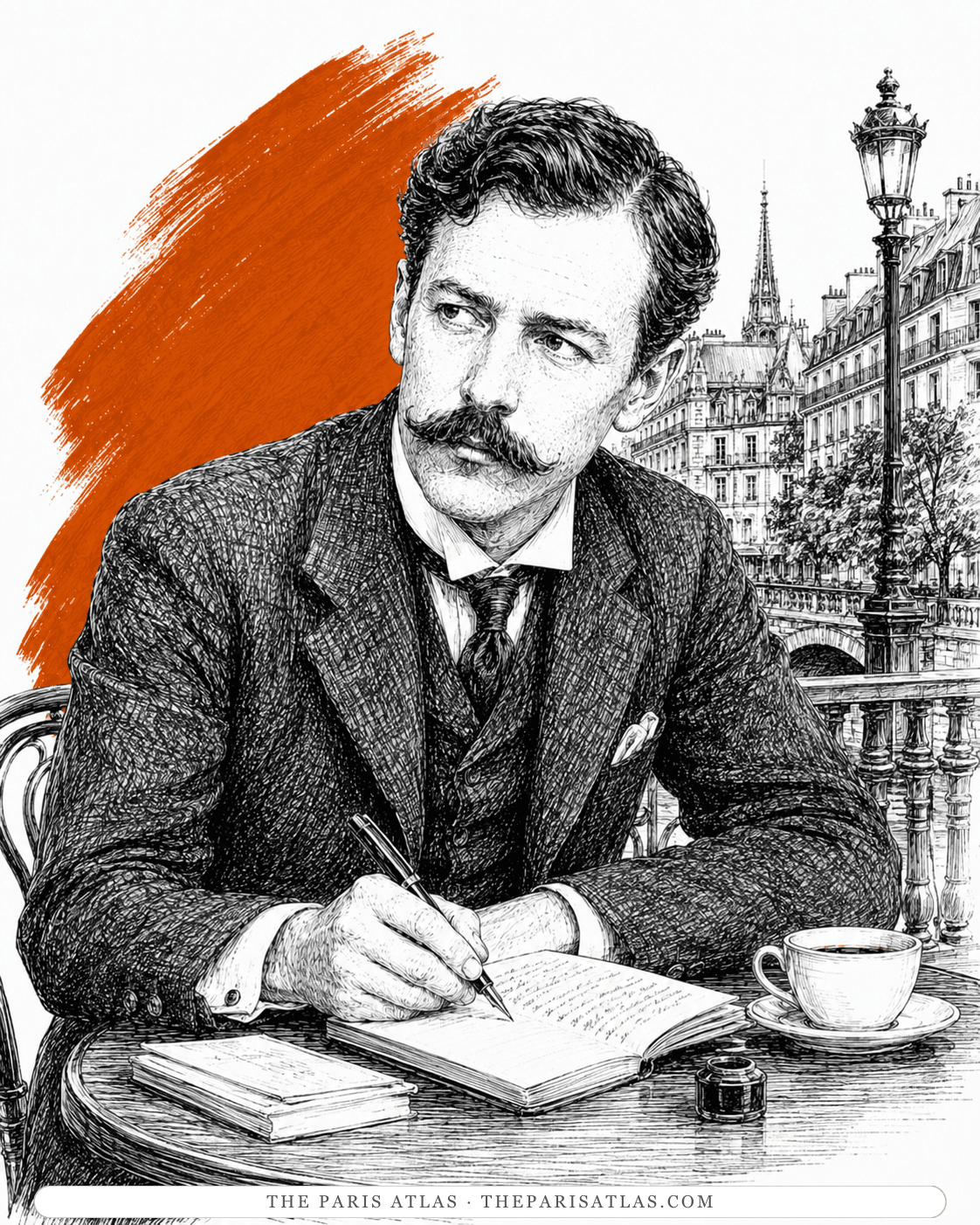
Sisley Huddleston wrote about 2 Square de Robiac in Paris Salons, Cafés, Studios.
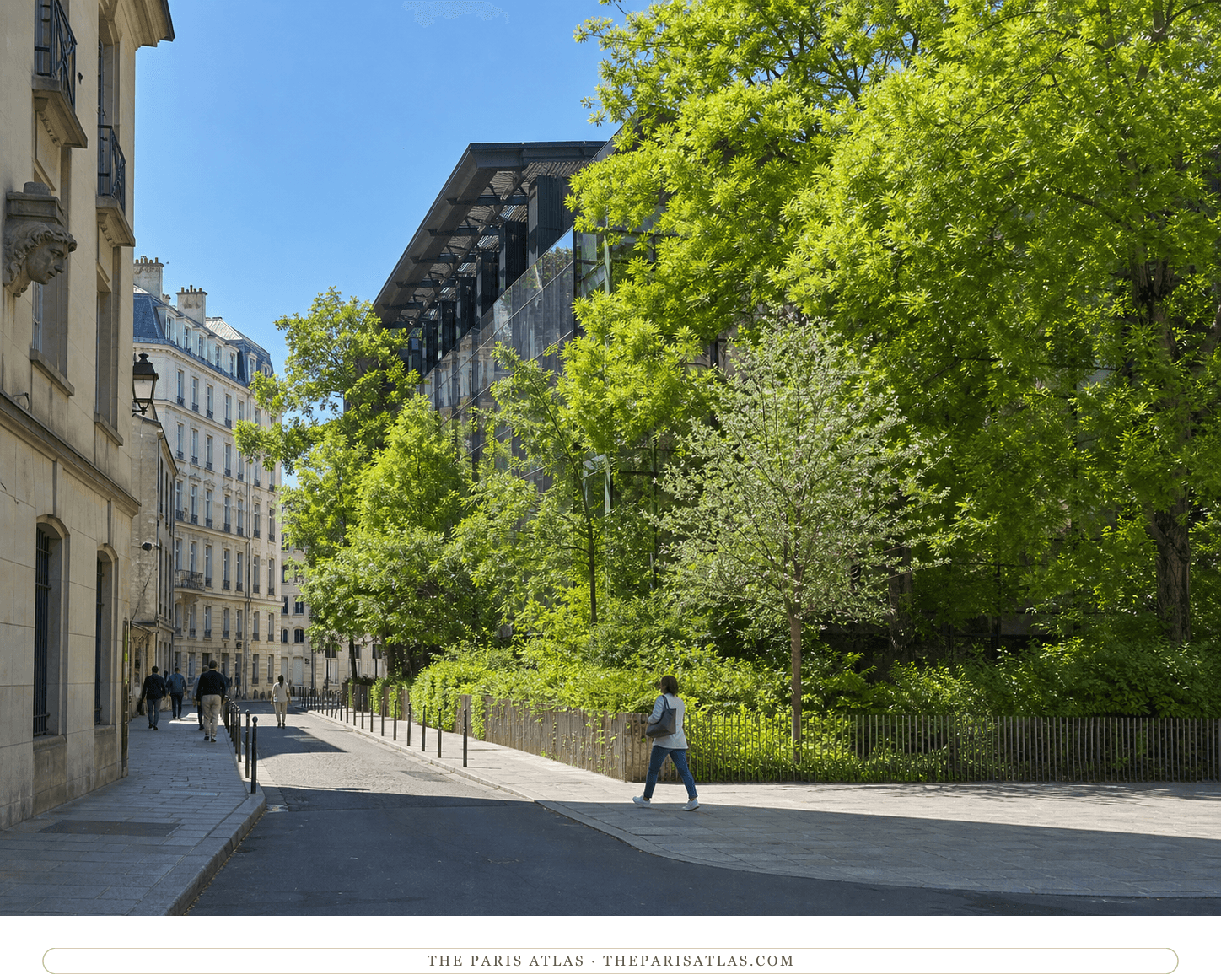
The state marble depot on the rue de l'Université where Auguste Rodin worked from 1880 until his death in 1917 — first in atelier M, later in ateliers H and J. It was his principal Paris studio, and where The Gates of Hell was developed. The compound is gone.
Visit the place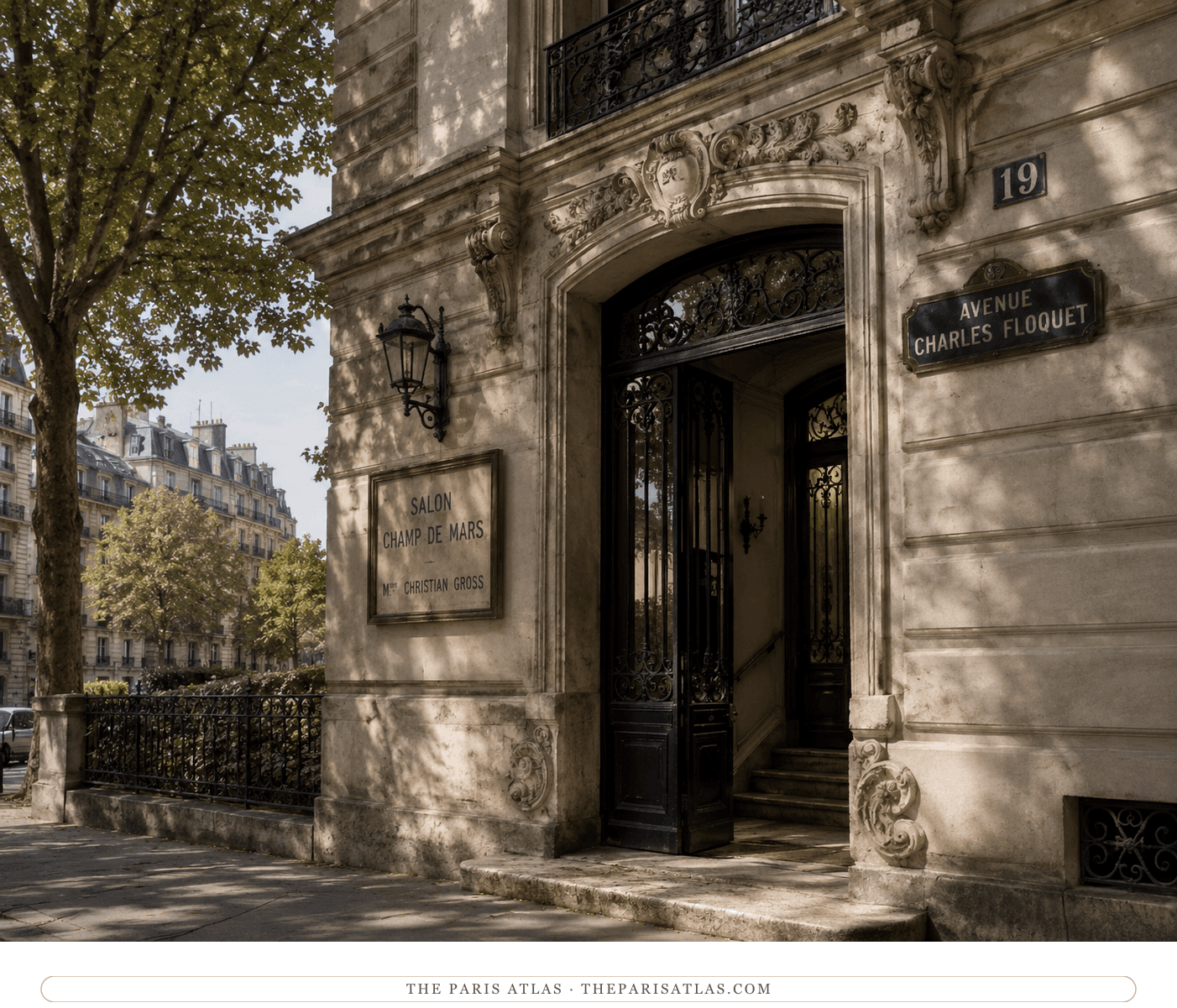
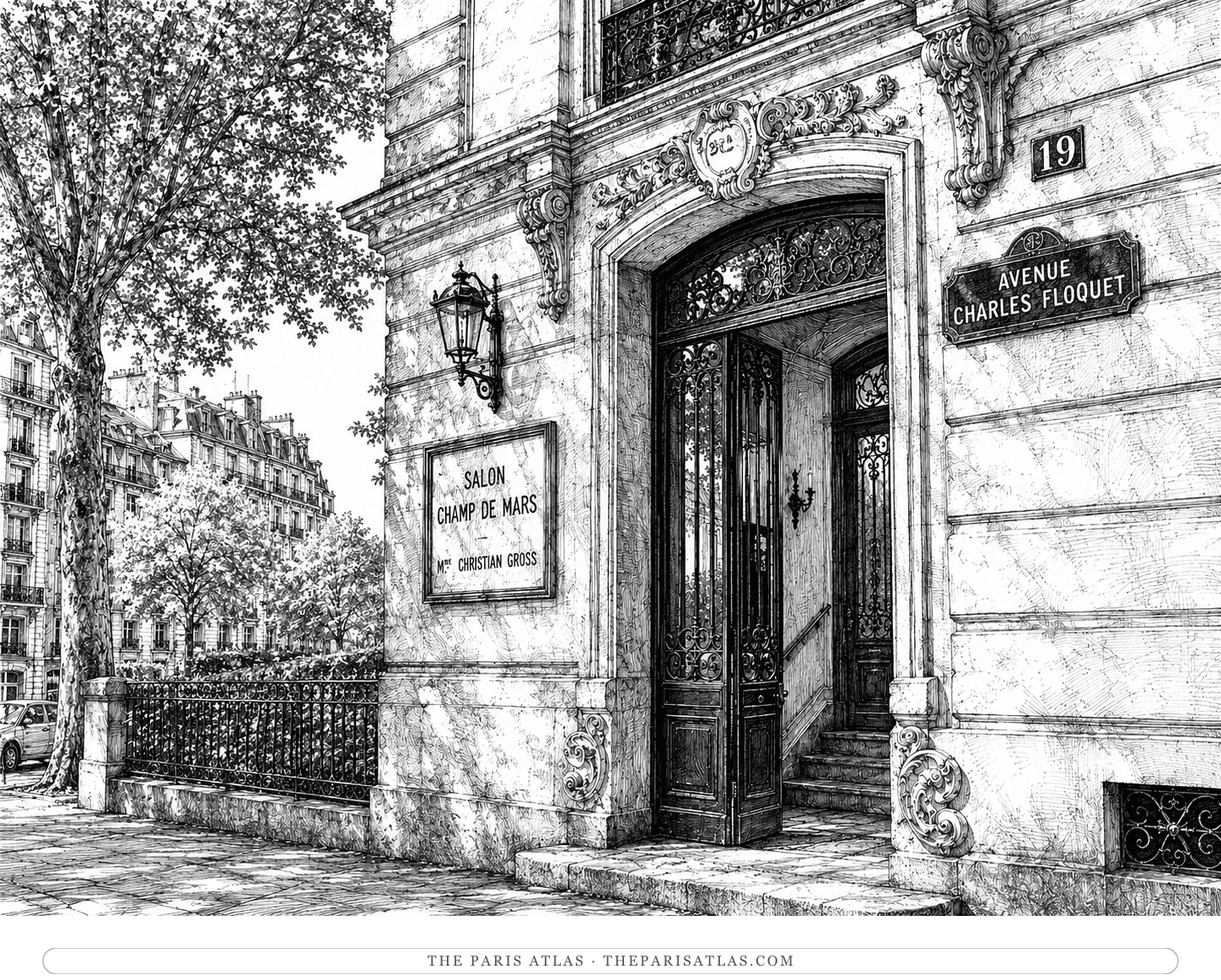
The drawing room by the Champ de Mars where Ezra Pound the composer made his debut — the Villon songs, heard by invitation before anyone believed he'd really done it.
Visit the place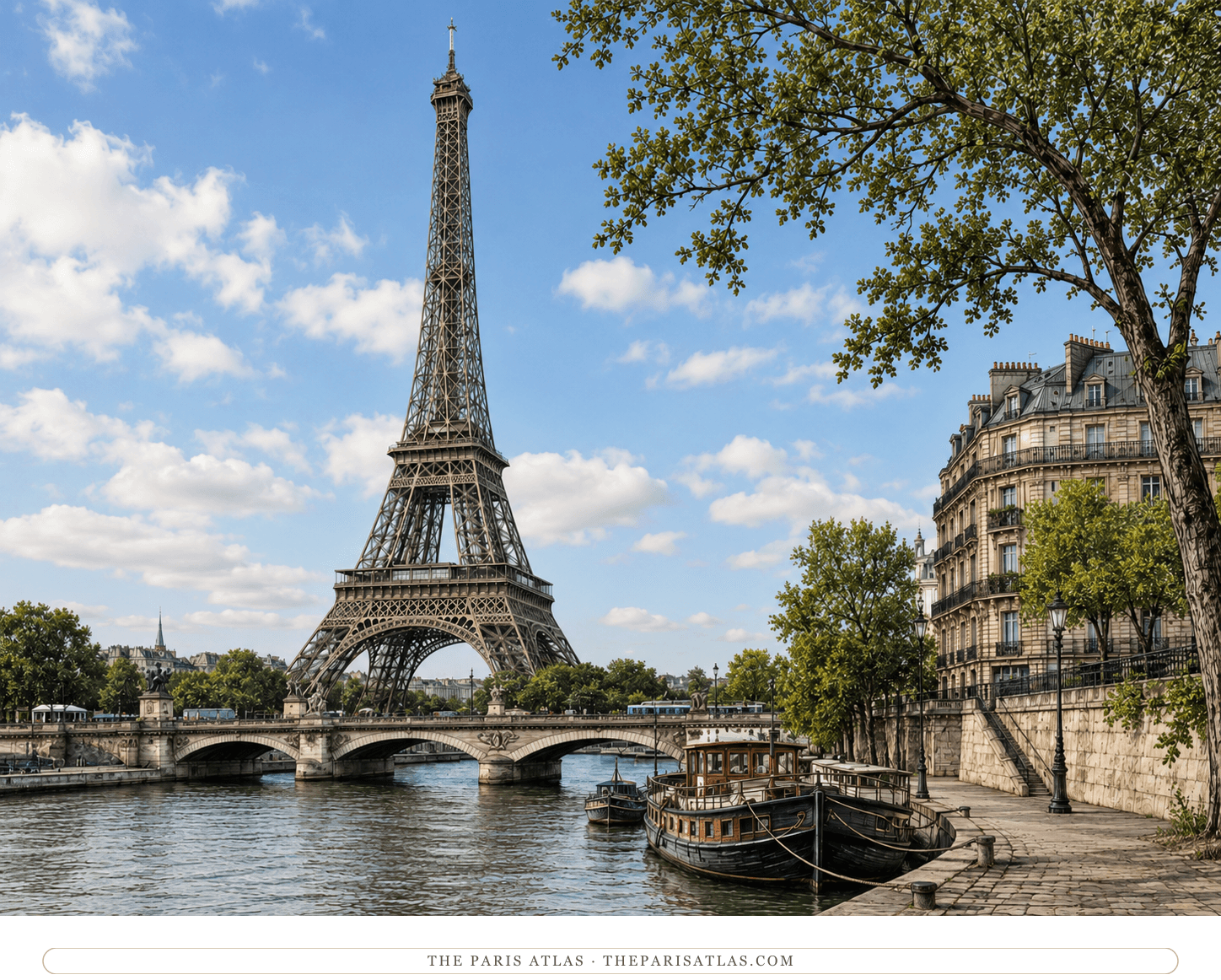
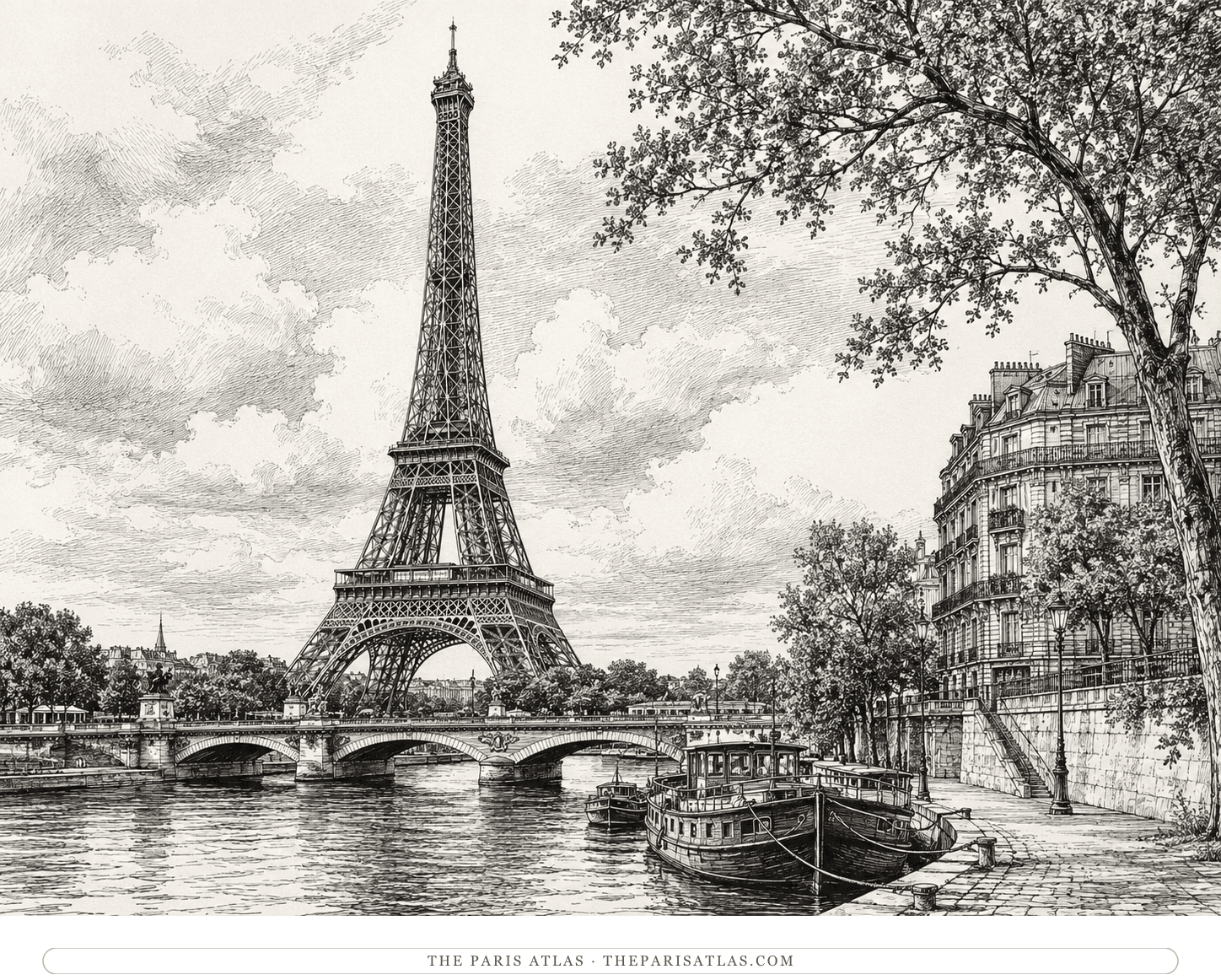
The tower at the era's edge of vision — and in the twenties and thirties, a champagne advertisement three hundred meters tall, fizzing in lights over everyone's night walks.
Visit the place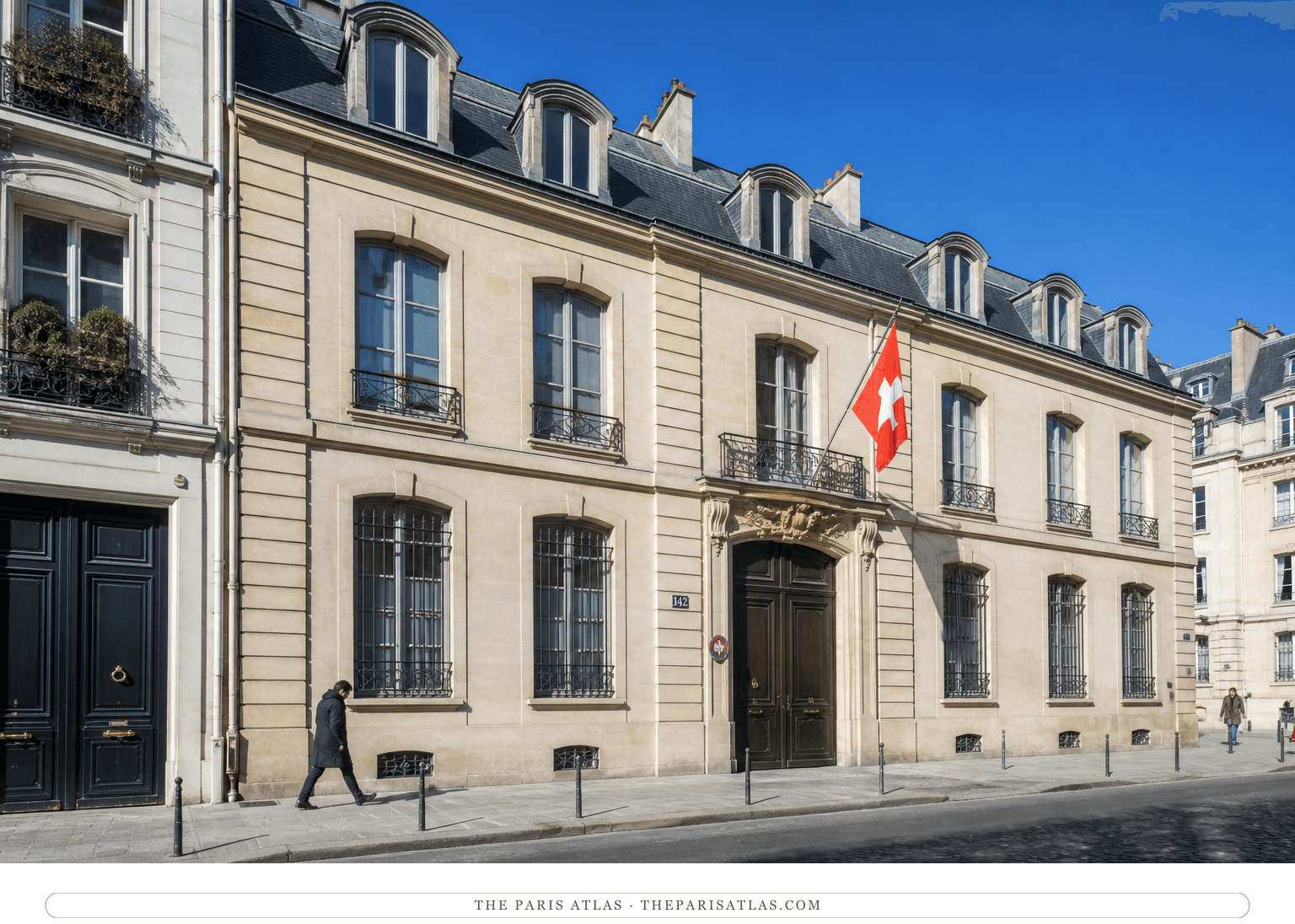
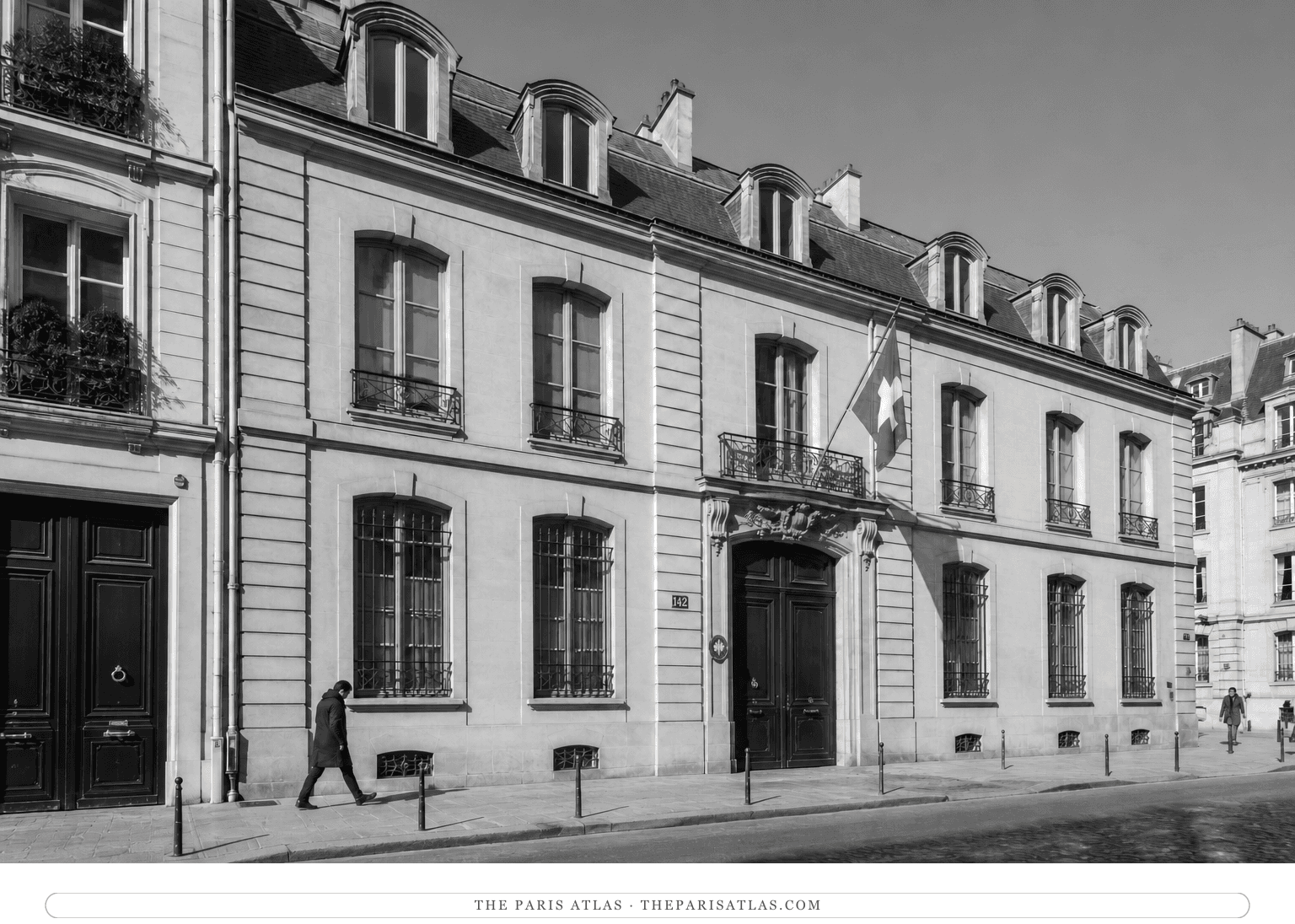
The Faubourg Saint-Germain salon where Edith Wharton found her Paris society — the Comtesse Rosa de Fitz-James's Tuesdays, and the circle in which her relationship with Morton Fullerton developed.
Visit the placeThe sources below include histories, archival materials, scholarly research, and official records that informed this page. They document 2 Square de Robiac, the people connected to it, and its place in Paris.


Biographical evidence used to verify chronology, relationships, and historical context connected to 2 Square de Robiac.
First-person evidence and historical context used in preparing the 2 Square de Robiac page.

Map data used to verify addresses, geographic coordinates, and the placement associated with 2 Square de Robiac.
Archival evidence used to document the historical record connected to 2 Square de Robiac.
These references provide the documented foundation for this page's history and context. Claim-level citations remain attached to the specific claims they support.
 Explore more resources
Newsletter
The cafés, studios, and walk-up flats where the work was made — one story from the map in every letter.