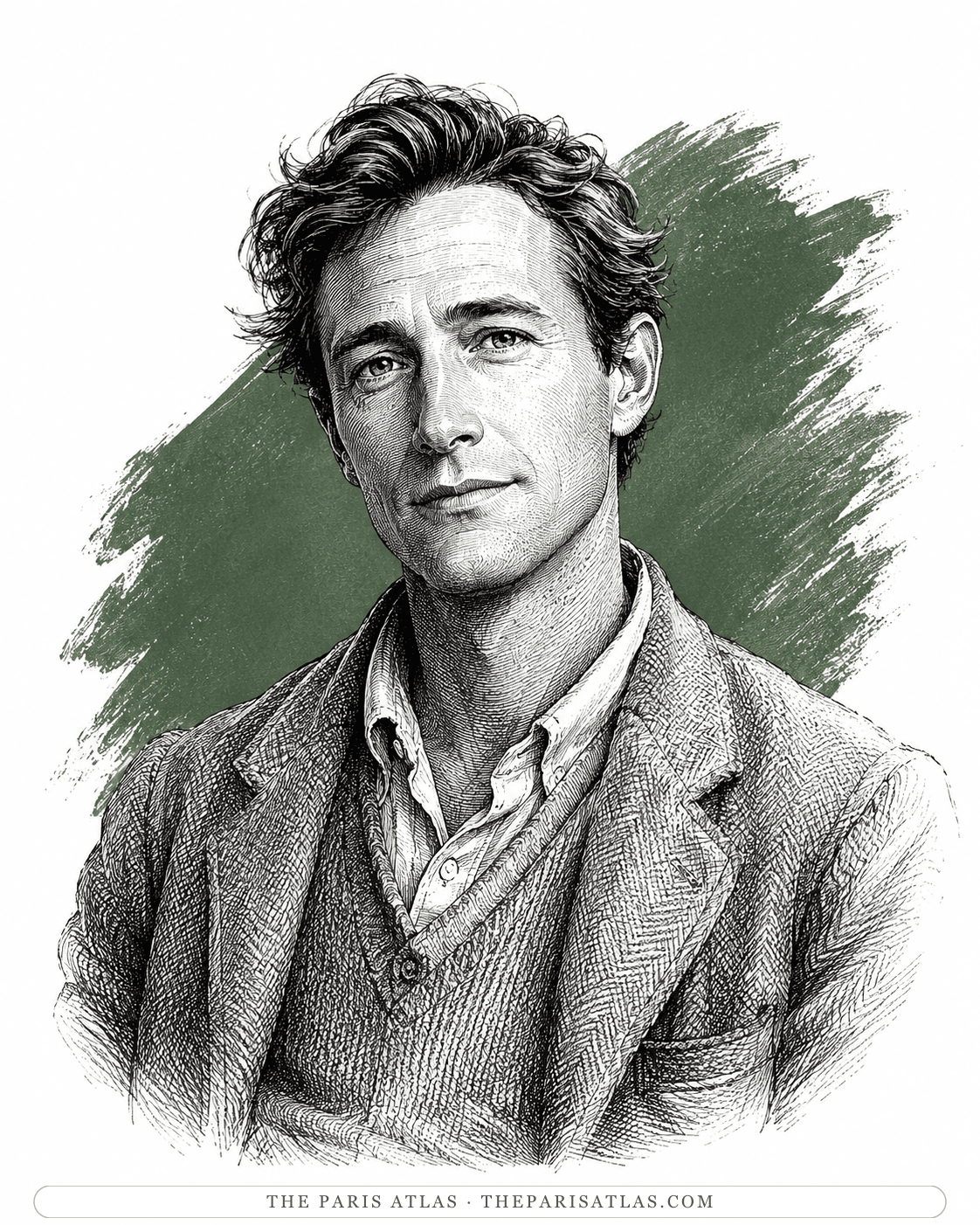
Evan Shipman
Poet, racetrack scholar, and the gentlest presence in the book — his chapter is an afternoon of beer with the old waiters at the Lilas.
The book

At a glance
- 'Evan' — poet, handicapper, and friend
- 'Evan Shipman at the Lilas'
- Evan Biddle Shipman · 1904–1957 · Plainfield, New Hampshire
Who they are in the book
Spoiler-freeEvan is the book's argument that not every writer in Paris was climbing. A young poet from New Hampshire money who prefers horses, beer, and conversation to publication, he turns up at the Closerie des Lilas the way other men turn up at offices. His chapter is an afternoon spent with the Lilas's old waiters — veterans being forced by new management to shave their mustaches and wear white jackets — and Evan takes the waiters' side as a matter of course.
What he wants is almost nothing, which the narrator finds both maddening and admirable: Evan keeps losing his own manuscripts, forgets to send poems to the magazines that ask for them, and studies the racing form with the seriousness other men reserve for Racine. He is the memoir's purest companion — no rivalry in him at all.
How Evan Shipman Is Portrayed
- The suitGray, worn, and permanently wrinkled — dressed like a man who has given clothes exactly the thought he believes they deserve.
- The handsFingers stained darker than his fair hair by cigarettes — the one physical detail the book lingers on.
- The table talkWhiskey at the Lilas and long, serious argument about the Russians — including the chapter's great question of how Dostoyevsky could write so roughly and still hit so hard.
- The demeanorAdmits to feeling a little down the day they meet, and stays gentle about it; his melancholy has no theater in it.
- The manuscriptsPoems lost, mislaid, or left in coat pockets — he treats his own work with a carelessness the narrator, who guards every sentence, cannot fathom.
- The allegiancesIn the war between the Lilas's new management and its old soldier-waiters, he enlists with the waiters — mustaches, dignity, and all.
The horses won. Shipman went home to become the greatest harness-racing writer America produced — a Morning Telegraph and Daily Racing Form columnist so respected that Saratoga still runs the Evan Shipman Handicap in his name. He interrupted the racing life once, to drive for the Republic in the Spanish Civil War, where he was wounded; Hemingway was in Spain covering the same war, and the friendship held to the end of Shipman's life in 1957.
Hemingway's regard is on the record outside this memoir too: he dedicated Men Without Women (1927) to Shipman. The chapter's quiet joke — that the man with the least ambition in Paris may have understood the writing life best — reads, knowing all this, less like a joke than a verdict.
If you like A Moveable Feast


If you like Ernest Hemingway
Explore authors with a similar voice, perspective, and influence.

Louis-Ferdinand Céline
The other great stylist the Great War produced — where Hemingway cut the language down, Céline set it on fire. The same wound, opposite treatments.
View author
Henry Miller
Paris on no money a decade later, with the restraint removed. Miller called Hemingway's Paris a tourist's Paris; readers get to referee.
View author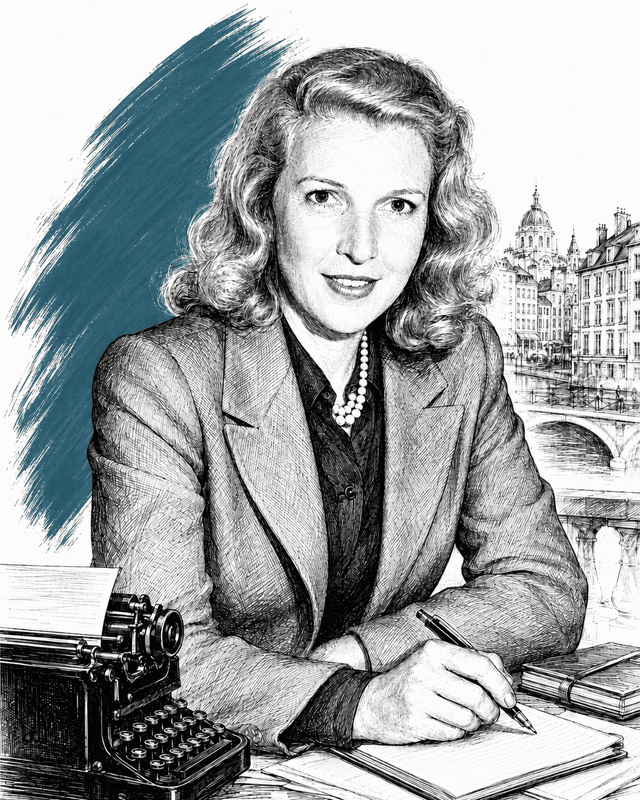
Martha Gellhorn
War correspondent who covered the Spanish Civil War, D-Day, and conflicts across five more decades; Hemingway's third wife, 1940–1945.
View author