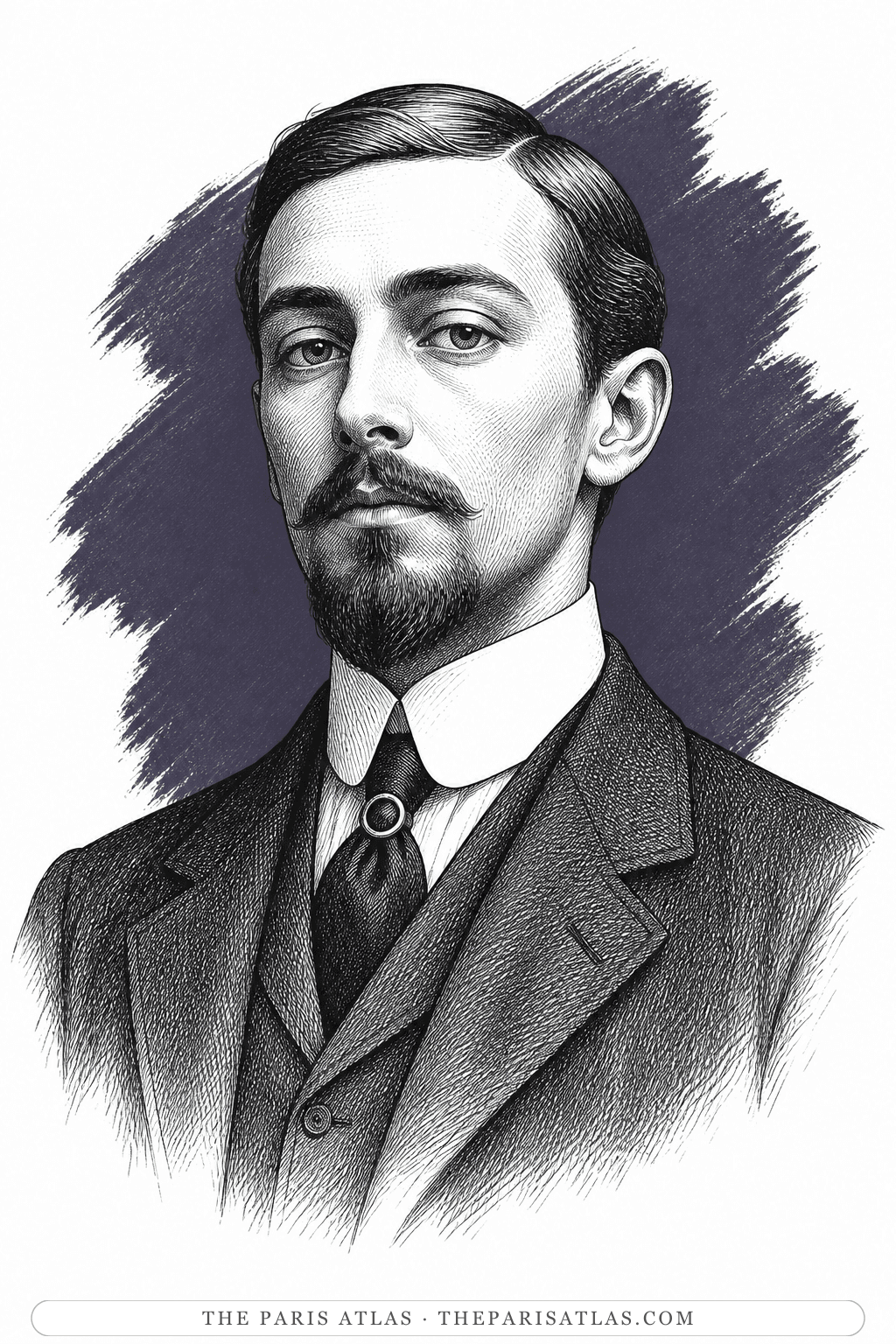
Vincent Macmaster
Tietjens' oldest friend — a poor Scot from Leith, a critic of the Pre-Raphaelites, and a man with a career plan he has never once deviated from.
The career, exactly as he drew it up as a boy: a first-class government post, distinction as a critic, and a wife who will make his drawing-room worth visiting. The novel sets the plan out in its opening pages and then follows him getting all of it.
The book

At a glance
- Civil servant and literary critic, a little under thirty, Tietjens' room-mate and oldest friend
- Leith, son of a very poor shipping clerk
- The train to Rye, the rectory breakfast, and his own drawing-room in wartime London
- A monograph on Dante Gabriel Rossetti, his first book, in proof as the novel opens
- Something over two thousand guineas to Christopher Tietjens
- Golf. He plays off plus two when he is in practice
Who they are in the book
Spoiler-freeVincent Macmaster is the son of a very poor shipping clerk in a Scottish harbour town, and he has known exactly what he wanted since he was a boy: a respectable government career, a knighthood at fifty, and a drawing-room of his own with the right sort of woman in it. The Tietjens family paid to get him through Cambridge; he shares rooms with Christopher Tietjens at Gray's Inn, borrows money from him steadily, and has never quite repaid any of it. When the book opens he is correcting the proofs of his first book, a monograph on Dante Gabriel Rossetti, and treating it as the most important morning of his life.
He is the one character in the novel who gets everything he set out to get. The book watches him do it without much sympathy and with a certain amount of pity: he is genuinely fond of Tietjens, genuinely afraid of him, and by the end of the book unable to be seen with him.
How Vincent Macmaster Is Portrayed
- How he looksSmall, with a trimmed pointed black beard, hair brushed hard down, a collar as smooth as porcelain and a tie held by a gold ring chosen to match his eyes. He dresses for a railway journey in case he meets somebody.
- The planLaid out in full on the train: articles first, then a book, then the drawing-rooms, then promotion, then a knighthood at fifty. He has decided that ruin comes to men through drink, bankruptcy and women, and has budgeted for the first two.
- What he is good atGolf, which is the one thing he beats Tietjens at, and handling people. When a mad clergyman starts reciting obscene Latin down a breakfast table, Macmaster talks him out of it with pedantry, kills the fit, and never raises his voice.
- The moneyBy the second half of the book he owes Tietjens something over two thousand guineas, borrowed a few hundred at a time for week-ends and bindings and carpets. He has never been asked for it and has never offered it.
- The distance he keepsHis wife will not have Tietjens in the house and he does not insist. He calls it their one quarrel, tells his friend nothing, and goes on inviting him to things he then dreads.
- The tearsHe weeps twice: once on a staircase trying to explain something he has taken credit for, and once promising to look after a woman who is not his to look after. Both times Tietjens tells him it is all right.
Macmaster marries Edith Ethel Duchemin the day after her husband's funeral, keeps the wedding secret for months, and then builds exactly the drawing-room he planned, financed by her late husband's money.
Tietjens lets him keep it, decides his friend may as well have the prestige at home, and then discovers that he cannot look at him. It is the first time in his life, the book says, that he has felt ashamed. Their last exchange is two men on a staircase saying "Well . . ." to each other and not managing anything else.
If you like Some Do Not…


If you like Ford Madox Ford
Explore authors with a similar voice, perspective, and influence.
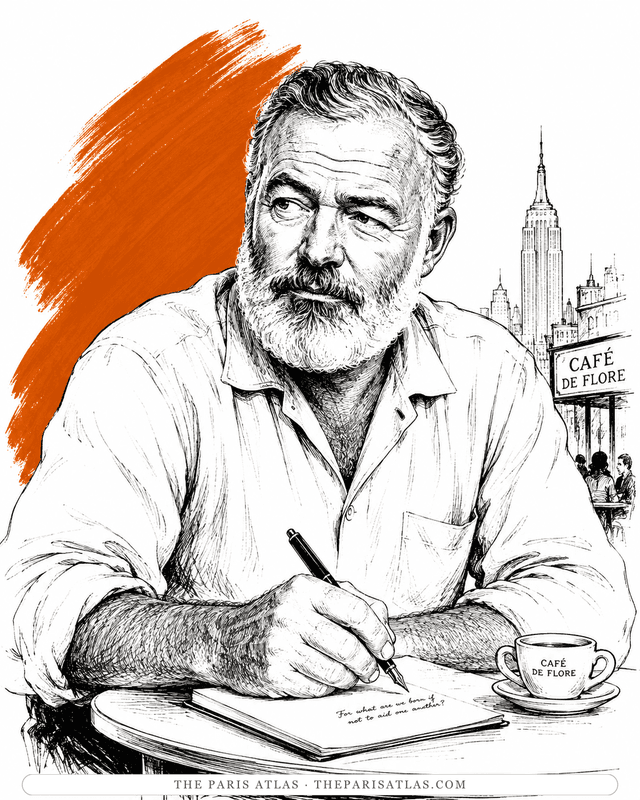
Ernest Hemingway
Ford published Hemingway's earliest Paris work and let him subedit the transatlantic review; Hemingway put him in The Sun Also Rises as Braddocks and settled accounts again in A Moveable Feast.
View author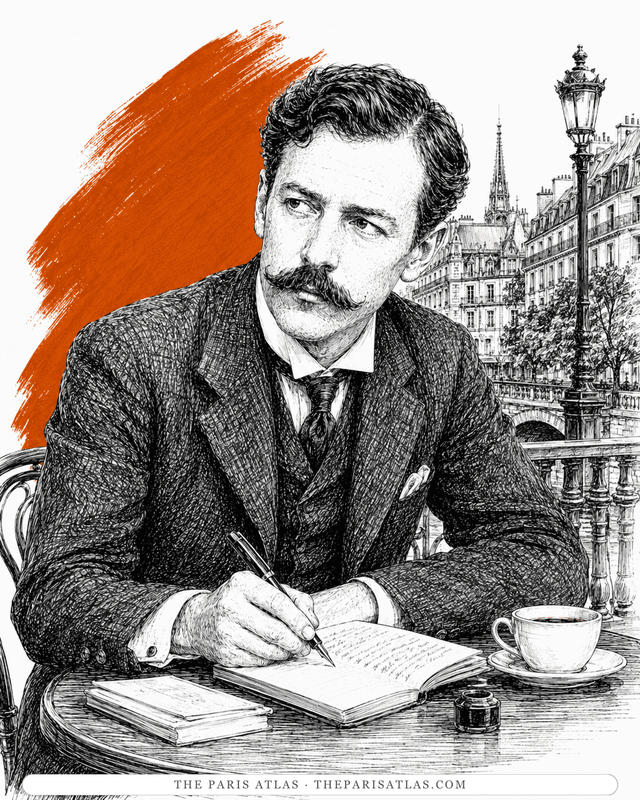
Sisley Huddleston
Fellow witness and friend — Huddleston's memoir catches Ford live: the studio parties, the bal musette, Conrad reminiscences on the Closerie terrace.
View author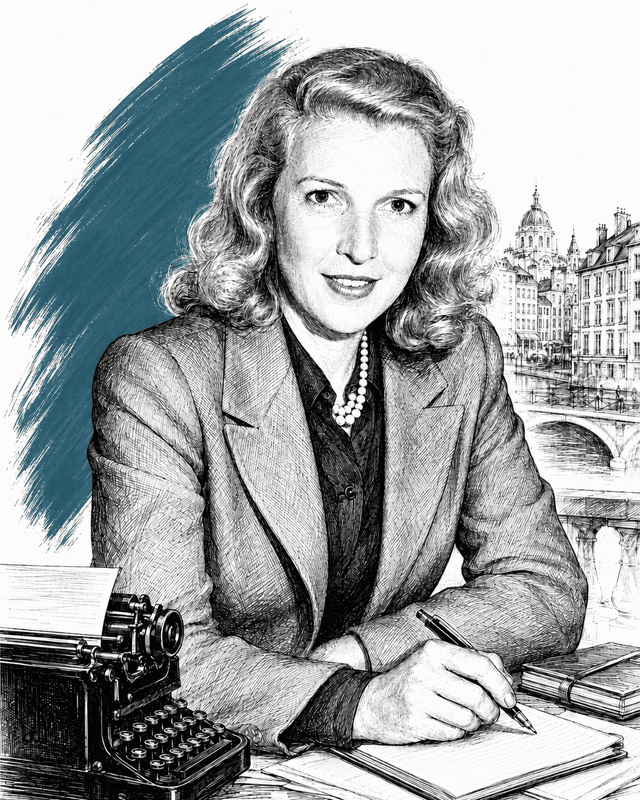
Martha Gellhorn
War correspondent who covered the Spanish Civil War, D-Day, and conflicts across five more decades; Hemingway's third wife, 1940–1945.
View author