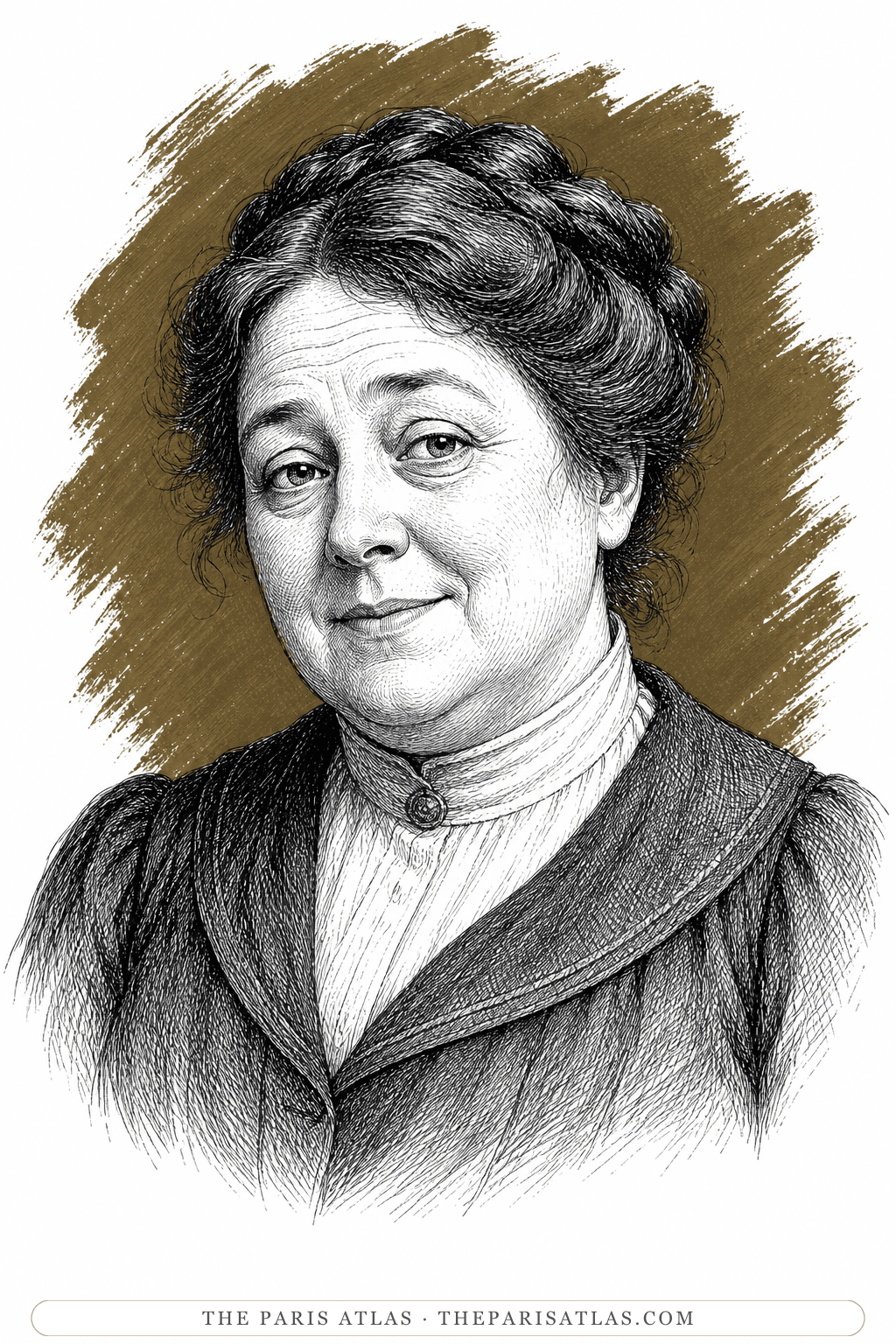
Mrs Wannop
Valentine's mother — a novelist and jobbing journalist who writes eight hours a day to keep the house, and whom Tietjens' father once rescued with a bottle of champagne.
To finish the day's work. Her advice to Tietjens when his name is being destroyed is the same advice she gives herself: "The only thing that matters is to do good work."
The book

At a glance
- Novelist and journalist; widow of Professor Wannop; Valentine's mother
- The rectory breakfast, her own cottage in Sussex, and a London drawing-room in Part Two
- Two serials at once, newspaper leaders, and one novel that Tietjens rates above everything since the eighteenth century
- Her career, and her cottage, to Christopher Tietjens' father
- Herself. A sixteen-hand horse bought at Ashford market for thirty pounds
Who they are in the book
Spoiler-freeMrs Wannop is a widow with a round, scarlet, exhausted face, living in a cheap cottage with a daughter who does the housework and a son who is being kept at Eton. She has written eight hours a day for four years — two serials running at once, leaders for the papers, and one novel that Christopher Tietjens says is the only one worth reading written in England since the eighteenth century. The Wannops, her daughter explains, are congenitally unlucky; her mother is not a Wannop, and has a mascot instead.
Her connection to the Tietjens family predates the book. When she was young and destitute, Christopher's father found her in a bed-sitting room contemplating suicide, sent out for champagne, made her drink half of it, took her to lunch, got her leader-writing work and lent her the money for the cottage. She calls him her mascot, and when she meets his son she transfers the whole debt to him on sight.
How Mrs Wannop Is Portrayed
- The working dayEight hours a day for four years without missing one. She writes on her knee in her bedroom and gives the study, the desk and the twelve kinds of nib to the man who is visiting, because she is a woman and can manage without.
- The champagneThe story of how Tietjens' father saved her life is told twice in one morning to a table that has heard it before. She offers his son her house, her purse, her time and her heart in a single sentence.
- The horseShe drives her own turn-out and will not be driven by anyone, having splendid hands on a horse's mouth and a badly bought animal in bad harness. Told what would have happened, she says she would have been dead in three minutes.
- Where she standsShe despises the suffragettes' aims, detests their methods, disapproves of girls speaking to strange men, and will not write or say one repeatable word against any of them: "No, I'm a woman and I stand by my sex!"
- What she cannot doTold that her daughter's reputation is going, she says plainly that she has a house to keep and children to feed and cannot afford to fight it. Then she strokes his temple and apologises for it.
The war ruins her. The paper she wrote for folds when Christopher's father, who had found the money for it, dies; her son goes to prison for his politics, a mob burns her in effigy on the fifth of November and breaks the windows, the butcher refuses to serve them, and she goes out of her mind for three days. She writes another book in the middle of it, as good as anything she has done, and cannot find a publisher.
Her last line in the novel is delivered down a telephone, about the son of the man who saved her: "The dear boy has saved me! He always saves me! What shall I do now he's gone?"
If you like Some Do Not…


If you like Ford Madox Ford
Explore authors with a similar voice, perspective, and influence.
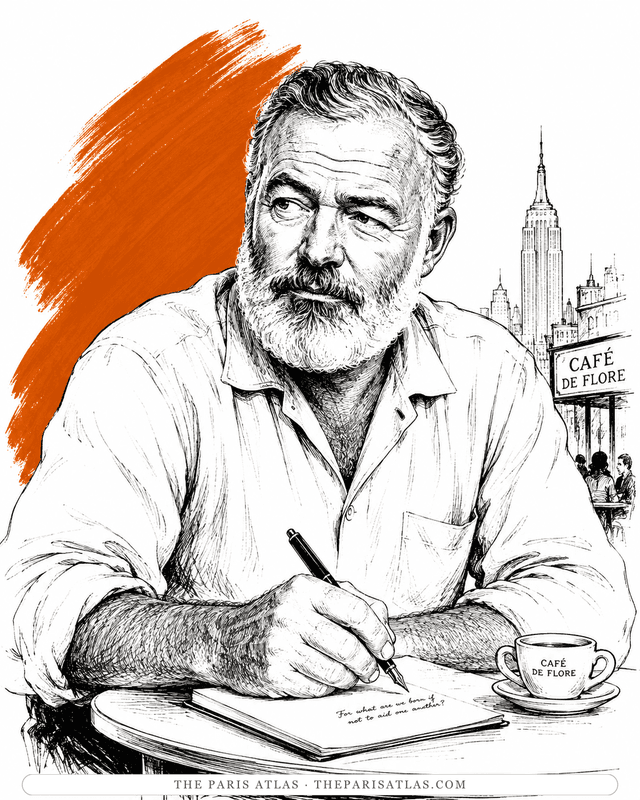
Ernest Hemingway
Ford published Hemingway's earliest Paris work and let him subedit the transatlantic review; Hemingway put him in The Sun Also Rises as Braddocks and settled accounts again in A Moveable Feast.
View author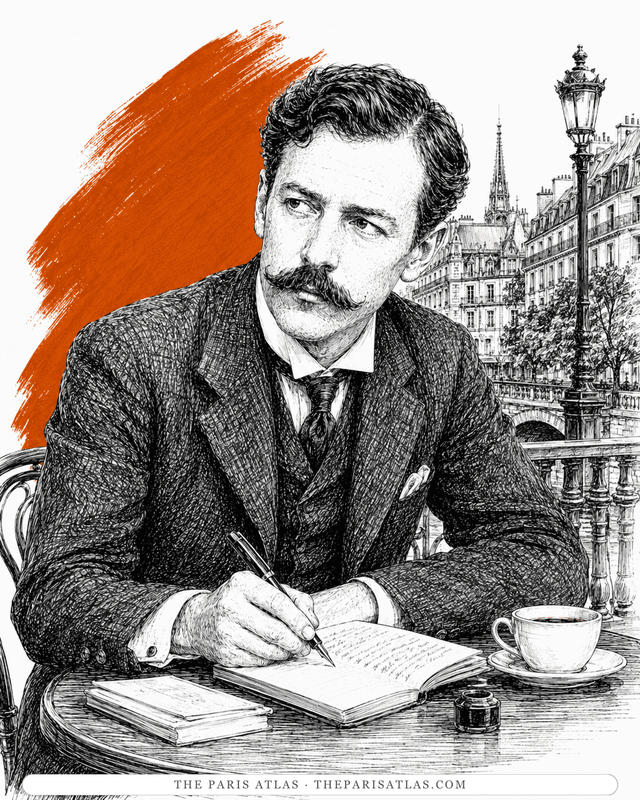
Sisley Huddleston
Fellow witness and friend — Huddleston's memoir catches Ford live: the studio parties, the bal musette, Conrad reminiscences on the Closerie terrace.
View author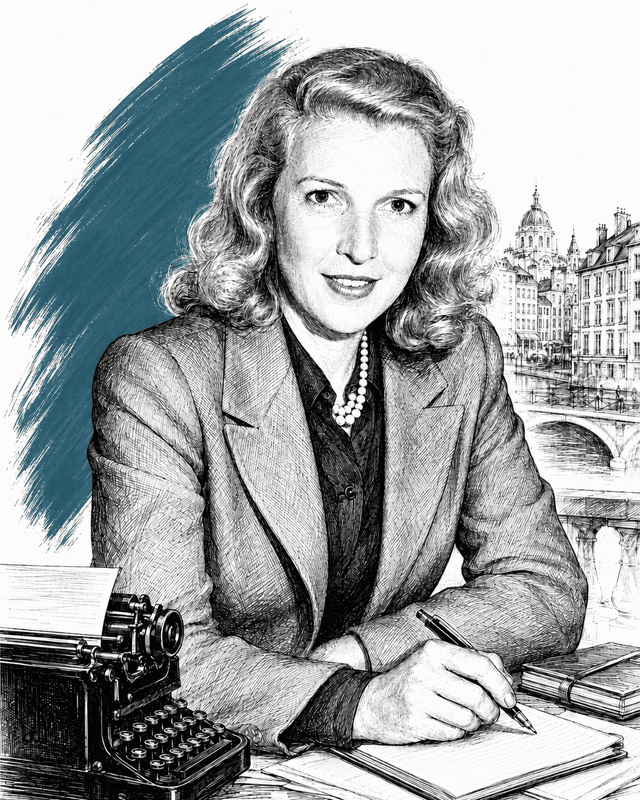
Martha Gellhorn
War correspondent who covered the Spanish Civil War, D-Day, and conflicts across five more decades; Hemingway's third wife, 1940–1945.
View author