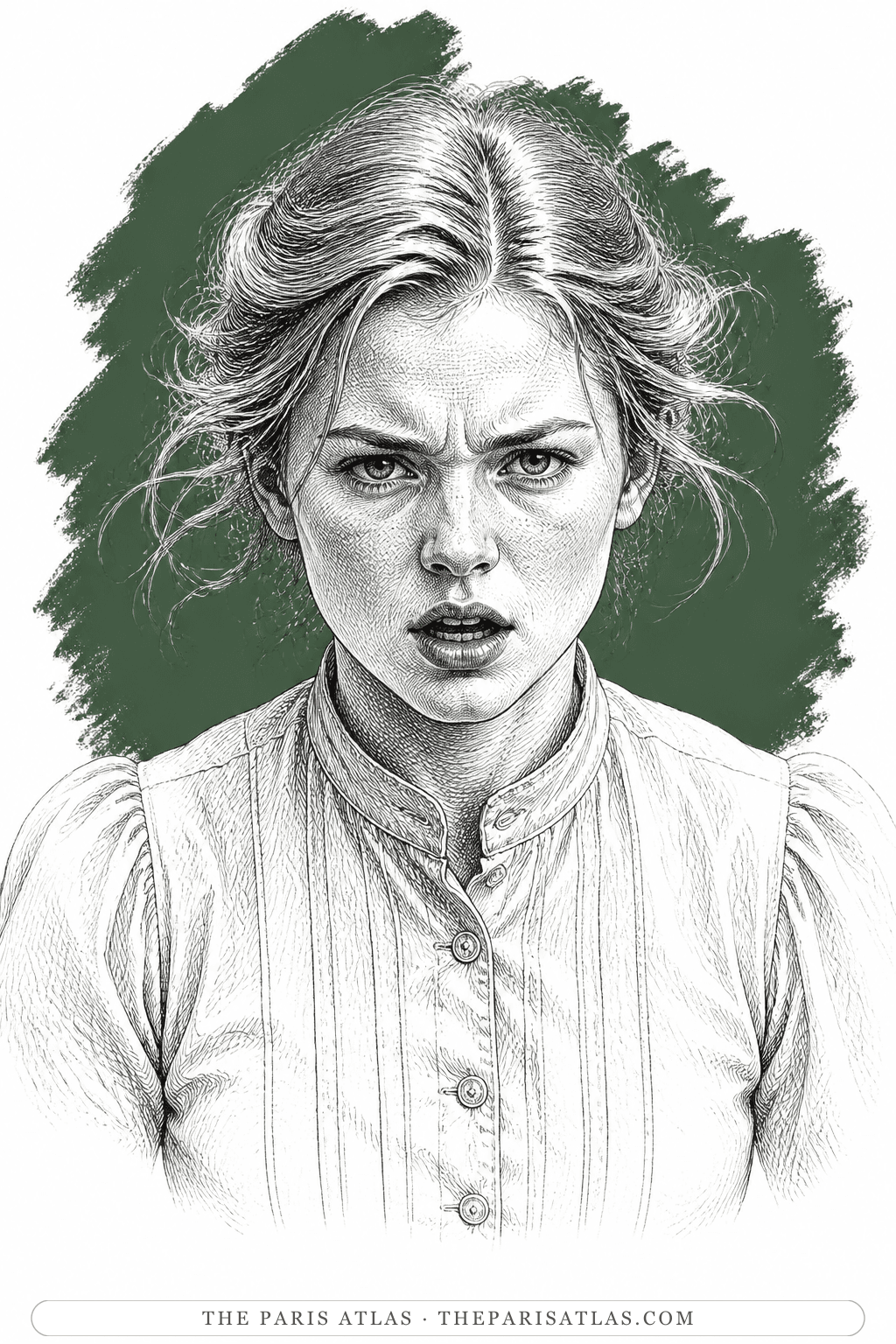
Valentine Wannop
A suffragette and a Latinist, daughter of a dead professor and a working novelist, who meets Christopher Tietjens on a golf course and changes the shape of his life.
To keep her mother fed and working, and to be taken seriously by the man she is talking to. On the politics she is blunt: "And, oh yes: I'm a suffragette because I've been a slavey." On the other, when Tietjens fobs her off with a bad argument, she tells him he has insulted her intelligence and made her feel like a schoolgirl.
The book

At a glance
- Suffragette and classical scholar, 22 in Part One; later a school games mistress
- The links at Rye, a Sussex rectory breakfast, her mother's cottage, the Kent roads at night, and wartime London
- Daughter of the late Professor Wannop and of Mrs Wannop, the novelist; one brother, at Eton and then Oxford
- Nine months in domestic service at Ealing, at five shillings a week
- Latin, learned at home from her father, and better than most men's
- Women's Social and Political Union. She was for cutting up golf greens; the union thought it unsporting
Who they are in the book
Spoiler-freeValentine Wannop is twenty-two in the first half of the book, small, fair and very fast on her feet. Her father, Professor Wannop, died leaving nothing; her mother writes novels and newspaper leaders to keep them; her brother was kept at school. At seventeen she went into domestic service in Ealing for nine months at five shillings a week, wore a cap and apron, and slept under the stairs. She reads Latin about as easily as English, because her father spoke it to her from the time she could talk, and she is a better Latinist than the Cambridge mathematician she spends the book arguing with.
Christopher Tietjens first sees her running across a golf course from a crowd of men, and helps her get away. What follows is a day, an evening and a long night lost in fog on the Kent roads, at the end of which each of them knows they are in love and neither says it. The second half of the book finds her several years older, teaching gymnastics at a suburban school in a blue uniform because the family needs the money, and seeing him only in other people's drawing-rooms, where the two of them are careful never to be alone.
How Valentine Wannop Is Portrayed
- The first sight of herA fair girl in a pink cotton blouse, short skirt and white sand-shoes, scowling, out of breath, asking a stranger with golf clubs to go and stop a crowd of men hurting her friend.
- What she can doShe clears a nine-foot dyke, pulls the plank away behind her, and calls back across it: "Seventeen to two! The usual male odds!" She also beats Tietjens to a gate over twenty yards, having given him seven.
- Nine months as a maidShe tells the story once, to a friend, and is ashamed of it: not of the work, but of having chosen it out of pride when asking for help would have been more sensible. "Yes! I wore a cap and apron and sniffled, 'M'm!' to the mistress; and slept under the stairs too."
- The LatinShe corrects his Ovid twice on a dark road and tells him his pronunciation is German. He takes it; nobody else in the book gets to correct him at all.
- What she says about her own courageTold she is a heroine, she refuses the word. She dreads prison, hates rows, and says that when it came to speaking to the Minister she could not do it and her friend had to. Her friend has been in prison five times.
- What her days areSix hours typing her mother's work, four for the suffrage movement, three of housework and gardening, three more reading the day's writing back aloud. The night in the fog is her first holiday in four months.
Valentine spends the war years poor, ostracised and mostly silent: her mother's paper stops paying, her brother goes to prison for his politics and then to sea on a minesweeper, a mob burns her mother in effigy, and the butcher will not serve them. She keeps a friendship with Edith Ethel Macmaster going long past the point where it is bearable, and it ends with that woman accusing her of having had Tietjens' child and calling her a harlot.
On the last day she walks twelve miles into Whitehall to save the fare, meaning to ask Tietjens whether he is the man the rumours say he is and, if he is, to demand a child of her own. Her last words in the book are that she will not watch him out of sight, because it is unlucky. She carries on into the three novels that follow.
If you like Some Do Not…


If you like Ford Madox Ford
Explore authors with a similar voice, perspective, and influence.

Ernest Hemingway
Ford published Hemingway's earliest Paris work and let him subedit the transatlantic review; Hemingway put him in The Sun Also Rises as Braddocks and settled accounts again in A Moveable Feast.
View author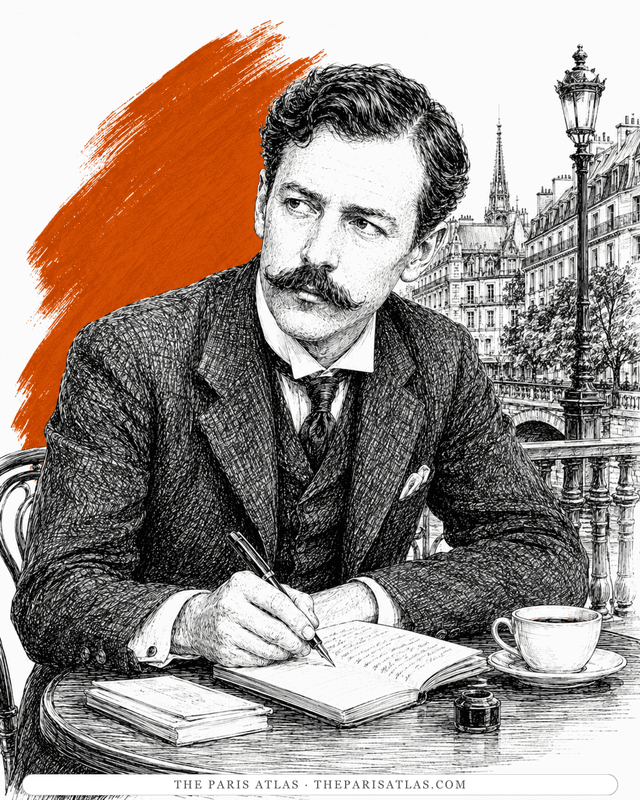
Sisley Huddleston
Fellow witness and friend — Huddleston's memoir catches Ford live: the studio parties, the bal musette, Conrad reminiscences on the Closerie terrace.
View author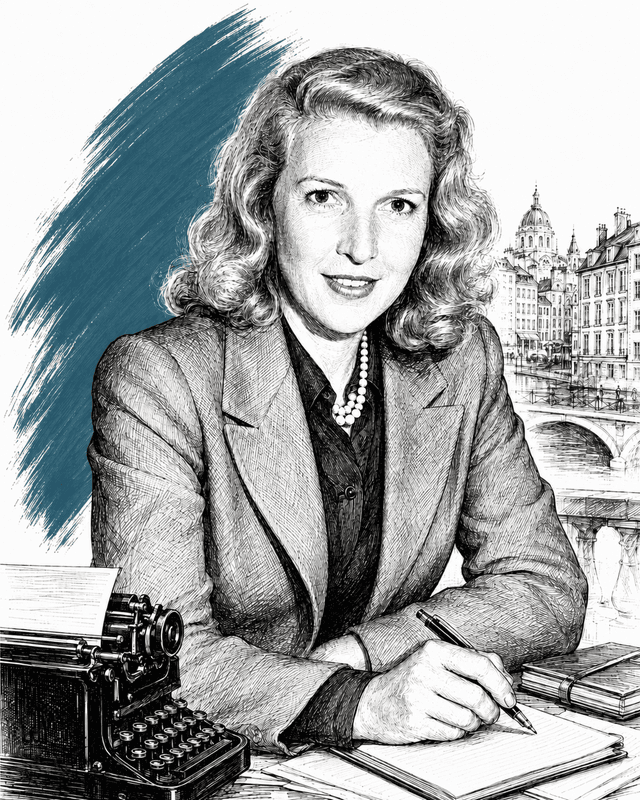
Martha Gellhorn
War correspondent who covered the Spanish Civil War, D-Day, and conflicts across five more decades; Hemingway's third wife, 1940–1945.
View author