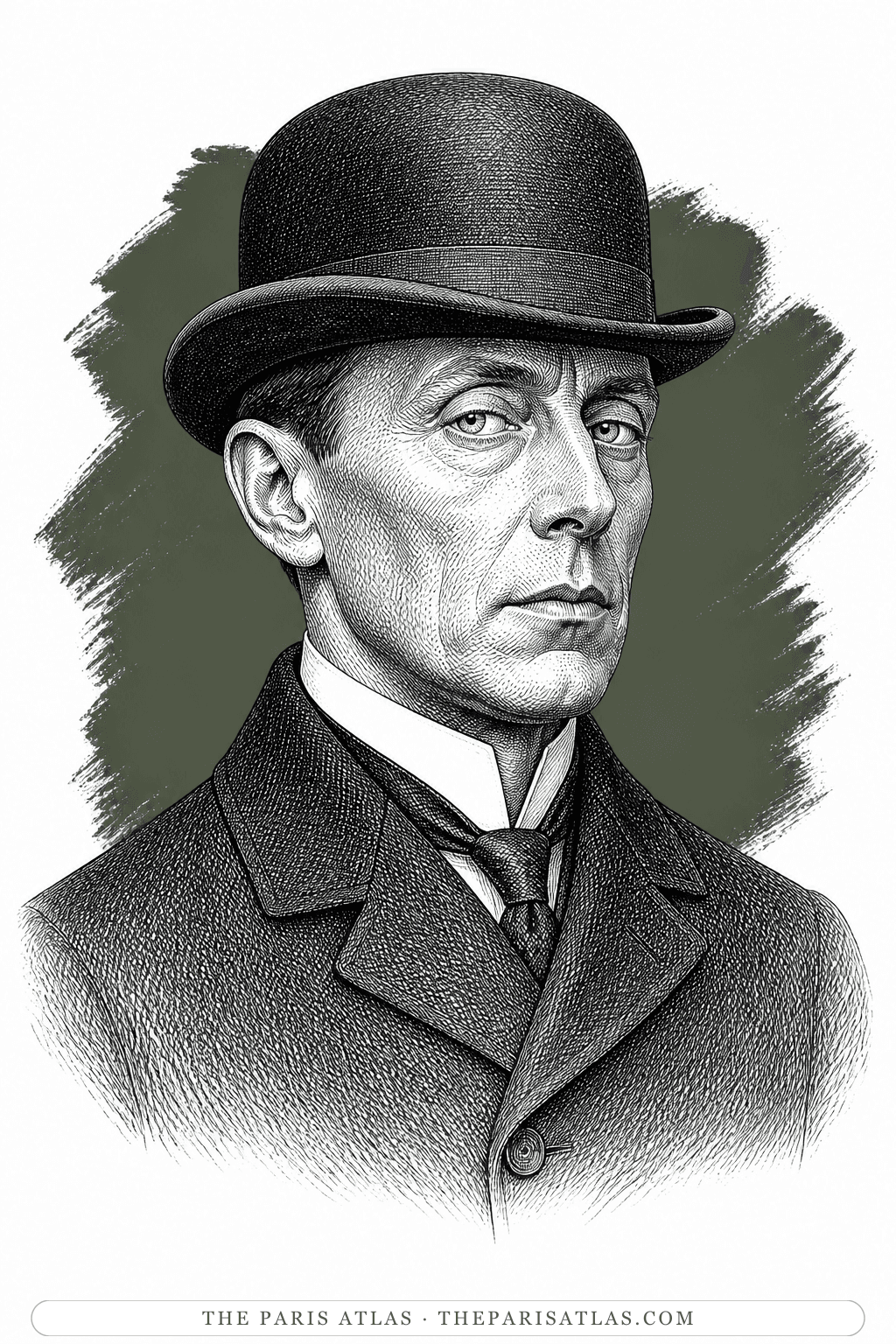
Mark Tietjens
Christopher's much older brother — head of the family, head of a government department, and a man who has never explained himself to anyone.
His brother comfortable and looked after. Asked what he actually wants for him, he says: "He must have his buttered toast . . . and his mutton chop . . . and Rhum St. James!"
The book

At a glance
- Christopher's eldest brother, fifteen years his senior, and heir to Groby
- A London flat, the walk to Whitehall, and the War Office, all in Part Two
- Head of a ministry department handling transport and horses; lately knighted
- In London, on a shared Mayfair floor, and keeps a French mistress he would marry if she were not a Catholic
- Race meetings without betting, a bowler hat, and an umbrella he chews the handle of
Who they are in the book
Spoiler-freeMark Tietjens is fifteen years older than Christopher, heir to the family estate in Yorkshire, and runs a department at a wartime ministry that moves horses and transport waggons. He wears a bowler jammed down, carries an umbrella he is forever trying to put in his mouth by the crook, goes to race meetings without betting, and has kept a French mistress in London for years without marrying her. He is spoken of for most of the novel before he ever appears.
He appears late, and changes the book. Having believed the stories about his brother for five months on one man's word, he asks him three plain questions, accepts the answers on the spot, and then sets about making it up to him: money for the family his brother is supposed to have wronged, a word in the right ear about a safer posting, and a handshake.
How Mark Tietjens Is Portrayed
- How he looksSmaller, browner and harder than his brother, with protruding blue eyes, race-glasses slung across him, and a bowler hat. Beside Christopher, who suggests wheat-sacks, he is described as carved wood.
- What he believes and whyHe took a friend's word about his brother for five months without checking it. When he does ask, one answer is enough: "It's either believing you're a gentleman or Ruggles a liar."
- The way he looks at peopleHe appraises Valentine Wannop in a War Office corridor exactly as he would a horse at a fair, decides she will do, and is pleased with himself. The book records it without comment.
- The moneyHe carries out their dead father's intention: five hundred a year for Mrs Wannop, capital shelved for the brother's medical practice, two or three hundred a year for Valentine with the capital her own. He warns her that Christopher will hate it.
- The handshakeChristopher refuses to shake his hand. Mark's argument, offered in a courtyard off Whitehall, is that a man about to be killed would not like to remember that he had refused. It works.
Mark's errand at the War Office is to get his brother a safe job with the transport, which he goes in to arrange and which the book never confirms he manages. He is the only person in the novel who does his brother a straightforward good turn and gets thanked for it.
He becomes far more important later. In Last Post, the fourth novel, Mark Tietjens is the centre of the book.
If you like Some Do Not…


If you like Ford Madox Ford
Explore authors with a similar voice, perspective, and influence.
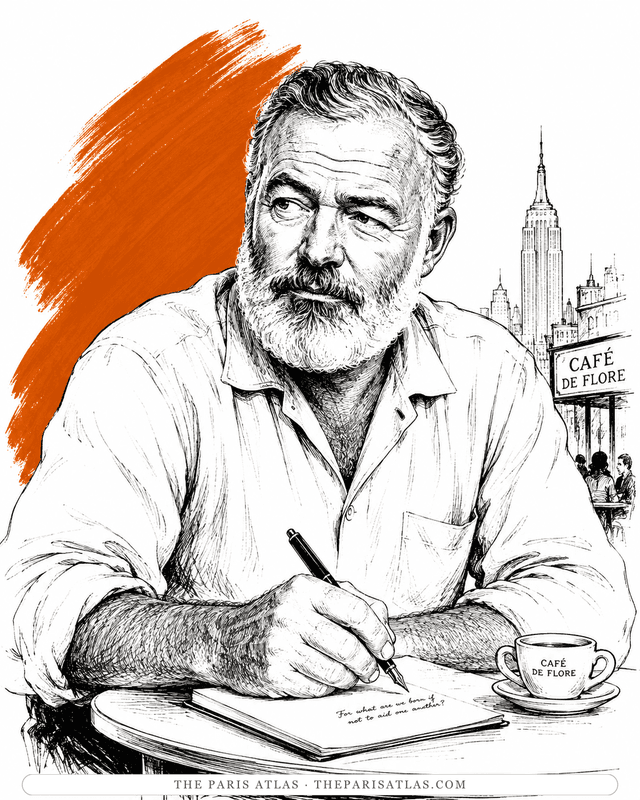
Ernest Hemingway
Ford published Hemingway's earliest Paris work and let him subedit the transatlantic review; Hemingway put him in The Sun Also Rises as Braddocks and settled accounts again in A Moveable Feast.
View author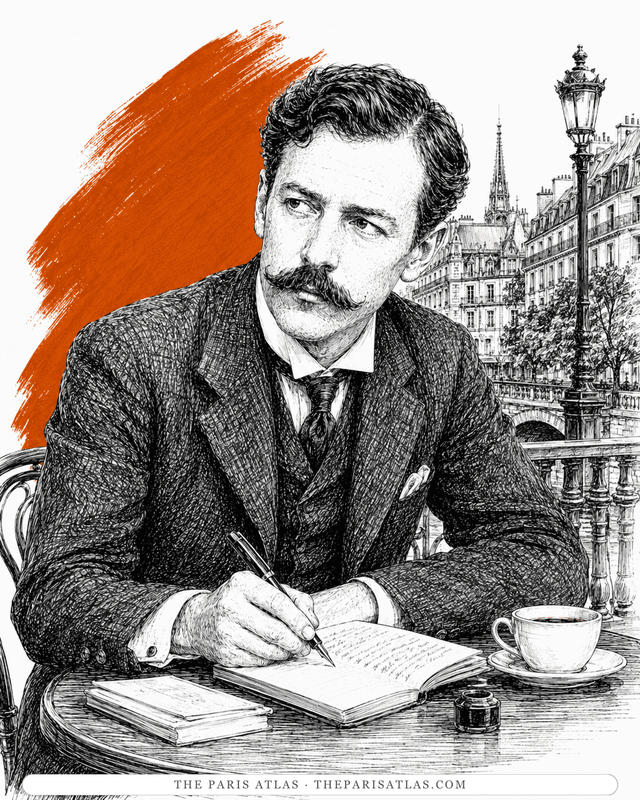
Sisley Huddleston
Fellow witness and friend — Huddleston's memoir catches Ford live: the studio parties, the bal musette, Conrad reminiscences on the Closerie terrace.
View author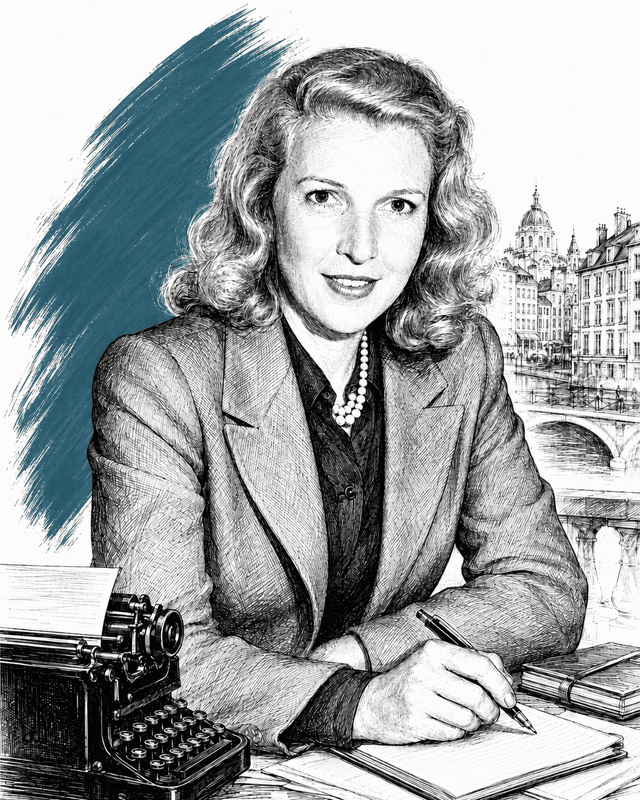
Martha Gellhorn
War correspondent who covered the Spanish Civil War, D-Day, and conflicts across five more decades; Hemingway's third wife, 1940–1945.
View author