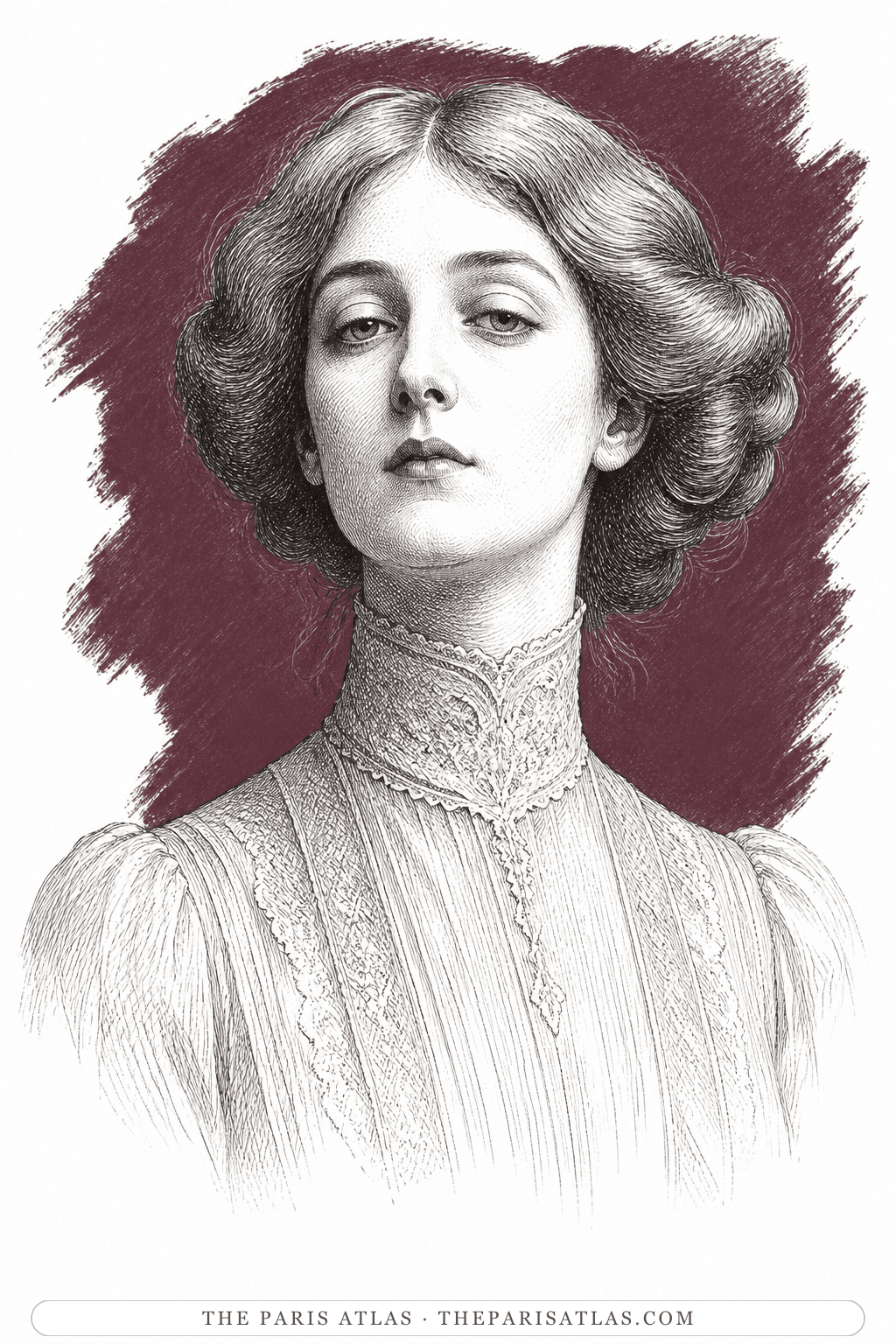
Sylvia Tietjens
Christopher Tietjens' wife — beautiful, rich, Roman Catholic, and unable to get a rise out of the man she is married to.
To make her husband react. She has come back to a man who will not accuse her of anything, and she is explicit about what she intends to do with him: "I can torment that man."
The book

At a glance
- Christopher Tietjens' wife, 30, only daughter of a very wealthy mother
- A German spa in Part One, and the Gray's Inn flat and a London party in Part Two
- Roman Catholic, convent-educated, and unable to divorce
- Brittany, with a man called Perowne, whom she is bored with
- The Ox
- Mrs Satterthwaite, who went abroad for four months to cover her daughter's tracks
Who they are in the book
Spoiler-freeSylvia is thirty, very tall and fair, the only daughter of a rich widow. She married Christopher Tietjens in Paris in circumstances her mother and her mother's priest discuss frankly in an early chapter: she was pregnant, and probably not by him. She has just spent four months in Brittany with a man called Perowne, is bored with him, and has written to ask her husband to take her back — which he does, without conditions and without reproach. She is a Roman Catholic and cannot divorce him; she says so plainly, and it matters.
The novel gives her the sharpest tongue in it and refuses to sentence her. Her sport is what she calls turning men down: attracting them, and then declining. Her real difficulty is her husband, who neither forgives her, because he has never blamed her, nor fights back. Readers have been arguing about her since 1924, and the book does not tell you what to think.
How Sylvia Tietjens Is Portrayed
- How she looksImmensely tall, slow-moving, reddish-fair hair in great bands over the ears, a very oval face wearing what the book calls an expression of virginal lack of interest. When she comes into a crowded room, the room stops talking.
- The plate of cutletsIn the first scene of the second half she carries her lunch the length of the table and throws it at her husband's head. Most of it goes over his shoulder; the oil and vinegar reach his uniform. She walks to the mirror, says "I'm bored," and rings for the maid to sweep the carpet.
- What she says about himShe calls him the Ox. She tells a priest that she hates her husband, and, in the same breath, that she hates her child. She has cause for neither and does not pretend otherwise.
- The lettersShe writes to a bank chairman denouncing a woman she has seen visiting a flat, and gives her husband's name as the reason. She also guarantees his overdraft and quietly sells stock to cover it. Both are her, on the same afternoon.
- The CatholicShe goes into retreat with an Anglican sisterhood mainly because it irritates him, and reminds him she cannot divorce him whatever either of them wants. Her religion is real and is also a weapon.
- The one plainly kind thing she doesAt a literary party she ignores the celebrated hostess, crosses the whole room to an elderly novelist nobody is talking to, and says: "You're Mrs. Wannop. The great writer! I'm Christopher Tietjens' wife." It is the plainest act of kindness the book gives her.
Sylvia never has a scene of remorse, and the book never punishes her. What it does instead is let other people describe her: her mother's priest, who has known her since she was nine, tells her mother privately that Sylvia's hell on earth will come when her husband falls in love with somebody else, and the second half of the novel is that prophecy working.
Her brother-in-law Mark, who dislikes almost everyone, offers the outside verdict: whatever she does, she is in love with her husband. She appears in all four Parade's End novels and grows larger in them.
If you like Some Do Not…


If you like Ford Madox Ford
Explore authors with a similar voice, perspective, and influence.
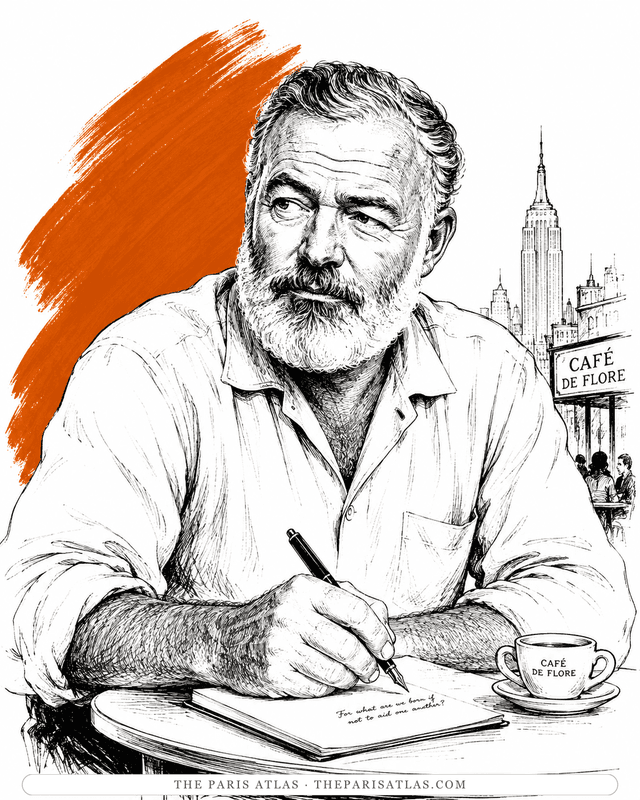
Ernest Hemingway
Ford published Hemingway's earliest Paris work and let him subedit the transatlantic review; Hemingway put him in The Sun Also Rises as Braddocks and settled accounts again in A Moveable Feast.
View author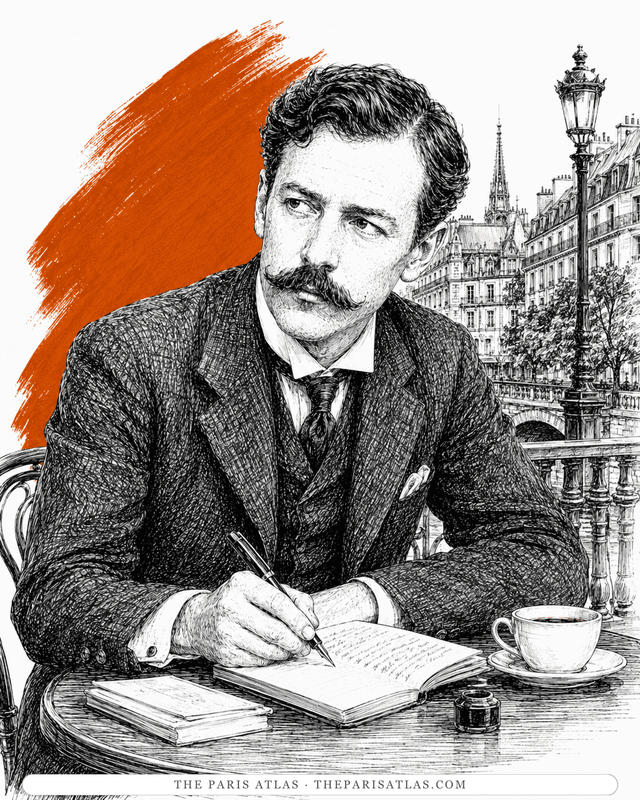
Sisley Huddleston
Fellow witness and friend — Huddleston's memoir catches Ford live: the studio parties, the bal musette, Conrad reminiscences on the Closerie terrace.
View author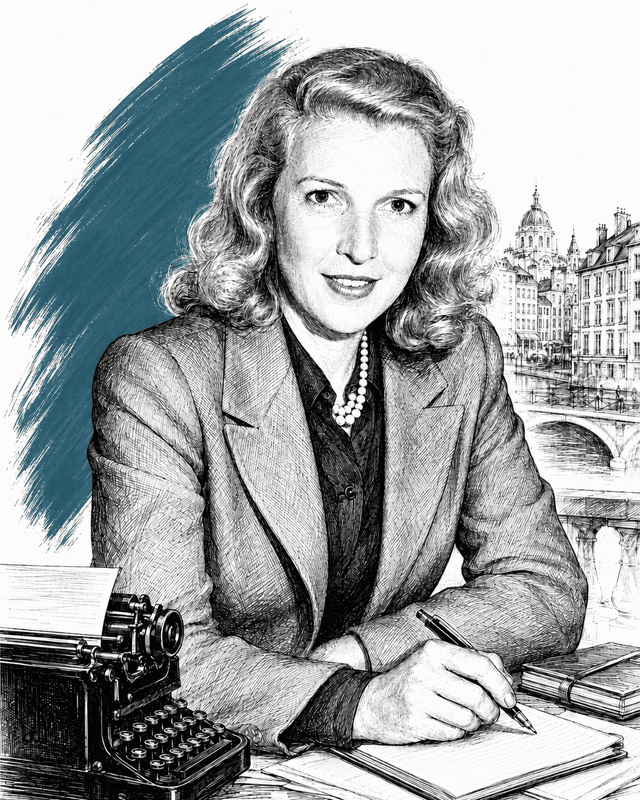
Martha Gellhorn
War correspondent who covered the Spanish Civil War, D-Day, and conflicts across five more decades; Hemingway's third wife, 1940–1945.
View author