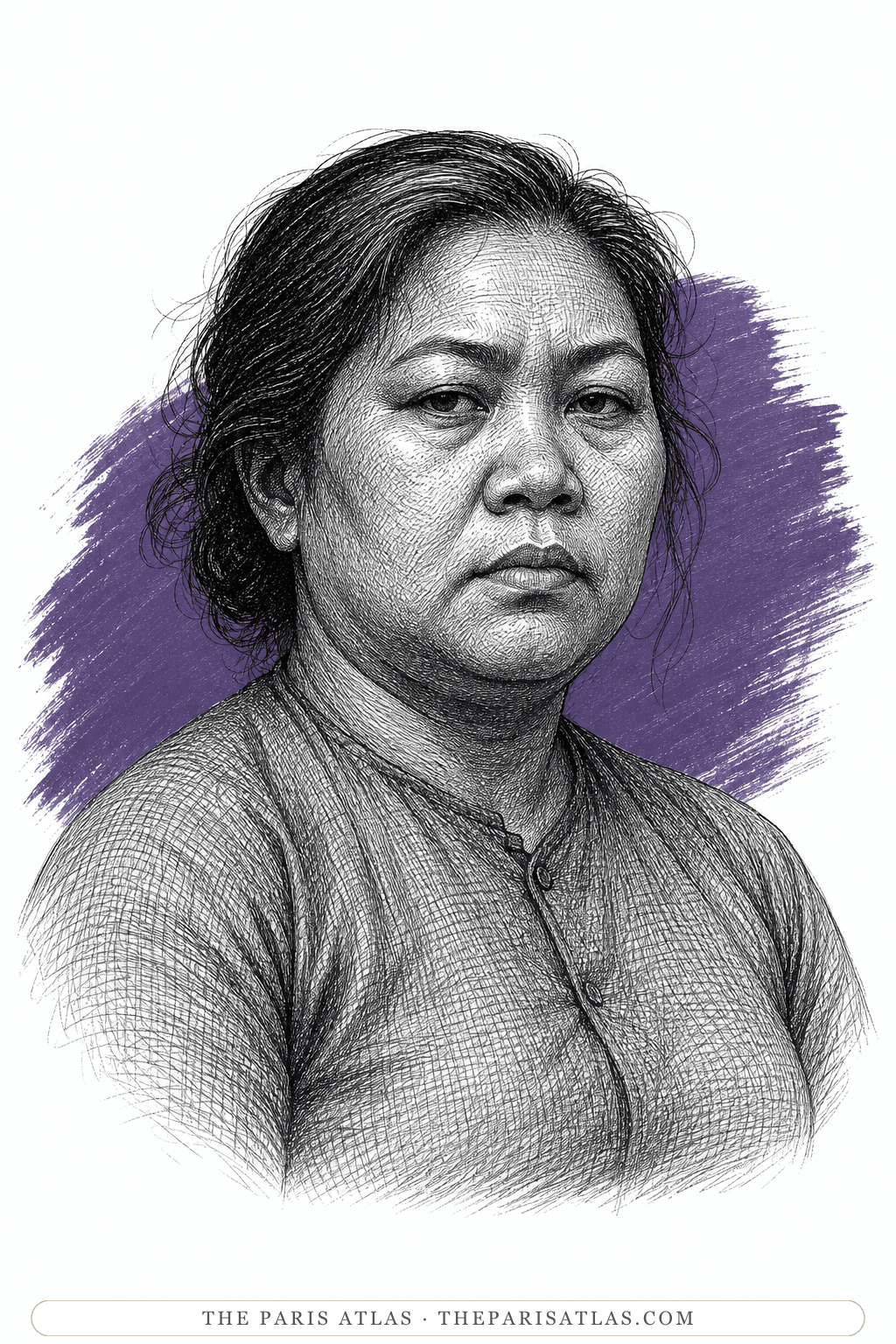
Miss Phuong
A Vietnamese midwife who nursed for the Vietcong for four years, quit after they refused her Party membership, and formally defected three days before Gellhorn met her.
To be left alone to work as a midwife, and to have her family safe from both sides.
The book

At a glance
- 'Miss Phuong' — a peasant woman who had left the Vietcong three days before the interview
- Midwife, with her own clinic in the hamlet until the government jailed her over a permit
- A nurse from 1960 to 1964, looking after their sick and wounded around the province
- 'Open Arms for the Vietcong', one of the 1966 reports from South Vietnam
Who they are in the book
Spoiler-freeIn 1966 Martha Gellhorn spent a day in My Tho, a town in the Mekong Delta of South Vietnam, listening to one woman's account of her own life. Miss Phuong was a peasant woman who had defected from the Vietcong three days earlier. A young Vietnamese woman named Mai, educated in Washington and married to an American, acted as interpreter and host. The three of them sat in Mai's front room drinking tea and orange squash, and stopped talking whenever helicopters went over.
The report is called 'Open Arms for the Vietcong', after the American programme that broadcast surrender offers over the hamlets. What Gellhorn wants to know is why a woman joins one side and then leaves it, and Miss Phuong's answers are almost entirely practical: a debt, a jail sentence, a clinic she could not finish, and a Party that would not have her.
How Miss Phuong Is Portrayed
- The portraitCorpulent, muscular but well padded, which Gellhorn notes made her the only peasant of that shape she saw in Vietnam. A spinster of about thirty-five who looked older, in a country where a woman of thirty-five was likely to have had seven children.
- The voiceGellhorn writes that her voice was like the silver cooing of a dove and her laugh a tinkle, that her profile was attractive and her full face was not, and that her eyes were bloodshot, wary and cold.
- The fiancé who went northShe and the man she was engaged to had both been in the resistance against the French. When the country was divided in 1954 he went to North Vietnam with the People's Army. She never heard from him again and stayed faithful to him.
- The clinic and the forty-five daysShe was a successful midwife and owned a small clinic in her hamlet. A jealous rival reported her to the South Vietnamese government for not holding a permit, and she was jailed for forty-five days. Afterwards she borrowed a fortune to build another clinic and the money ran out before it was finished.
- Why she joined, and why she leftThe Vietcong told her she would never make a living in that hamlet and would be jailed again for the debt, so she joined them and nursed their sick and wounded from 1960 to 1964. She resigned because they refused her Party membership on the grounds that she was petit bourgeois, and only Party members got anything out of the work. She also disapproved of the cadres sleeping with girls they were not married to.
- What she says about both sidesHer account of life in the hamlets is hard on both sides. The Vietcong taxed thirty per cent of whatever anyone had, both sides drafted the boys, and the bombing arrived without warning. Asked how the people felt about the government, her voice changed and got louder, and Mai translated it: “She says they hate both sides. They don’t care which side wins. They only want peace so they can work in safety.”
- The question she would not answerGellhorn asked, too casually, whether she was not afraid the Vietcong would punish her family for her defection. Miss Phuong's answer was to weep.
If you like The Face of War


If you like Martha Gellhorn
Explore authors with a similar voice, perspective, and influence.
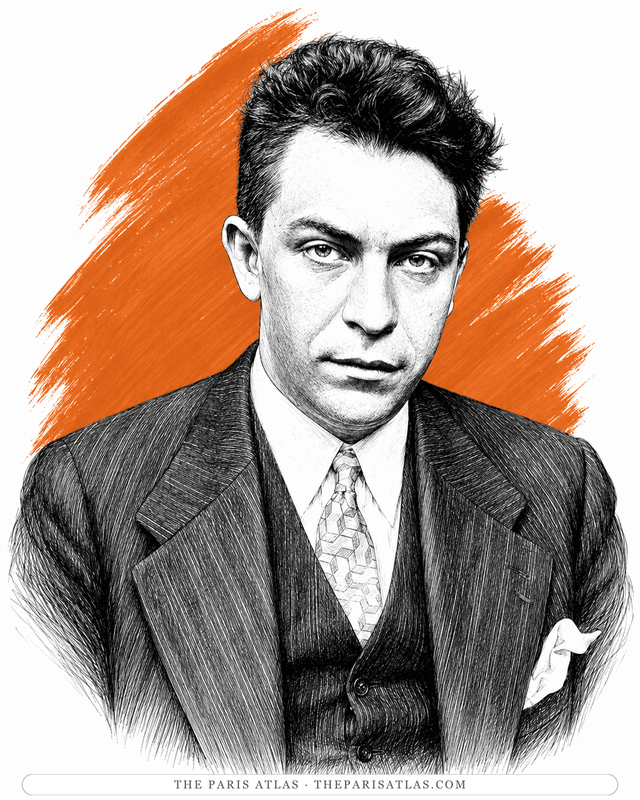
Manuel Chaves Nogales
The other great journalist of the Spanish Civil War, reporting the same conflict with the same refusal to flatter the side he preferred.
View author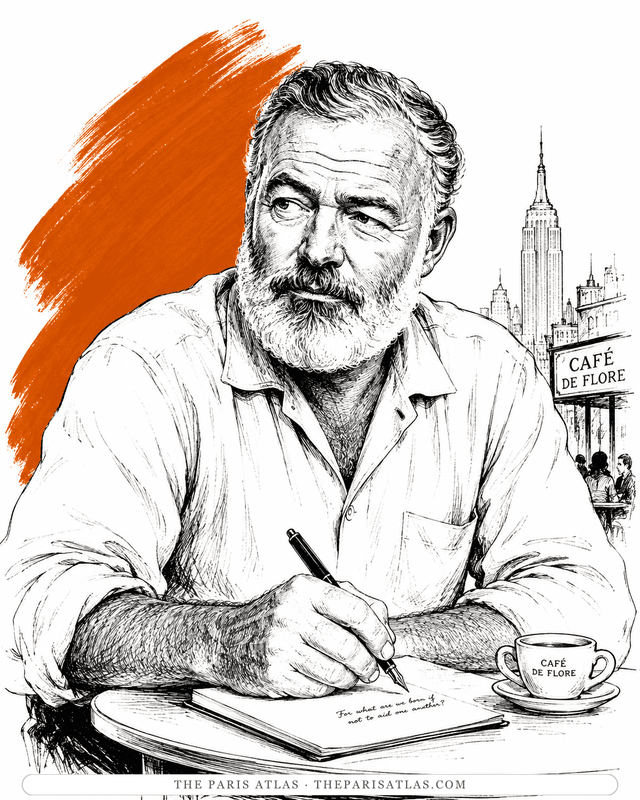
Ernest Hemingway
They covered Spain together and he dedicated a novel to her. Read them side by side for how differently the same war lands in fiction and in dispatch.
View author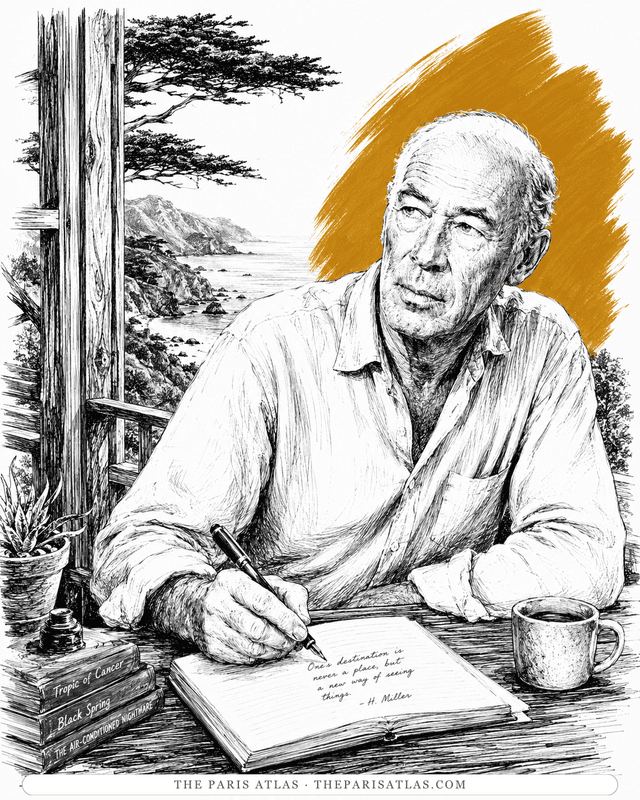
Henry Miller
The Brooklyn dropout who arrived in Paris broke at thirty-eight and wrote the exuberant, banned books that ended American censorship.
View author