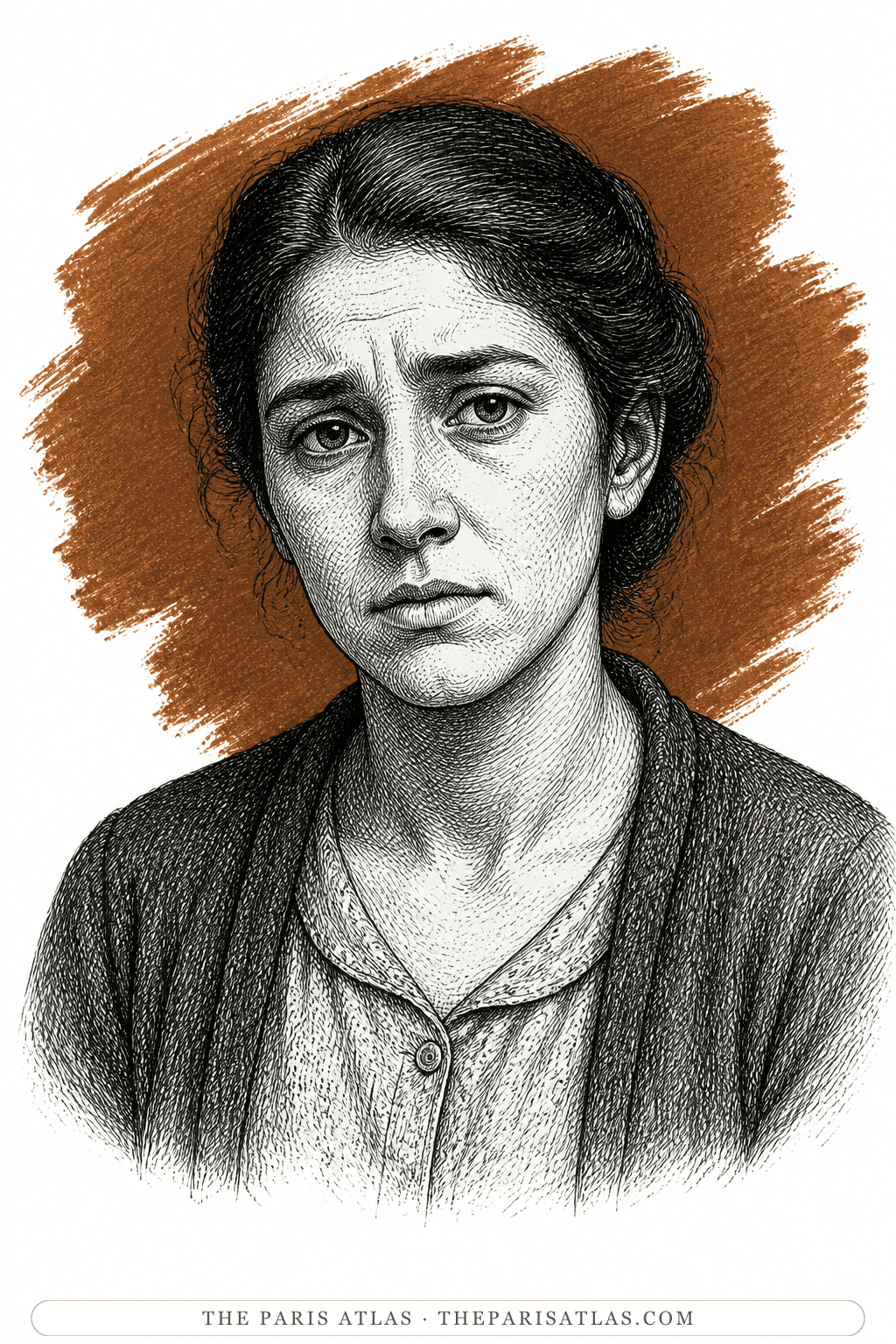
Lola Hernandez
The young daughter-in-law in the same Barcelona flat, five months without seeing her husband, with a baby who is not getting enough to eat.
To have her husband home from the front, and enough food for her daughter.
The book

At a glance
- 'Lola' — the carpenter's daughter-in-law, married to his younger son Federico
- A baby, not named in the report, ill from malnutrition
- 'The Third Winter', the last of the three reports from the Spanish Civil War
Who they are in the book
Spoiler-freeLola Hernandez is the youngest adult in the Barcelona flat Martha Gellhorn visited in the winter of 1938, and the only person in it who says out loud that she wants the war to stop. She is married to Federico, the younger of the family's two soldier sons. When Gellhorn arrives she is sitting in a corner of the one lit room, playing quietly with her baby daughter.
The report gives her three subjects and she comes back to all of them. Her husband, whom she has not seen in five months. Her daughter, who is ill because there is not enough of the right food. And the question of when it will end, which her father-in-law tells her to stop asking.
How Lola Hernandez Is Portrayed
- How she first appearsIn a corner of the room, playing quietly with her baby, while her mother-in-law works at the stove and her ten-year-old nephew reads close to the burning wick that lights the place.
- The question she keeps askingShe breaks into the conversation to ask when the war will end. Her father-in-law tells her it will end when they have won it, and to have patience and not be silly. She does not take the question back.
- Five monthsShe explains that she has not seen her husband in five months. Gellhorn's note is that she says it as though it were the worst thing that could happen to anyone.
- The babyShe carries the child over to the light so the visitor can see her and turns the blanket down, then covers her again and says, coldly and proudly, “She does not have the right food to eat and therefore she is not well. But she is a fine child.” Gellhorn's own reckoning, kept out of the room, is that the baby is sick with hunger and will probably not live until summer.
- The lullabyShe sings to the baby to keep her quiet: “Pretty little child, my pretty little girl.”
- Why she stopped going to the operaBarcelona's opera house was still full that winter. She went once and spent the performance thinking that her husband might be wounded at that moment, or might be arriving home on leave while she sat there, so she stays home now.
If you like The Face of War


If you like Martha Gellhorn
Explore authors with a similar voice, perspective, and influence.
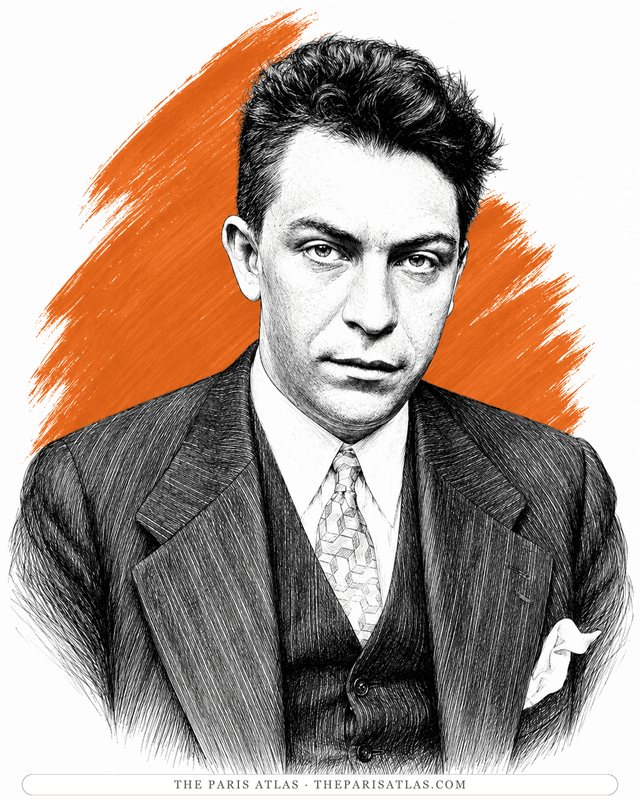
Manuel Chaves Nogales
The other great journalist of the Spanish Civil War, reporting the same conflict with the same refusal to flatter the side he preferred.
View author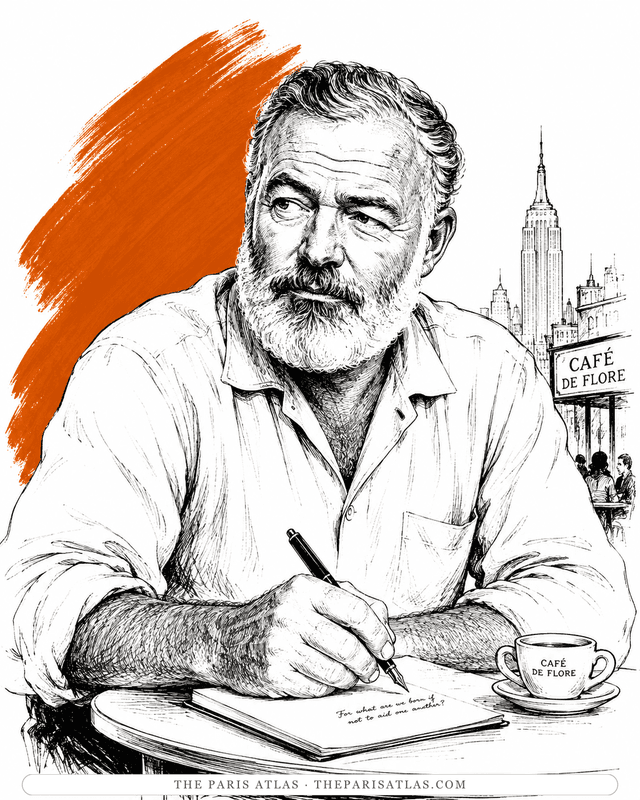
Ernest Hemingway
They covered Spain together and he dedicated a novel to her. Read them side by side for how differently the same war lands in fiction and in dispatch.
View author
Henry Miller
The Brooklyn dropout who arrived in Paris broke at thirty-eight and wrote the exuberant, banned books that ended American censorship.
View author