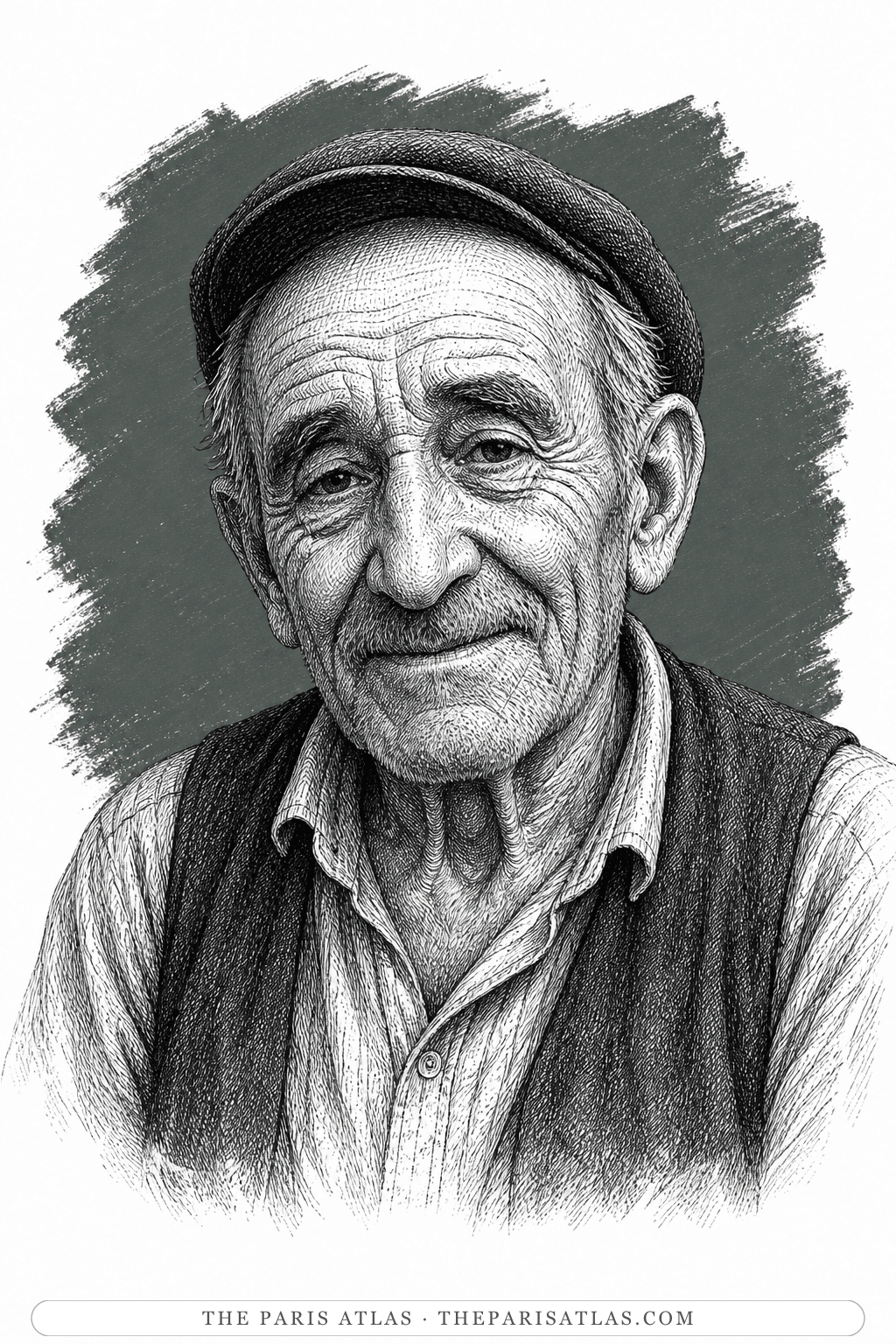
Mr. Hernandez
The carpenter Gellhorn came to see, who cannot get wood because all of it is going to dugouts, props for bombed houses, and coffins.
The book

At a glance
- 'Old Hernandez' — a carpenter in the old town of Barcelona
- To collect a picture frame he was making for a friend of hers. It was not ready
- 'The Third Winter', the last of the three reports from the Spanish Civil War
Who they are in the book
Spoiler-freeMartha Gellhorn went to the Hernandez flat in Barcelona to pick up a picture frame she had ordered for a friend. The frame was not ready. Mr. Hernandez is a carpenter and there was no wood to be had, because the wood in Barcelona that winter was going to dugouts and trenches, to bridges and railroad ties, to propping up bombed houses, to artificial arms and legs, and to coffins.
He is the oldest person in the room and the one who most wants the subject changed. He is calm about the war in a way his daughter-in-law is not, and his reason is plain: he expects to die before it is over, so its outcome is not really his.
How Mr. Hernandez Is Portrayed
- A carpenter without woodThe picture frame Gellhorn ordered was never finished, because there was no wood to make it from. He used to collect fragments from destroyed houses for firewood, but by that winter even the scraps were being saved for the hospitals.
- The greetingHe pushes his cap back on his forehead, smiles, and reports himself alive. It is the first thing he tells her.
- Why he says the war is not really hisHe tells Gellhorn he is so old that he may not live to see the end of it, and that things no longer make much difference to him. His argument is that it will be better afterwards for the children.
- How he handles LolaWhen his daughter-in-law asks when the war will end, he stops her: it will end when they have won it, and she should have patience. He adds that her husband is learning a great deal in the Army, which makes her laugh.
- Twenty-five years in the houseAsked whether the family goes out, he says they all stay home, that he likes the house, and that they have been in it for twenty-five years.
If you like The Face of War


If you like Martha Gellhorn
Explore authors with a similar voice, perspective, and influence.
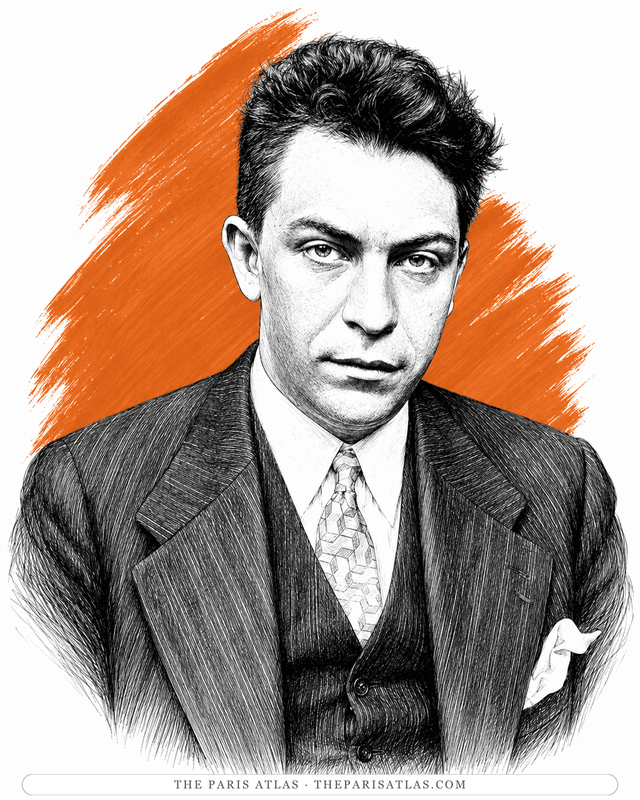
Manuel Chaves Nogales
The other great journalist of the Spanish Civil War, reporting the same conflict with the same refusal to flatter the side he preferred.
View author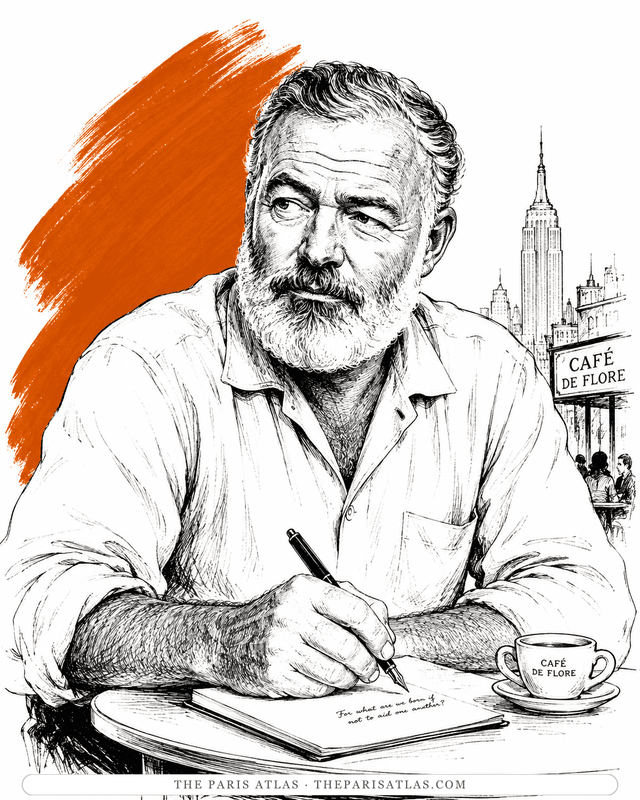
Ernest Hemingway
They covered Spain together and he dedicated a novel to her. Read them side by side for how differently the same war lands in fiction and in dispatch.
View author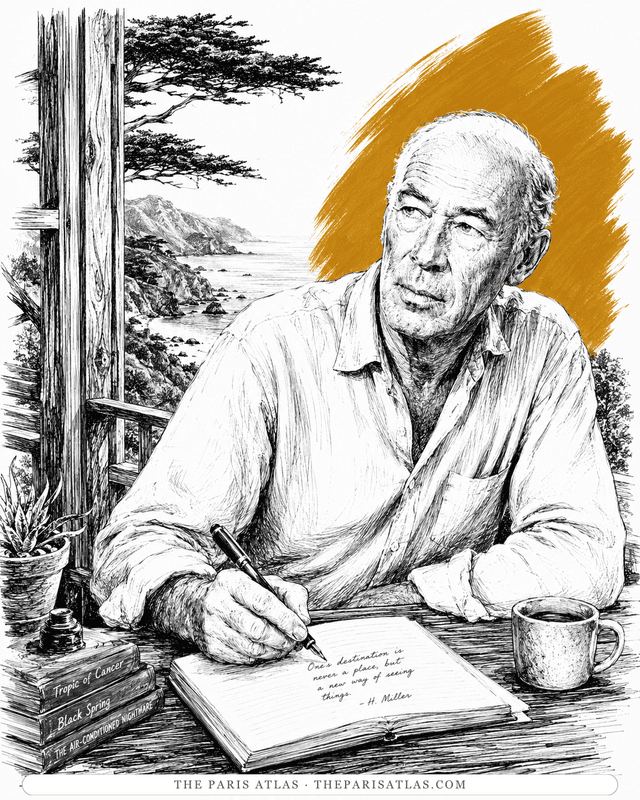
Henry Miller
The Brooklyn dropout who arrived in Paris broke at thirty-eight and wrote the exuberant, banned books that ended American censorship.
View author