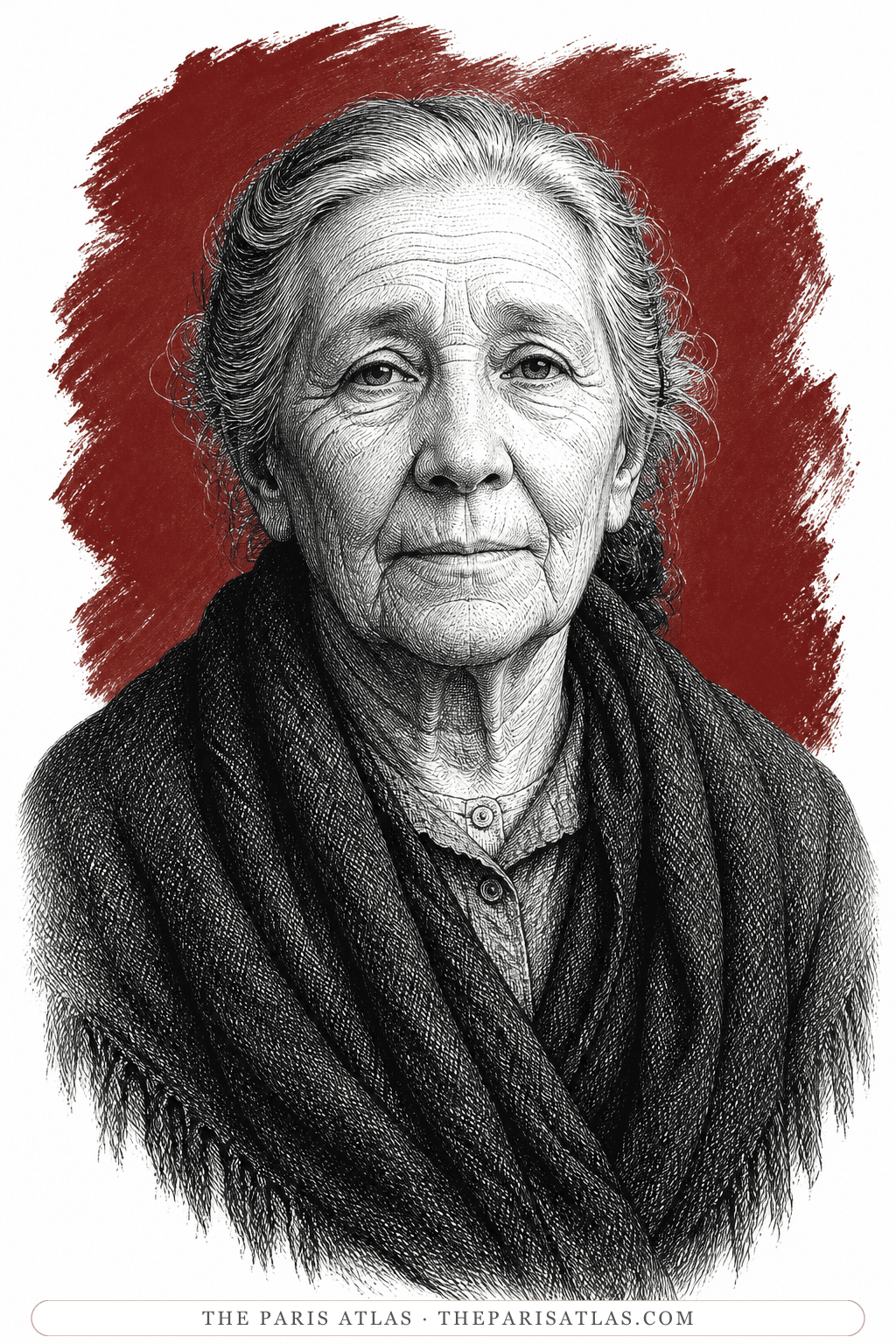
Mrs. Hernandez
A grandmother in Barcelona feeding six people on boiled cabbage leaves, with two sons at the front and her city under daily air raids.
To keep the household fed and her two soldier sons alive, and to be no safer than they are.
The book

At a glance
- 'Old Mrs. Hernandez' — the carpenter's wife
- Her husband, their grown daughter, their daughter-in-law Lola, Lola's baby, and Miguel, her ten-year-old grandson. Both her sons are away at the front
- 'The Third Winter', the last of the three reports from the Spanish Civil War
Who they are in the book
Spoiler-freeLate in 1938, in the third winter of the Spanish Civil War, Martha Gellhorn climbed a dark staircase in the old town of Barcelona to collect a picture frame from a carpenter. The carpenter's wife opened the door and told her she was welcome, that the house was hers. The report Gellhorn wrote about that evening is called 'The Third Winter', and Mrs. Hernandez is at the center of it.
She is the steadiest person in the room. Her husband is too old to work, and both her sons are soldiers. She keeps their positions in her head, one at Tortosa and one somewhere up toward Lérida, and she does not discuss the war with either of them when they come home on leave. Supper for the household is a mound of cabbage leaves and some dry bread. When Gellhorn leaves, it is Mrs. Hernandez who has the last word about her own family.
How Mrs. Hernandez Is Portrayed
- The welcomeGellhorn finds the house in a back street and has to hold a cigarette lighter over her head to see her way down the hall and up the stairs. Mrs. Hernandez opens the door, asks her to come in, and tells her she is welcome and the house is hers.
- How Gellhorn describes herHer head is likened to a fine worn wood carving, and her voice is called blurred with age. She nods and makes a small sympathetic noise rather than answering when there is nothing useful to say.
- SupperShe works over the stove until the room is smoky. What there is to eat is a mound of cabbage leaves about the size of a fist, and dry bread. The women start the greens long in advance because boiled greens go down better soft.
- Her two sonsShe names them and places them without being asked. Tomás is the eldest and the father of her grandson Miguel, and he is at Tortosa; Federico is up toward Lérida somewhere. Tomás had been home the week before.
- What she and Tomás do not discussShe says they do not speak of the war. What he tells her instead is that she is like all the other mothers in Spain and must be brave like the others. Sometimes, she says, he speaks of the dead.
- Why she has not left the cityHer sons are always close to the bombs. Her own conclusion, given plainly: “If my children are in danger, it is not well that I should be safe.”
- The last wordGellhorn stands to leave and says that the third winter is the hardest. Mrs. Hernandez answers for the whole household and closes the subject: “We are Spaniards and we have faith in our Republic.”
If you like The Face of War


If you like Martha Gellhorn
Explore authors with a similar voice, perspective, and influence.
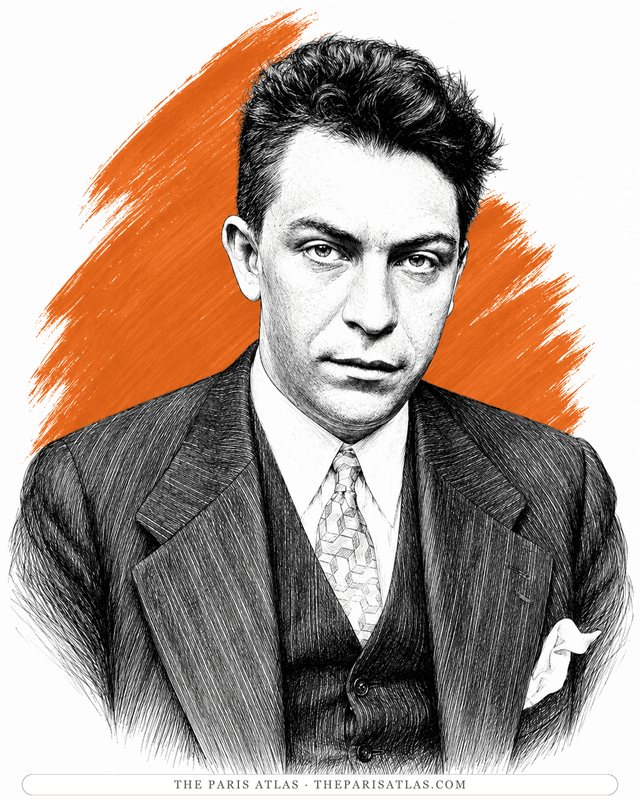
Manuel Chaves Nogales
The other great journalist of the Spanish Civil War, reporting the same conflict with the same refusal to flatter the side he preferred.
View author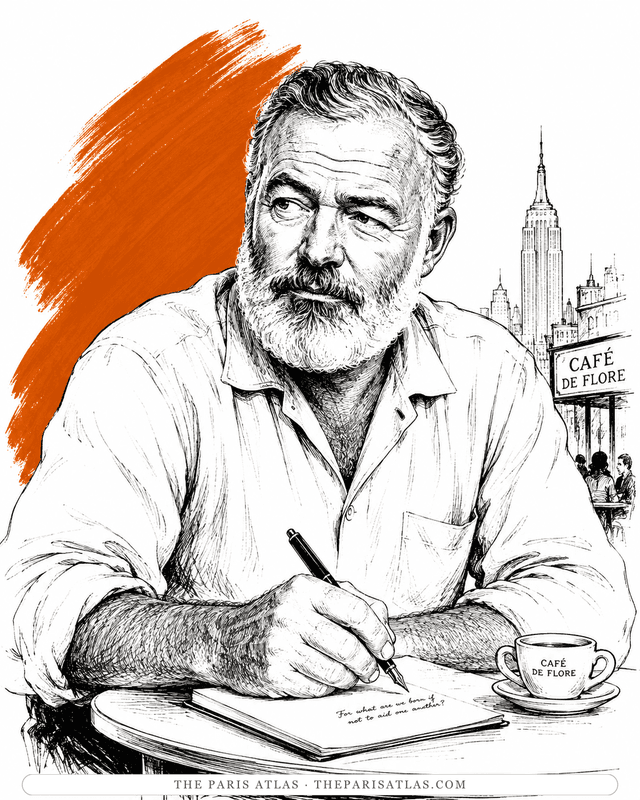
Ernest Hemingway
They covered Spain together and he dedicated a novel to her. Read them side by side for how differently the same war lands in fiction and in dispatch.
View author
Henry Miller
The Brooklyn dropout who arrived in Paris broke at thirty-eight and wrote the exuberant, banned books that ended American censorship.
View author