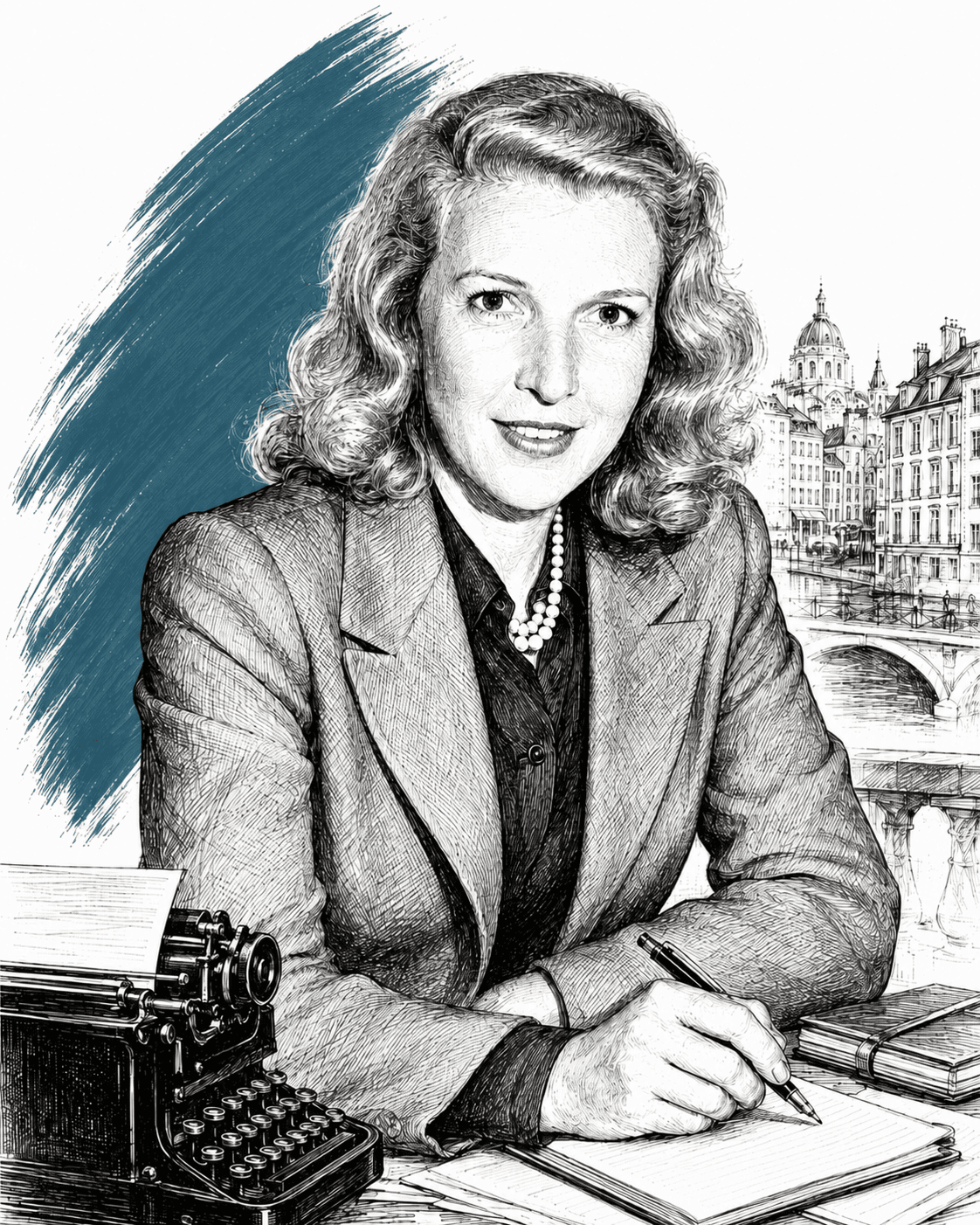


Yours, for Probably Always
Gellhorn's letters from 1930 to 1949: the Depression, Spain, Normandy, Dachau and the Hemingway marriage, printed with the replies included.
- 2019
About Martha Gellhorn
The story, briefly
Spoiler-freeJanet Somerville worked from Gellhorn's restricted papers in Boston to assemble the letters of 1930 to 1949 — the relief work in the Depression, Spain, the Second World War, Normandy, Dachau, and the marriage to Hemingway. What distinguishes it from the Moorehead selection is that it prints responses and letters between other people in her circle, so the correspondence reads as an exchange rather than a monologue. Published by Firefly Books in 2019.
The story, in more detail
Somerville worked from the restricted Gellhorn papers in Boston and confined herself to 1930 to 1949 — from the relief work Gellhorn did for the Federal Emergency Relief Administration during the Depression, through Spain, the Second World War, Normandy and Dachau, to the end of the decade that included and ended the marriage to Hemingway. Twenty years, at a level of detail no other source reaches, and complete silence on the fifty that followed.
What separates it from the Moorehead selection is that it prints the other side. Replies are included, along with letters between people in Gellhorn's circle that she never saw, so an exchange can be read as an exchange rather than as one voice with the answers missing. Somerville's connecting narrative carries the rest. Correspondents include Dorothy Parker and Chiang Kai-shek as well as Hemingway; the intimacy of the letters is real, and so is the fact that Gellhorn wrote knowing her friends were people who kept things.
Themes and analysis
Closing the curtains in Helsinki
Somerville places Gellhorn’s public reporting beside her private letters, allowing different accounts of courage to meet. In the quoted Helsinki dispatch, the bellhop’s shaking hands turn an ordinary hotel task into a measure of fear. Closing curtains cannot stop the attack; the familiar gesture looks like an attempt to recover a little order. Set beside Gellhorn’s letter about controlling her own fear, this scene prevents professional confidence from becoming the whole story. What the correspondent tries to control remains bewildering for the child.
Blue light on the Concorde snow
The Paris passage enters Somerville’s narrative as a later recollection, not as a letter written in the snowy square. That distinction gives its calm an uneasy second meaning. Empty space and dim blue light preserve a scene of beauty, while Gellhorn’s sense that she might never see it again makes that beauty precarious. Rather than treating the peaceful view as proof of security, the passage lets calm and apprehension occupy the same place. The editor’s inclusion of this remembered scene adds another perspective to the correspondence.
Why we recommend it
The war years at close range
Spain through Dachau, in letters written while it was happening rather than recalled afterwards.
The replies are here
Correspondence read as correspondence. It changes what the letters mean.
A different selector
Read against Moorehead's volume, the two editors' choices are themselves informative.
What this book explores
Timeline
1930–1949
The letters run from Gellhorn's Depression relief work through Spain, the Second World War, Normandy, and Dachau, to the end of the decade that included and ended the marriage to Hemingway.
2019
Janet Somerville assembles them from the restricted Gellhorn papers in Boston, and Firefly Books publishes the volume — replies and third-party letters included, so the correspondence reads as an exchange.
2021
An audiobook edition makes the correspondence and Somerville’s connecting narrative available in performance.
Book editions
Hardcover
- Hardcover
- Firefly Books
- 2019
Reader reviews
Readers may also like


Yours, for Probably Always: frequently asked questions
What is Yours, for Probably Always?
A 2019 volume of Martha Gellhorn's letters from 1930 to 1949, assembled by Janet Somerville from Gellhorn's restricted papers in Boston.
What does it cover?
The relief work of the Depression, Spain, the Second World War, Normandy, the liberation of Dachau, and the marriage to Ernest Hemingway.
How does it differ from the Selected Letters?
It confines itself to 1930–1949 and, unlike Caroline Moorehead's selection, prints replies alongside Gellhorn's own letters, so it reads more like a conversation.
Who was Martha Gellhorn?
A pioneering American war correspondent and novelist, and briefly Hemingway's third wife.
What years do the letters span?
1930 to 1949 — from her twenties and her Depression relief work through the end of the Second World War and the Hemingway marriage.
If you like Martha Gellhorn
Explore authors with a similar voice, perspective, and influence.
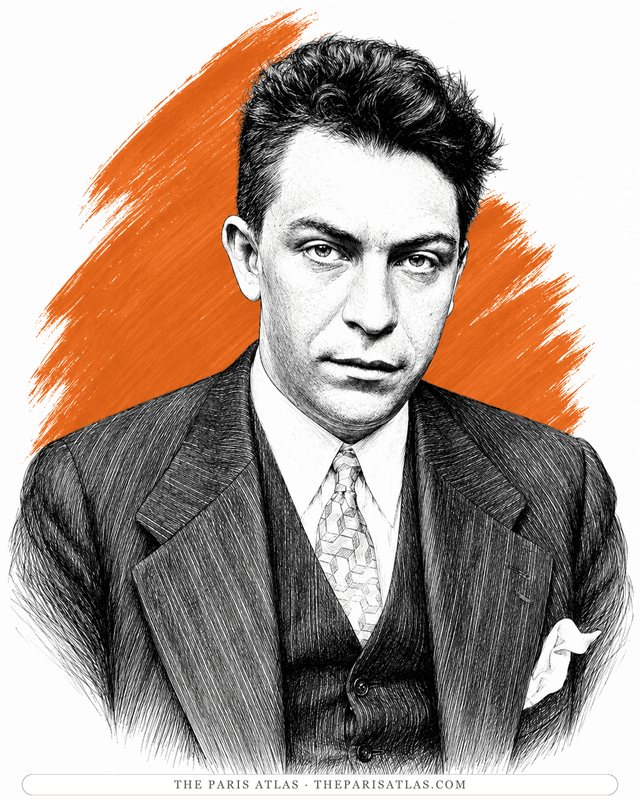
Manuel Chaves Nogales
The other great journalist of the Spanish Civil War, reporting the same conflict with the same refusal to flatter the side he preferred.
View author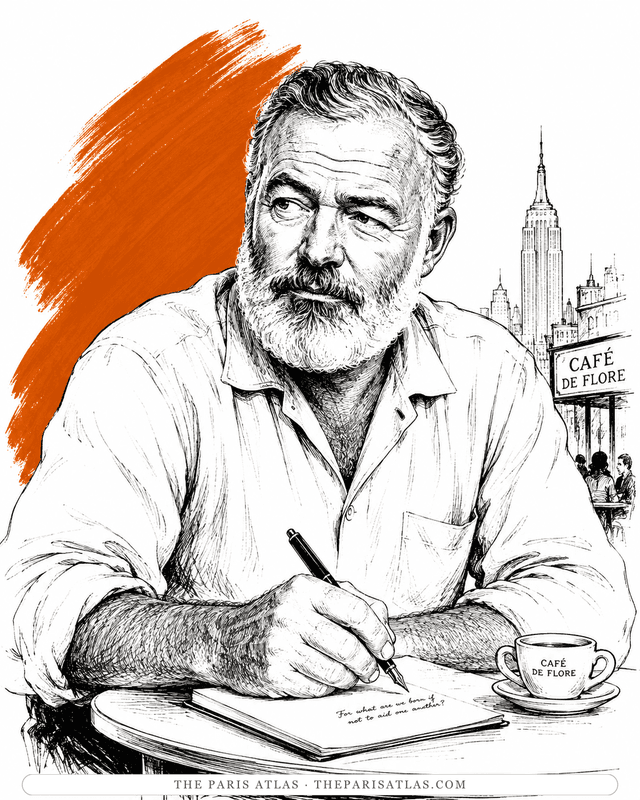
Ernest Hemingway
They covered Spain together and he dedicated a novel to her. Read them side by side for how differently the same war lands in fiction and in dispatch.
View author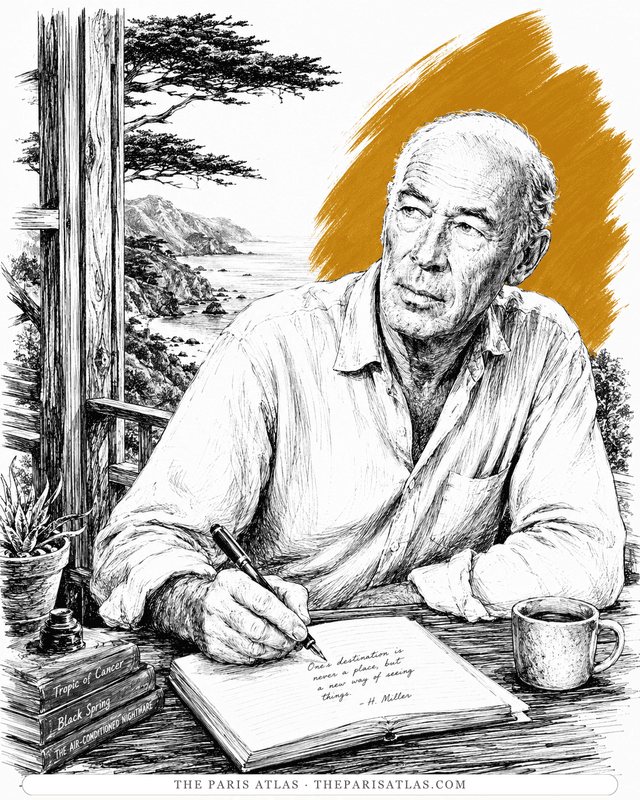
Henry Miller
The Brooklyn dropout who arrived in Paris broke at thirty-eight and wrote the exuberant, banned books that ended American censorship.
View author
References
References
The sources below include the primary text, editions, scholarship, archival materials, and other records that informed this page. They document Yours, for Probably Always, its publication, and its place in literary history.

1Martha Gellhorn: A Life
BiographyCaroline Moorehead, 2003Used forUsed to place Yours, for Probably Always within Martha Gellhorn's published work and verify its bibliographic context.
2Martha Gellhorn — War Correspondent and Writer | Blue Plaques
WebsiteEnglish HeritageUsed forUsed for independent biographical, archival, or historical context surrounding Martha Gellhorn's career and the period in which Yours, for Probably Always appeared.
3Ernest Hemingway Collection — Martha Gellhorn (Hemingway) | EH@JFK, John F. Kennedy Presidential Library
WebsiteJohn F. Kennedy Presidential Library and MuseumUsed forUsed to cross-check authorship, chronology, and the work's place in Martha Gellhorn's wider catalogue.
4Martha Gellhorn | Historic Missourians
WebsiteThe State Historical Society of MissouriUsed forUsed to verify Martha Gellhorn's bibliography and place Yours, for Probably Always within the broader chronology of Martha Gellhorn's career.
5Penguin Random House — Yours, for Probably Always audiobook
WebsiteUsed forWeb source consulted for documented facts and historical context presented on the Yours, for Probably Always page.
6Death in the Present Tense: On Martha Gellhorn’s Love Letters to Ernest Hemingway
WebsiteLiterary Hub, via Firefly Books, 2021Used forPublisher-authorized book excerpt, including quoted reportage and recollection; not a complete collection, dispatch or manuscript-letter reading.
i
Why these sources are here
The primary text is the baseline reference for every book page. Additional references document publication history, interpretation, and historical context where that evidence is available.
 Explore more resources